
Cycling Pants · FAQ
Questions about Windproof Cycling Pants
Straight answers on fit, specs, and when this type makes sense — each topic has its own page with links back to the buying guide.
Open Windproof Cycling Pants guide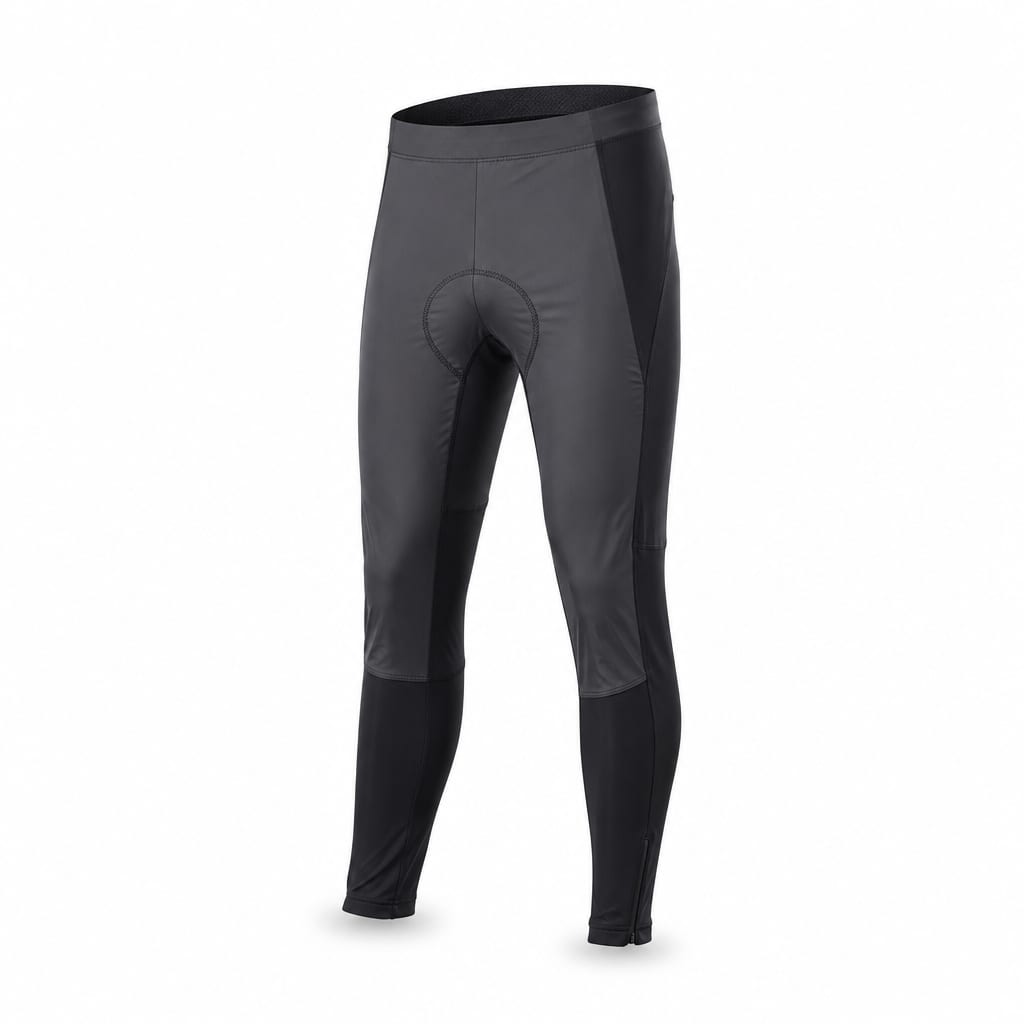
6 topics
Pick a question
Every answer links to the full subcategory guide and related gear types when it helps you decide.
What temperature range are windproof cycling pants designed for?
Most windproof cycling pants are optimized for 0-10°C (32-50°F), which covers typical winter riding conditions in temperate climates. Heavier models with thicker fleece lining can extend down to -10°C (14°F). Above 12°C (54°F), windproof pants will likely cause overheating. If you ride in a wide temperature range, consider owning two pairs: a lighter pair for 5-12°C and a heavier pair for sub-5°C conditions.
Read answer →02Are windproof cycling pants waterproof?
No, windproof cycling pants are water-resistant, not waterproof. Most feature a DWR (Durable Water Repellent) coating that sheds light rain, road spray, and sleet, but they will eventually wet through in sustained heavy rain. For heavy rain, you need dedicated waterproof rain pants worn over your windproof pants or padded shorts. The advantage of DWR over full waterproofing is much better breathability during hard efforts.
Read answer →03Should I choose bib or waist-style windproof cycling pants?
Bib versions are strongly recommended for windproof pants. The bib straps eliminate the gap between your jersey and tights at the lower back—a critical vulnerability in cold weather where cold air rushes in every time you lean forward. Bibs also keep the chamois more securely in position and distribute pressure more evenly. The only downsides are higher cost and bathroom inconvenience, though drop-tail designs address the latter for women riders.
Read answer →04Can I wear windproof cycling pants for commuting?
Yes, windproof cycling pants are excellent for cold-weather commuting, especially for rides over 20 minutes where wind chill becomes significant. For shorter commutes, the time to change and the cost may not be justified. If your commute involves stops where you don't want to appear in form-fitting Lycra, consider baggy windproof commuter pants instead, or wear windproof tights under loose over-pants.
Read answer →05How do windproof cycling pants differ from thermal tights?
The key difference is the windproof membrane. Standard thermal tights use fleece fabric throughout, which traps warm air but allows wind to penetrate—especially at speed. Windproof pants incorporate a membrane on front-facing panels that blocks air penetration, dramatically reducing wind chill. This makes windproof pants significantly warmer in windy conditions and on fast descents, even if the fabric thickness is similar. The trade-off is reduced stretch, slightly higher cost, and potential overheating above 12°C.
Read answer →06How should I care for the DWR coating on windproof cycling pants?
Wash inside out at 30°C without fabric softeners, which clog the membrane. Reapply DWR treatment every 5-10 washes using a spray-on product like Nikwax or Grangers. You'll know it's time to reapply when water stops beading on the surface and starts soaking in instead. Hang dry only—heat from tumble drying can damage the membrane. With proper care, a quality pair of windproof pants should maintain effective water resistance for 2-3 seasons.
Read answer →