Kitvore.com

Kitvore.com

Specs that matter. Gear that fits.

Cycling Equipment

Cycling Pants

Padded and unpadded legwear designed specifically for cycling, including bib shorts, waist shorts, knickers, tights, and baggy shorts engineered for on-bike comfort, performance, and protection.

Road cyclists seeking performance and long-distance comfortMountain bikers needing durability and range of motionCommuters wanting versatile on-and-off-bike functionalityGravel and adventure riders requiring all-condition protection

16

Key specs

10

Subcategories

7

Related gear topics

Cycling Pants

Overview

What this equipment is for

Cycling pants are a foundational piece of cycling equipment that directly impacts rider comfort, performance, and endurance. Unlike casual athletic wear, cycling-specific pants feature ergonomic paneling for on-bike positioning, chamois padding to reduce saddle pressure, moisture-wicking fabrics, and compression properties. The category spans from race-oriented bib shorts to casual baggy shorts, cold-weather tights, and 3/4 knickers, each optimized for different riding styles, durations, and conditions.

Related equipment

Cycling jerseysChamois creamBase layersOvershortsKnee and leg warmersSaddlesCycling underwear

Buying specs

Specs worth understanding before you buy

Each spec explains how it affects performance, fit, and whether a product suits your style and use case.

Core Design

Fundamental design choices that define the type and purpose of the cycling pants.

Style

Pant Type

Importance

The fundamental construction style of the cycling pants, determining overall design, intended use, and how the garment stays in position while riding.

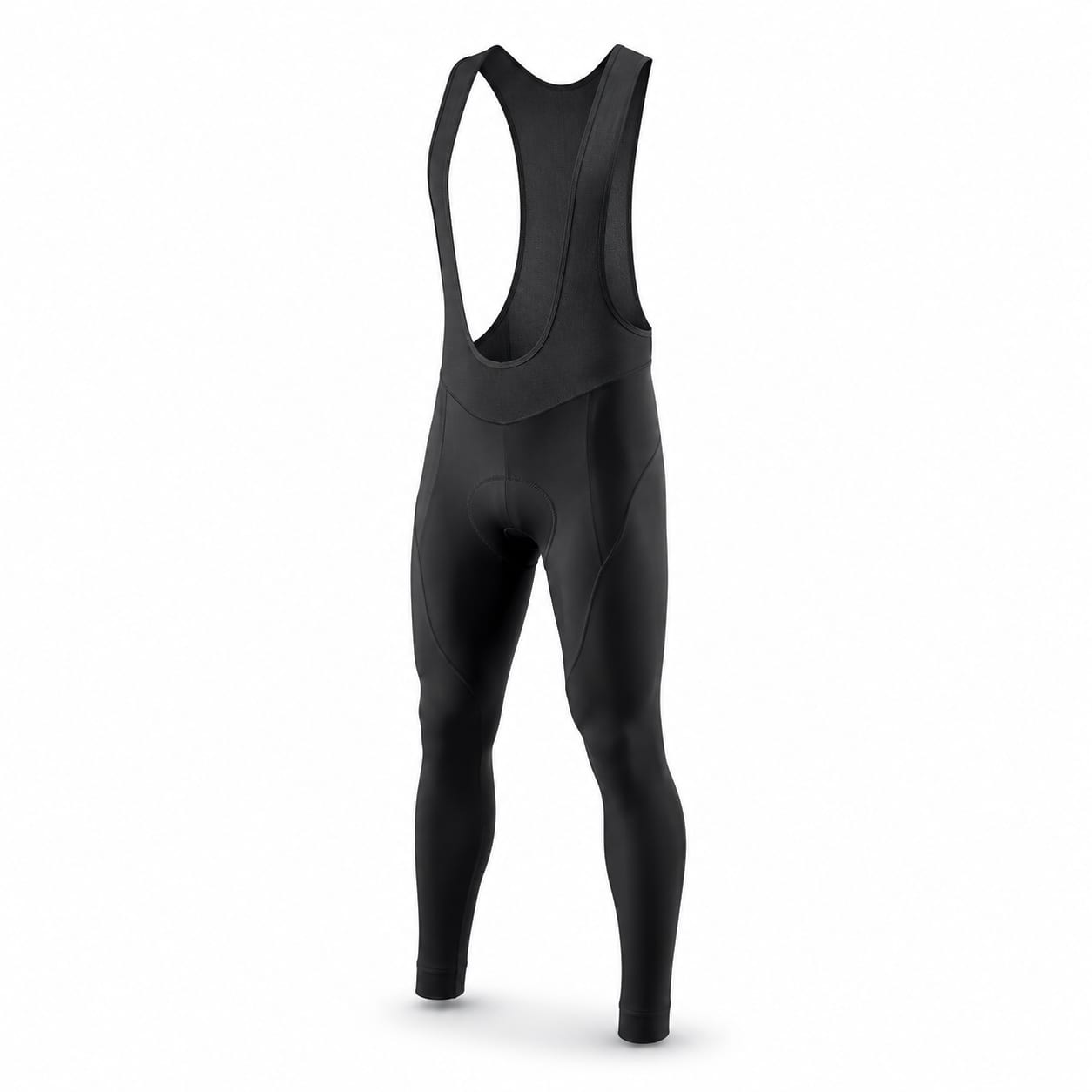
Bib Short

Shoulder-strapped short with integrated suspenders that eliminate waistband pressure and keep the chamois locked in position.

Waist Short

Traditional elastic waistband short without shoulder straps, similar to standard athletic shorts but with cycling-specific features.

Knickers / 3/4 Length

Cycling pants extending to just below the knee or mid-calf, available in bib or waist versions, providing extra coverage and warmth.

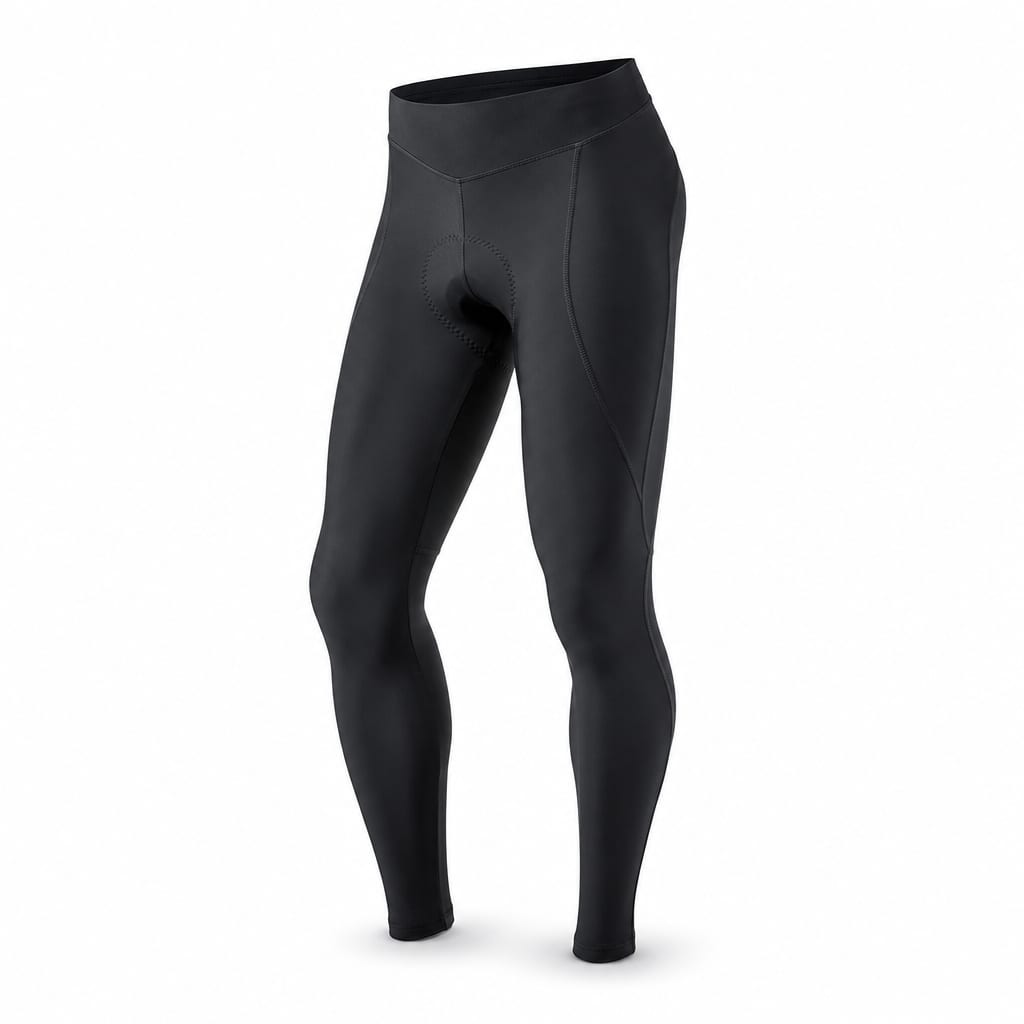
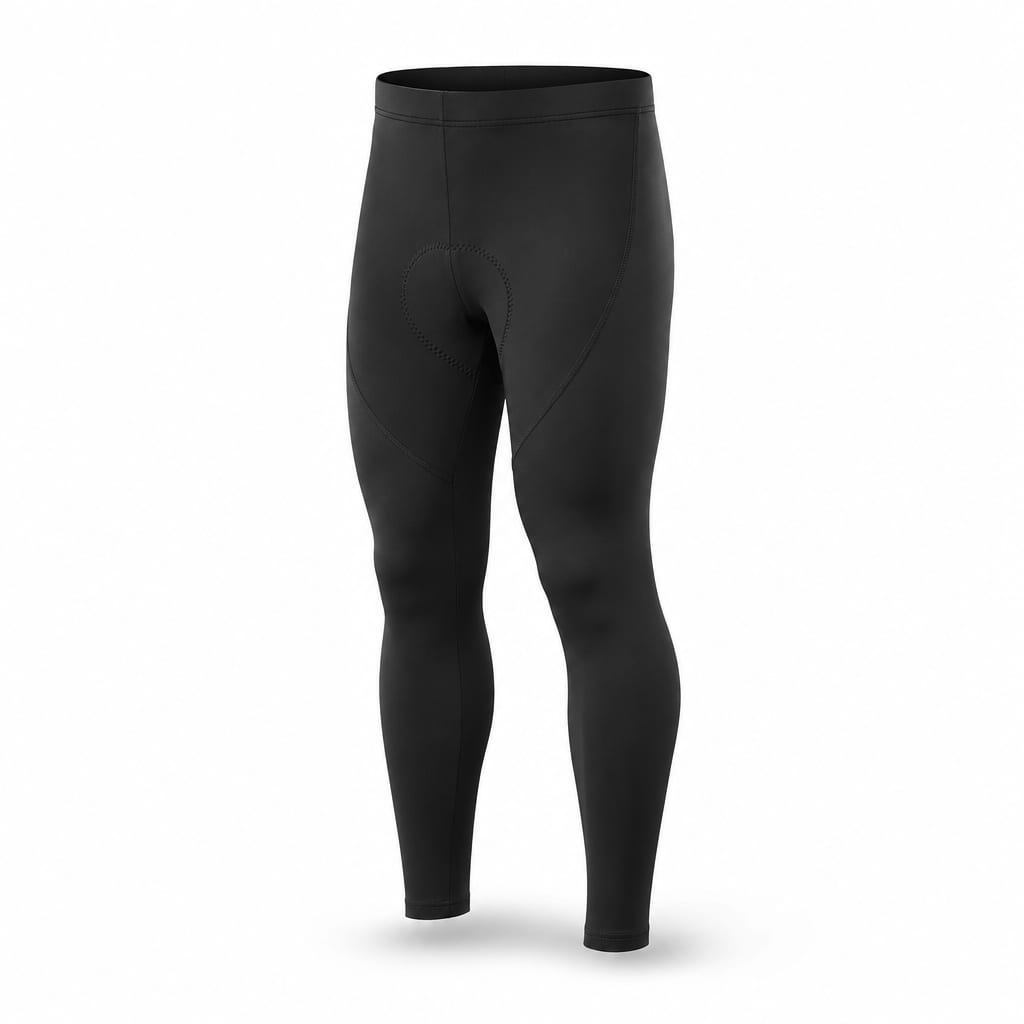
Full-Length Tights

Ankle-length cycling pants providing full leg coverage and insulation, available in bib or waist versions, often with thermal or windproof fabrics.

Start with the type that matches your primary riding. For road cycling over 2 hours, bib shorts are the gold standard. For mountain biking, baggy shorts with a quality liner are most common. For commuting, waist shorts or baggy shorts offer convenience. Consider owning multiple types for different conditions and ride durations.
Fit

Fit Type

Importance

How closely the cycling pants conform to the body, affecting aerodynamics, compression, comfort, and freedom of movement.

Race / Second Skin

Extremely form-fitting cut with no excess fabric, optimized for aerodynamics and maximum muscle compression. Designed for the riding position only.

Club / Performance

Close-fitting but with slightly more room than race fit, balancing performance with comfort for long rides.

Relaxed / Endurance

More generous cut allowing full freedom of movement, with slightly looser fabric that doesn't cling as tightly.

Loose / Baggy

Significant excess fabric allowing full range of motion both on and off the bike, typical of mountain bike shorts.

Choose fit based on your riding style and comfort preferences. Race fit is only for those who prioritize aerodynamics above all else. Club fit is the best all-around choice for most road cyclists. Relaxed fit suits endurance riders and those wanting more comfort. Loose/baggy fit is standard for mountain biking and casual riding. When in doubt, go with club fit for road cycling.

Inseam Length

Leg Length

Importance

The length of the leg portion of the cycling pants, measured from the crotch seam to the leg opening, determining coverage and muscle compression area.

Short (above mid-thigh)

Legs ending well above mid-thigh, offering minimal coverage and maximum ventilation. Common in triathlon and some women's styles.

Standard (mid-thigh to just above knee)

Traditional cycling short length ending 3-6 inches above the knee, the most common length for road and general cycling shorts.

Long (just above to at knee)

Extended leg length reaching to just above or at the knee crease, providing more compression and coverage.

3/4 Length (below knee to mid-calf)

Extends past the knee to mid-calf, covering the knee joint for warmth and protection.

Leg length affects both comfort and temperature regulation. Standard length works for most conditions and riders. Longer inseams are trending in road cycling for improved compression and aero benefits. For cold weather, 3/4 or full-length options protect knees and legs. Consider your riding climate and personal preference for coverage.

Comfort & Padding

Attributes directly affecting saddle comfort, the primary function of cycling pants.

Pad Type

Chamois Type

Importance

The design, construction, and technology of the padded insert sewn into the crotch area of cycling pants, which is the primary determinant of saddle comfort.

Multi-Density Foam

Chamois with varying foam densities in different zones—firmer under sit bones, softer in perineal area—providing targeted support and pressure relief.

Gel Insert

Chamois incorporating silicone or polymer gel pads in key pressure areas for additional vibration damping and shock absorption.

Single-Density Foam

Basic chamois with uniform foam density throughout, found in entry-level and budget cycling pants.

Anatomical 3D Molded

Chamois shaped using 3D molding technology to match the body's contours without seams or hard edges, often with graduated thickness.

The chamois is the most important comfort component. For rides over 2 hours, multi-density or anatomical 3D pads are strongly recommended. Gel inserts help riders with specific sensitivity issues. Minimal race pads suit experienced racers doing short events. If buying baggy shorts, check whether a quality liner with chamois is included or must be purchased separately.

Pad Thickness

Chamois Thickness

Importance

The maximum thickness of the chamois padding, typically measured at the densest point under the sit bones, affecting cushioning level and feel on the saddle.

Typical range: 3–18 mm

Thicker is not always better. 3-6mm suits racing and short rides where freedom of movement matters. 8-13mm is the sweet spot for most riders doing 2-6 hour rides. 14-18mm is best for endurance, bikepacking, or riders with significant saddle sensitivity. Very thick pads can cause chafing between the legs and may not fit well with all saddles.

Seam Construction

Seam Type

Importance

The method used to join fabric panels, affecting comfort, chafing risk, durability, and aerodynamics.

Flatlock Stitching

Seams where fabric edges are overlapped and stitched flat, creating a low-profile seam that lies smooth against the skin.

Bonded / Welded Seams

Fabric panels joined using heat-bonded tape or adhesive rather than stitching, creating nearly seamless joints.

Overlock / Overcast Stitch

Traditional seam where edges are wrapped in thread, creating a raised seam on the inside of the garment.

Seamless Zones / Minimal Seam

Strategic elimination of seams in high-contact areas (inner thigh, perineal) through panel design or tubular knitting.

Flatlock stitching is the minimum acceptable seam type for cycling shorts—avoid overlock seams for any ride over an hour. Bonded seams offer the best comfort and aero benefits at a premium price. Seamless zone construction is ideal for long-distance riders or anyone prone to chafing. Pay special attention to seams in the inner thigh and crotch area.

Fabric & Performance

Material properties affecting riding performance, comfort, and durability.

Material

Fabric Composition

Importance

The primary materials used in the cycling pants construction, affecting stretch, moisture management, durability, compression, and comfort.

Nylon-Spandex Blend

Durable nylon with spandex/elastane for stretch, offering excellent abrasion resistance and shape retention.

Polyester-Spandex Blend

Lightweight polyester with spandex for stretch, offering superior moisture wicking and quick-dry properties.

Lycra Power / High-Compression

Premium Lycra fabric engineered for targeted compression, improving blood flow and reducing muscle fatigue.

Thermal Fleece / Roubaix

Brushed inner fleece surface that traps warm air, often with a wind-resistant outer face, for cold weather insulation.

For most road cycling, polyester-spandex blends offer the best moisture management. Nylon-spandex is more durable for mountain biking. Thermal fleece is essential for cold weather. Look for at least 15-20% spandex/elastane content for adequate stretch and shape retention. Premium fabrics like Lycra Power offer measurable compression benefits for serious riders.

Compression

Compression Level

Importance

The degree of graduated or uniform compression provided by the fabric, affecting muscle support, blood flow, fatigue reduction, and recovery.

Light Compression

Gentle fabric tension that holds the short in place without significant compressive effect on muscles.

Moderate Compression

Noticeable compression that supports muscles and improves fit without feeling restrictive, the most common level.

Firm Compression

Strong compression providing significant muscle support and improved blood flow, typical of race-oriented and premium shorts.

Graduated Medical-Grade

Compression that varies by zone (highest at extremities, decreasing upward), mimicking medical compression garments for maximum circulatory benefit.

Moderate compression is the best starting point for most riders. Firm compression benefits performance-oriented riders but takes getting used to. Light compression suits casual riders and hot weather. If you're new to cycling pants, start with moderate and move to firm if you want more support. Compression should feel supportive, not painful or numbing.

Number of Panels

Panel Count

Importance

The number of individual fabric pieces used to construct the cycling pants, with more panels generally allowing better anatomical shaping and fit.

Typical range: 2–10 panels

More panels generally mean better fit, as each panel can be shaped for a specific body zone. 6-8 panels is the sweet spot for quality cycling shorts. 2-4 panel shorts are typically entry-level. 10+ panels are found in premium shorts with highly anatomical shaping. However, panel count alone doesn't guarantee quality—panel shape and placement matter equally.

Fit & Security

Features that keep cycling pants properly positioned during riding.

Leg Gripper

Leg Gripper Type

Importance

The method used to keep the leg openings of cycling pants in place and prevent riding up during pedaling.

Silicone Dot Gripper

Small silicone dots printed on the inner hem that grip the skin, the most common and effective gripper type.

Silicone Band Gripper

Continuous silicone strip along the inner hem providing consistent grip around the entire leg opening.

Compression Hem / Raw Cut

No separate gripper—relying on the fabric's own compression and a raw-cut edge to stay in place, creating a seamless look.

Elastic Band Gripper

Traditional elastic sewn into the hem, sometimes with silicone coating, providing mechanical grip through tension.

Silicone dot grippers are the most versatile and comfortable for most riders. Compression hems look great but may not stay up on all body types, especially in hot weather. If you have larger thighs, ensure the gripper isn't too restrictive. The gripper should hold the short in place without cutting off circulation or causing discomfort.

Waistband

Waist System

Importance

The construction and closure system at the waist of non-bib cycling pants, affecting comfort, security, and adjustability.

Elastic Only

Simple elastic waistband without any adjustment, relying on fabric stretch and correct sizing for fit.

Elastic with Drawstring

Elastic waistband with internal or external drawstring for adjustable fit and security.

Wide Comfort Waistband

Broad, flat waistband (2-4cm wide) that distributes pressure evenly around the waist for comfort on long rides.

Snap/Button with Zip Fly

Traditional pant closure with snap or button and zip fly, providing secure and adjustable waist closure.

For waist shorts, a wide comfort waistband is the most comfortable option for road cycling. Elastic with drawstring is practical for mountain biking and commuting. Simple elastic works if you get the sizing right. Snap and zip fly closures are standard for baggy shorts but can cause discomfort in aggressive riding positions. If waistbands bother you, consider bib shorts instead.

Bib Strap Style

Bib Strap Design

Importance

The construction and configuration of shoulder straps on bib-style cycling pants, affecting comfort, breathability, and convenience.

Standard Mesh Straps

Traditional mesh or perforated fabric straps that cross over the upper back, providing ventilation and lightweight support.

Stretch Knit Straps

Smooth, stretchy knit fabric straps that lie flat against the body, often wider than mesh for comfort and reduced pressure points.

Integrated Back Panel

Straps that merge into a full or partial back panel, providing structure, lower back coverage, and a more secure feel.

Drop Tail / Bathroom Convenience

Bib straps with a design allowing the back to be lowered without removing the jersey, typically via clips, zippers, or stretch panels.

For most riders, standard mesh straps work well and are well-ventilated. Stretch knit straps are worth the upgrade for long-distance comfort. Drop-tail designs are strongly recommended for women riders. Integrated back panels provide great support but run warmer. Try different styles if you find bib straps uncomfortable—designs vary significantly between brands.

Weather & Conditions

Attributes related to weather protection, temperature regulation, and environmental adaptation.

Temp Range

Temperature Range

Importance

The ambient temperature range in which the cycling pants are designed to perform optimally, based on fabric weight, insulation, and breathability.

Hot (25°C+ / 77°F+)

Ultra-lightweight, maximum ventilation fabrics designed for hot weather riding with minimal insulation.

Warm (18-28°C / 64-82°F)

Standard-weight cycling shorts designed for comfortable riding in warm to moderate conditions.

Mild (10-20°C / 50-68°F)

Slightly heavier fabric or 3/4 length providing a bit more warmth for cooler conditions.

Cool (0-12°C / 32-54°F)

Thermal or fleece-lined fabrics providing significant insulation for cold weather riding.

Most riders need at least two pairs: a warm-weather short and a cool/cold-weather option. Standard warm-temperature shorts cover the widest range of conditions. For riders in variable climates, 3/4 knickers offer good transition-season versatility. Invest in quality thermal tights if you ride through winter—cold legs significantly reduce comfort and performance.

Water Resistance

Water Resistance

Importance

The level of water and rain protection provided by the cycling pants, from none to fully waterproof.

None

No water-resistant treatment; fabric absorbs moisture readily.

DWR Coated

Durable Water Repellent treatment causing water to bead and roll off, providing light rain and splash protection.

Waterproof Membrane

Integrated waterproof/breathable membrane (e.g., Gore-Tex) providing full rain protection.

For most cycling shorts, water resistance is unnecessary—focus on moisture wicking instead. DWR coating is a nice bonus for mountain biking and commuting. Dedicated waterproof rain pants are worth owning if you commute or tour in wet climates. Don't compromise breathability for water resistance in standard shorts—you'll generate more moisture from sweat than rain in most conditions.

UPF Rating

UV Protection

Importance

The Ultraviolet Protection Factor rating indicating how effectively the fabric blocks UV radiation, important for long sun-exposed rides.

Typical range: 0–50 UPF

UPF 30+ provides good protection for most riding. UPF 50+ is excellent for very sun-sensitive riders or all-day sun exposure. Most quality cycling fabrics provide some UV protection naturally, but dedicated UPF ratings indicate tested protection. If you ride frequently in strong sun, prioritize UPF-rated shorts. Remember that stretched fabric provides less protection than unstretched.

Reflectivity

Reflective Elements

Importance

The presence and extent of reflective materials on the cycling pants for visibility in low-light conditions.

None

No reflective elements on the cycling pants.

Minimal (Logo/Small Accent)

Small reflective logo or subtle accent elements providing basic visibility acknowledgment.

Moderate (Multiple Elements)

Several reflective elements strategically placed for 360° visibility, such as leg grippers, side panels, and logos.

High Visibility (Extensive)

Large reflective panels, hi-vis colors, and comprehensive visibility features designed for regular low-light riding.

If you commute or ride in low light, prioritize at least moderate reflectivity. For daylight-only riding, minimal or no reflectivity is acceptable. High-visibility options are strongly recommended for regular commuters. Consider that reflective elements on legs are particularly effective because pedaling motion attracts attention.

Utility

Practical features for carrying essentials and on-bike convenience.

Pockets

Pocket Configuration

Importance

The number, type, and placement of pockets on the cycling pants, affecting storage options for ride essentials.

No Pockets

No pockets on the cycling pants, relying on jersey pockets or other storage solutions.

Minimal (1-2 Small Pockets)

One or two small pockets, often on the thigh or back, for essentials like keys, card, or gel.

Standard (2-4 Pockets)

Multiple pockets including thigh cargo pockets, typical of mountain bike and commuter shorts.

Extensive (5+ Pockets)

Numerous pockets including cargo thigh pockets, back pockets, and zippered secure pockets for maximum storage.

For road cycling, no pockets is standard—use jersey pockets instead. Mountain bikers should look for at least standard pocket configuration. Commuters benefit from secure zippered pockets for phone and wallet. Gravel riders increasingly appreciate thigh pockets for easy access to nutrition. If you ride without a jersey, prioritize shorts with pockets.

Specs FAQ

Common questions about these buying specs

Plain-English answers for each spec and option — tap through for the full explanation.

Why do most road cyclists wear bib shorts instead of regular waist shorts? Are they really worth it?

Bib shorts use shoulder straps (like suspenders) instead of an elastic waistband to hold everything in place. This design eliminates waistband pressure, which means no digging into your stomach and no restriction on breathing—especially noticeable when you're leaning forward on the bike. The biggest advantage is that the chamois (the padded insert) stays locked exactly where it needs to be. With waist shorts, the chamois can shift during aggressive pedaling or when you move around on the saddle, leading to chafing and hot spots on longer rides. Bib shorts prevent that movement entirely. They're the go-to choice for road cycling, racing, and any ride over two hours. The tradeoff is convenience: you'll need to remove your upper layers for bathroom breaks. But for longer rides where comfort matters most, most cyclists find that tradeoff well worth it.

When should I choose waist shorts over bib shorts for cycling?

Waist shorts are a great choice for shorter rides under two hours, indoor training sessions, or hot-weather riding when you want maximum ventilation and easy on/off convenience. They're also ideal if you simply find bib straps uncomfortable or dislike the feeling of suspenders on your shoulders. The main trade-off is that the elastic waistband can roll or create pressure points during longer rides, and the chamois pad may shift slightly when you're riding aggressively out of the saddle. For rides over a couple of hours, most cyclists find bib shorts more comfortable since the straps keep everything locked in place without any waist restriction. That said, waist shorts shine for their simplicity—quick bathroom breaks, easy to throw on for a spin class or commute, and no need to remove your jersey to take them off. If most of your riding is under two hours or you prioritize convenience, waist shorts are a solid pick.

When should I choose cycling knickers over regular shorts or full tights?

Cycling knickers (also called 3/4-length pants) hit that sweet spot between shorts and full tights. They extend to just below the knee or mid-calf, giving you extra coverage and warmth without the full enclosure of tights. They're ideal for spring and fall riding when temperatures hover around 12–18°C (54–64°F)—too cool for bare knees but not cold enough for full leg coverage. The main benefit is protecting your knees from chill, which matters more than many riders realize. Cold knees can lead to discomfort and even joint issues over time, so keeping them covered during transitional seasons is a smart move. Knickers give you that protection without the overheating risk of full tights. One thing to watch: the calf grippers can feel restrictive on some models, so check the fit if you have larger calves. Knickers come in both bib and waist versions—bibs keep the chamois more secure on longer rides, while waist versions are easier to take on and off.

When should I choose full-length cycling tights over shorter options?

Full-length tights are your go-to when temperatures drop below 10°C (50°F). They provide complete leg coverage and insulation, keeping your muscles warm and comfortable during cold-weather rides—whether that's winter training, chilly commutes, or early morning starts. One key decision: bib or waist version? Bib tights are the popular choice for serious riding because the shoulder straps eliminate waistband gaps that let cold air in, especially across your lower back. Waist versions are easier to take on and off, which can matter for commuting or quick changes. Be careful not to wear them when it's too warm, though—anything above about 12°C and you'll likely overheat. If you ride in windy conditions, look for tights with windproof front panels; they make a noticeable difference in cutting wind chill without adding bulk.

Subcategories

Different styles, different picks

Each sub-type has its own guide with typical specs, trade-offs, and buying advice.

Bib Tights

Bib Tights

$80 – $400

dominant

Full-length cycling tights with integrated suspender/brace system for secure, comfortable fit during long rides.

integrated bib suspenderschamois pad includedfull leg coverage to ankle
Waist Cycling Tights

Waist Cycling Tights

$40 – $200

common

Full-length cycling tights with a traditional elastic waistband, offering a simpler alternative to bib tights.

elastic waistbandchamois pad includedfull leg coverage
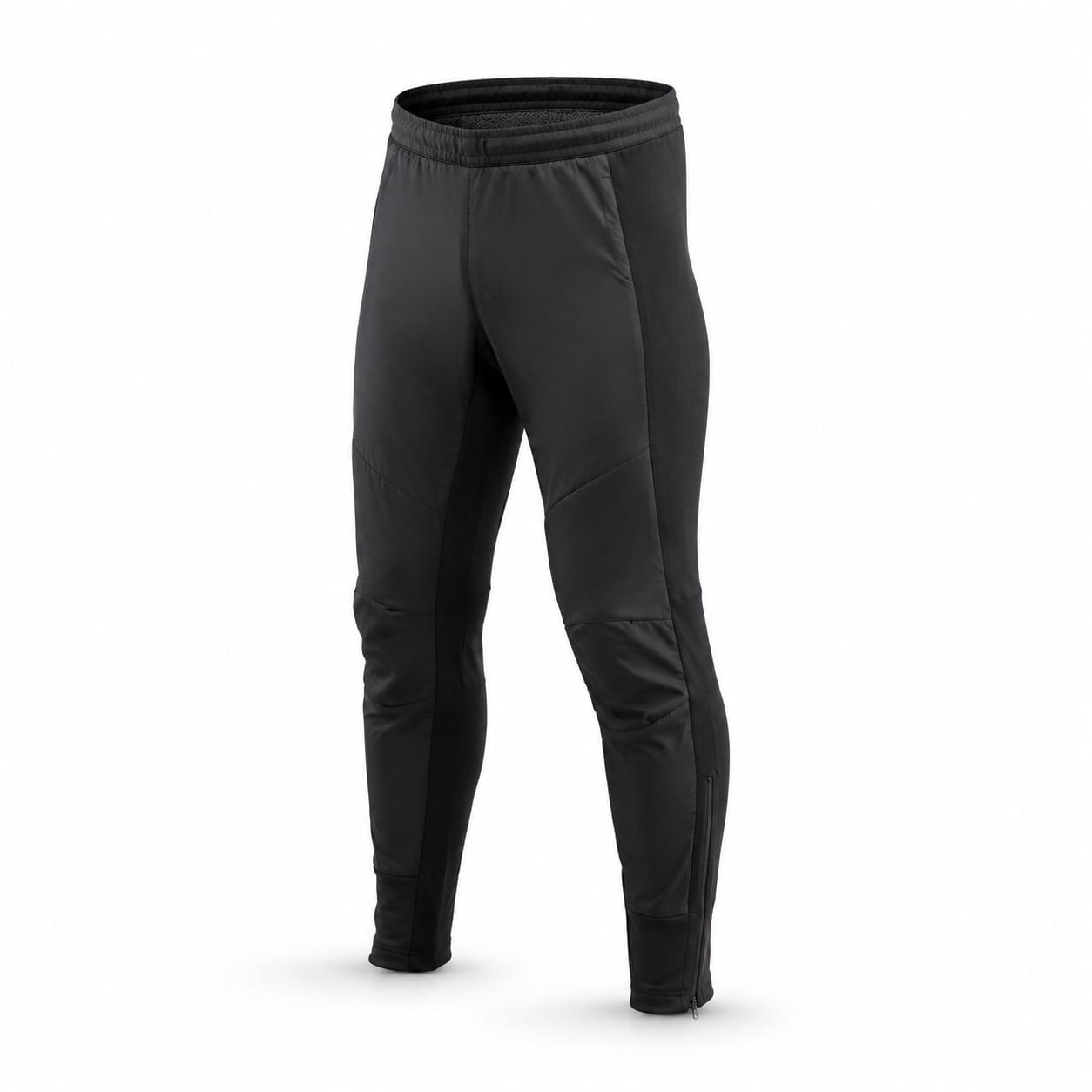
Thermal Cycling Pants

Thermal Cycling Pants

$80 – $380

common

Insulated cycling pants designed for cold weather riding, featuring fleece-lined or heat-retaining fabrics.

fleece-lined interiorwindproof front panelswater-resistant treatment
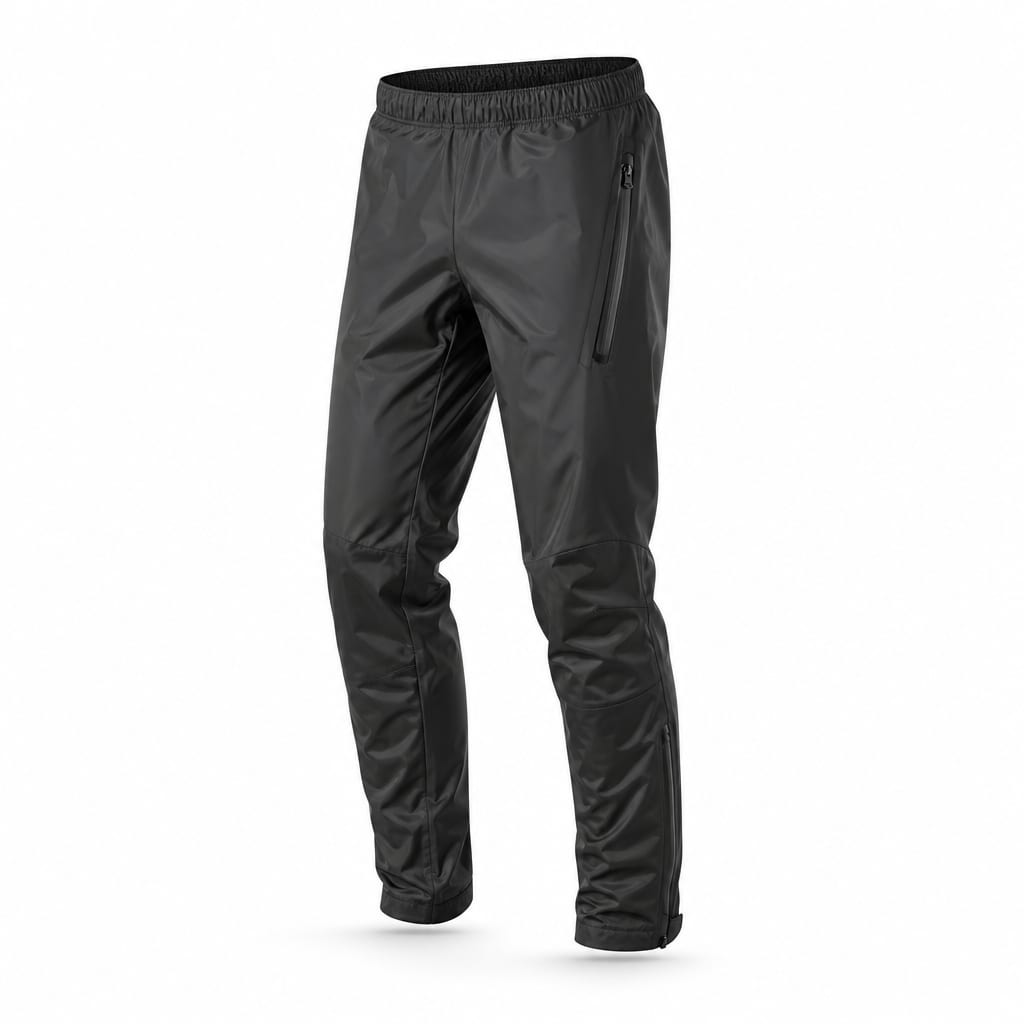
Waterproof Cycling Pants

Waterproof Cycling Pants

$60 – $350

common

Fully waterproof cycling pants designed to keep riders dry in heavy rain and wet conditions.

waterproof membranetaped or sealed seamswater-resistant zippers
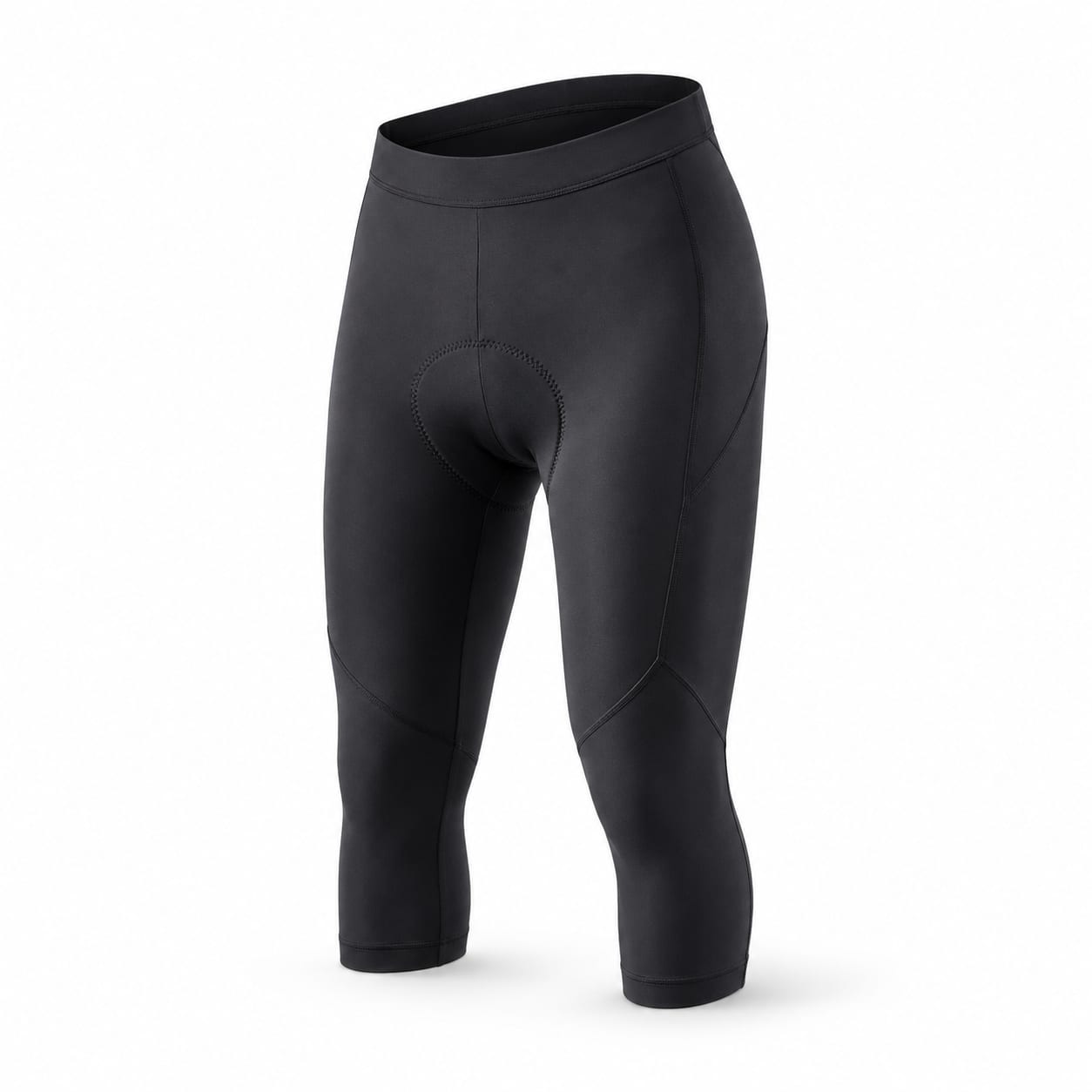
Cycling Knickers / 3/4 Tights

Cycling Knickers / 3/4 Tights

$60 – $280

niche

Three-quarter length cycling pants extending to mid-calf, ideal for transitional weather conditions.

3/4 length to mid-calfknee coveragechamois pad included
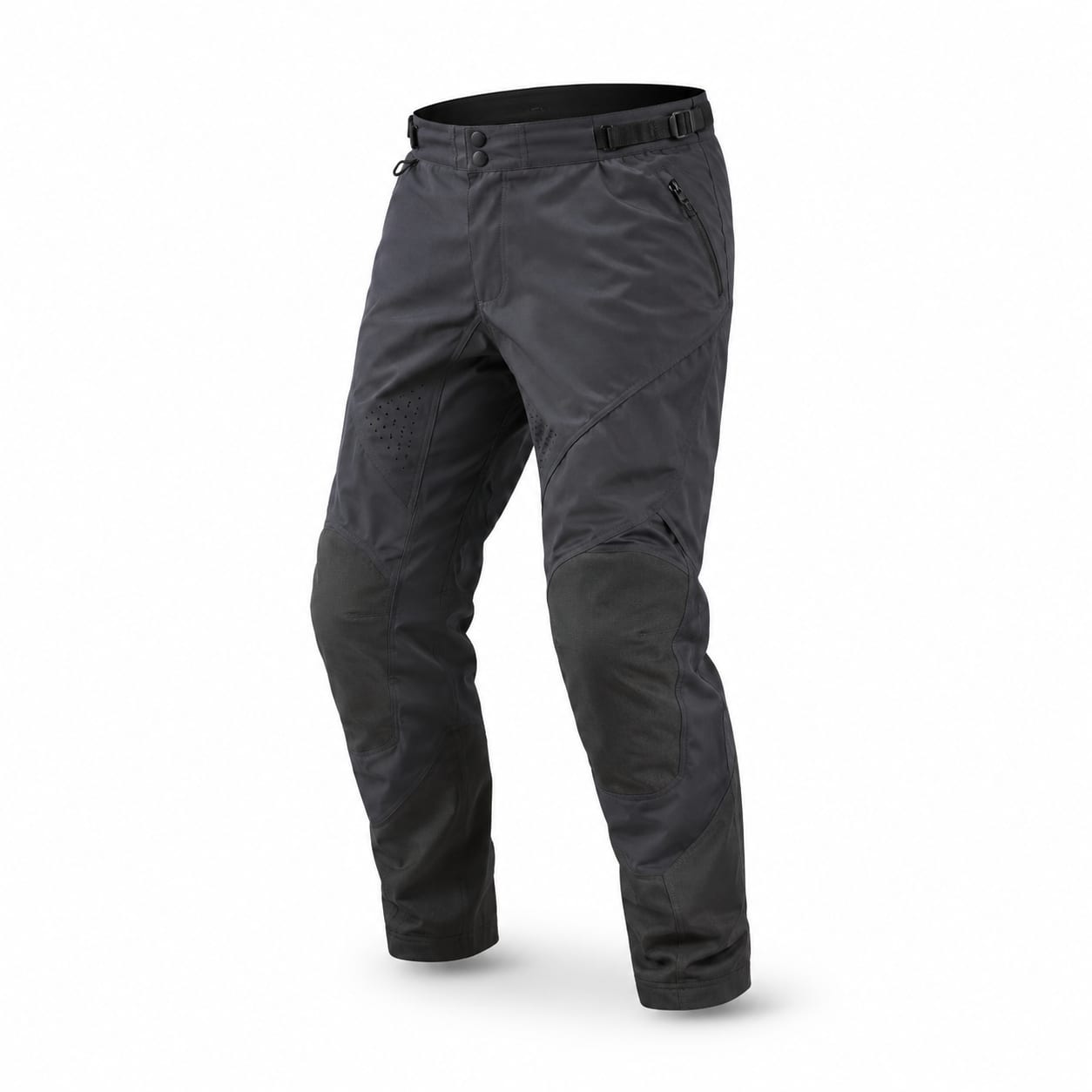
Mountain Bike Pants / MTB Pants

Mountain Bike Pants / MTB Pants

$60 – $280

common

Durable, loose-fit pants designed for mountain biking with reinforced construction and protective features.

durable tear-resistant fabricsrelaxed or articulated fitreinforced panels
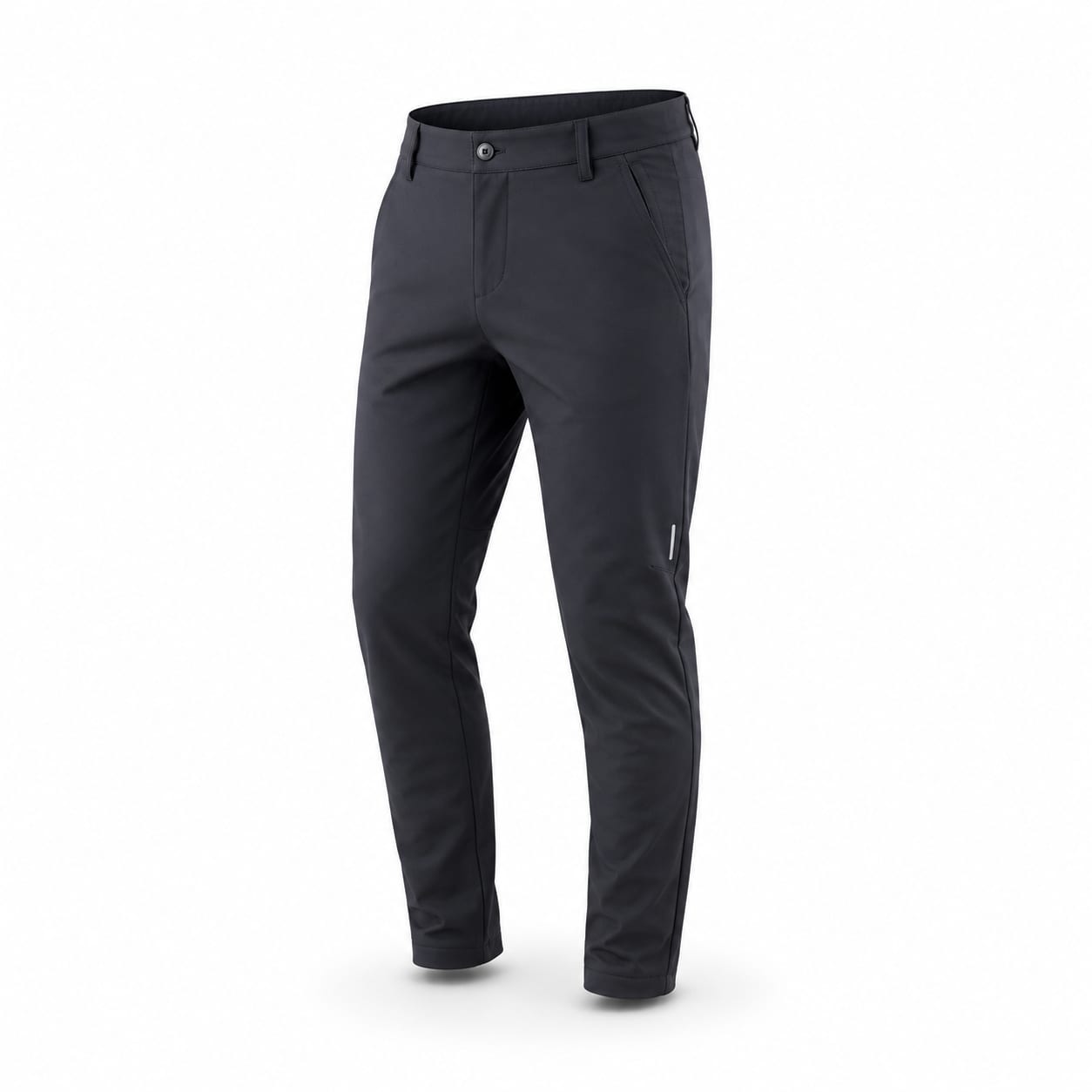
Commuter Cycling Pants

Commuter Cycling Pants

$60 – $220

common

Casual-styled pants with hidden cycling features, designed to look like everyday clothing both on and off the bike.

casual appearancestretch fabrichidden reflective elements
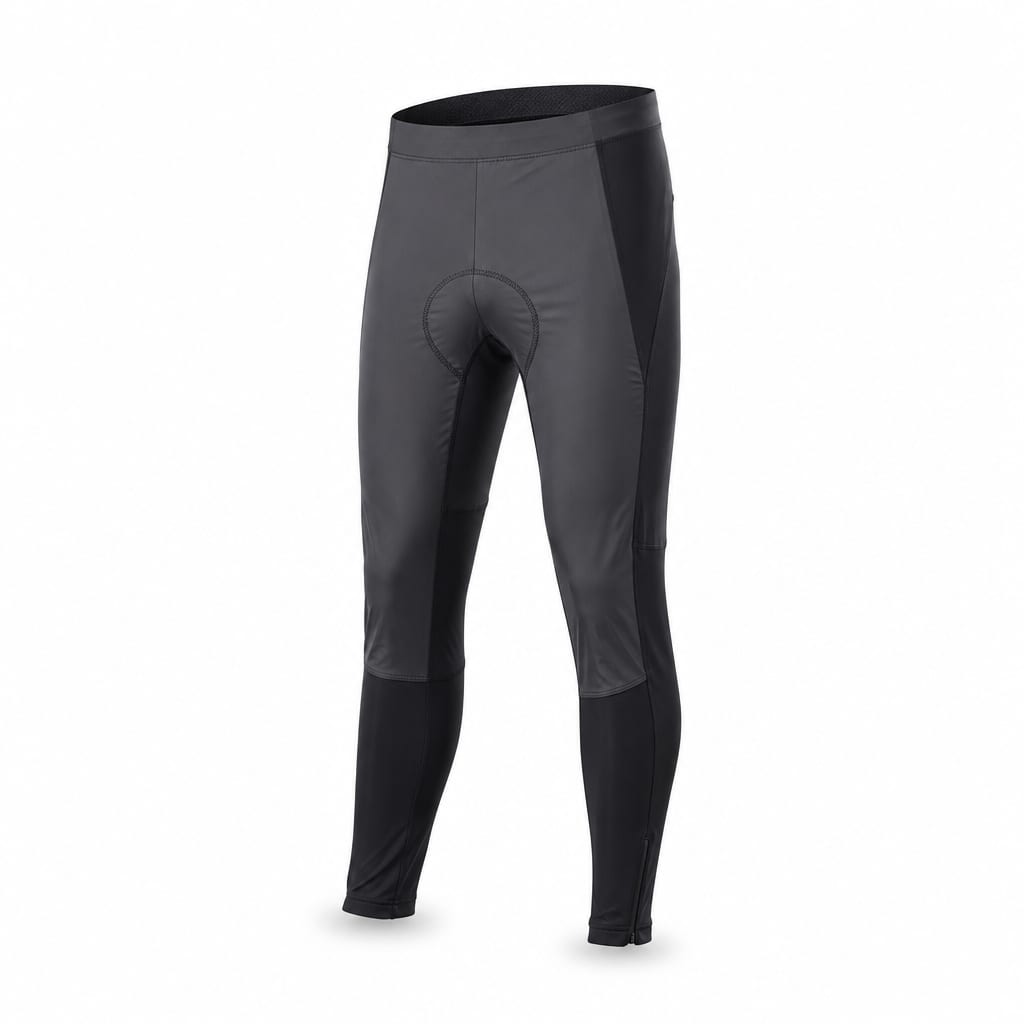
Windproof Cycling Pants

Windproof Cycling Pants

$60 – $250

niche

Lightweight cycling pants with wind-blocking front panels to cut wind chill on cool, breezy rides.

windproof front panelsbreathable rear panelslightweight construction
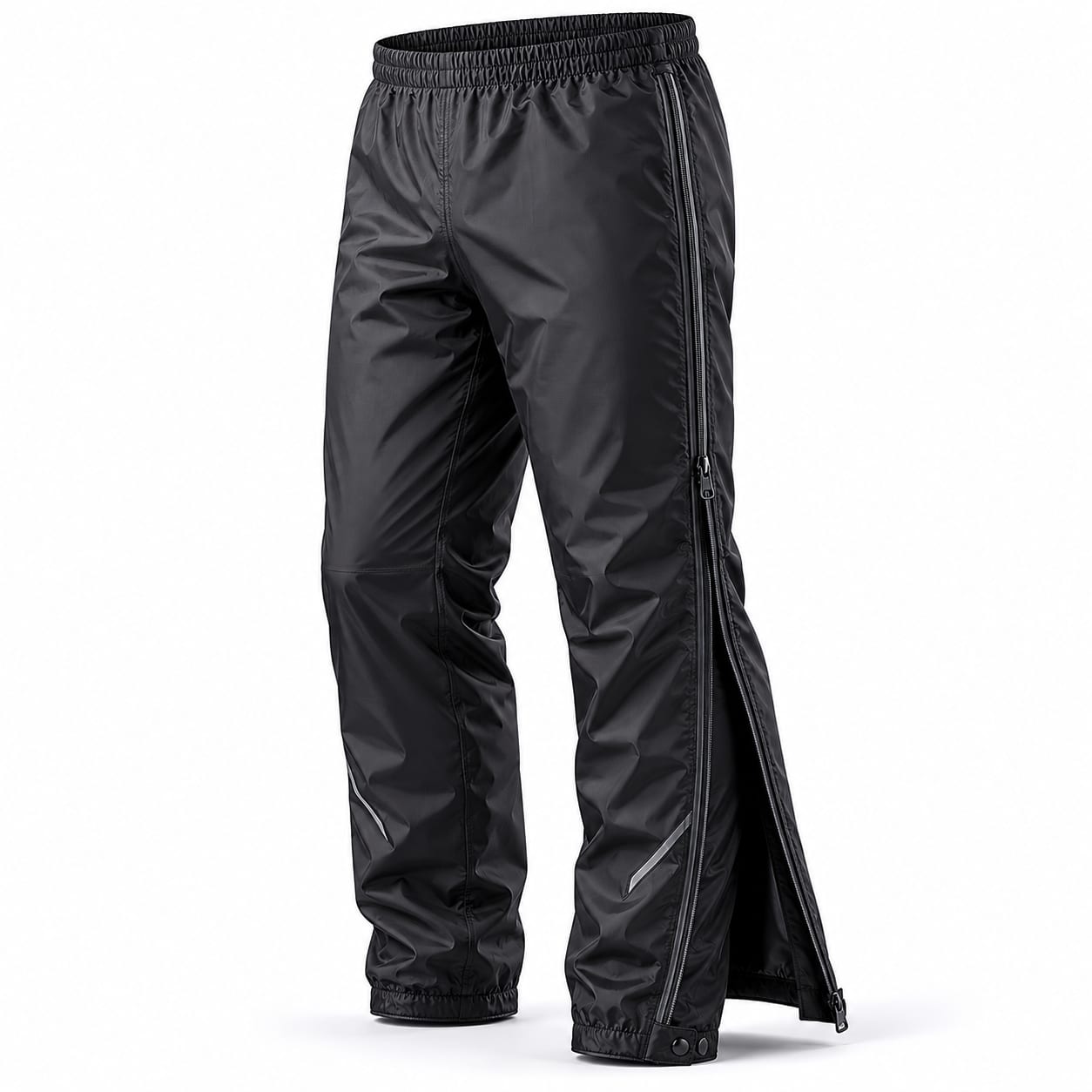
Cycling Overpants

Cycling Overpants

$40 – $200

niche

Loose-fitting pants designed to be worn over existing clothing or cycling kit for weather protection.

loose fit for layeringfull-length side zipspackable design
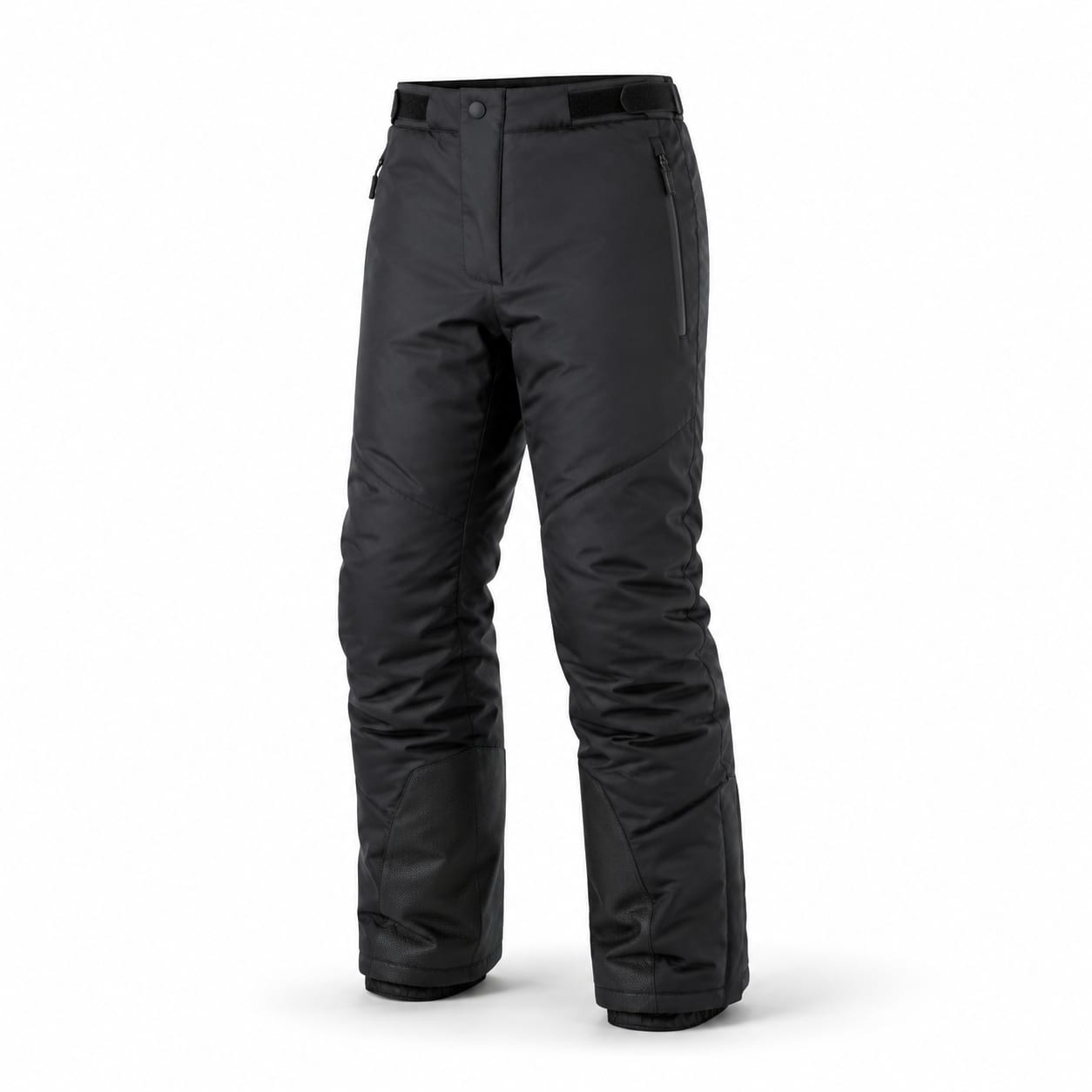
Extreme Cold / Fat Bike Cycling Pants

Extreme Cold / Fat Bike Cycling Pants

$120 – $450

specialty

Heavily insulated cycling pants for sub-freezing and extreme cold weather riding, including fat biking.

heavy insulationfull windproof constructionsoftshell materials