
Ski Balaclava · Buying specs
Questions about Ski Balaclava specs
Straight answers on the specs that matter when you buy — each question covers one dimension or option so you know what to look for.
Open Ski Balaclava guide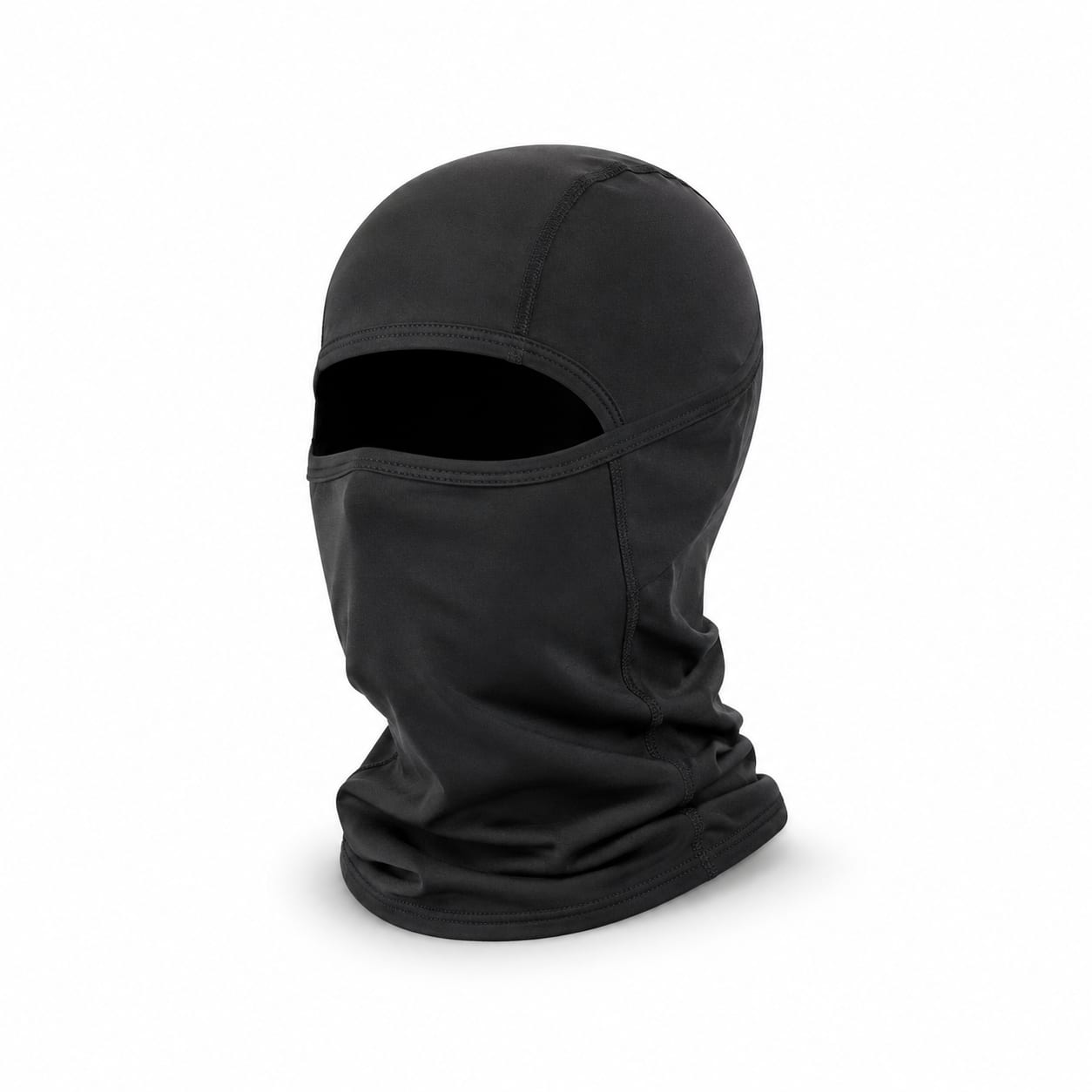
57 questions
Browse by spec group
Questions are organized the same way as the buying specs on the main equipment page.
Coverage & Fit
Dimensions related to how the balaclava covers the head, face, and neck, and how it fits the wearer.
When should I choose a full face balaclava over other styles?
A full face balaclava is your best bet when you're dealing with seriously cold conditions or biting wind. It covers your entire head, neck, and face with just an opening for your eyes (and sometimes nose), giving you maximum protection from the elements. If you're riding in single-digit temps, facing wind chill on exposed lifts, or spending long days in the backcountry, this style keeps your skin sealed off from frostbite risks. The trade-off is that all that coverage can work against you in certain ways. Full face styles are the most likely to cause goggle fogging since your breath has limited escape routes, and talking to your crew on the lift requires pulling the fabric down. If you run hot or ski hard enough to break a sweat, you may find yourself overheating. Save the full face option for the coldest, windiest days or high-exposure missions. For average resort days or high-output touring, a half face or convertible style will keep you more comfortable overall.
Read answer →Coverage Style · Half FaceWhat's a half-face balaclava, and when would I choose that over a full-face one?
A half-face balaclava covers your head, neck, and lower face below the nose, leaving your nose and mouth more exposed. It's a great middle-ground option when you want solid warmth but don't need full wind protection. This style shines in moderate cold conditions or when you're skiing hard enough that breathability matters. Because your nose and mouth aren't covered, you'll breathe easier, talk to your crew without muffling, and—most importantly—your goggles are far less likely to fog up from trapped breath. The tradeoff is that your nose and mouth are more exposed to wind and cold, so a half-face design isn't the best pick for bitter temps or high wind chill days. But for most resort skiing in typical winter conditions, it hits a sweet spot between protection and comfort.
Read answer →Coverage Style · ConvertibleI ski in varying conditions throughout the day—is a convertible balaclava worth it over a standard full-face one?
A convertible balaclava is a great choice if your day involves shifting conditions. It has a hinged or detachable lower section that you can pull up for cold, windy lift rides and drop down when you're working hard on descents or warming up in the lodge. That adjustability means you're less likely to overheat or fog up your goggles compared to a fixed full-face design. The trade-off is that convertible styles can be slightly bulkier at the hinge or attachment points, and when the face section is pulled down, there's potential for small gaps that let cold air in. They also don't seal quite as tightly as a one-piece full-face balaclava in extreme conditions. If you typically ski in consistently bitter cold or high wind, a dedicated full-face model may be warmer. But for resort days where temps fluctuate or you're mixing casual runs with high-output skiing, the versatility of a convertible is hard to beat.
Read answer →Coverage Style · Open FaceWhat's the point of an open face balaclava — isn't the whole idea to cover your face?
It's a fair question! An open face balaclava covers your head, ears, and neck but leaves your entire face exposed from the cheekbones down. Think of it as a helmet liner with a neck extension — it seals out cold around the areas where your helmet and goggles don't reach, while keeping your face completely free. This style shines in milder conditions or during high-intensity skiing where you're generating a lot of body heat. If you've ever felt claustrophobic or struggled to breathe under fabric, an open face design eliminates that issue entirely. It also virtually eliminates goggle fogging since there's no fabric redirecting your breath upward. The tradeoff is straightforward: your nose, mouth, and lower face are fully exposed to wind and cold. If you're riding in bitter temps or biting wind, that exposed skin will feel it. Open face balaclavas are best for spring days, warm-weather resorts, or skiers who run hot and prioritize breathability over maximum protection.
Read answer →Coverage Style · Mesh Breath PanelI always fog up my goggles when wearing a balaclava — would a mesh breath panel style actually help?
Yes, a mesh breath panel balaclava is specifically designed to tackle this problem. The mesh section over your nose and mouth lets warm, moist air from your breath escape instead of redirecting it up into your goggles. If fogging has been a dealbreaker for you in the past, this style is absolutely worth trying. The trade-off is that you do give up a bit of wind protection right at the mesh zone, since that area is more permeable than solid fabric. On brutally cold, windy days — especially at speed or on exposed lifts — you may feel a slight chill through the panel. Most riders find it a worthwhile compromise for the fogging relief. These balaclavas still provide full or half-face coverage everywhere else, so your head, neck, and cheeks stay well protected. They're a great pick for resort skiing in cold conditions where you're working hard enough to sweat but still need solid warmth on the rest of your face.
Read answer →Size / Fit · One SizeMost balaclavas I see are 'one size' - will that actually fit me okay?
One-size balaclavas are the most common option and work well for most adults, thanks to stretchy fabrics and flexible construction that adapt to different head shapes. If you're an average-sized adult, a one-size model will likely fit comfortably and provide solid coverage without much hassle. However, stretch has its limits. If you have a smaller head, a one-size balaclava might feel loose or bunch up around your goggles, creating gaps where cold air sneaks in. On the flip side, if you have a larger head, the fabric can stretch too thin, feel tight, or ride up on your neck—leaving skin exposed when you need coverage most. One-size is a great choice for convenience and gifting since you don't need to guess sizing. But if hats or helmets tend to fit you too loose or tight, consider seeking out a sized option (S/M or L/XL) for a better seal and more reliable protection all day on the mountain.
Read answer →Size / Fit · S/MShould I get an S/M balaclava if regular one-size ones feel too loose on me?
Yes, an S/M balaclava is a great choice if you've found one-size options sliding around or leaving gaps. S/M is designed specifically for smaller adult heads and youth, so you'll get a much better seal against cold air and snow.\n\nThe biggest advantage is less fabric bunching. When a balaclava is too loose, extra material can bunch up around your goggles, creating uncomfortable pressure points and even contributing to fogging. An S/M fits closer to your face and neck, which also means better integration with your goggles and helmet—no more cold spots where loose fabric pulls away.\n\nThis size is especially popular among women and smaller-framed adults who find one-size options too baggy. If you've ever had a balaclava ride up or shift during a run, sizing down to S/M can solve that problem completely.
Read answer →Size / Fit · L/XLI usually find one-size balaclavas too tight and short on my neck. Should I look for an L/XL instead?
If one-size balaclavas feel snug on your head or come up short on your neck, an L/XL is definitely worth seeking out. Most balaclavas use stretch fabric to fit a wide range of heads, but when you're on the larger side, that stretch works against you—the material pulls thin, coverage shrinks, and the balaclava can ride up throughout the day, leaving gaps where cold air sneaks in. An L/XL gives you proper coverage without over-stretching, so the fabric maintains its full insulating and wind-blocking performance. You'll also get more neck length, which means the balaclava stays tucked into your jacket instead of pulling free when you turn your head. That seal is key for resort skiing where you're moving all day and need consistent protection from wind and cold. If standard sizes have left you constantly adjusting or feeling pinched, stepping up to L/XL makes a real comfort difference on the mountain.
Read answer →Size / Fit · YouthCan my kid just wear a regular adult one-size balaclava, or do I need a youth-specific one?
You definitely want a youth-specific balaclava for your child. Adult sizes—even stretchy one-size-fits-all models—are proportioned for adult head shapes and neck lengths, so they'll leave gaps around the face and neck that let cold air and snow in. Those gaps aren't just uncomfortable; they can be a safety concern in extreme cold. Youth balaclavas are scaled down in every dimension, with a smaller face opening that sits properly against a child's features and a neck length that actually covers their neck without bunching or riding up. They're designed for kids roughly ages 6–12. It's tempting to size up and let them grow into it, but a loose balaclava won't seal out the elements and can interfere with their goggles. A proper youth fit keeps them warmer, safer, and more comfortable on the mountain.
Read answer →Neck Coverage Length · Extended NeckWhen should I choose a balaclava with extended neck coverage instead of a standard one?
Extended neck coverage means the balaclava reaches well below your collarbone, tucking deep into your base layers or jacket. This creates a complete seal that prevents cold air from sneaking in—especially when you turn your head and other styles might pull out of your collar. Go with extended neck if you're skiing in extreme cold, heading into the backcountry, or simply can't stand any draft at your neck. It's also a smart pick if your jacket collar doesn't seal tightly on its own. The trade-off is that the extra fabric can bunch up under layers, which some riders find annoying. If you mostly ski moderate resort days and layer well, standard neck coverage is usually plenty. But for the coldest days or if you're prone to that icy blast down the back of your neck, extended coverage is worth it.
Read answer →Neck Coverage Length · Standard NeckIs a standard neck balaclava good enough for most days on the mountain?
A standard neck balaclava extends to mid-neck or just below the collarbone, which provides solid coverage for the majority of resort skiing conditions. It's the sweet spot for most riders—it tucks easily into your jacket collar without bunching up, and keeps the chill off without feeling restrictive or overly layered. The main thing to watch for is that a standard neck length can sometimes pull out of your collar when you're actively turning your head or looking around. If you're doing a lot of aggressive skiing or your jacket collar sits low, you might occasionally feel a draft at the lower neck. For typical resort days in normal winter conditions, standard neck coverage gets the job done. Save the extended neck options for brutally cold days or backcountry trips where sealing out every draft matters, and consider short neck only for spring skiing or if you always wear a high-neck base layer underneath.
Read answer →Neck Coverage Length · Short NeckIs a short neck balaclava okay for skiing, or will my neck freeze?
A short neck balaclava can work just fine, but it depends on when and how you're skiing. These designs cover just below the jawline, so they're ideal for mild days, spring skiing, or if you run hot and want less bulk under your helmet and goggles. The trade-off is that a short neck style may leave your lower neck exposed, especially when you turn your head. Cold air can sneak in through the gap between the balaclava and your jacket collar. If you're skiing in genuinely cold conditions or hate any draft on your neck, you'll likely be happier with standard or extended neck coverage. Short neck balaclavas work best when paired with a high-neck base layer or a jacket with a snug collar that fills in that gap. They're a smart choice for warm-weather resort days, but not the best pick for deep winter or backcountry trips where every bit of coverage counts.
Read answer →Stretch / Flexibility · 4-Way StretchShould I look for a 4-way stretch balaclava, or is that overkill for regular resort skiing?
4-way stretch means the fabric stretches in all directions—up, down, and side to side—so the balaclava moves naturally with you instead of fighting against head turns or facial movements. For resort skiing, it's definitely not overkill; it's the most comfortable option, especially if you're buying a one-size-fits-all model. The big advantage is that a 4-way stretch balaclava maintains a snug seal around your face and neck even when you're actively turning your head to check traffic or looking up the hill. Less stretchy options can gap or pull away, letting cold air in at the worst moments. It's especially worth seeking out if you've struggled with balaclavas feeling restrictive or if your head shape doesn't fit standard sizing well. The one tradeoff is that 4-way stretch fabrics can lose some shape over time, so look for quality construction if you want it to last multiple seasons.
Read answer →Stretch / Flexibility · 2-Way StretchI see a lot of balaclavas listed as 2-way stretch—is that good enough for resort skiing, or should I look for 4-way stretch?
2-way stretch means the fabric stretches in two directions—usually widthwise—so it pulls on easily and fits snugly around your head. For most resort skiers, this is plenty. It gives you a secure, comfortable fit under your helmet and goggles without feeling sloppy or loose. The main difference from 4-way stretch is that you'll notice slightly less freedom when you're really cranking your head around or making expressive faces. But that trade-off comes with a benefit: 2-way stretch fabrics, especially fleece, tend to hold their shape better over many seasons of use. If you're doing general resort skiing and want a reliable, comfortable balaclava, 2-way stretch hits the sweet spot. Go for 4-way stretch if you prioritize maximum freedom of movement or if you're between sizes and need the extra give to get a good seal.
Read answer →Stretch / Flexibility · Minimal StretchI found a windproof balaclava with minimal stretch at a great price. Should I be concerned about the lack of flexibility?
Minimal stretch balaclavas have very little give in the fabric, so they rely on getting the exact right size for a proper fit. If you're between sizes or have an unusual head shape, this can be frustrating—the balaclava may feel tight and restrictive, or gap open when you turn your head, letting cold air in. That said, minimal stretch designs do have their place. They're common in windproof shell balaclavas where adding elasticity would compromise the wind-blocking membrane. They also tend to hold their shape better over time compared to stretchier options. If you can find your precise size and don't mind a less forgiving fit, they can work well—especially for dedicated storm-day protection. The key is careful sizing: measure your head and check the brand's size chart before buying. If only a one-size option is available, you're usually better off choosing a 4-way or 2-way stretch model instead.
Read answer →Weather Protection
Dimensions related to protection from cold, wind, and sun exposure.
Do I need an extreme cold balaclava for regular resort skiing, or is that overkill?
For most resort skiers, an extreme cold balaclava is more than you need. These are built for temperatures below -15°C (5°F) with thick fleece and windproof membranes, designed for harsh backcountry conditions, high-altitude expeditions, or brutally cold regions like interior Canada or the Alps in January. If you're skiing typical winter conditions at a resort, a "Cold" class balaclava will keep you comfortable without the extra bulk. The downside of going extreme is overheating. Once you're skiing hard or the sun comes out, that heavyweight insulation traps heat fast, and you'll end up pulling the balaclava down anyway. The added bulk can also feel restrictive under your helmet and goggles. That said, if you regularly ski in genuinely frigid conditions—long, exposed chairlift rides in subzero wind chill, backcountry tours where you're not generating much heat on the ascent, or ski patrol duty—an extreme cold balaclava is the right call. For everyone else, a midweight option with the flexibility to layer a lighter piece underneath on the coldest days is usually the smarter choice.
Read answer →Thermal Insulation Class · ColdIs a 'Cold' rated balaclava warm enough for a normal ski trip, or do I need to go with extreme cold?
For most skiers, a Cold-rated balaclava is exactly what you need. It's designed for temperatures between -15°C and -5°C (5°F to 23°F), which covers typical winter resort conditions—think standard January days at most mountains. This is the most common warmth level for a reason. The Cold class hits a sweet spot: warm enough for freezing chairlift rides but not so thick that you're suffocating on the way down. The midweight insulation adds manageable bulk under your helmet and goggles without feeling claustrophobic. If you're working hard—hiking to sidecountry or skiing bumps—you might need to pull it down briefly, but that's easy enough. Save the Extreme Cold rating for genuinely brutal conditions: high-altitude backcountry, ski patrol, or trips well below -15°C. Going too warm is actually the more common mistake; you'll overheat and your goggles will fog. The Cold class is your everyday workhorse.
Read answer →Thermal Insulation Class · CoolWhen should I choose a Cool-rated balaclava instead of a warmer one?
A Cool-rated balaclava is your best bet for spring skiing, mild winter days, or any time temperatures hover between -5°C and 5°C (23°F to 41°F). It uses thin fleece or a single-layer design that keeps the chill off without making you sweat.\n\nThis class really shines during high-exertion skiing—think skinning up in the backcountry, nordic skiing, or bombing groomers on a sunny afternoon—where a thicker balaclava would leave you overheated and reaching to pull it down constantly. The low-bulk fit also layers comfortably under a helmet without feeling stuffed.\n\nThe tradeoff is that a Cool-rated piece won't cut it on a cold January morning or a windy chairlift ride in the teens. If you run hot or mostly ski milder conditions, it's a great primary option. Many skiers keep one of these alongside a Cold-rated balaclava so they're covered across the full season.
Read answer →Thermal Insulation Class · Mild / Base LayerWhen would I actually use a mild or base layer balaclava instead of a warmer one?
A mild-weight balaclava is your go-to for spring skiing days or any time temperatures climb above 5°C (41°F). On those warmer days, a thicker balaclava will leave you sweating and uncomfortable, while a mild one gives you sun and wind protection without the heat buildup. They're also popular for high-exertion activities like Nordic skiing where you're generating plenty of your own warmth. Another great use for mild balaclavas is layering. You can wear one as a thin liner under a heavier balaclava on brutally cold days, adding an extra warmth boost without much bulk. Think of it as the same principle as a lightweight base layer under your mid-layer jacket. If you only ski mid-winter in cold regions, you may not reach for this often. But if you ski into spring or want a versatile layering piece, a mild balaclava is a smart addition to your kit.
Read answer →Wind Resistance · WindproofDo I really need a windproof balaclava for skiing, or is wind-resistant enough?
A windproof balaclava blocks virtually all wind from penetrating the fabric, which makes a huge difference on exposed chairlifts and during high-speed descents. If you ski at resorts with long, windy lift rides or regularly face harsh wind chill, going windproof is worth it—you'll stay dramatically more comfortable when the cold air would otherwise cut right through. The trade-off is breathability. Windproof fabrics use membranes or tight weaves that trap heat and moisture, so during high-exertion skiing—like hiking to backcountry lines or warm spring days—you may feel clammy or notice your goggles fogging more easily. Windproof is the best choice for alpine resort skiers who prioritize staying warm on cold, windy days. If you do a lot of skinning, tree skiing in sheltered areas, or tend to run hot, a highly wind resistant option might give you a better balance between protection and breathability.
Read answer →Wind Resistance · Highly Wind ResistantIs a highly wind resistant balaclava good enough for skiing, or do I need fully windproof?
For most skiers, highly wind resistant is actually the sweet spot. It blocks the vast majority of wind but allows just enough air permeability that you won't feel clammy or stuffy when you're working hard on the slopes. You might notice a slight breeze at very high speeds, but for typical resort skiing, the protection is more than adequate. The real advantage over fully windproof options is breathability. If you've ever had your goggles fog up or felt moisture trapped against your face, that's often because a fully sealed balaclava can't let vapor escape. Highly wind resistant designs strike a better balance—they keep you comfortable on cold chairlift rides while still managing moisture during active skiing. Go with highly wind resistant if you ski a mix of conditions and speeds, especially at resorts with both exposed and sheltered terrain. Reserve fully windproof for the most extreme wind chill days or if you primarily ride wide-open, exposed lifts where every bit of wind block matters.
Read answer →Wind Resistance · Moderately Wind ResistantIs a moderately wind resistant balaclava good enough for regular resort skiing, or do I need full windproof?
A moderately wind resistant balaclava is a solid choice for a lot of skiers, especially if you mostly stick to sheltered resorts with tree-lined runs and covered lifts. These are typically made from standard fleece or knit fabrics that cut down wind chill noticeably but still let some air through. The big advantage here is breathability. If you run hot, ski hard, or tend to work up a sweat, a moderately wind resistant balaclava won't leave you feeling clammy the way a fully windproof one might. It's also a great pick for warmer days when you still want face coverage but don't need maximum protection. The trade-off is that you'll feel wind penetration at higher speeds—think fast groomer runs or long, exposed chairlift rides. If your home mountain has lots of open bowls or notoriously windy lifts, you might find yourself wishing for more protection. But for tree skiing and moderate conditions, this level hits a nice sweet spot.
Read answer →Wind Resistance · Minimal Wind ResistanceWould a minimal wind resistance balaclava work for me, or will I freeze on the lift?
A minimal wind resistance balaclava is designed for breathability first, not blocking wind. These are made from thin, highly breathable fabrics that let air move through easily, which means wind will cut right through them on exposed chairlifts or fast descents. If you're resort skiing on cold or windy days, you'll likely feel cold. Where these really shine is high-output skiing where you're generating a lot of body heat. Nordic skiing, spring resort days, or skinning up in the backcountry are all great use cases. The excellent moisture management means sweat won't freeze to your face when you stop moving. Think of a minimal wind resistance balaclava as a base layer for your head rather than your primary wind shield. Some skiers layer one under a windproof shell balaclava for the best of both worlds—moisture wicking next to skin with wind protection on the outside. If you run hot and mostly ski sheltered terrain or milder conditions, this could be your go-to. Just don't expect it to save you on a bitter, windy summit day.
Read answer →UV Protection (UPF) · UPF 50+Do I really need a UPF 50+ balaclava, or is a lower rating fine for skiing?
UPF 50+ blocks at least 98% of UV radiation, making it the highest level of sun protection available in fabric. It's especially important for skiing because snow reflects up to 80% of UV rays back at you — so you're getting hit from above and below simultaneously. You'll want UPF 50+ if you're skiing at high altitude where UV is naturally stronger, heading out for spring skiing when the sun is intense, or if you have fair or sun-sensitive skin. It's also a smart choice for full days on the mountain where exposure really adds up. The good news is there's no downside to choosing UPF 50+ — it doesn't affect breathability or comfort. Many quality balaclavas now include this rating as standard. If you mostly ski on overcast days or at night, you could get by with less, but for most resort and backcountry skiing, UPF 50+ is worth having.
Read answer →UV Protection (UPF) · UPF 30–49Is a balaclava with UPF 30–49 good enough for skiing, or should I look for UPF 50+?
UPF 30–49 blocks 96–97% of UV radiation, which is very good protection and works well for most skiing situations. If you're skiing at moderate altitudes during typical winter conditions, this level of coverage will keep you well-protected on the areas the balaclava covers. The main time you'd want to step up to UPF 50+ is for high-altitude skiing above roughly 8,000–10,000 feet, spring skiing when the sun is stronger, or if you have fair or sun-sensitive skin. Snow reflects up to 80% of UV rays, so exposure adds up faster than you might expect on bright days. For the average resort skier on a typical winter day, UPF 30–49 hits a sweet spot. It's plenty of protection for most conditions, and you can always add sunscreen to any exposed areas for extra insurance on longer, sunnier days.
Read answer →UV Protection (UPF) · UPF 15–29Is a UPF 15-29 balaclava enough sun protection for skiing, or do I need a higher rating?
A UPF 15–29 balaclava blocks 93–96% of UV radiation, which is moderate protection that works fine for certain skiing situations. It's a solid choice if you ski occasionally, stick to lower-altitude resorts, or mostly hit the slopes during midwinter when overcast skies and short days limit your sun exposure. The catch is that snow reflects up to 80% of UV rays, so you're getting hit from above and below. For full days at higher altitude or during sunny spring conditions, UPF 15–29 may leave you vulnerable. You'll definitely want to apply sunscreen to any exposed skin—especially around the goggle gap, nose, and neck. If you regularly ski at elevation, have fair or sun-sensitive skin, or spend long full days on the mountain, stepping up to UPF 50+ is worth it. But for casual resort days or night skiing, a UPF 15–29 balaclava paired with sunscreen gets the job done.
Read answer →UV Protection (UPF) · Not Rated / MinimalIs a balaclava without a UPF rating okay for skiing, or do I really need UV protection?
A balaclava with no UPF rating can work just fine depending on when and where you ski. If you mostly ski on overcast days, hit night sessions, or plan to wear it layered under a helmet and goggles that already shield your face, the lack of UV protection won't be an issue. The catch is that UV exposure at altitude is significantly stronger, and snow reflects up to 80% of UV radiation right back at your face. So on sunny days at higher elevations, an unrated balaclava may let more UV through than you'd expect—especially if the fabric stretches or gets wet, which can reduce whatever natural protection the material offers. If you go with an unrated option, just be diligent about applying sunscreen to any exposed skin, particularly around your nose, cheeks, and neck. For spring skiing, high-altitude trips, or if you have fair or sun-sensitive skin, a UPF-rated balaclava is worth the upgrade for peace of mind.
Read answer →Moisture & Breathability
Dimensions related to moisture management, breathability, and fogging prevention.
Do I really need an 'Excellent' breathability rating on a ski balaclava, or is that overkill for regular resort skiing?
An excellent breathability rating isn't overkill if you ski hard, run hot, or constantly battle goggle fog. Balaclavas with this rating use highly breathable fabrics or mesh zones that let sweat vapor escape fast, so moisture doesn't build up and fog your goggles—even during high-exertion skiing like touring, moguls, or tree runs. The tradeoff is that maximum breathability often means slightly less wind protection and warmth. If you typically ski in bitter cold or run chilly, you might find these models feel a bit drafty on the chairlift or at speed. That said, if fogging is your number-one frustration on the mountain, excellent breathability is worth prioritizing. You can always add a neck gaiter or rely on your helmet for extra warmth, but you can't easily fix a balaclava that traps moisture once you're out there.
Read answer →Breathability · GoodIs 'Good' breathability enough for regular resort skiing, or should I step up to 'Excellent'?
For most resort skiers, a balaclava with 'Good' breathability hits the sweet spot. It handles moisture well enough for typical ski days—cruising groomers, taking laps with friends, and stopping for the occasional break. You might notice some goggle fogging when you're standing still for a while or really pushing hard, but it usually clears up quickly once you get moving again. The advantage of 'Good' over 'Excellent' is balance. Balaclavas with excellent breathability often use thinner fabrics or mesh zones that let more cold air in, which can leave you chilly on windy lift rides. 'Good' breathability still traps enough warmth for comfortable resort skiing while keeping moisture buildup manageable. Save the 'Excellent' rating for high-exertion days like touring or warm spring skiing. If you're a typical resort rider who skis at a moderate pace, 'Good' is all you really need.
Read answer →Breathability · ModerateIs a moderately breathable balaclava okay for skiing, or will I regret not getting something more breathable?
A moderately breathable balaclava can be a solid choice, but it depends on when and how you ski. These models prioritize warmth over moisture management, so they're best for genuinely cold days when you're cruising groomers or taking it easy rather than charging hard. If you typically ski in bitter conditions and run cold, the extra warmth retention can actually be a benefit. The trade-off is moisture. If you start working up a sweat—hiking to sidecountry, skiing bumps, or just running hot—moisture will build up inside the fabric. That dampness can make the balaclava feel clammy, and it significantly increases the chance of your goggles fogging, especially when you stop and your breath lingers. You'll need to manage this by pulling the balaclava down during breaks or using anti-fog goggle wipes. If you're an aggressive skier, run hot, or mostly ski milder temps, go with good or excellent breathability instead. Moderate breathability really shines for cold, low-output days where staying warm matters more than staying dry.
Read answer →Breathability · LowWould a low-breathability balaclava ever be a good choice for skiing?
A low-breathability balaclava is only a good choice in very specific situations—namely, extreme cold where you'll be doing minimal physical exertion, like sitting on a slow chairlift in sub-zero temps or taking short, easy runs. The fabric traps moisture vapor from your sweat and breath, which keeps heat in but also creates dampness inside. The big downside is goggle fogging. Since your warm, moist breath can't escape through the fabric, it redirects straight up into your goggles, making it nearly impossible to see. And if that trapped moisture freezes against your face, you'll end up colder than if you'd worn nothing at all. For most skiers and riders, low breathability just isn't worth the trade-off. Even on frigid days, a moderate or good breathability rating with a wind-blocking outer layer will keep you warmer in the long run by staying dry. Save the low-breathability options for those rare, brutally cold days when you're barely moving and need maximum heat retention.
Read answer →Moisture Wicking · Active WickingDo I really need active wicking in a ski balaclava, or is moderate wicking fine?
Active wicking is worth it if you ski hard, tour, or wear your balaclava all day. It rapidly pulls sweat and breath condensation away from your skin, so the fabric stays dry to the touch even during high exertion. This matters more than most people realize — your breath alone creates a surprising amount of moisture inside a balaclava, and without active wicking, that moisture can freeze into ice or leave you feeling damp and cold. The biggest payoff is fog prevention. When moisture builds up around your mouth and nose, it rises straight into your goggles. Active wicking keeps that moisture moving outward to evaporate, which means fewer fogged-up moments on the hill. Merino wool and polypropylene fabrics are especially good at this. If you mostly do casual resort laps in cold weather and take indoor breaks, moderate wicking can get the job done. But for touring, long days, or anyone who runs warm, active wicking is a comfort game-changer.
Read answer →Moisture Wicking · Moderate WickingIs moderate moisture wicking good enough for a ski balaclava, or do I need active wicking?
Moderate wicking works just fine for typical resort skiing where you're cruising groomers and taking breaks on the lift. It handles normal perspiration well enough to keep you comfortable through a standard day on the mountain, and fogging is usually manageable with decent goggle ventilation. The tradeoff shows up during high-exertion sessions or very long days. If you're charging hard through moguls, hiking to sidecountry stashes, or skiing bell-to-bell without removing your balaclava, moderate wicking can start to feel damp against your face. That moisture buildup is also what leads to goggle fogging issues. If you tend to run hot, sweat heavily, or wear your balaclava all day without taking it off, stepping up to active wicking is worth it. But for the average resort skier who takes lunch breaks and doesn't push too hard, moderate wicking is a perfectly reasonable choice that often comes at a friendlier price point.
Read answer →Moisture Wicking · Minimal WickingI found an affordable balaclava with minimal wicking. Is that fine for casual resort skiing?
A minimal wicking balaclava can work, but only for very specific situations. These fabrics absorb and hold moisture rather than actively moving it away from your skin, so they tend to feel damp during any real exertion. Minimal wicking is best suited for short sessions or very cold, low-output skiing where you're barely breaking a sweat. Think quick morning laps or slow cruising on frigid days when you're mostly staying cold. The trade-off is significant for most skiers, though. Your own breath condensation alone can soak the fabric, and once damp, it can freeze against your face. You'll also notice more goggle fogging since moisture has nowhere to escape. For anything beyond short, easy outings, you'll likely be much more comfortable stepping up to at least moderate or active wicking.
Read answer →Nose/Mouth Breath Feature · Directed ExhaustI constantly fog up my goggles on cold days—would a balaclava with directed exhaust actually help?
Yes, directed exhaust is exactly what you need if goggle fogging is a recurring problem. This feature uses built-in channels or a structured nose bridge to redirect your exhaled breath downward and away from your goggle lens, which is a game-changer on cold days when fog can freeze onto your goggles and ruin your visibility. It's especially valuable in frigid conditions where fogging isn't just annoying—it can actually become a safety hazard. Riders who run hot or breathe heavily tend to benefit the most from this design. The one tradeoff is that the structured construction can feel slightly restrictive compared to simpler balaclavas, and it may take a ride or two to get the fit dialed in with your specific goggles. But if you've ever had to stop mid-run to scrape ice off your lenses, that minor adjustment period is well worth it.
Read answer →Nose/Mouth Breath Feature · Mesh Breath ZoneShould I get a balaclava with a mesh breath zone? Does it actually help with goggle fogging?
A mesh breath zone is a perforated or mesh panel over the nose and mouth that disperses your exhaled breath and lets some air mix in. It's a great middle-ground option — it reduces goggle fogging significantly while still keeping your full face covered, unlike open-nose designs that leave skin exposed. This feature is ideal for general skiing when you have moderate fogging concerns but still want solid face protection. It's comfortable and breathes well, making it a popular choice for everyday resort riding in normal winter conditions. The main trade-off is that mesh allows some wind penetration, so in extreme cold or high-wind situations, you might feel a bit of chill through that panel. If you ride in brutally cold weather or deal with fog that actually freezes on your goggles, a directed exhaust design would be the better call. But for most skiers, the mesh breath zone hits the sweet spot between fog reduction and comfort.
Read answer →Nose/Mouth Breath Feature · Open Nose DesignI keep fogging up my goggles every run—would an open nose balaclava help?
An open nose balaclava has a cutout around your nose that lets exhaled breath escape naturally instead of getting trapped and rising into your goggles. If fogging is your main frustration, this design virtually eliminates it—your warm breath goes straight out rather than bouncing off fabric and up into your lenses. The trade-off is coverage. With your nose exposed, you'll feel the cold more on that area, especially in bitter temperatures or high wind. It's a great choice for milder resort days, spring skiing, or if you wear glasses under your goggles and need that extra airflow. Skip this option if you're riding in extreme cold or backcountry conditions where full face protection matters more than fog control. You can always pair it with a neck gaiter for customizable coverage on chillier days.
Read answer →Nose/Mouth Breath Feature · No Special FeatureDo I really need a balaclava with special breath features, or is a basic one fine?
A balaclava with no special breath feature has standard construction—there's no channeling, mesh panel, or cutout to manage where your exhaled breath goes. Your breath simply escapes through the fabric naturally. These are typically the most affordable options and work fine in certain situations. The main downside is goggle fogging. Without any breath management, your warm, moist exhaled air tends to drift upward and condense on your goggle lenses. In cold conditions, that fog can even freeze, creating a real hassle on the mountain. Breath moisture can also accumulate in the fabric around your mouth and nose, making it damp and uncomfortable over time. A no-feature balaclava makes the most sense if you're skiing in mild conditions, wearing a helmet with a visor instead of goggles, or just need something for quick trips rather than full days on the slopes. If you wear goggles regularly or ride in cold weather, investing in a model with breath management will save you frustration.
Read answer →Material & Construction
Dimensions related to fabric choice, seam construction, and physical properties.
Is a merino wool balaclava worth the extra cost for skiing?
Merino wool is an excellent choice if you're skiing multiple days in a row or hate that funky smell gear can develop. It's naturally antimicrobial, so it resists odor far better than synthetic options—even after long days on the mountain. It also feels incredibly soft against your skin and does a great job regulating temperature, keeping you warm without overheating. The trade-off is price and wet performance. Merino balaclavas cost more than polyester fleece, and if the fabric gets soaked—say from heavy snow or sweat—it can lose some insulation and shape. It also only offers moderate wind resistance compared to windstopper or softshell fabrics. Go with merino if you're doing multi-day trips, have sensitive skin, or prefer natural fibers. For single-day resort laps in wet or extremely windy conditions, a synthetic or hybrid option might serve you better.
Read answer →Primary Fabric Material · Polyester FleeceIs a polyester fleece balaclava a good choice for regular resort skiing, or should I spend more on merino wool?
Polyester fleece is honestly the sweet spot for most resort skiers. It gives you solid warmth without a lot of bulk, dries fast if you work up a sweat, and holds up well season after season. Plus, it's typically the most budget-friendly option, so you're getting great value. The main tradeoff is odor—polyester doesn't naturally fight bacteria like merino wool does, so after a few days of hard skiing, your balaclava will let you know it's time for a wash. If you're doing multi-day backcountry trips without laundry access, that's where merino shines. But for day trips at the resort where you can toss it in the wash between sessions, fleece is perfectly fine. One thing to keep in mind: fleece alone doesn't block wind particularly well. On brutally cold, windy lift rides, you might feel it cutting through unless your jacket hood covers it. For those conditions, a windstopper or hybrid design would be warmer, but for typical cold and dry resort days, fleece gets the job done comfortably.
Read answer →Primary Fabric Material · Nylon-Spandex BlendWhen should I choose a nylon-spandex balaclava over fleece or merino wool?
A nylon-spandex blend balaclava is your best bet when wind protection and a low-profile fit are your top priorities. The tight-weave construction blocks wind effectively, and the stretch gives you a snug, gap-free seal around your face and neck—great for keeping cold air from sneaking in under your helmet. This material really shines for spring skiing, milder days, or under-helmet layering where bulk is the enemy. It's also ideal if you run hot and just need wind protection without extra warmth. However, it lacks the insulation of fleece or merino, so on genuinely cold days, you'll likely need to layer it over a thinner thermal piece. Think of nylon-spandex as your wind-blocking shell rather than your cozy insulator. If you're tackling exposed lift rides or windy ridge lines but don't want the bulk, this is the fabric to reach for.
Read answer →Primary Fabric Material · Windstopper/SoftshellWhen is a Windstopper or softshell balaclava worth getting over regular fleece?
Windstopper and softshell balaclavas are built for one main purpose: blocking wind completely. They use a laminated membrane bonded to a stretch or fleece backing that seals out cold air, making them ideal for exposed lift rides, high-alpine environments, or any day with biting wind. If you've ever felt your face freezing despite wearing a fleece balaclava, wind penetration is likely the culprit. The trade-off is breathability. That windproof membrane doesn't let air pass through as freely as standard fleece, so you may notice more moisture buildup around your mouth and nose during high-intensity skiing. The fabric also feels slightly stiffer than a simple fleece or merino option. Choose a Windstopper balaclava if you regularly ski in harsh, windy conditions or ride exposed lifts where wind chill is a real problem. For milder days or if you run hot, a more breathable fabric might be the better match.
Read answer →Primary Fabric Material · PolypropyleneI run hot and sweat a lot when skiing—would a polypropylene balaclava be a good choice for me?
Polypropylene is an excellent choice if you tend to run hot or sweat heavily on the slopes. It's a synthetic fiber that moves moisture away from your skin faster than almost any other fabric, and it dries incredibly quickly. This means less of that clammy, wet feeling against your face during high-intensity skiing or competitive racing. The trade-off is that polypropylene isn't the softest material against bare skin, and it can hold onto odors over time—so it's not ideal for multi-day trips without washing. It also provides minimal insulation on its own, since its focus is on moisture management rather than warmth. If you're charging hard, hiking for turns, or just naturally sweat a lot under your helmet, polypropylene will keep you drier and more comfortable than fleece or merino. For casual resort days or extreme cold, you might prefer something softer and warmer.
Read answer →Primary Fabric Material · Hybrid/Multi-ZoneWhat does hybrid or multi-zone mean for a ski balaclava, and is it worth the extra cost?
A hybrid or multi-zone balaclava uses different fabrics in different areas instead of one material throughout. For example, it might have windproof panels across your face and forehead, breathable mesh around your mouth and nose to reduce goggle fogging, and warm fleece at your neck and ears. Each zone gets the fabric that handles that area's needs best. This design makes a lot of sense if you've struggled with balaclavas that solve one problem but create another—like blocking wind but fogging your goggles, or breathing well but leaving your face cold on the lift. A hybrid can tackle wind, warmth, and breathability all at once. The trade-off is cost and potentially durability. These are usually pricier because of the more complex construction, and seams between different fabrics can be weak points over time. If you ski mostly mild days or don't mind swapping between different balaclavas for different conditions, a simpler single-fabric option might be fine. But for riders who want one balaclava that handles everything a full mountain day throws at them, hybrid is worth considering.
Read answer →Seam Construction · Seamless / BondedIs a seamless balaclava really worth it for skiing, or is that just a premium upsell?
A seamless or bonded balaclava is absolutely worth it if you ski with a helmet and spend full days on the mountain. Traditional sewn seams can press into your forehead and temples under helmet pads, creating annoying pressure points that get worse as the day goes on. Seamless construction eliminates that issue entirely since there's nothing to dig into your skin. This style is especially great if you have sensitive skin or get irritated by stitching rubbing against your face in cold, dry conditions. The smooth, uninterrupted feel also helps your balaclava sit cleanly under goggles without creating gaps or uneven spots that let cold air in. The one tradeoff to know about: seamless construction can be slightly less durable at stress points compared to flatlock seams. If you're tough on gear or frequently pull your balaclava on and off, keep an eye on stretching over time. But for most resort and backcountry skiers prioritizing all-day comfort under a helmet, seamless is hard to beat.
Read answer →Seam Construction · Flatlock SeamsWhat does flatlock seam construction mean on a ski balaclava, and is it worth looking for?
Flatlock seams use a specialized stitching method that lays the seam flat against your skin instead of creating a raised ridge. On a ski balaclava, this means the seams won't dig into your forehead or temples under your helmet the way traditional bulky seams can. This construction is the sweet spot for most skiers. It's more durable than seamless or bonded designs, so it holds up well to regular use and washing, but it's still low-profile enough to avoid those annoying pressure points during a full day on the mountain. You might feel the seams slightly if you press on them, but under a helmet they're barely noticeable. If you ski with a helmet and want reliable comfort without paying a premium for seamless construction, flatlock seams are a great choice. They're the standard in quality performance balaclavas for good reason.
Read answer →Seam Construction · Overlock / Standard SeamsI found a budget balaclava with standard seams—will it still work okay for skiing?
Overlock or standard seams are the traditional stitched seams you'll find on most budget balaclavas. They're durable and cost-effective, so they'll hold up fine over time. The main trade-off is comfort—these seams have visible stitching with some bulk that can feel noticeable against your skin. The real issue comes when you wear a helmet. Standard seams can create pressure points on your forehead and temples where the helmet pads press the seam into your skin. After a few hours, that irritation can become genuinely uncomfortable and distracting. If you're doing casual resort days without a helmet, or just need something for short outings, a standard-seam balaclava can work fine. But for all-day skiing with a helmet, spending a bit more on flatlock or seamless construction is worth it for the comfort alone.
Read answer →WeightDoes the weight of a ski balaclava really matter, and how do I choose the right one?
Yes, the weight of your ski balaclava matters because it affects how warm you'll be, how comfortably it fits under your helmet, and how easily you can stash it in a pocket. Balaclavas generally range from 30 to 200 grams. Lightweight options (30–60g) are great for spring skiing or as a thin liner, while midweight models (60–120g) hit the sweet spot for most standard winter resort days. Heavyweight balaclavas (120–200g) are built for extreme cold and usually feature thick fleece or windproof membranes. A common mistake is assuming a lighter balaclava won't keep you warm. Modern fabric technology means a lightweight merino wool or synthetic blend can be surprisingly warm without the bulk. However, don't make the mistake of choosing the lightest option for bitter cold conditions, as you'll likely need that heavier insulation. To choose the right weight, think about when and where you ski most. If you run hot or mostly ski on milder days, go lighter. If you constantly battle freezing temps and wind chill, a heavier balaclava will give you the protection you need.
Read answer →Odor Resistance · Naturally Odor ResistantWhat does naturally odor resistant mean on a ski balaclava, and is it worth it for multi-day trips?
Naturally odor resistant means the fabric fights odor-causing bacteria on its own, without any chemical treatments added. Merino wool is the gold standard here — it can be worn for multiple days on the mountain without developing that funky smell synthetics are notorious for. This is a game-changer for multi-day ski trips, backcountry tours, or any time you won't have easy access to laundry. Instead of packing a fresh balaclava for each day, one merino wool piece can comfortably last several days of active use. The other big advantage is longevity. Unlike antimicrobial treatments that gradually wash out over time, merino's odor-fighting properties are built into the fiber itself. You won't lose that benefit as the balaclava ages. If you're a frequent skier or tend to run hot and sweaty under your layers, naturally odor resistant fabric is absolutely worth the investment.
Read answer →Odor Resistance · Antimicrobial TreatedI see some balaclavas have antimicrobial treatment—does that actually work for multi-day ski trips?
Antimicrobial-treated balaclavas use silver ion or similar treatments on synthetic fabrics to fight odor-causing bacteria, and they do work well for 1–2 days between washes. If you're doing a weekend ski trip and prefer the quick-drying feel of synthetic fabric, this treatment keeps things fresher than untreated options. The catch is that the treatment isn't permanent. With repeated washing, the antimicrobial effectiveness gradually degrades, so a balaclava that handled two days easily when new might start getting funky sooner after a season or two of use. It's not a dealbreaker, but it's worth knowing upfront. If you regularly go on trips longer than a couple of days, merino wool is the stronger choice—it's naturally odor-resistant and won't lose that property over time. But for general resort skiing where you wash between uses, antimicrobial synthetics hit a nice balance of performance, durability, and price.
Read answer →Odor Resistance · Minimal Odor ResistanceCan I save money with a basic balaclava that doesn't have odor resistance, or will I regret it on a ski trip?
A balaclava with minimal odor resistance is fine if you're doing single-day outings and can wash it between uses. These are typically the most affordable options and work well for casual skiers who hit the slopes occasionally and have easy access to laundry. The tradeoff is that untreated synthetic fabric will develop noticeable odor after just one active day on the mountain. If you're planning a multi-day ski trip, this becomes a real problem—you won't want to put it back on for day two or three. You'd either need to pack multiple balaclavas or deal with the smell. If you mostly ski day trips at your local hill and wash your gear regularly, a minimal odor resistance option can save you money without much downside. Just don't make the common mistake of packing only one for a week-long destination trip—you'll be shopping for a replacement by day two.
Read answer →Gear Integration
Dimensions related to how the balaclava works with other ski equipment.
What does 'optimized helmet fit' mean on a ski balaclava, and is it worth paying extra for?
An optimized helmet fit balaclava is specifically engineered to sit seamlessly under your ski helmet. These designs use flat seams instead of raised ones, low-bulk fabrics, and a cut that follows your head's shape—so nothing bunches up or presses into your forehead under your helmet pads. This matters most if you ski hard all day, race, or just hate constantly fiddling with your setup. With an optimized fit, your helmet sits exactly as designed, maintaining both its safety rating and comfort from first chair to last run. No pressure points, no weird gaps, and your goggles still seal properly against your face. If you always wear a helmet, the extra cost is absolutely worth it. Just remember to test the combo before a trip—even "optimized" designs can interact differently with certain helmet brands.
Read answer →Helmet Compatibility · CompatibleWhat does 'Compatible' helmet compatibility mean for a ski balaclava — is it good enough for regular skiing?
A "Compatible" balaclava works well under most ski helmets without major issues, but it isn't specifically engineered for that purpose like an "Optimized Helmet Fit" design would be. You might notice minor bulk or need to adjust it occasionally during the day, but for most recreational skiers, it gets the job done just fine. This option is ideal if you're a general resort skier who wears a helmet but doesn't need race-day precision. The balaclava will sit comfortably under your helmet for typical ski days, even if it lacks features like flat seams or a helmet-specific cut. The main thing to watch for is pressure points — try the balaclava with your specific helmet before a trip. If you feel any discomfort around the forehead or temples after wearing it for a few minutes, you may want to upgrade to an optimized design.
Read answer →Helmet Compatibility · Bulky Under HelmetI found a really thick, warm balaclava for cold days—will it work under my ski helmet?
A bulky balaclava might seem like a great idea for freezing days, but it's not a good match for helmeted skiing. Thick construction and raised seams can create uncomfortable pressure points under your helmet pads, especially on your forehead. More importantly, excess bulk can change how your helmet sits on your head, which compromises its safety performance in a crash. Bulky balaclavas are really designed for non-helmet use—think lift operations, extreme cold conditions where you're prioritizing maximum warmth over helmet integration, or casual resort days when you're not wearing a helmet at all. If you try to force one under a snug-fitting helmet, you'll likely be adjusting it all day and dealing with headaches. If you always ski with a helmet (as most riders should), look for an "optimized helmet fit" balaclava instead. These use flat seams and low-profile fabrics that seal in warmth without the bulk, keeping you both warm and properly protected.
Read answer →Goggle Integration · Seamless IntegrationWhat does seamless goggle integration mean on a ski balaclava, and do I really need it?
Seamless goggle integration means the balaclava's eye opening is specifically shaped and edged to mate perfectly with your ski goggles, leaving zero exposed skin at the junction. The construction accounts for goggle frame contours and strap placement, so everything locks together without shifting or gaping as you ride. You'll want this feature if you ski in genuinely cold conditions or at high speeds where any exposed skin quickly becomes painful. That telltale strip of forehead or cheek between goggles and face mask isn't just uncomfortable—it can lead to frostnip on bitter days. Seamless designs also tend to fog less because there's no warm air escaping from gaps between the two pieces. For casual skiing in milder temps, good integration is usually fine. But if you're a performance skier, ride in the East or Rockies on cold days, or just hate fiddling with your setup on the lift, seamless integration is worth the premium. One heads-up: test with your specific goggles if you can, since oversized frames and OTG styles vary in shape.
Read answer →Goggle Integration · Good IntegrationIs 'Good Integration' good enough for most skiing, or do I really need seamless?
Good integration means the balaclava works well with most goggle styles and covers the goggle-to-face junction adequately. For the majority of skiers and snowboarders, this level is perfectly fine — you'll stay warm and generally avoid fogging issues on typical resort days. The main trade-off is that small gaps can appear with certain goggle frame shapes, especially oversized or unusually contoured lenses. If you ski in bitterly cold conditions or are sensitive to any cold spots on your face, those tiny gaps can become uncomfortable over a full day on the mountain. Good integration is a solid choice for general skiing in normal winter conditions. If you mostly ride in milder temps or don't mind occasional minor adjustments to your goggle placement, it offers a great balance of performance and value without stepping up to premium seamless options.
Read answer →Goggle Integration · Gap ProneI found an affordable balaclava but it says it's 'gap prone' with goggles. Is that a dealbreaker?
A gap-prone balaclava means the eye opening doesn't perfectly match up with most goggle frames, leaving small strips of exposed skin between your goggles and the fabric. Whether that's a dealbreaker really depends on where and when you ride. If you mostly ski in milder conditions—think spring days, warmer resorts, or just casual outings—small gaps are annoying but manageable. You can often tweak your goggle position or strap tension to minimize exposure. However, if you ski in genuinely cold conditions (teens or below) or at windy, exposed mountains, those gaps become real problems fast. Exposed skin at the goggle edge leads to cold spots, windburn, and in extreme cases, frostnip. The constant fiddling to readjust your goggles gets old quickly over a full day. If cold-weather skiing is your norm, spending a bit more for seamless or good goggle integration is absolutely worth it.
Read answer →