Kitvore.com

Kitvore.com

Specs that matter. Gear that fits.

Ski Accessories

Ski Balaclava

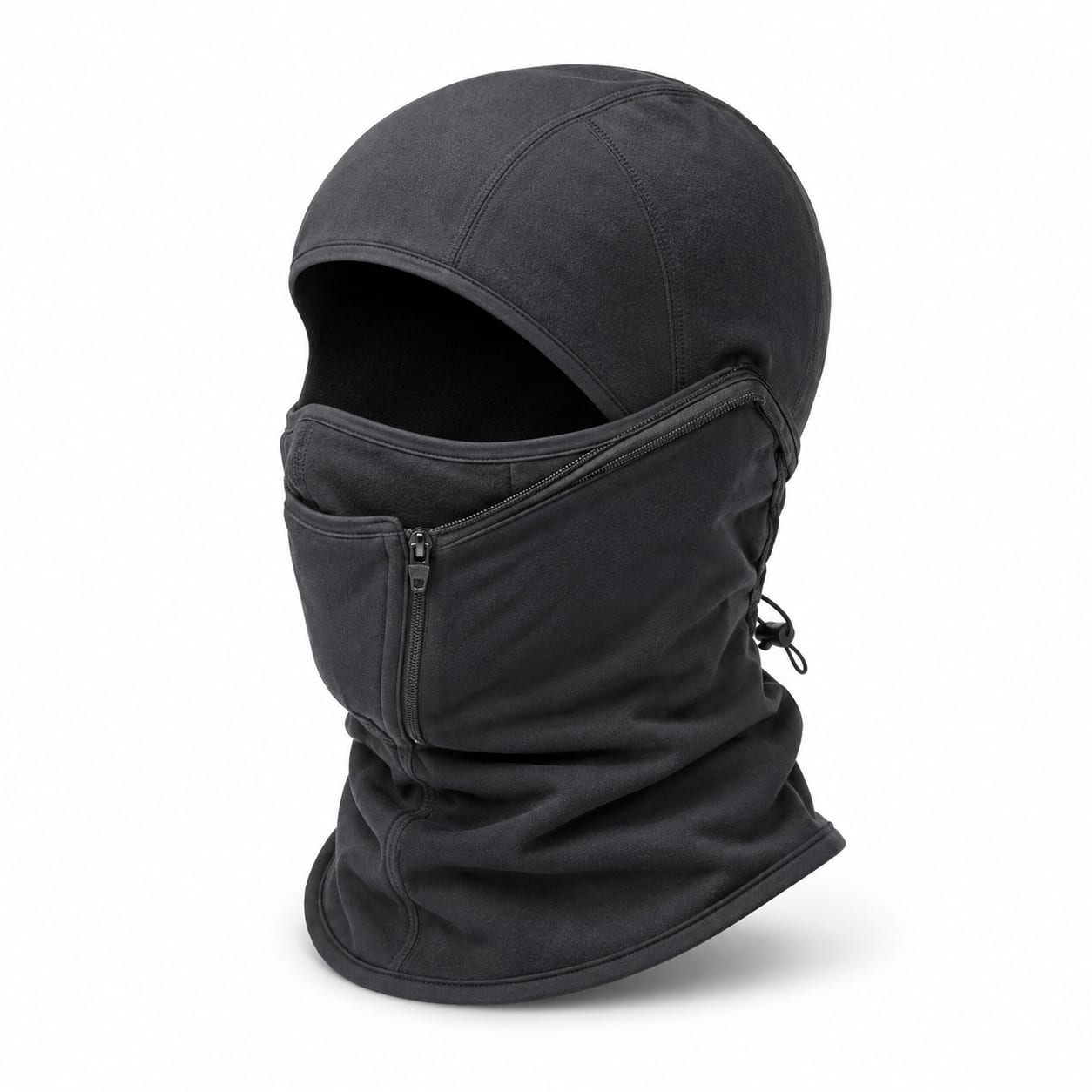
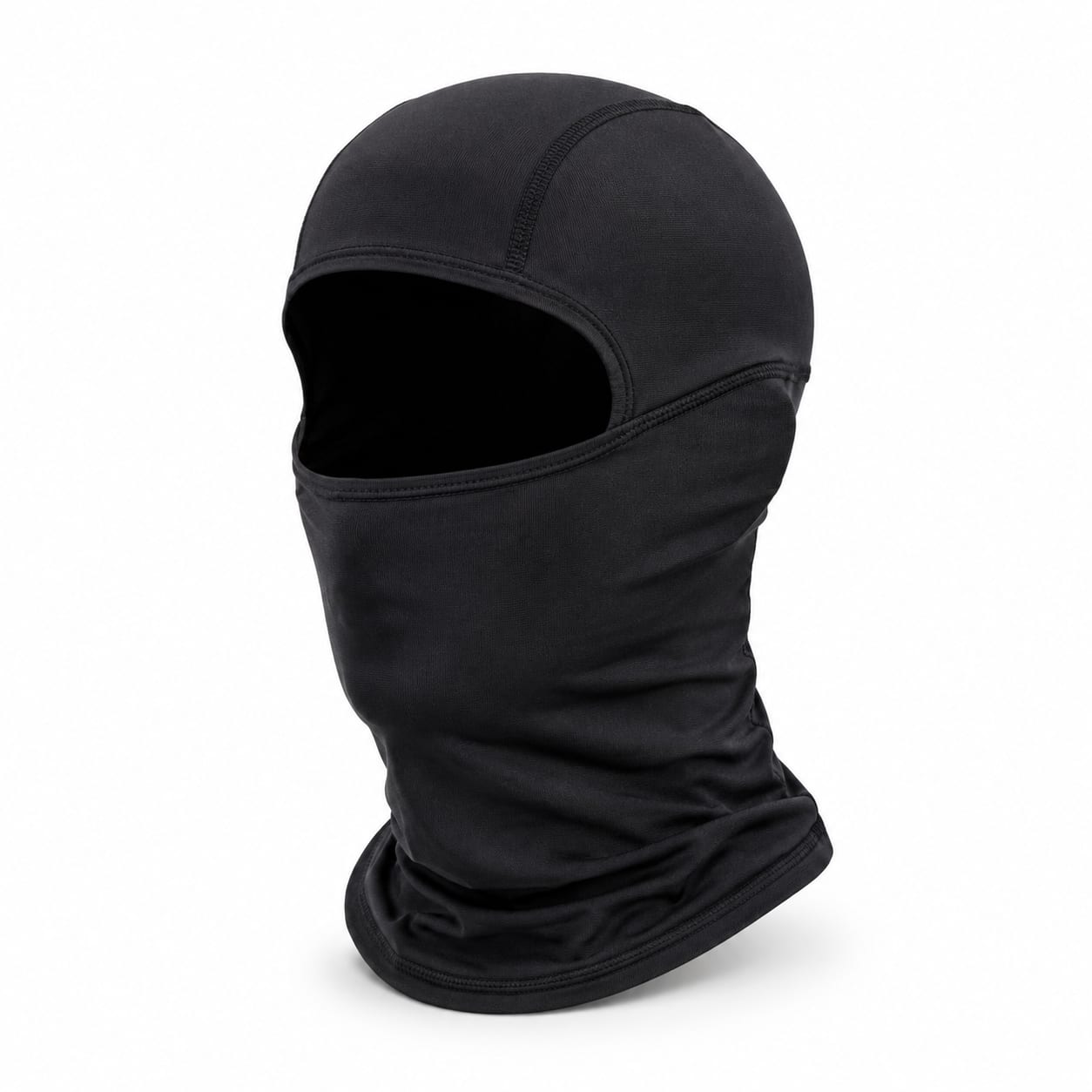
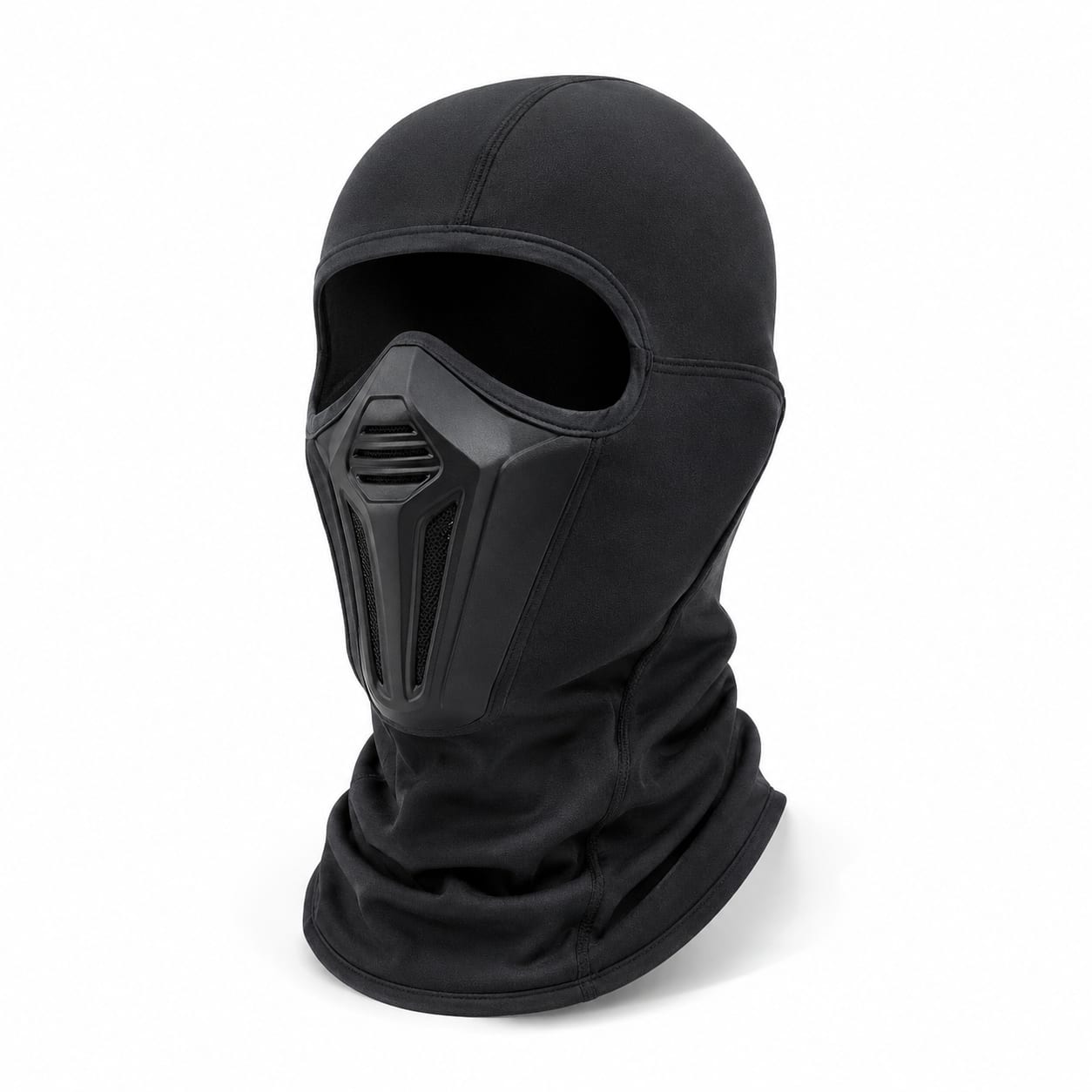
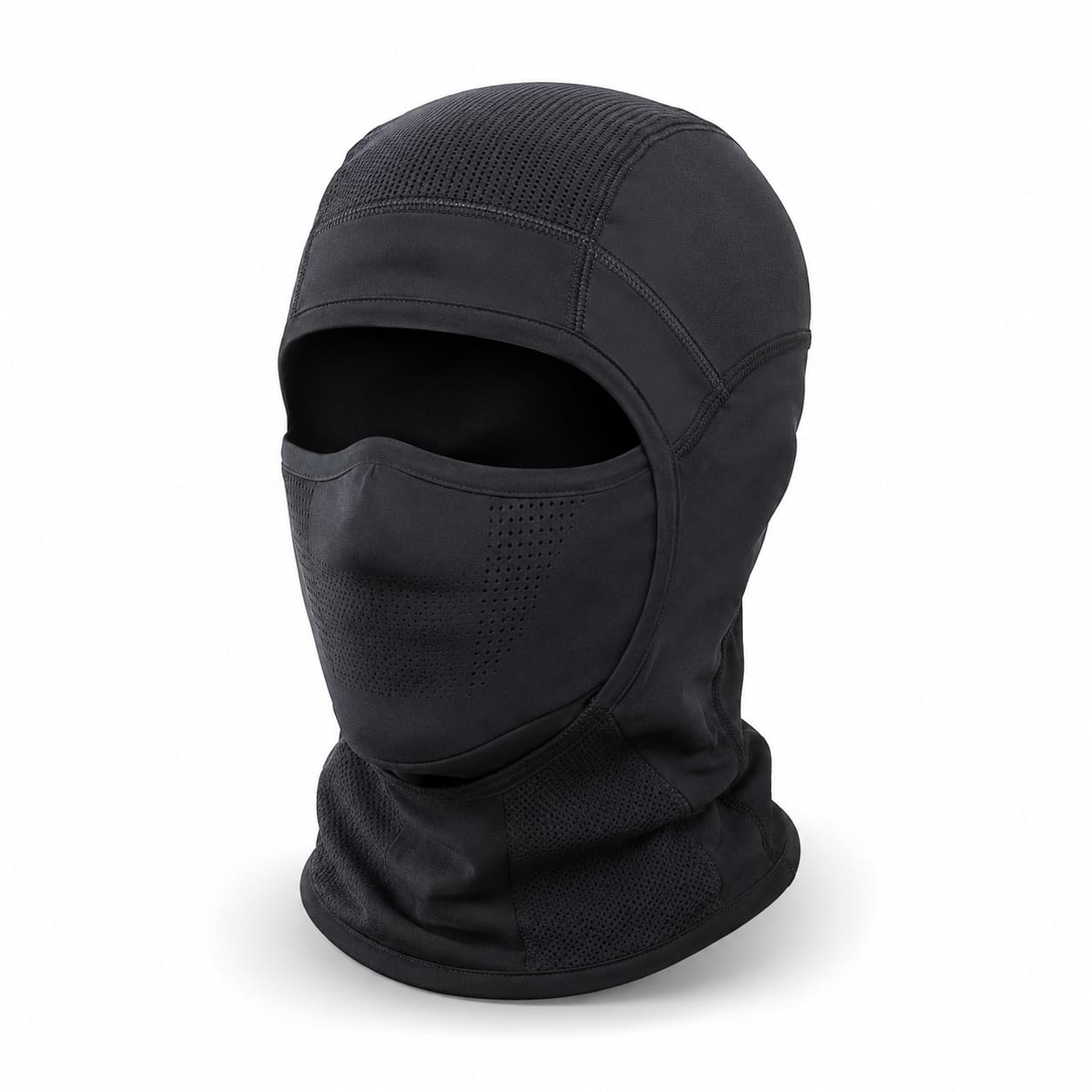
A close-fitting head and face covering garment designed for cold-weather skiing and snowboarding, providing thermal protection, wind resistance, and moisture management while maintaining breathability and compatibility with helmets and goggles.

Recreational skiers and snowboarders in cold climatesBackcountry and off-piste ridersSki patrol and mountain professionalsNordic and cross-country skiers

16

Key specs

10

Subcategories

6

Related gear topics

Ski Balaclava

Overview

What this equipment is for

Ski balaclavas are essential cold-weather accessories that protect the head, face, and neck from extreme temperatures, wind chill, and UV exposure at altitude. Modern designs balance warmth with breathability, using advanced fabrics and construction techniques to prevent goggle fogging and moisture buildup while sealing out the elements.

Related equipment

Ski HelmetSki GogglesNeck GaiterSki BeanieSki Base Layer TopSki Face Mask

Buying specs

Specs worth understanding before you buy

Each spec explains how it affects performance, fit, and whether a product suits your style and use case.

Coverage & Fit

Dimensions related to how the balaclava covers the head, face, and neck, and how it fits the wearer.

Coverage Style

coverage_style

Importance

The extent and configuration of face and head coverage provided by the balaclava, determining how much skin is exposed and how the garment interfaces with goggles and helmets.

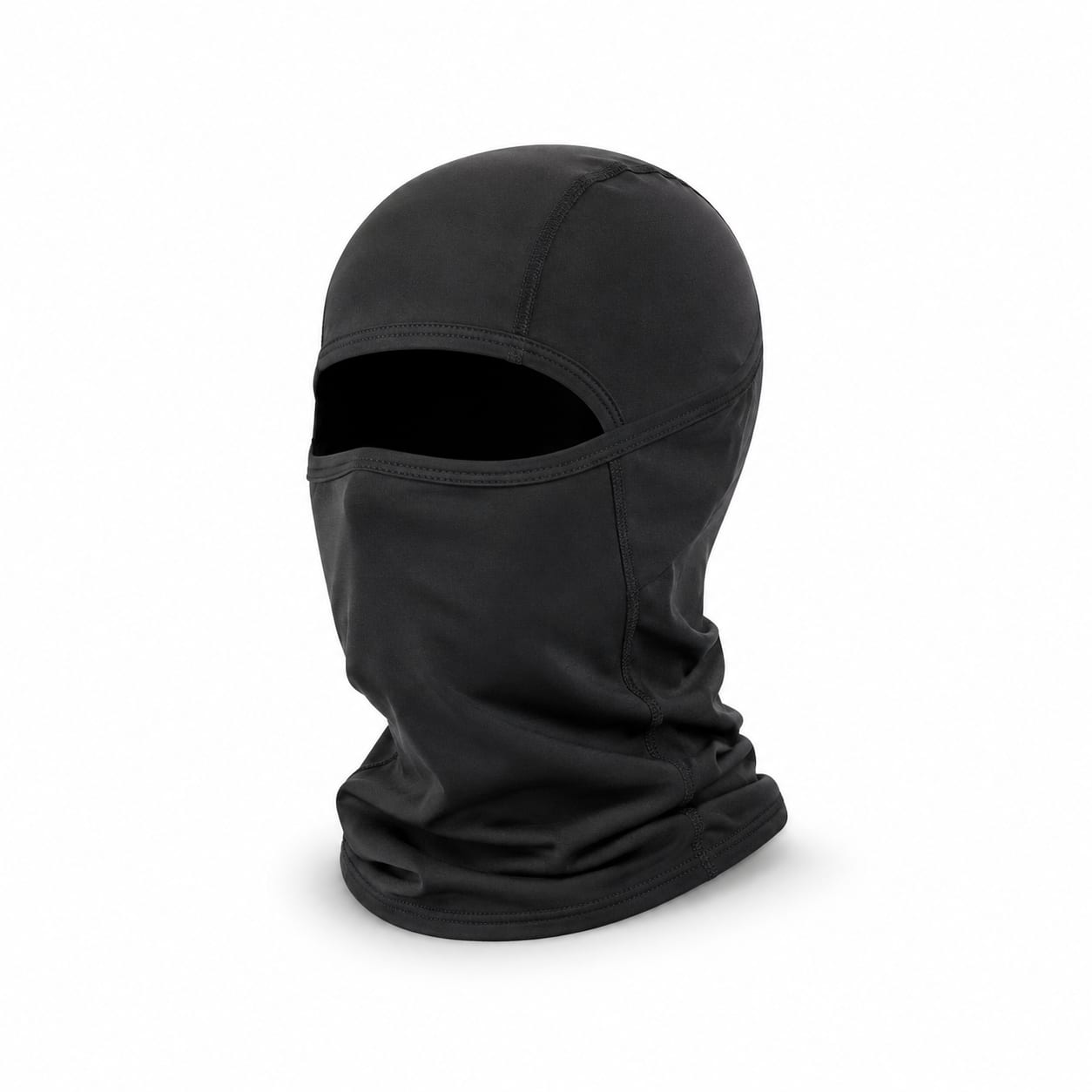
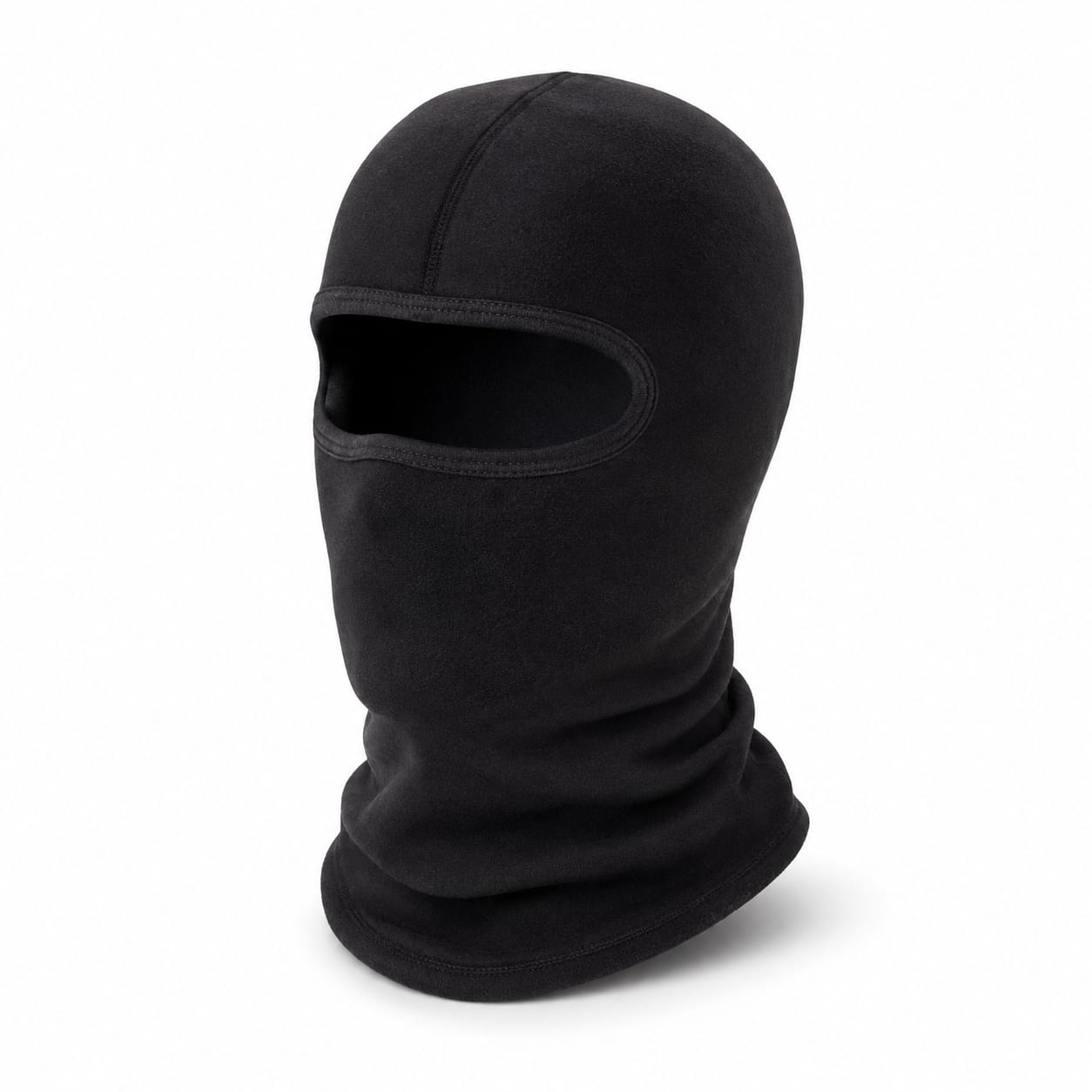
Full Face

Covers entire head, neck, and face with only an opening for eyes and sometimes nose. Maximum protection from cold and wind.

Half Face

Covers head, neck, and lower face below the nose, leaving nose and mouth area more exposed for easier breathing.

Convertible

Features a hinged or detachable lower face section that can be pulled down or removed, allowing adjustable coverage.

Open Face

Covers head, ears, and neck but leaves the entire face exposed from cheekbones down. Similar to a helmet liner with neck extension.

Choose full face for extreme cold and wind, convertible for variable conditions, and half or open face for milder temps or high-output activities. Mesh breath panels are ideal if goggle fogging is your primary issue.
Size / Fit

size_fit

Importance

The sizing system and general fit characteristics of the balaclava, affecting comfort, coverage, and compatibility with other gear.

One Size

Single size designed to fit most adults through stretch fabric and flexible construction. Most common in balaclavas.

S/M

Small to medium sizing for smaller adult heads and youth. Provides better fit for those who find one-size options too loose.

L/XL

Large to extra-large sizing for bigger heads. Prevents over-stretching and ensures adequate coverage.

Youth

Specifically sized and proportioned for children. Smaller in all dimensions with appropriate neck length and face opening.

If you have a particularly small or large head, seek out sized options rather than one-size-fits-all. Youth-specific sizing is essential for children—one-size adult balaclavas will not fit properly and can be a safety concern.

Neck Coverage Length

neck_length_coverage

Importance

How far down the neck the balaclava extends, affecting how well it seals with your base layer or jacket collar and prevents cold air entry.

Extended Neck

Extends well below the collarbone, tucking deep into base layers or jacket. Maximum neck coverage and seal against cold air entry.

Standard Neck

Extends to mid-neck or just below the collarbone. Adequate coverage for most conditions and layering setups.

Short Neck

Minimal neck extension, covering just below the jawline. Lightweight but may leave lower neck exposed.

Extended neck coverage is best for cold conditions and ensures no gap when you turn your head. Standard works for most situations. Short neck is fine for mild conditions or when paired with a high-neck base layer.

Stretch / Flexibility

stretch_flexibility

Importance

The degree of stretch in the fabric and construction, affecting how the balaclava conforms to different head shapes and moves with the wearer.

4-Way Stretch

Stretches in all directions for maximum conformability and freedom of movement. Moves naturally with head turns and facial expressions.

2-Way Stretch

Stretches in two directions (typically width). Good fit but slightly more restrictive in certain movements.

Minimal Stretch

Limited elasticity. Relies on accurate sizing for fit. Can feel restrictive and may not seal well during movement.

4-way stretch provides the best comfort and fit, especially for one-size models. 2-way stretch is adequate for most skiers. Minimal stretch requires careful sizing and is less forgiving.

Weather Protection

Dimensions related to protection from cold, wind, and sun exposure.

Thermal Insulation Class

thermal_insulation_class

Importance

The warmth category of the balaclava, indicating the temperature range and conditions it is designed to handle comfortably.

Extreme Cold

Heavyweight insulation for temperatures below -15°C (5°F). Thick fleece, windproof membranes, and maximum coverage. Designed for harsh alpine and backcountry conditions.

Cold

Midweight insulation for temperatures approximately -15°C to -5°C (5°F to 23°F). The most common warmth level for winter skiing.

Cool

Lightweight insulation for temperatures approximately -5°C to 5°C (23°F to 41°F). Thin fleece or single-layer construction.

Mild / Base Layer

Very lightweight for temperatures above 5°C (41°F) or as a thin liner under heavier balaclavas. Minimal insulation, maximum breathability.

Match your insulation class to the coldest conditions you regularly ski in. It's better to have a balaclava that's slightly too warm (you can pull it down) than one that's too cold. Consider owning two balaclavas of different weights for varying conditions.

Wind Resistance

wind_resistance_rating

Importance

The degree to which the balaclava blocks wind penetration, critical for comfort on exposed chairlifts and high-speed descents.

Windproof

Blocks virtually all wind penetration through membrane or tight-weave construction. No perceptible wind comes through the fabric.

Highly Wind Resistant

Blocks most wind but allows minimal air permeability. Slight breeze may be felt at high speeds.

Moderately Wind Resistant

Reduces wind chill significantly but allows some air through. Typical of standard fleece and knit constructions.

Minimal Wind Resistance

Thin, breathable fabrics that provide minimal wind blocking. Wind penetrates easily but moisture management is excellent.

If you regularly ride exposed lifts or ski in high winds, windproof or highly wind resistant is essential. For tree skiing and sheltered areas, moderate resistance with better breathability may be preferable.

UV Protection (UPF)

uv_protection_upf

Importance

The Ultraviolet Protection Factor rating indicating how effectively the fabric blocks UV radiation, important at high altitude where UV exposure is significantly stronger.

UPF 50+

Blocks 98% or more of UV radiation. Maximum fabric UV protection available. Essential at high altitude or for sun-sensitive skin.

UPF 30–49

Blocks 96–97% of UV radiation. Very good protection suitable for most conditions.

UPF 15–29

Blocks 93–96% of UV radiation. Moderate protection. May allow some exposure during extended high-altitude exposure.

Not Rated / Minimal

No UPF rating or minimal UV protection. Fabric may allow significant UV penetration, especially when stretched or wet.

UPF 50+ is recommended for high-altitude skiing, spring conditions, or any extended time on snow where UV reflection amplifies exposure. Many quality balaclavas now include UPF ratings as standard.

Moisture & Breathability

Dimensions related to moisture management, breathability, and fogging prevention.

Breathability

breathability_rating

Importance

The ability of the fabric to allow moisture vapor (sweat) to escape, preventing clamminess and reducing goggle fogging.

Excellent

Highly breathable fabric or mesh zones that allow maximum moisture vapor escape. Minimal fogging risk even during high exertion.

Good

Solid moisture management for typical resort skiing. Some fogging possible during stops or very high output.

Moderate

Acceptable breathability but moisture can accumulate during high exertion or extended wear. Fogging likely if not managed.

Low

Poor moisture vapor transport. Fabric traps sweat and breath, leading to dampness and significant fogging risk.

If you run hot or ski aggressively, prioritize excellent or good breathability. If you run cold or ski in extreme conditions, moderate breathability with better wind protection may be acceptable. Low breathability should be avoided unless for very specific use cases.

Moisture Wicking

moisture_wicking

Importance

The ability of the fabric to actively pull moisture (sweat and breath condensation) away from the skin surface to the exterior where it can evaporate.

Active Wicking

High-performance moisture transport that rapidly moves sweat and condensation away from skin. Fabric stays dry to the touch during moderate to high exertion.

Moderate Wicking

Decent moisture management that handles normal perspiration but may feel damp during high exertion or very long sessions.

Minimal Wicking

Basic moisture handling. Fabric absorbs and holds moisture rather than actively transporting it. Can become damp and cold.

Active wicking is strongly recommended for anyone who sweats during skiing or wears their balaclava all day. It directly impacts comfort and fogging. Merino wool and polypropylene excel here.

Nose/Mouth Breath Feature

nose_breath_feature

Importance

Specific design features around the nose and mouth area that manage breath direction and moisture to reduce goggle fogging and improve comfort.

Directed Exhaust

Channeled or structured design that directs exhaled breath downward and away from goggles. May include nose bridges or breath channels.

Mesh Breath Zone

Perforated or mesh panel over the nose and mouth that disperses breath and allows some air mixing. Reduces fogging while maintaining coverage.

Open Nose Design

Cutout or opening around the nose area allowing breath to escape naturally. Minimal fogging but less coverage.

No Special Feature

Standard construction without breath management features. Breath escapes naturally through the fabric.

If you struggle with goggle fogging, directed exhaust or mesh breath zone features are game-changers. Open nose designs work well for mild conditions. No special feature is only acceptable for casual or non-goggle use.

Material & Construction

Dimensions related to fabric choice, seam construction, and physical properties.

Primary Fabric Material

primary_fabric

Importance

The main material used in construction, which determines warmth, breathability, moisture management, stretch, and feel against skin.

Merino Wool

Natural fiber from merino sheep offering excellent warmth, odor resistance, and moisture management. Soft against skin and naturally antimicrobial.

Polyester Fleece

Synthetic fleece offering good warmth, quick drying, and durability. Available in various weights and textures.

Nylon-Spandex Blend

Tight-weave synthetic blend prioritizing wind resistance, stretch, and low bulk. Often used as a shell or lightweight layer.

Windstopper/Softshell

Laminated fabric with a windproof membrane bonded to a stretch or fleece backing. Blocks wind completely while allowing some breathability.

Merino wool is best for odor control and natural feel. Polyester fleece offers the best value and durability. Windstopper fabrics excel in harsh wind. Hybrid designs provide the most complete solution but at higher cost.

Seam Construction

seam_construction

Importance

The type and placement of seams in the balaclava, affecting comfort against skin, pressure points under helmets, and durability.

Seamless / Bonded

No traditional sewn seams. Fabric is knit as a tube or bonded with adhesive. Eliminates all pressure points and irritation.

Flatlock Seams

Seams lay flat against the skin using a specialized stitch that minimizes bulk and irritation. Common in performance athletic wear.

Overlock / Standard Seams

Traditional sewn seams with visible stitching and some bulk. More noticeable against skin and under helmets.

Seamless or flatlock construction is strongly recommended for helmeted skiing and all-day comfort. Overlock seams can create annoying pressure points on the forehead and temples under helmet pads.

Weight

weight_grams

Importance

The total weight of the balaclava in grams, affecting packability, layering comfort, and perceived bulk under a helmet.

Typical range: 30–200 g

Lightweight balaclavas (30–60g) are ideal for spring skiing or as a thin liner. Midweight (60–120g) suits most winter conditions. Heavyweight (120–200g) is for extreme cold or features thick fleece and windproof membranes.

Odor Resistance

odor_resistance

Importance

The fabric's ability to resist developing unpleasant odors over multi-day use, important for ski trips where daily washing isn't possible.

Naturally Odor Resistant

Fabric inherently resists odor-causing bacteria without chemical treatment. Merino wool is the gold standard, effective for multiple days between washes.

Antimicrobial Treated

Synthetic fabric with silver ion or other antimicrobial treatment applied to reduce odor-causing bacteria. Effective but treatment degrades over washes.

Minimal Odor Resistance

Untreated synthetic fabric with no inherent or applied odor resistance. Will develop odor after one day of active use.

For multi-day ski trips, merino wool or antimicrobial-treated synthetics are strongly recommended. If you always wash between uses, odor resistance is less critical.

Gear Integration

Dimensions related to how the balaclava works with other ski equipment.

Helmet Compatibility

helmet_compatibility

Importance

How well the balaclava fits and functions under a ski helmet, including bulk, seam placement, and integration with helmet straps and goggle straps.

Optimized Helmet Fit

Specifically designed with flat seams, low bulk, and helmet-compatible cut to fit seamlessly under ski helmets without affecting fit or comfort.

Compatible

Works well under most helmets with minimal bulk or pressure points. Not specifically engineered for helmet integration but functions adequately.

Bulky Under Helmet

Thick construction or seam placement that can create pressure points or affect helmet fit. Better suited for use without a helmet.

If you always wear a helmet, prioritize optimized helmet fit. Most modern balaclavas are at least compatible. Avoid bulky designs that compromise helmet safety or create pressure points.

Goggle Integration

goggle_integration

Importance

How well the balaclava interfaces with ski goggles, including gap elimination, fogging prevention, and strap compatibility.

Seamless Integration

Designed with goggle-compatible eye openings that eliminate skin gaps, prevent fogging, and work with goggle strap placement. Often features specific goggle-fit edge construction.

Good Integration

Works well with most goggle styles with minimal gaps. Standard construction that covers the goggle-to-face junction adequately.

Gap Prone

Eye opening shape or size can leave exposed skin between goggle and balaclava, especially with certain goggle frame sizes. May require adjustment.

Seamless goggle integration is worth paying for if you ski in very cold conditions or are prone to fogging. Test with your specific goggles if possible, as goggle frame shapes vary significantly.

Specs FAQ

Common questions about these buying specs

Plain-English answers for each spec and option — tap through for the full explanation.

When should I choose a full face balaclava over other styles?

A full face balaclava is your best bet when you're dealing with seriously cold conditions or biting wind. It covers your entire head, neck, and face with just an opening for your eyes (and sometimes nose), giving you maximum protection from the elements. If you're riding in single-digit temps, facing wind chill on exposed lifts, or spending long days in the backcountry, this style keeps your skin sealed off from frostbite risks. The trade-off is that all that coverage can work against you in certain ways. Full face styles are the most likely to cause goggle fogging since your breath has limited escape routes, and talking to your crew on the lift requires pulling the fabric down. If you run hot or ski hard enough to break a sweat, you may find yourself overheating. Save the full face option for the coldest, windiest days or high-exposure missions. For average resort days or high-output touring, a half face or convertible style will keep you more comfortable overall.

What's a half-face balaclava, and when would I choose that over a full-face one?

A half-face balaclava covers your head, neck, and lower face below the nose, leaving your nose and mouth more exposed. It's a great middle-ground option when you want solid warmth but don't need full wind protection. This style shines in moderate cold conditions or when you're skiing hard enough that breathability matters. Because your nose and mouth aren't covered, you'll breathe easier, talk to your crew without muffling, and—most importantly—your goggles are far less likely to fog up from trapped breath. The tradeoff is that your nose and mouth are more exposed to wind and cold, so a half-face design isn't the best pick for bitter temps or high wind chill days. But for most resort skiing in typical winter conditions, it hits a sweet spot between protection and comfort.

I ski in varying conditions throughout the day—is a convertible balaclava worth it over a standard full-face one?

A convertible balaclava is a great choice if your day involves shifting conditions. It has a hinged or detachable lower section that you can pull up for cold, windy lift rides and drop down when you're working hard on descents or warming up in the lodge. That adjustability means you're less likely to overheat or fog up your goggles compared to a fixed full-face design. The trade-off is that convertible styles can be slightly bulkier at the hinge or attachment points, and when the face section is pulled down, there's potential for small gaps that let cold air in. They also don't seal quite as tightly as a one-piece full-face balaclava in extreme conditions. If you typically ski in consistently bitter cold or high wind, a dedicated full-face model may be warmer. But for resort days where temps fluctuate or you're mixing casual runs with high-output skiing, the versatility of a convertible is hard to beat.

What's the point of an open face balaclava — isn't the whole idea to cover your face?

It's a fair question! An open face balaclava covers your head, ears, and neck but leaves your entire face exposed from the cheekbones down. Think of it as a helmet liner with a neck extension — it seals out cold around the areas where your helmet and goggles don't reach, while keeping your face completely free. This style shines in milder conditions or during high-intensity skiing where you're generating a lot of body heat. If you've ever felt claustrophobic or struggled to breathe under fabric, an open face design eliminates that issue entirely. It also virtually eliminates goggle fogging since there's no fabric redirecting your breath upward. The tradeoff is straightforward: your nose, mouth, and lower face are fully exposed to wind and cold. If you're riding in bitter temps or biting wind, that exposed skin will feel it. Open face balaclavas are best for spring days, warm-weather resorts, or skiers who run hot and prioritize breathability over maximum protection.

Subcategories

Different styles, different picks

Each sub-type has its own guide with typical specs, trade-offs, and buying advice.

Full Face Balaclava

Full Face Balaclava

$12 – $55

dominant

Traditional balaclava with single eye opening providing complete head, face, and neck coverage.

Single eye openingFull head and neck coverageTucks into jacket collar
Half Face Balaclava

Half Face Balaclava

$10 – $40

common

Lower face and neck covering that leaves the top of the head exposed for helmet compatibility.

Exposes top of headCovers nose to neckHelmet-friendly
Convertible Balaclava

Convertible Balaclava

$20 – $65

common

Multi-configuration balaclava that can be worn as full face, half face, neck gaiter, or beanie.

Multiple wear configurationsHinged or zippered panelsOn-the-fly adjustment
Helmet Liner Balaclava

Helmet Liner Balaclava

$15 – $50

common

Ultra-thin balaclava engineered to fit seamlessly under a ski helmet without altering fit or comfort.

Ultra-thin constructionFlatlock seamsMoisture-wicking
Breath Box Balaclava

Breath Box Balaclava

$30 – $90

niche

Balaclava with structured breathing chamber that deflects exhaled air away from goggles to prevent fogging.

Structured breath chamberDownward air channelingGoggle fog prevention
Windproof Balaclava

Windproof Balaclava

$30 – $85

common

Balaclava incorporating wind-blocking membranes like Gore-Tex Windstopper for maximum wind chill protection.

Windproof membrane panelsStrategic panel placementBreathable zones
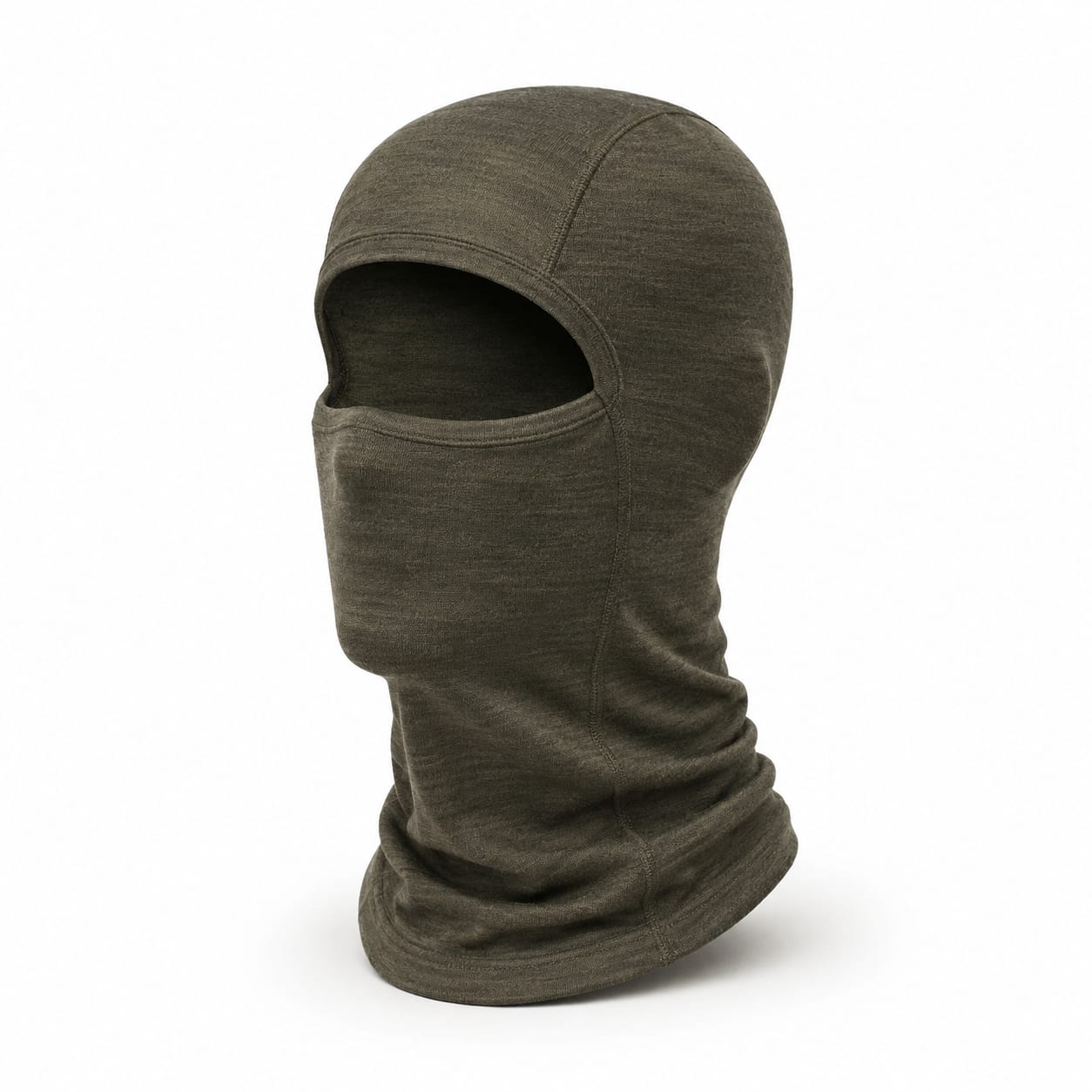
Merino Wool Balaclava

Merino Wool Balaclava

$25 – $75

common

Balaclava made primarily from merino wool, offering natural temperature regulation, odor resistance, and softness.

Merino wool constructionNatural odor resistanceTemperature regulating
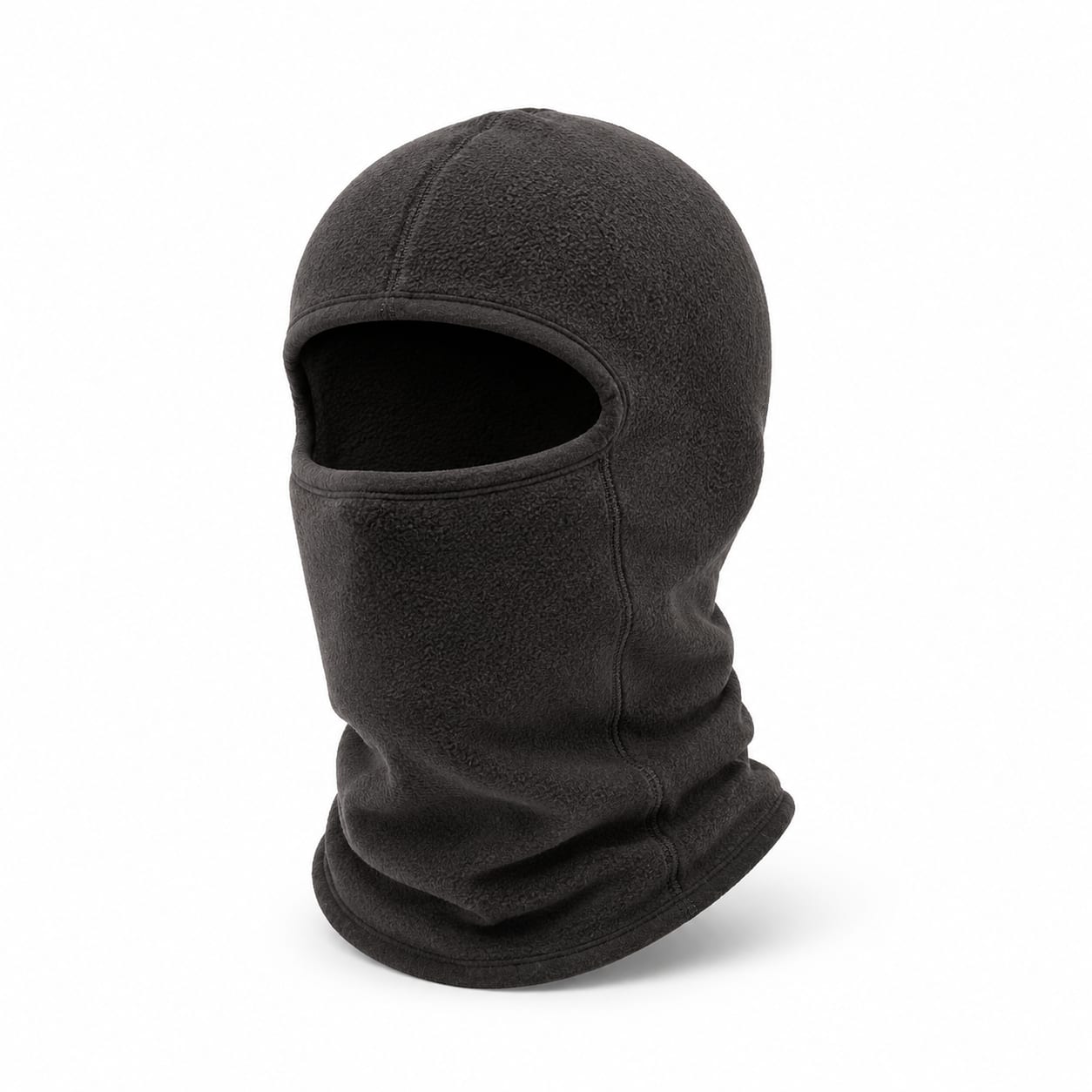
Fleece Balaclava

Fleece Balaclava

$8 – $35

dominant

Soft, warm balaclava made from polyester fleece, offering reliable insulation at an affordable price point.

Fleece constructionSoft hand feelQuick drying
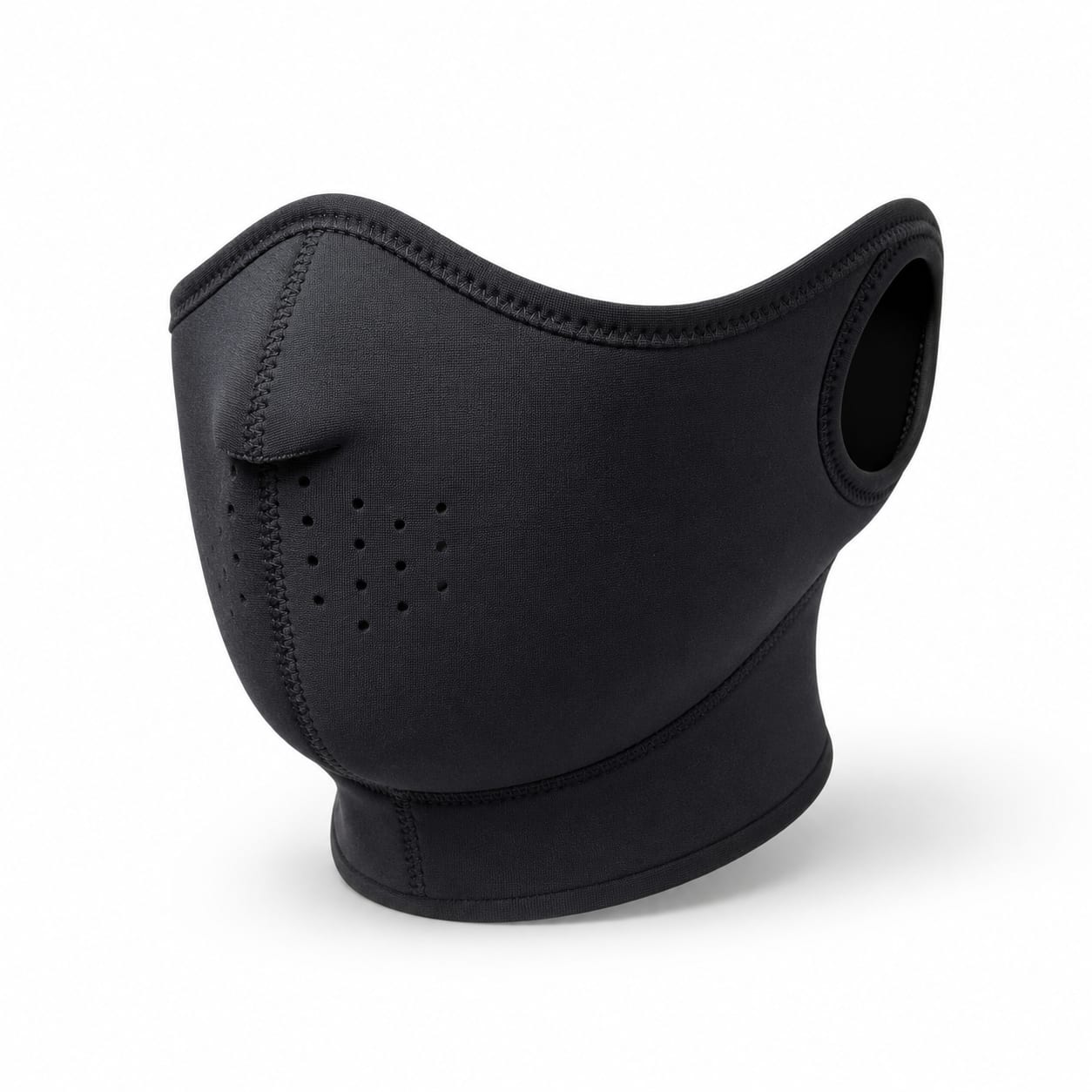
Neoprene Face Mask

Neoprene Face Mask

$15 – $50

niche

Windproof and water-resistant face mask made from neoprene, providing maximum weather protection in extreme conditions.

Neoprene constructionWindproofWater resistant
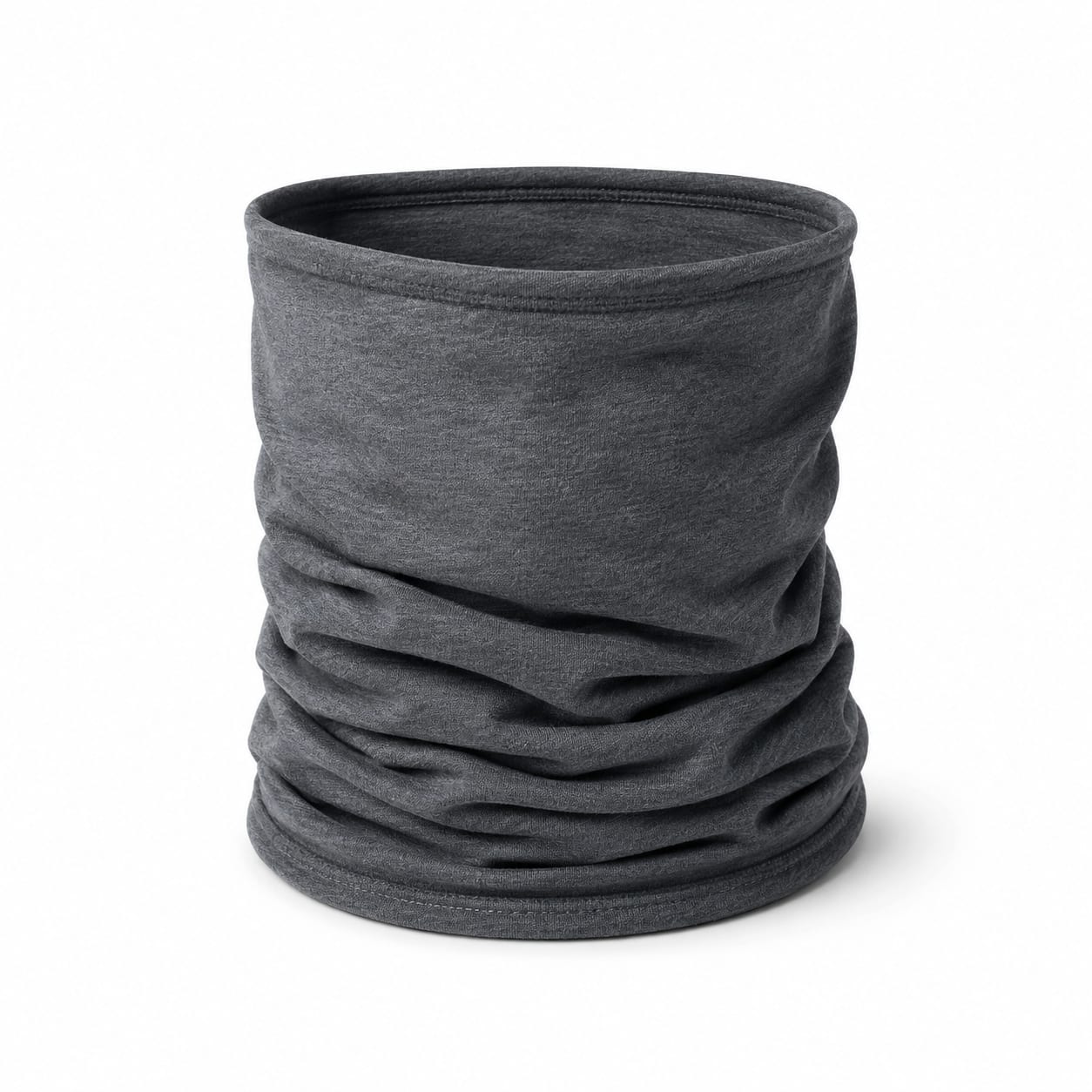
Neck Gaiter

Neck Gaiter

$10 – $40

common

Open-ended tube of fabric worn around the neck and pulled up over the lower face as needed.

Open tube designPull-up coverageNo head coverage