
Ski Handwear · Buying specs
Questions about Ski Handwear specs
Straight answers on the specs that matter when you buy — each question covers one dimension or option so you know what to look for.
Open Ski Handwear guide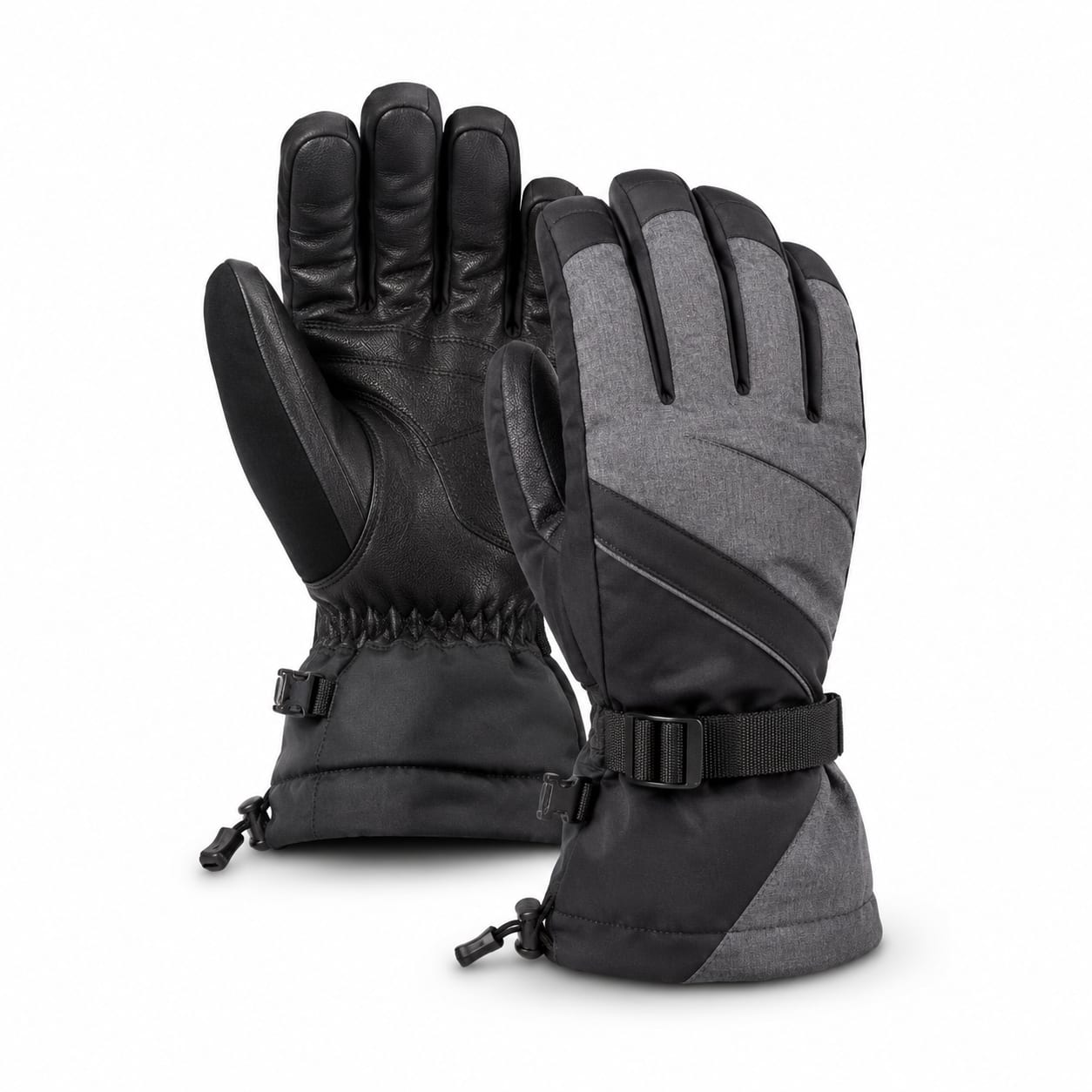
61 questions
Browse by spec group
Questions are organized the same way as the buying specs on the main equipment page.
Construction & Materials
Core materials and build quality defining the handwear's protective capabilities and durability.
Is nylon a good shell material for ski gloves, or should I be looking at something else?
Nylon is one of the most popular and proven shell materials for ski gloves, and for good reason. It's exceptionally durable and abrasion-resistant, so it holds up well against rope tows, tree branches, and the general wear and tear of regular resort skiing. Compared to leather, nylon doesn't require any special treatment or waterproofing wax to maintain its performance—it's essentially low-maintenance and ready to go season after season. While leather offers superior grip and molds to your hand over time, nylon still provides good dexterity and typically comes at a more accessible price point. Nylon shells are an excellent choice for all-mountain and everyday skiing where you need reliable protection without the upkeep. If you're a frequent skier who wants durable handwear that can take a beating without extra care, nylon is hard to beat.
Read answer →Shell Material · PolyesterAre polyester shell gloves good enough for regular resort skiing, or should I spend more for nylon or leather?
Polyester shell gloves are a solid choice for most casual resort skiers. They're lightweight, handle varied conditions well, and typically cost less than nylon or leather options. If you're skiing mostly groomed runs and not dragging your hands across rocks or trees, polyester holds up just fine for everyday use. The main trade-off is durability—polyester isn't as abrasion-resistant as nylon, so it may show wear faster if you're hard on your gear. It also won't match the premium grip and dexterity of leather, which molds to your hand over time. That said, polyester offers good water resistance and retains its color well season after season. For budget-conscious skiers or those who replace gloves every couple of seasons anyway, polyester delivers reliable performance without the premium price tag. Just skip it if you're skiing tight trees, doing lots of rope tows, or heading into the backcountry where tougher materials pay off.
Read answer →Shell Material · Leather (Goatskin, Cowhide)Are leather ski gloves worth it, or should I just go with synthetic?
Leather ski gloves—usually goatskin or cowhide—offer unmatched grip and dexterity compared to synthetic shells. If you're ripping through trees, handling rope tows, or just want a better feel on your poles, leather is hard to beat. The material also molds to your hand over time, creating a custom fit that only gets better with age. The catch is maintenance. Leather isn't naturally waterproof, so you'll need to regularly treat your gloves with a conditioning wax or balm to keep moisture out. Skip this step and they'll soak through in wet snow. Leather also comes at a higher price point than most synthetics. Leather shells are ideal for freeriders, guides, and anyone who values grip and feel over low-maintenance convenience. If you're mostly doing casual resort laps and don't want the upkeep, a synthetic option may be the smarter call.
Read answer →Shell Material · Softshell (Stretch Woven)I mostly ski tour and run hot—would softshell gloves work for me?
Softshell gloves are an excellent choice for ski touring and high-output riding. The stretchy woven fabric gives you outstanding dexterity for handling bindings, skins, and poles, and breathes far better than nylon or leather shells so your hands won't get clammy on the climb. The trade-off is weather protection. Softshell isn't fully waterproof, so in deep powder, wet snow, or stormy conditions, your hands will likely get wet and cold. They're best suited for spring skiing, mild days, and aerobic touring where you're generating plenty of body heat. If most of your riding is resort-based in midwinter conditions, you'll probably want a more weather-resistant shell like nylon or leather instead. But for the skin track and sunny corn days, softshell is hard to beat.
Read answer →Palm Material · Leather (Goatskin, Pittards)Are leather palm ski gloves worth it, or should I just go with synthetic?
Leather palm gloves—typically made from goatskin or premium Pittards leather—offer the best grip and pole feel you can get. The material naturally molds to your hand over time, creating a custom fit that makes pole planting feel intuitive and precise. That's why freeriders, instructors, and anyone who spends all day gripping poles tends to prefer them. The trade-off is maintenance. Leather needs regular waterproofing treatment, and if you skip it, the palms can get slippery when wet. Synthetic alternatives like Clarino mimic the leather feel with less upkeep, but they won't last as long or develop that broken-in grip that leather fans swear by. If you ski frequently and value pole control and long-term durability, leather is absolutely worth the extra care. For casual days or if you'd rather not bother with treatment, synthetic suede is a solid low-maintenance alternative.
Read answer →Palm Material · Synthetic Suede (Amara, Clarino)Should I get ski gloves with synthetic suede palms like Clarino instead of real leather?
Synthetic suede (often sold as Clarino or Amara) is designed to mimic the feel of natural leather while being much easier to care for. Unlike real leather, you don't need to regularly treat it with waterproofing wax or conditioner—it holds up well on its own and maintains consistent grip even when wet. The trade-off is durability. Synthetic suede won't last quite as long as a quality goatskin or Pittards leather palm, especially if you're skiing hard every weekend or gripping poles tightly all day. However, for most recreational to avid skiers, it's plenty durable and offers excellent pole feel and dexterity. Synthetic suede is a great choice if you want that premium leather-like grip and tactile feel without the maintenance hassle. It's especially appealing if you frequently adjust goggles, zip jackets, or use your phone on the lift, since it provides good dexterity and consistent performance in mixed conditions.
Read answer →Palm Material · Rubberized / Silicone GripShould I get ski gloves with rubberized or silicone grip palms? I see them on some racing gloves but not sure if I need that.
Rubberized or silicone grip palms are designed for one thing: maximum grip, even in wet conditions. If you're racing, skiing in rainy or slushy conditions, or just someone who wants their poles locked in place no matter what, this is your best bet. The rubberized overlays stick to your poles like nothing else, and they're extremely durable too. The tradeoff is feel and dexterity. These palms add bulk, so you lose that tactile sensation that helps with finer tasks—like adjusting your goggles, zipping jackets, or working your phone. If you're constantly taking gloves on and off throughout the day, that can get annoying fast. They're most popular with racers and riders who prioritize grip above all else. For typical resort skiing in normal conditions, leather or synthetic suede palms usually offer a better balance of grip and feel. But if you ski a lot in the Pacific Northwest, deal with spring slush, or just want the stickiest grip possible, rubberized palms are worth considering.
Read answer →Palm Material · Textured NylonI'm on a budget and see some ski gloves with textured nylon palms. Are these good enough, or should I spend more for leather?
Textured nylon palms are a solid choice if you're a casual skier who mostly sticks to dry, groomed days. They provide adequate grip on your poles when conditions are dry, and they're the most affordable palm option available. If you only get out a handful of times a season, they'll likely serve you just fine. The trade-offs are durability and wet-weather performance. Textured nylon is the least durable palm material, so it wears out faster—especially if you're gripping poles hard all day. More importantly, grip drops noticeably when the palms get wet, which is a real problem on snowy or slushy days. If you ski often, in variable conditions, or want gloves that last multiple seasons, synthetic suede or leather palms are worth the extra investment. But for occasional resort skiing on dry days, textured nylon gets the job done without breaking the bank.
Read answer →Membrane · Gore-TexDo I really need Gore-Tex in my ski gloves, or is that just a premium upsell?
Gore-Tex is a thin membrane built into the glove that blocks water from getting in while letting sweat vapor escape. It's the most trusted and tested waterproof-breathable technology in ski handwear, and it genuinely works — your hands stay dry from both outside moisture and internal sweat. It's worth the extra cost if you ski in variable conditions, deal with wet snow, or tend to run hot and sweaty. If your hands get damp and cold during a full day on the mountain, Gore-Tex can make a real comfort difference that cheaper membranes struggle to match. However, if you only ski in dry, cold climates and don't struggle with sweaty hands, a proprietary membrane or no membrane at all may serve you just fine for less money. The key is matching the waterproofing level to the conditions you actually ride in — don't overpay for protection you won't use.
Read answer →Membrane · Gore-Tex InfiniumI noticed some ski gloves use Gore-Tex Infinium instead of regular Gore-Tex. Is Infinium still waterproof, and when does it make sense to choose it?
Gore-Tex Infinium is not fully waterproof — it's designed to be windproof and water-resistant instead. While it'll shed light snow and brief exposure, it won't keep your hands dry in sustained wet conditions like a storm day or sloppy spring snow. The trade-off is breathability: Infinium lets moisture vapor escape far better than standard Gore-Tex, so your hands stay drier from the inside out. Infinium shines for high-output riding where you're working hard and generating heat, like skinning up in the backcountry or aggressive resort laps on cold, dry days. If you run hot or hate that clammy, sweaty feeling inside your gloves, Infinium keeps things comfortable. It's also great for dry, bitterly cold conditions where breathability matters more than waterproofing. Skip Infinium if you regularly ski in wet climates, deal with rain or heavy Sierra cement, or tend to run cold and need maximum weather protection. For those situations, standard Gore-Tex is still the safer bet.
Read answer →Membrane · Brand Proprietary (Hyvent, Dry.Q, etc.)Are proprietary membranes like Hyvent or Dry.Q good enough, or should I stick with Gore-Tex?
Brand proprietary membranes are manufacturer-developed waterproof-breathable technologies that can offer solid performance at a better price point than Gore-Tex. The catch is that performance varies—some brands come close to Gore-Tex levels, while others fall short in sustained wet conditions. These membranes make a lot of sense if you're looking at mid-range to premium gloves and don't ride in relentless rain or wet snow all day. They typically handle normal resort skiing and mixed conditions just fine. The key is reading reviews for the specific glove model, since "proprietary" doesn't tell you much on its own. If you consistently ski in the Pacific Northwest or other famously wet climates, Gore-Tex's guaranteed performance is worth the premium. But for drier regions or occasional riders, proprietary membranes deliver good value without overpaying for waterproofing you may not need.
Read answer →Membrane · No MembraneDo I really need a waterproof membrane in my ski gloves, or can I skip it?
You can absolutely skip the membrane if you primarily ski in dry, cold climates where snow stays powdery and wet hands aren't really a concern. Gloves without a waterproof membrane are the most breathable option, so your hands stay comfortable and dry from the inside out—especially during high-output activities like touring or hiking the park. They're also a smart pick for spring skiing when temperatures are milder and you're shedding layers, or as liner gloves worn under a waterproof shell. Plus, skipping the membrane typically saves you money. The catch is straightforward: no membrane means no waterproof guarantee. If you encounter wet snow, rain, or slush, moisture will eventually soak through. If you ski in variable conditions or coastal mountains known for wet weather, a membrane is worth the investment. But for cold, dry resorts or short sessions in predictable weather, membrane-free gloves keep things simple and comfortable.
Read answer →Reinforcements · Palm ReinforcementDo I really need palm reinforcement on my ski gloves, or is that just a durability upsell?
Palm reinforcement is one of the most practical features you can get on ski gloves, especially if you ski frequently. The palm is the highest-wear area on any glove—it's constantly rubbing against your pole grips, and if you ever use rope tows, that friction will shred an unreinforced palm in no time. An extra layer there can add seasons to the life of your gloves. That said, there's a small trade-off. The added material can slightly reduce dexterity, so tasks like adjusting zippers or fiddling with boot buckles may feel a bit less precise. If you're a casual skier who only gets out a few days a season, you might prefer the cleaner feel of an unreinforced palm. But for regular skiers, racers, or anyone who grips poles hard all day, palm reinforcement pays for itself by preventing premature blowouts in the area that wears out first.
Read answer →Reinforcements · Fingertip ReinforcementShould I look for fingertip reinforcement on ski gloves, or is that overkill?
Fingertip reinforcement isn't necessary for everyone, but it's a smart feature if you're hard on your gloves. The extra material layer at the fingertips protects against two common culprits: ski pole straps that constantly rub against your fingers, and boot buckles that catch and scrape when you're adjusting your boots in the cold. If you've ever worn through the fingertips of a glove mid-season, this feature directly addresses that problem. Racers and high-mileage skiers benefit most from fingertip reinforcement since they're gripping poles tightly all day and fiddling with buckles between runs. It's also great if you ski frequently and want your gloves to last more than a season or two. The trade-off is a slight reduction in tactile feel—you may notice less sensitivity when handling small items like zippers or goggle straps. For casual skiers who hit the slopes a handful of times a year, fingertip reinforcement is probably unnecessary and may add stiffness you don't want. But if you're logging serious days on the mountain, it can be the difference between gloves that blow out in February and gloves that survive the whole season.
Read answer →Reinforcements · Thumb Crotch ReinforcementWhat does thumb crotch reinforcement mean on ski gloves, and do I really need it?
The thumb crotch is the area where your thumb meets the palm of the glove, and it's one of the most common places where ski gloves blow out. Thumb crotch reinforcement adds an extra panel of durable material right at that stress point, preventing the seam from splitting after repeated pole gripping and general wear. If you ski frequently, grip your poles tightly, or work as an instructor or patrol, this feature is absolutely worth having. That junction takes a beating every time you plant a pole or grab a handle, and without reinforcement, you'll often see holes form there well before the rest of the glove wears out. Casual skiers who only get out a few times a season may not notice the difference, but for anyone logging serious days on the mountain, thumb crotch reinforcement can significantly extend the life of your gloves and save you money in the long run.
Read answer →Reinforcements · Knuckle ProtectionDo I need knuckle protection on my ski gloves?
Knuckle protection adds a padded or reinforced panel over the knuckles, and it's really designed for specific types of riding. If you're a gate racer brushing slalom poles, a freestyle rider hitting rails and features, or someone who charges through tight trees, knuckle protection can save your hands from painful impacts and abrasion. For most resort skiers and casual riders, knuckle protection isn't necessary and adds bulk that can make gloves feel less comfortable and slightly harder to move in. It's one of those features that's great when you need it but overkill when you don't. If you do fall into one of those aggressive riding categories, knuckle-reinforced gloves are absolutely worth considering. Just know that you're trading a bit of dexterity and a lighter feel for impact resistance. Pair it with palm or thumb crotch reinforcement and you'll have a glove that can handle serious abuse on the mountain.
Read answer →Warmth & Insulation
Attributes determining how warm the handwear will keep your hands in cold conditions.
When should I choose ski gloves over mittens?
Ski gloves are your best bet when you need maximum dexterity and pole control. Individual finger compartments let you grip your poles naturally, adjust goggles, zip jackets, and handle gear without taking them off. That makes gloves ideal for all-mountain skiing, park riding, and any day where you're actively pole-planting. The trade-off is warmth. Because your fingers are separated, they can't share body heat the way they do in mittens, and there's more surface area exposed to the cold. Gloves shine in moderate to warm conditions, but if you're heading out in bitter cold or your hands tend to run chilly, you may find them lacking. If you love the feel of gloves but worry about warmth, look for well-insulated models with waterproof-breathable membranes. You can also consider 3-finger or trigger mitten designs, which give you near-glove grip with much of the warmth of a mitten.
Read answer →Type · MittenShould I get mittens for skiing, or will I not be able to grip my poles?
Mittens are the warmest ski handwear option because your fingers stay together in one compartment and share body heat, rather than being isolated like in gloves. If you regularly deal with cold hands or ski in bitter conditions, mittens can be a game-changer for comfort on the mountain. The tradeoff is reduced dexterity — tasks like adjusting goggles or zipping jackets take more effort, and pole grip isn't as precise as with gloves. That said, most skiers adapt quickly, and mittens work perfectly fine for normal resort skiing and pole use. You don't need finger separation to hold a pole securely. If you want near-mitten warmth but better pole control, consider a 3-finger (lobster) or trigger mitten design. These give you an isolated index finger for grip while keeping your other fingers together for warmth. But if cold hands are your main struggle, straight mittens are tough to beat.
Read answer →Type · 3-Finger / LobsterWhen should I choose 3-finger lobster gloves over regular gloves or mittens?
3-finger (or lobster) gloves are the middle-ground option when you need more warmth than gloves provide but still want functional dexterity. Your index finger stays separated for grip and fine tasks, while your other three fingers share a compartment to pool body heat—much like a mitten. They shine in cold conditions where regular gloves leave your hands freezing but full mittens feel too clumsy. Backcountry skiers love them because you can still operate bindings, adjust goggles, and grip poles without freezing. Resort skiers with chronically cold hands also benefit on bitter days. The trade-off is that they're not quite as warm as full mittens, and you lose some dexterity compared to gloves—try zipping a jacket with three fingers grouped together. But for most cold-weather skiing where pole grip matters, they hit a sweet spot that gloves and mittens can't match.
Read answer →Type · Trigger MittenWhat are trigger mittens, and when would I choose them over regular mittens or gloves?
Trigger mittens are a hybrid design that keeps your fingers together in a single compartment for warmth, but separates your index finger into its own pocket so you can grip your ski poles properly. Think of them as mittens with one finger free — they give you near-mitten warmth while still letting you hold poles and make quick adjustments without taking them off. You'd choose trigger mittens when you're skiing in genuinely cold conditions but still need reliable pole control. They're popular with racers and anyone whose hands run cold but doesn't want to give up pole grip. Compared to 3-finger (lobster) designs, trigger mittens are warmer since more fingers share a compartment, but they offer less overall dexterity — you're really only getting that one free finger for grip. If you've been struggling with cold hands in regular gloves but find full mittens too clumsy for pole use, trigger mittens are worth a look.
Read answer →Insulation · Synthetic (Primaloft, Thinsulate, Coreloft)Should I get synthetic insulation in my ski gloves, or is down better?
Synthetic insulation like Primaloft, Thinsulate, or Coreloft is the most versatile choice for most skiers and snowboarders. The biggest advantage is that it keeps your hands warm even if the gloves get damp—whether from sweat, snow, or wet conditions—which makes it ideal for coastal mountains, spring skiing, or anyone who runs hot on the hill. The trade-off is that synthetic is slightly bulkier than down for the same warmth level, so your gloves may feel a bit less low-profile. But that's a small price to pay for reliability. Synthetic gloves are also easier to wash and maintain, and they dry faster at the end of the day. If you ride mostly in wet climates or do high-output activities like touring where you'll sweat, synthetic is the smart pick. Down is warmer per gram but loses its insulating ability when wet, so save that for dry, bitter-cold days.
Read answer →Insulation · DownShould I get down-insulated ski gloves, or is synthetic better?
Down insulation is incredibly warm for its weight — nothing else matches it gram-for-gram. If you're riding in bitterly cold, dry conditions (think interior British Columbia or high-elevation backcountry), down gloves or mittens will keep your hands toasty with less bulk than synthetic alternatives. They're ideal for low-output days when you're sitting on cold chairlifts or standing around at the summit. The big catch: down loses almost all its insulating power when it gets wet. If you ski in coastal or humid climates where precipitation is common, or if your hands tend to run sweaty, down is a risky choice. A damp down glove basically stops working. Synthetic insulation like PrimaLoft or Thinsulate stays warm even when wet and dries much faster. So reach for down when you're facing dry, extreme cold and can keep your gloves dry. For most resort skiers in variable conditions, synthetic is the safer bet.
Read answer →Insulation · Wool (Merino)When does Merino wool insulation make sense for ski gloves instead of synthetic or down?
Merino wool insulation is a great choice if you run hot on the mountain or spend a lot of time touring and working up a sweat. Unlike synthetic or down, wool excels at managing moisture — it pulls sweat away from your skin and releases it, so your hands stay dry instead of getting clammy and cold. It's also naturally odor-resistant, which is a nice bonus on multi-day trips. The trade-off is that wool doesn't pack as much warmth per gram as synthetic fills like PrimaLoft or down. So for bitter cold or low-output resort days sitting on the lift, you might find wool underpowered unless it's blended with another insulation. Think of it as your go-to for moderate temperatures, high-output days, or spring touring when breathability matters more than maximum warmth. Wool also appeals to riders who prefer natural materials and want something that still insulates reasonably well even when damp — just not quite as effectively as synthetic does when truly wet.
Read answer →Insulation · Uninsulated / Shell OnlyWhat's the point of uninsulated ski gloves? Won't my hands freeze?
Uninsulated shell gloves have no built-in insulation — they're designed to be worn over a separate liner glove. Think of them as a waterproof, windproof shield that blocks the elements while your liner handles the warmth. This setup really shines in a few scenarios. Spring skiing on a warm day? Wear just the liner. Bitterly cold storm? Layer a thick liner under the shell. Skin touring and working up a sweat? The breathability is unbeatable. You get maximum versatility because you can swap liners based on conditions rather than owning multiple insulated pairs. The tradeoff is that you'll need to buy and manage a liner system separately. But if you ride in varied conditions or tend to run hot on the mountain, a shell-and-liner combo gives you more flexibility than any single insulated glove ever could.
Read answer →Insulation · Heated (Electric)Are heated ski gloves worth it, or are they just a gimmick?
Heated ski gloves are absolutely legit — they use small battery-powered heating elements, usually across the fingers and back of the hand, to deliver adjustable warmth on demand. They're not for everyone, but for the right rider they're a game-changer. Heated gloves make the most sense if you have chronically cold hands, poor circulation, or conditions like Raynaud's. They're also great for long, brutally cold days where even well-insulated gloves eventually let the cold creep in. Instead of swapping to thicker gloves or heading inside, you just turn up the heat. The trade-offs are real, though. Heated gloves cost significantly more, weigh more, and you'll need to stay on top of charging batteries before each day. If you forget, you're stuck with a heavier glove that's only moderately warm on its own. They're best for resort skiing in extreme cold or long backcountry days — not spring laps or mild conditions where they'd just make your hands sweat.
Read answer →Insulation Weight · Lightweight (40-100g)When should I choose lightweight insulated ski gloves over midweight or heavyweight?
Lightweight insulated gloves (40-100g of insulation) are your best bet when you're riding in milder conditions or generating a lot of body heat through activity. They shine during spring skiing, warm resort days, ski touring, and park sessions where you're constantly moving and don't need as much external warmth. The big advantage of lightweight insulation is dexterity and breathability. You'll have much better feel for your poles, buckles, and gear, and your hands won't get clammy from trapped sweat. This is especially important for backcountry touring, where sweaty hands can actually freeze when you stop for transitions. The trade-off is that lightweight gloves won't cut it on genuinely cold days without layering. If you're sitting on long, windy chairlift rides in January, your hands will likely get cold. If you ride in varied conditions, consider pairing a lightweight shell glove with a removable liner glove so you can adjust your warmth on the fly.
Read answer →Insulation Weight · Midweight (100-200g)Is midweight insulation the right choice for most skiers, or should I go heavier just in case?
Midweight insulation (100–200g) is the sweet spot for the majority of resort skiers and all-mountain riders. It provides enough warmth for typical winter conditions—think single-digit to mid-20s Fahrenheit—without making your hands feel like they're wrapped in pillows. You'll still have the dexterity to adjust bindings, zip jackets, and grip poles comfortably. Going heavier "just in case" is a common mistake. Over-insulated gloves can cause your hands to sweat during active riding, and that moisture actually makes you colder once you're sitting still on a long lift ride. Midweight strikes the best balance between warmth and breathability for everyday conditions. If you run exceptionally cold or frequently ski in bitter, sub-zero conditions, heavyweight may be worth it. But for most skiers riding typical winter days, midweight is the most versatile and comfortable option. You can always add a thin liner glove underneath on the coldest days for a quick boost.
Read answer →Insulation Weight · Heavyweight (200g+)When should I choose heavyweight insulated ski gloves over midweight?
Heavyweight insulation (200g+) is your best bet when you're dealing with genuinely cold conditions—think single-digit temps, high-altitude riding, or those brutal long chairlift rides where the wind just cuts through. If your hands run cold naturally, heavyweight can be a game-changer for keeping you comfortable all day. The trade-off is bulk. Heavyweight gloves and mittens sacrifice dexterity, so fiddling with buckles, zippers, or your phone becomes noticeably harder. They're also overkill on milder days—if you're spring skiing or working hard touring uphill, your hands will overheat and sweat, which ironically leads to cold hands later. Go heavyweight if you're riding deep winter storms, spending time at high elevation, or sitting on slow lifts in frigid weather. For most typical resort days, midweight hits the sweet spot. And if you run cold but still want some dexterity, consider a heavyweight mitten—mittens are warmer than gloves at the same insulation weight.
Read answer →Heated · HeatedAre heated ski gloves worth it, or should I just get thicker insulated gloves?
Heated ski gloves are absolutely worth it if you have chronically cold hands, poor circulation, or regularly ski in extreme cold where even well-insulated gloves leave you numb. The battery-powered heating elements—usually running through the fingers and back of hand—give you on-demand, adjustable warmth that passive insulation simply can't match. That said, heated gloves come with real trade-offs. They cost significantly more, add noticeable weight and bulk, and require you to charge batteries before every ski day. If you forget to charge, you're stuck with heavy gloves and no heat boost. For most skiers, properly fitted, well-insulated non-heated gloves are plenty warm. Heated gloves shine for ski professionals on long days, riders with medical conditions like Raynaud's, or anyone who's tried quality insulated gloves and still can't stay warm. If your hands stay comfortable in regular gloves, save the money.
Read answer →Heated · Non-HeatedDo I really need heated ski gloves, or are regular non-heated ones fine?
For most skiers and snowboarders, non-heated gloves are completely sufficient. They rely on your body heat trapped by insulation—whether that's synthetic fill or down—to keep your hands warm, and they do the job well when you choose the right combination of insulation and fit. You'll also save a significant amount of money and avoid the hassle of charging batteries every night. The key is making sure your non-heated gloves match your typical conditions. If you ski in bitter cold or tend to run cold-handed, look for higher insulation ratings, mittens instead of gloves (mittens are warmer since fingers share heat), and a snug but not tight fit that doesn't restrict circulation. A waterproof-breathable membrane is also essential to keep insulation effective. Heated gloves become worth considering if you have poor circulation, medical conditions like Raynaud's, or regularly ski in extreme cold for long days. But for the majority of resort riders, a well-chosen non-heated glove with proper layering underneath is all you need.
Read answer →Liner · Fixed Fleece LinerWhat does a fixed fleece liner mean, and is it a good choice for ski gloves?
A fixed fleece liner means the soft, fuzzy inner lining is permanently sewn into the glove. It gives you a comfortable feel against your skin and wicks away sweat during a day on the slopes. The big advantage is simplicity—there are no separate pieces to lose or keep track of, and the glove feels cohesive right out of the box. Fixed fleece liners are a solid choice for everyday resort skiing and day trips where you can hang your gloves to dry at the end of the day. The trade-off is that you can't remove the liner for faster drying or washing. If your gloves get soaked, they'll take longer to dry overnight compared to gloves with removable liners. For multi-day trips or backcountry touring where quick drying matters, you might want to look at removable liner options instead.
Read answer →Liner · Removable Fleece LinerShould I get ski gloves with a removable fleece liner?
Removable fleece liners are a great choice if you ski multiple days in a row or deal with changing conditions. The biggest advantage is that you can pull the liner out at the end of the day so it dries much faster than a fixed liner—sweaty gloves that don't dry overnight are a recipe for cold hands the next morning. Another bonus is versatility. On warm spring days, you can wear just the liner by itself for a lightweight, comfortable feel on the slopes. When temperatures drop, pair the liner with the shell for full warmth and weather protection. The tradeoff is that removable liners add a bit of complexity—you're dealing with two separate pieces that can shift around slightly while riding. They also cost a bit more than fixed-liner gloves. But if you're doing multi-day trips, backcountry tours where you're working up a sweat, or you just hate putting on damp gloves, the convenience and drying speed of a removable fleece liner is absolutely worth it.
Read answer →Liner · Removable Wool LinerWhen should I choose ski gloves with a removable wool liner instead of fleece?
Removable wool liners—usually merino or a wool blend—are ideal for multi-day backcountry tours and extended ski trips. The natural fibers excel at managing moisture and resisting odor, so your hands stay comfortable even after several days of hard use without washing. If you've ever ended a three-day tour with gloves that smell like a locker room, wool solves that problem. Unlike fleece, wool liners can also be worn on their own during mild conditions or while skinning uphill, giving you versatile layering options. They also have a softer, more premium feel against the skin that many riders appreciate. The main trade-off is drying time. Wool takes noticeably longer to dry than synthetic fleece, so if you need gloves ready to go by morning after a wet day, fleece may be more practical. Wool liners also tend to cost more. But for riders who value natural fibers and need odor control on long trips, they're worth the investment.
Read answer →Liner · No Liner / Shell OnlyI see some ski gloves listed as 'shell only' with no liner — what's the point of those?
Shell-only gloves are just a waterproof outer glove with no built-in insulation or lining. You pair them with a separate liner glove of your choice, creating a modular layering system for your hands. This setup really shines for backcountry touring and spring skiing, where conditions can swing from freezing mornings to warm afternoons. You can wear a thin liner on the skin track to vent heat, then add a thicker liner for the descent. It's also great for multi-day trips — swap out a damp liner for a dry one without waiting for the whole glove to dry. The catch is that you'll need to buy liners separately, so factor that into your budget. Shell-only gloves are ideal for riders who want maximum control over their warmth setup rather than a simple grab-and-go solution.
Read answer →Weather Protection
Features related to keeping hands dry and protected from snow, rain, and wind.
I ski mostly in dry, cold conditions — do I really need waterproof gloves, or are water-resistant ones fine?
Water-resistant gloves with a DWR (Durable Water Repellent) coating can be a great choice for dry, cold climates. The coating causes moisture to bead up and roll off the surface, and without a waterproof membrane, these gloves tend to breathe better and feel more flexible. If you're skiing interior resorts in places like Colorado or Utah where the snow stays cold and powdery, they'll likely keep your hands comfortable all day. The catch is that DWR-only gloves have no waterproof membrane underneath, so they'll eventually wet through under sustained exposure. If you're leaning on wet surfaces, skiing in rain or heavy wet snow, or spending long days in coastal climates like the Pacific Northwest, your hands will get damp and cold. Water-resistant gloves are also a solid pick for spring skiing when breathability matters more than storm protection. Just be honest about your conditions — if there's a real chance of wet weather, a proper waterproof membrane is worth the investment.
Read answer →Waterproofing · 5,000mmIs 5,000mm waterproofing enough for ski gloves, or do I need a higher rating?
A 5,000mm waterproof rating means the glove has a basic waterproof membrane that handles light snow and occasional powder without soaking through. For casual resort skiing on typical days—especially in drier climates like the Rockies—this level of protection keeps your hands dry and comfortable without paying for more than you need. The limitation shows up under sustained wet exposure. If you're leaning on wet surfaces, sitting on a snowy chairlift for long stretches, or skiing in heavy precipitation, moisture can eventually work through. These gloves also aren't ideal for deep powder days where your hands are constantly plunging into snow. 5,000mm is a smart choice if you mostly stick to fair-weather resort days and moderate conditions. But if you regularly ski in wet coastal climates, encounter heavy storms, or spend long days out, stepping up to 10,000mm gives you more reliable protection without a huge price jump.
Read answer →Waterproofing · 10,000mmIs 10,000mm waterproofing enough for ski gloves, or should I look for a higher rating?
For most skiers and snowboarders, 10,000mm is the sweet spot. This rating means the glove's membrane can withstand the pressure of a 10-meter column of water before leaking—which translates to solid protection in powder, wet snow, and typical storm conditions at the resort or in the backcountry. The real advantage of 10,000mm is balance. You get reliable waterproofing for the vast majority of days on the mountain without sacrificing breathability. Higher ratings like 20,000mm+ offer more extreme protection but can trap more moisture inside, leaving your hands clammy during high-output touring or warm spring sessions. Stick with 10,000mm if you're an all-mountain rider who sees varied conditions but doesn't regularly deal with coastal rain events, deep wet powder, or multi-day guiding in sustained storms. It's more than enough for standard resort days, powder mornings, and most backcountry tours.
Read answer →Waterproofing · 20,000mm+Do I really need 20,000mm waterproofing in ski gloves, or is that overkill?
For most casual resort skiers, 20,000mm waterproofing is more than you need. But if you ski in coastal or Pacific Northwest climates where snow is heavy and wet, this high-end rating is a game-changer. It's also essential if you're a ski instructor, guide, or someone who spends full days out in deep powder where your hands are constantly pushing through snow. The 20,000mm rating means the membrane can withstand serious water pressure before leaking—think leaning on wet surfaces, digging out your car, or repeated plunges into deep snow. Lower ratings can eventually seep through under that kind of sustained contact. The trade-off is breathability. These gloves may trap more moisture from sweat, so your hands could feel clammy during high-output activities like touring. If you're mostly skiing dry, cold interior snow or fair-weather resort days, a 10,000mm glove will keep you dry and breathe better. Save the 20,000mm+ for the wet stuff and long exposure days.
Read answer →Cuff Style · Gauntlet / Over-CuffWhen should I choose gauntlet cuffs over short cuffs on ski gloves?
Gauntlet cuffs extend past your wrist and slide over your jacket sleeve, then cinch down with a strap or drawcord to seal out snow. They're the go-to choice anytime you're dealing with deep powder, backcountry conditions, or bitter cold—basically, any situation where snow working its way into your gloves would ruin your day. The big advantage is that gauntlets create the best barrier against snow entry, and they also trap more warmth around your wrist. They're easier to slip on over a jacket sleeve too. The trade-off is bulk—gauntlets are noticeably larger and won't tuck neatly under a trim-fitting jacket cuff. If you mostly ski groomers in mild conditions or prefer a low-profile look, short cuffs might serve you fine. But if you regularly chase powder or ride in cold, stormy weather, gauntlets are worth the extra bulk.
Read answer →Cuff Style · Under-Cuff / Short CuffWhen should I choose under-cuff ski gloves over gauntlet style?
Under-cuff gloves are a great choice if you primarily ski at resorts in mild conditions or prefer a clean, low-profile look. They tuck neatly inside your jacket sleeve, creating a streamlined fit that many park riders and all-mountain skiers love. They're also less bulky and easier to slip on and off throughout the day. The trade-off is snow protection. In deep powder or wet snow, under-cuff gloves are more vulnerable to snow sneaking in, especially if you take a tumble. They work best when paired with a jacket that has well-designed cuffs with Velcro or elastic closures that seal snugly around the glove. If you mostly ski groomers, hit the park, or ride in areas with lighter snowfall, under-cuff gloves offer a comfortable, low-bulk option. But if you regularly chase powder or ski in stormy conditions, a gauntlet style will keep your hands drier and warmer.
Read answer →Cuff Style · Hybrid / Adjustable CuffI ski in a mix of conditions—some powder days, some groomers. Is a hybrid cuff style a good middle ground for ski gloves?
A hybrid or adjustable cuff is designed to give you the best of both worlds. These gloves have a cuff that can be worn over your jacket sleeve like a gauntlet or tucked inside it like an under-cuff style, usually with an adjustable closure that lets you dial in the fit either way. This makes them a solid choice if you ride in variable conditions or ski all over the mountain. On a deep powder day, you can wear them over your sleeve for maximum snow protection. On a mild resort day, you can tuck them under for a cleaner, low-profile feel. They're also great if you switch between different jackets with varying cuff designs. The main trade-off is that hybrid cuffs may not seal out snow quite as effectively as a dedicated gauntlet, and they won't feel quite as streamlined as a true under-cuff glove. But for most all-mountain skiers who see a bit of everything, that versatility is worth the small compromise.
Read answer →Closure · Velcro / Hook-and-Loop StrapAre Velcro straps on ski gloves a good choice, or do they wear out too fast?
Velcro (hook-and-loop) straps are the most popular closure on ski gloves and mittens because they just work well for most riders. You can snug them down with one hand, which is a lifesaver when you're adjusting gear in the cold, and they create a reliable seal around your wrist to block snow and cold air. The trade-off is that Velcro isn't invincible. Over time, the hook side can collect snow, ice, or lint, which weakens the grip. After a few seasons of heavy use, the strap may not hold as tightly. Velcro also adds a little bulk compared to simpler elastic cuffs. Still, for most resort skiing, Velcro is a solid and versatile pick. Just cinch it down properly each run and clean out any debris now and then to keep it working well.
Read answer →Closure · Drawcord / Shock CordDo I need drawcord closures on my ski gloves, or is Velcro enough?
Drawcord closures—those elastic cords with a toggle at the cuff—are all about sealing out deep snow. They're typically found on gauntlet-style gloves and mittens, which have a longer cuff that goes over your jacket sleeve. When you're skiing powder or heading into the backcountry, a quick pull on the drawcord cinches the cuff tight, keeping snow from sneaking in during a tumble or deep turns. For most resort skiing on groomed runs, Velcro straps work perfectly fine and are the most common option you'll see. They're easy to adjust one-handed and keep things secure. But if you regularly find yourself in waist-deep snow or skinning up in the backcountry, drawcords are worth having. They create a more reliable seal around a bulky jacket sleeve than Velcro alone, and they're easy to operate with cold, gloved hands. One thing to note: drawcord gauntlets add a bit of bulk, so if you prefer a low-profile fit or mostly ski spring conditions, you might find them unnecessary.
Read answer →Closure · Elastic / Slip-OnAre slip-on elastic gloves okay for skiing, or do I need adjustable straps?
Elastic slip-on gloves are great for the right situations — they're low-profile, simple, and the easiest style to pull on and off. That makes them a solid pick for spring skiing, casual resort days, or as liner gloves worn under a larger pair. If you run warm or mostly ski groomers in mild conditions, the no-fuss design is honestly nice. The trade-off is that you can't adjust the fit, and the seal around your wrist isn't as tight. That means snow can sneak in if you take a tumble in deep powder or even when you're pushing through fresh snow. They also tend to loosen over time as the elastic wears out. So if you regularly ski deep powder, cold storm days, or backcountry terrain, you'll want something with a Velcro strap or drawcord to cinch things down. Save the slip-ons for warmer, drier days on the hill.
Read answer →Closure · Zip ClosureAre zip-closure ski gloves a good choice, or is the zipper just something that'll break?
Zip-closure gloves are all about convenience. If you've ever struggled yanking gloves on and off—especially with cold, stiff fingers or a bulky liner underneath—a zip makes entry and exit much easier. They're also handy for spring skiing or variable conditions because you can crack the zipper open to vent heat without taking the glove off entirely. The trade-off is that zippers add a potential failure point. If the zipper jams or breaks, you lose that secure closure. They also aren't the best seal against deep powder; even water-resistant zips can let moisture sneak in compared to a cinched drawcord or Velcro strap. If you're charging through chest-deep snow, look elsewhere. Zip closures shine for resort riders in mixed conditions, skiers who want easy on/off, or anyone whose hands run warm and appreciates the venting option. Just check that the zipper is well-protected by a storm flap to keep moisture out.
Read answer →Fit & Sizing
Dimensions affecting how the handwear fits and interfaces with the rider's body and other equipment.
I have pretty small hands — how do I know if I need an XS in ski gloves?
XS ski gloves are made for hand circumferences of 6 to 6.5 inches, measured around the widest part of your palm (excluding your thumb). This size is most common for youth riders, adults with smaller hands, and some women. To measure, wrap a flexible tape around your palm just below the knuckles and note the number. Getting the right fit matters a lot for smaller hands. If gloves are too loose, you lose warmth because insulation can't trap heat effectively. But if they're too tight, you'll restrict blood flow — and that's actually the fastest way to end up with freezing fingers on the mountain. If you're between sizes, it's usually better to size up slightly. And if you plan to wear a liner glove underneath, always try on your ski gloves with the liner in place so you don't end up with a pair that's too snug.
Read answer →Size · SHow do I know if a size Small ski glove is right for me?
Size Small ski gloves and mittens are designed for a hand circumference of 6.5 to 7.5 inches, measured around the widest part of your palm (excluding the thumb). This size fits most women and smaller men, but measuring is the only way to know for sure — don't just guess based on your usual clothing size. Getting the right fit matters more than you might think. If your gloves are too tight, they restrict blood flow to your fingers, which actually makes your hands colder even with premium insulation. Too loose, and you lose that critical layer of trapped air that keeps you warm. A properly fitting Small should feel snug but not squeezed, with a small gap at the fingertips. One common mistake: if you plan to wear a liner glove underneath, measure and try on your gloves with that liner in place. Sizing can also vary between brands, so always check the specific size chart rather than assuming consistency.
Read answer →Size · MIs a Medium ski glove the right size for me, and what happens if the fit is off?
A Medium ski glove typically fits a hand circumference of 7.5 to 8.5 inches measured around the widest part of your palm (excluding the thumb). This size works well for average men and larger women. To check your size, wrap a soft tape measure around your dominant hand at the knuckles and compare it to the brand's size chart — sizing can vary between manufacturers. Getting the fit right matters more than you'd think. If your gloves are too tight, they restrict blood circulation, which actually makes your hands colder even with premium insulation. If they're too loose, you lose warmth because there's too much air space to heat and the insulation can't trap body heat effectively. You want a snug fit with a small air gap at the fingertips — that gap is where insulation works best. Always try on gloves with any liner you plan to wear underneath. If you're between sizes, it's usually smarter to size up slightly rather than squeeze into a tighter glove.
Read answer →Size · LHow do I know if I need a size Large in ski gloves?
A size Large in ski gloves typically fits a hand circumference of 8.5 to 9.5 inches, measured around the widest part of your palm (excluding the thumb). This size is most common for larger men, but hand shape varies, so measuring is really the only way to know for sure. Getting the right size matters more than you might think. If your gloves are too tight, they restrict blood flow and your hands will actually get colder, no matter how much insulation the glove has. Too loose, and you lose warmth because the insulation can't trap body heat effectively. A Large should give you a snug but not squeezed fit, with a small air gap at the fingertips — that gap is what the insulation needs to work. One common mistake is not accounting for liner gloves. If you wear a thin liner underneath, try the Large on with that liner in place. Also, sizing can vary between brands, so always check the specific brand's size chart rather than assuming your size carries over.
Read answer →Size · XLHow do I know if I need an XL size in ski gloves?
XL ski gloves are designed for hand circumferences between 9.5 and 10.5 inches, measured around the widest part of your palm (excluding the thumb). If you've always worn large gloves in casual wear but feel tightness across your knuckles or fingertips when gripping a ski pole, moving up to XL is likely the right call. Getting this right matters more than you'd think. Gloves that are too tight restrict blood flow to your fingers, which is actually one of the most common reasons people get cold hands on the mountain — even with premium insulation. On the flip side, if an XL glove is too loose, you lose that critical air gap that traps warmth, and your dexterity suffers when working zippers or adjusting bindings. If you're between sizes, size up slightly and make sure to try them on with any liner gloves you plan to wear. Also, sizing varies between brands, so always check the specific size chart rather than assuming XL is the same across the board.
Read answer →Size · XXLI have really large hands — when should I go with XXL ski gloves instead of XL?
XXL ski gloves are designed for hand circumferences over 10.5 inches, measured around the widest part of your palm (excluding the thumb). If you're right at the 9.5–10.5 inch range of an XL, you might still fit that size, but if you're comfortably above 10.5 inches, XXL is the way to go. Sizing up ensures your circulation isn't restricted, which is one of the fastest ways to end up with cold hands on the mountain. The biggest mistake large-handed skiers make is squeezing into a smaller size because XXL options are limited. Gloves that are too tight compress your insulation and cut off blood flow, leaving you colder than you'd be in a properly fitted pair with less insulation. You want a small air gap at the fingertips — that trapped warm air is part of how your gloves keep you warm. If you plan to wear a liner glove underneath, definitely factor that in and try the XXL on with the liner system you'll use on the slopes.
Read answer →Gender · Men'sWhy should I choose men's-specific ski gloves instead of just going with a unisex pair?
Men's ski gloves are built around male hand proportions—wider palms and longer fingers—so they fit more naturally than unisex options, which tend to be based on men's sizing but try to split the difference. When your gloves actually match your hand shape, you get better dexterity for gripping poles, adjusting bindings, or working zippers without having to take them off. A proper fit also keeps your hands warmer. Gloves that are too loose in the palm or too short in the fingers leave gaps where cold air sneaks in and warm air escapes. Men's-specific designs eliminate that sloppy fit, so your body heat stays trapped where it counts. If you're a guy with average-to-large hands, men's gloves are the way to go. Unisex can work in a pinch, but you'll likely notice the difference in comfort and control after a full day on the mountain.
Read answer →Gender · Women'sDo I really need women's-specific ski gloves, or can I just buy a men's small?
Women's ski gloves aren't just smaller versions of men's—they're built around different hand proportions. Women typically have narrower palms and proportionally shorter fingers, so a women's medium will fit much better than a men's small, which might feel baggy across the palm while the fingers are still too long. That better fit directly affects your time on the mountain. Gloves that are too loose let cold air in and make it harder to grip your poles or adjust your gear. A proper women's fit keeps insulation close to your skin for better warmth and gives you the dexterity you need for buckles, zippers, and phone screens. If you're between sizes or have wider hands, unisex gloves can work fine—just know they're often based on men's proportions. But for most women, a gender-specific glove is worth seeking out for the comfort and performance difference alone.
Read answer →Gender · UnisexShould I buy unisex ski gloves, or do I need gender-specific ones?
Unisex ski gloves and mittens are designed to fit a range of hand shapes, making them a convenient option—especially if you share gear with a partner or are buying for a rental setup. They work fine for many skiers and snowboarders who fall near the middle of the sizing spectrum. The trade-off is precision. Unisex gloves are typically built on men's sizing patterns, so they tend to run wider in the palm and longer in the fingers. If you're a woman with narrower hands, a unisex glove may feel loose in the palm and baggy at the fingertips, which reduces dexterity and can let cold air in. In that case, a women's-specific glove will likely fit better and keep you warmer. Unisex is a solid choice if you struggle to find your size in gender-specific options or just want a simple, versatile pick. But for the best warmth and grip, go with a glove that matches your hand proportions.
Read answer →Gender · Youth / KidsShould I get youth ski gloves for my child, or would a small women's pair work just as well?
Youth ski gloves are specifically designed for children's hand proportions, so they're the best choice for kids and young teens. They account for smaller palms and shorter fingers, and they often include kid-friendly features like wrist leashes to prevent lost gloves on the lift and easy-on designs that make getting ready less of a struggle. While it might be tempting to grab a small women's pair for a smaller-handed child, women's gloves have different finger-to-palm proportions that can leave extra material at the fingertips, reducing grip and dexterity. On the flip side, small adult women shouldn't default to youth gloves either—they'll miss out on performance features like advanced insulation or premium waterproof membranes that youth models often skip to keep things simple and affordable. If your child is on the cusp of adult sizing, try both youth and women's options to see which fits better. A well-fitting glove keeps hands warmer and makes handling poles, buckles, and zippers much easier on the mountain.
Read answer →Convenience Features
Quality-of-life features that improve the day-to-day experience of using the handwear.
Are touchscreen-compatible ski gloves worth it, or is it just a gimmick?
Touchscreen-compatible gloves have conductive threads or pads built into the fingertips, letting you use your phone without freezing your hands. If you check trail maps, snap photos, use resort apps, or navigate with GPS on the mountain, they're genuinely handy—especially on chairlifts when pulling off a glove means exposing bare skin to biting wind. Not all touchscreen gloves are equal, though. Look for ones that enable the index finger and thumb, since those are the digits you'll actually use. Some models only activate one fingertip, which feels clunky. Also know that conductivity can fade over time with wear and washing, and the feature works less reliably when your fingers are very cold or damp. If you keep your phone zipped away all day and don't touch it until après, you can skip this feature. But for riders who like staying connected on the hill, it's a small upgrade that makes a real difference in everyday convenience.
Read answer →Touchscreen · Not Touchscreen CompatibleShould I avoid ski gloves that aren't touchscreen compatible, or is it fine to skip that feature?
It's totally fine to skip touchscreen compatibility, and for some riders it's actually the better choice. Gloves without conductive material don't have to compromise on insulation or construction to accommodate those threads or pads, so you're getting a glove built purely for warmth and durability. If you're someone who keeps their phone zipped in a pocket all day and doesn't mess with devices on the lift, you won't miss the feature at all. Non-touchscreen gloves also shine in extreme cold conditions where phone batteries die quickly anyway and you're better off keeping your hands covered. Traditional riders and those who prefer to stay focused on the mountain rather than their screens often prefer the simplicity. The tradeoff is convenience — if you regularly use your phone for trail maps, photos, or resort apps, you'll have to pull your gloves off each time, which lets cold air hit your fingers fast. If that sounds annoying, look for touchscreen-compatible options instead.
Read answer →Wrist Leash · Has Wrist LeashAre wrist leashes on ski gloves really worth having?
Wrist leashes—sometimes called "idiot cords"—are elastic or cord loops that keep your gloves tethered to your wrists when you pull them off. If you've ever watched a glove sail off a chairlift into the trees, you know exactly why they exist. They're especially handy for resort skiers who frequently remove a glove to check a phone, adjust goggles, or zip a jacket on the lift ride up. In deep powder or high winds, a dropped glove can vanish instantly, and replacing a quality pair isn't cheap. The leash lets you slip your hand out without fully setting the glove down. The tradeoff is minor bulk and the occasional annoyance of dangling cords. Some park riders and racers skip them for a cleaner feel. But if you're skiing anywhere that losing a glove would ruin your day, leashes are smart insurance—and you can always tuck them inside if you change your mind.
Read answer →Wrist Leash · No Wrist LeashDo I really need wrist leashes on my ski gloves, or is it fine to go without them?
Going without wrist leashes makes sense for certain types of riding. Park riders and racers often prefer the cleaner feel and unrestricted movement of gloves without dangling cords. If you mostly ski in mild conditions or tend to keep your gloves on all day, you may not miss them at all. The tradeoff is convenience and risk. Without leashes, you'll need to hold your gloves or tuck them securely whenever you take them off—whether you're checking your phone on the chairlift or adjusting your goggles. A dropped glove in deep powder can disappear instantly, and replacing quality ski gloves isn't cheap. If you skip the leashes, develop a habit of zipping gloves into a pocket or stuffing them inside your jacket when removed. Some riders also add aftermarket leash cords to gloves they love that didn't come with them built in.
Read answer →Nose Wipe · Has Nose WipeWhat's the nose wipe panel on ski gloves, and do I actually need it?
A nose wipe panel is a soft fleece or chamois patch sewn onto the thumb of the glove, giving you a gentle surface to wipe your nose or face without scratching your skin. It sounds minor, but it's one of those features you don't appreciate until you're dealing with a cold-induced runny nose all day on the mountain. If you ski or ride regularly in cold weather, this feature is absolutely worth having. Wiping your nose against standard glove shells or liner material can leave your skin raw and irritated after a full day. The soft panel solves that problem completely. It's not essential for everyone, though. If you mostly ski in mild spring conditions, take short sessions, or prefer minimalist glove designs, you won't miss it. But for everyday resort skiers braving cold temps, it's a small detail that makes a surprisingly big difference in comfort.
Read answer →Nose Wipe · No Nose WipeDo I really need the nose wipe feature on ski gloves, or are gloves without it fine?
Gloves without a nose wipe panel are perfectly fine for a lot of skiers. If you mostly ride in mild or spring conditions, stick to shorter sessions, or prefer minimalist and racing-style gloves, you likely won't miss this feature at all. Many streamlined designs skip it to reduce bulk and keep a clean, low-profile fit. The tradeoff shows up on cold days when runny noses are basically unavoidable. Without a soft fleece or chamois panel on the thumb, you're wiping against the glove's shell or liner material, which can irritate your skin over a full day on the mountain. It's a small comfort thing that becomes surprisingly annoying when you need it. If you ski primarily in warmer conditions or don't mind carrying a tissue pack, gloves without a nose wipe are a solid choice. Just know that if you regularly ride in bitter cold, you might end up wishing you had that little soft patch.
Read answer →