Kitvore.com

Kitvore.com

Specs that matter. Gear that fits.

Ski Accessories

Ski Handwear

Protective gloves and mittens designed for skiing and snowboarding, providing warmth, waterproofing, dexterity, and grip in cold, wet mountain conditions.

Recreational skiers and snowboardersBackcountry and touring ridersFreestyle park ridersRacers and competitive skiers

17

Key specs

12

Subcategories

6

Related gear topics

Ski Handwear

Overview

What this equipment is for

Ski handwear is essential equipment that directly impacts comfort, safety, and performance on the mountain. The category encompasses gloves, mittens, and hybrid designs, each trading off between warmth and dexterity. Key technologies include waterproof-breathable membranes, synthetic and natural insulation, heated systems, and specialized grip materials. Choosing the right handwear depends on typical riding conditions, run type, duration, and personal cold tolerance.

Related equipment

Ski jacketsWrist guardsHand warmersSki polesLayering systemsGoggle lenses

Buying specs

Specs worth understanding before you buy

Each spec explains how it affects performance, fit, and whether a product suits your style and use case.

Construction & Materials

Core materials and build quality defining the handwear's protective capabilities and durability.

Shell Material

Shell Material

Importance

The outer face fabric of the handwear, affecting durability, weather resistance, dexterity, and feel.

Nylon

Strong, abrasion-resistant synthetic fabric commonly used in ski glove shells.

Polyester

Lightweight synthetic fabric with good water resistance and color retention.

Leather (Goatskin, Cowhide)

Natural leather shell providing exceptional grip, dexterity, and durability with a premium feel.

Softshell (Stretch Woven)

Stretchy, breathable woven fabric prioritizing mobility and comfort over maximum weather protection.

Leather offers the best grip and dexterity but needs care. Nylon is the most durable synthetic. Softshell is ideal for touring and active use. Polyester is fine for casual resort skiing.
Palm Material

Palm Material

Importance

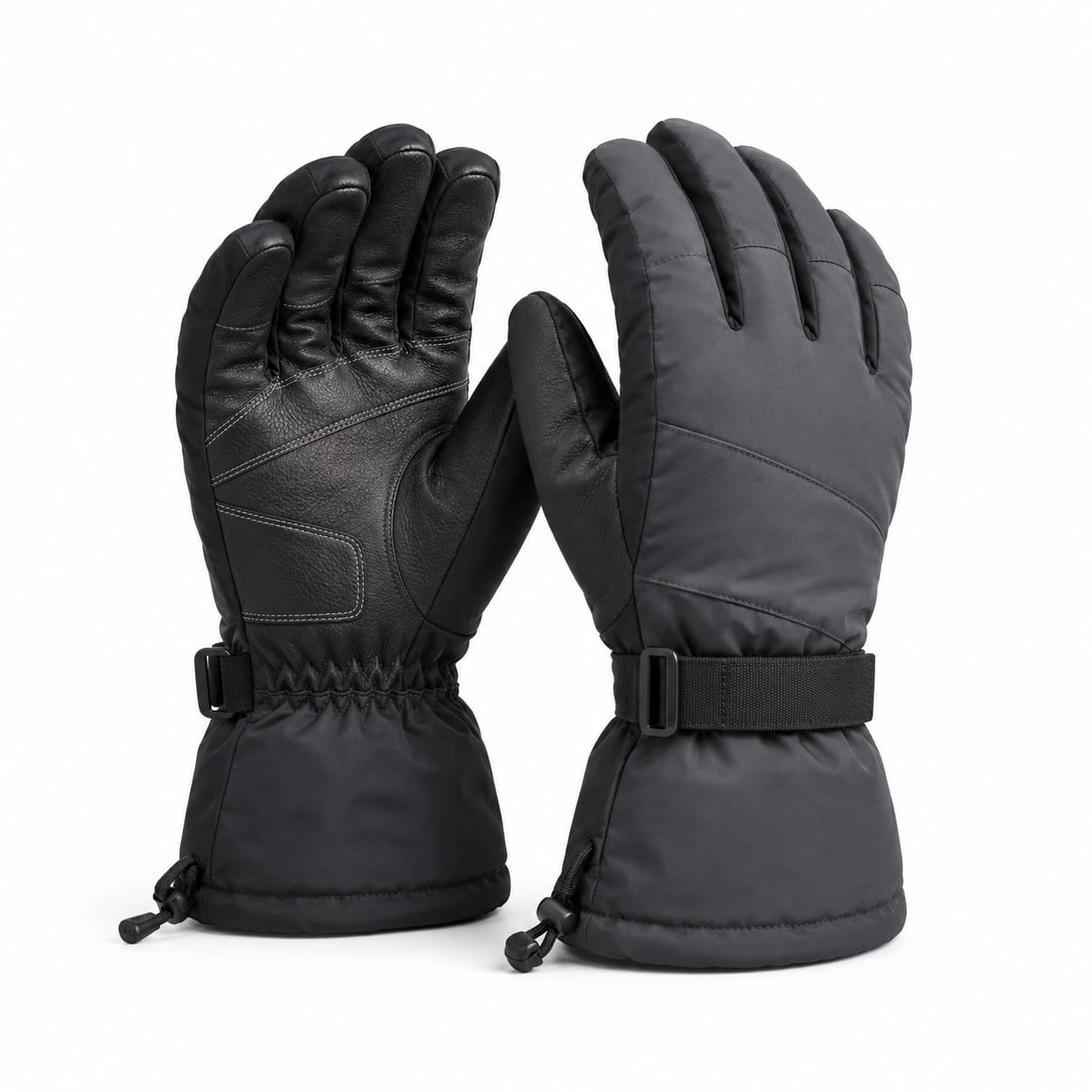
The material on the palm and fingers that contacts ski poles and surfaces, affecting grip, durability, and feel.

Leather (Goatskin, Pittards)

Natural leather palm offering exceptional grip, tactile feel, and durability.

Synthetic Suede (Amara, Clarino)

Man-made suede-like material mimicking leather feel with easier maintenance.

Rubberized / Silicone Grip

Rubber or silicone overlay patterns providing maximum grip in wet conditions.

Textured Nylon

Nylon fabric with textured surface treatment for basic grip enhancement.

Leather provides the best overall grip and feel but needs waterproofing treatment. Synthetic suede is a low-maintenance alternative. Rubberized grips are best for wet conditions. Textured nylon is adequate for casual use.

Membrane

Waterproof Membrane

Importance

The specific waterproof-breathable membrane technology used in the handwear construction.

Gore-Tex

Industry-leading PTFE membrane with proven waterproof-breathable performance and guaranteed quality.

Gore-Tex Infinium

Focus on breathability and windproofing rather than full waterproofing; water-resistant but not fully waterproof.

Brand Proprietary (Hyvent, Dry.Q, etc.)

Manufacturer-developed waterproof-breathable membranes varying in performance.

No Membrane

No integrated waterproof membrane; relies on shell treatment or construction for water resistance.

Gore-Tex is the gold standard for reliable waterproofing. Proprietary membranes can offer good value. No membrane is fine for dry, cold climates or high-output activities where breathability matters more.

Reinforcements

Reinforcement Areas

Importance

Additional material layers in high-wear areas to improve durability where gloves typically wear out first.

Palm Reinforcement

Extra layer on the palm for durability against pole grip and rope tows.

Fingertip Reinforcement

Additional material on fingertips where wear commonly occurs from pole straps and buckles.

Thumb Crotch Reinforcement

Reinforced panel at the base of the thumb, a common failure point.

Knuckle Protection

Padded or reinforced panel over knuckles for impact protection and durability.

Palm and thumb crotch reinforcements are the most valuable for extending glove life. Fingertip reinforcement helps racers and heavy users. Knuckle protection is for racers and freestyle riders. More reinforcements generally mean longer-lasting gloves.

Warmth & Insulation

Attributes determining how warm the handwear will keep your hands in cold conditions.

Type

Handwear Type

Importance

The fundamental construction style of the handwear, determining finger separation and overall warmth-to-dexterity ratio.

Glove

Individual finger compartments for maximum dexterity and grip.

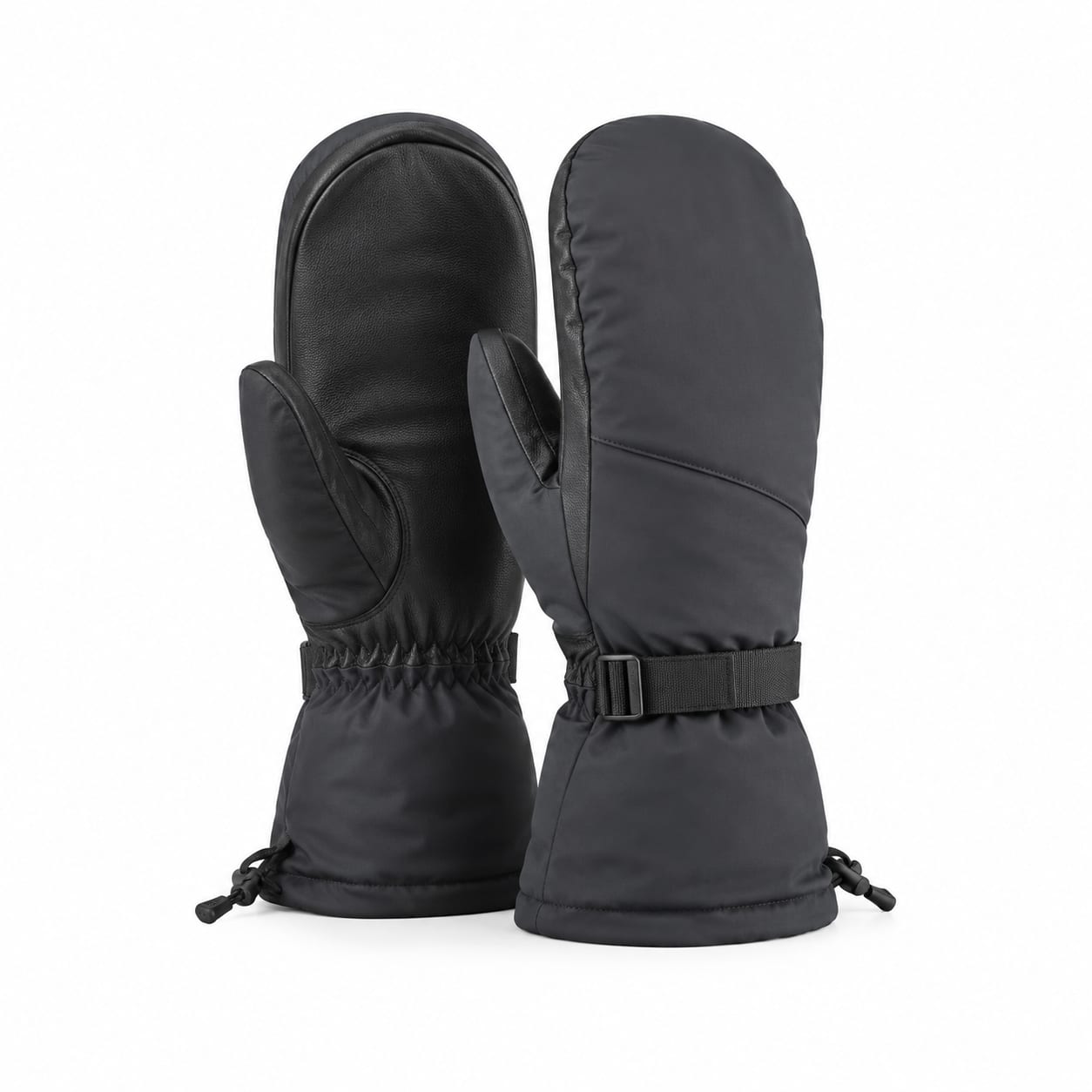
Mitten

Single compartment for all fingers with separate thumb, allowing fingers to share warmth.

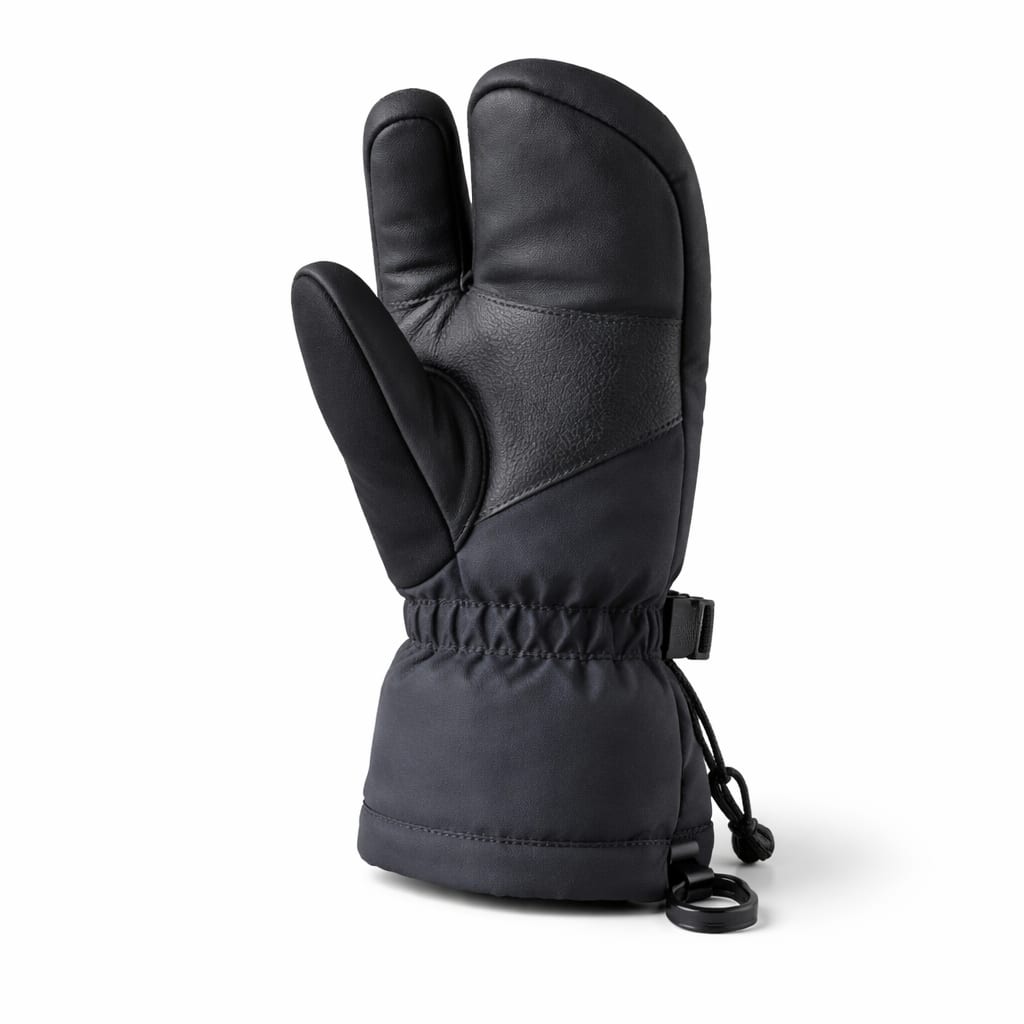
3-Finger / Lobster

Hybrid design with index finger separated and remaining fingers grouped together.

Trigger Mitten

Mitten with articulated index finger pocket for pole grip, similar to 3-finger but with more mitten-like warmth.

Choose gloves for dexterity and pole grip in moderate conditions; mittens for maximum warmth in extreme cold; 3-finger or trigger mittens for a balance. If your hands run cold, lean toward mittens or hybrids.

Insulation

Insulation Type

Importance

The primary insulating material used inside the handwear, affecting warmth, packability, moisture resistance, and weight.

Synthetic (Primaloft, Thinsulate, Coreloft)

Man-made polyester-based insulation that retains warmth when wet and dries quickly.

Down

Natural goose or duck down insulation offering exceptional warmth-to-weight ratio.

Wool (Merino)

Natural wool insulation, often blended, providing warmth with natural odor resistance and moisture management.

Uninsulated / Shell Only

No built-in insulation; designed to be worn over a separate liner glove.

Synthetic is the safest all-around choice. Down is best for dry, extreme cold. Heated gloves are ideal for chronically cold hands but require charging discipline. Uninsulated shells offer the most versatility with layering.

Insulation Weight

Insulation Weight

Importance

The thickness or gram weight of insulation, directly correlating with warmth level. Often described as lightweight, midweight, or heavyweight.

Lightweight (40-100g)

Minimal insulation for mild conditions or high-activity riding where heat is generated internally.

Midweight (100-200g)

Moderate insulation suitable for most winter conditions.

Heavyweight (200g+)

Maximum insulation for extreme cold conditions.

Match insulation weight to your typical riding conditions and cold tolerance. Midweight covers most scenarios. If you ride in varied conditions, consider a layering system with a lighter glove and separate liner.

Heated

Heated

Importance

Whether the handwear includes battery-powered heating elements for active warmth generation.

Heated

Integrated rechargeable battery-powered heating elements, typically in fingers and back of hand.

Non-Heated

Passive insulation only; relies on body heat and insulation to maintain warmth.

Heated gloves are a game-changer for riders with chronically cold hands or those skiing in extreme cold. They add significant cost and require battery discipline. Most riders do not need heated gloves if they choose proper insulation and fit.

Liner

Liner Type

Importance

The inner lining or removable liner of the handwear, affecting comfort, moisture management, warmth, and drying capability.

Fixed Fleece Liner

Permanently attached soft fleece lining for comfort and basic moisture wicking.

Removable Fleece Liner

Separate fleece liner that can be removed for drying, washing, or independent use.

Removable Wool Liner

Removable merino or wool blend liner offering natural moisture and odor management.

No Liner / Shell Only

No integrated liner; designed to be paired with a separate liner glove of choice.

Removable liners are best for multi-day trips and quick drying. Fixed liners are simpler and fine for day trips. No liner (shell only) offers maximum versatility for layering. Wool liners excel for extended backcountry use.

Weather Protection

Features related to keeping hands dry and protected from snow, rain, and wind.

Waterproofing

Waterproof Rating

Importance

The water column rating (mm) of the waterproof membrane or treatment, indicating resistance to water penetration under pressure.

Water-Resistant (DWR only)

Durable Water Repellent coating causes water to bead but no waterproof membrane; will wet through under sustained exposure.

5,000mm

Basic waterproof membrane suitable for light precipitation and occasional snow contact.

10,000mm

Solid waterproof protection for typical skiing conditions including powder and wet snow.

20,000mm+

High-end waterproofing for extreme conditions, sustained wet exposure, and professional use.

For most skiers, 10,000mm is sufficient. Go higher for coastal/wet climates, deep powder, or professional use. Water-resistant only is fine for dry, cold interior climates.

Cuff Style

Cuff Style

Importance

The design of the glove opening and how it interfaces with jacket sleeves, affecting snow seal, warmth, and ease of use.

Gauntlet / Over-Cuff

Extended cuff that goes over the jacket sleeve, cinching with a strap or drawcord to seal out snow.

Under-Cuff / Short Cuff

Short cuff that tucks inside the jacket sleeve for a streamlined fit.

Hybrid / Adjustable Cuff

Cuff design that can be worn over or under jacket sleeves with adjustable closure.

Gauntlet cuffs are best for powder and cold conditions. Under-cuff is preferred for a clean look and mild conditions. Hybrid offers versatility. Match your cuff style to your typical snow conditions and jacket design.

Closure

Closure Type

Importance

The mechanism used to secure the glove at the wrist, affecting fit adjustment, ease of use, and snow seal.

Velcro / Hook-and-Loop Strap

Adjustable strap with hook-and-loop closure for customizable fit at the wrist.

Drawcord / Shock Cord

Elastic cord with toggle for cinching the cuff, typically on gauntlet-style gloves.

Elastic / Slip-On

Elasticized wrist opening with no adjustable closure; slides on and stays by elastic tension.

Zip Closure

Zipper on the cuff for easy entry and adjustable ventilation.

Velcro straps are the most common and versatile. Drawcords are essential for gauntlet gloves in powder. Elastic is fine for casual or spring use. Zips add convenience but a potential failure point.

Fit & Sizing

Dimensions affecting how the handwear fits and interfaces with the rider's body and other equipment.

Size

Size / Fit

Importance

The sizing and overall fit profile of the handwear, critical for warmth, dexterity, and comfort. Proper fit ensures insulation works effectively.

XS

Extra small, typically hand circumference 6-6.5 inches.

S

Small, typically hand circumference 6.5-7.5 inches.

M

Medium, typically hand circumference 7.5-8.5 inches.

L

Large, typically hand circumference 8.5-9.5 inches.

Measure hand circumference around the widest part of the palm (excluding thumb). When in doubt, size up slightly — gloves that are too tight restrict blood flow and cause cold hands. There should be a small air gap at the fingertips for optimal insulation. Try on with any liner you plan to wear.

Gender

Gender Target

Importance

The intended gender fit of the handwear, affecting palm width, finger length, and overall proportions.

Men's

Designed for typically larger hands with wider palms and longer fingers.

Women's

Designed for typically smaller hands with narrower palms and proportionally different finger lengths.

Unisex

Designed to fit a range of hand shapes; may not optimize for specific proportions.

Youth / Kids

Designed for children's smaller hands with appropriate proportions and simpler features.

Choose gender-specific fit for best performance. Women's gloves account for narrower palms and different finger proportions. Unisex is fine but may not fit as precisely. Youth gloves prioritize ease of use and growth room.

Convenience Features

Quality-of-life features that improve the day-to-day experience of using the handwear.

Touchscreen

Touchscreen Compatible

Importance

Whether the glove includes conductive material on fingertips allowing smartphone and touchscreen use without removing gloves.

Touchscreen Compatible

Conductive threads or pads on one or more fingertips enable touchscreen interaction.

Not Touchscreen Compatible

No conductive material; must remove gloves for touchscreen device operation.

Increasingly important for riders who use phones for navigation, photos, or resort apps. Not essential for purists or those who keep devices in pockets while riding. Check which fingertips are enabled — index and thumb are most useful.

Wrist Leash

Wrist Leash

Importance

A loop or cord attached to the glove that goes around the wrist, preventing gloves from falling off or being lost when removed.

Has Wrist Leash

Integrated elastic or cord leash that loops around the wrist to secure gloves when removed.

No Wrist Leash

No integrated leash; gloves must be held or set down when removed.

Wrist leashes are highly recommended for resort skiing where gloves are frequently removed on chairlifts. They prevent costly losses. Some riders find them annoying; they can be tucked inside if not wanted.

Nose Wipe

Nose Wipe Panel

Importance

A soft fabric panel on the thumb or back of hand designed for wiping the nose and face without irritating skin.

Has Nose Wipe

Soft fleece or chamois panel on thumb for comfortable nose and face wiping.

No Nose Wipe

No dedicated soft panel; wiping would be against standard shell or liner material.

A small but surprisingly valued feature for cold-weather skiers. If you ride in cold conditions regularly, this feature significantly improves comfort. Not critical for warm weather or occasional skiers.

Specs FAQ

Common questions about these buying specs

Plain-English answers for each spec and option — tap through for the full explanation.

When should I choose ski gloves over mittens?

Ski gloves are your best bet when you need maximum dexterity and pole control. Individual finger compartments let you grip your poles naturally, adjust goggles, zip jackets, and handle gear without taking them off. That makes gloves ideal for all-mountain skiing, park riding, and any day where you're actively pole-planting. The trade-off is warmth. Because your fingers are separated, they can't share body heat the way they do in mittens, and there's more surface area exposed to the cold. Gloves shine in moderate to warm conditions, but if you're heading out in bitter cold or your hands tend to run chilly, you may find them lacking. If you love the feel of gloves but worry about warmth, look for well-insulated models with waterproof-breathable membranes. You can also consider 3-finger or trigger mitten designs, which give you near-glove grip with much of the warmth of a mitten.

Should I get mittens for skiing, or will I not be able to grip my poles?

Mittens are the warmest ski handwear option because your fingers stay together in one compartment and share body heat, rather than being isolated like in gloves. If you regularly deal with cold hands or ski in bitter conditions, mittens can be a game-changer for comfort on the mountain. The tradeoff is reduced dexterity — tasks like adjusting goggles or zipping jackets take more effort, and pole grip isn't as precise as with gloves. That said, most skiers adapt quickly, and mittens work perfectly fine for normal resort skiing and pole use. You don't need finger separation to hold a pole securely. If you want near-mitten warmth but better pole control, consider a 3-finger (lobster) or trigger mitten design. These give you an isolated index finger for grip while keeping your other fingers together for warmth. But if cold hands are your main struggle, straight mittens are tough to beat.

When should I choose 3-finger lobster gloves over regular gloves or mittens?

3-finger (or lobster) gloves are the middle-ground option when you need more warmth than gloves provide but still want functional dexterity. Your index finger stays separated for grip and fine tasks, while your other three fingers share a compartment to pool body heat—much like a mitten. They shine in cold conditions where regular gloves leave your hands freezing but full mittens feel too clumsy. Backcountry skiers love them because you can still operate bindings, adjust goggles, and grip poles without freezing. Resort skiers with chronically cold hands also benefit on bitter days. The trade-off is that they're not quite as warm as full mittens, and you lose some dexterity compared to gloves—try zipping a jacket with three fingers grouped together. But for most cold-weather skiing where pole grip matters, they hit a sweet spot that gloves and mittens can't match.

What are trigger mittens, and when would I choose them over regular mittens or gloves?

Trigger mittens are a hybrid design that keeps your fingers together in a single compartment for warmth, but separates your index finger into its own pocket so you can grip your ski poles properly. Think of them as mittens with one finger free — they give you near-mitten warmth while still letting you hold poles and make quick adjustments without taking them off. You'd choose trigger mittens when you're skiing in genuinely cold conditions but still need reliable pole control. They're popular with racers and anyone whose hands run cold but doesn't want to give up pole grip. Compared to 3-finger (lobster) designs, trigger mittens are warmer since more fingers share a compartment, but they offer less overall dexterity — you're really only getting that one free finger for grip. If you've been struggling with cold hands in regular gloves but find full mittens too clumsy for pole use, trigger mittens are worth a look.

Subcategories

Different styles, different picks

Each sub-type has its own guide with typical specs, trade-offs, and buying advice.

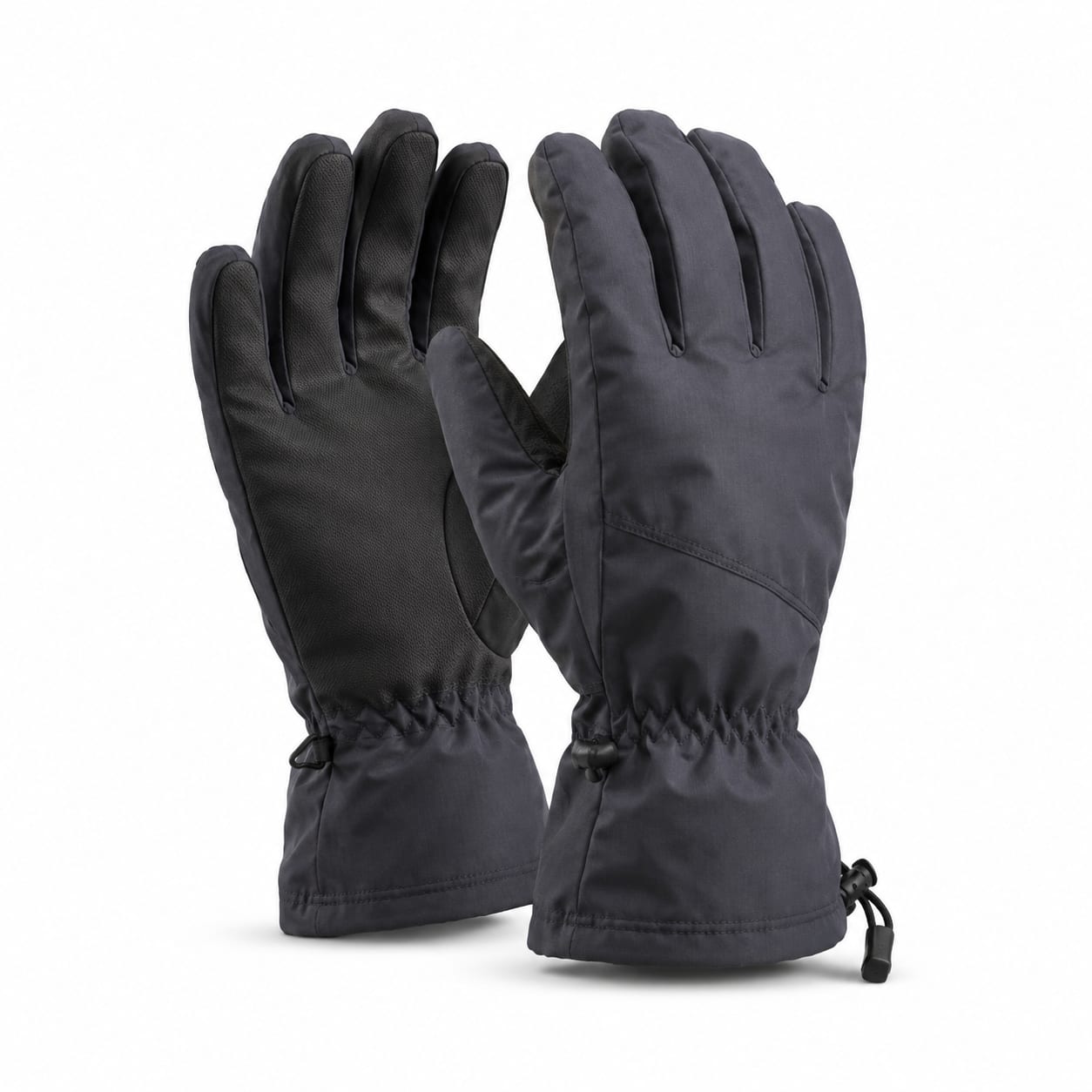
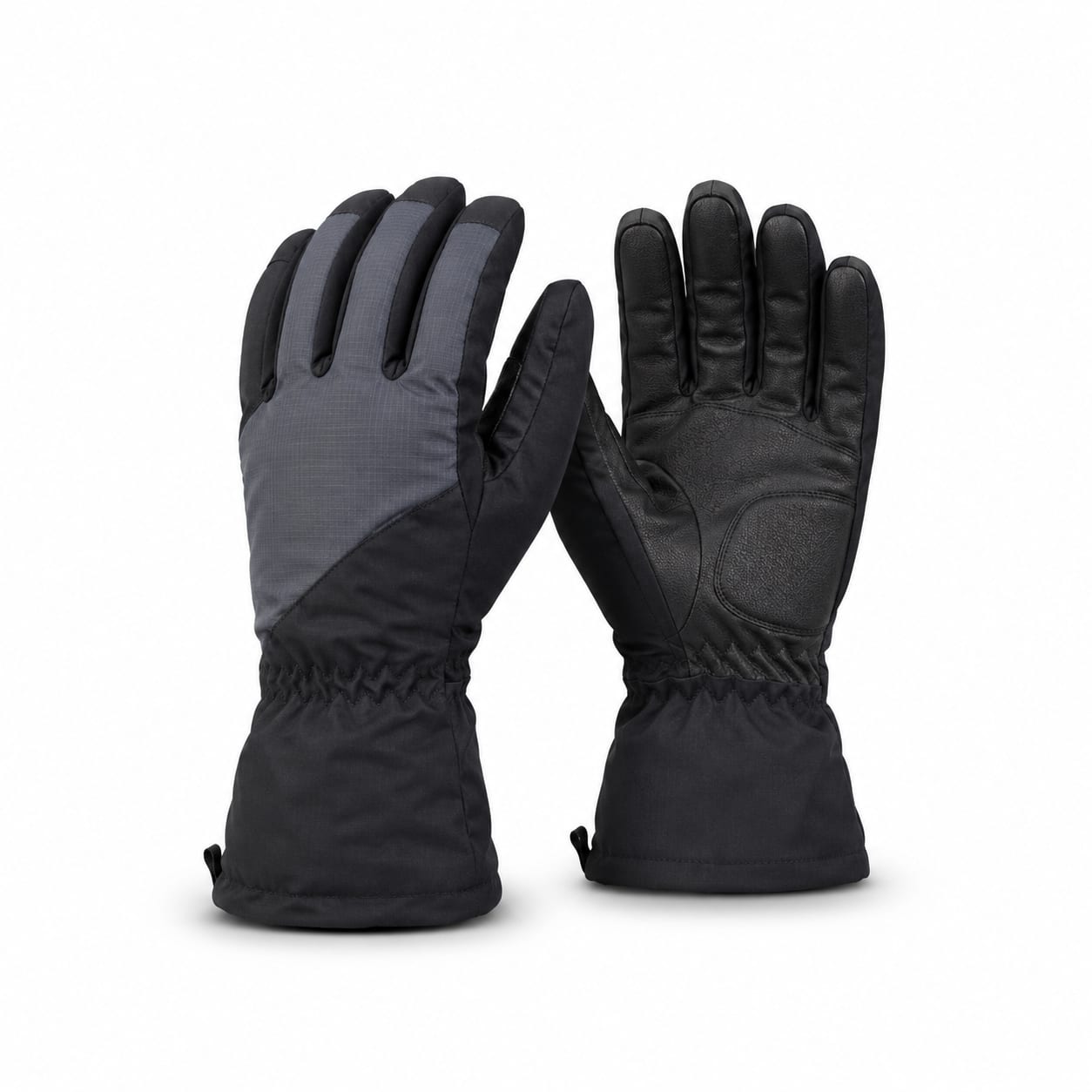
Insulated Ski Gloves

Insulated Ski Gloves

$40 – $220

dominant

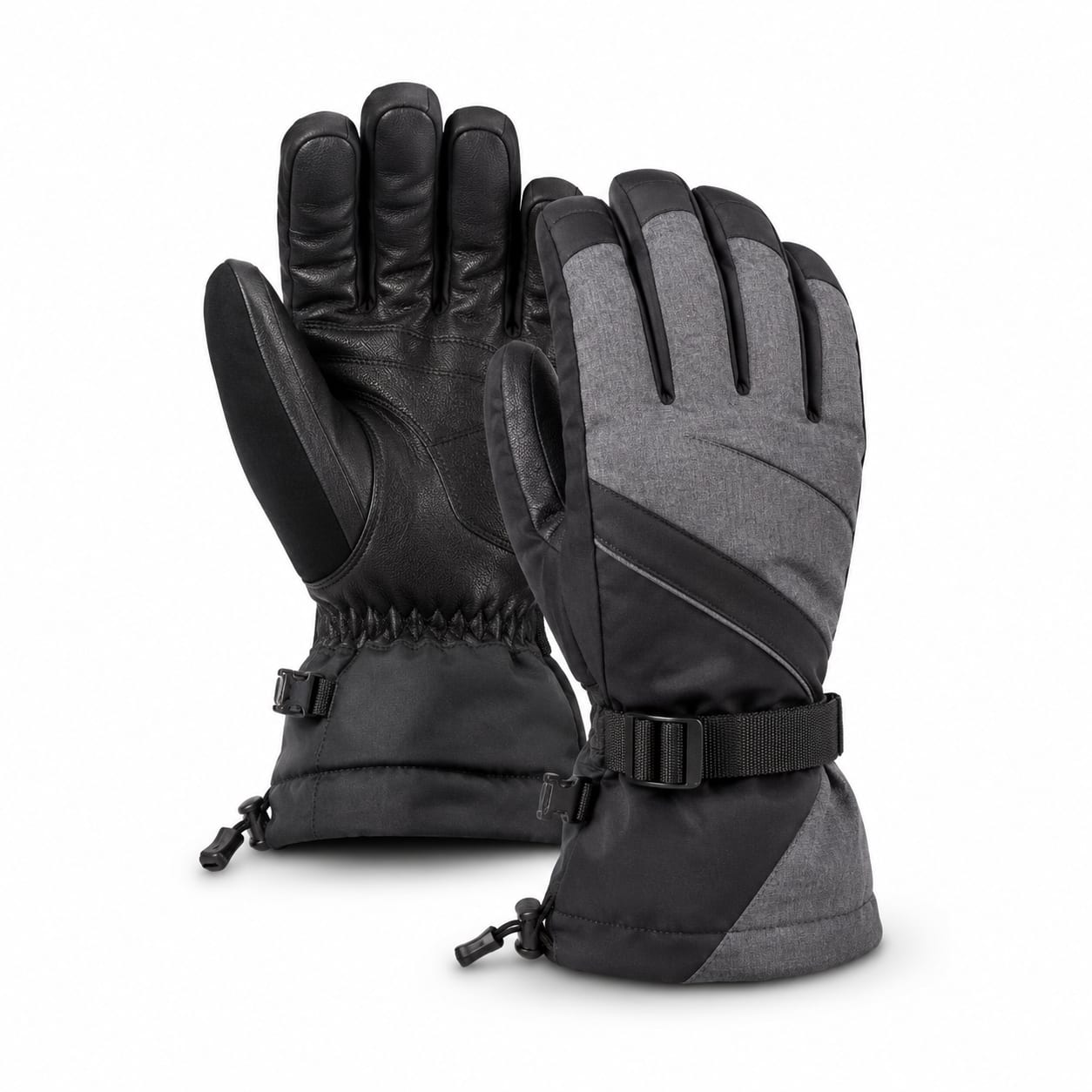
Fully fingered, insulated gloves providing warmth, waterproofing, and dexterity for all-mountain skiing.

Individual fingers for dexterityWaterproof-breathable membraneSynthetic or down insulation
Ski Mittens

Ski Mittens

$35 – $200

common

Full mittens providing maximum warmth by keeping fingers together in a single compartment.

Single finger compartment for shared warmthThumb separated for gripOften warmer than equivalent gloves
3-Finger Mittens / Trigger Mitts

3-Finger Mittens / Trigger Mitts

$55 – $210

niche

Hybrid design separating the index finger and thumb while grouping remaining fingers for a warmth-dexterity balance.

Index finger separated for pole gripThree fingers grouped for warmthThumb separated
Shell Gloves / Shells

Shell Gloves / Shells

$50 – $200

niche

Uninsulated waterproof-breathable gloves designed as outer layers in a layering system or standalone in mild conditions.

No insulationWaterproof-breathable membraneDesigned to layer over liners
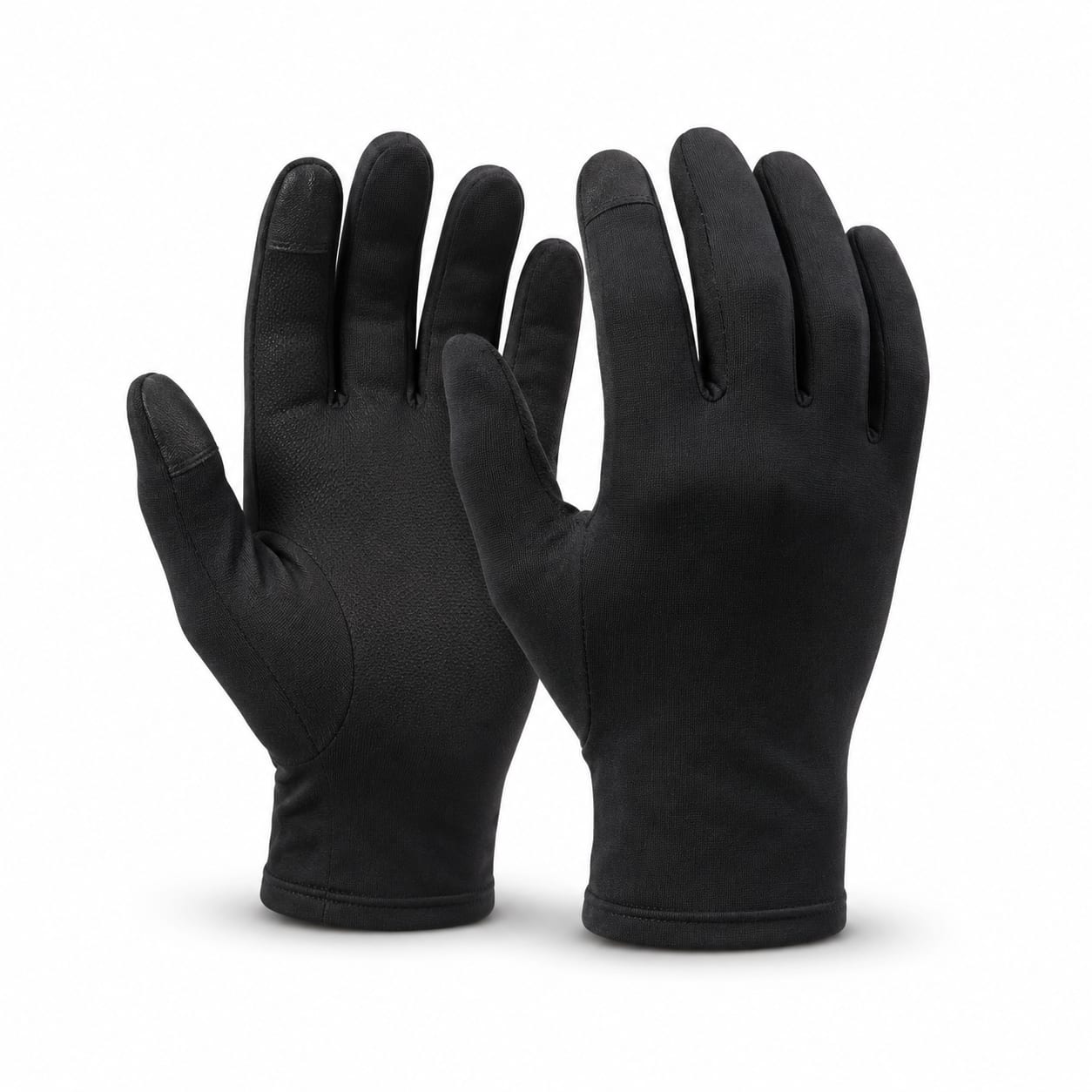
Liner Gloves

Liner Gloves

$15 – $55

common

Thin base-layer gloves worn under shells or alone in mild conditions for minimal warmth and moisture management.

Thin, close-fitting constructionMoisture-wicking materialsTouchscreen-compatible fingertips
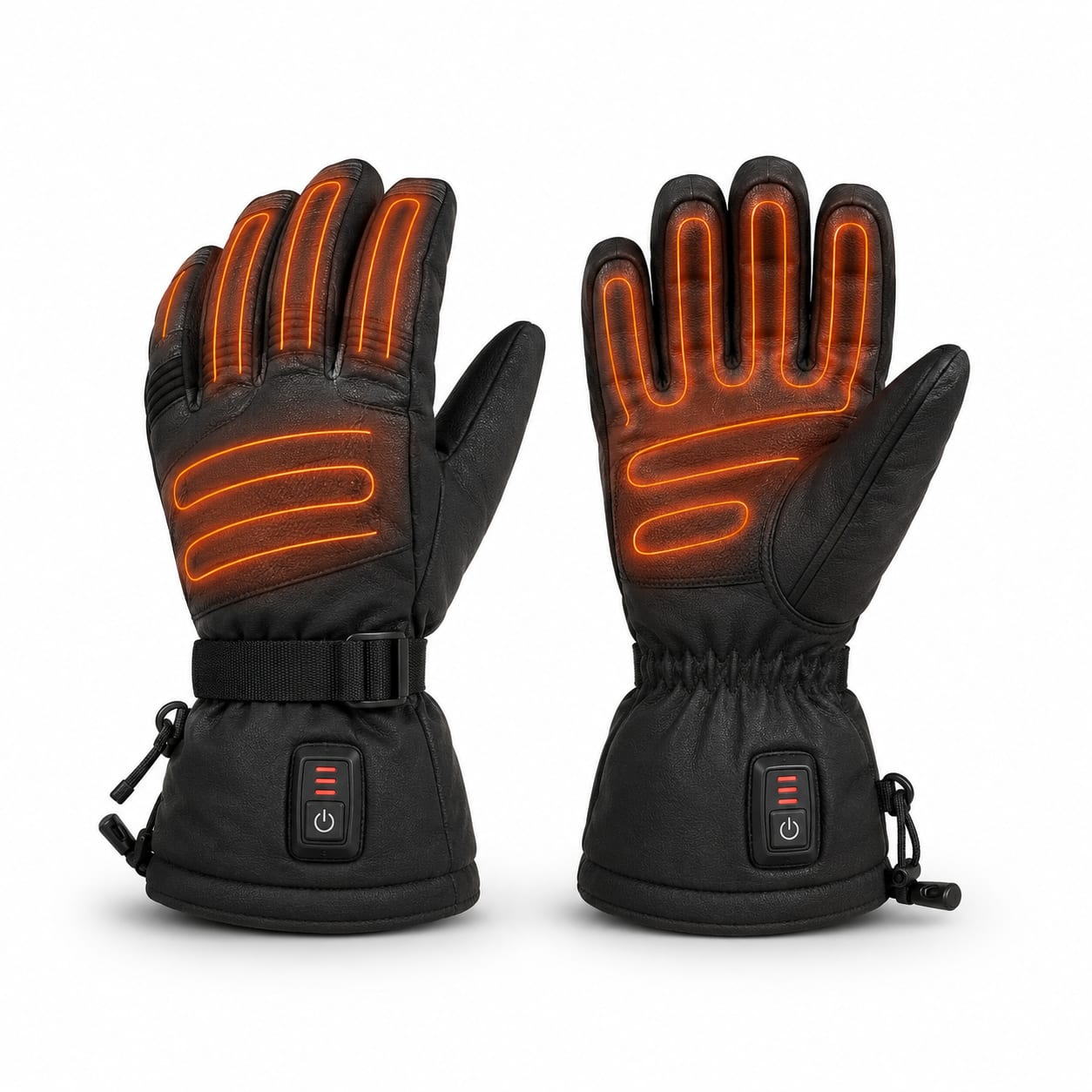
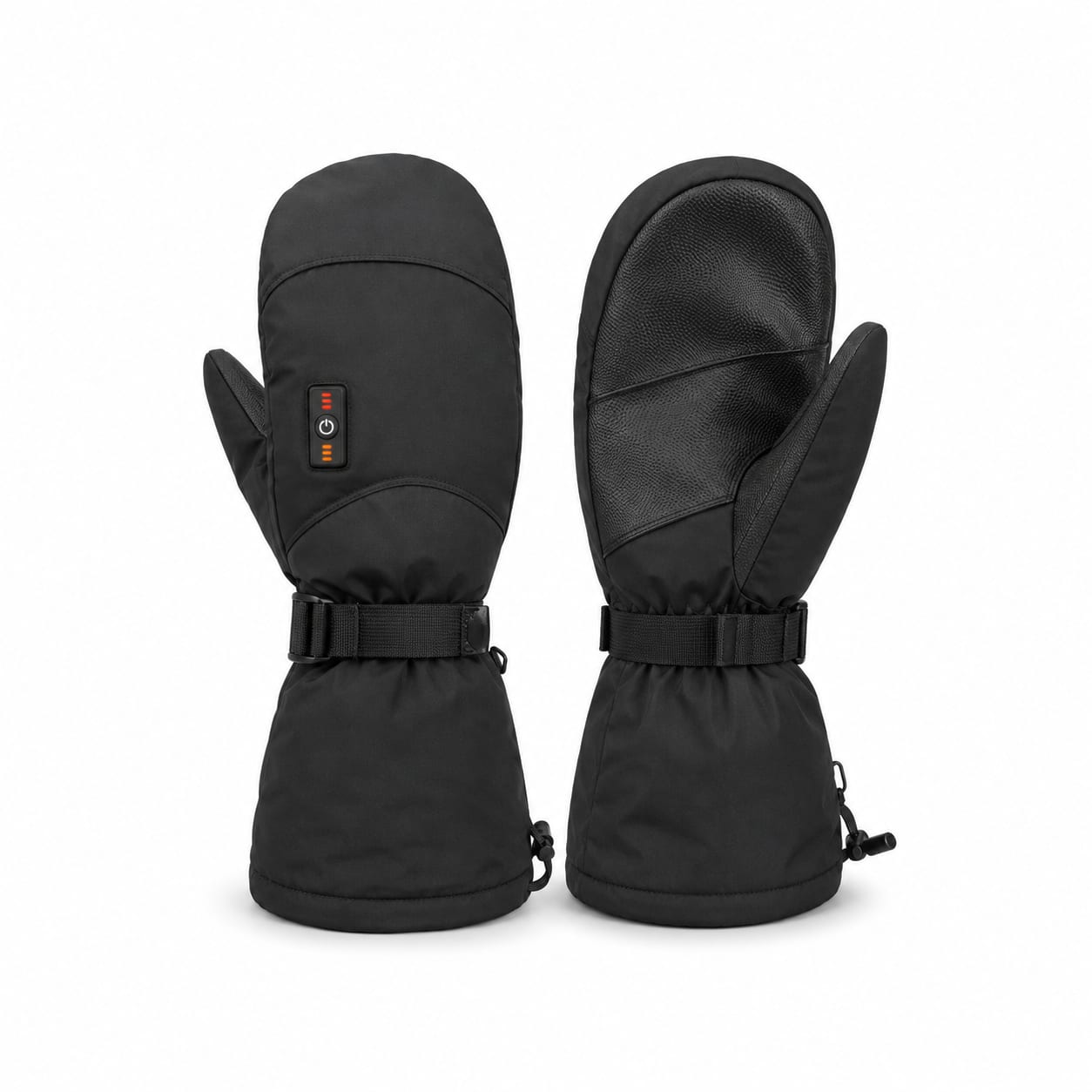
Heated Gloves

Heated Gloves

$150 – $450

specialty

Battery-powered heated gloves with integrated heating elements for active warmth in extreme cold.

Rechargeable lithium-ion batteriesAdjustable heat settings (typically 3 levels)Heating elements across fingers and back of hand
Heated Mittens

Heated Mittens

$150 – $450

specialty

Battery-powered heated mittens combining the inherent warmth of mitten design with active electric heating.

Mitten construction for passive warmthBattery-powered heating elementsMultiple heat settings
Freestyle / Park Gloves

Freestyle / Park Gloves

$25 – $80

niche

Lightly insulated or uninsulated gloves prioritizing dexterity, style, and grip for terrain park and freestyle skiing.

Minimal insulation for dexterityLow-profile fitDurable palm for rail contact
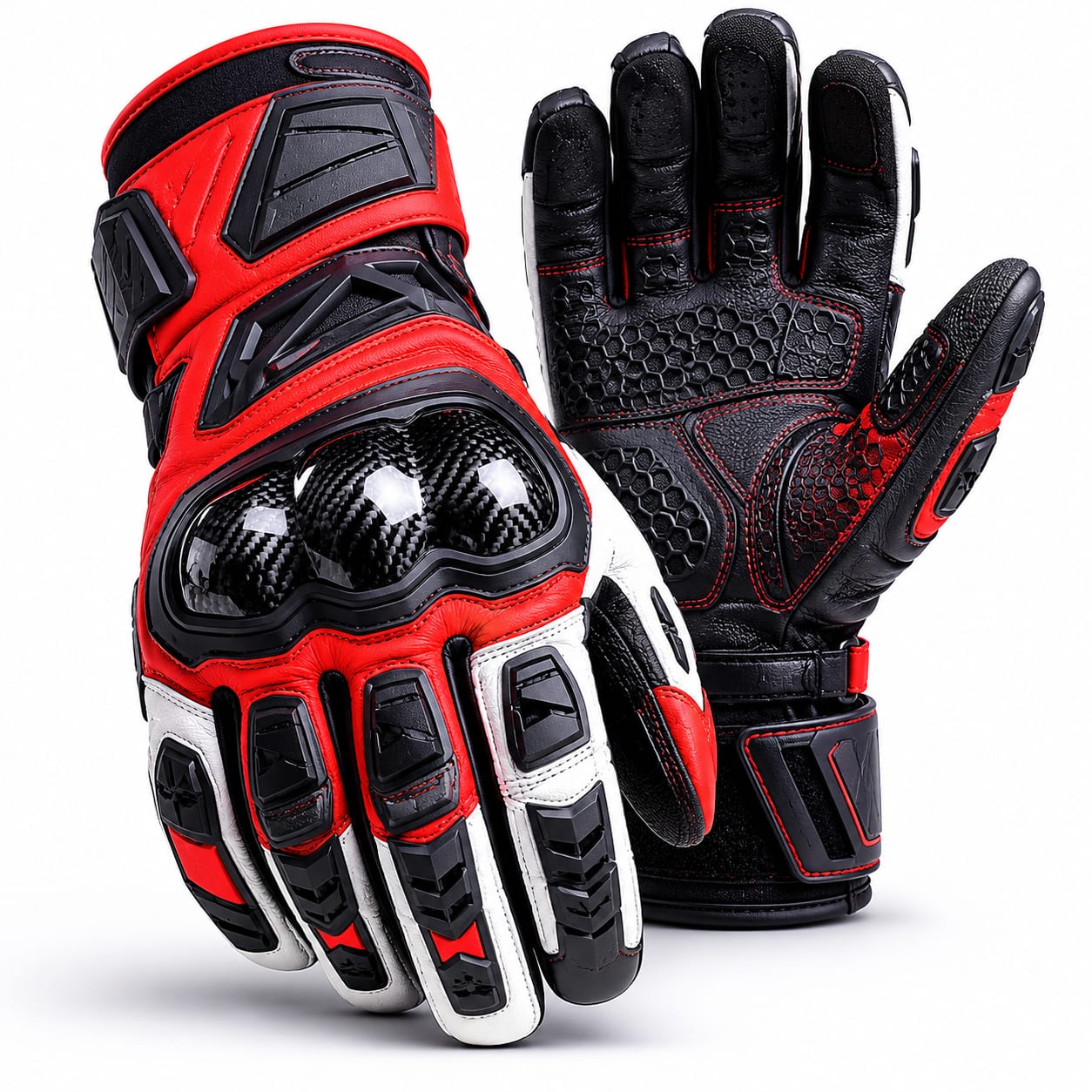
Ski Racing Gloves

Ski Racing Gloves

$80 – $280

specialty

Purpose-built gloves for alpine ski racing with reinforced padding, superior grip, and tight fit for pole control.

Hard-shell knuckle protectionReinforced palm for pole gripAnatomical, close fit
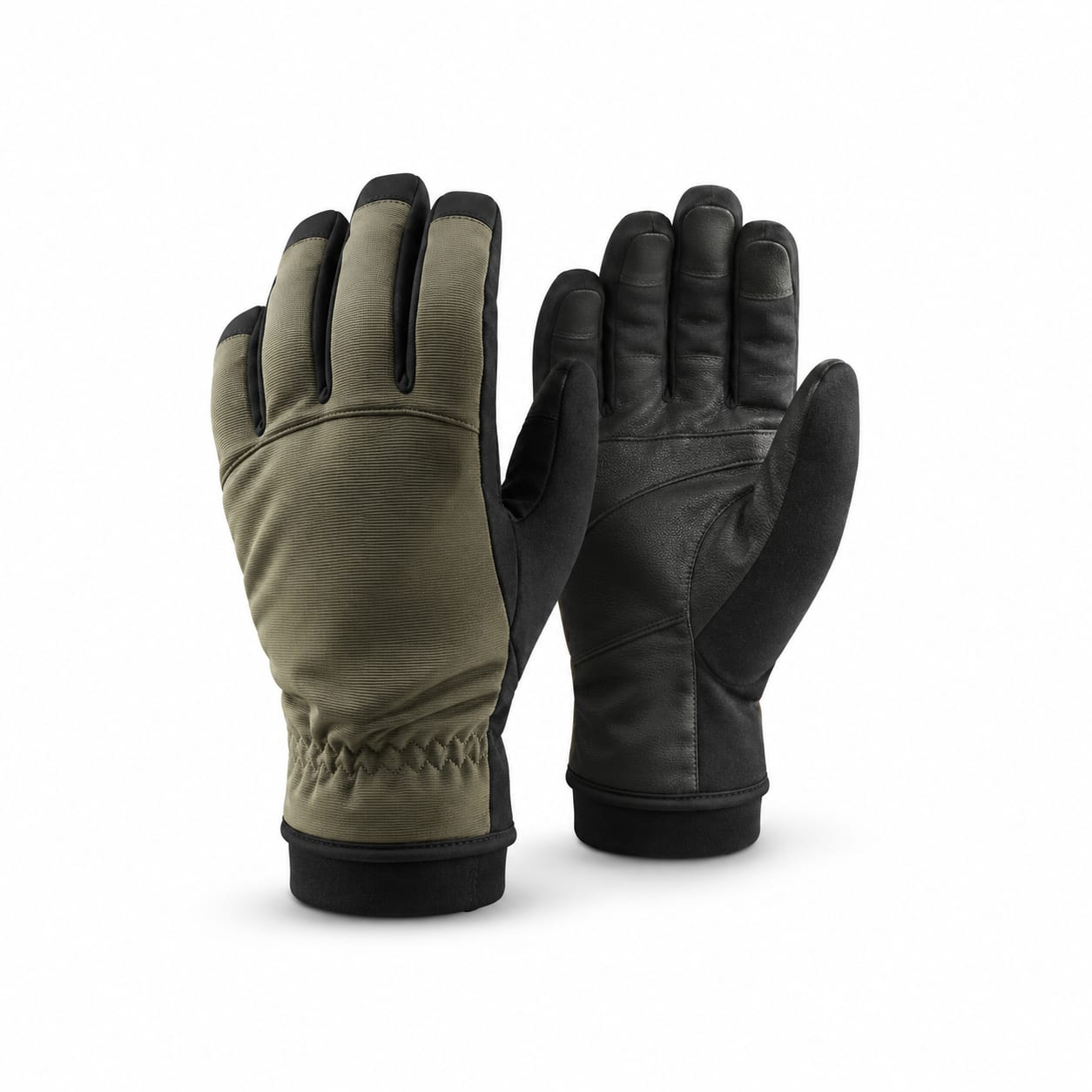
Backcountry / Touring Gloves

Backcountry / Touring Gloves

$60 – $220

niche

Versatile gloves optimized for ski touring with breathability for uphill travel and warmth for downhill descents.

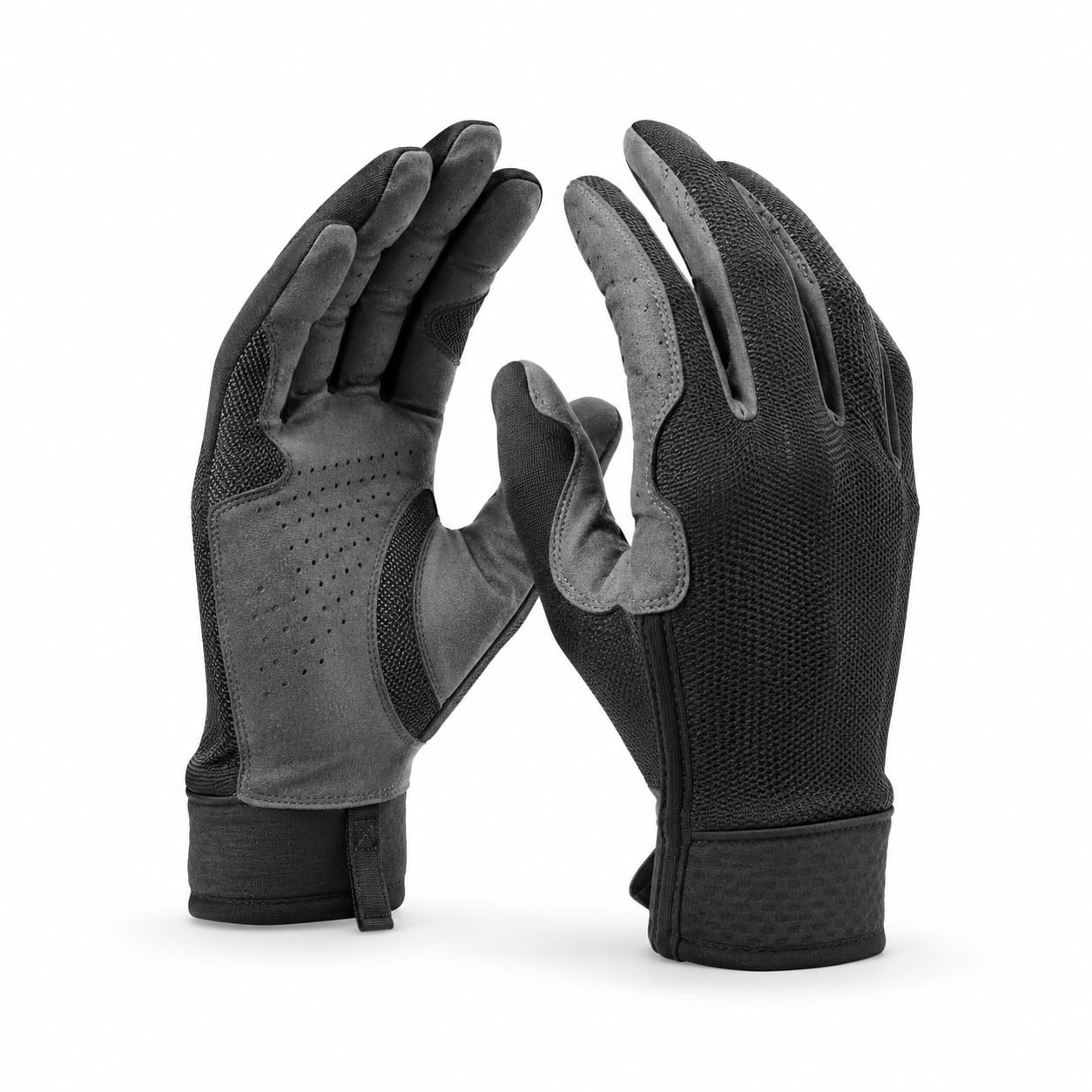
Moderate insulation for versatilityHigh breathability for uphill travelCompatible with liner layering
Convertible Gloves / Flip-Mitts

Convertible Gloves / Flip-Mitts

$35 – $120

niche

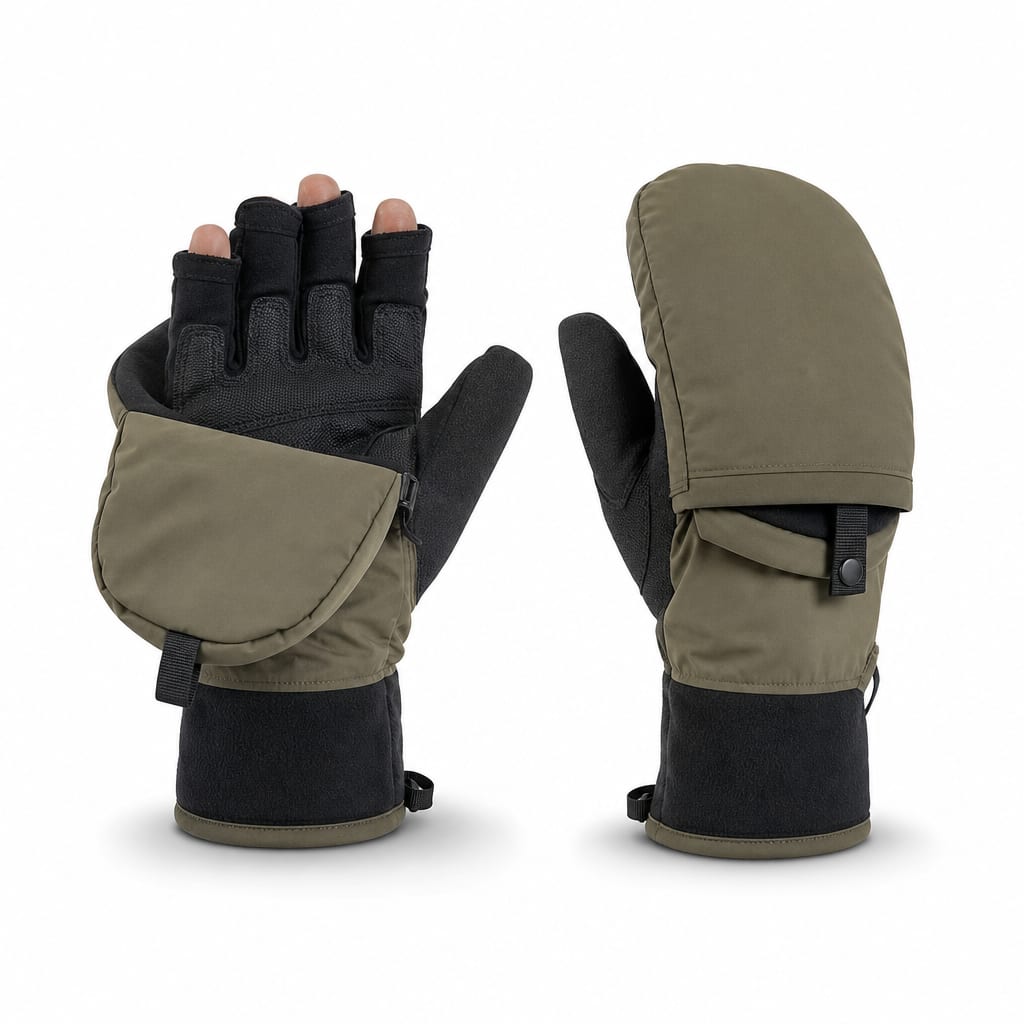
Hybrid gloves with a fold-back mitten hood that converts between fingered glove and mitten configurations.

Fold-back mitten hoodFingerless glove base layerSecure closure when folded back
Nordic / Cross-Country Gloves

Nordic / Cross-Country Gloves

$25 – $120

niche

Lightweight, breathable gloves optimized for the high-output activity of Nordic skiing with pole grip and ventilation.

Minimal insulationMaximum breathabilityReinforced pole grip areas