
Ski Helmet · Buying specs
Questions about Ski Helmet specs
Straight answers on the specs that matter when you buy — each question covers one dimension or option so you know what to look for.
Open Ski Helmet guide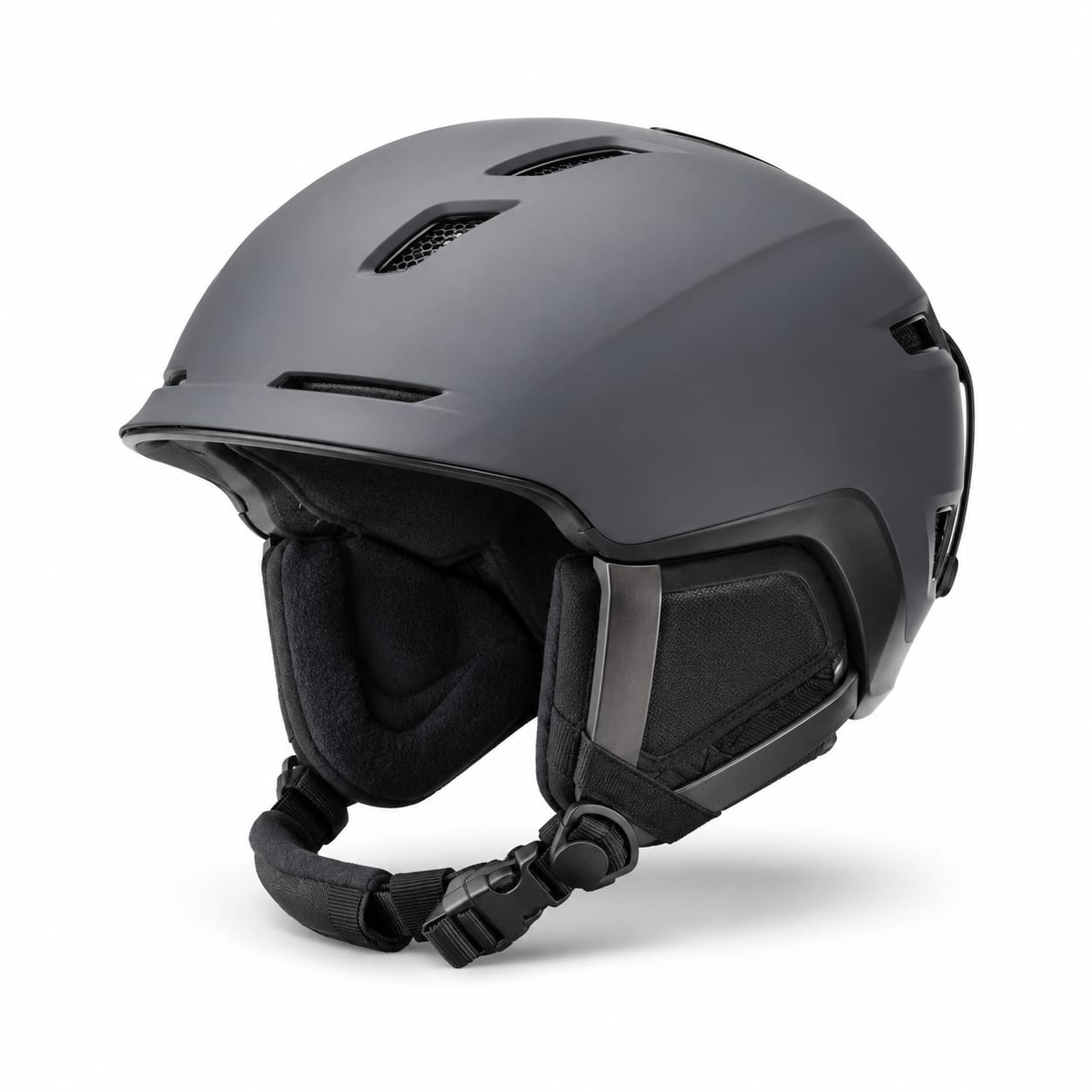
50 questions
Browse by spec group
Questions are organized the same way as the buying specs on the main equipment page.
Safety & Protection
Dimensions related to the helmet's primary function of protecting your head during impacts.
I keep seeing MIPS on ski helmets — what is it and do I really need it?
MIPS stands for Multi-directional Impact Protection System. It's a thin, low-friction layer inside the helmet that allows your head to slide about 10-15mm on impact. This matters because most real ski crashes are angled hits — like catching an edge and slamming the side of your head — not straight-on impacts. Angled impacts cause your brain to rotate inside your skull, which is a leading cause of concussions. MIPS helps reduce those rotational forces. It's become the industry standard and is available in helmets at nearly every price point. It adds almost no weight and typically costs just $20-40 more than a non-MIPS version of the same helmet. Given how common concussions are in skiing, MIPS is absolutely worth it. No helmet is concussion-proof, but MIPS is proven to reduce the rotational forces that cause them. For any skier or snowboarder, it's the single most important safety feature to look for beyond basic impact certification.
Read answer →Rotational Protection · KoroydI see Koroyd in some Smith ski helmets — what is it and should I choose it over MIPS?
Koroyd is a rotational impact protection system made from welded polymer tubes that crumple on impact to absorb energy. Unlike MIPS, which uses a sliding layer between your head and the helmet liner, Koroyd is built directly into the helmet's foam structure itself, replacing traditional EPS foam in key impact zones. The big advantage of Koroyd is that it absorbs both linear and rotational forces while allowing excellent ventilation — those hollow tubes let air flow through the helmet far better than solid foam. You'll find it mainly in premium Smith helmets. If you run hot or ride in warmer spring conditions, Koroyd's breathability is a real benefit. It's proven technology for energy absorption, though it's less widely available than MIPS. Either system is a solid choice for rotational protection — pick based on fit and comfort, and don't skip this type of protection entirely.
Read answer →Rotational Protection · WaveCelI've seen WaveCel in some ski helmets. How does it compare to MIPS for protecting my head?
WaveCel is a rotational impact protection system used exclusively in Bontrager ski helmets. It features a collapsible cellular structure inside the helmet that flexes, crumples, and glides on impact to absorb both rotational and linear forces — the kind you'd experience in a real-world fall where you hit the snow at an angle. According to Bontrager's testing, WaveCel can be significantly more effective than MIPS at reducing concussion risk. While MIPS uses a low-friction sliding layer that allows your head to slip slightly on impact, WaveCel actively crushes to absorb energy, tackling the same problem with a different approach. The trade-off is that WaveCel adds a bit more weight than MIPS, and your options are limited to Bontrager models. Both systems are solid choices — the key takeaway is that having either one is far better than a helmet with no rotational protection at all.
Read answer →Rotational Protection · NoneI found a more affordable ski helmet without MIPS or any rotational protection system — is it still safe enough to wear?
A helmet without rotational impact protection will still meet basic safety certifications and protect your head from direct, straight-on impacts. However, most real-world ski crashes involve angled falls — you don't hit the snow perfectly flat. Those oblique impacts create rotational forces that cause your brain to twist inside your skull, which is a leading cause of concussions and traumatic brain injuries. Helmets without a dedicated rotational system like MIPS, Koroyd, or WaveCel rely solely on EPS foam, which isn't designed to address that twisting motion. You're getting linear protection only, which leaves a significant gap in your overall safety. The price difference between helmets with and without rotational protection is usually modest — often $30–$60. Given that this is widely considered the most important safety advancement in helmet technology in recent years, it's worth spending a little more. If budget is tight, look for last season's MIPS-equipped models on sale rather than skipping this feature entirely.
Read answer →Certification · CE EN1077 Class AI keep seeing 'CE EN1077 Class A' on ski helmets. What does this certification mean, and should I look for it?
CE EN1077 Class A is a European safety standard for alpine ski helmets that tests for full head coverage, including the ears. Helmets meeting this standard have rigid ear protection built in, meaning they're impact-tested over a larger area of your head compared to Class B helmets, which only cover with soft ear pads. This is the higher-protection tier of the two EN1077 classes, and it's required by many ski schools and race programs. If you're skiing in Europe, you'll find most helmets carry this certification. For most skiers and snowboarders, a Class A helmet is a smart choice — the extra ear coverage adds meaningful protection without much downside. The main tradeoff is that rigid ear sections can feel less comfortable and muffle sound compared to soft-eared Class B helmets, which some park and freestyle riders prefer for the lighter, more open feel.
Read answer →Certification · CE EN1077 Class BI see some ski helmets listed as CE EN1077 Class B — is this certification safe, and who is it best for?
CE EN1077 Class B is a European safety standard for ski helmets that have soft ear pads instead of hard ear coverage. It's still a legitimate safety certification, but it tests a smaller coverage area than Class A because the soft ear sections aren't included in the impact testing. Class B helmets are most popular with freestyle skiers and park riders who prefer the softer feel and better hearing that comes with removable ear pads. They're also generally more comfortable for all-day wear. The trade-off is that your ears have less protection in a crash. If you're a racer, ski fast on groomers, or want maximum coverage, look for Class A instead. But if you spend most of your time in the park or prioritize comfort and style, a Class B helmet still meets recognized safety minimums and is a solid choice.
Read answer →Certification · ASTM F2040I keep seeing ASTM F2040 on ski helmets. What does this certification mean, and should I make sure my helmet has it?
ASTM F2040 is the primary safety standard for recreational snow sports helmets sold in North America. When you see this certification, it means the helmet has passed rigorous impact testing specifically designed for skiing and snowboarding — including impact absorption, penetration resistance, and chin strap strength. If you're buying a helmet in the US or Canada, ASTM F2040 is the baseline certification you should look for. Most reputable helmets sold here meet this standard, but it's always worth verifying before you buy. Many quality helmets also carry the European CE EN1077 certification alongside ASTM F2040, which is a great sign of thorough testing. Don't settle for a helmet that lacks recognized safety certification — it's not worth the risk. ASTM F2040 gives you confidence that the helmet will perform when you need it most.
Read answer →Certification · Snell RS-98I keep seeing Snell RS-98 on some ski helmets — is it worth paying more for that certification?
Snell RS-98 is a voluntary certification that goes beyond the mandatory safety standards (like CE EN1077 or ASTM F2040). Helmets with this rating undergo tougher testing — they have to withstand higher impact forces and pass more impact tests than what's legally required. Think of it as the difference between passing the test and acing it. You'll mostly find Snell RS-98 on racing helmets and premium models built for maximum protection. If you're charging hard, racing, or skiing at high speeds where impacts can be more severe, that extra level of protection is a smart investment. For most recreational skiers and riders, a helmet that meets CE EN1077 or ASTM F2040 provides solid protection for typical resort skiing. But if safety is your top priority and you don't mind spending a bit more, Snell RS-98 gives you that extra margin of confidence.
Read answer →Construction · In-MoldI keep seeing 'in-mold construction' on ski helmets—what does that mean, and is it worth choosing?
In-mold construction means the helmet's foam liner is molded directly into the outer polycarbonate shell during manufacturing, creating a single integrated piece. This process makes the helmet noticeably lighter than hardshell alternatives, which is why it's popular with performance-oriented skiers and anyone who wants less weight on their head during long days on the mountain. The lighter weight does come with a trade-off, though. In-mold shells are more prone to denting or cosmetic damage from everyday bumps—like tossing your helmet in the trunk or clipping it to your pack. They meet the same safety standards as hardshell helmets for real impacts, but they won't look as pristine after a season of casual wear and tear. In-mold is a great choice if you're an experienced skier who values low weight and good ventilation, and you're reasonably careful with your gear. If you're buying for a kid or tend to be rough on equipment, a hardshell might be the smarter pick.
Read answer →Construction · Hardshell / ABSShould I get a hardshell ski helmet for my kids, or is in-mold better?
Hardshell (ABS) construction is usually the smarter pick for kids. These helmets have a tough outer shell that's glued to a separate foam liner, making them much more resistant to the everyday abuse kids dish out—getting tossed in gear bags, dropped on the parking lot, or knocked around the lodge. In-mold helmets are lighter but their thinner shells dent far more easily from those casual bumps. The weight difference is real but modest, and most kids won't notice it. What they will benefit from is a helmet that stays intact season after season. Hardshell helmets also tend to cost less, which helps when you're replacing them as your child grows. One important note: hardshell doesn't mean better impact protection. Both construction types meet the same safety standards for serious crashes. The difference is durability against daily wear, not how well they protect your head in a real accident.
Read answer →Construction · HybridI see some ski helmets listed as 'hybrid construction' — what does that mean and is it worth paying more for?
Hybrid construction combines two building methods in one helmet: a lightweight in-mold design on the top and a tougher hardshell (ABS) around the lower section. The result is a helmet that sheds weight where you can feel it, but stays durable where it takes the most everyday abuse — like around the edges where you might toss it in a gear bag or bump it on a chairlift. This design is ideal for all-mountain skiers and snowboarders who want premium performance without babysitting their helmet. You get the lighter feel and better ventilation of in-mold up top, with the scratch and dent resistance of hardshell down below. The trade-off is price — hybrid construction is typically found on higher-end models, so expect to pay more. If you ski frequently and want one helmet that balances comfort, durability, and weight, it's a worthwhile upgrade. For casual riders or kids, a standard hardshell usually makes more financial sense.
Read answer →Liner · EPS FoamI see EPS foam listed as the liner material on most ski helmets. What is it, and is it actually good protection?
EPS (expanded polystyrene) foam is the standard liner material found in most ski helmets across all price points. It's proven technology that absorbs impact by permanently deforming—basically, the foam crushes to absorb energy so your head doesn't. It's lightweight, effective, and every EPS helmet still meets certified safety standards. The most important thing to know: EPS is single-use. If you take a significant hit, the foam has done its job and won't protect you the same way again. You must replace the helmet after any serious impact, even if the damage isn't visible from the outside. One downside is that EPS liners aren't removable or washable, unlike some premium options with merino wool covers. But don't let that deter you—EPS remains the most common and reliable choice for most skiers and riders. Focus on getting the right fit first, and consider MIPS rotational protection before worrying about liner upgrades.
Read answer →Liner · EPS + Merino Wool CoverI see some ski helmets have merino wool liners — is that worth the extra cost over regular foam?
EPS + Merino wool helmets use the same EPS foam for impact protection, but add a soft merino wool covering against your head. The merino naturally regulates temperature, wicks moisture, and resists odors — so your helmet stays fresher and more comfortable over long days on the mountain. This combination makes the most sense if you run hot or cold easily, ski multiple days in a row, or just prefer natural materials against your skin. The wool helps take the edge off that clammy feeling you get with bare foam after working up a sweat. Keep in mind that the merino doesn't change the helmet's impact protection — that's still handled by the EPS foam underneath. You're paying for comfort and odor control, not additional safety. If you're on a budget, a standard EPS helmet with a removable, washable liner pad will get you similar benefits for less money.
Read answer →Liner · Koroyd + EPS HybridI see some helmets use Koroyd with EPS foam — what does that actually do and is it worth paying more for?
Koroyd + EPS hybrid liners combine two materials to give you better protection where it matters most. Koroyd is made up of tiny welded tubes that crush on impact, absorbing more energy than standard foam alone. Helmets with this hybrid design place Koroyd in critical impact zones — like the sides and top — while using regular EPS foam in other areas. The real-world benefit is incremental: you get slightly better impact absorption in those key zones, plus the Koroyd tubes allow more airflow, so the helmet breathes better. You'll notice this most on warm spring days or during high-output touring. That said, all certified ski helmets meet the same safety standards regardless of liner material. Koroyd is a nice upgrade if you're already looking at premium helmets and want every edge in protection and ventilation, but don't feel pressured into it — a well-fitting EPS helmet with MIPS is still an excellent choice. Just expect to pay more for the Koroyd hybrid, typically found in Smith's higher-end models.
Read answer →Liner · Multi-Density EPSWhat does multi-density EPS mean on a ski helmet, and is it worth paying more for?
Multi-density EPS uses foam molded in different densities—softer in areas that tend to take lighter bumps and firmer in high-impact zones. Standard EPS helmets use a single foam density throughout, which works fine but isn't as finely tuned to different types of hits. The benefit is more optimized protection: the softer zones cushion smaller impacts more effectively, while the firmer zones handle harder hits. You'll typically find this feature on higher-end helmets from brands like POC. That said, all certified ski helmets meet the same safety standards regardless of liner type. Multi-density EPS offers an incremental improvement, not a game-changer. If your budget allows, it's a nice upgrade—but prioritize a proper fit and MIPS (rotational impact protection) first, as those make a bigger difference in real-world protection.
Read answer →Shell Material · PolycarbonateShould I get a polycarbonate ski helmet, and is it durable enough for regular use?
Polycarbonate is the most popular shell material for good reason — it offers an excellent balance of weight and durability that suits most skiers and snowboarders. It's used in in-mold construction, where the shell and foam liner are fused together, resulting in a lighter helmet than traditional hardshell designs. For everyday resort skiing, polycarbonate holds up well to normal wear and tear. It provides adequate protection and meets the same safety certifications as helmets with other shell materials. The main trade-off is that it can show scratches or dents more easily than tougher ABS shells if you take a hard impact or toss your helmet around carelessly. If you're a budget-conscious buyer or tend to be rough on gear (like kids or rental fleets), ABS might make more sense. But for most riders who want a comfortable, lightweight helmet they'll actually want to wear all day, polycarbonate is the way to go. Just don't assume a pricier carbon fiber shell is safer — all certified helmets meet the same impact standards regardless of shell material.
Read answer →Shell Material · ABS PlasticShould I get an ABS plastic ski helmet, or is that just a budget option?
ABS plastic helmets use a tough, thick shell that's built to take a beating. They're the go-to choice for rental fleets and high-abuse situations because the exterior resists dents, scratches, and everyday wear better than lighter options like polycarbonate. The trade-off is weight. ABS shells are noticeably heavier than polycarbonate or carbon fiber, which you might feel on long days or warm spring laps. They also tend to use hardshell construction, which can look and feel a bit bulkier on your head. That said, ABS isn't just a "budget" choice — it's a practical pick if durability matters more to you than shaving ounces. If you're tough on gear, ski frequently in tight trees where branches smack your helmet, or simply want a lid that will look good season after season without dinging up, ABS is a solid option. Just know you're trading some weight for that ruggedness.
Read answer →Shell Material · Carbon FiberIs a carbon fiber ski helmet worth the extra cost, or should I stick with polycarbonate?
Carbon fiber shells are incredibly strong and noticeably lighter than other materials, which is why they're popular with racers who count every gram. If you're competing or simply prioritize having the lightest helmet possible, carbon fiber delivers on that promise. However, for most recreational skiers and snowboarders, the weight savings won't meaningfully improve your day on the mountain. A polycarbonate helmet is already quite light and offers plenty of durability for typical resort riding. You're paying a significant premium for carbon fiber, and that money might be better spent on other features like better ventilation or a MIPS rotational impact system. Also keep in mind that shell material doesn't equal safety level — all certified ski helmets meet the same impact standards regardless of whether the shell is carbon fiber, polycarbonate, or ABS plastic. The shell material affects weight and durability, not the helmet's ability to protect your head in a crash.
Read answer →Shell Material · Composite / FiberglassI've seen some ski helmets with composite or fiberglass shells — who are these actually for, and should I consider one?
Composite or fiberglass shells sit between polycarbonate and carbon fiber when it comes to weight and durability. They offer a solid balance — tougher on the surface than polycarbonate but lighter than ABS plastic. However, you won't find many recreational ski helmets using this material. Where fiberglass shells shine is in racing and mountaineering applications. Racers appreciate that the material handles repeated high-speed impacts while keeping weight reasonable. Mountaineers sometimes prefer composite shells for durability in rough, rocky terrain where a helmet takes more abuse than typical resort skiing. For most resort skiers and snowboarders, composite shells don't offer a compelling advantage over polycarbonate, which is lighter and more widely available at similar price points. Unless you're racing competitively or doing serious alpine mountaineering, you're better off sticking with the more common shell materials.
Read answer →Fit & Sizing
Dimensions that determine how well the helmet fits your head and stays securely in place.
How do I figure out what size ski helmet I need?
Start by measuring your head circumference with a soft tape measure. Wrap it around the widest part of your head, just above your eyebrows and ears—this gives you the centimeter measurement that matches helmet sizing. Most adult helmets fall into these ranges: Small (52-55cm), Medium (55-58cm), Large (58-61cm), and XL (61-64cm). A properly fitted helmet should feel snug all around without any pressure points or hot spots. When you shake your head, the helmet shouldn't shift or slide around. If it does, go down a size. Also, always try your helmet on with your goggles to check for a 'gaper gap'—that uncomfortable space between your goggles and helmet that lets cold air straight in. Don't assume your hat size translates directly to helmet size, and avoid buying loose thinking you'll wear a beanie underneath. A helmet that's too loose won't protect you properly in a crash.
Read answer →Fit System · Dial / BOA SystemWhat does a BOA or dial fit system do on a ski helmet, and is it worth getting?
A dial or BOA fit system uses a small knob at the back of the helmet that tightens an internal harness around your head in small increments. Think of it like a quick-adjust belt — you spin the dial to snug things up or push it in to loosen. It lets you fine-tune your fit without taking the helmet off. The biggest advantage is convenience and precision. You can adjust it one-handed, even with gloves on, which is clutch when you're adding or removing a beanie mid-day or dialing in comfort between runs. More importantly, it distributes pressure evenly around your head, keeping the helmet securely in place during a crash — which is the whole point of wearing one. If you're shopping for a mid-range or premium helmet, you'll almost always get this system, and it's worth seeking out. It's the most effective way to get a proper, safe fit, especially when you're juggling goggles and layers underneath.
Read answer →Fit System · Ergo Dial / Rear DialI see some helmets list an 'Ergo Dial' or 'Rear Dial' fit system instead of BOA — is that a downgrade?
Not necessarily. An Ergo Dial or rear dial is simply a brand's own proprietary adjustment system rather than the licensed BOA system. Functionally, they work the same way: you turn a dial at the back of the helmet to tighten or loosen an internal harness around your head. The real difference is that quality can vary depending on how well a particular brand implements their system. Some feel just as smooth and secure as BOA, while others may feel slightly less refined or durable over time. That said, most mid-range to premium helmets using these systems still deliver easy one-handed adjustment and even pressure distribution. If you're choosing between the two, focus on how the specific helmet feels when you dial it in. A well-made proprietary system is still far better than a helmet with no dial adjustment at all.
Read answer →Fit System · Interchangeable Pad SystemAre ski helmets with interchangeable pads instead of a dial system good enough, or should I look for a dial?
Helmets with interchangeable pad systems come with multiple thicknesses of interior pads you swap out to customize fit, rather than using a mechanical dial to tighten. They're typically found on budget helmets and some youth models, and they can work fine if you find the right pad combination and don't need to make adjustments on the hill. The downside is that pads offer less precise adjustment than a dial system, and they can compress over time, which may loosen your fit. Swapping pads also isn't something you can easily do mid-day at the lodge. If your helmet feels a bit off with the pads it came with, you're stuck until you can swap them at home. A dial-based system is generally the better choice if your budget allows, since you can fine-tune fit quickly—even with gloves on. But if you're buying for a growing kid or just need an affordable option, a pad system can still provide a secure fit as long as you take time to get the sizing right from the start.
Read answer →Fit System · No Adjustment SystemI found a cheap ski helmet with no fit adjustment system — is that a big deal?
Honestly, it's a pretty significant drawback. A helmet without any fit adjustment system relies solely on picking the right size and the foam liner compressing around your head. That makes it really hard to get a snug, secure fit — and a loose helmet can shift or even come off during a crash, which defeats the whole purpose of wearing one. The problem gets worse in real-world use. Your head shape might not match the helmet's internal shape, and without a dial or adjustment mechanism, there's no way to fine-tune it. You also can't easily account for wearing a beanie or different goggle straps thicknesses underneath. These no-adjustment helmets are typically found on the cheapest models or rental fleets. If your budget is tight, look for at least an interchangeable pad system — but ideally, spend a little more for a dial-based system (like BOA). It lets you micro-adjust the fit with one hand, even with gloves on, and keeps the helmet properly positioned where it matters most.
Read answer →Buckle Type · Fidlock Magnetic BuckleWhat's the deal with Fidlock magnetic buckles on ski helmets — are they worth it?
A Fidlock magnetic buckle is a chin strap closure that snaps itself shut automatically using magnets, and you release it by sliding it sideways. It's become the go-to buckle on mid-range and premium ski helmets because it solves a real annoyance: fumbling with your chin strap while wearing bulky gloves on cold days. The big advantage is convenience. You can clip and unclip a Fidlock buckle one-handed, even with mittens on, which is a noticeable upgrade over traditional side-release buckles. It's also just as secure once fastened — the magnet only guides the closure, so it won't pop open in a crash. If you ride in cold conditions where you're always gloved up, or you just hate struggling with your helmet strap at the lift line, a Fidlock buckle is absolutely worth it. It's one of those small features that makes a surprisingly big difference in daily comfort on the mountain.
Read answer →Buckle Type · Side-Release BuckleI'm looking at a budget ski helmet with a side-release buckle. Is it worth spending more for a magnetic buckle instead?
Side-release buckles are the traditional plastic snap buckles you've seen on backpacks and life jackets. They're proven, reliable, and keep your helmet securely in place when properly fastened. The main downside is that they can be frustrating to operate with thick ski gloves—you'll often find yourself fumbling to line up the two sides and snap them together on a cold lift ride. That said, side-release buckles work perfectly fine for most skiers. If you're on a budget or only ski a few days a season, there's no safety reason to upgrade. Just make a habit of buckling up before you put on bulky gloves, or practice the motion so it becomes second nature. The real advantage of magnetic buckles like Fidlock is convenience, not safety—both styles keep your helmet secure in a crash when properly fastened.
Read answer →Buckle Type · Double D-RingI noticed some ski helmets have a Double D-Ring chin strap — is that a good option for regular skiing?
A Double D-Ring buckle uses two metal rings that you thread the strap through to lock it in place. It's the same system used on motorcycle helmets, and it's extremely secure — it won't accidentally come undone in a crash. That said, Double D-Rings are slow to fasten and unfasten, and they're frustrating to operate with gloves on. That's why you rarely see them on recreational ski helmets. They're mostly found on some racing helmets where maximum security matters more than convenience. For most skiers and snowboarders, a Fidlock magnetic buckle or even a standard side-release buckle is a much better choice. Both keep your helmet secure but are far easier to use on the mountain. Unless you're competing in ski racing, there's no real reason to choose a D-ring helmet.
Read answer →Style & Category
Dimensions that define the helmet's intended use and overall design approach.
What is a half shell ski helmet, and is it the right choice for me?
A half shell (or alpine) helmet is the standard ski helmet you'll see on most mountain slopes. It covers the top and sides of your head and includes ear pads—either fixed or removable—for warmth and protection. It's by far the most popular helmet style for a reason: it strikes a great balance between impact protection, ventilation, and all-day comfort. Half shell helmets are ideal for resort skiing and all-mountain riding. They pair easily with most goggles, offer enough insulation for cold lift rides, and still vent well when you're working hard. Removable ear pads give you flexibility to adjust warmth as conditions change throughout the day. If you primarily ski or snowboard at resorts, this is almost certainly the style you want. It's really only the wrong choice if you're a competitive racer (who needs a full shell), a park rider who prefers a lower-profile freestyle lid, or a backcountry tourer who prioritizes ultra-light weight over warmth.
Read answer →Style · Full ShellShould I get a full shell ski helmet for maximum protection at the resort?
A full shell helmet covers your entire head including your lower jaw, offering the most protection you can get on the slopes. It's built for competitive ski racing and speed disciplines where the risk of high-speed impacts is real and the consequences are severe. However, for regular resort skiing, a full shell helmet is usually overkill. It's noticeably heavier, less ventilated, and restricts your peripheral vision — which actually makes it harder to see other skiers around you. You'll also find it less comfortable for a full day on the mountain. Most skiers are better served by a half shell (alpine) helmet, which still provides excellent impact protection for the top and sides of your head while being lighter, more breathable, and goggle-friendly. Save the full shell for race day unless you're actually competing in speed events.
Read answer →Style · Freestyle / ParkShould I get a freestyle helmet if I spend most of my time in the terrain park?
Yes, a freestyle or park helmet is a great choice if you're hitting rails, jumps, and pipes regularly. These helmets have a low-profile, skate-inspired design that sits closer to your head, giving you better freedom of movement and less bulk when you're spinning or flipping. They're also typically lighter than standard half-shell helmets, which makes them more comfortable for long park sessions. The trade-off is that freestyle helmets often have less insulation and minimal brim coverage, so they won't keep you as warm on cold, windy resort days. Most come with removable ear pads, which is nice for spring riding but something to think about in midwinter conditions. If you're splitting your time between the park and regular all-mountain skiing, a standard half-shell helmet with removable ear pads might give you more versatility. But if the park is your main scene, the freestyle style's lighter weight and lower profile are real benefits.
Read answer →Style · Mountaineering / TouringI'm getting into backcountry skiing — do I really need a mountaineering-style helmet, or will my regular resort helmet work fine?
A mountaineering helmet is worth considering if you're spending serious time skinning uphill. These helmets are built to be noticeably lighter and more breathable than standard half-shell resort helmets, which makes a real difference when you're working hard on steep ascents. Most also feature headlamp clips for early-morning starts or late-day exits. The tradeoff is warmth and coverage. Mountaineering helmets have minimal insulation by design — they're meant to keep you from overheating during uphill travel, not keep you cozy on a windy chairlift. On cold resort days, you'll feel the chill more than you would with a standard alpine helmet. If you're splitting time between backcountry tours and resort laps, a well-vented half-shell might be the more versatile choice. But if touring is your main focus, the weight savings and breathability of a mountaineering helmet are hard to beat.
Read answer →Ear Pads · Removable Insulated Ear PadsShould I get a ski helmet with removable insulated ear pads?
Removable insulated ear pads are the most versatile option, and for most skiers, they're the smartest choice. The thick, insulated pads keep your ears warm and block wind on cold winter days, but you can simply pop them off when spring sunshine makes things toasty. If you ski across the full season — from deep January freezes to sunny March afternoons — that adaptability is a real advantage. Another bonus: with the ear pads removed, many helmets double as a bike or skate helmet for summer use, which adds value. The main trade-off is a slightly bulkier look compared to fixed-pad helmets, and you'll need to keep track of the removable pads so they don't get lost in your gear bag. If you almost always ski in cold conditions and never ride in warm weather, fixed ear pads are fine. But for all-mountain skiers who want one helmet that handles whatever the mountain throws at them, removable insulated ear pads are tough to beat.
Read answer →Ear Pads · Removable Audio-Compatible Ear PadsAre audio-compatible ear pads worth it on a ski helmet, or should I just use my own earbuds?
Audio-compatible ear pads have built-in or drop-in speaker pockets that sit over your ears inside the helmet. They're a great option if you want music or two-way communication on the mountain without dealing with earbuds that shift around under your helmet or get yanked out when you pull your goggles down. The main trade-off is situational awareness — speakers can muffle sounds around you, which matters when you're merging onto busy trails or need to hear other riders. Audio quality also varies a lot between brands, so check reviews before committing. And if you ever want to swap in regular insulated pads, make sure the helmet line offers that option. If you mostly ski with music or use a group communication system, audio ear pads are a convenient upgrade. If you prefer quiet, focused riding or ski in crowded areas where hearing matters, stick with standard removable insulated pads instead.
Read answer →Ear Pads · Fixed Ear PadsAre ski helmets with fixed ear pads fine, or do I really need removable ones?
Fixed ear pads are permanently attached to the helmet, so you can't take them off when temperatures rise or swap them out for audio-compatible pads. They're typically found on budget-friendly helmets and models designed specifically for cold-weather riding. The main advantage of fixed ear pads is simplicity—there are no parts to lose, break, or fiddle with. If you only ski in cold conditions and don't need audio or spring-weather versatility, they'll keep your ears warm just fine. However, if you ski from midwinter through spring, you'll likely find fixed ear pads too warm on sunny days. And since you can't remove them, you won't be able to repurpose the helmet for biking or skating in the off-season. For most skiers, removable ear pads are worth the small extra cost for the flexibility they provide.
Read answer →Ear Pads · No Ear PadsI found a ski helmet with no ear pads — is that okay for regular resort skiing?
Helmets without ear pads are really designed for specific situations, not everyday resort skiing. They're most common in ski racing (where athletes wear separate chin guards and prioritize minimal bulk) or multi-sport helmets that get used for biking or skating in the off-season. The downside for regular skiing is significant: no ear coverage means no protection from cold wind and no impact padding on the sides of your head. Your ears will freeze on cold days, and you lose a layer of protection in side-impact falls. For most skiers and snowboarders, a helmet with removable insulated ear pads is a much better choice. You get warmth and protection when you need it, and you can pop the pads off for sunny spring days. Skip the no-ear-pad option unless you're specifically racing or using the helmet across multiple sports.
Read answer →Comfort & Climate
Dimensions that affect temperature regulation, moisture management, and all-day comfort.
Are adjustable vents on a ski helmet really worth it, or can I get by without them?
Adjustable vents are absolutely worth it for most skiers and snowboarders. They let you open or close airflow using simple sliders or dials, so you can adapt to changing conditions throughout the day. Zip them shut on a bitter cold morning, then crack them open when the sun warms things up or you're hiking to backcountry terrain. The biggest practical benefit is goggle fog prevention. When you heat up, moisture escapes through open vents instead of getting trapped and fogging your lenses. Closed vents keep cold air from rushing in and freezing you on chairlift rides. If you only ski in consistently cold conditions, fixed vents may be fine. But for all-mountain riders who encounter variable temps and activity levels, adjustable vents are the most versatile and hassle-free option.
Read answer →Ventilation · Fixed VentsShould I consider a ski helmet with fixed vents, or do I really need adjustable ones?
Fixed vents are permanently open channels that let consistent airflow through your helmet — you can't close them with sliders or plugs. They're simpler, with fewer moving parts, which can make the helmet slightly lighter and often more affordable. The tradeoff is flexibility. On frigid days or when you're riding fast, those always-open vents can let in more cold air than you'd like, and there's no way to dial it down. Fixed vents work best if you mostly ski in milder conditions or warm spring weather where constant airflow is actually a benefit. For most skiers, adjustable vents are the safer bet because you can adapt to changing weather throughout the day. But if you're on a budget and primarily ski in warmer conditions, a fixed-vent helmet can still keep you comfortable — just be aware you'll have less control on cold days.
Read answer →Ventilation · Passive Channel VentilationI see some helmets have 'passive channel ventilation' instead of adjustable vents. What is that, and is it good enough for regular skiing?
Passive channel ventilation uses internal air channels molded into the helmet's foam liner to direct airflow from front to back, rather than external vent holes with sliders you can open and close. Think of it as a hidden airflow system — it pulls fresh air in at the front and pushes warm, moist air out the back as you ride. This design is most common on low-profile, lightweight helmets where the goal is a clean, sleek exterior without the bulk of vent sliders. It's often paired with moisture-wicking liners that help manage sweat and temperature passively. The trade-off is that you lose adjustability. You can't close off airflow on a frigid day or crank it open when you're hiking uphill. It provides subtle, consistent temperature management rather than on-the-fly control. If you mostly ski in moderate conditions and like a streamlined look, passive ventilation works well. But if you ride in widely varying temperatures or run hot and cold throughout the day, adjustable vents are worth the extra bulk.
Read answer →Ventilation · No VentilationI ski in really cold conditions — should I look for a ski helmet with no ventilation to stay warmer?
It's tempting to think no vents means more warmth, but helmets without ventilation are extremely rare and really only designed for extreme cold-weather racing. For most skiers, even those who run cold, a helmet with no ventilation creates more problems than it solves. The big issue is that without any airflow, heat and moisture get trapped inside. You might stay warm at first, but as you sweat, that moisture has nowhere to go. This leads to a damp, chilly liner and — worse — fogged goggles that are nearly impossible to clear on the hill. A better approach is to choose a helmet with adjustable vents. You can keep them closed on cold lift rides or windy peaks, then crack them open when you're working hard or the sun comes out. This gives you warmth when you need it and airflow when you don't, without the fogging and overheating issues of a non-vented helmet.
Read answer →Number of VentsHow many vents should my ski helmet have?
Most ski helmets have between 8 and 14 vents, and the right number depends on when and where you ride. If you tend to run hot or do a lot of spring skiing, look for 12 or more vents to keep air moving through the helmet. If you ski in cold climates or run cold, fewer vents (6-8) will help trap warmth. That said, the total count matters less if the helmet has adjustable vents. Most modern ski helmets let you open or close vents with a slider, so you can dial in airflow on the fly. A helmet with 12 adjustable vents can be just as warm as one with 8 fixed vents when you close them. Also keep in mind that vent placement and internal channeling matter just as much as the raw number. A well-designed 10-vent helmet can outperform a poorly designed 14-vent one. Focus on adjustability and overall design rather than just counting holes.
Read answer →WeightHow much should a ski helmet weigh, and does weight really matter that much?
Most adult ski helmets fall between 350–500 grams. If you're shopping at the lighter end—under 350g—you'll notice less neck strain during long days on the mountain. Helmets over 500g can start to feel fatiguing after hours of riding, especially if you're making lots of turns or hitting the park. That said, don't chase the lightest helmet at the expense of safety. Features like MIPS (a rotational impact protection system) and adjustable ventilation add a bit of weight but are worth it for the protection and comfort they provide. A difference of 50–100g might not sound like much, but you'll feel it over a full day. Also keep in mind that fit matters more than the number on the scale. A slightly heavier helmet that fits your head properly will feel lighter and more comfortable than a super-light helmet that shifts around or pressures your skull. Focus on a snug, even fit first, then compare weights among helmets that fit you well.
Read answer →Washable LinerShould I look for a ski helmet with a removable, washable liner?
A removable liner lets you take out the interior padding of your helmet and wash it by hand, which is a surprisingly handy feature if you ski often. After a full day on the mountain, liners absorb sweat, body oils, and bacteria — and over time, that leads to odor and potential skin irritation. Being able to wash the liner keeps your helmet fresher and can extend its usable life. This feature is especially worth prioritizing if you ski multiple days per week, tend to run hot, or share your helmet with family or friends. It also helps the helmet dry faster between sessions, which is a real bonus on multi-day trips. One thing to watch: always hand wash the liner with mild soap and let it air dry. Tossing it in the washing machine can break down the foam and ruin the fit. If you only ski a few days a season, a fixed liner is perfectly fine — just give the inside a wipe-down now and then.
Read answer →Integration & Features
Dimensions related to how the helmet works with other equipment and additional features.
What does an integrated goggle clip do on a ski helmet, and do I really need one?
An integrated goggle clip is a built-in retainer on the back of the helmet that holds your goggle strap in place. Instead of just stretching the strap around the helmet and hoping it stays put, the clip locks it down securely so your goggles won't slip off—even during a fall or a bumpy run. This feature is especially handy if you frequently take your goggles on and off throughout the day. The clip makes it easy to snap the strap into place with gloves on, which is a real plus on cold days when you don't want to fumble with bare hands. Most modern ski helmets include one for good reason: it's the most secure and convenient attachment option available. If you ride hard, ski trees, or just want one less thing to worry about, an integrated clip is worth having. It's a small detail that makes a noticeable difference in convenience and security on the mountain.
Read answer →Goggle Fit · Silicone Grip StripI see some ski helmets have a silicone grip strip instead of a goggle clip. Is that secure enough, or should I stick with a clip?
A silicone grip strip is a smooth strip on the back of the helmet that uses friction to hold your goggle strap in place, rather than a mechanical clip that snaps over it. You'll find this setup mostly on freestyle helmets and low-profile designs where riders want a cleaner, more streamlined look. The trade-off is security. A silicone strip keeps your goggles put for normal resort skiing, but the strap can shift or slip off during a hard crash or aggressive riding. An integrated clip is simply more bombproof — it physically locks the strap down so it won't budge. Go with a silicone grip strip if you prioritize style and a minimalist feel, or if you mostly ride park and want that clean aesthetic. If you ski fast, ride rough terrain, or just want maximum peace of mind that your goggles won't go flying, a clip is the safer bet.
Read answer →Goggle Fit · Universal / Brand AgnosticWhat does 'universal goggle compatibility' mean on a ski helmet, and is it a good choice?
A universal or brand-agnostic helmet is designed to work reasonably well with most goggle brands and sizes, so you're not locked into buying goggles from the same manufacturer. This is great if you already own goggles you love, or if you prefer mixing and matching brands for style, price, or lens options. The trade-off is that you may not get the perfectly seamless integration you'd find with a matched brand system (like a Smith helmet with Smith goggles). There might be a small gap between the helmet brim and goggle frame, or the vent alignment might not be perfectly synced to prevent fogging. That said, most universal helmets still work just fine with most goggles—just be sure to try them on together before you buy. Check for any exposed forehead skin (the dreaded "gaper gap") and make sure the strap sits securely without slipping off.
Read answer →Goggle Fit · Matched Brand SystemShould I buy a helmet and goggles from the same brand, or does it not really matter?
Matched brand systems—like pairing a Smith helmet with Smith goggles, or Oakley with Oakley—are designed to work together seamlessly. The biggest advantage is eliminating that annoying "gaper gap" (the exposed strip of forehead between your helmet and goggles) and ensuring the ventilation channels line up properly, which helps prevent fogging. The fit tends to be more comfortable too, since the helmet brim and goggle frame are shaped to complement each other. You won't have goggles pressing awkwardly on your nose or sitting at a weird angle. The trade-off is that a matched system may not play as nicely with other goggle brands down the road. If you already own goggles you love, or you like to swap between pairs, a universal helmet gives you more flexibility. But if you're buying both at once and want the cleanest, most integrated setup, going matched is worth it—just try them on together first.
Read answer →Audio CompatibleWhat does audio-ready mean on a ski helmet, and should I look for that feature?
Audio-ready helmets have ear pads with built-in pockets designed to hold small drop-in speakers, letting you listen to music or take calls on the lift. Some helmets come with integrated Bluetooth systems, but most just have the speaker pockets — the actual audio chips or headphones are typically sold separately, so don't assume speakers are included. If you enjoy riding with music or want to stay connected with your group via two-way radio apps, an audio-ready helmet is a nice convenience. The drop-in speakers fit neatly inside your ear pads, which is far more comfortable and secure than trying to wedge regular headphones under your helmet. Just keep safety in mind. Blocking out all ambient sound is risky on the mountain — you need to hear other skiers, trail warnings, and in backcountry situations, avalanche safety signals. Keep your volume low enough to stay aware of your surroundings, and check resort rules since some ski areas prohibit headphones entirely.
Read answer →Brim or Visor · Integrated BrimShould I get a ski helmet with an integrated brim?
An integrated brim is a built-in ledge around the front of the helmet that shades your eyes from sun and helps channel rain and wet snow away from your goggles. It's a great feature if you frequently ski on bright, sunny days or in wet conditions where precipitation on your lenses is a constant annoyance. This style is most common on all-mountain and freeride helmets, and it pairs well with those riding styles. The main thing to watch for is goggle compatibility — some goggle shapes don't sit quite right under certain brims, so it's worth checking the fit before you commit. Keep in mind that a brim is primarily a comfort feature, not a safety one. It adds a small amount of weight and won't change how the helmet protects your head. If you mostly ski overcast days or prefer a cleaner, lighter look, going brim-free is perfectly fine.
Read answer →Brim or Visor · Removable VisorShould I get a ski helmet with a removable visor?
A removable visor is a great choice if you ski in varied conditions and want flexibility. You can snap it on for sunny days when glare is an issue, or when wet snow is flying and you want to keep precipitation off your goggles. Then just remove it when you don't need it—like on overcast days or when you want a cleaner, lighter helmet. This feature is especially popular with freeride and backcountry skiers who encounter changing weather throughout the day. If you're hiking for turns, you might start in shade and finish in bright sun, so having that on-the-fly adaptability is really handy. The main trade-off is that removable visors add a few moving parts and attachment points, which means slightly more complexity and a small weight increase. Also, double-check that the visor works with your specific goggles—some combinations don't play well together. If you mostly stick to resort groomers in consistent conditions, a fixed brim or no brim at all might be the simpler route.
Read answer →Brim or Visor · No Brim or VisorDo I need a brim or visor on my ski helmet, or is it fine to go without one?
Most ski helmets don't have a brim or visor, and that's perfectly fine for the majority of skiers. A clean, brimless design is the most common style you'll see on the mountain — it's lighter, has a sleeker profile, and won't interfere with any goggle shape or fit. Without a brim, you won't get built-in sun shading or extra deflection from rain and snow hitting your goggles. If you frequently ski on bright, bluebird days or in wet snow, you might miss that coverage. But for freestyle riders, racers, or anyone who prefers a minimalist setup, a brimless helmet is usually the way to go. The bottom line: unless you know you want a brim for sun and weather protection, going without one is a solid choice. Just rely on good goggles and sunscreen for bright conditions.
Read answer →