Kitvore.com

Kitvore.com

Specs that matter. Gear that fits.

Ski Protective Equipment

Ski Helmet

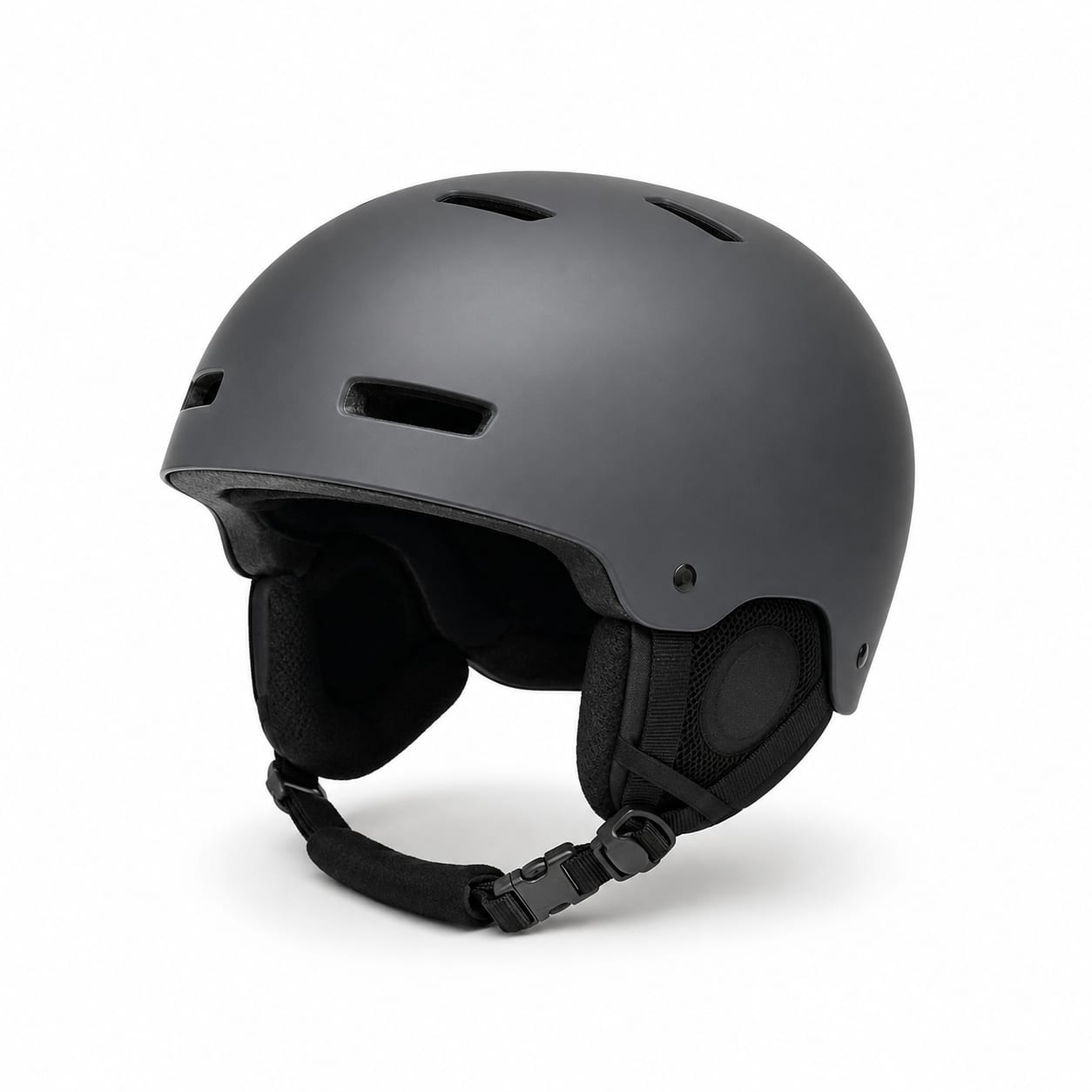
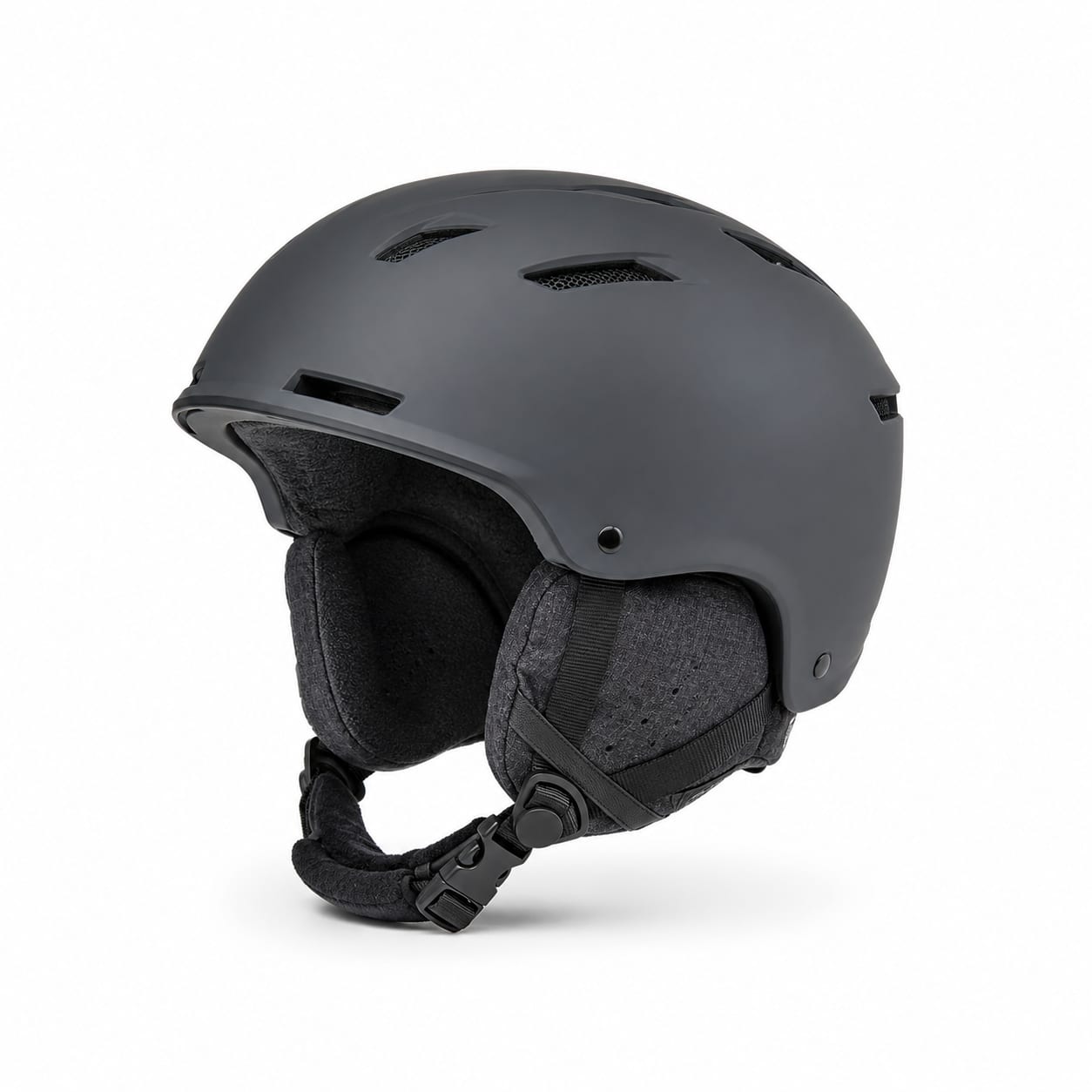
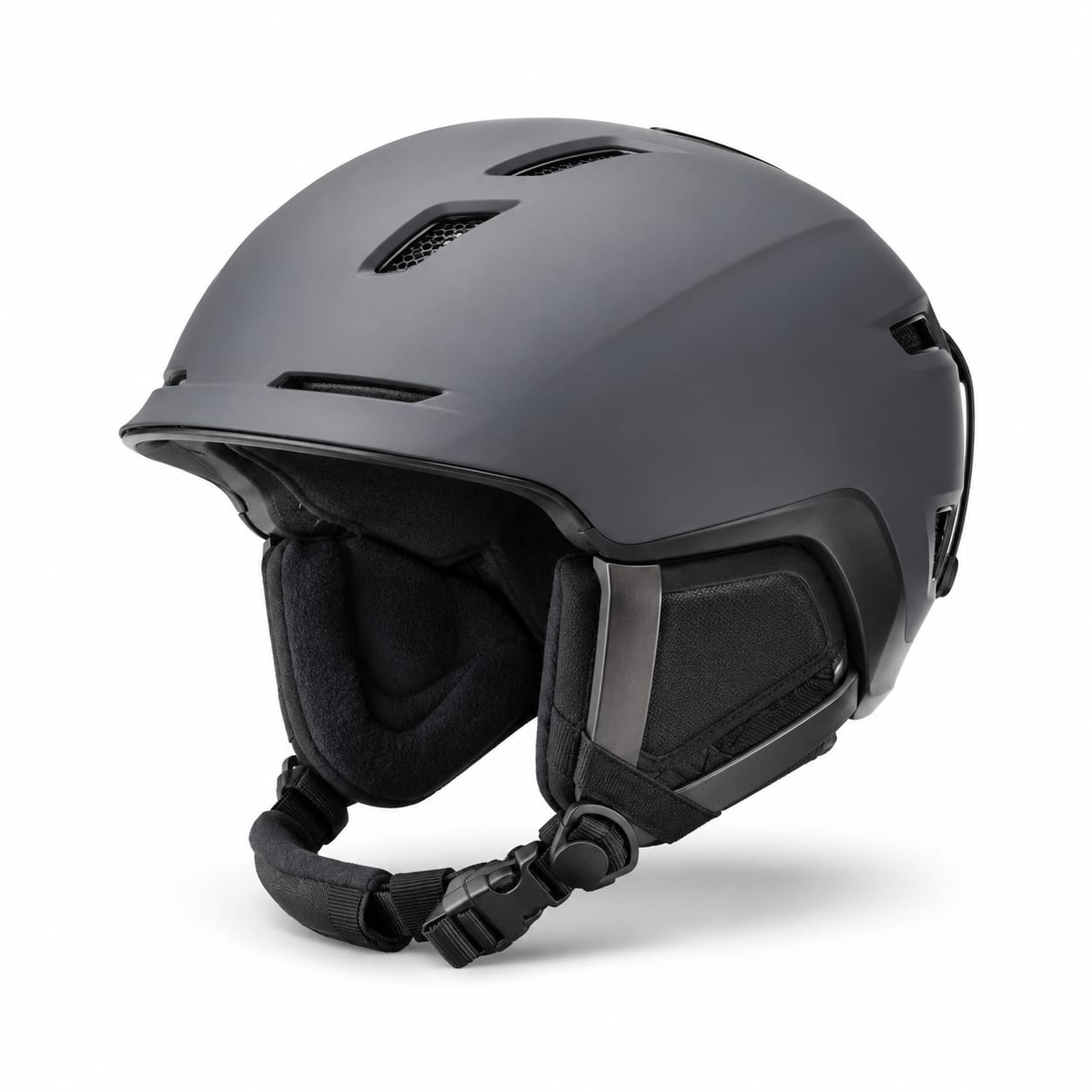
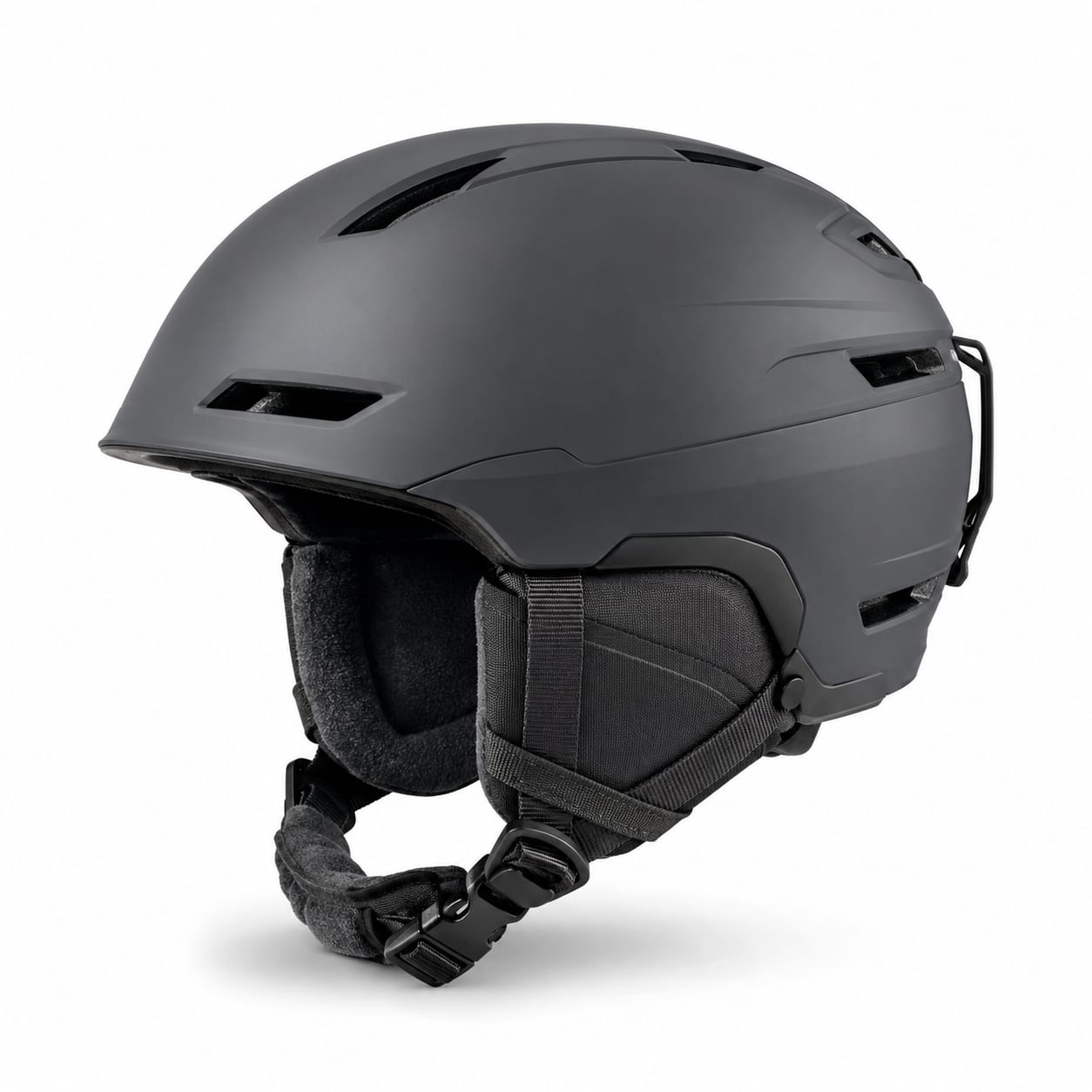
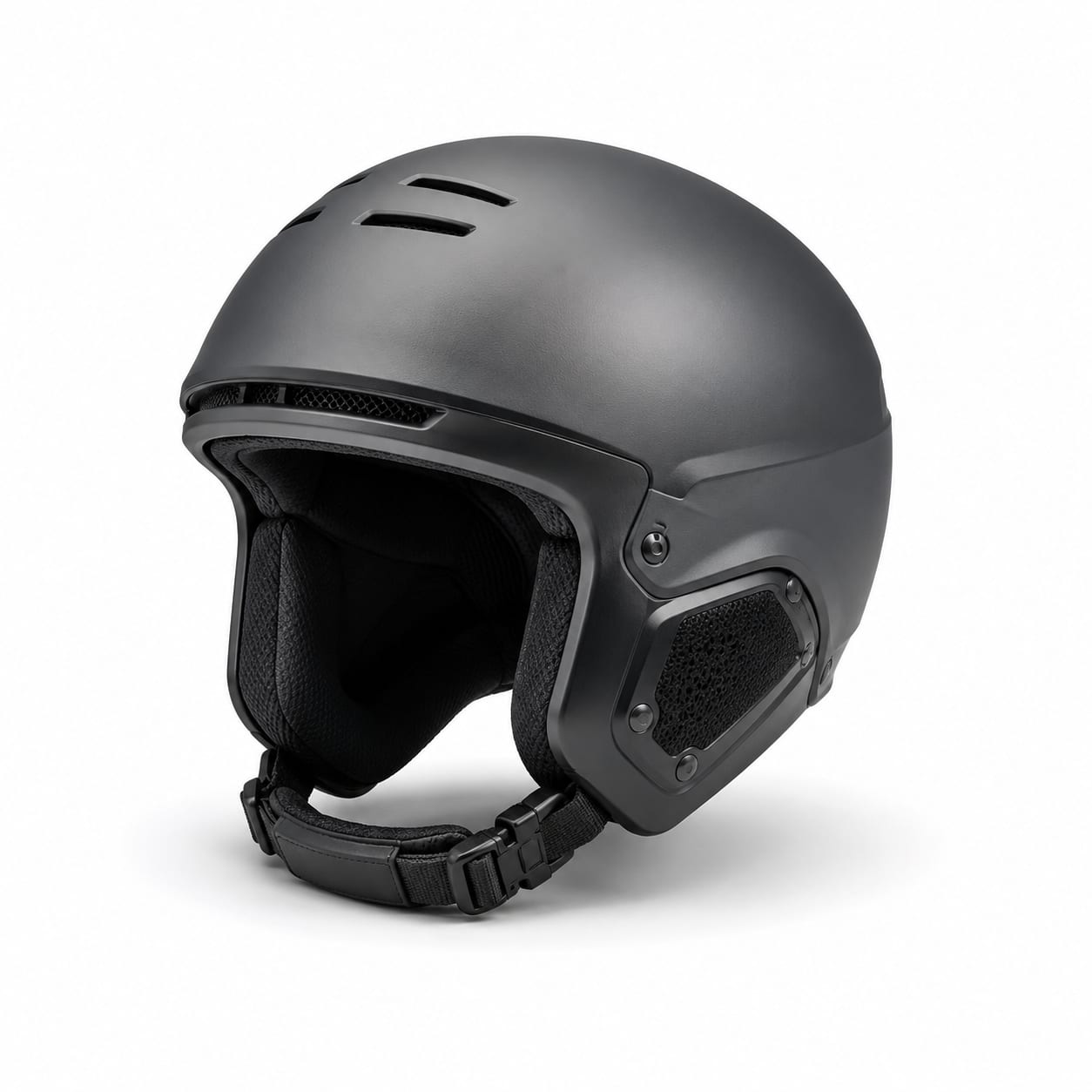
Protective headgear designed for alpine skiing and snowboarding, engineered to absorb impact energy and protect against head injuries while providing warmth, goggle integration, and comfort on the mountain.

Recreational skiers and snowboardersFreestyle and park ridersRacing and competitive skiersBackcountry and touring skiers

17

Key specs

10

Subcategories

5

Related gear topics

Ski Helmet

Overview

What this equipment is for

Ski helmets are mandatory safety equipment for most skiers and snowboarders. Modern helmets combine impact-absorbing foam liners with durable outer shells, adjustable ventilation, goggle-compatible designs, and increasingly, advanced rotational impact protection systems like MIPS. Choosing the right helmet involves balancing protection level, fit, weight, ventilation, and features for your riding style and conditions.

Related equipment

Ski GogglesBalaclavas and Helmet LinersNeck GaitersSki Body ArmorSki Backpacks with Helmet Carry

Buying specs

Specs worth understanding before you buy

Each spec explains how it affects performance, fit, and whether a product suits your style and use case.

Safety & Protection

Dimensions related to the helmet's primary function of protecting your head during impacts.

Rotational Protection

Rotational Impact Protection

Importance

Technology designed to reduce rotational forces on the brain during oblique impacts. Rotational forces are a leading cause of concussions and traumatic brain injuries in skiing.

MIPS

Multi-directional Impact Protection System. A low-friction layer between the helmet liner and head that allows 10-15mm of relative sliding motion during angled impacts.

Koroyd

Welded polymer tube structure that crumples on impact to absorb energy, including rotational energy. Integrated into the helmet liner itself.

WaveCel

A collapsible cellular structure that flexes and glides to absorb rotational and linear impact energy. Used exclusively in Bontrager helmets.

None

No dedicated rotational impact protection system. Helmet relies solely on EPS foam for linear impact absorption.

Strongly recommended to choose a helmet with rotational impact protection, especially MIPS which is widely available and proven. The small price premium is worth the added protection against concussions. This is the single most important safety advancement in helmet technology in recent years.
Certification

Certification Standard

Importance

The safety certification standard(s) the helmet meets or exceeds. Different standards have different testing protocols and protection requirements.

CE EN1077 Class A

European standard for alpine ski helmets. Class A covers helmets with ear protection and full coverage. Higher protection level.

CE EN1077 Class B

European standard for alpine ski helmets. Class B covers helmets without ear protection (softer ear pads). Lower protection level than Class A.

ASTM F2040

American standard for recreational snow sports helmets. Widely used in North America.

Snell RS-98

Voluntary higher-performance standard from the Snell Memorial Foundation. Exceeds CE and ASTM requirements.

Ensure the helmet meets at least CE EN1077 or ASTM F2040. Class A EN1077 provides more coverage than Class B. Snell RS-98 certification indicates a higher level of protection. Many quality helmets meet multiple standards.

Construction

Construction Type

Importance

The method used to join the outer shell and inner foam liner, which affects weight, durability, and impact absorption characteristics.

In-Mold

The EPS foam liner is molded directly into the polycarbonate shell during manufacturing. Lighter weight but less durable against everyday bumps.

Hardshell / ABS

A tough ABS outer shell glued or taped to a separate EPS foam liner. Heavier but more durable against daily wear and minor impacts.

Hybrid

Combines in-mold construction in the top area with hardshell construction in the lower section for a balance of weight and durability.

In-mold is preferred for weight savings and performance. Hardshell is better for durability and budget. Hybrid offers the best balance but at a higher price point.

Liner

Liner Material

Importance

The inner liner material that contacts the head, providing comfort, moisture management, and additional impact absorption.

EPS Foam

Expanded polystyrene foam. The standard helmet liner material that absorbs impact by permanently deforming. Lightweight and effective.

EPS + Merino Wool Cover

EPS foam liner with a merino wool covering for natural temperature regulation and odor resistance.

Koroyd + EPS Hybrid

Combines Koroyd tubes in critical impact zones with EPS foam elsewhere. Superior energy absorption in key areas.

Multi-Density EPS

EPS foam molded in different densities — softer in low-impact zones and firmer in high-impact zones for optimized protection.

All EPS-based liners meet safety standards. Multi-density and Koroyd-enhanced liners offer incremental improvements in impact absorption. Focus on fit and MIPS before worrying about liner material upgrades.

Shell Material

Shell Material

Importance

The material used for the outer shell of the helmet, which affects durability, weight, and appearance.

Polycarbonate

Lightweight thermoplastic used in in-mold construction. Good strength-to-weight ratio. Most common in performance helmets.

ABS Plastic

Tough, thick thermoplastic used in hardshell construction. Very durable and impact-resistant on the surface.

Carbon Fiber

Premium composite material offering exceptional strength at very low weight. Used in high-end racing and premium helmets.

Composite / Fiberglass

Fiberglass or mixed composite shell offering good durability and moderate weight. Used in some mid-range and specialty helmets.

Polycarbonate is the best choice for most skiers — lightweight and adequately durable. ABS is fine for budget or high-abuse situations. Carbon fiber is only worth the premium for racers or those who prioritize minimum weight above all else.

Fit & Sizing

Dimensions that determine how well the helmet fits your head and stays securely in place.

Size (Head Circumference)

Size

Importance

The head circumference measurement the helmet is designed to fit, typically measured in centimeters around the widest part of the head above the eyebrows.

Typical range: 48–65 cm

Measure your head circumference with a soft tape measure around the widest point above your eyebrows and ears. Most adult helmets come in S (52-55cm), M (55-58cm), L (58-61cm), XL (61-64cm). A properly fitted helmet should be snug with no pressure points and should not shift when you shake your head.

Fit System

Fit Adjustment System

Importance

The mechanism used to fine-tune the helmet's fit to the head after selecting the appropriate size. A good fit system ensures the helmet stays securely in place during impacts.

Dial / BOA System

A rear dial (often BOA-brand) that tightens an internal harness around the head with micro-adjustments. Most common and effective system.

Ergo Dial / Rear Dial

Brand-specific rear dial adjustment system similar to BOA but proprietary. Functionally equivalent.

Interchangeable Pad System

Multiple thicknesses of interior pads included to customize fit. No mechanical adjustment mechanism.

No Adjustment System

No fit adjustment mechanism. Relies entirely on correct size selection and liner compression for fit.

A dial-based fit system (BOA or equivalent) is strongly recommended. It allows easy, precise adjustment and helps ensure the helmet stays properly positioned during a crash. This is especially important for getting the right fit with goggles and a beanie underneath.

Buckle Type

Chin Strap Buckle Type

Importance

The type of buckle used on the chin strap, which affects ease of use, especially with gloves, and security of the closure.

Fidlock Magnetic Buckle

Magnetic buckle that automatically snaps closed and is released by sliding sideways. Can be operated easily with gloves.

Side-Release Buckle

Traditional plastic side-release buckle. Reliable and proven but can be difficult to operate with thick gloves.

Double D-Ring

Metal D-ring closure system. Very secure but slow to fasten and unfasten. Rarely used on ski helmets.

Fidlock magnetic buckles are a significant quality-of-life improvement, especially when wearing gloves. If you can afford a helmet with one, it's worth it. Side-release buckles work fine but are less convenient.

Style & Category

Dimensions that define the helmet's intended use and overall design approach.

Style

Helmet Style

Importance

The overall design and coverage category of the helmet, which determines the level of protection, ear coverage, and intended use environment.

Half Shell / Alpine

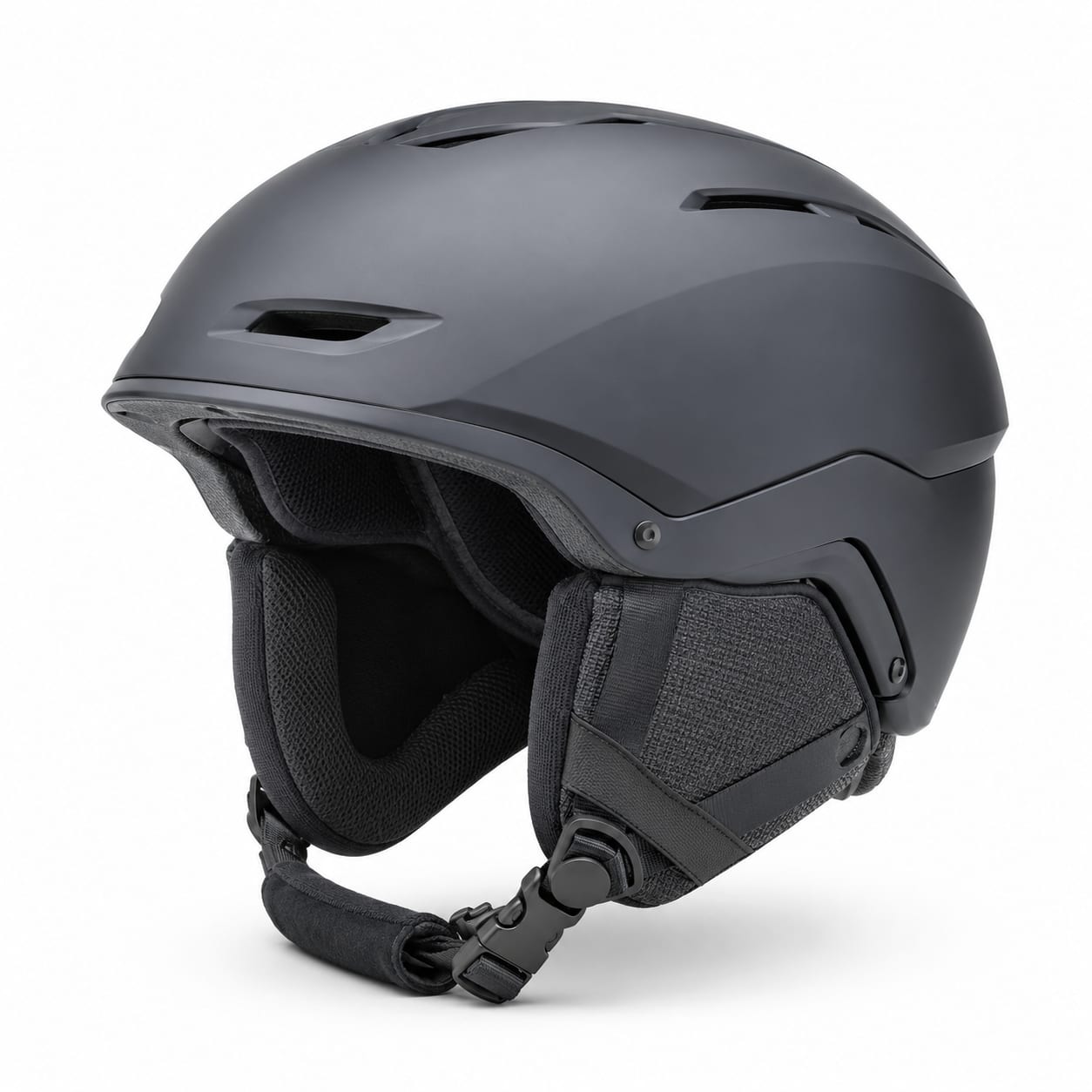
Standard ski helmet covering the top and sides of the head with removable or fixed ear pads. Most popular style for resort skiing.

Full Shell

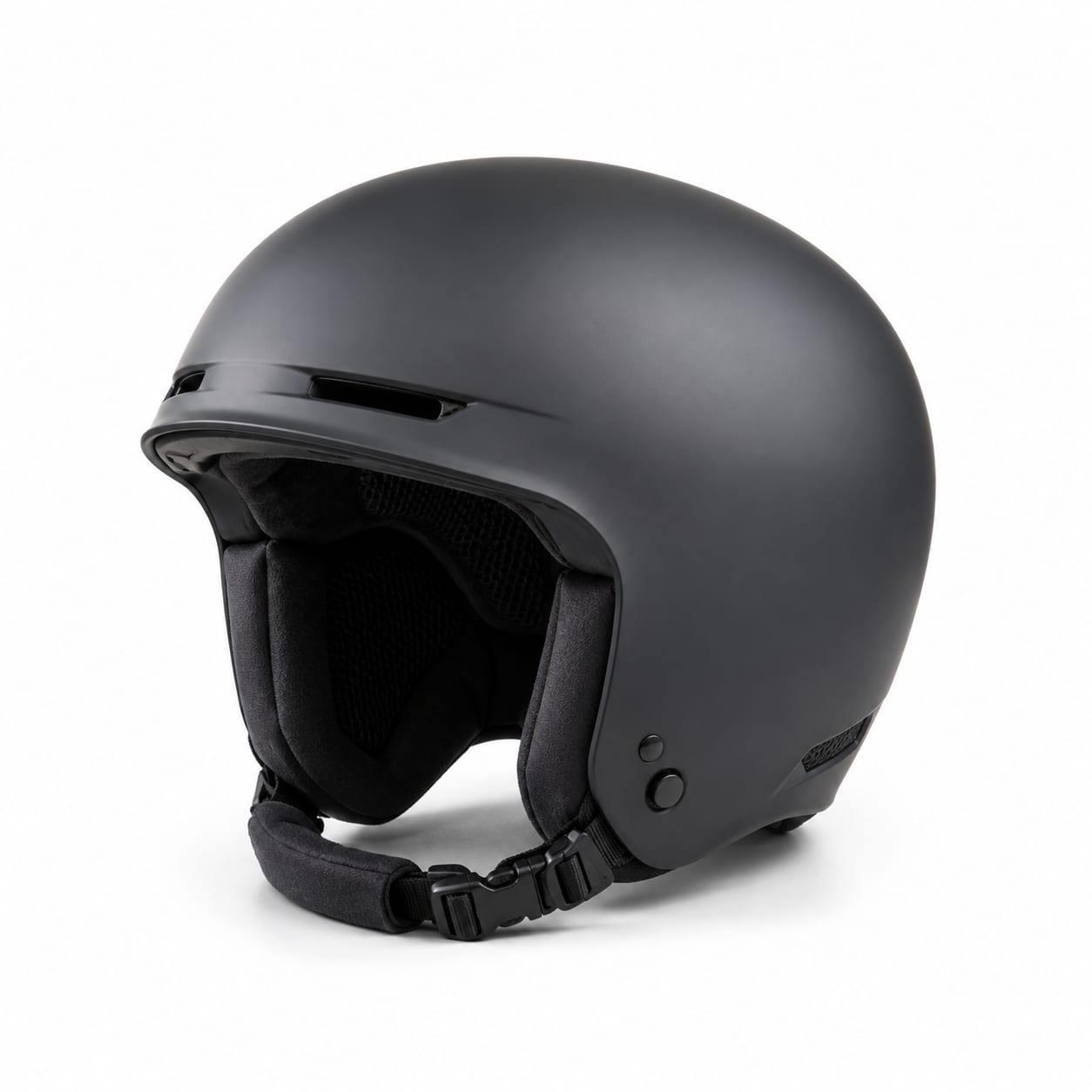
Full coverage helmet including lower jaw protection. Used primarily in racing.

Freestyle / Park

Low-profile half-shell helmet with minimal brim, often with a skate-inspired look and removable ear pads.

Mountaineering / Touring

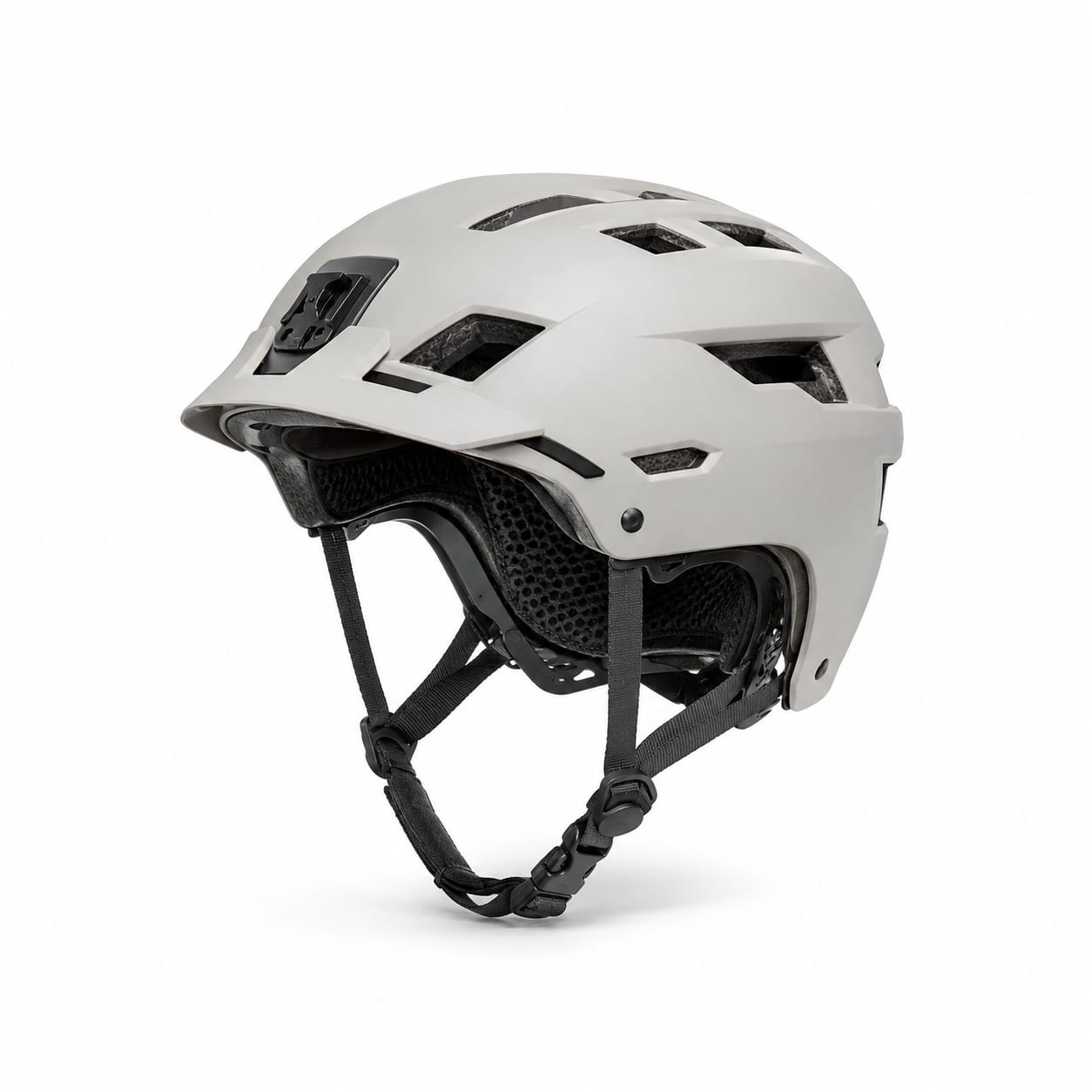
Lightweight helmet designed for ski touring and mountaineering, often with headlamp clips and minimal insulation for uphill travel.

Choose half shell for general resort skiing, freestyle for park riding, mountaineering for touring, and full shell only for competitive racing. Most skiers are best served by a half shell design.

Ear Pads

Ear Pad Type

Importance

The style and removability of ear protection, which affects warmth, hearing ability, and versatility across seasons and conditions.

Removable Insulated Ear Pads

Thick, insulated ear pads that can be removed for warmer weather or to convert the helmet for other seasons. Most versatile option.

Removable Audio-Compatible Ear Pads

Ear pads with built-in or compatible drop-in audio speakers. Removable for warm weather.

Fixed Ear Pads

Permanently attached ear pads that cannot be removed. Simpler construction.

No Ear Pads

Helmet has no ear coverage at all. Very rare in dedicated ski helmets, more common in multi-sport helmets used for skiing.

Removable insulated ear pads are the most versatile choice, allowing you to adapt to changing conditions and use the helmet for other activities. Audio-compatible ear pads are nice but consider whether you need them — they add cost and may reduce situational awareness.

Comfort & Climate

Dimensions that affect temperature regulation, moisture management, and all-day comfort.

Ventilation

Ventilation Type

Importance

The ventilation system design, which affects temperature regulation, fog prevention for goggles, and comfort in varying weather conditions.

Adjustable Vents

Vents that can be opened or closed via sliders, dials, or plugs. Allows on-the-fly temperature regulation.

Fixed Vents

Permanently open ventilation channels. Cannot be adjusted. Simpler design with fewer moving parts.

Passive Channel Ventilation

Internal air channels that direct airflow from front to back without external adjustable vents. Often combined with moisture-wicking liners.

No Ventilation

No dedicated ventilation system. Very rare in modern ski helmets.

Adjustable vents are strongly recommended for most skiers as they provide the flexibility to manage temperature and prevent goggle fogging across varying conditions. If you ski primarily in very cold conditions, fixed vents may suffice.

Number of Vents

Number of Vents

Importance

The total count of ventilation openings on the helmet. More vents provide better airflow but may reduce warmth.

Typical range: 0–20 vents

Most half-shell ski helmets have 8-14 vents. More vents (12+) are better for warm weather and spring skiing. Fewer vents (6-8) are better for cold conditions. Adjustable vents make the count less critical since you can close them.

Weight

Weight

Importance

The total weight of the helmet in grams. Lighter helmets reduce neck fatigue on long days but may sacrifice some features or durability.

Typical range: 280–650 g

Most adult half-shell ski helmets weigh between 350-500g. Under 350g is considered very lightweight. Over 500g may cause neck fatigue on long days. Weight differences of 50-100g are noticeable over a full day of skiing. Consider that MIPS and adjustable vents add some weight.

Washable Liner

Removable Washable Liner

Importance

Whether the interior padding and liner can be removed for washing, which affects hygiene and longevity of the helmet.

A removable, washable liner is a nice feature that helps with hygiene, especially if you ski frequently or loan your helmet to others. It also allows the helmet to dry faster between sessions.

Integration & Features

Dimensions related to how the helmet works with other equipment and additional features.

Goggle Fit

Goggle Compatibility

Importance

How well the helmet integrates with ski goggles, including the absence of a gaper gap, secure goggle strap attachment, and proper vent alignment to prevent fogging.

Integrated Goggle Clip

Built-in clip or retainer on the rear of the helmet to secure the goggle strap. Most secure and convenient option.

Silicone Grip Strip

Silicone strip on the rear of the helmet that grips the goggle strap without a mechanical clip.

Universal / Brand Agnostic

Designed to work with most goggle brands and sizes. No specific goggle pairing required.

Matched Brand System

Designed to integrate specifically with goggles from the same brand (e.g., Smith helmet + Smith goggles, Oakley helmet + Oakley goggles).

Always try your helmet with your goggles before purchasing. Check for gaper gap (exposed forehead skin between helmet and goggles), verify the goggle strap attaches securely, and ensure the goggle frame doesn't press uncomfortably against your nose or face. Matched brand systems offer the best integration.

Audio Compatible

Audio Ready

Importance

Whether the helmet is designed to accommodate audio speakers or headphones, either with built-in speakers or compatible ear pads with speaker pockets.

Audio-ready helmets are convenient if you want music or communication on the mountain. However, be aware that wearing headphones reduces your ability to hear other skiers, warnings, and avalanche safety signals. Some ski areas prohibit headphones.

Brim or Visor

Brim / Visor

Importance

Whether the helmet includes a brim or visor for sun protection, weather deflection, and goggle integration.

Integrated Brim

Built-in brim around the front and/or full perimeter of the helmet. Provides sun shading and helps channel rain and snow away from goggles.

Removable Visor

A detachable visor that can be added or removed as conditions dictate. More common on freeride and mountaineering helmets.

No Brim or Visor

Clean helmet profile without any brim or visor. Most common design.

A brim is helpful for sunny days and keeping snow off goggles but is not essential. Most skiers can go either way. If you frequently ski in bright sun or wet snow, a brim is a nice feature.

Specs FAQ

Common questions about these buying specs

Plain-English answers for each spec and option — tap through for the full explanation.

What is a half shell ski helmet, and is it the right choice for me?

A half shell (or alpine) helmet is the standard ski helmet you'll see on most mountain slopes. It covers the top and sides of your head and includes ear pads—either fixed or removable—for warmth and protection. It's by far the most popular helmet style for a reason: it strikes a great balance between impact protection, ventilation, and all-day comfort. Half shell helmets are ideal for resort skiing and all-mountain riding. They pair easily with most goggles, offer enough insulation for cold lift rides, and still vent well when you're working hard. Removable ear pads give you flexibility to adjust warmth as conditions change throughout the day. If you primarily ski or snowboard at resorts, this is almost certainly the style you want. It's really only the wrong choice if you're a competitive racer (who needs a full shell), a park rider who prefers a lower-profile freestyle lid, or a backcountry tourer who prioritizes ultra-light weight over warmth.

Should I get a full shell ski helmet for maximum protection at the resort?

A full shell helmet covers your entire head including your lower jaw, offering the most protection you can get on the slopes. It's built for competitive ski racing and speed disciplines where the risk of high-speed impacts is real and the consequences are severe. However, for regular resort skiing, a full shell helmet is usually overkill. It's noticeably heavier, less ventilated, and restricts your peripheral vision — which actually makes it harder to see other skiers around you. You'll also find it less comfortable for a full day on the mountain. Most skiers are better served by a half shell (alpine) helmet, which still provides excellent impact protection for the top and sides of your head while being lighter, more breathable, and goggle-friendly. Save the full shell for race day unless you're actually competing in speed events.

Should I get a freestyle helmet if I spend most of my time in the terrain park?

Yes, a freestyle or park helmet is a great choice if you're hitting rails, jumps, and pipes regularly. These helmets have a low-profile, skate-inspired design that sits closer to your head, giving you better freedom of movement and less bulk when you're spinning or flipping. They're also typically lighter than standard half-shell helmets, which makes them more comfortable for long park sessions. The trade-off is that freestyle helmets often have less insulation and minimal brim coverage, so they won't keep you as warm on cold, windy resort days. Most come with removable ear pads, which is nice for spring riding but something to think about in midwinter conditions. If you're splitting your time between the park and regular all-mountain skiing, a standard half-shell helmet with removable ear pads might give you more versatility. But if the park is your main scene, the freestyle style's lighter weight and lower profile are real benefits.

I'm getting into backcountry skiing — do I really need a mountaineering-style helmet, or will my regular resort helmet work fine?

A mountaineering helmet is worth considering if you're spending serious time skinning uphill. These helmets are built to be noticeably lighter and more breathable than standard half-shell resort helmets, which makes a real difference when you're working hard on steep ascents. Most also feature headlamp clips for early-morning starts or late-day exits. The tradeoff is warmth and coverage. Mountaineering helmets have minimal insulation by design — they're meant to keep you from overheating during uphill travel, not keep you cozy on a windy chairlift. On cold resort days, you'll feel the chill more than you would with a standard alpine helmet. If you're splitting time between backcountry tours and resort laps, a well-vented half-shell might be the more versatile choice. But if touring is your main focus, the weight savings and breathability of a mountaineering helmet are hard to beat.

View all 50 spec questions about Ski Helmet

+46 more on the specs FAQ hub

Subcategories

Different styles, different picks

Each sub-type has its own guide with typical specs, trade-offs, and buying advice.

All-Mountain Ski Helmet

All-Mountain Ski Helmet

$60 – $280

dominant

Versatile helmets designed for general skiing across varied terrain and conditions.

Adjustable ventilationRemovable ear padsGoggle integration strap or clip
Racing Ski Helmet

Racing Ski Helmet

$150 – $550

niche

FIS-certified helmets built for competitive alpine racing with maximum impact protection and aerodynamics.

FIS RH2013 or RH2025 certifiedFull hardshell over earsAerodynamic profile
Freestyle/Park Helmet

Freestyle/Park Helmet

$50 – $200

common

Low-profile helmets designed for terrain park skiing, pipe riding, and freestyle progression.

Low-profile skate-inspired shapeAudio-compatible ear padsDurable ABS or hybrid shell
Backcountry/Touring Helmet

Backcountry/Touring Helmet

$100 – $320

niche

Lightweight, well-ventilated helmets optimized for ski touring and off-piste descents.

Ultralight constructionExtensive ventilation systemsHeadlamp compatibility
Kids/Youth Ski Helmet

Kids/Youth Ski Helmet

$35 – $150

common

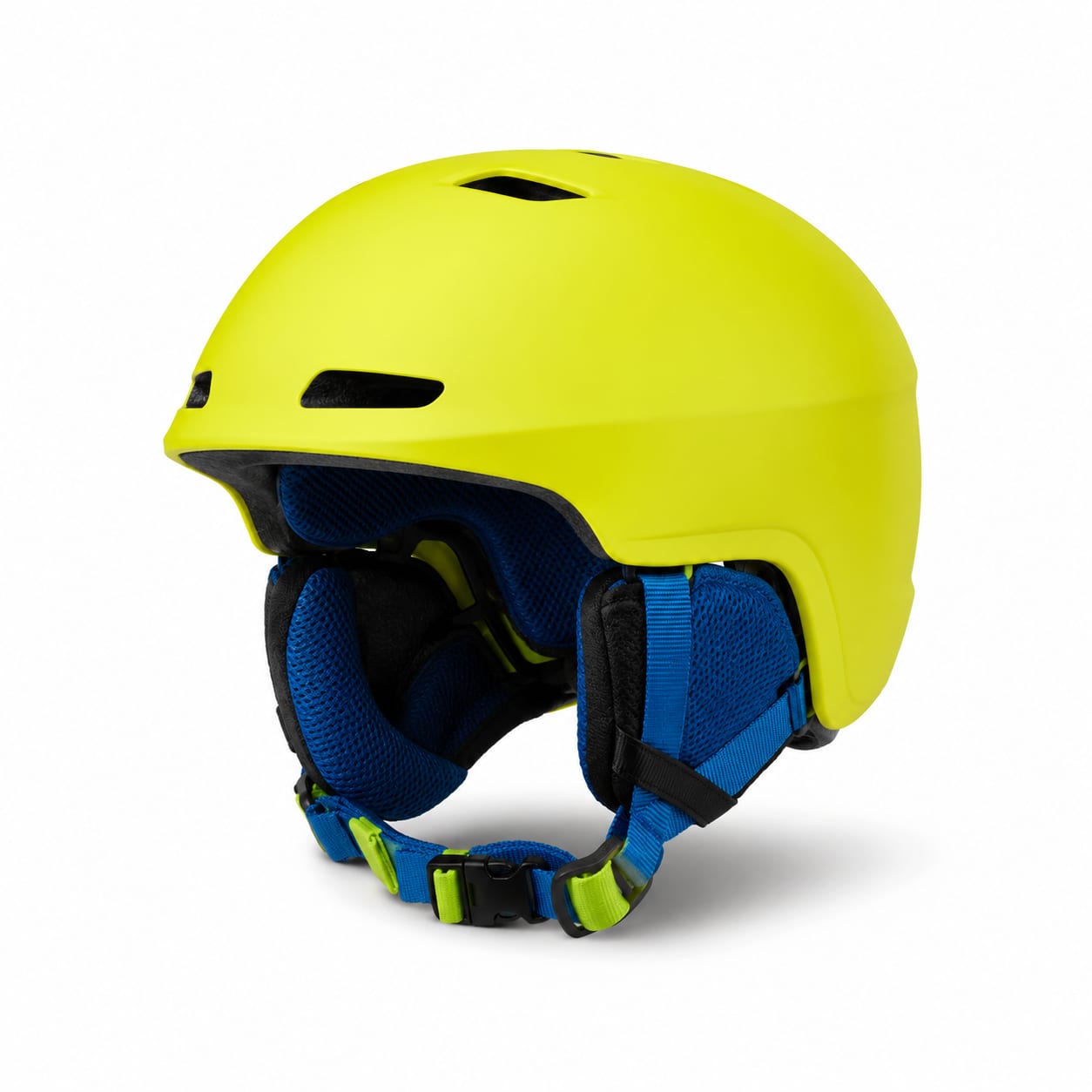
Sized and styled helmets for children and teens with growth-adjustment systems.

Growth-adjustment fit systemsEnhanced rear and side coverageBright high-visibility colors
Full-Shell Ski Helmet

Full-Shell Ski Helmet

$80 – $450

niche

Helmets with complete hardshell coverage extending over the ears for maximum protection.

Hardshell extends over earsSuperior penetration resistanceMaximum impact absorption
Half-Shell Ski Helmet

Half-Shell Ski Helmet

$50 – $250

dominant

Lightweight helmets with soft ear pads instead of hardshell ear coverage for enhanced comfort and hearing.

Soft removable ear padsLighter weight than full-shellBetter ambient hearing
Audio-Integrated Helmet

Audio-Integrated Helmet

$100 – $350

niche

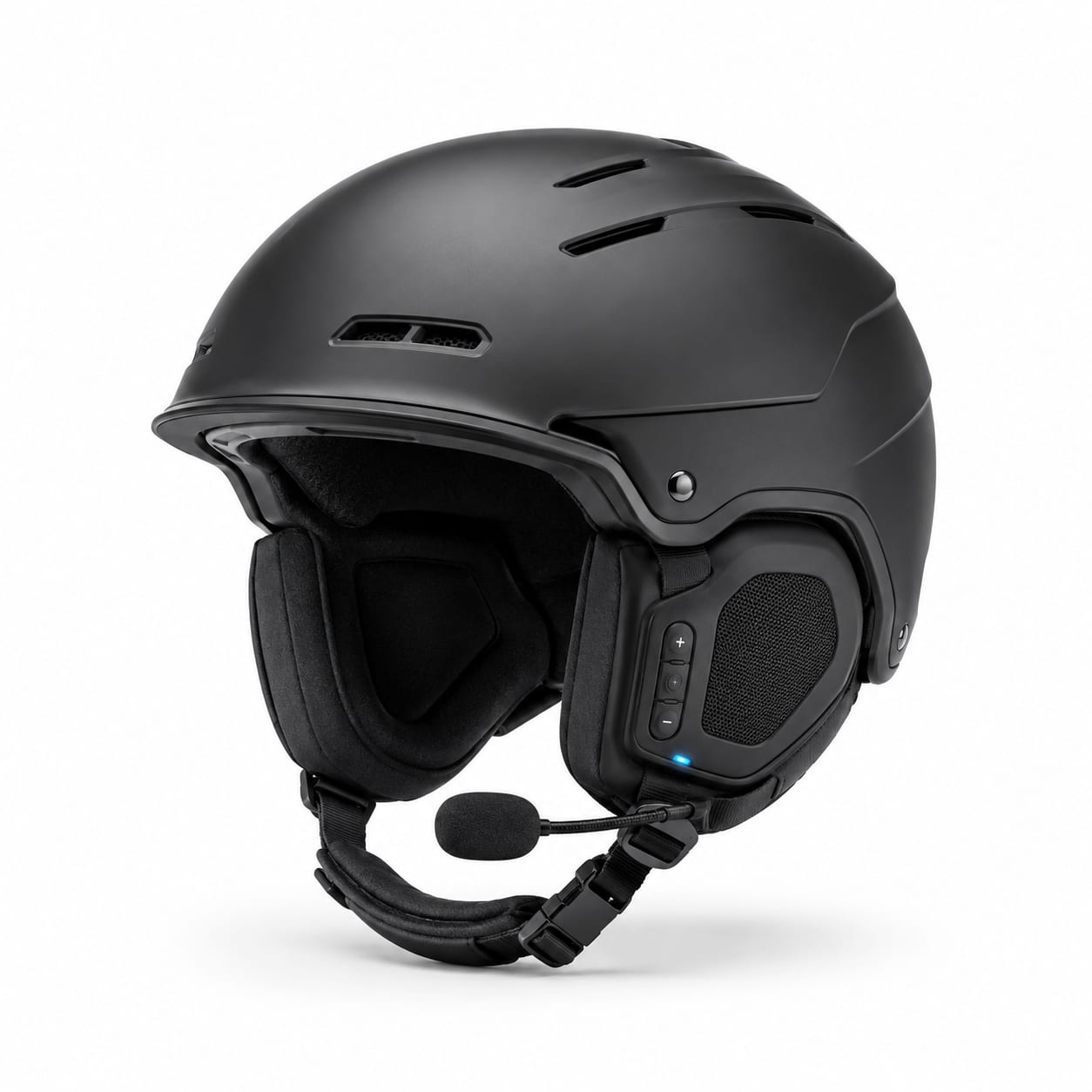
Helmets with built-in speaker systems or dedicated audio-compatible ear pads for on-slope music and communication.

Built-in speakers in ear padsBluetooth connectivityIntegrated microphone
Convertible/Modular Helmet

Convertible/Modular Helmet

$160 – $450

specialty

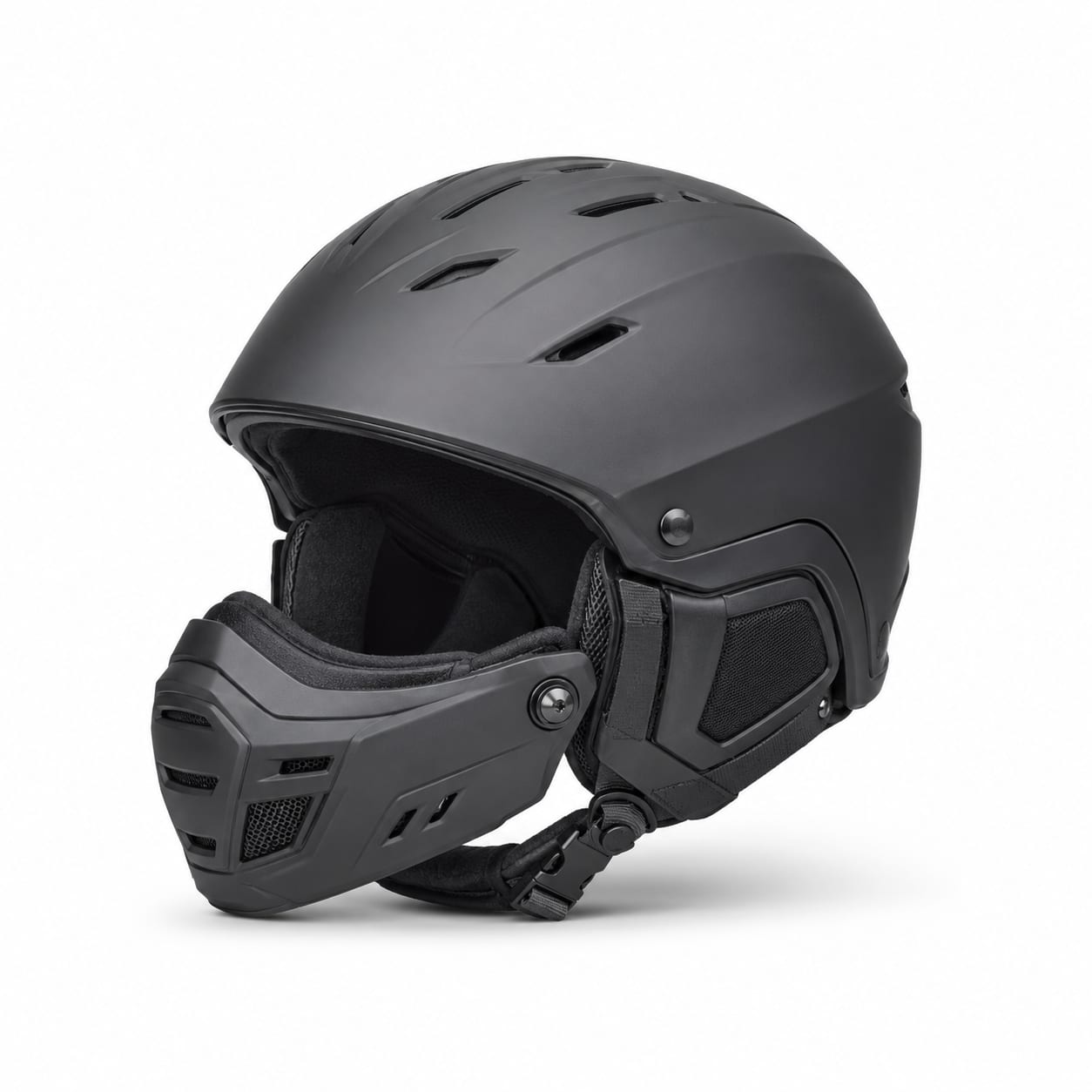
Helmets with removable chin guards or modular components that adapt between full-shell and half-shell configurations.

Removable chin guardConvertible ear coverageTool-free conversion
Senior/Fit-Optimized Helmet

Senior/Fit-Optimized Helmet

$70 – $250

specialty

Helmets designed with enhanced fit systems, lighter weight, and easier operation for mature skiers.

Ultralight in-mold constructionEasy-operate bucklesEnhanced dial-fit systems