
Ski Underwear · Buying specs
Questions about Ski Underwear specs
Straight answers on the specs that matter when you buy — each question covers one dimension or option so you know what to look for.
Open Ski Underwear guide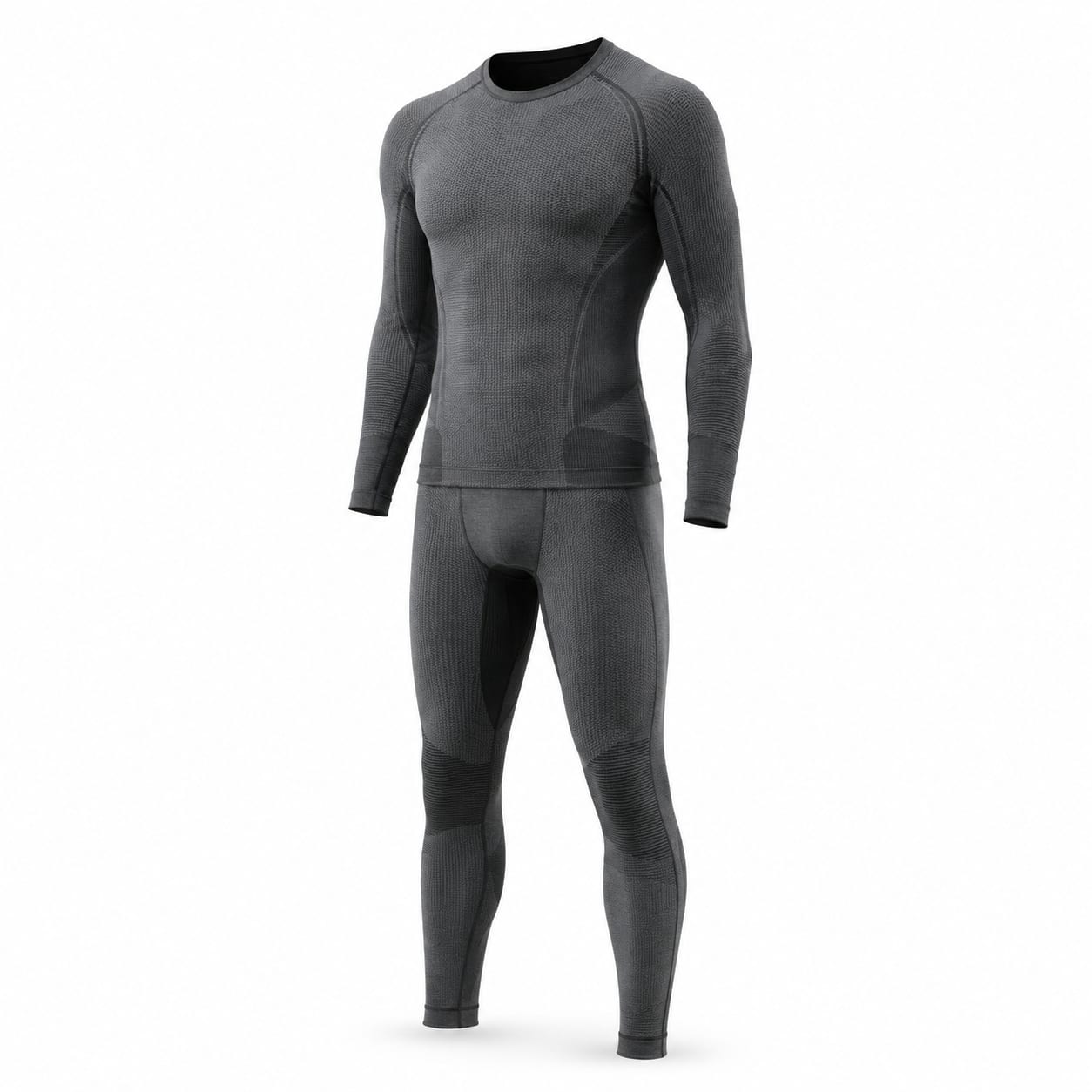
60 questions
Browse by spec group
Questions are organized the same way as the buying specs on the main equipment page.
Material & Construction
Core fabric and build characteristics that define the base layer's fundamental performance properties.
Is merino wool really worth it for ski base layers, or should I just go with synthetic?
Merino wool is the most popular choice for ski base layers for good reason. Its biggest advantage is natural odor resistance—you can wear it for multiple days on a ski trip without it smelling, which synthetics simply can't match. It also regulates temperature beautifully, keeping you warm on cold lift rides but not overheating when you're working hard on the slopes. Another key benefit: merino stays warm even when damp from sweat, whereas synthetic fabrics can feel clammy against your skin. This matters a lot during those transitions between high-output skiing and sitting still on the chairlift. The trade-offs? Merino is less durable than synthetic options and requires gentler washing—no hot water or high-heat drying, or it'll shrink. It's also typically pricier. But if you're doing multi-day trips or all-day resort skiing, the comfort and odor control usually make it well worth the investment.
Read answer →Material Type · Synthetic PolyesterI run hot and sweat a lot on the slopes—should I go with synthetic polyester base layers instead of merino wool?
If you're a heavy sweater or doing high-output activities like backcountry touring, synthetic polyester is an excellent choice. It's the fastest-drying base layer material available, meaning sweat gets pulled off your skin and evaporates quickly—so you're less likely to get chilled when you stop moving. Synthetic polyester is also the most durable option and typically the most budget-friendly, making it great if you're hard on your gear or watching your wallet. Many feature grid or channel textures that trap warm air while still breathing well. The trade-off is odor—polyester holds onto smell faster than merino wool, so plan to wash it after every day on the hill. It can also feel clammy against your skin if you do get soaked, since it doesn't absorb moisture the way wool does. For hot sweaters who don't mind regular laundry, it's a solid pick.
Read answer →Material Type · Synthetic NylonWhy would I pick a nylon base layer instead of merino wool or polyester?
Nylon base layers stand out for their smooth, almost silk-like feel and exceptional durability. If you're layering under tight-fitting ski pants or a snug race suit, nylon's slick surface lets your outerwear glide easily without bunching or catching—something woolier fabrics can struggle with. They're also a great call if you're tough on your gear. Nylon resists abrasion and holds up well to repeated washings, making it a solid choice for frequent riders who don't want to baby their base layers. The main trade-off is drying speed. While nylon wicks moisture well, it dries a bit slower than polyester grid fabrics, so if you're a heavy sweater or doing high-output backcountry tours, polyester might be the better pick. But for resort skiing where you want a smooth, durable layer that slides easily under your kit, nylon is hard to beat.
Read answer →Material Type · Wool-Synthetic BlendI keep seeing wool-synthetic blend base layers — are they actually a good compromise, or should I just pick pure merino or full synthetic?
Wool-synthetic blends combine merino wool with polyester or nylon to give you the best of both worlds. You get merino's natural odor resistance so you can wear the base layer multiple days without it getting funky, plus the added durability of synthetic fibers that hold up better to frequent washing and the friction of layering under ski gear. These blends are an excellent choice if you ski both resort and backcountry and want one versatile base layer. They handle all-day lift sessions and skintrack laps equally well, and the synthetic component means they won't break down as quickly as pure merino under backpack straps or tight harnesses. The trade-off is you lose a bit of merino's plush, natural feel against your skin, and moisture absorption isn't quite as good as 100% wool. But for most skiers and riders, the durability boost is worth that small compromise — pure merino can develop holes relatively quickly with regular use, and blends help solve that problem.
Read answer →Material Type · PolypropyleneI've seen polypropylene base layers marketed for extreme cold—how do they compare to merino wool or regular synthetic underwear for skiing?
Polypropylene is a unique synthetic that's extremely hydrophobic—it absorbs virtually zero moisture, making it the most efficient fabric at pushing sweat away from your skin. For high-output skiing in bitter cold, like backcountry touring or hiking for fresh tracks, this can be a real advantage since you stay drier faster than with merino or polyester. The trade-offs are significant, though. Polypropylene holds onto odor quickly, so plan on washing it after every use—it's not the pick for multi-day hut trips. More importantly, it has a low melting point and can literally melt if exposed to high heat, so you'll need to air dry it and keep it away from heaters or hot dryers. For most resort skiers, merino wool or a wool-synthetic blend offers a better balance of odor control, warmth, and easier care. Polypropylene really shines for extreme cold, high-exertion days where moisture management is your top priority and you're willing to handle the extra maintenance.
Read answer →Material Type · SilkIs silk base layer a good choice for skiing, or should I stick with merino or synthetic?
Silk base layers feel amazing against the skin—they're incredibly smooth, lightweight, and pack down to almost nothing, which makes them great for travel or layering under tight-fitting ski clothes. If you're doing casual resort skiing on milder days or want a luxurious next-to-skin feel, silk can definitely work. The trade-off is durability and moisture management. Silk doesn't wick sweat as effectively as merino wool or synthetic polyester, so during high-output skiing or cold, sweaty days, you may end up feeling damp. It's also the least durable option and can wear through quickly if you're moving around a lot or washing frequently. Silk is best thought of as a specialty choice—ideal for mild conditions, travel, or short resort sessions where comfort and packability matter more than heavy-duty performance. For most skiers riding all day in variable conditions, merino wool or a wool-synthetic blend will serve you better.
Read answer →Weight Class · Ultralight (<130 g/m²)When would I actually want an ultralight base layer for skiing? Seems like it wouldn't keep me warm enough.
Ultralight base layers (under 130 g/m²) are all about moisture management, not warmth. They're the thinnest option available—almost sheer—and their main job is to wick sweat away from your skin as fast as possible without adding bulk. This weight class shines in specific situations: spring skiing when temperatures are mild, high-output backcountry touring where you're generating tons of body heat, or as a standalone layer during warm-weather training. If you're someone who runs hot even on cold days, an ultralight base layer paired with a solid mid-layer can prevent you from soaking through your kit. The catch is that ultralight provides almost zero insulation on its own. If you're sitting on a cold lift in January, you'll feel every bit of that chill. Skip ultralight if you're a resort rider who runs cold or tends to take it easy on the slopes—it's really designed for active skiers in mild conditions who prioritize staying dry over staying warm.
Read answer →Weight Class · Lightweight (130–180 g/m²)Is a lightweight base layer warm enough for regular resort skiing, or do I need to go heavier?
For most resort skiers, lightweight base layers (130–180 g/m²) are actually the sweet spot. They provide enough warmth for typical winter temps in the 20–35°F range while breathing well enough that you won't end up drenched in sweat during active skiing. If you ski aggressively, hike for turns, or naturally run hot, lightweight is almost always the right call. The key is thinking about your whole layering system, not just the base layer. A lightweight piece paired with a decent mid-layer and insulated jacket will keep you comfortable well below 15°F. Where lightweight falls short is on those bone-chilling days when you're sitting still on long lift rides—if you run cold or ski mostly in single-digit temps, midweight is the safer bet. Think of lightweight as your versatile, three-season workhorse. It's the most popular weight class for a reason: it handles the broadest range of conditions without overheating you.
Read answer →Weight Class · Midweight (180–260 g/m²)Should I choose a midweight base layer for skiing, and when does it make the most sense?
Midweight base layers (180–260 g/m²) are the most popular pick for dedicated skiers because they hit the sweet spot between warmth and wearability. They provide enough insulation to keep you comfortable during cold lift rides without feeling bulky under your mid-layer and jacket. This weight class really shines on cold resort days between 0–20°F, especially if you tend to run cold or spend more time sitting on lifts than charging hard down the mountain. The extra fabric thickness traps more body heat than lightweight options, making those long, windy chairlift rides much more bearable. The trade-off is that midweight can overheat you during aggressive, non-stop skiing or high-output touring. If you ski hard and generate a lot of body heat, you might find yourself unzipping vents constantly. In that case, a lightweight base layer is usually the better call. But for most resort skiers who take breaks and ride lifts regularly, midweight is the reliable go-to.
Read answer →Weight Class · Heavyweight (260–350 g/m²)When would I actually need heavyweight base layers for skiing?
Heavyweight base layers (260–350 g/m²) are built for extreme cold—think days well below 0°F. They're thick, plush, and designed to trap maximum heat against your skin. If you're standing around a lot (like ski patrol) or sitting on long, slow lifts in brutal conditions, that extra insulation can be a lifesaver. The catch: heavyweight is overkill for most resort skiers. If you're actively making turns, you'll generate plenty of body heat, and a heavyweight base layer will leave you sweating through your kit by mid-morning. That sweat then freezes when you sit still, making you colder—not warmer. For most skiers, a lightweight or midweight base layer paired with proper mid-layers is the smarter choice. Save heavyweight for the coldest days, sedentary riding, or if you genuinely run very cold. Otherwise, you're paying for warmth you can't actually use.
Read answer →Seam Construction · Flatlock SeamsWhat does flatlock seam construction mean on ski base layers, and is it good enough for a full day on the slopes?
Flatlock seams are created by overlapping two pieces of fabric and stitching them together so the seam lays flat against your skin rather than bulging up. This is the most common construction you'll find in quality ski underwear, and for most riders, it hits the sweet spot between comfort and price. The big advantage is that flatlock seams won't rub or chafe the way traditional overlock seams can—especially important when you're wearing a backpack, carrying your skis on your shoulder, or sitting on cold chairlifts for hours. They also layer smoothly under mid-layers without creating awkward bumps or visible lines. That said, you might still feel a slight ridge under very tight-fitting gear or if you have particularly sensitive skin. If that's a concern, seamless or bonded construction eliminates seams entirely but usually costs more. For the vast majority of skiers and snowboarders, flatlock seams are perfectly comfortable and a solid step up from budget options.
Read answer →Seam Construction · Seamless / Knit-in-OneIs seamless ski underwear really worth the extra cost, or should I just stick with regular seams?
Seamless base layers are knit as a single continuous piece with no stitched seams against your skin, which eliminates chafing entirely. If you've ever finished a ski day with red, irritated lines on your shoulders or sides—especially under a heavy pack or tight harness—seamless construction directly solves that problem. This design is particularly worthwhile if you have sensitive skin or wear form-fitting mid-layers where seam bulk can create uncomfortable pressure points. Many seamless options also feature zoned compression built right into the knit, giving you targeted support without additional stitching. The tradeoff is price—seamless construction typically costs noticeably more than flatlock-seamed alternatives. If you're a casual resort skier who doesn't experience chafing issues, a good flatlock seam base layer will serve you just fine. But for long backcountry days with a pack, sensitive skin, or anyone who's dealt with seam irritation ruining their day, the comfort upgrade is absolutely worth it.
Read answer →Seam Construction · Bonded / Welded SeamsWhat are bonded seams on ski base layers, and are they worth paying more for?
Bonded or welded seams use heat-bonded adhesive instead of traditional stitching to join fabric panels together. The result is an ultra-thin, nearly flat seam profile that feels incredibly smooth against your skin and disappears under additional layers. This construction is popular in high-end performance base layers and racing underwear where every bit of bulk matters. The big advantage is comfort under tight-fitting gear. If you wear a race suit, snug mid-layers, or a backpack harness, bonded seams eliminate the rubbing and pressure points that stitched seams can create. They also won't show through fitted outerwear the way bulkier seams might. The tradeoff is that bonded seams are less flexible at the seam points compared to stitched alternatives like flatlock. They also come at a premium price. If you're a recreational skier who doesn't mind a little seam texture, flatlock construction will serve you just fine. But if you have sensitive skin, prioritize maximum comfort, or ride in tight performance gear, bonded seams are absolutely worth the upgrade.
Read answer →Seam Construction · Overlock / Standard SeamsI found some affordable ski base layers with overlock seams—are they really that bad for skiing?
Overlock seams are the traditional stitched seams you'll see on most everyday clothing, with visible thread loops on the inside. They're common on budget ski underwear because they're cheap to produce, but they come with real drawbacks on the mountain. The main issue is chafing. Those raised seam edges can rub against your skin under a backpack, a hydration harness, or even just tight-fitting bibs and mid-layers. After a full day of skiing—especially when you're sweating—the friction adds up. Overlock seams also create visible lines under fitted layers and add bulk that can feel uncomfortable under tight gear. If you're only doing casual lodge laps or occasional ski days, overlock seams might be fine for the price. But for regular riding, spend a little more on flatlock seams at minimum—they lay flat against your skin and layer much more comfortably. Your shoulders and hips will thank you on long lift rides.
Read answer →Body-Mapped Construction · YesWhat does body-mapped construction actually do for a ski base layer, and is it worth paying more for?
Body-mapped construction means the base layer uses different fabric weights or knit structures in different zones—typically a heavier, warmer knit over your core and kidneys, and lighter, more breathable mesh or open-knit panels under your arms and across your upper back. The idea is to put insulation where you're vulnerable to cold and ventilation where you sweat the most. This makes a real difference on variable-output days, like when you're charging hard down a run then sitting still on a cold chairlift ride. The breathable underarm zones dump heat while you're working, and the reinforced core panels keep you from freezing when you stop. It's essentially smarter thermoregulation than a uniform fabric can offer. Body-mapped construction is most worthwhile for performance skiers and anyone who runs hot and cold throughout the day. If you're mostly cruising groomers in mild conditions or prefer a simpler, budget-friendly option, a standard uniform base layer will still do the job fine.
Read answer →Body-Mapped Construction · NoDo I really need body-mapped base layers, or is a standard uniform one fine for skiing?
A base layer without body-mapped construction uses the same fabric weight and knit throughout the entire garment. These uniform base layers are the most common and affordable option, and they work perfectly well for casual skiers or those on a budget. If you're doing mellow resort laps and running neither hot nor cold, you may never notice the difference. The tradeoff is that you lack targeted ventilation and insulation. Uniform fabric means your underarms get the same coverage as your core—so you might overheat in high-sweat zones during aggressive skiing, or feel a chill around your kidneys on cold, windy lift rides. It's a one-size-fits-all approach to thermoregulation. That said, uniform base layers are simpler, often more durable, and easier to care for. If you tend to run consistently warm or cold, just pick the right weight (lightweight if you run hot, midweight if you run cold) and you'll likely be comfortable all day.
Read answer →Stretch · 4-Way StretchDo I really need 4-way stretch in my ski base layers, or is regular stretch fine?
4-way stretch means the fabric stretches both horizontally and vertically and bounces back to its original shape. For skiing, this matters because you're constantly bending, twisting, and reaching—whether you're carving aggressive turns, hiking to fresh lines, or tweaking grabs in the park. With 4-way stretch, your base layer moves with you instead of fighting you. Most 4-way stretch base layers include a small percentage of elastane (also called spandex)—even just 2% makes a noticeable difference. The real benefit beyond mobility is fit retention: the garment snaps back into shape all day instead of sagging or bagging out by your last run. If you're a casual resort skier who mostly cruises groomers, 2-way stretch is probably fine. But if you're skiing aggressively, hitting the park, or just hate feeling restricted in your layers, 4-way stretch is absolutely worth it.
Read answer →Stretch · 2-Way StretchIs 2-way stretch enough for ski base layers, or do I need 4-way stretch?
2-way stretch base layers stretch in one direction—usually horizontally around your body—and then recover their shape. For most resort skiing and recreational riding, this is plenty of mobility. You'll be comfortable carving turns, riding lifts, and making normal movements on the slopes. Where 2-way stretch can feel limiting is during extreme range-of-motion moves like aggressive park riding, hiking to backcountry lines, or deep mogul runs that demand reaching and twisting in every direction. If that's your style, 4-way stretch is worth the upgrade. The good news is that 2-way stretch garments still include elastane for shape retention, so they won't bag out by the end of the day like non-stretch base layers can. For the majority of skiers and snowboarders cruising the mountain, 2-way stretch hits the sweet spot between mobility and value.
Read answer →Stretch · Minimal / No StretchI see some ski base layers have no stretch—is that a dealbreaker, or are they okay for regular resort skiing?
Base layers with minimal or no stretch aren't a dealbreaker, but they do come with trade-offs you should know about. These garments—often traditional 100% merino wool or budget-friendly options—lack elastane or spandex, so they rely on the fabric's natural give. That means they can feel restrictive when you're making dynamic moves like deep turns, tucking, or hiking to sidecountry terrain. The bigger issue is what happens over a full day on the mountain. Without stretch fibers to help the fabric recover, non-stretch base layers tend to sag and bag out, especially at the knees and seat. That loose fit compromises both comfort and moisture management by creating gaps between the fabric and your skin. That said, non-stretch merino is still popular for its odor resistance and natural warmth. If you prefer pure wool, look for modern blends that add just 2–5% elastane—you'll get the best of both worlds. If you do go stretch-free, consider sizing down slightly and expect to readjust layers throughout the day.
Read answer →Thermal & Moisture Performance
Attributes that determine how the base layer manages heat and perspiration during active skiing.
Do I really need excellent moisture wicking in my ski base layer, or is 'good' enough?
Excellent moisture wicking means the fabric pulls sweat away from your skin and dries remarkably fast—even after heavy output, it feels dry to the touch within minutes. This matters most if you're a hot sweater, an aggressive skier who charges hard, or a backcountry tourer climbing uphill for hours. When you stop moving (like sitting on a cold chairlift), any sweat left on your skin can chill you fast. Excellent wicking prevents that. For casual resort skiing at a moderate pace, 'good' wicking is usually fine—you may feel slightly damp during your most intense runs, but it won't ruin your day. But if you regularly find yourself sweaty on the slopes or you're touring where drying opportunities are limited, excellent wicking is worth seeking out. It's the difference between staying comfortable all day and fighting that cold, clammy feeling.
Read answer →Moisture Wicking · GoodIs 'Good' moisture wicking enough for regular resort skiing, or do I really need 'Excellent'?
For most recreational resort skiers, a "Good" moisture wicking rating is perfectly adequate. It moves sweat away from your skin effectively during normal cruising runs and moderate-paced skiing, which covers how the majority of skiers ride. You'll stay comfortable through typical resort days without overspending on premium wicking technology. The main tradeoff is that during your most intense runs—like bombing steep moguls or racing your buddies—you may notice slight dampness against your skin. On warmer spring days, that feeling can be a bit more noticeable. However, once you ease off and catch the lift, most skiers find the garment dries quickly enough to avoid that cold-chill feeling on the ride up. If you're an aggressive skier who runs hot, tours in the backcountry, or skis hard all day every day, stepping up to "Excellent" wicking is worth it. But for casual to moderate resort skiing, "Good" hits the sweet spot between performance and price.
Read answer →Moisture Wicking · ModerateIs moderate moisture wicking okay for ski underwear, or do I really need excellent wicking?
Moderate moisture wicking can work fine, but only for the right situation. If you're a casual skier who sticks to groomed runs, skis at a relaxed pace, or spends more time sitting on the lift than charging hard, moderate wicking base layers are usually adequate—especially on cold, dry days when you're not sweating much. The trade-off is that moderate wicking is slower to dry and less efficient at moving sweat away from your skin. If you start pushing harder—like skiing moguls, hiking to fresh lines, or just running hot—you'll likely notice dampness building up. That moisture can chill you fast once you stop moving, like on a long lift ride back up. If you tend to run warm, ski aggressively, or mix in backcountry touring, step up to good or excellent wicking. But for mellow resort days in cold weather, moderate wicking is a reasonable choice that can save you some money.
Read answer →Moisture Wicking · PoorCan I just wear my regular cotton long underwear for skiing if it's really cold out?
It's tempting to reach for cotton thermals, but they're one of the biggest mistakes you can make on the mountain. Cotton has poor moisture wicking ability—it absorbs your sweat and holds it right against your skin instead of pulling it away to evaporate. You might feel warm at first, but once that fabric gets damp, it stays damp. The real danger hits when you stop moving. Wet skin loses heat 25 times faster than dry skin, so that sweaty cotton turns icy cold the moment you're sitting on a lift or taking a break. Even on frigid days, you sweat while skiing—especially during runs, hiking to terrain, or just working hard in heavy gear. Instead, look for base layers rated "Good" or "Excellent" for moisture wicking. Synthetics like polyester pull sweat away fastest, while merino wool absorbs some moisture but still keeps you from feeling clammy. Either option keeps you dry and warm, which cotton simply cannot do.
Read answer →Warmth Rating · Light WarmthWhen should I choose a light warmth base layer instead of a warmer one?
Light warmth base layers are all about moisture management over insulation. They're ideal for spring skiing, warmer resort days above 30°F (-1°C), or if you're someone who runs hot and sweats heavily even in cold weather. Think of them as your sweat-wicking first layer rather than a heating layer. The big advantage is avoiding that clammy, overheated feeling during active skiing. If you're charging hard and generating lots of body heat, a lighter base layer lets moisture escape instead of trapping it against your skin. The trade-off is that below about 20°F, a light warmth base layer won't provide enough insulation on its own. You'll need to rely on a solid mid-layer to stay warm during cold lift rides. If you ski in typical winter conditions and don't overheat easily, moderate warmth is usually the safer bet.
Read answer →Warmth Rating · Moderate WarmthIs a moderate warmth base layer really the best choice for most skiing, or should I size up to high warmth just to be safe?
Moderate warmth hits the sweet spot for most resort skiers because it balances insulation with breathability. It's built for typical winter conditions—roughly 15–30°F—where you're alternating between working hard on the run and sitting still on the lift. The fabric provides enough warmth during chilly rides but breathes well enough that you won't soak through on the way down. The problem with going warmer "just to be safe" is that overheating is just as miserable as being cold. A base layer that's too warm leaves you sweaty, and that moisture chills you fast when you stop moving. Moderate warmth lets your body regulate more naturally. You can always add a mid-layer on colder days, but you can't easily fix an overheating base layer. If you typically run cold or regularly ski in sub-15°F temps, high warmth makes sense—but for most all-day resort riding, moderate is the most versatile and comfortable choice.
Read answer →Warmth Rating · High WarmthShould I get a high warmth base layer for skiing? I always freeze on the lift but I'm not sure if it'll be too hot while actually skiing.
A high warmth base layer is a solid choice if you regularly ski in cold conditions—think 0–15°F—or if you naturally run cold. The thicker fabric traps more air for insulation, which makes a real difference during those long, windy chairlift rides when you're sitting still and not generating much body heat. The catch is that same warmth can work against you during active skiing. If you're charging hard or the day warms up above 15°F, you may overheat and sweat more than you'd like. That moisture can actually make you colder later when you stop moving. The best approach is to pair a high warmth base layer with a lighter mid-layer and a jacket with good venting. This lets you dump heat on the run down but stay cozy on the ride back up. It's much easier to cool off than to compensate for a base layer that isn't warm enough.
Read answer →Warmth Rating · Extreme WarmthShould I just get the warmest base layer available so I never get cold on the mountain?
It's tempting to max out on warmth, but extreme-warmth base layers are overkill for most resort skiing above 0°F. They're built for sub-zero temperatures, ski patrol duties, or long periods of sitting still—situations where you're not generating much body heat. If you're actively skiing or riding, an extreme-warmth base layer will likely leave you sweating through your layers, which actually makes you colder when that sweat cools down. The bigger issue is that expedition-weight fabric can feel restrictive and bulky under your other layers. Most skiers are better served by a moderate-warmth base layer paired with a mid-layer they can adjust as conditions change. It's much easier to zip open a jacket vent or shed a mid-layer than to cool down an overheating base layer against your skin. Save extreme warmth for genuinely brutal cold days or if you know you run very cold and spend more time sitting on lifts than skiing down.
Read answer →Odor Resistance · Excellent (5+ days)What does 'excellent odor resistance' mean on ski base layers, and is it worth paying extra for?
Excellent odor resistance means the base layer can go 5 or more days of active skiing without developing noticeable smell. This level is almost always achieved with high-quality merino wool, which has natural antimicrobial properties that fight odor-causing bacteria—no chemical treatments needed. This becomes genuinely valuable on multi-day ski trips, backcountry hut trips, or any travel where you won't have laundry access. Instead of packing a fresh base layer for every single day, you can get away with one or two for a week-long trip. It also means no awkward smells when you're sharing close quarters at a lodge or hut. If you mostly do day trips and wash your gear between uses, excellent odor resistance isn't essential—a "good" or "moderate" rating will serve you fine. But there's a long-term advantage too: merino's odor-fighting ability is permanent, whereas synthetic treatments like silver-ion coatings wear off with repeated washing over time.
Read answer →Odor Resistance · Good (3–4 days)Is 'Good' odor resistance enough for a weekend ski trip, or do I really need merino wool?
A base layer rated "Good" for odor resistance will easily get you through a 2–3 day ski weekend without smelling like a locker room. These are typically synthetic fabrics with an odor-control treatment (like silver-ion) or a merino-synthetic blend, and they strike a nice balance between performance and price. The main thing to know is that by day 3 or 4, you'll probably notice some odor building up—especially after high-output skiing. If your trip stretches longer than a long weekend, you'll want a fresh base layer or access to a wash. Also keep in mind that the odor treatments on synthetics do fade over time with washing, so that 3–4 day window may shrink as the garment ages. For a standard Friday-to-Sunday resort trip, though, "Good" odor resistance is plenty, and you'll save money compared to premium merino.
Read answer →Odor Resistance · Moderate (1–2 days)Is moderate odor resistance fine for resort skiing, or will I regret not getting merino wool?
Moderate odor resistance is perfectly fine for day trips to the resort. You'll get through a full day of skiing without issue—just plan to wash or swap out your base layer that evening. If you're driving home after skiing and have laundry access, this level does the job without any drawbacks. Where you'll notice the limitation is on multi-day trips. After a day and a half to two days of active wear, odor becomes noticeable even to you. If you're staying in a condo with a washer, you can rotate two pairs and stay fresh. But for hut trips or road trips without laundry, you'll want better odor resistance. The trade-off is usually price and durability—synthetic base layers with moderate odor control tend to be more affordable and tougher than merino wool. Just don't toss a damp synthetic base layer in your ski bag overnight; that's a recipe for permanent smell that won't wash out.
Read answer →Odor Resistance · Low (same day)I found some affordable synthetic base layers with low odor resistance—will that be a problem for skiing?
Low odor resistance means the fabric has no antimicrobial treatment, so bacteria and odor build up within hours of active wear. These are typically basic, untreated synthetic materials like standard polyester. For single-day resort skiing where you can wash them right after, low odor resistance works fine. You'll still stay warm and dry on the slopes—the odor only becomes noticeable after you're done riding. Just don't plan to re-wear them the next day without washing. The real issue comes on multi-day ski trips. If you're staying at a lodge or backcountry hut without laundry access, these base layers will smell by day two and become unpleasant for everyone in close quarters. Also, never stuff a damp synthetic base layer into your ski bag after riding—that traps moisture and can create permanent odor that won't wash out.
Read answer →UPF Rating · UPF 50+Do I need a UPF 50+ base layer for skiing, or is that overkill for winter sports?
A UPF 50+ base layer blocks over 98% of UV radiation, which sounds excessive for winter—but it's genuinely worth considering in certain situations. UV rays are significantly stronger at higher altitudes (roughly 10-12% stronger per 1,000 meters of elevation), and snow reflects up to 80% of UV radiation right back at you. So you're getting hit from above and below. UPF 50+ makes the most sense if you're spring skiing, riding at high-altitude resorts, or have fair skin that burns easily. During deep winter with heavy cloud cover and full layer coverage, it's less critical. The good news is that UPF 50+ adds no performance downside—it doesn't affect breathability, wicking, or comfort. Many merino wool base layers naturally provide strong UV protection anyway. Just remember that a UPF-rated base layer only protects the skin it covers, so you still need sunscreen on your face, neck, and hands.
Read answer →UPF Rating · UPF 30Is a UPF 30 base layer good enough for spring skiing, or should I look for UPF 50+?
A UPF 30 rating blocks about 97% of UV radiation, which is solid protection for most spring skiing days at typical resort elevations. If you're skiing primarily at moderate altitudes and aren't particularly fair-skinned, UPF 30 is generally plenty for a base layer—especially since most of it will be covered by your mid-layer and jacket anyway. Where UPF 30 starts to fall short is at high altitudes (think above 8,000–10,000 feet) where UV radiation is significantly stronger, or on those intense bluebird spring days when the sun reflects hard off the snow. If you burn easily or you're doing multiday spring tours at elevation, stepping up to UPF 50+ is worth it. The real takeaway: UPF 30 is a great sweet spot for general spring resort skiing. Just remember that your base layer only protects the skin it covers—don't skip sunscreen on your face, neck, and ears regardless of your UPF rating.
Read answer →UPF Rating · Not RatedDo I need to worry if my ski base layer has no UPF rating?
Not necessarily. A base layer without a UPF rating simply hasn't been tested for ultraviolet protection, but that doesn't mean it leaves you exposed. Most ski underwear fabrics—especially denser knits like merino wool—naturally block a fair amount of UV radiation just by virtue of their construction. For typical mid-winter resort skiing, when you're bundled up and the sun is low, the lack of a UPF rating is rarely a concern. Where it matters more is during spring skiing or at high altitudes, where UV radiation is significantly stronger and reflects off the snow. In those conditions, a rated base layer (UPF 30 or 50+) gives you a known level of protection on any exposed areas like your neck or wrists. If your base layer isn't rated and you're skiing in intense sun, just be diligent about sunscreen on any skin that's showing. The bottom line: for cold, cloudy winter days, an unrated base layer is perfectly fine. Save the UPF concern for sunny spring sessions at elevation.
Read answer →Fit & Sizing
Dimensions related to how the garment fits the body and accommodates different body types.
Should I get a compression fit base layer for skiing, or is it overkill?
Compression base layers are the tightest option available—they fit like a second skin and actually press against your muscle groups, sometimes with targeted compression zones. This makes them excellent at wicking sweat since the fabric stays in full contact with your skin, leaving no air gaps for moisture to linger. Where compression really shines is high-intensity, performance-oriented skiing. Racers and aggressive riders who are pushing hard all day often prefer this fit, and some find the gentle pressure helps reduce muscle fatigue on long days. The trade-off is that compression can feel restrictive if you're skiing casually or taking mellow runs, and it's definitely less comfortable for just hanging out après-ski. For most skiers and snowboarders, a slim fit hits the sweet spot—it wicks efficiently without feeling like a vise. But if you're racing, training hard, or simply like that locked-in sensation, compression is worth considering.
Read answer →Fit Type · Slim / Form-FittingShould I get a slim-fit base layer for skiing, or is regular fit okay?
A slim or form-fitting base layer is the best choice for most skiers and snowboarders. This fit hugs your body with minimal excess fabric, which is crucial because it keeps the material in direct contact with your skin—that contact is what allows the fabric to efficiently wick sweat away. Without it, moisture can't move away from your body as effectively, leaving you damp and cold. Slim fit strikes the ideal balance: it's tight enough for great moisture management but still gives you full range of motion for carving turns or hiking terrain. It also layers smoothly under your mid-layer and jacket without bunching up. Don't confuse slim fit with compression—compression is noticeably tighter and designed more for racing or muscle recovery. And resist the urge to size up just because a slim fit feels snug at first. Base layers are supposed to fit close; sizing up undermines their primary job of keeping you dry.
Read answer →Fit Type · RegularI really hate the feeling of tight clothing—can I get away with a regular fit base layer for skiing?
You absolutely can, especially if you're a casual resort skier who prioritizes comfort over peak performance. A regular fit base layer gives you a bit of breathing room—it's comfortable, easy to pull on, and more forgiving if you're between sizes or just don't like that skin-tight feel. The trade-off is moisture management. Base layers work best when they're in direct contact with your skin to wick sweat away efficiently. A regular fit leaves small air gaps, which means sweat can hang around longer and leave you feeling clammy—especially on cold lift rides after a hard run. Regular fit shines in warmer conditions, on milder spring days, or if you tend to run hot and don't sweat much. If you go this route, just avoid sizing up even further, and consider a merino wool blend, which handles moisture and odor better than most synthetics when the fit isn't optimal.
Read answer →Fit Type · RelaxedI hate tight clothing—can I just wear a relaxed fit base layer for skiing?
A relaxed fit base layer might feel more comfortable at first, but it's not a great choice for active days on the mountain. Because it drapes loosely rather than hugging your body, it creates air gaps between the fabric and your skin. That means sweat can't wick away efficiently, and those air pockets can turn clammy and cold—especially when you're sitting on a lift after working up a sweat. That said, relaxed fit does have its place. It's perfect for après-ski lounging, cabin wear, or very casual resort days where you're barely working hard. If you really can't stand a slim fit, a regular fit is a better compromise—it still gives you some breathing room without completely sacrificing moisture management. For most skiers and snowboarders, though, a slim or form-fitting base layer is the sweet spot for staying dry and comfortable all day.
Read answer →Gender · Men'sDo I really need men's-specific ski base layers, or can I just grab a unisex pair?
Men's-specific ski base layers are cut to match male proportions, with broader shoulders, a longer torso, narrower hips, and a front fly on the bottoms. These aren't minor details—when you're layering up for a full day on the mountain, a proper fit means the fabric stays flush against your skin to wick sweat effectively, with no bunching or sagging that can create cold spots. Unisex base layers are typically built on a men's fit block but averaged out, which can work in a pinch. However, they often fit too loosely in key areas or lack the fly convenience on bottoms. If you're spending full days riding lifts or hiking for turns, the tailored fit of a men's-specific piece will keep you more comfortable and better layered. The bottom line: for serious skiing or snowboarding, go with men's-specific. Save unisex for casual resort days or if it's your only option.
Read answer →Gender · Women'sDo I really need women's-specific ski base layers, or can I just buy unisex?
Women's-specific base layers are worth seeking out—they're cut for female proportions with narrower shoulders, a shorter torso, wider hips, and often a contoured waist. This isn't just marketing; it directly affects how well your layering system works on the mountain. A proper women's fit eliminates common problems: sagging at the hips, cold gaps at the waist, and excess fabric bunching under your shoulders where it doesn't need to be. When your base layer sits flush against your skin, it wicks moisture efficiently and traps warmth the way it's designed to. Unisex or men's bottoms often gap at the hips, letting cold air in, while the extra shoulder fabric can bunch uncomfortably under your jacket. If you've ever worn a unisex base layer and felt like it was swimming in the shoulders but tight in the wrong places, that's why. Check each brand's size chart since proportions vary, but start with women's-specific for the best all-day comfort.
Read answer →Gender · UnisexAre unisex ski base layers a good option, or should I stick with gender-specific fits?
Unisex ski base layers can work fine in certain situations, but they come with real trade-offs. Since unisex cuts are typically based on men's proportions, they tend to have broader shoulders, longer torsos, and narrower hips. For guys, the fit is usually decent. For women, that often means excess fabric at the shoulders and a loose, baggy fit around the hips and waist—exactly where you don't want cold gaps or sagging fabric under your snow pants. Where unisex makes the most sense is for budget-conscious buyers, rental programs, or casual days where performance fit isn't a priority. They're also a practical choice for kids who are between youth and adult sizes. If you do go unisex as a woman, plan to size down and check the brand's size chart carefully. For regular riding, though, gender-specific base layers are worth it. They're cut to match your actual proportions, which means better moisture management, no bunching under your layers, and fewer cold spots during long lift rides.
Read answer →Gender · YouthMy kid is growing fast—should I just buy an adult small base layer instead of youth ski underwear?
Youth-specific ski base layers are proportioned for smaller bodies, not just scaled-down adult versions. They account for a child's shorter torso, narrower shoulders, and different hip-to-waist ratio, which means fewer cold gaps and less bunching under their ski clothes. Many youth base layers also include growth-friendly features you won't find in adult sizing—like extendable cuffs or adjustable hems that add an inch or two as your child grows. This can stretch a single season's investment into two, which matters when kids outgrow gear quickly. Sizing down in adult base layers often leads to a poor fit: sleeves and torsos end up too long, and the proportions don't line up right. For the best warmth and comfort on the mountain, stick with youth-specific layers and check each brand's size chart carefully before buying.
Read answer →Style & Design
Design choices that affect layering compatibility, convenience, and personal preference.
Is a crew neck base layer good enough for skiing, or do I really need a zip?
A crew neck top can absolutely work for skiing—it's the simplest, most affordable option, and it layers cleanly under mid-layers without any zipper bulk. If you're skiing mostly in mild conditions or you run warm, a crew neck keeps things uncomplicated. The tradeoff is ventilation and neck coverage. Without a zip, you can't dump heat on a steep climb or crack open the collar on a warm spring day. Crew necks also leave a gap at the throat where cold air can sneak in, especially on windy lift rides. The fix is simple: pair a crew neck with a neck gaiter or balaclava to seal that gap. If you always wear one anyway, you won't miss the zip. But if you prefer minimal accessories or ski in variable conditions where you'd want adjustable venting, a half-zip mock neck is worth the upgrade.
Read answer →Top Style · Half-Zip Mock NeckShould I get a half-zip mock neck base layer for skiing, or is a regular crew neck fine?
A half-zip mock neck is the most versatile option for skiing, especially if you ride in changing conditions or tend to run hot. The short zipper (usually 6–10 inches) lets you dump heat quickly when you're working hard—like hiking to fresh tracks or skiing bumps—then seal back up for cold lift rides. The mock neck collar adds a bit more coverage than a crew neck, which helps seal out drafts around your throat. This is a real advantage on windy days or when you're not wearing a neck gaiter. The trade-off is that the zipper creates a slight bulge under mid-layers, though most riders barely notice it once they're fully layered up. If you ski backcountry or deal with variable mountain weather, the half-zip is hard to beat. A crew neck works fine if you always wear a gaiter and don't mind giving up adjustable venting, but most skiers end up preferring the zip once they try it.
Read answer →Top Style · Quarter-ZipWhen should I choose a quarter-zip base layer top over a half-zip or crew neck for skiing?
A quarter-zip base layer is your best bet when you run hot or ski in milder conditions. The zipper extends down to mid-chest, giving you maximum venting power—way more than a half-zip—so you can dump heat fast during high-output activities like skinning up in the backcountry or hiking to fresh lines. It shines on warm spring days when you're alternating between sweating on the run and cooling down on the lift. The tradeoff is that the lower collar provides less neck warmth than a half-zip mock neck, so cold air can sneak in on frigid days. Also, the longer zipper can create a slight bulge under tighter mid-layers, though it's rarely noticeable under a looser fleece or jacket. Skip the quarter-zip if you typically ski deep winter cold or always wear a neck gaiter anyway. But if overheating is your main struggle on the mountain, this style gives you the most temperature control of any base layer top.
Read answer →Top Style · HoodedIs a hooded base layer top worth it for skiing, or is it overkill?
A hooded base layer can be a game-changer if you ski in genuinely cold conditions or hate feeling drafts at your neck. The hood eliminates that annoying gap between your neck gaiter and collar, sealing in warmth from the shoulders up. It's especially nice on freezing lift rides when every bit of coverage counts. That said, the big thing to watch is helmet compatibility. Some fitted hoods layer smoothly under a ski helmet, but others bunch up or feel tight, which gets uncomfortable fast. If you wear a helmet with minimal interior space, try the combo on before committing. Also, a hooded top means one less piece of gear to keep track of—you can skip the separate balaclava on moderately cold days. If you mostly ski milder resorts or spring conditions, a hooded base layer will probably feel too warm and restrictive. But for cold-weather regulars or backcountry riders who want streamlined warmth, it's a solid choice.
Read answer →Bottom Style · Full Length (Ankle)Are full-length base layer bottoms a good choice for skiing, or will they bunch up inside my boots?
Full-length base layer bottoms that extend to your ankle are the most common choice for skiing and snowboarding, and for good reason—they give you maximum warmth and complete leg coverage under your ski pants. They're ideal for cold days when you want every inch insulated. The main thing to watch out for is bunching at the ankle inside your ski boots. Extra fabric wadded up in there can create pressure points and even restrict circulation, which makes for cold, uncomfortable feet. Look for full-length bottoms with stirrups that loop under your foot to keep the fabric pulled down and smooth, or make sure the hem fits close to your ankle. If you have custom-fitted boots or are prone to boot discomfort, you might prefer 3/4 length bottoms instead. But for most skiers, a well-fitted full-length base layer with stirrups works great and keeps you warm from waist to ankle.
Read answer →Bottom Style · 3/4 Length (Calf)Should I get 3/4 length base layer bottoms for skiing, or will my legs get cold?
3/4 length base layers are actually a favorite among serious skiers and boot fitters because they end mid-calf, right above your ski boot line. This eliminates fabric bunching inside the boot, which can cause pressure points, discomfort, and even restrict circulation on long days. A smooth, bulk-free fit inside your boots makes a bigger difference than you might think. As for warmth, your ski socks cover the small gap between the base layer hem and the top of your boot, so your lower calf isn't actually exposed to the cold. As long as you're wearing proper-height ski socks, you won't notice any loss of insulation. 3/4 length is an especially smart choice if you've ever felt tightness or numbness in your feet and lower legs while riding, or if you're working with a boot fitter on a precise fit. If you run really cold and prefer the security of full coverage, full-length bottoms still work fine—just make sure they fit smoothly or have stirrups to keep them in place.
Read answer →Bottom Style · Short / BriefWhen would I want short or brief-style ski underwear instead of longer bottoms?
Short-style ski underwear bottoms end at the upper thigh or hip, giving you minimal coverage but maximum ventilation. They're a great choice for spring skiing when temperatures are mild and you're working up a sweat, or if you're wearing a ski skirt and want less bulk underneath. The trade-off is that you get no leg insulation—only moisture management for your upper legs and core. On cold days, your legs will feel it, so this style is really best reserved for warmer conditions or high-output touring where overheating is the bigger concern. If you run hot, ski mostly in mild weather, or want something under a ski skirt without extra fabric, short-style bottoms can be a comfortable option. For most typical resort days in winter, though, you'll likely want the coverage of 3/4 or full-length base layers.
Read answer →Thumbholes · YesShould I get a ski base layer with thumbholes? Are they actually useful on the mountain?
Thumbholes are a great feature if you often find your sleeves bunching up when pulling on your jacket or if your hands run cold on the slopes. They keep your sleeves anchored in place, so no annoying ride-up during layering, and they extend a bit of extra coverage over your wrists and the back of your hands—nice for sealing the gap between your gloves and jacket. They're especially handy for cold-weather riding and under-glove layering, giving you extra protection against cold air sneaking in at the wrist. That said, thumbholes aren't for everyone. If you have larger hands, some can feel tight or restrictive, so it's worth checking the sizing. Also, they don't replace gloves—they just add a little extra warmth and coverage. If you tend to push your sleeves up or find yourself constantly tugging them back down, thumbholes are worth seeking out. Otherwise, they're a nice bonus but not essential.
Read answer →Thumbholes · NoDo I really need thumbholes on my ski base layer, or are standard cuffs fine?
Standard cuffs without thumbholes work perfectly well for most skiers and riders. They're simpler to put on and take off, and you won't have to deal with the sometimes-annoying feel of fabric stretched over your thumbs if you're not using that feature. The main tradeoff is that sleeves may ride up when you're pulling on your midlayer or jacket, and you won't get that extra bit of wrist and hand coverage that thumbholes provide. If you tend to run warm or ski in milder conditions, this probably won't bother you at all. Thumbholes really shine for cold-handed riders who want an extra layer under their gloves, but if that's not you, there's no reason to seek them out. Just make sure your base layer fits snugly at the cuff so sleeves stay reasonably in place throughout the day.
Read answer →Gusseted Crotch · YesShould I look for a gusseted crotch in my ski base layers?
A gusseted crotch is a diamond-shaped fabric panel sewn into the crotch area that replaces the point where four seams typically meet. This design gives you more room to move and eliminates that uncomfortable seam intersection that can dig in or chafe during a long day on the mountain. This feature is especially valuable for snowboarders, who constantly bend deep, sit in the snow, and move in ways that put stress on the crotch seam. Skiers benefit too—particularly if you're carving aggressively or hiking for turns—but the advantage is most noticeable for riders. If you're shopping for performance base layers and spend full days on the slopes, a gusseted crotch is absolutely worth seeking out. Just don't assume all premium thermals include one—many don't, so it's worth checking the product details before you buy.
Read answer →Gusseted Crotch · NoDo I need to worry if my ski base layers don't have a gusseted crotch?
Base layers without a gusseted crotch use standard construction where four seams meet at a single point in the crotch area. This is the most common design you'll find, especially in budget-friendly and casual ski underwear options. For casual resort skiers who stick to groomed runs and don't spend much time in deep bends, standard construction is usually perfectly fine. You might not notice any difference during a typical day on the slopes. The downside is that those converging seams can create pressure points and chafing during deep bends or long days. Snowboarders are especially affected since they constantly bend at the knees and sit in the snow. If you're an aggressive skier or rider who moves a lot, the lack of a gusset could become uncomfortable by afternoon. If you're shopping online, don't assume all premium base layers include gussets—many don't. Check the product details if freedom of movement is a priority for you.
Read answer →Fly Type · Vertical FlyWhat's a vertical fly on ski base layer bottoms, and is it the right choice for me?
A vertical fly is the traditional front opening you'll find on most men's base layer bottoms—it works just like the fly on your regular pants, with an overlapping fabric closure running top to bottom. It's the most common style out there, so if you've worn men's thermal underwear before, you're probably already familiar with it. The main advantage is convenience and familiarity. It's intuitive to use and doesn't require any adjustment period. The trade-off is that the overlapping fabric creates a small amount of bulk at the front, which you might notice under tight mid-layers or a fitted ski pant. For most resort skiers and riders, a vertical fly works perfectly fine. If you're layering loosely or wearing standard-fit snow pants, that slight extra bulk won't be an issue. It's really only worth considering an alternative like a horizontal fly if you're going for an ultra-slim layering setup where every millimeter of bulk matters.
Read answer →Fly Type · Horizontal FlyWhat's the advantage of a horizontal fly on men's ski base layer bottoms?
A horizontal fly opens side-to-side instead of up-and-down, and it lies flatter against your body than a traditional vertical fly. The main benefit is reduced bulk under your mid and outer layers—which matters when you're already stacking a baselayer, insulating layer, and ski pant over it. Less bunching at the front means a smoother, more comfortable fit throughout the day. You'll mostly find horizontal flies on performance-oriented base layers designed for active use. If you're layering tight and want the cleanest possible interface between garments, it's a solid choice. The trade-off is that some guys find it less intuitive to use than a standard vertical fly—it's just a different motion. It's a small detail, but if you're particular about eliminating unnecessary bulk under your kit, it's worth seeking out. If you don't care about that, a traditional vertical fly works perfectly fine.
Read answer →Fly Type · No FlyWhy would I choose a men's base layer with no fly?
A no-fly base layer has a solid front panel with no opening at all, which means the simplest, smoothest construction possible. The biggest advantage is eliminating bulk—there's no overlapping fabric or zipper area to create a bump under your mid-layers or ski pants. This makes no-fly styles especially popular for compression-fit base layers and high-performance setups where a streamlined fit matters. The tradeoff is convenience: when nature calls, you'll need to pull down the waistband rather than using a fly opening. For a full day on the slopes, that can get old, especially in cold weather when you're layered up. That said, many skiers find the cleaner fit worth the minor hassle. No-fly base layers are most commonly found in women's styles, but some men's performance-oriented bottoms use this design too. If you prioritize a low-profile fit under tight layers and don't mind the extra step at the restroom, a no-fly option is a solid choice.
Read answer →Waistband Type · Elastic BandAre traditional elastic waistbands on ski base layers uncomfortable under ski pants?
A traditional elastic waistband—where the elastic is encased in fabric—is the most common style you'll find on ski underwear. It's simple, secure, and does a fine job keeping your base layers in place during a full day on the mountain. For most riders, it works just fine, especially under looser-fitting ski pants. The main drawback is that elastic bands can dig in or roll after hours of wearing a ski pants waistband and belt over them. If your ski pants fit snugly through the waist, you might also see a visible line or feel some pressure where the elastic sits. It's not a dealbreaker, but it's worth thinking about if you're prone to sensitivity around your waist. If comfort under layers is a top priority—especially for women or anyone who finds waistbands irritating—a wide yoga-style band is usually more comfortable. But if you prefer a no-fuss, secure fit and your ski pants have some room through the waist, a standard elastic band gets the job done just fine.
Read answer →Waistband Type · Wide Yoga-Style BandI see some ski base layers have a yoga-style waistband—what's the advantage of that?
A wide yoga-style waistband is a flat, broad band that distributes pressure evenly across your midsection instead of digging in like a traditional elastic band. It stays put and won't roll down, which makes a real difference when you're bending, twisting, and sitting on chairlifts all day. The big advantage under ski gear is that it lays completely flat under your ski pants and mid-layers. No pinching, no visible ridge, no uncomfortable pressure point where your base layer waistband meets your snow pants waistband and belt. It's especially nice for anyone who's had base layers dig in or shift around during a full day on the slopes. This style is most common in women's base layers, but anyone who prioritizes comfort under layers will appreciate it. If you've ever ended a ski day with a red mark around your waist, the yoga-style band is worth seeking out.
Read answer →Waistband Type · Drawcord WaistbandShould I get base layer bottoms with a drawcord waistband for skiing?
A drawcord waistband gives you an adjustable fit, which is great if you're between sizes or want to fine-tune how snug your base layers feel throughout the day. It pairs an elastic band with a simple cord you can tighten or loosen, so your bottoms stay put without sagging—especially handy during high-motion skiing or riding. The main trade-off is that the drawcord knot or toggle can create a small bump under your ski pants. If you wear a belt or a tight-fitting mid-layer, that bump might be noticeable or press into your waist. Most riders just tuck the cord flat, but it's worth considering if you're sensitive to pressure points. Drawcord waistbands make the most sense for performance-oriented riders who want a secure, customizable fit and don't mind a slightly less streamlined feel under layers. If comfort under a belt or harness is your top priority, a wide yoga-style band might be a better pick.
Read answer →Waistband Type · Integrated / Knit-InWhat's the benefit of an integrated or knit-in waistband on ski base layers?
An integrated (or knit-in) waistband means the waistband is knit as one continuous piece with the rest of the garment—there's no separate elastic band stitched in. This creates the lowest-profile waistband you can get, which is great news under tight ski pants or layered outfits. You won't feel any digging, rolling, or visible lines. The comfort factor is a real standout. Without a separate band, there's nothing to pinch or shift around during a full day of riding. It's especially nice on long lift rides when you're sitting against a hard surface and every seam counts. The one tradeoff: because the stretch is built into the knit rather than reinforced with elastic, these waistbands can lose some elasticity over time—especially with frequent washing. If you want that barely-there feel under your layers and don't mind replacing your base layers every few seasons, knit-in waistbands are a premium choice worth considering.
Read answer →