Kitvore.com

Kitvore.com

Specs that matter. Gear that fits.

Ski & Snowboard Apparel

Ski Underwear

Moisture-wicking, insulating undergarments worn directly against the skin beneath mid-layers and outerwear while skiing or snowboarding.

Recreational skiers and snowboardersBackcountry tourers with high moisture outputResort riders in cold climatesSki instructors and mountain professionals

17

Key specs

10

Subcategories

6

Related gear topics

Ski Underwear

Overview

What this equipment is for

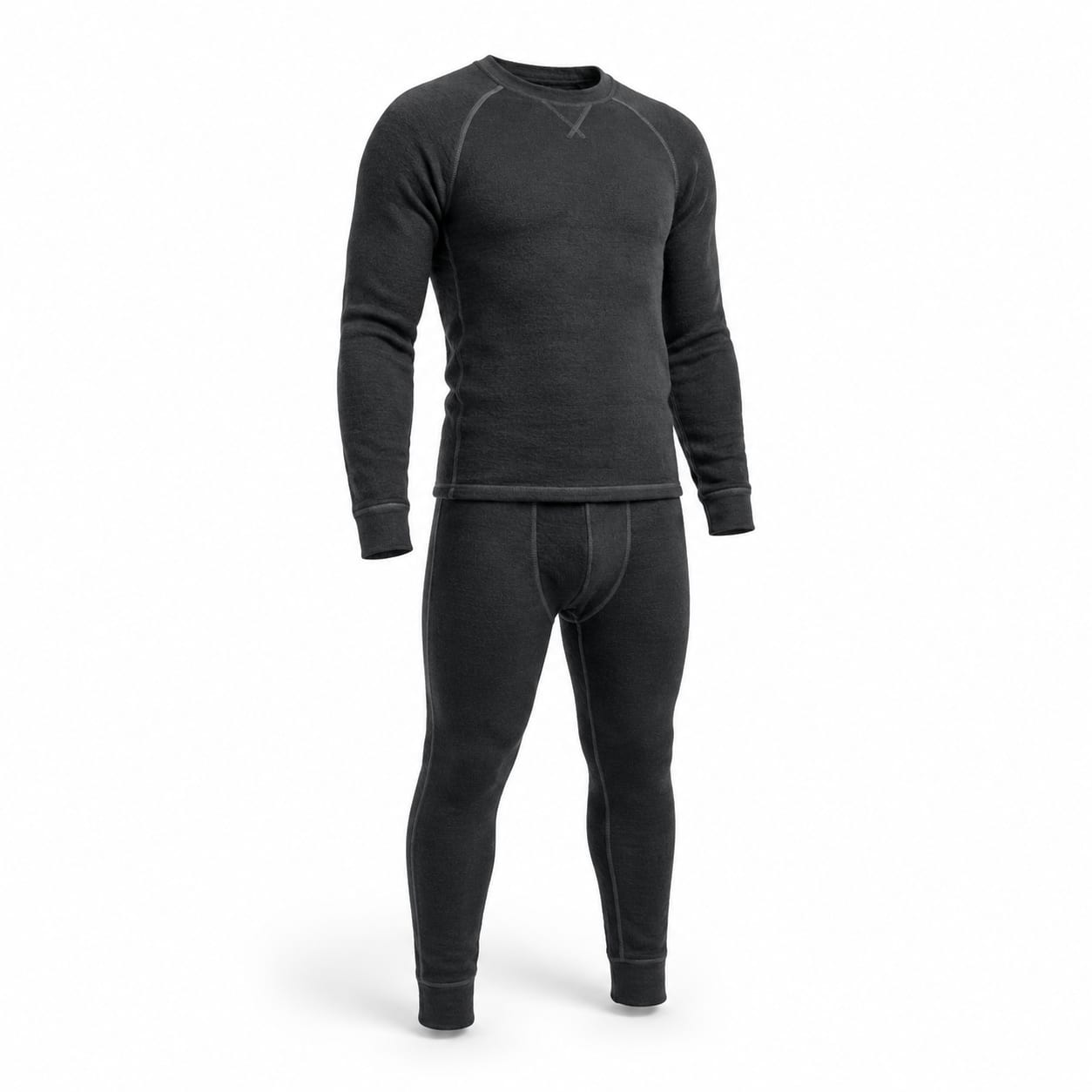
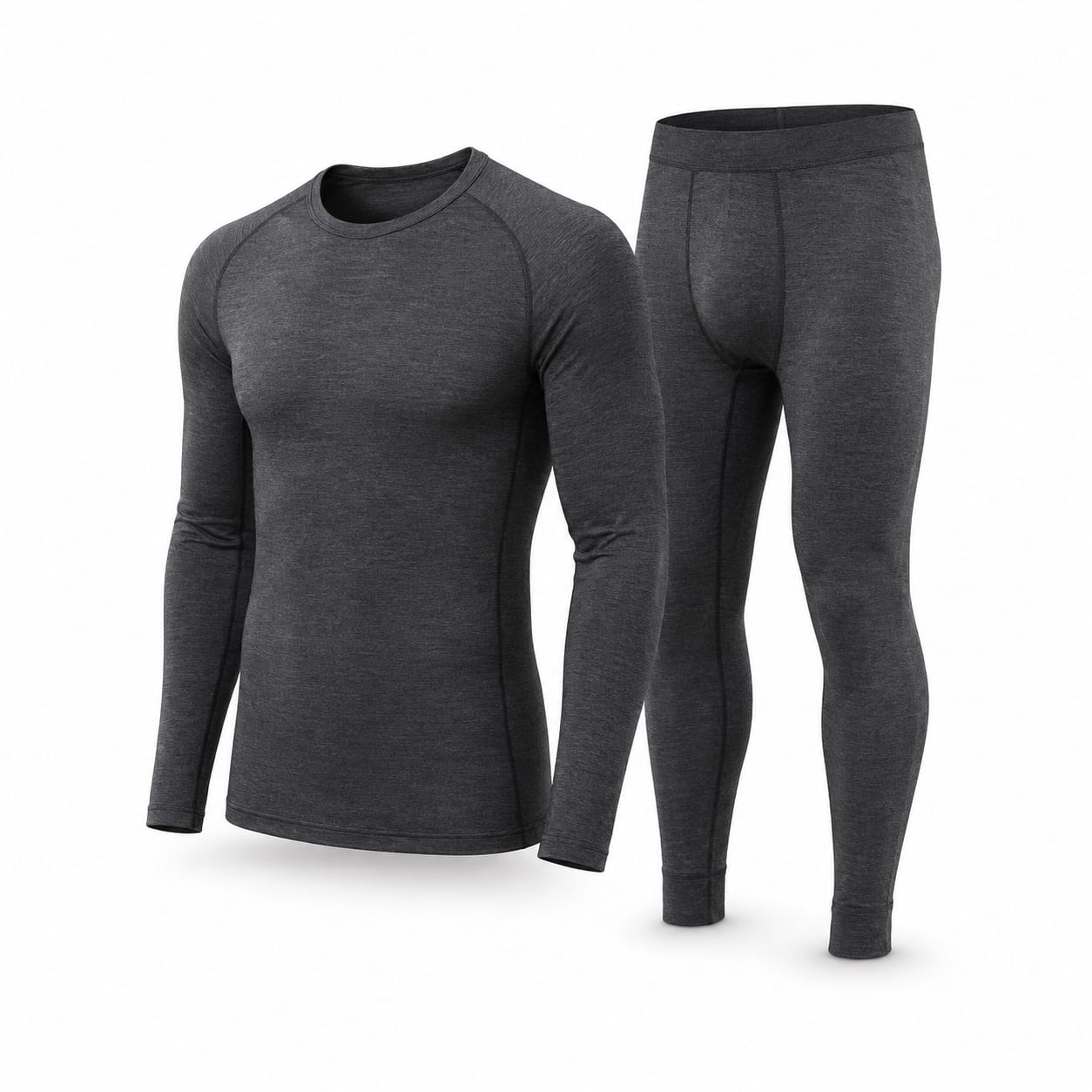
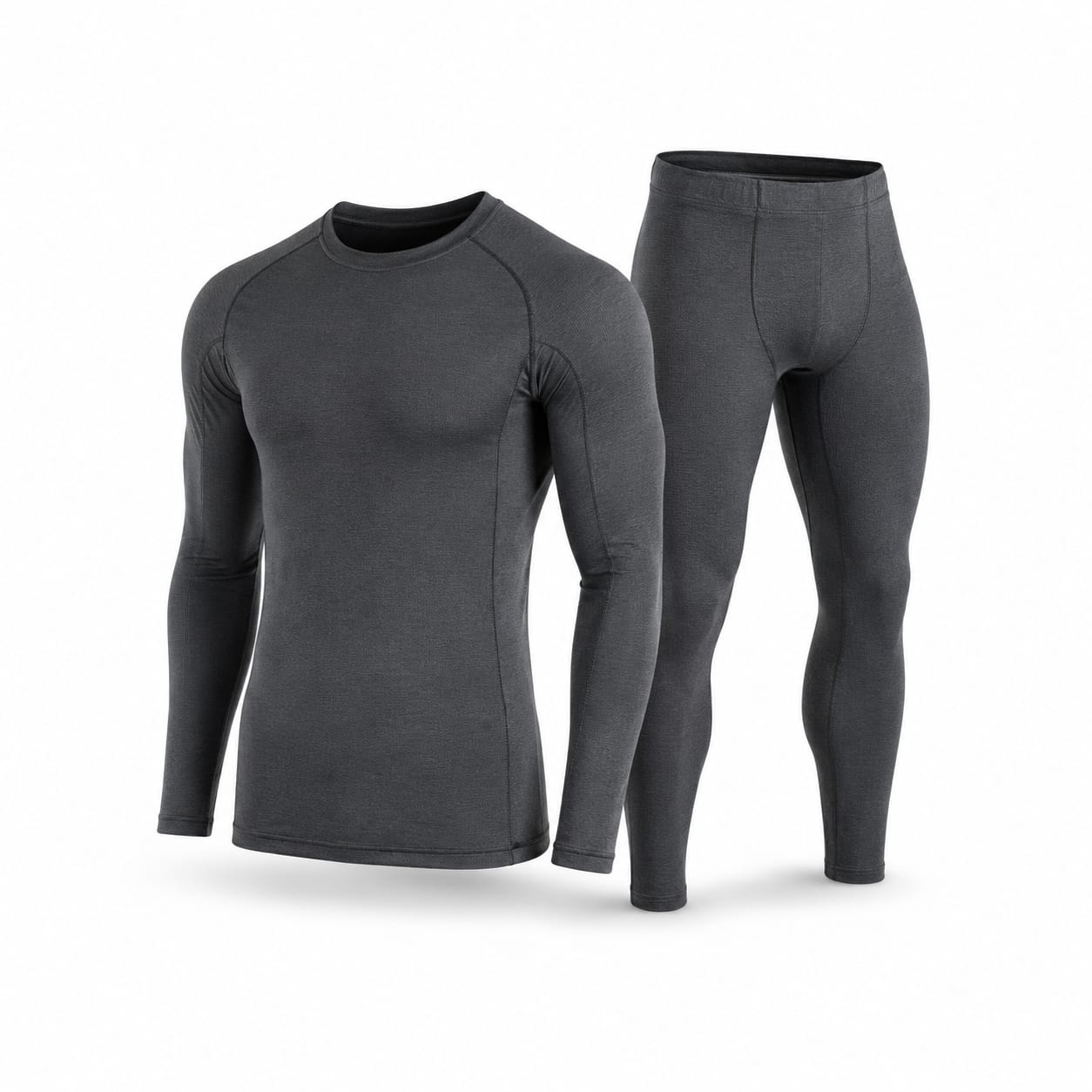
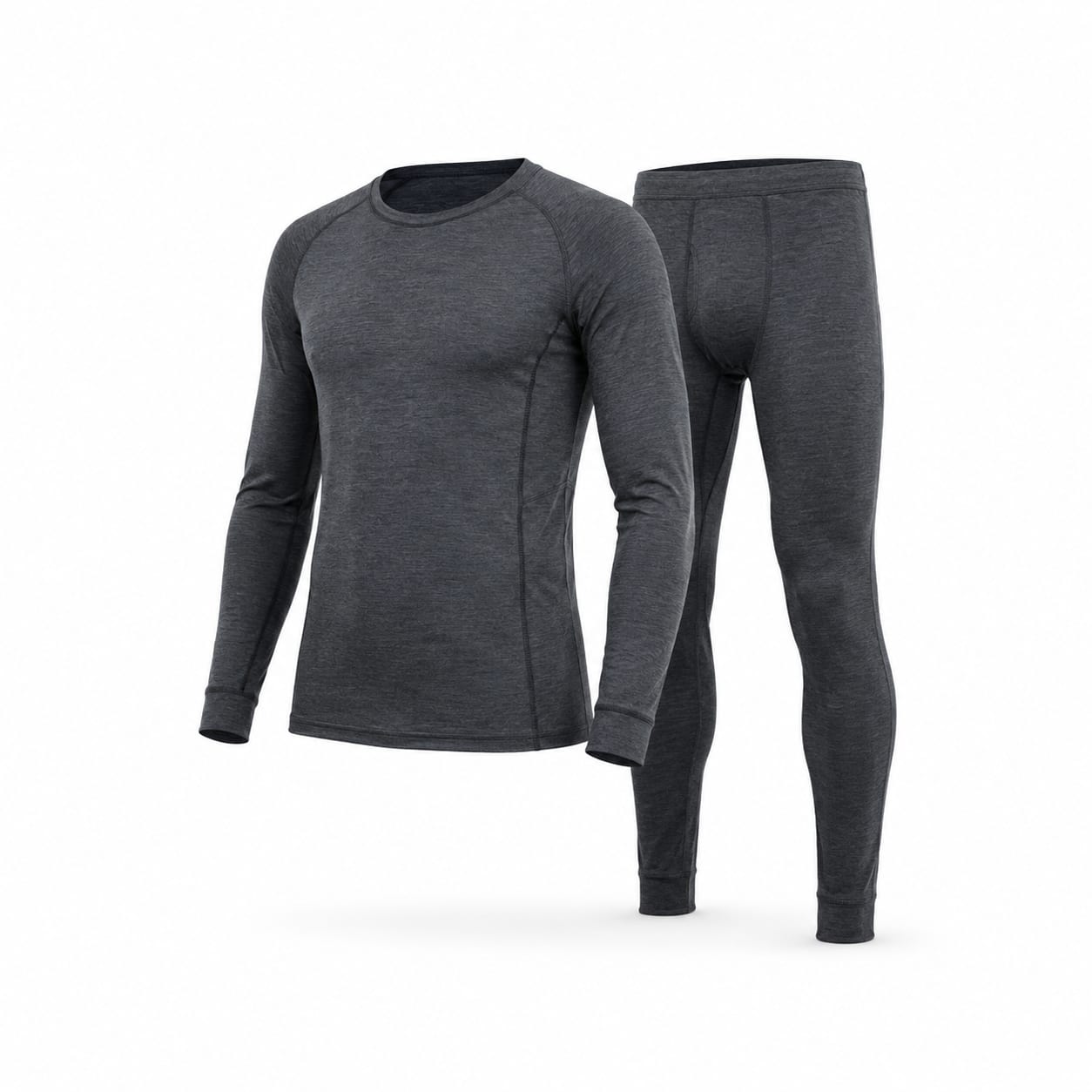
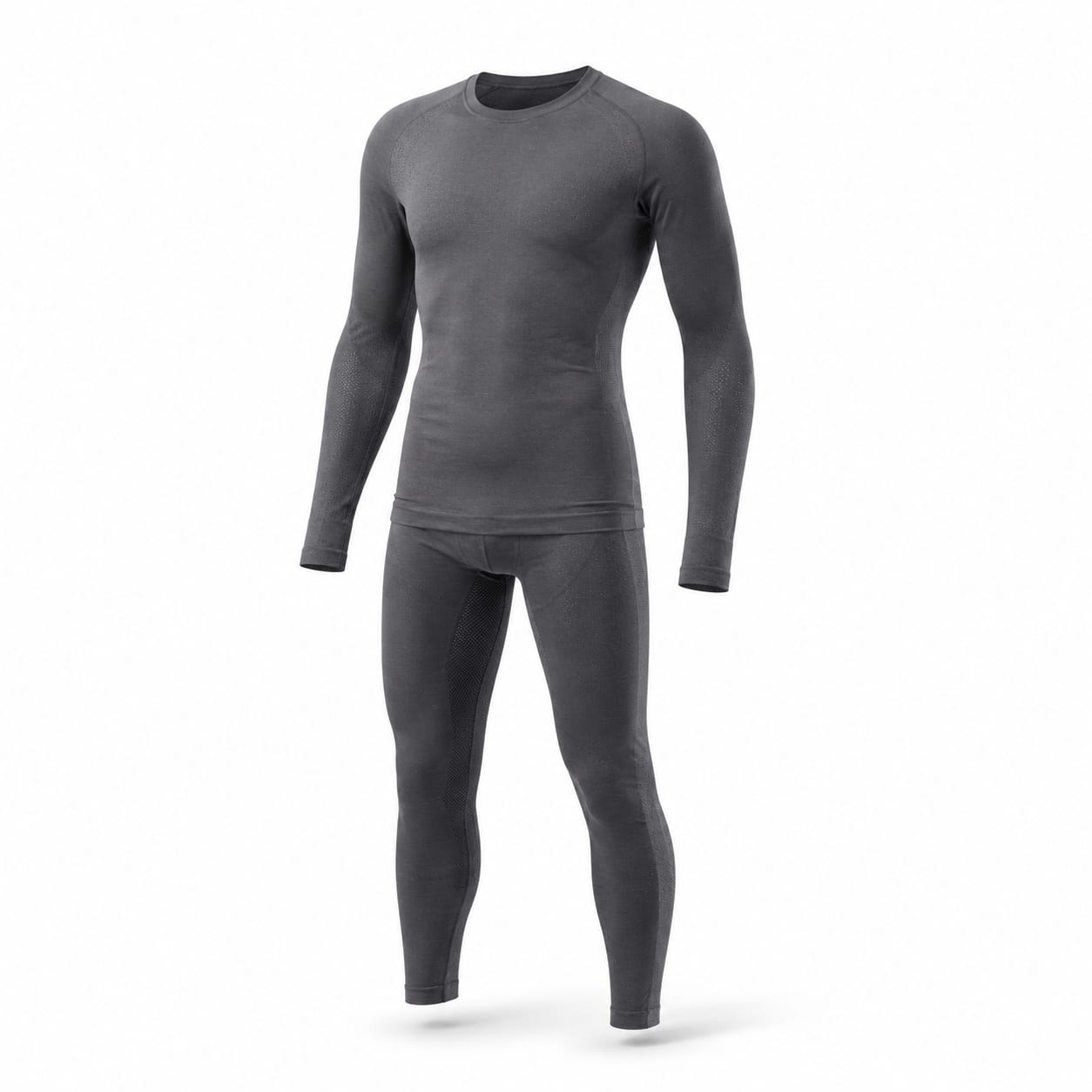
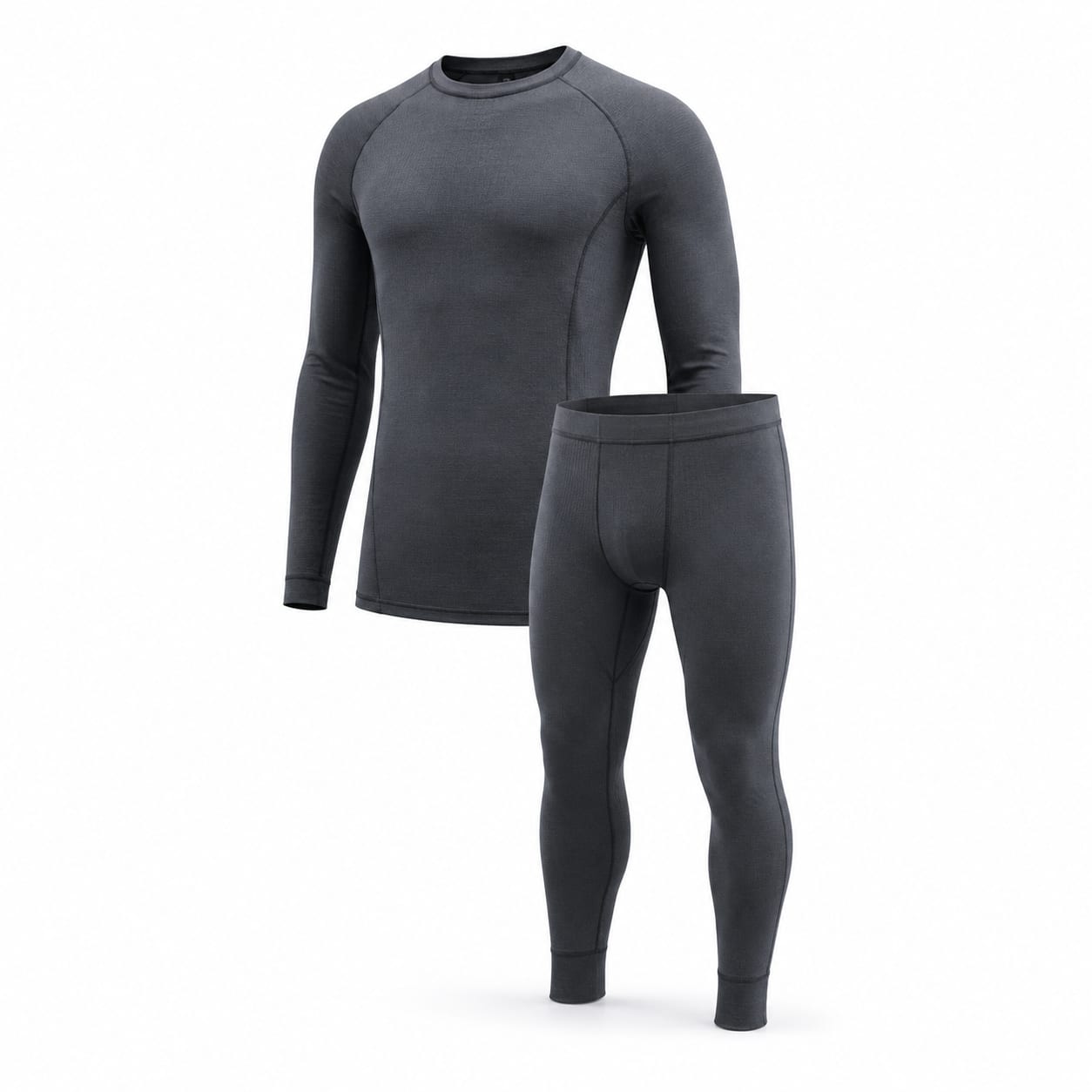
Ski underwear—commonly called base layers or long underwear—is the foundation of any effective cold-weather layering system. Its primary job is to manage moisture by wicking sweat away from the skin, while providing a baseline level of insulation. The right base layer keeps you dry and warm during high-output activity on the slopes and during sedentary lift rides. Material choice (merino wool vs. synthetic vs. blends), weight class, and fit all significantly affect comfort and performance throughout a full day of riding.

Related equipment

Mid-layer fleeceSki socksSki jacketsSki pantsNeck gaitersHand warmers

Buying specs

Specs worth understanding before you buy

Each spec explains how it affects performance, fit, and whether a product suits your style and use case.

Material & Construction

Core fabric and build characteristics that define the base layer's fundamental performance properties.

Material Type

material_type

Importance

The primary fabric composition of the base layer, which determines moisture management, odor resistance, warmth, durability, and care requirements.

Merino Wool

Natural fiber from merino sheep; excellent thermoregulation, odor resistance, and moisture absorption while remaining breathable.

Synthetic Polyester

Engineered polyester fabric, often with grid or channel structures; fastest drying and most durable option.

Synthetic Nylon

Smooth nylon-based fabric with a silk-like hand feel; durable and abrasion-resistant.

Wool-Synthetic Blend

Combines merino wool with synthetic fibers (typically polyester or nylon) to balance odor resistance with durability.

Merino wool is the most popular choice for ski base layers due to its odor resistance and comfort across a wide temperature range. Synetics dry faster and last longer but require more frequent washing. Blends offer a practical middle ground.
Weight Class

weight_class

Importance

The fabric weight category, which correlates with warmth, bulk, and intended temperature range. Measured in grams per square meter (g/m²) of fabric.

Typical range: 100–350 g/m²

Ultralight (<130 g/m²)

Very thin, almost sheer fabric for maximum breathability and minimal insulation.

Lightweight (130–180 g/m²)

Thin, form-fitting fabric with light insulation; the most versatile weight class.

Midweight (180–260 g/m²)

Medium-thickness fabric providing noticeable warmth; the most common ski-specific weight.

Heavyweight (260–350 g/m²)

Thick, plush fabric with maximum insulation for base layer applications.

Most skiers are best served by lightweight or midweight base layers. Choose lightweight if you run hot or ski aggressively; midweight if you run cold or spend more time on lifts. Heavyweight is for extreme cold only.

Seam Construction

seam_construction

Importance

The type and placement of seams, which affect chafing potential, durability, and comfort under layers and gear.

Flatlock Seams

Seams lay flat against the skin with overlapping stitch construction; reduces bulk and chafing.

Seamless / Knit-in-One

Garment is knit as a single piece or with minimal seams; no stitching against the skin.

Bonded / Welded Seams

Fabric panels joined with heat-bonded adhesive rather than stitching; ultra-thin seam profile.

Overlock / Standard Seams

Traditional stitched seams with visible thread loops on the inside; bulkier than alternatives.

Flatlock seams are the minimum standard for ski base layers. Seamless or bonded construction is worth the premium if you have sensitive skin or wear tight-fitting outerwear. Avoid overlock seams for active skiing.

Body-Mapped Construction

body_mapping

Importance

Whether the garment uses strategically placed fabric zones with different weights, textures, or knit structures to optimize warmth and breathability where needed.

Yes

Features zoned construction with varying fabric weights or structures across different body areas.

No

Uniform fabric construction throughout the garment.

Body-mapped construction is a meaningful upgrade for serious skiers. The underarm mesh zones and reinforced core panels make a noticeable difference during variable-output days.

Stretch

stretch

Importance

The garment's ability to stretch and recover, affecting freedom of movement and long-term fit retention.

4-Way Stretch

Stretches in both horizontal and vertical directions with full recovery; maximum mobility.

2-Way Stretch

Stretches in one direction (typically horizontal) with recovery; adequate for most skiing movements.

Minimal / No Stretch

Little to no elastane; relies on fabric's natural give or mechanical stretch.

4-way stretch is ideal for skiing's dynamic movements. Even 2% elastane makes a noticeable difference. Pure merino without stretch tends to bag out by end of day.

Thermal & Moisture Performance

Attributes that determine how the base layer manages heat and perspiration during active skiing.

Moisture Wicking

moisture_wicking

Importance

The garment's ability to pull perspiration away from the skin and spread it across the fabric surface for evaporation. Critical for staying dry and warm during active skiing.

Excellent

Rapid, continuous moisture transport; fabric feels dry to the touch within minutes of heavy sweating.

Good

Effective moisture movement under normal activity levels; may feel slightly damp during peak output.

Moderate

Acceptable moisture management for low-output activities; slower drying and less efficient transport.

Poor

Minimal wicking capability; fabric retains moisture against the skin.

Moisture wicking is the single most important performance attribute of a ski base layer. Synthetics generally wick faster; merino absorbs more moisture but feels less clammy. Never compromise on wicking ability.

Warmth Rating

warmth_rating

Importance

The perceived warmth level of the garment, combining material, weight, and construction into a single comparative metric.

Light Warmth

Minimal insulation; designed primarily for moisture management in mild to cool conditions.

Moderate Warmth

Noticeable insulation balanced with breathability; the sweet spot for most skiing.

High Warmth

Significant insulation for cold conditions; thicker fabric with more trapped air.

Extreme Warmth

Maximum insulation for the coldest conditions; expedition-weight fabric.

Match warmth rating to your typical skiing conditions and personal thermostat. Most resort skiers need moderate warmth. It's easier to add a mid-layer than to deal with an overheating base layer.

Odor Resistance

odor_resistance

Importance

The garment's ability to resist bacterial growth and associated odors over multiple wears. Affects how many days you can wear the base layer between washes on multi-day trips.

Excellent (5+ days)

Natural antimicrobial properties resist odor even after extended multi-day wear; typical of high-quality merino wool.

Good (3–4 days)

Treated or blended fabric with effective odor control for several days of wear.

Moderate (1–2 days)

Some odor resistance from fabric treatment or blend; noticeable odor after 1-2 full days.

Low (same day)

Minimal odor resistance; synthetic fabric without treatment develops odor within hours of active wear.

If you take multi-day ski trips, merino wool's odor resistance is a major advantage. For day trips with laundry access, odor resistance matters less. Silver-ion treatments on synthetics help but wear off over time.

UPF Rating

upf_rating

Importance

Ultraviolet Protection Factor rating indicating how effectively the fabric blocks UV radiation. Relevant for high-altitude spring skiing.

UPF 50+

Blocks 98%+ of UV radiation; excellent sun protection.

UPF 30

Blocks ~97% of UV radiation; very good sun protection.

Not Rated

No UPF rating provided; may still offer some UV protection based on fabric density.

UPF rating matters most for spring skiing at high altitudes where UV radiation is intense. For mid-winter skiing, this is a minor consideration. Merino wool naturally provides good UV protection.

Fit & Sizing

Dimensions related to how the garment fits the body and accommodates different body types.

Fit Type

fit_type

Importance

How closely the garment conforms to the body, affecting moisture wicking efficiency, layering compatibility, and freedom of movement.

Compression

Very tight, second-skin fit designed to press against muscle groups; may include graduated compression zones.

Slim / Form-Fitting

Close to the body with minimal excess fabric; the most common and recommended fit for ski base layers.

Regular

Standard fit with slight ease through the body; comfortable but not skin-tight.

Relaxed

Loose fit with significant ease; drapes rather than hugs the body.

A slim or form-fitting base layer is ideal for skiing because it maintains contact with skin for efficient wicking. If between sizes, size down rather than up for base layers.

Gender

gender_specific

Importance

The intended gender fit of the garment, which affects cut, proportions, and anatomical features.

Men's

Cut for male proportions with broader shoulders, longer torso, narrower hips, and a front fly on bottoms.

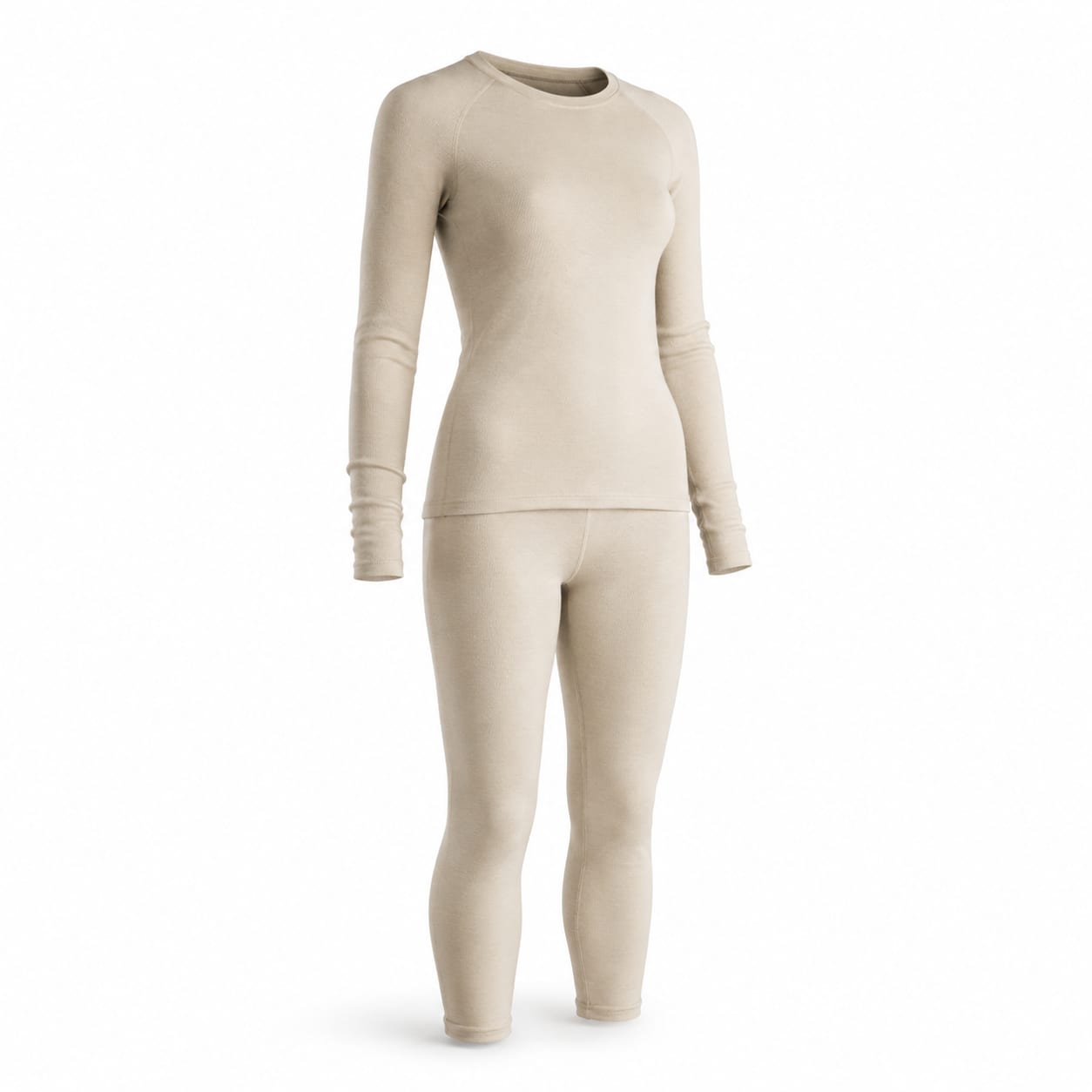
Women's

Cut for female proportions with narrower shoulders, shorter torso, wider hips, and potentially a contoured waist.

Unisex

Generic cut designed to accommodate a range of body types; typically based on men's sizing.

Youth

Sized and proportioned for children and adolescents; often with growth-friendly features.

Always choose gender-specific base layers for the best fit. Women's-specific cuts are not just marketing—they account for real proportional differences that affect layering performance.

Style & Design

Design choices that affect layering compatibility, convenience, and personal preference.

Top Style

garment_style_top

Importance

The neckline and design of the upper-body base layer, affecting ventilation, layering, and comfort.

Crew Neck

Classic round neckline that sits at the base of the throat; simple and versatile.

Half-Zip Mock Neck

Mock neck collar with a short zipper (6–10 inches) for adjustable ventilation.

Quarter-Zip

Lower collar with zipper extending to mid-chest; more ventilation than half-zip.

Hooded

Includes a fitted hood that covers the head and neck; replaces separate balaclava in some setups.

Half-zip mock necks are the most versatile for skiing, allowing you to dump heat on climbs and seal up on lifts. Crew necks work fine if you always wear a neck gaiter.

Bottom Style

garment_style_bottom

Importance

The length and design of the lower-body base layer, affecting coverage, layering, and boot compatibility.

Full Length (Ankle)

Extends to the ankle with stirrups or a close hem; full leg coverage under ski pants.

3/4 Length (Calf)

Ends mid-calf, above the ski boot line; eliminates bulk inside the boot.

Short / Brief

Upper thigh or hip-length bottom; minimal coverage for maximum ventilation.

3/4 length bottoms are increasingly popular among serious skiers because they eliminate fabric bunching inside the boot, which can cause discomfort and restrict circulation. Full length works fine if you don't have boot fit issues.

Thumbholes

thumbholes

Importance

Whether the top includes thumbholes at the cuff to keep sleeves in place and provide hand coverage during layering.

Yes

Features thumbholes at the cuff; sleeves stay anchored and extend coverage to hands.

No

Standard cuffs without thumbholes; simpler design with less hand coverage.

Thumbholes are a nice-to-have feature that prevents sleeve ride-up and adds wrist warmth. They're especially useful for cold-handed riders but not essential for most skiers.

Gusseted Crotch

gusseted_crotch

Importance

Whether the bottom base layer includes a diamond or triangular fabric panel at the crotch for enhanced mobility and reduced seam stress.

Yes

Features a gusseted crotch panel that eliminates the 4-seam intersection point and adds range of motion.

No

Standard crotch construction with seams meeting at a central point.

A gusseted crotch is particularly valuable for snowboarders who spend time in deep bends and sitting positions. Skiers benefit too but the difference is less dramatic.

Fly Type

fly_type

Importance

The type of front opening on men's base layer bottoms, affecting convenience and comfort.

Vertical Fly

Traditional vertical opening with overlap; standard on most men's bottoms.

Horizontal Fly

Side-opening fly that lies flatter against the body; reduces bulk under layers.

No Fly

Solid front panel without any opening; simplest construction.

Fly type is a minor convenience feature. Horizontal flies are becoming more common in performance base layers for their lower profile. This is purely a personal preference issue.

Waistband Type

waistband_type

Importance

The style and construction of the waistband on bottom base layers, affecting comfort under layers and during movement.

Elastic Band

Traditional elastic encased in fabric; secure and simple.

Wide Yoga-Style Band

Wide, flat waistband that distributes pressure; comfortable under layers.

Drawcord Waistband

Elastic waistband with adjustable drawcord for customizable fit.

Integrated / Knit-In

Waistband is knit as part of the garment with inherent stretch; no separate band.

Wide yoga-style bands are the most comfortable under ski pants. Drawcords help if you're between sizes. This is a comfort preference, not a performance-critical feature.

Specs FAQ

Common questions about these buying specs

Plain-English answers for each spec and option — tap through for the full explanation.

Is merino wool really worth it for ski base layers, or should I just go with synthetic?

Merino wool is the most popular choice for ski base layers for good reason. Its biggest advantage is natural odor resistance—you can wear it for multiple days on a ski trip without it smelling, which synthetics simply can't match. It also regulates temperature beautifully, keeping you warm on cold lift rides but not overheating when you're working hard on the slopes. Another key benefit: merino stays warm even when damp from sweat, whereas synthetic fabrics can feel clammy against your skin. This matters a lot during those transitions between high-output skiing and sitting still on the chairlift. The trade-offs? Merino is less durable than synthetic options and requires gentler washing—no hot water or high-heat drying, or it'll shrink. It's also typically pricier. But if you're doing multi-day trips or all-day resort skiing, the comfort and odor control usually make it well worth the investment.

I run hot and sweat a lot on the slopes—should I go with synthetic polyester base layers instead of merino wool?

If you're a heavy sweater or doing high-output activities like backcountry touring, synthetic polyester is an excellent choice. It's the fastest-drying base layer material available, meaning sweat gets pulled off your skin and evaporates quickly—so you're less likely to get chilled when you stop moving. Synthetic polyester is also the most durable option and typically the most budget-friendly, making it great if you're hard on your gear or watching your wallet. Many feature grid or channel textures that trap warm air while still breathing well. The trade-off is odor—polyester holds onto smell faster than merino wool, so plan to wash it after every day on the hill. It can also feel clammy against your skin if you do get soaked, since it doesn't absorb moisture the way wool does. For hot sweaters who don't mind regular laundry, it's a solid pick.

Why would I pick a nylon base layer instead of merino wool or polyester?

Nylon base layers stand out for their smooth, almost silk-like feel and exceptional durability. If you're layering under tight-fitting ski pants or a snug race suit, nylon's slick surface lets your outerwear glide easily without bunching or catching—something woolier fabrics can struggle with. They're also a great call if you're tough on your gear. Nylon resists abrasion and holds up well to repeated washings, making it a solid choice for frequent riders who don't want to baby their base layers. The main trade-off is drying speed. While nylon wicks moisture well, it dries a bit slower than polyester grid fabrics, so if you're a heavy sweater or doing high-output backcountry tours, polyester might be the better pick. But for resort skiing where you want a smooth, durable layer that slides easily under your kit, nylon is hard to beat.

I keep seeing wool-synthetic blend base layers — are they actually a good compromise, or should I just pick pure merino or full synthetic?

Wool-synthetic blends combine merino wool with polyester or nylon to give you the best of both worlds. You get merino's natural odor resistance so you can wear the base layer multiple days without it getting funky, plus the added durability of synthetic fibers that hold up better to frequent washing and the friction of layering under ski gear. These blends are an excellent choice if you ski both resort and backcountry and want one versatile base layer. They handle all-day lift sessions and skintrack laps equally well, and the synthetic component means they won't break down as quickly as pure merino under backpack straps or tight harnesses. The trade-off is you lose a bit of merino's plush, natural feel against your skin, and moisture absorption isn't quite as good as 100% wool. But for most skiers and riders, the durability boost is worth that small compromise — pure merino can develop holes relatively quickly with regular use, and blends help solve that problem.

Subcategories

Different styles, different picks

Each sub-type has its own guide with typical specs, trade-offs, and buying advice.

Lightweight Base Layers

Lightweight Base Layers

$25 – $90

common

Thin, highly breathable base layers for high-output skiing in mild conditions or warm-skinned individuals.

ultra-thin fabrichigh breathabilityrapid moisture wicking
Midweight Base Layers

Midweight Base Layers

$35 – $130

dominant

Versatile, moderately insulated base layers that are the most popular choice for typical winter skiing conditions.

moderate insulationgood breathabilityeffective moisture wicking
Heavyweight Base Layers

Heavyweight Base Layers

$45 – $160

common

Maximum-insulation base layers designed for extreme cold, low-activity skiing, or cold-sensitive individuals.

thick fabric constructionhigh insulationbrushed or fleece interior
Merino Wool Base Layers

Merino Wool Base Layers

$50 – $200

common

Premium natural-fiber base layers prized for odor resistance, temperature regulation, and next-to-skin comfort.

natural odor resistanceexcellent thermoregulationsoft next-to-skin feel
Synthetic Base Layers

Synthetic Base Layers

$20 – $80

common

Budget-friendly, quick-drying base layers made from polyester or polypropylene for reliable moisture management.

rapid dryinghighly durableaffordable
Merino-Synthetic Blend Base Layers

Merino-Synthetic Blend Base Layers

$40 – $140

common

Hybrid base layers combining merino wool comfort and odor resistance with synthetic durability and dry time.

merino interior facesynthetic exteriorbalanced odor resistance
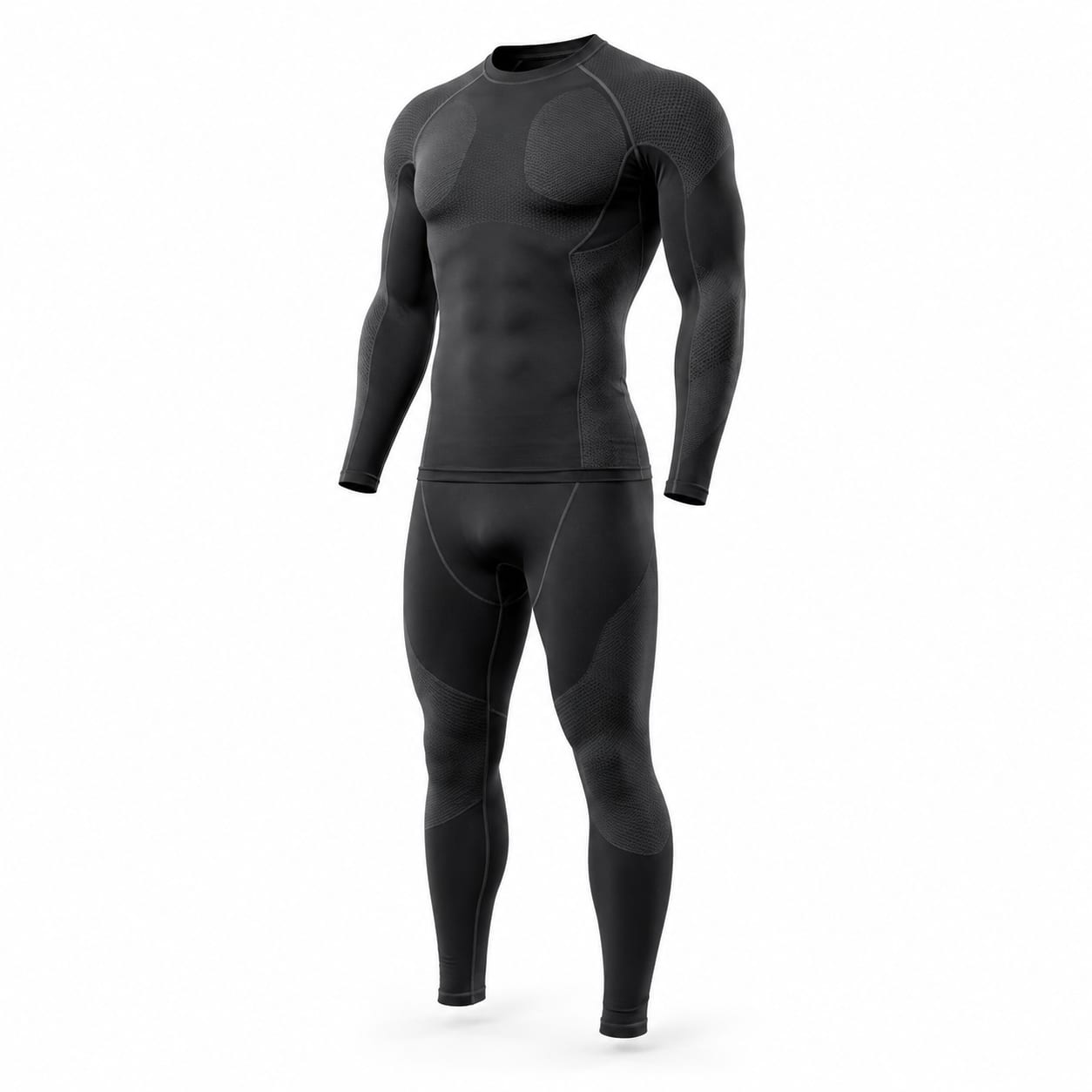
Compression Base Layers

Compression Base Layers

$40 – $130

niche

Tight-fitting performance base layers providing muscle support and enhanced circulation during skiing.

graduated compressiontight body-hugging fitmuscle stabilization
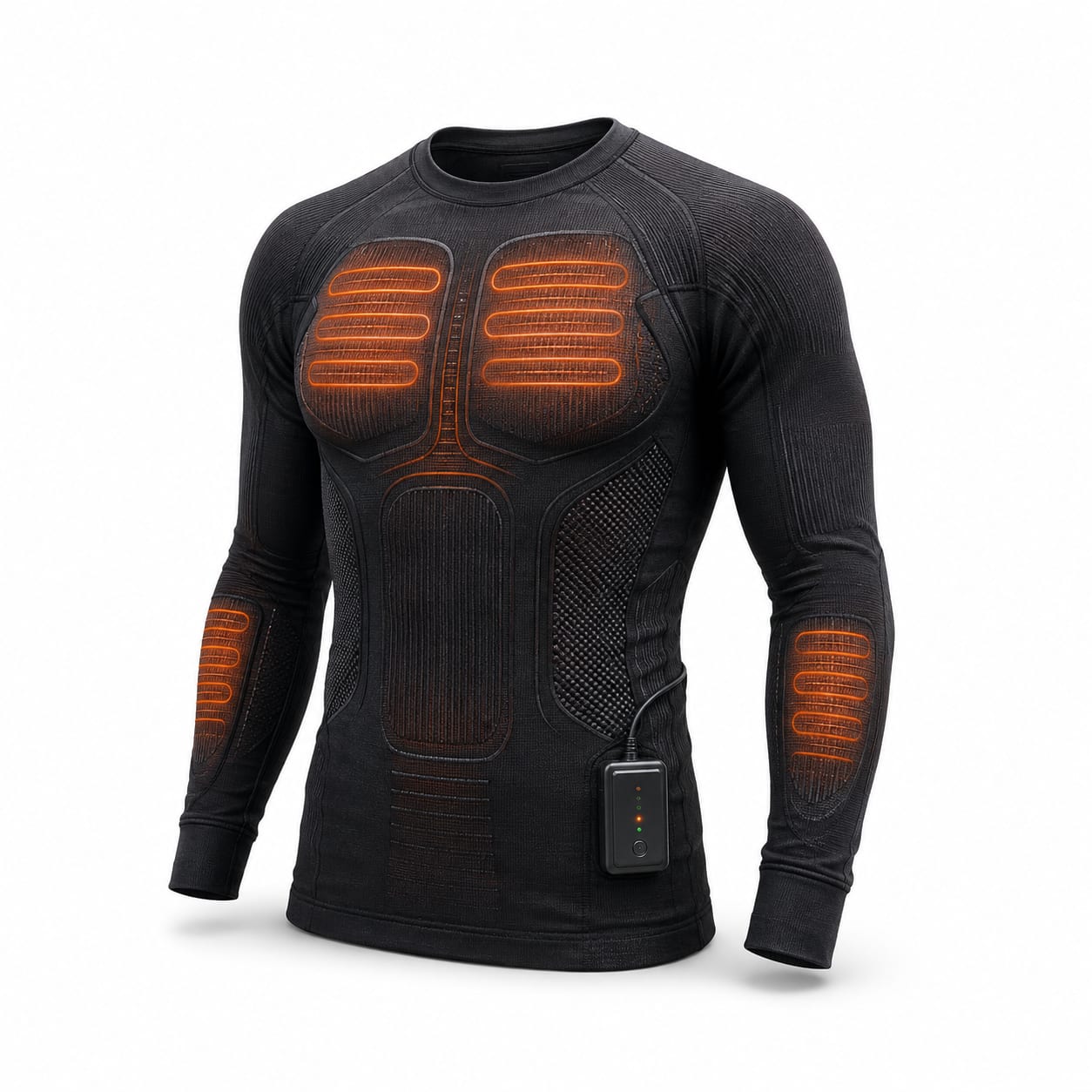
Heated Base Layers

Heated Base Layers

$80 – $300

niche

Battery-powered base layers with integrated heating elements for adjustable, on-demand warmth.

integrated heating elementsrechargeable batteryadjustable heat settings
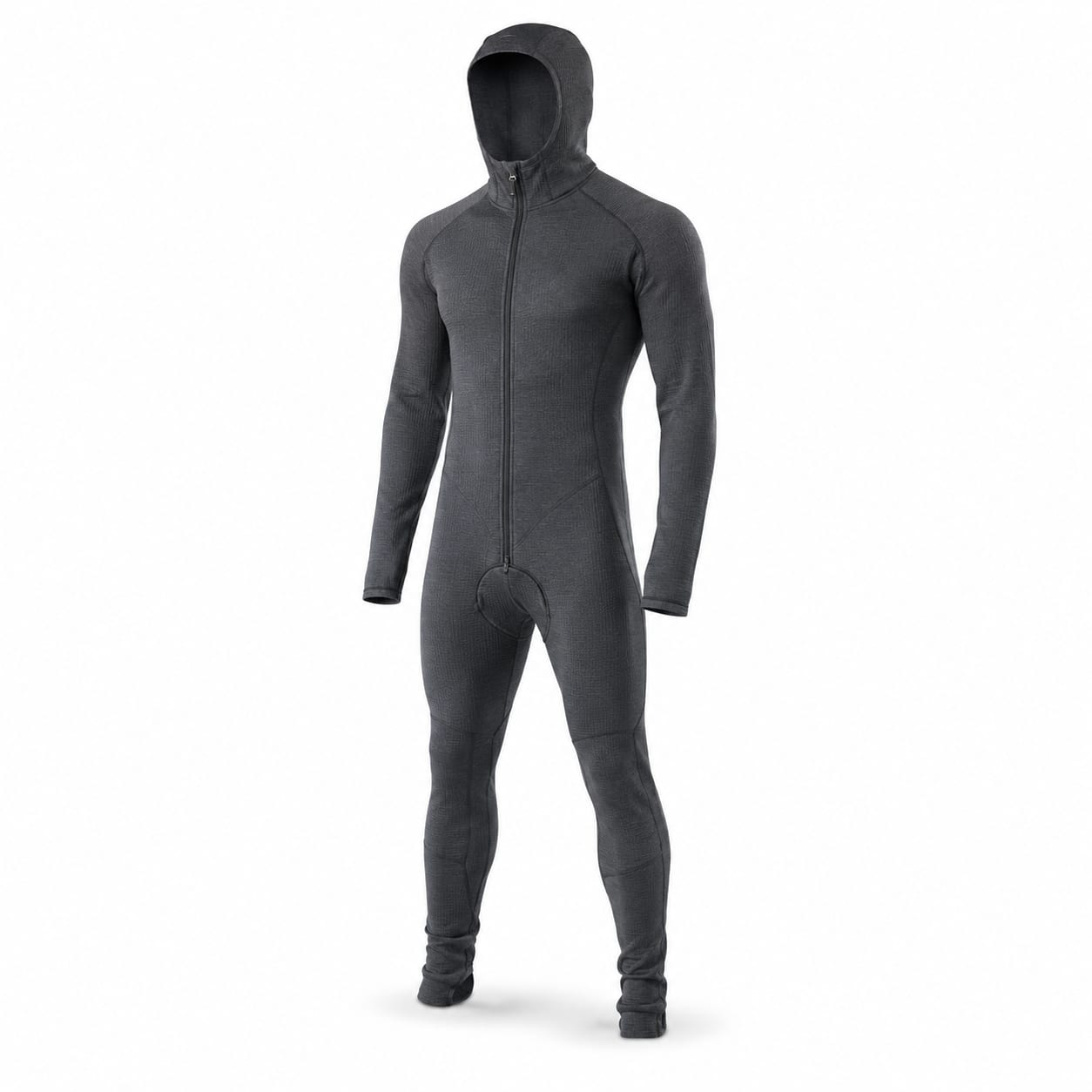
One-Piece Base Layer Suits

One-Piece Base Layer Suits

$70 – $250

niche

Full-body base layer suits that eliminate exposed skin gaps and provide seamless coverage under outer layers.

full body coverageno gap between top and bottomdrop-seat or zip relief
Bamboo and Natural Fiber Base Layers

Bamboo and Natural Fiber Base Layers

$30 – $100

specialty

Eco-friendly base layers made from bamboo viscose or other sustainable natural fibers with inherent odor resistance.

sustainable materialsultra-soft hand feelnatural odor resistance