
Snow Jacket · FAQ
Questions about Race Ski Jacket
Straight answers on fit, specs, and when this type makes sense — each topic has its own page with links back to the buying guide.
Open Race Ski Jacket guide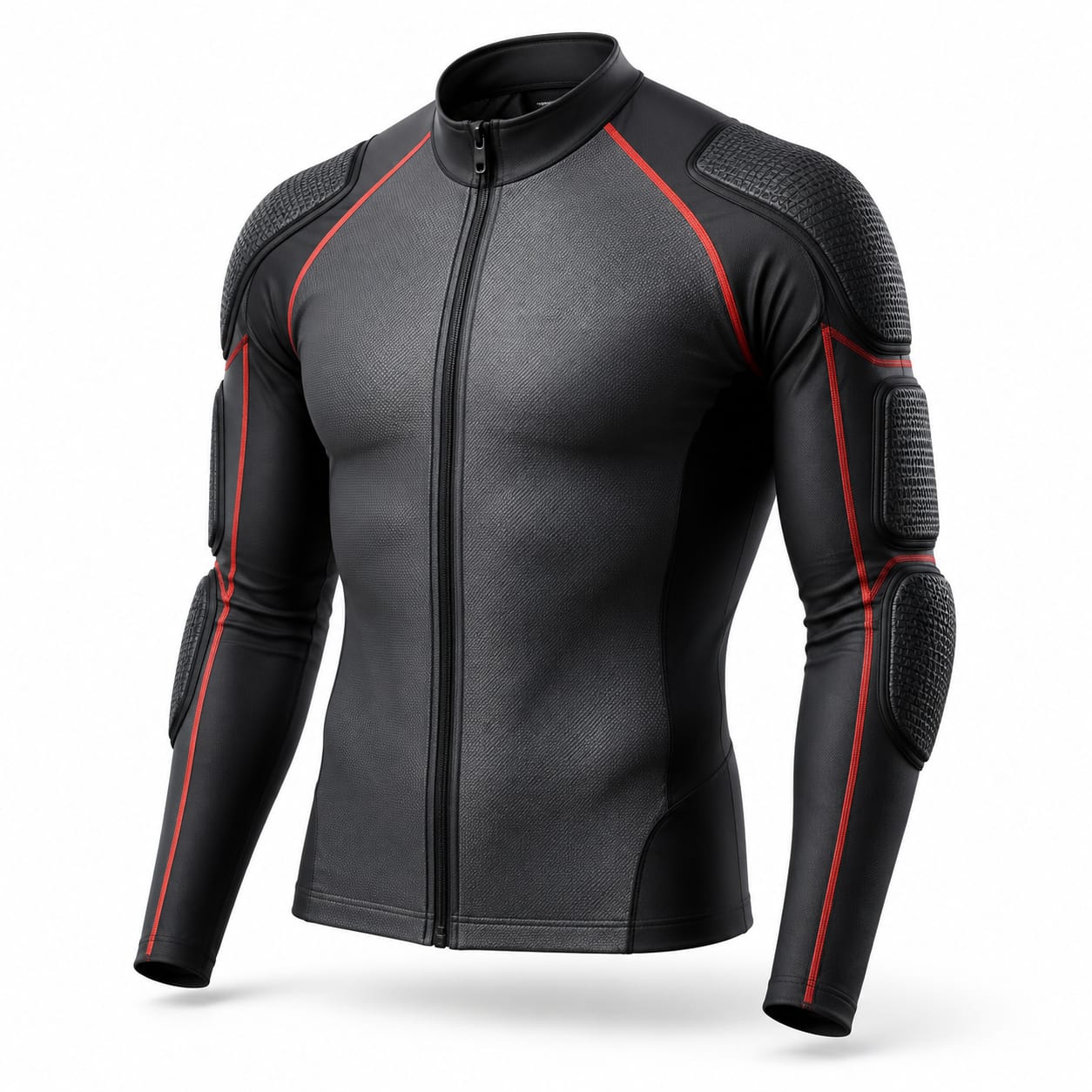
6 topics
Pick a question
Every answer links to the full subcategory guide and related gear types when it helps you decide.
Do I need a FIS-certified race jacket for club racing and NASTAR?
Most club-level racing and NASTAR events do not require FIS-certified equipment. However, if you plan to advance to regional or national USSS competitions, FIS certification becomes mandatory. For club racing and NASTAR, a non-certified race-style jacket with similar stretch and fit characteristics will work fine and typically costs less. Check with your race organization for specific requirements before investing.
Read answer →02Can I use my race jacket for regular resort skiing?
Technically yes, but it's not recommended. Race jackets are uncomfortable for all-day wear due to the slim fit, lack features you'll miss (hood, pockets, powder skirt), and will wear out faster from casual use. Many racers keep a separate all-mountain jacket for free skiing and reserve their race jacket for training and competition. If budget is tight, look for a race-training jacket with slightly more relaxed fit that can double for both purposes.
Read answer →03Why are race jackets so much more expensive than regular ski jackets?
Race jackets use specialized stretch waterproof-breathable membranes that are more expensive to manufacture than standard membranes. The body-hugging fit requires more complex patterning and construction. FIS certification involves testing and compliance costs. Production volumes are much lower than recreational jackets, which means less economy of scale. And the reinforced panels for gate contact add material and construction complexity. You're paying for specialized performance, not general versatility.
Read answer →04How should a race jacket fit compared to my normal ski jacket?
A race jacket should fit like a second skin with no excess fabric anywhere. When standing upright, it may feel slightly tight across the chest and shoulders—this is correct. In a skiing tuck position, the jacket should move with you without pulling or restricting breathing. The sleeves should reach your wrists with arms extended forward (ski pole position), and the hem should cover your waist without riding up in the tuck. If you can comfortably zip it up and walk around the lodge without feeling constrained, it's probably too loose for racing.
Read answer →05Do I need different race jackets for different disciplines (SL vs. DH)?
Not necessarily—most racers use one race jacket across all disciplines. However, some elite-level racers prefer discipline-specific features: slalom racers may want extra forearm padding for gate contact, while speed event racers may prioritize the most aerodynamic fit possible and minimal features. At most competitive levels, a single well-fitting race jacket serves all disciplines. The more important discipline-specific equipment is the race suit (speed suits for SG/DH vs. padded suits for SL/GS).
Read answer →06How long should a race jacket last with regular training?
Expect 1-2 seasons of heavy use (3-5 training days per week) before a race jacket needs replacement. The stretch membranes degrade with repeated stretching and washing, and gate-contact abrasion eventually compromises even reinforced panels. Recreational racers who train 1-2 days per week may get 3-4 seasons. Signs it's time to replace: the jacket no longer recovers its shape after stretching, waterproofing has failed despite DWR reapplication, or gate damage has created unrepaired tears in the membrane.
Read answer →