Kitvore.com

Kitvore.com

Specs that matter. Gear that fits.

Ski & Snowboard Equipment

Snow Jacket

A specialized waterproof and insulated jacket designed for skiing, snowboarding, and other winter mountain activities, providing protection from cold, wind, moisture, and snow.

Resort skiers and snowboardersBackcountry tourers and splitboardersFreestyle park ridersSnowshoers and winter hikers

16

Key specs

10

Subcategories

6

Related gear topics

Snow Jacket

Overview

What this equipment is for

Snow jackets are engineered to keep riders warm and dry in harsh alpine conditions while allowing freedom of movement. They range from lightweight shells for high-output backcountry touring to heavily insulated resort jackets. Key differentiators include waterproofing, breathability, insulation type, and feature sets tailored to specific riding styles and conditions.

Related equipment

Snow pantsMid-layer fleeceBase layer topSki gogglesSki glovesBackpack

Buying specs

Specs worth understanding before you buy

Each spec explains how it affects performance, fit, and whether a product suits your style and use case.

Weather Protection

Attributes that determine how well the jacket protects against rain, snow, wind, and moisture ingress.

Waterproof Rating

waterproof_rating

Importance

The hydrostatic head rating measuring how much water pressure the fabric can resist before leaking, expressed in millimeters. Higher numbers indicate better waterproofing.

Typical range: 5000–30000 mm

5,000–10,000mm is adequate for light snow and fair weather resort days. 10,000–15,000mm handles moderate to heavy snowfall and is the sweet spot for most riders. 15,000–20,000mm is ideal for wet coastal climates and deep powder days. 20,000mm+ is for extreme conditions and backcountry use where staying dry is safety-critical.

Breathability Rating

breathability_rating

Importance

Measures how much water vapor (sweat) can pass through the fabric over 24 hours, expressed in g/m². Higher numbers mean better moisture management and less clamminess during exertion.

Typical range: 5000–40000 g/m²/24hr

5,000–8,000 g/m² is fine for low-intensity resort riding in cold temps. 10,000–15,000 g/m² suits most all-mountain riders. 15,000–20,000 g/m² is recommended for touring, hiking, and high-exertion riding. 20,000+ g/m² is best for backcountry where sweat management is critical to safety.

Seam Sealing

seam_sealing

Importance

The method used to seal stitched seams, which are the weakest points for water entry. Critical for actual waterproof performance beyond the fabric rating.

Fully Seam-Sealed

Every seam on the jacket is taped with waterproof tape. Maximum water protection.

Critically Seam-Sealed

Only seams in high-exposure areas (shoulders, hood, chest) are taped. Good balance of protection and cost.

Welded/Bonded Seams

Seams are bonded with glue or heat rather than stitched and taped. Cleanest look and excellent waterproofing.

For wet climates and deep powder, fully seam-sealed is worth the premium. Critically taped is sufficient for most resort riders in average conditions. Welded seams are found on premium technical pieces.

Membrane Technology

membrane_technology

Importance

The specific waterproof-breathable membrane or coating technology used in the jacket's construction. This is the core technology that determines real-world performance.

GORE-TEX

The industry gold standard ePTFE membrane. Offers excellent waterproofing and breathability with proven durability. Multiple variants (Standard, Pro, C-Knit, Paclite).

GORE-TEX Pro

The highest-performance GORE-TEX variant with the most breathable and durable membrane. For serious mountain use.

Proprietary Membrane (Brand-Specific)

House membranes from major brands (e.g., The North Face Futurelight, Patagonia H2No, Marmot MemBrain, Columbia Omni-Tech). Performance varies widely.

DWR Coating Only

Durable Water Repellent coating applied to fabric surface without a dedicated membrane. Water beads and rolls off but is not truly waterproof.

GORE-TEX is the safest choice for guaranteed performance. Proprietary membranes can offer excellent value—research specific brand performance. DWR-only is insufficient for anything beyond light snow. For backcountry, prioritize proven membrane technology.

Fabric Denier / Durability

fabric_denier

Importance

The thickness and durability of the outer face fabric, measured in denier. Higher denier fabrics are more abrasion-resistant and durable but heavier and less packable.

Typical range: 10–200 denier

10–30 denier is ultralight for touring—fragile but very packable. 40–70 denier is standard for most technical jackets—good balance of weight and durability. 80–150 denier is heavy-duty for freeride and workwear—resists tree branches and edge cuts. Many jackets use mixed deniers (high-wear areas get higher denier).

Insulation & Warmth

Attributes that determine how warm the jacket is and how it manages body temperature.

Insulation Type

insulation_type

Importance

The primary insulation material used in the jacket, which determines warmth-to-weight ratio, packability, and performance when wet.

Shell (No Insulation)

No built-in insulation; relies on layering underneath for warmth. Maximum versatility.

Synthetic Insulation

Man-made insulation (e.g., PrimaLoft, Thinsulate, Coreloft) that retains warmth when wet and dries quickly.

Down Insulation

Natural goose or duck down insulation offering the highest warmth-to-weight ratio and compressibility.

Hybrid/Mixed Insulation

Combination of down and synthetic insulation, or body-mapped insulation placing different types in different zones.

Choose shell if you run hot, ride hard, or want maximum layering flexibility. Choose synthetic for reliable warmth in wet conditions. Choose down for maximum warmth-to-weight in cold, dry climates. Hybrid offers the most balanced performance.

Insulation Weight

insulation_weight

Importance

The amount of insulation in the jacket, measured in grams. Higher numbers indicate more warmth but also more bulk. Often given as body/sleeve (e.g., 80g/60g).

Typical range: 0–200 g

0g = shell jacket. 40–60g is lightweight insulation for mild days or active riders. 80–100g is mid-weight for most resort conditions. 120–150g is heavy insulation for very cold days. 150g+ is extreme cold or low-activity use. Body-mapped jackets may list two values (body/sleeves).

Ventilation

ventilation_type

Importance

The type and location of zippered vents that allow rapid heat and moisture release during high-exertion activities without fully unzipping the jacket.

Pit Zips (Underarm Vents)

Zippers under the armpits that open directly to the interior. The most common and effective venting system.

Chest Vents

Vents located on the upper chest area, often mesh-backed. Allow airflow across the torso.

Back Vents

Vents on the upper back, sometimes hidden behind a flap. Allow rising heat to escape.

Mesh-Lined Vents

Vents with mesh backing that allows airflow while keeping snow out when open.

Pit zips are essential and should be considered a minimum feature. Additional vents (chest, back) are valuable for touring and high-exertion riding. Mesh-lined vents are preferred in deep powder.

Fit & Geometry

Attributes that determine how the jacket fits, moves, and covers the body.

Jacket Fit

jacket_fit

Importance

The overall cut and silhouette of the jacket, affecting layering capacity, mobility, and style.

Slim Fit

Close to the body with minimal excess fabric. Streamlined look but limited layering room.

Regular Fit

Standard cut with room for a mid-layer without excess bulk. The most common fit.

Relaxed Fit

Generous cut with extra room through the body and arms. Popular in snowboard culture.

Oversized Fit

Very loose, long cut that extends well past the hips. Strongly associated with snowboard fashion.

If you layer heavily or ride snowboard, lean toward relaxed or regular. Slim fits work best for skiing with minimal layers. Try on with your typical mid-layer to ensure comfort.

Jacket Length

jacket_length

Importance

The overall length of the jacket, affecting coverage, snow protection, and style. Measured from center back collar to hem.

Cropped / Waist-Length

Ends at or above the waist. Maximum mobility but minimal coverage. Rare in dedicated snow jackets.

Regular Length

Ends at the hip. Standard coverage that works with most snow pants. The most common length.

Long / Extended

Extends past the hips toward the thighs. Extra coverage and snow protection. Popular in snowboard styles.

Regular length works for most riders. Long/extended is preferred for deep powder and snowboarding. Cropped is for park/freestyle only. Tall riders should check specific back length measurements rather than relying on fit category.

Wrist Seals / Cuffs

wrist_seals

Importance

The closure system at the jacket cuffs that seals around the wrists to prevent cold air, snow, and water from entering the sleeves.

Velcro Cuff + Inner Gaiter

Adjustable velcro outer cuff with an inner stretch gaiter (often with thumbhole) that seals against the skin. The most effective system.

Velcro Cuff Only

Adjustable velcro closure without an inner gaiter. Simple and effective for most conditions.

Elastic Cuff

Non-adjustable elastic cuff that stretches over the hand. Simple but less customizable.

Snap Closure Cuff

Snap-button closure allowing a few preset tightness levels. Less common on modern technical jackets.

Velcro cuff with inner gaiter is the gold standard for serious riders. The inner gaiter with thumbhole is especially valuable for keeping sleeves in place during falls. Test cuff closure with your typical gloves.

Features & Functionality

Specific functional features that affect convenience, comfort, and versatility on the mountain.

Hood Type

hood_type

Importance

The style and functionality of the jacket's hood, including whether it accommodates a helmet and how it adjusts.

Helmet-Compatible Fixed Hood

Permanently attached oversized hood designed to fit over a ski or snowboard helmet. Adjustable for helmet-on or helmet-off use.

Helmet-Compatible Detachable Hood

Removable hood sized for helmet use. Can be removed for warmer days or après-ski.

Non-Helmet Fixed Hood

Permanently attached hood sized for bare head or beanie only. Lower profile.

No Hood

Jacket without a hood. Very rare in dedicated snow jackets but found in some layering pieces.

If you wear a helmet (recommended), always choose a helmet-compatible hood. Fixed hoods offer the best weather seal. Detachable hoods add versatility but add a zipper vulnerability.

Powder Skirt

powder_skirt

Importance

An elasticized or snap-closure band around the inside hem of the jacket that seals against the waist to prevent snow from entering from below, especially during falls in deep snow.

Fixed Powder Skirt

Permanently attached powder skirt that cannot be removed. Always ready when needed.

Detachable Powder Skirt

Zip-off powder skirt that can be removed for resort groomer days or spring conditions.

No Powder Skirt

Jacket has no powder skirt. Relies on jacket length and fit to keep snow out.

If you regularly ride deep powder or fall often (beginners, park riders), a powder skirt is essential. Detachable offers the most versatility. Skip it if you mostly ride groomers in mild conditions.

Pocket Configuration

pocket_configuration

Importance

The types, positions, and features of pockets on the jacket. Affects storage, convenience, and access to essentials while riding.

Hand Warmer Pockets

Standard front-facing pockets at hip level, often fleece-lined for warmth. The most essential pockets.

Lift Pass Pocket

Dedicated pocket on the lower left sleeve for RFID lift pass. Usually has a clear window or specific positioning for scanner readability.

Chest Pockets

Pockets on the upper chest, often zippered. Good for phone, goggles, or items you need quick access to.

Internal Media Pocket

Inside pocket with headphone port for phone or music player. Keeps devices warm and protected.

A lift pass pocket is nearly essential for resort riders. Hand warmer pockets are standard. Internal mesh pockets are valuable for goggle storage. Consider what you typically carry and choose accordingly.

RECCO Reflector

recco_reflector

Importance

A passive rescue reflector embedded in the jacket that can be detected by RECCO detector equipment used by ski patrol and search and rescue teams.

Has RECCO Reflector

Jacket includes an integrated RECCO reflector for avalanche rescue detection.

No RECCO Reflector

Jacket does not include a RECCO reflector.

RECCO is a nice safety feature but NOT a replacement for an avalanche beacon/transceiver. It's a passive backup that aids rescue teams. Increasingly common on mid-range and premium jackets. Worth having but don't choose a jacket solely for this feature.

Use Case & Activity

Attributes that indicate what type of riding and conditions the jacket is designed for.

Primary Activity / Use Case

activity_use_case

Importance

The intended riding activity or environment the jacket is optimized for. Jackets designed for different activities prioritize different features and performance characteristics.

Resort Skiing

Optimized for lift-served skiing with features like lift pass pocket, insulation for sitting on cold chairs, and style for après-ski.

Resort Snowboarding

Similar to resort skiing but with relaxed/oversized fits, longer length, and snowboard-culture styling.

Backcountry / Touring

Lightweight, highly breathable, minimal insulation. Designed for uphill travel and high-exertion activities. Often shell-only.

Freestyle / Park

Designed for park and pipe riding with emphasis on mobility, style, and impact protection. Often has relaxed fit and distinctive aesthetics.

Match your primary activity. If you mostly ride resort groomers, a resort-specific or all-mountain jacket is ideal. If you tour, prioritize breathability and weight. If you ride park, prioritize mobility and style. Most riders are best served by all-mountain designs.

Specs FAQ

Common questions about these buying specs

Plain-English answers for each spec and option — tap through for the full explanation.

What waterproof rating do I actually need for a snow jacket?

The waterproof rating (measured in millimeters) tells you how much water pressure a jacket's fabric can resist before leaking. Think of it as how hard it can rain or snow before you start getting wet. For most resort riders, 10,000–15,000mm is the sweet spot—it handles moderate to heavy snowfall without being overkill. If you mostly ride in dry, cold climates or on fair-weather days, 5,000–10,000mm will save you money and still keep you dry. But if you ride in wet coastal climates like the Pacific Northwest, or you're chasing deep powder days, look for 15,000–20,000mm. Go 20,000mm+ for backcountry use where staying dry is safety-critical. One thing to watch: don't chase the highest number at the expense of breathability. If you're hiking or touring, a super-high waterproof rating can trap sweat inside. Also, remember that construction and seam sealing matter—a well-made 10,000mm jacket can outperform a poorly sealed 15,000mm one.

What breathability rating should I look for in a snow jacket?

Breathability rating measures how much sweat vapor can pass through the jacket's fabric over 24 hours, expressed in g/m². The higher the number, the less clammy and damp you'll feel when you're working hard on the mountain. For low-intensity resort riding in cold temps, 5,000–8,000 g/m² is usually sufficient. Most all-mountain riders will be well-served by 10,000–15,000 g/m². If you're hiking for fresh tracks, touring, or riding hard all day, step up to 15,000–20,000 g/m². Dedicated backcountry riders should seek 20,000+ g/m², where managing sweat is critical to staying warm and safe. Don't confuse zippered vents with fabric breathability—pit zips help, but the material itself needs to let moisture escape even when fully sealed. Also, don't assume you can skip breathability just because you ride in cold weather; sweat freezes fast the moment you stop moving.

Why would I buy a snow jacket with no insulation? Won't I be cold?

A shell jacket has no built-in insulation, but that's actually its biggest advantage. Instead of the jacket deciding how warm you'll be, you control it by adding or removing layers underneath. On a warm spring day, wear just a base layer. When it's freezing, stack a mid-layer fleece or puffy underneath. Shells are the go-to choice for backcountry touring because you're working hard on the uphill and need maximum breathability, then layering up for the descent. They're also ideal if you run hot or ride in variable conditions where temperatures swing throughout the day. The trade-off is that you'll need to invest in good mid-layers to stay warm. But that layering system gives you more versatility than any insulated jacket alone—making shells a favorite for experienced riders who want one jacket that handles everything from storm days to sunny corn laps.

When should I choose a synthetic insulated snow jacket over down or a shell?

Synthetic insulation is your best bet if you ride in wet or coastal climates where snow tends to be heavy and damp. Unlike down, which clumps and loses its warming power when wet, synthetic fills like PrimaLoft and Thinsulate keep you warm even if moisture gets in. That reliability makes synthetic jackets a favorite for everyday resort riding. The trade-off is that synthetic insulation is slightly heavier and bulkier than down for the same warmth level, so it won't pack down as small. But it's also more affordable, making it a practical choice for budget-conscious riders who still want solid warmth. If you run into wet conditions often, tend to work up a sweat on the mountain, or just want dependable warmth without the premium price tag, synthetic is tough to beat.

Subcategories

Different styles, different picks

Each sub-type has its own guide with typical specs, trade-offs, and buying advice.

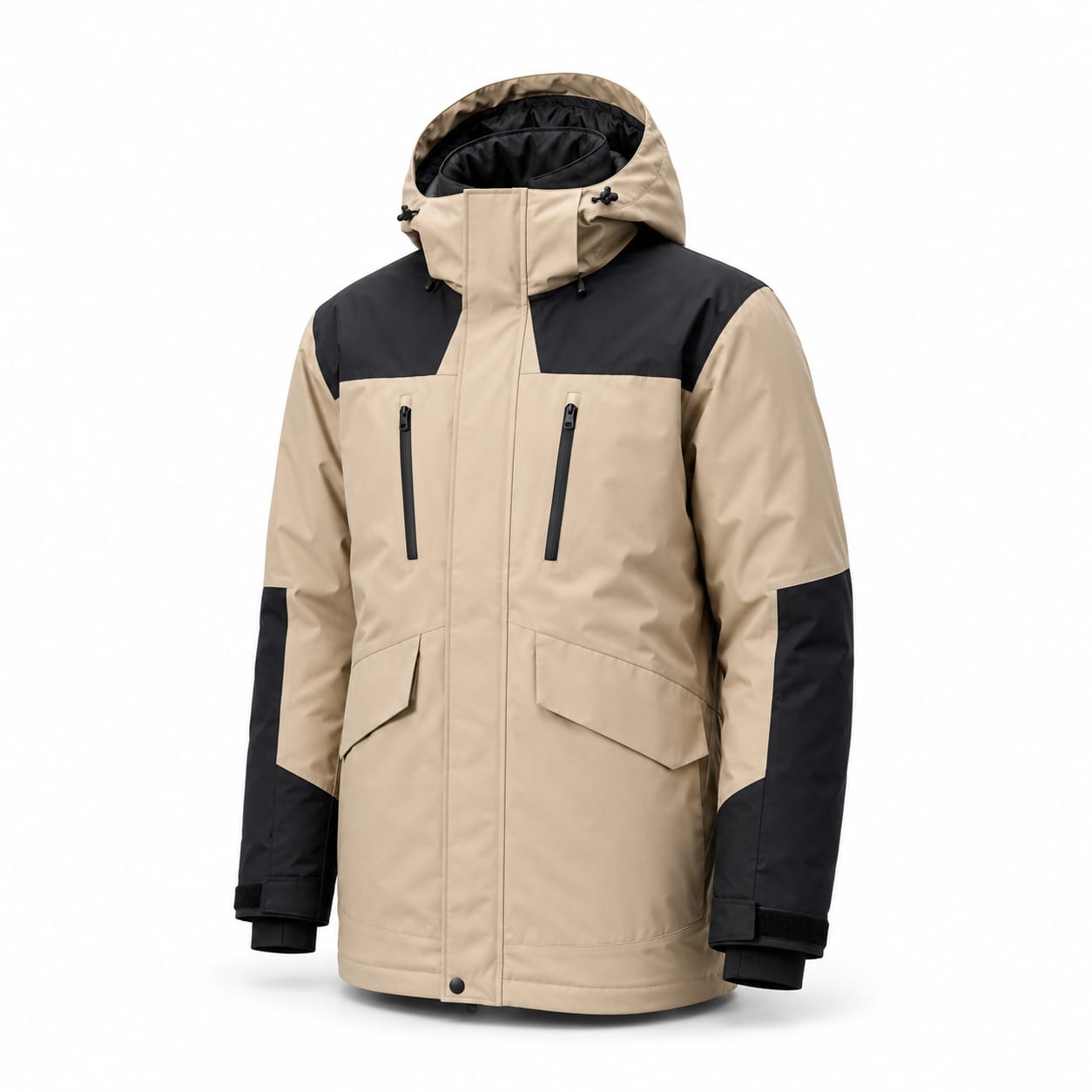
Insulated Snow Jacket

Insulated Snow Jacket

$120 – $650

dominant

All-in-one snow jacket with built-in insulation for warmth in cold resort conditions.

Integrated insulationWaterproof-breathable membraneAdjustable hood
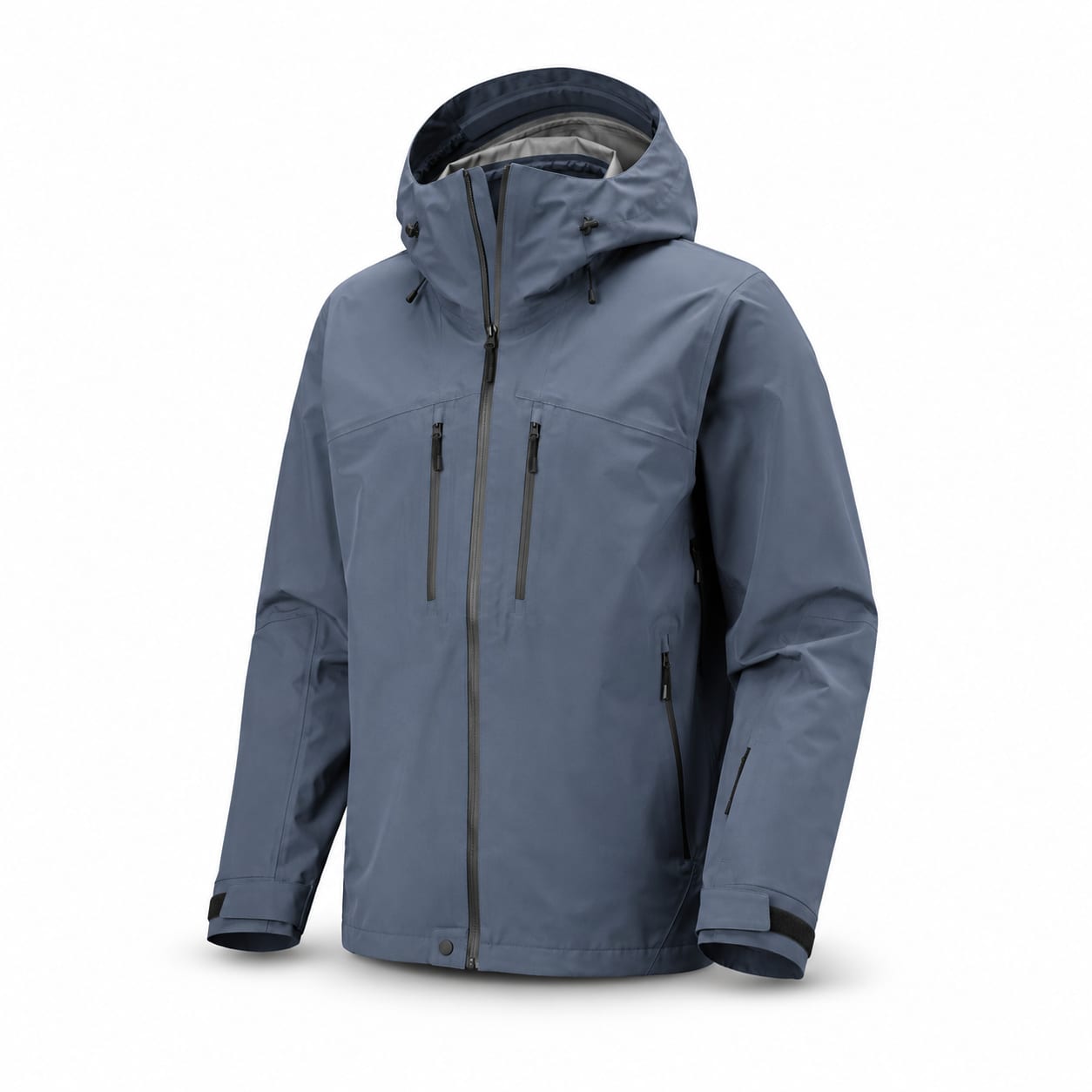
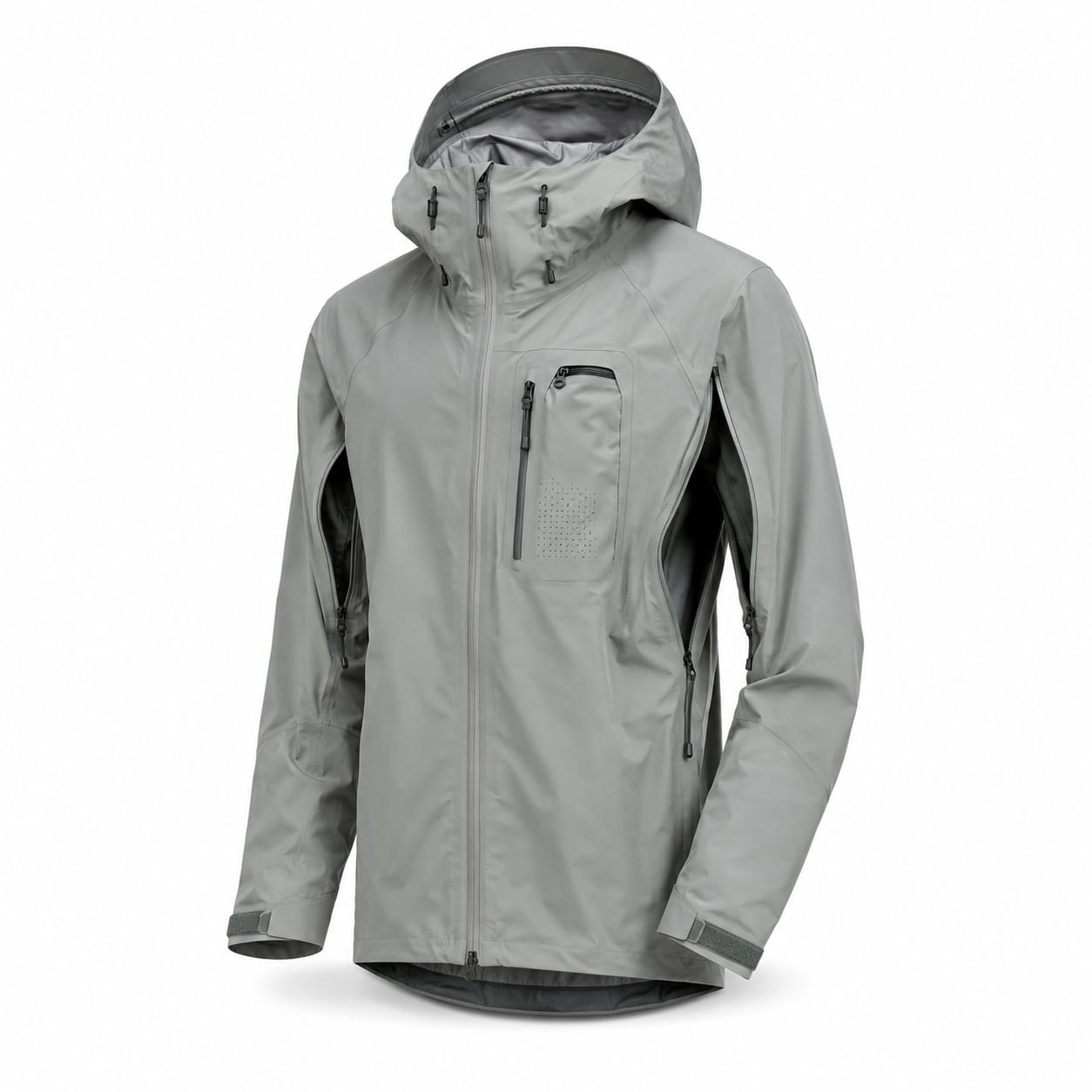
Shell Snow Jacket (Hardshell)

Shell Snow Jacket (Hardshell)

$200 – $900

common

Uninsulated waterproof-breathable jacket designed for layering in variable conditions.

No insulationHigh waterproof ratingSuperior breathability
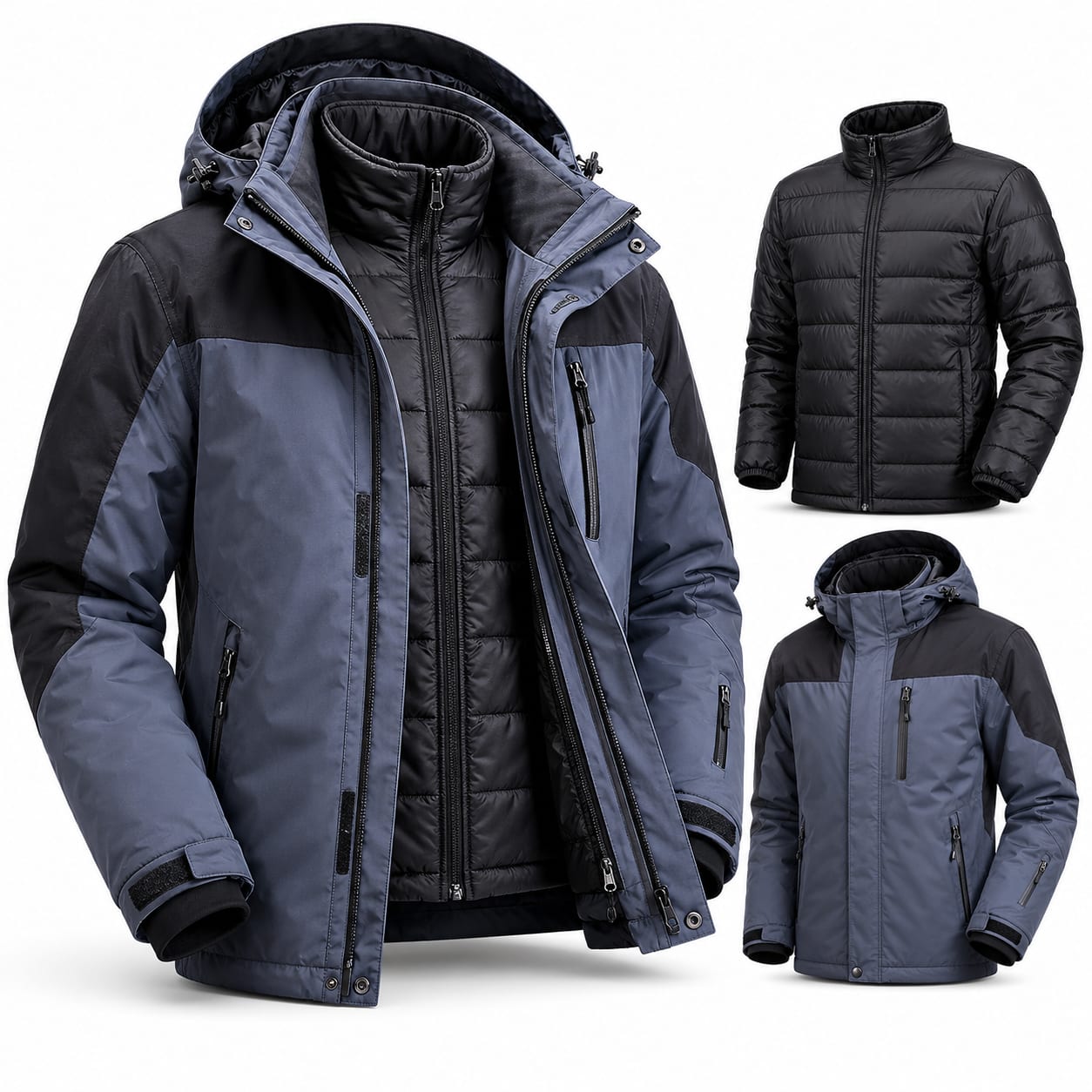
3-in-1 System Snow Jacket

3-in-1 System Snow Jacket

$130 – $500

common

Modular jacket system with a zip-out insulated liner and waterproof outer shell worn together or separately.

Removable insulated linerZip-together systemVersatile three-season use
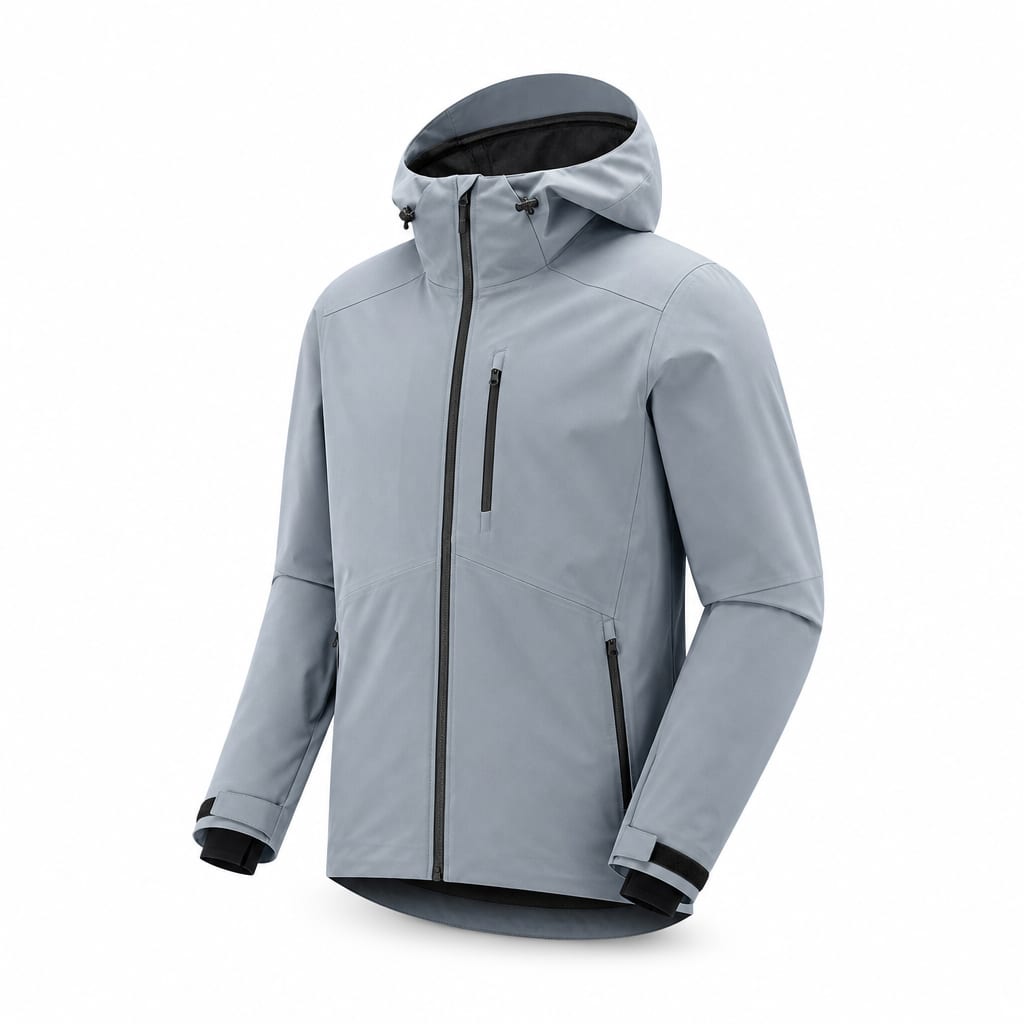
Softshell Snow Jacket

Softshell Snow Jacket

$100 – $400

niche

Stretchy, breathable jacket for high-output riding in mild to moderate conditions.

Stretch fabricHigh breathabilityDWR water resistance
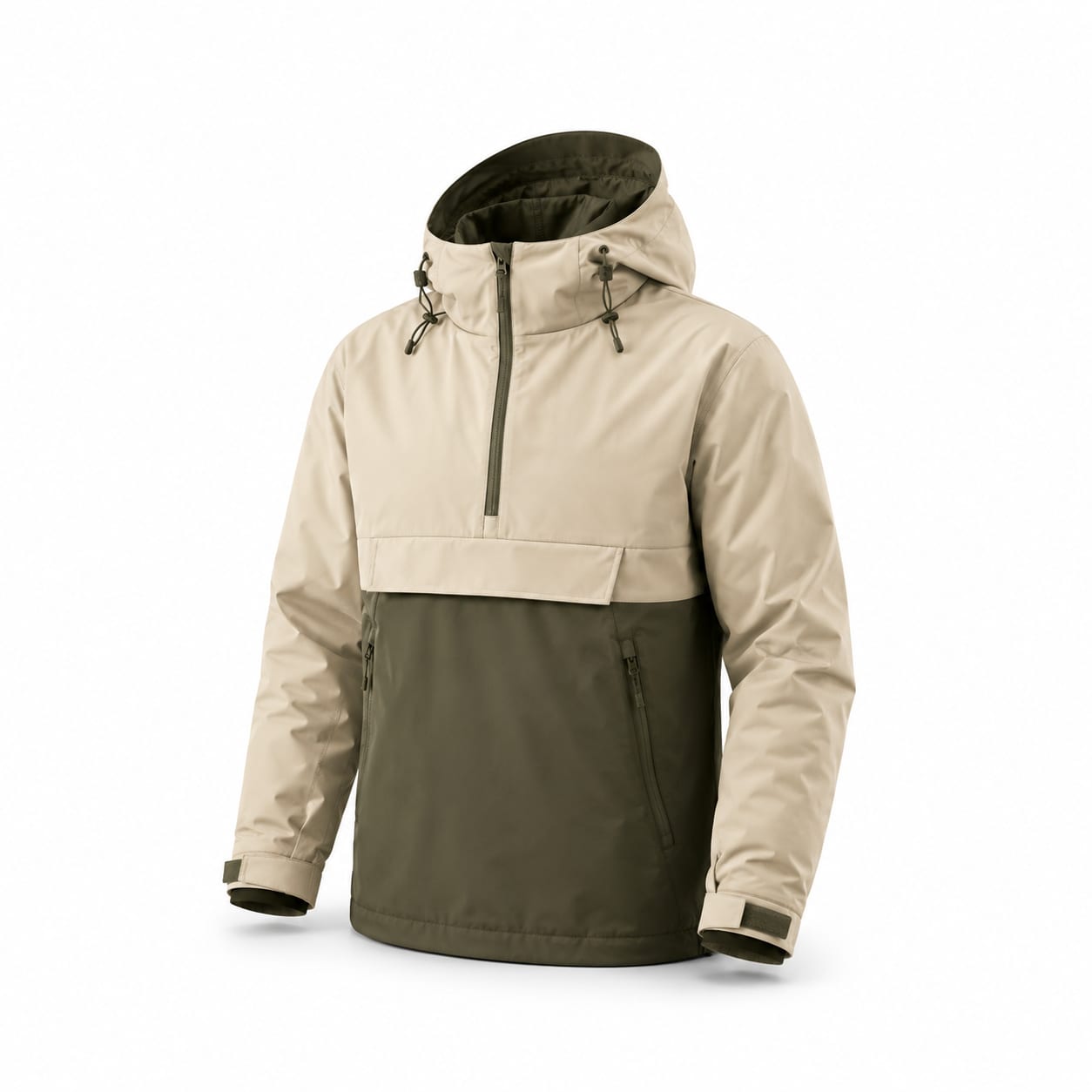
Anorak / Pullover Snow Jacket

Anorak / Pullover Snow Jacket

$150 – $500

niche

Half-zip pullover-style snow jacket combining retro style with modern performance.

Pullover designHalf or quarter zipKangaroo pocket
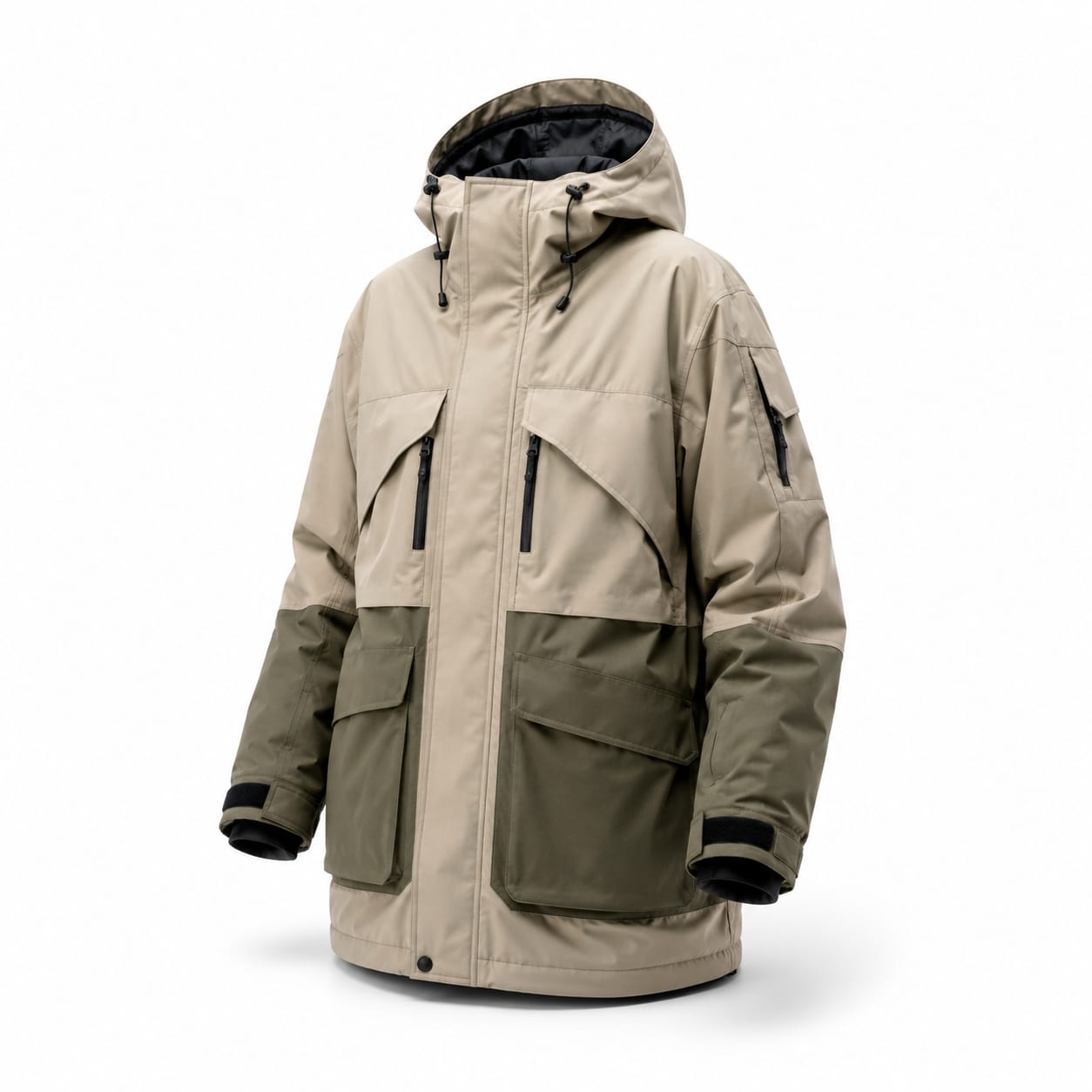
Freestyle / Snowboard-Specific Jacket

Freestyle / Snowboard-Specific Jacket

$150 – $550

common

Relaxed-fit, longer-cut jacket designed for park riding and snowboard stance ergonomics.

Longer cutRelaxed fitSeat insulation
Backcountry / Touring Snow Jacket

Backcountry / Touring Snow Jacket

$250 – $850

niche

Lightweight, highly breathable shell designed for uphill travel and variable mountain conditions.

Ultralight constructionMaximum breathabilityLarge pit zips
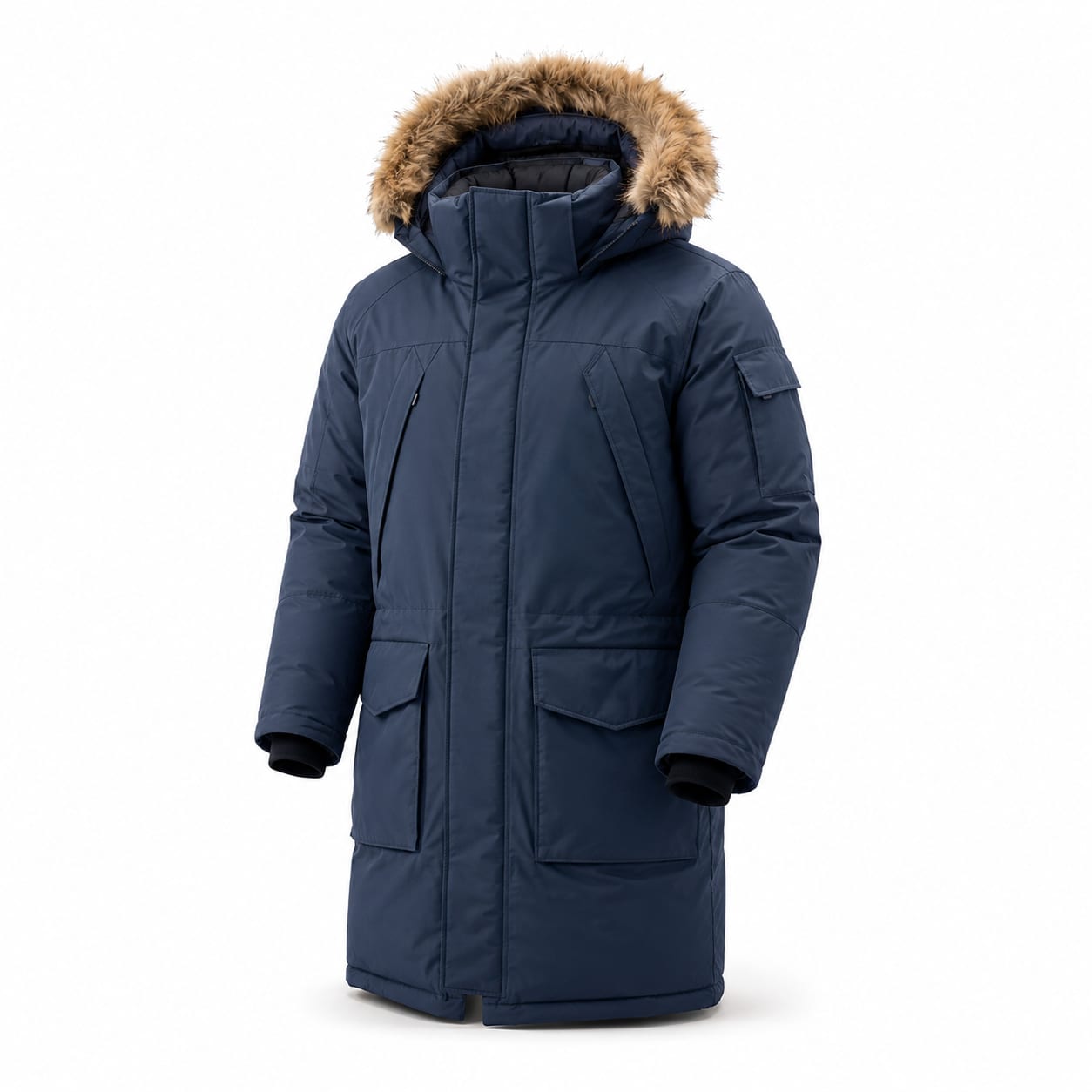
Parka / Expedition Snow Jacket

Parka / Expedition Snow Jacket

$200 – $1200

specialty

Extra-long, heavily insulated jacket for extreme cold and harsh winter conditions.

Extended lengthHeavy insulationFur or faux-fur hood trim
Race Ski Jacket

Race Ski Jacket

$200 – $700

specialty

Form-fitting, aerodynamic jacket engineered for competitive alpine ski racing.

Form-fitting cutAerodynamic fabricGate protection pads
Kids / Youth Snow Jacket

Kids / Youth Snow Jacket

$60 – $300

common

Sized-for-children snow jackets with growth-accommodation features and enhanced durability.

Youth-specific sizingGrowth featuresBright colors