
Snow Jacket · Buying specs
Questions about Snow Jacket specs
Straight answers on the specs that matter when you buy — each question covers one dimension or option so you know what to look for.
Open Snow Jacket guide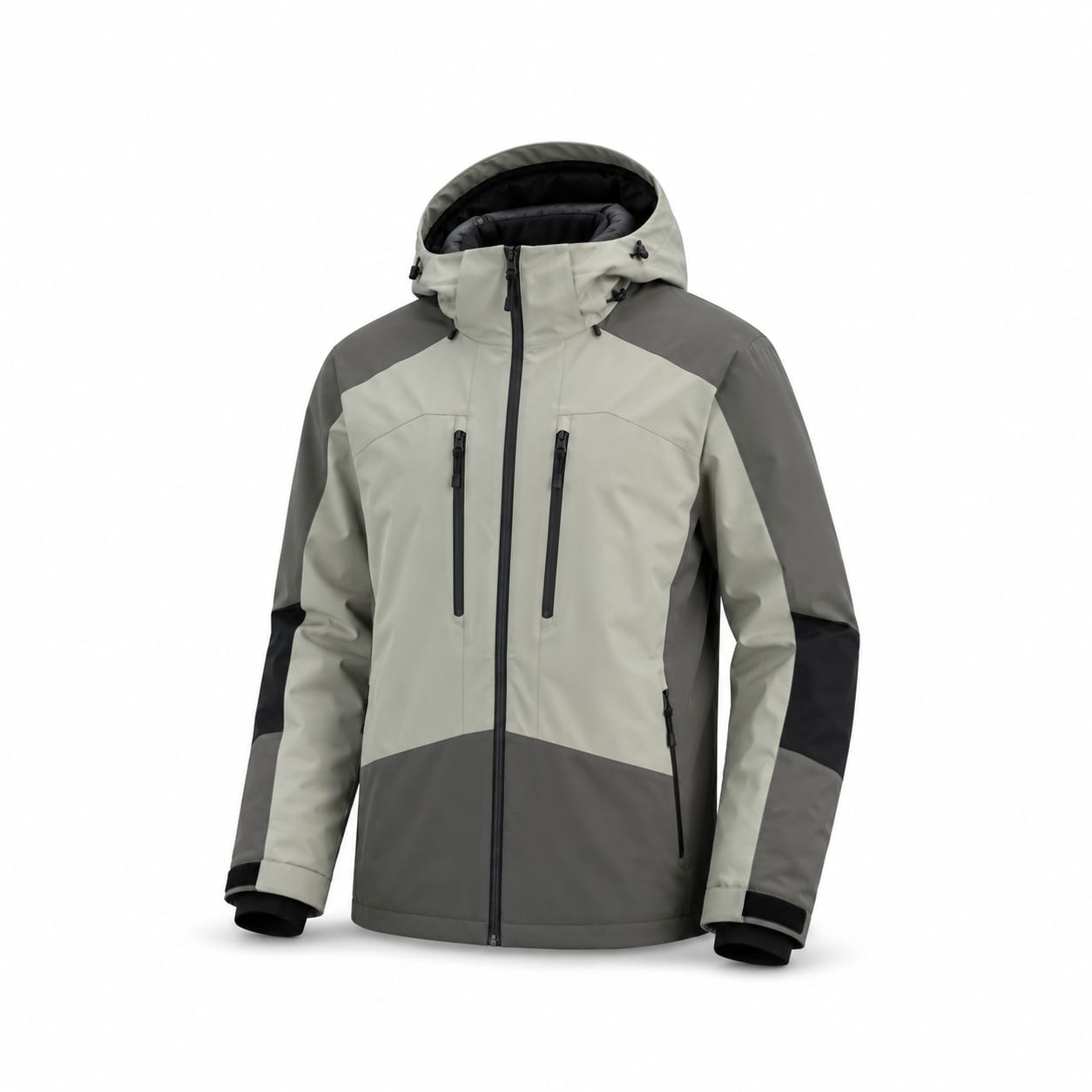
50 questions
Browse by spec group
Questions are organized the same way as the buying specs on the main equipment page.
Weather Protection
Attributes that determine how well the jacket protects against rain, snow, wind, and moisture ingress.
What waterproof rating do I actually need for a snow jacket?
The waterproof rating (measured in millimeters) tells you how much water pressure a jacket's fabric can resist before leaking. Think of it as how hard it can rain or snow before you start getting wet. For most resort riders, 10,000–15,000mm is the sweet spot—it handles moderate to heavy snowfall without being overkill. If you mostly ride in dry, cold climates or on fair-weather days, 5,000–10,000mm will save you money and still keep you dry. But if you ride in wet coastal climates like the Pacific Northwest, or you're chasing deep powder days, look for 15,000–20,000mm. Go 20,000mm+ for backcountry use where staying dry is safety-critical. One thing to watch: don't chase the highest number at the expense of breathability. If you're hiking or touring, a super-high waterproof rating can trap sweat inside. Also, remember that construction and seam sealing matter—a well-made 10,000mm jacket can outperform a poorly sealed 15,000mm one.
Read answer →Breathability RatingWhat breathability rating should I look for in a snow jacket?
Breathability rating measures how much sweat vapor can pass through the jacket's fabric over 24 hours, expressed in g/m². The higher the number, the less clammy and damp you'll feel when you're working hard on the mountain. For low-intensity resort riding in cold temps, 5,000–8,000 g/m² is usually sufficient. Most all-mountain riders will be well-served by 10,000–15,000 g/m². If you're hiking for fresh tracks, touring, or riding hard all day, step up to 15,000–20,000 g/m². Dedicated backcountry riders should seek 20,000+ g/m², where managing sweat is critical to staying warm and safe. Don't confuse zippered vents with fabric breathability—pit zips help, but the material itself needs to let moisture escape even when fully sealed. Also, don't assume you can skip breathability just because you ride in cold weather; sweat freezes fast the moment you stop moving.
Read answer →Seam Sealing · Fully Seam-SealedDo I really need a fully seam-sealed snow jacket, or is critical taping enough?
Fully seam-sealed means every single seam on the jacket is covered with waterproof tape — no exceptions. It's the gold standard for keeping water out, because seams are the weakest points where moisture sneaks in first, no matter how waterproof the fabric itself is. You'll want fully seam-sealed if you ride in wet climates, chase deep powder, or spend time in the backcountry where getting soaked isn't an option. It's also the right call if you're out all day in stormy conditions and can't duck inside to dry off. The trade-off is a slightly heavier jacket and a higher price tag. For most resort riders in average conditions, critically taped seams (which cover high-exposure areas like shoulders, hood, and chest) are perfectly fine. But if you've ever felt that mysterious dampness along a seam line on a wet day, going fully seam-sealed eliminates that problem completely.
Read answer →Seam Sealing · Critically Seam-SealedIs critically seam-sealed good enough for a resort snow jacket, or do I need fully taped seams?
For most resort riders, critically seam-sealed is a solid choice and saves you money compared to fully taped jackets. It means the manufacturer tapes only the seams in high-exposure areas—like the shoulders, hood, and chest—where rain and snow hit hardest and are most likely to sneak in. This approach hits a sweet spot for typical resort days with moderate snow and occasional storms. You get protection where it matters most without the added weight and cost of taping every single seam. For the majority of skiers and snowboarders riding groomers and lifts, that's plenty. The catch is that in extreme conditions—think pouring rain, deep powder, or long storm days—water can find its way through untaped seams in less-exposed areas like the lower back or under the arms. If you regularly ride in wet climates or spend full days in heavy storms, fully seam-sealed is worth the upgrade. Otherwise, critically taped does the job just fine.
Read answer →Seam Sealing · Welded/Bonded SeamsI see some premium snow jackets list welded seams instead of taped seams. What does that mean, and is it worth the higher price?
Welded (or bonded) seams use heat or glue to join fabric panels together instead of stitching them and then covering with waterproof tape. Because there are no needle holes from stitching, there's inherently less opportunity for water to sneak in. The result is excellent waterproofing with a noticeably cleaner, sleeker look—no bulky tape strips visible inside the jacket. Compared to fully taped seams, welded seams also reduce weight and bulk, which is why they're popular on premium technical jackets where packability matters. The trade-off is cost—these jackets tend to be expensive—and long-term durability can vary by manufacturer. Some bonded seams hold up season after season, while others may start to break down with heavy wear. If you're investing in a high-end jacket for backcountry touring or want top-tier storm protection with a minimalist aesthetic, welded seams are a solid upgrade. For most resort riders, fully or critically taped seams will keep you dry at a friendlier price.
Read answer →Membrane Technology · GORE-TEXIs GORE-TEX really worth the extra cost for a ski jacket?
GORE-TEX is the industry gold standard for waterproof-breathable membranes, and for good reason. It uses an ePTFE membrane—a super-thin layer with microscopic pores—that blocks water from getting in while letting sweat vapor escape. The result is a jacket that keeps you dry from both outside moisture and inside perspiration. For most skiers and snowboarders, GORE-TEX is worth the investment if you ride regularly or in variable conditions. It's guaranteed waterproof and offers consistent, reliable performance season after season. You'll find it in jackets ranging from lightweight shells to fully insulated resort pieces. One thing to know: GORE-TEX comes in several variants. Standard GORE-TEX covers most riders' needs, while GORE-TEX Pro is built for extreme conditions and backcountry use with better breathability and durability—but at a higher price and weight. C-Knit and Paclite are lighter, more packable options. If you're riding mostly at the resort in normal winter conditions, standard GORE-TEX hits the sweet spot.
Read answer →Membrane Technology · GORE-TEX ProWhen is GORE-TEX Pro worth the extra cost over regular GORE-TEX for a snow jacket?
GORE-TEX Pro is designed for serious mountain use—think backcountry touring, guide-level exposure, or riding in consistently brutal weather. It's more breathable and significantly more durable than standard GORE-TEX, which matters when you're working hard on the skin track or wearing a heavy pack that rubs against the fabric. For most resort skiers and riders, standard GORE-TEX is plenty. You'll stay dry and comfortable without the premium price tag. GORE-TEX Pro jackets also tend to be heavier and stiffer, which can feel overbuilt if you're just lapping the chairlift. Where Pro really shines is long days in harsh conditions where sweat management and long-term durability are critical. If you're spending full seasons in the backcountry or riding in places known for relentless storms, the investment pays off. Otherwise, save the money and put it toward other gear.
Read answer →Membrane Technology · Proprietary Membrane (Brand-Specific)Are brand-specific membranes like Futurelight or H2No good enough, or do I need GORE-TEX?
Proprietary membranes from major brands can absolutely hold their own against GORE-TEX—some even rival its performance at a lower price point. The North Face's Futurelight, Patagonia's H2No, and Marmot's MemBrain are all solid options that keep you dry and breathing comfortably on the mountain. The catch is that performance varies widely between brands. One proprietary membrane might offer near-GORE-TEX waterproofing and breathability, while another cuts corners and leaves you damp on a stormy day. That's why it's worth looking up reviews for the specific membrane you're considering rather than assuming they're all equal. Proprietary membranes often shine in value—they typically cost less than GORE-TEX while delivering strong performance for most resort and side-country riding. If you're not pushing into extreme backcountry conditions, a well-reviewed brand-specific membrane can save you money without sacrificing comfort.
Read answer →Membrane Technology · DWR Coating OnlyI found a snow jacket with just DWR coating—will that keep me dry on the mountain?
DWR (Durable Water Repellent) coating makes water bead up and roll off the fabric surface, but it's not truly waterproof. Think of it like a water-resistant windbreaker—it handles light moisture but won't stand up to a full day in heavy snow or wet conditions. DWR-only jackets work well for spring skiing, bluebird days with light snow, or casual resort riding where you're taking indoor breaks. They're very breathable and typically more affordable, which appeals to occasional riders or those on a budget. The catch is that DWR coating wears off over time and needs reapplication. More importantly, if you're skiing in steady snow, deep powder, or wet coastal conditions, a DWR-only jacket will eventually soak through. For most skiers and snowboarders, a jacket with a proper waterproof membrane (like GORE-TEX or a quality proprietary membrane) is the safer bet for reliable all-day protection.
Read answer →Fabric Denier / DurabilityWhat does fabric denier mean on a snow jacket, and how do I pick the right one?
Denier measures the thickness of the threads in a jacket's outer fabric—higher numbers mean thicker, tougher material. A 20-denier jacket feels light and packable but can snag on branches or get sliced by a ski edge. A 100-denier jacket shrugs off abrasion but is noticeably heavier and bulkier. For most resort riders, the 40–70 denier range hits the sweet spot—durable enough for daily use without feeling overbuilt. Backcountry tourers who count every ounce often go lighter (10–30 denier), accepting that they need to baby their gear a bit more. Freeriders charging through trees or scraping rocks should look at 80–150 denier, or jackets that use reinforced fabric in high-wear zones like shoulders and hem. The key is matching durability to how rough you are on your gear. If you're regularly bushwhacking or dragging against surfaces, go higher. If you mostly cruise groomers, standard denier is plenty.
Read answer →Insulation & Warmth
Attributes that determine how warm the jacket is and how it manages body temperature.
Why would I buy a snow jacket with no insulation? Won't I be cold?
A shell jacket has no built-in insulation, but that's actually its biggest advantage. Instead of the jacket deciding how warm you'll be, you control it by adding or removing layers underneath. On a warm spring day, wear just a base layer. When it's freezing, stack a mid-layer fleece or puffy underneath. Shells are the go-to choice for backcountry touring because you're working hard on the uphill and need maximum breathability, then layering up for the descent. They're also ideal if you run hot or ride in variable conditions where temperatures swing throughout the day. The trade-off is that you'll need to invest in good mid-layers to stay warm. But that layering system gives you more versatility than any insulated jacket alone—making shells a favorite for experienced riders who want one jacket that handles everything from storm days to sunny corn laps.
Read answer →Insulation Type · Synthetic InsulationWhen should I choose a synthetic insulated snow jacket over down or a shell?
Synthetic insulation is your best bet if you ride in wet or coastal climates where snow tends to be heavy and damp. Unlike down, which clumps and loses its warming power when wet, synthetic fills like PrimaLoft and Thinsulate keep you warm even if moisture gets in. That reliability makes synthetic jackets a favorite for everyday resort riding. The trade-off is that synthetic insulation is slightly heavier and bulkier than down for the same warmth level, so it won't pack down as small. But it's also more affordable, making it a practical choice for budget-conscious riders who still want solid warmth. If you run into wet conditions often, tend to work up a sweat on the mountain, or just want dependable warmth without the premium price tag, synthetic is tough to beat.
Read answer →Insulation Type · Down InsulationWhen is a down-insulated snow jacket worth it over synthetic?
Down insulation uses natural goose or duck plumage to trap body heat, giving you the best warmth-to-weight ratio of any insulation type. A down jacket will keep you just as warm as a much bulkier synthetic one, and it packs down remarkably small—great for touring or travel where space matters. The catch? Down loses its ability to keep you warm when it gets wet, unless it's been treated with a water-resistant coating. If you ride in wet, coastal climates like the Pacific Northwest, down can be risky. It shines in cold, dry places like Colorado, Utah, or interior British Columbia where storms bring powder, not rain. Down jackets also come with a premium price tag. But if you ride in cold, dry conditions, want maximum warmth with minimal bulk, or need a jacket that doubles as stylish après-ski wear, down is tough to beat.
Read answer →Insulation Type · Hybrid/Mixed InsulationWhat does hybrid insulation mean on a snow jacket, and is it worth it over just down or synthetic?
Hybrid insulation combines both down and synthetic fill in one jacket, usually through body-mapping—placing each type where it performs best. You'll typically find down in the core areas where you need maximum warmth with minimal bulk, and synthetic insulation in zones more likely to get damp, like the shoulders, hood, and underarms. This design makes hybrid jackets incredibly versatile for all-mountain riding and variable conditions. If you're lapping the resort on a cold morning that turns into a warm, slushy afternoon, or you're doing a mix of hiking and lift riding, a hybrid jacket adapts better than a single-insulation type. The trade-off is usually price—hybrid construction is more complex, so these jackets tend to cost more. But if you ride in unpredictable weather or want one jacket that handles it all without the layering hassle of a shell system, hybrid insulation is a smart investment.
Read answer →Insulation WeightWhat does insulation weight in grams mean, and how do I pick the right amount for my snow jacket?
Insulation weight measures how much insulating material is in your jacket, listed in grams. More grams means more warmth but also more bulk. A 0g jacket is a shell with no insulation, while 150g+ is built for extreme cold. For most resort skiers and riders, 80–100g is the sweet spot for everyday winter conditions. If you run hot or ride aggressively, 40–60g provides light warmth without causing you to overheat. Save 120–150g+ for frigid days or if you tend to run cold and spend a lot of time sitting on lifts. Some jackets use body-mapped insulation and list two numbers, like 80g/60g—meaning more warmth through your core and less in the sleeves for better mobility. Also, remember that gram weight alone doesn't tell the whole story: different insulation materials have different warmth-to-weight ratios, so 60g of high-efficiency synthetic may feel warmer than 60g of a lower-grade fill.
Read answer →Ventilation · Pit Zips (Underarm Vents)Do I really need pit zips on my snow jacket, or are they just a nice extra?
Pit zips (underarm vents) aren't just a nice-to-have—they're one of the most useful features on any snow jacket. When you're hiking to a backcountry line, bombing groomers on a warm spring day, or just working up a sweat, opening your pit zips lets you dump heat fast without unzipping your whole jacket and letting snow in. They work so well because your underarms are a major sweat zone. Opening that area creates instant airflow right where you need it most. Plus, you can easily operate them one-handed while riding the lift or standing in line—just reach under your arm and pull the zipper. If you're shopping for a resort or backcountry jacket, pit zips should be considered essential. Even on insulated jackets, they're critical for preventing that sweaty, overheated feeling when you're working hard. Just check that the zips are a decent length—short pit zips don't move nearly as much air as full-length ones.
Read answer →Ventilation · Chest VentsWhat are chest vents on a snow jacket, and do I need them?
Chest vents are zippered openings on the upper chest of a snow jacket that let air flow directly across your torso. They’re usually mesh-backed to keep snow out while allowing fresh air in. These vents are great for supplementary airflow, especially if you're touring or riding in warm conditions and need to cool down fast. However, they aren't very common as a primary venting system—most riders rely on underarm pit zips for main temperature control. One thing to keep in mind: if you wear a backpack, the shoulder straps can block access to chest vents, making them tricky to open or close on the fly. They're best viewed as a bonus feature alongside pit zips rather than a replacement for them.
Read answer →Ventilation · Back VentsWhat are back vents on a snow jacket, and do I need them?
Back vents are zippered openings on the upper back of a snow jacket, often hidden behind a flap. They work by letting the heat that naturally rises from your body escape, creating a chimney effect that pulls cooler air in and pushes warm air out. These vents are especially popular for backcountry touring and hiking, where you're working up a serious sweat on the uphill. However, there's a catch: if you wear a backpack, the straps and pack body can block the vents, making them much less effective. Because of this, back vents are less common on standard resort jackets. If you mostly ride lifts and want ventilation, pit zips (underarm vents) are usually the more practical choice. But if you're a touring rider who sometimes goes without a heavy pack—or wants every venting option available—back vents can be a nice bonus feature.
Read answer →Ventilation · Mesh-Lined VentsWhat's the advantage of mesh-lined vents on a snow jacket?
Mesh-lined vents have a thin screen behind the zipper opening that lets air flow through while blocking snow from getting inside your jacket. If you've ever cracked open your pit zips on a deep powder day only to get a backful of snow, you'll appreciate the difference. This feature really shines in wet, deep snow conditions—think waist-deep freshies or heavy Sierra cement. Without mesh backing, open vents become an easy entry point for loose snow, especially if you take a tumble. The mesh keeps that snow out while still letting you dump heat when you're working hard. The trade-off is that mesh slightly reduces maximum airflow compared to wide-open, unlined vents. For most resort riders and powder hounds, that small reduction is well worth staying dry. But if you primarily do high-exertion backcountry touring where maximum venting matters most, you might prefer unlined vents instead.
Read answer →Ventilation · No VentsI found a snow jacket with no vents — is that a dealbreaker?
For most riders, yes — a jacket without zippered vents is a significant drawback. When you're hiking to a stash, lapping the park, or even just riding hard on a mild day, you generate a ton of body heat. Without pit zips or other vents, your only option is to unzip the front of your jacket, which lets in cold air and snow. Vents give you targeted, adjustable airflow without exposing yourself to the elements. Jackets without vents do exist, but they're typically casual or fashion-focused pieces meant for short lodge-to-lift runs or very cold, low-exertion days. If you mostly ride in bitter cold and rarely work up a sweat, you might get away with it — but even then, you'll miss the flexibility on warmer days. If you're doing any real riding — resort laps, backcountry touring, or park sessions — pit zips should be considered a must-have feature. Skip the ventless jacket and look for something with at least underarm vents.
Read answer →Fit & Geometry
Attributes that determine how the jacket fits, moves, and covers the body.
I like the look of slim fit ski jackets, but will I stay warm enough?
A slim fit snow jacket sits close to your body with minimal excess fabric, giving you a clean, streamlined look and the least wind drag. That makes it a popular choice for racing, carving, and fashion-forward resort riders who want a sharp silhouette on the slopes. The trade-off is layering room. Slim fits don't leave much space underneath, so you'll need to rely on the jacket's built-in insulation or a thin mid-layer rather than a bulky fleece or puffy. If you run cold or ride in bitter conditions, this can be a real limitation. Slim fits can also feel tight across the shoulders when you're reaching or poling. The best move is to try on a slim fit jacket while wearing the mid-layer you'd actually use on the hill. If it feels restrictive, step up to a regular fit for more versatility.
Read answer →Jacket Fit · Regular FitI mostly ride all-mountain at the resort — is a regular fit jacket the way to go?
For most resort skiers and snowboarders, a regular fit jacket is the sweet spot. It gives you enough room to comfortably layer a mid-layer underneath — like a fleece or light puffy — without feeling baggy or bulky. That balance of layering space and a clean silhouette is why it's the most common fit you'll find. Regular fit works well across body types and riding styles. Whether you're carving groomers, exploring trees, or cruising with friends, you'll have the mobility you need without excess fabric catching wind or letting snow in. The main reason to look elsewhere is if you have a specific need: slim fit racers want less drag, while park riders often prefer the extra room and style of a relaxed or oversized cut. But if you're unsure, regular is a safe bet — just try it on with your typical mid-layer to make sure everything feels comfortable together.
Read answer →Jacket Fit · Relaxed FitI mostly ride park and freestyle on my snowboard — is a relaxed fit jacket the right call?
A relaxed fit jacket is a great match for freestyle snowboarding and park riding. The generous cut through the body and arms gives you maximum mobility, which makes a real difference when you're spinning, grabbing, or tweaking tricks. It's also the silhouette that dominates snowboard culture, so you'll fit right in style-wise. The extra room means you can easily layer a hoodie or mid-layer underneath without feeling restricted, which is nice on colder days. Just keep in mind that all that extra fabric can let cold air and snow sneak in if the jacket is too loose, especially around the cuffs and hem. If you prioritize freedom of movement and that classic snowboard look, relaxed fit is hard to beat. Just make sure it's not so baggy that it compromises your seal against the elements — and always try it on with the layers you'd typically wear underneath.
Read answer →Jacket Fit · Oversized FitI see a lot of snowboarders wearing oversized jackets—should I go for that look, or will I regret it on the mountain?
Oversized snow jackets are all about style and freedom of movement. They give you tons of room to layer underneath and won't restrict your arms or torso when you're spinning in the park or tweaking grabs. If you ride park or just love that street-inspired snowboard aesthetic, an oversized fit can be a great choice. That said, there are real trade-offs. The loose, long cut can let cold air and snow sneak in—especially if you take a tumble in deep powder. Oversized jackets also catch more wind, which can make chilly lift rides feel even colder. You'll want to make sure the jacket still has solid features like a powder skirt and adjustable cuffs to help seal things up. If you're mostly cruising groomers or skiing in cold, windy conditions, you might be happier with a regular or relaxed fit. But for park days and street-style vibes, oversized is hard to beat—just be ready to manage the drafts.
Read answer →Jacket Length · Cropped / Waist-LengthI keep seeing cropped snow jackets — are they actually practical for riding or just a style thing?
Cropped or waist-length jackets end at or above your waist, giving you maximum mobility and a street-inspired look. They're most popular in the park and freestyle scene, where freedom of movement matters and riders spend more time hitting features than sitting in deep snow. The big trade-off is coverage. When you bend over to adjust your bindings or sit on a cold chairlift, your lower back and waist will be exposed. In deep powder, a cropped jacket won't keep snow out — even with a powder skirt. That's why this length is rare in dedicated snow jackets; most riders need more protection. If you primarily lap the park in mild conditions and value mobility and style over full weather protection, a cropped jacket can work. For all-mountain riding, cold days, or any powder, you'll be much happier with regular or extended length.
Read answer →Jacket Length · Regular LengthIs a regular length snow jacket the right choice for me, or should I go longer?
A regular length snow jacket hits right at the hip and is the most versatile option for most skiers and riders. It gives you solid coverage over your waist and lower back without feeling bulky or restricting your movement, making it a great pick for all-mountain resort days and everyday riding. Regular length works especially well if you wear high-waisted snow pants or a jacket with a powder skirt, since the hem overlaps cleanly and keeps snow out. You'll stay covered when you're carving groomers or hiking to a side-country stash, but you won't have extra fabric bunching up or getting in the way. Where regular length can fall short is in deep powder or if you spend a lot of time sitting on cold chairlifts—longer jackets do a better job sealing out snow and keeping your seat warm. But if you're not chasing bottomless days or you prefer a cleaner, less bulky look, regular length is tough to beat for everyday resort use.
Read answer →Jacket Length · Long / ExtendedWhen should I choose a long or extended length snow jacket over a regular one?
A long or extended snow jacket drops past your hips toward your thighs, giving you extra coverage where shorter jackets leave gaps. This extra length really shines in deep powder—when you're carving through deep snow or taking a tumble, it keeps snow from sneaking up under your jacket. It's also a popular choice among snowboarders who spend time sitting in the snow to strap in. The extended length is a game-changer on cold chairlift rides, since it covers your seat and thighs from the wind. Tall riders often prefer this length for the extra coverage and a more proportional fit. The trade-off is that a longer jacket can slightly restrict your range of motion, especially when hiking or touring uphill. If you're doing a lot of skinning or backcountry travel, the extra fabric may feel cumbersome. But for resort riding in cold conditions or deep powder days, the coverage is hard to beat.
Read answer →Wrist Seals / Cuffs · Velcro Cuff + Inner GaiterWhat's the benefit of a velcro cuff with an inner gaiter on a snow jacket?
A velcro cuff with an inner gaiter gives you a double-seal system at the wrist, which is the most effective way to keep snow, wind, and cold air out of your sleeves. The outer velcro lets you dial in the fit over your gloves, while the inner stretch gaiter sits snug against your skin as a second barrier. The real game-changer is the thumbhole on that inner gaiter. It keeps the sleeve locked in place, so when you take a tumble or reach forward, your jacket won't ride up and expose your forearm to the snow. Once you ride with thumbholes, it's hard to go back. This setup is ideal for all-mountain and backcountry riders, or anyone who rides in cold, deep-snow conditions where getting snow up your sleeves is a real risk. If you mostly ride mild resort days, a simple velcro cuff may be enough—but for serious protection, the inner gaiter is worth it.
Read answer →Wrist Seals / Cuffs · Velcro Cuff OnlyIs a velcro cuff without an inner gaiter good enough, or do I really need the thumbhole sleeve?
A velcro-only cuff is perfectly fine for most resort riders who stick to groomed runs and moderate conditions. It lets you dial in the tightness around your gloves, keeping wind and snow out during normal riding. If you're not hiking for powder or taking frequent spills in deep snow, you likely won't miss the inner gaiter. The tradeoff shows up when you crash in deep snow or hike backcountry lines. Without an inner gaiter, snow can sneak up inside your sleeve during a fall, and your sleeve can ride up when you reach or bend. The thumbhole on an inner gaiter prevents both issues. Go with velcro-only if you primarily ride lifts, prefer a simpler jacket, and want to save some cash. It's a solid, reliable system for everyday resort use. Just make sure to test the closure with your actual gloves—some velcro cuffs fit better over certain glove styles than others.
Read answer →Wrist Seals / Cuffs · Elastic CuffAre elastic cuffs on a snow jacket fine, or do I really need adjustable ones?
Elastic cuffs are the simplest option — they just stretch over your hand and snap back against your wrist. You'll find them mostly on budget jackets and casual or spring-weight snow jackets where keeping every flake of snow out isn't the top priority. They work fine for milder days, casual resort laps, or if you're just getting started and don't want to spend extra. The tradeoff is that elastic cuffs aren't adjustable, so you can't tighten or loosen them to match different gloves. If the cuff is too loose, cold air and snow can sneak in; if it's too tight, getting your hand through with a bulky glove can be a struggle. They're also the least effective seal when you take a tumble and snow pushes up inside your sleeve. If you ride in cold conditions, deep powder, or want a jacket that lasts across multiple seasons, adjustable velcro cuffs (especially with an inner gaiter) are worth the upgrade. But for fair-weather or casual use, elastic cuffs keep things simple and get the job done.
Read answer →Wrist Seals / Cuffs · Snap Closure CuffI found a snow jacket with snap closure cuffs—how do those compare to velcro cuffs for skiing?
Snap closure cuffs use button-style snaps to set the cuff tightness at a few fixed positions, rather than the infinite adjustability you get with velcro. You'll mostly find them on casual or retro-styled jackets rather than technical riding gear. The downside is that snaps offer limited adjustability, so you can't fine-tune the fit around different glove styles or wrist sizes. More importantly, snaps can freeze up in wet, cold conditions, making them frustrating—or even impossible—to open and close with gloves on. Velcro doesn't have this problem. If you're doing any serious resort riding or backcountry work, snap cuffs aren't ideal. They're fine for mellow lodge-to-lodge days or if you're drawn to a vintage look, but for keeping snow and wind out on a real mountain day, velcro cuffs (especially with an inner gaiter) are a much better bet.
Read answer →Features & Functionality
Specific functional features that affect convenience, comfort, and versatility on the mountain.
Do I really need a helmet-compatible fixed hood on my snow jacket?
If you wear a helmet on the mountain—which most riders should—then yes, a helmet-compatible fixed hood is the way to go. It's permanently attached and sized to fit over your helmet, with adjustment features that let you dial in the fit whether you're wearing your helmet or just a beanie underneath. The big advantage is weather protection. Because it's fixed, there are no gaps or zipper seams for wind and snow to sneak through, and it stays securely in place even in gusty conditions. It's the most reliable option for storm days and all-mountain riding. The main trade-off is that it can feel a bit bulky when you're not wearing a helmet. If you sometimes ride without one, make sure the hood adjusts down snugly so it doesn't flop around. But for most resort and all-mountain skiers and snowboarders, this is the most practical and protective choice.
Read answer →Hood Type · Helmet-Compatible Detachable HoodShould I get a snow jacket with a detachable hood that fits over my helmet?
A helmet-compatible detachable hood gives you the best of both worlds: full storm protection when you need it and the option to strip it off when you don't. When attached, it works just like a fixed helmet-compatible hood—sized to fit over your lid with adjustment cords to dial in the fit whether you're wearing a helmet or just a beanie. The real advantage hits on warm spring days or during après-ski stops. Instead of dealing with a bulky hood flopping behind you, just unzip it and leave it in your car or pack. It's a great choice for riders who split their time between stormy midwinter days and milder conditions. The trade-off? That zipper attachment creates a potential weak point where moisture can sneak in during heavy snow or rain. If you regularly ride in nasty weather, a fixed hood offers a more reliable seal. But if versatility matters more to you than maximum weatherproofing, the detachable design is hard to beat.
Read answer →Hood Type · Non-Helmet Fixed HoodI don't wear a helmet when I ride. Is a non-helmet fixed hood a good option for me?
A non-helmet fixed hood is built specifically for riders who skip the helmet and ride with just a beanie or bare head. It's permanently attached and has a lower, sleeker profile than helmet-compatible hoods, so it won't feel oversized or baggy when worn without a helmet underneath. The main advantage is comfort and style—it sits closer to your head, looks cleaner, and eliminates the excess material you'd have to cinch down with a helmet-sized hood. You'll typically find this option on casual or fashion-focused snow jackets rather than technical gear. The big catch: if you ever decide to start wearing a helmet, this hood won't fit over it. Since most modern snow jackets are built with helmet compatibility, non-helmet hoods are becoming less common. Also consider that even if you don't wear a helmet now, a helmet-compatible hood worn without one still works fine—you just cinch it down—giving you more flexibility if your preferences change.
Read answer →Hood Type · No HoodCan I get away with a snow jacket that has no hood, or is that a bad idea?
Hoodless snow jackets are pretty rare, and for good reason—your head loses heat fast, and storms can roll in quickly on the mountain. Most dedicated outerwear includes a hood for that critical weather protection. That said, hoodless jackets do have a place. They work well as mid-layers under a shell with its own hood, or for warm spring park sessions where you're running hot and just need a beanie. They're also the lightest option since there's no extra fabric or hardware. The catch is simple: if you're wearing a hoodless jacket as your only outer layer and the weather turns, you've got no backup. You'd need to rely on a helmet, beanie, or separate head covering. For most riders, especially at resorts or in the backcountry, a helmet-compatible hood is the safer bet. Save the hoodless option for layering or sunny days.
Read answer →Powder Skirt · Fixed Powder SkirtShould I get a jacket with a fixed powder skirt, or is it better to have one I can take off?
A fixed powder skirt is permanently built into the jacket's hem, creating a seal around your waist that blocks snow from sneaking in from below. The big advantage is it's always there when you need it—no fumbling with zippers or forgetting to attach it before a deep run. This makes fixed skirts a great choice if you regularly ride in deep powder or spend most of your season chasing storms. If you fall often, that reliable seal can save you from a miserable, snow-filled waistline. The downside is you can't remove it on warmer days or groomer laps, so it can feel constricting, bunched up, or overly warm when conditions are milder. Go with a fixed powder skirt if deep snow is your normal riding environment. If you mix powder days with spring laps or resort groomers, a detachable skirt gives you more flexibility.
Read answer →Powder Skirt · Detachable Powder SkirtIs a detachable powder skirt worth it, or should I just go with a fixed one?
A detachable powder skirt gives you the best of both worlds. You can zip it in when you're riding deep powder or expecting falls, then remove it for warm spring days or groomer laps when you don't want the extra bulk around your waist. The main advantage is versatility. If you ride in varied conditions throughout the season—chasing storms one weekend and cruising bluebird groomers the next—a detachable skirt lets one jacket handle it all comfortably. Without it, a fixed skirt can feel constricting and trap heat when you don't need the snow seal. The one trade-off is that the zipper adds a potential leak point in heavy moisture, though quality jackets use waterproof zips to minimize this. If you mostly ride deep powder, a fixed skirt is simpler and always ready. But if your conditions vary, detachable is hard to beat.
Read answer →Powder Skirt · No Powder SkirtDo I really need a powder skirt, or is it fine to get a jacket without one?
A jacket without a powder skirt can be a great choice—it just depends on how and where you ride. Without that elasticized band around the inside hem, the jacket will be lighter, less bulky, and more comfortable for high-energy days when you're hiking, touring, or lapping the park in warmer weather. The tradeoff is straightforward: if you take a tumble in deep snow, powder will sneak up under your jacket and leave you with a cold, wet waistline. That's why skipping the powder skirt works best for spring riding, park sessions, backcountry touring, or mild-climate groomer days when deep snow isn't really a factor. If you mostly ride fresh powder or you're still falling a lot as a newer rider, you'll probably want that seal. But if your typical day involves warm temps, hiking for hits, or just cruising hardpack, a jacket without a powder skirt keeps things simple and comfortable.
Read answer →Pocket Configuration · Hand Warmer PocketsAre hand warmer pockets on a snow jacket really necessary, or are they just regular pockets?
Hand warmer pockets are more than just standard storage—they're specifically designed to keep your hands comfortable on cold chairlift rides. Positioned at hip level and often fleece-lined, they create a cozy refuge when temperatures drop and your gloves aren't cutting it. They're considered an essential baseline feature for good reason. Almost every rider uses them, whether for warming up numb fingers or stashing small essentials like a lip balm or trail map. The one catch: if you ride with a backpack, the hip belt can block access to these pockets, making them harder to reach on the go. If you're choosing between jackets, make sure hand warmer pockets are included. They're one of those features you don't think about until you're freezing on a long lift ride without them.
Read answer →Pocket Configuration · Lift Pass PocketDo I really need a lift pass pocket on my snow jacket?
A lift pass pocket is a small dedicated pocket on the lower left sleeve designed specifically for your RFID lift pass. It lets you simply tap your arm against the scanner at the lift gate instead of fumbling to pull your pass out of a pocket or wearing a lanyard around your neck. If you ride at resorts that use RFID lift passes—which most modern mountains do—this pocket is incredibly convenient and almost essential. It positions the pass in exactly the right spot for the scanner to read it quickly, so you can breeze through lift lines without slowing down or holding up others behind you. If you're primarily a backcountry rider or ride at smaller hills that still use visual pass checks, you won't miss this feature. But for regular resort skiers and snowboarders, it's one of those small details that genuinely makes your day smoother.
Read answer →Pocket Configuration · Chest PocketsAre chest pockets on a snow jacket actually useful, or just extra zippers?
Chest pockets are one of the most handy features on a snow jacket, especially if you ride with a phone. They sit high on your chest where they're easy to reach while riding the lift or standing in line, and they keep your phone warm against your body so the battery doesn't drain in cold weather. That alone makes them worth having. They're also great for stashing a spare goggle lens, sunscreen, or trail map—things you want to grab quickly without unzipping your jacket. Most are zippered, so your stuff stays secure on bumpy runs. The one downside: if you wear a backpack regularly, the shoulder straps can sit right over chest pockets, making them awkward to access. For backcountry riders who always have a pack on, they're less useful. But for resort days with no bag, they're a small feature that makes a big difference in convenience.
Read answer →Pocket Configuration · Internal Media PocketIs an internal media pocket still useful if I use wireless earbuds?
Yes, it's still useful — just for a different reason than originally intended. The headphone cord port that these pockets were built around is largely obsolete now that wireless earbuds are the norm. But the core benefit remains: keeping your phone warm and protected from moisture. Cold temperatures drain phone batteries fast, and an internal pocket sits close to your body heat, which helps prevent your phone from shutting down mid-mountain. It also shields your device from snow and sweat better than an outer pocket. That said, if you don't ride with music or prefer keeping your phone in your pants pocket under your jacket, you won't miss this feature. It's a nice bonus rather than a must-have for most riders.
Read answer →Pocket Configuration · Internal Mesh Dump PocketsWhat are internal mesh dump pockets on a snow jacket, and do I actually need them?
Internal mesh dump pockets are large, open-top pockets inside your jacket with no zipper closure. They're designed for quick stashing of items you need to grab fast—like goggles when you head inside for lunch, gloves when you're warming up, or even climbing skins if you're touring in the backcountry. These pockets are incredibly convenient because you can drop items in without fumbling with a zipper, and the mesh lets air circulate, which helps damp gear dry out a bit. They're especially handy for resort riders who frequently stash goggles or gloves between runs, and for backcountry skiers who need quick skin storage on transitions. The main downside is that since there's no closure, anything inside can tumble out if you take your jacket off or lean the wrong way. If you tend to peel off layers at lunch or ride with your jacket unzipped, you'll want to be mindful of what you leave in there.
Read answer →RECCO Reflector · Has RECCO ReflectorWhat does a RECCO reflector in a snow jacket actually do, and should I look for one?
A RECCO reflector is a small, passive rescue device built into the jacket that helps search and rescue teams locate you if you're buried in an avalanche. It reflects a signal back to RECCO detectors carried by ski patrol and rescue teams—no batteries, no charging, and no activation needed on your end. It's especially worth having if you ever venture off-piste, into the sidecountry, or anywhere outside groomed trails. It adds an extra safety margin that's always with you, and it's increasingly common on mid-range and premium jackets. The critical thing to understand is that a RECCO reflector does NOT replace an avalanche beacon (transceiver). A beacon is an active device that lets your riding partners search for you immediately—RECCO requires professional rescue teams with specialized detectors to find you. Always carry a beacon and get proper avalanche training for any backcountry riding.
Read answer →RECCO Reflector · No RECCO ReflectorI found a jacket I like but it doesn't have a RECCO reflector. Is that a dealbreaker?
If you only ride inbounds at resorts, a missing RECCO reflector isn't a dealbreaker at all. RECCO is a passive rescue technology that helps search teams locate you in an avalanche, but most in-bounds riders will never need it. Many budget and mid-range jackets skip this feature to keep costs down. However, if you venture into the sidecountry, backcountry, or off-piste terrain, you'll want some form of avalanche safety gear. Without a built-in RECCO reflector, you can purchase a separate reflector sticker or strip that attaches to your helmet or gear. Better yet, invest in an active avalanche beacon (transceiver)—that's the primary tool you should carry anyway. The key takeaway: RECCO is a nice backup, not a primary safety device. Don't pass up a great jacket just because it lacks one, but make sure you're properly equipped with a beacon, probe, and shovel if you ride outside resort boundaries.
Read answer →Use Case & Activity
Attributes that indicate what type of riding and conditions the jacket is designed for.
What makes a resort ski jacket different from other snow jackets?
A resort ski jacket is built specifically for lift-served skiing, so it includes features you won't find on backcountry or park-focused jackets. The biggest difference is insulation—since you're sitting still on cold chairlifts between runs, resort jackets add warmth that touring shells deliberately skip. You'll also find a dedicated lift pass pocket, usually on the lower left sleeve, so you can scan onto lifts without fumbling around. Resort jackets balance weather protection, warmth, and style in a way that works for a full day at the ski area, including après-ski. They tend to have a more tailored fit compared to the oversized look of park or snowboard-specific jackets. The main downside? If you try to use a resort jacket for backcountry touring, you'll likely overheat quickly on the uphill. But if you spend most of your time on groomed runs and lift-accessed terrain, a resort-specific jacket is hard to beat.
Read answer →Primary Activity / Use Case · Resort SnowboardingWhat makes a resort snowboarding jacket different from a regular ski jacket?
Resort snowboarding jackets are built with the same core weather protection as ski jackets—waterproofing, insulation, and wind resistance—but they're cut and styled specifically for how snowboarders move and ride. The most noticeable difference is the fit: snowboard jackets tend to be looser and longer, giving you more room to bend, crouch, and move freely without the jacket riding up or restricting your shoulders. Beyond fit, resort snowboard jackets often reflect snowboard culture aesthetics, with bolder colors, unique prints, and a more relaxed overall vibe. They're designed to look good both on the mountain and hanging out at après. Functionally, they still include resort-friendly features like lift pass pockets and enough insulation to keep you warm on cold chairlift rides. If you're riding lifts and hitting groomed runs, park, or pipe at a resort, this category is tailored for you. Just know that the looser fit and style-first approach can mean slightly less technical performance compared to a fitted ski jacket in extreme conditions.
Read answer →Primary Activity / Use Case · Backcountry / TouringWhat makes a backcountry/touring snow jacket different, and do I need one if I want to start skinning uphill?
A backcountry or touring jacket is built for the uphill grind. These jackets are typically lightweight, shell-only designs with minimal insulation and maximum breathability. When you're skinning or hiking for your turns, your body generates a ton of heat and moisture, so a touring jacket prioritizes letting that sweat escape rather than trapping warmth. The trade-off is that you'll need a layering system underneath—like a lightweight midlayer you can shed or add as conditions change—since the jacket itself won't keep you warm when you stop moving. Touring jackets also skip resort-specific features like lift pass pockets and insulated seats, which you won't need in the backcountry. If you're mostly riding lifts at the resort, a backcountry shell will leave you cold and under-insulated during long chairlift rides. But if you're spending significant time earning your turns under your own power, a touring-specific jacket is the right tool—it'll keep you from overheating on the climb and pack down small in your bag for the descent.
Read answer →Primary Activity / Use Case · Freestyle / ParkWhat makes a freestyle or park jacket different from a regular ski jacket?
Park jackets are built with one priority in mind: freedom to move. They feature a relaxed or oversized fit that won't restrict you when you're spinning, grabbing, or tweaking tricks. The looser cut also gives them that signature street-inspired style that's a big part of park culture. Beyond fit, park jackets often include extras like light impact padding at key areas and extra insulation where you need it—like the seat—since you'll be sitting on cold features or waiting on the deck. They may trade off some technical weather protection for that mobility and style, so they're not always the best pick for storm days. If you spend most of your time in the terrain park, halfpipe, or hitting urban features, a park-specific jacket makes sense. But if you're splitting time between the park and all-mountain cruising, an all-mountain jacket might give you better weather protection while still being mobile enough for occasional park laps.
Read answer →Primary Activity / Use Case · All-MountainWhat does an all-mountain snow jacket mean, and is it the right choice for me?
An all-mountain snow jacket is built to handle a bit of everything—groomed runs, sidecountry stashes, changing weather, and full days on the mountain without swapping gear. It strikes a balance between weather protection, breathability, and warmth, making it the most versatile option available. If you mostly ride at the resort but occasionally duck into the trees or venture to sidecountry gates, an all-mountain jacket is probably your best bet. It's also ideal if you want one jacket for varied conditions rather than buying separate setups for different days. The trade-off is that it won't be as ultra-breathable as a dedicated touring shell or as warm as a heavily insulated resort jacket, but it covers the middle ground really well. For most recreational riders, this is the safest and most practical choice. Just keep in mind that if you're logging serious uphill miles or exclusively lapping the park, a more specialized jacket might serve you better.
Read answer →