
Cycling Helmet · FAQ
Questions about Kids / Youth Helmet
Straight answers on fit, specs, and when this type makes sense — each topic has its own page with links back to the buying guide.
Open Kids / Youth Helmet guide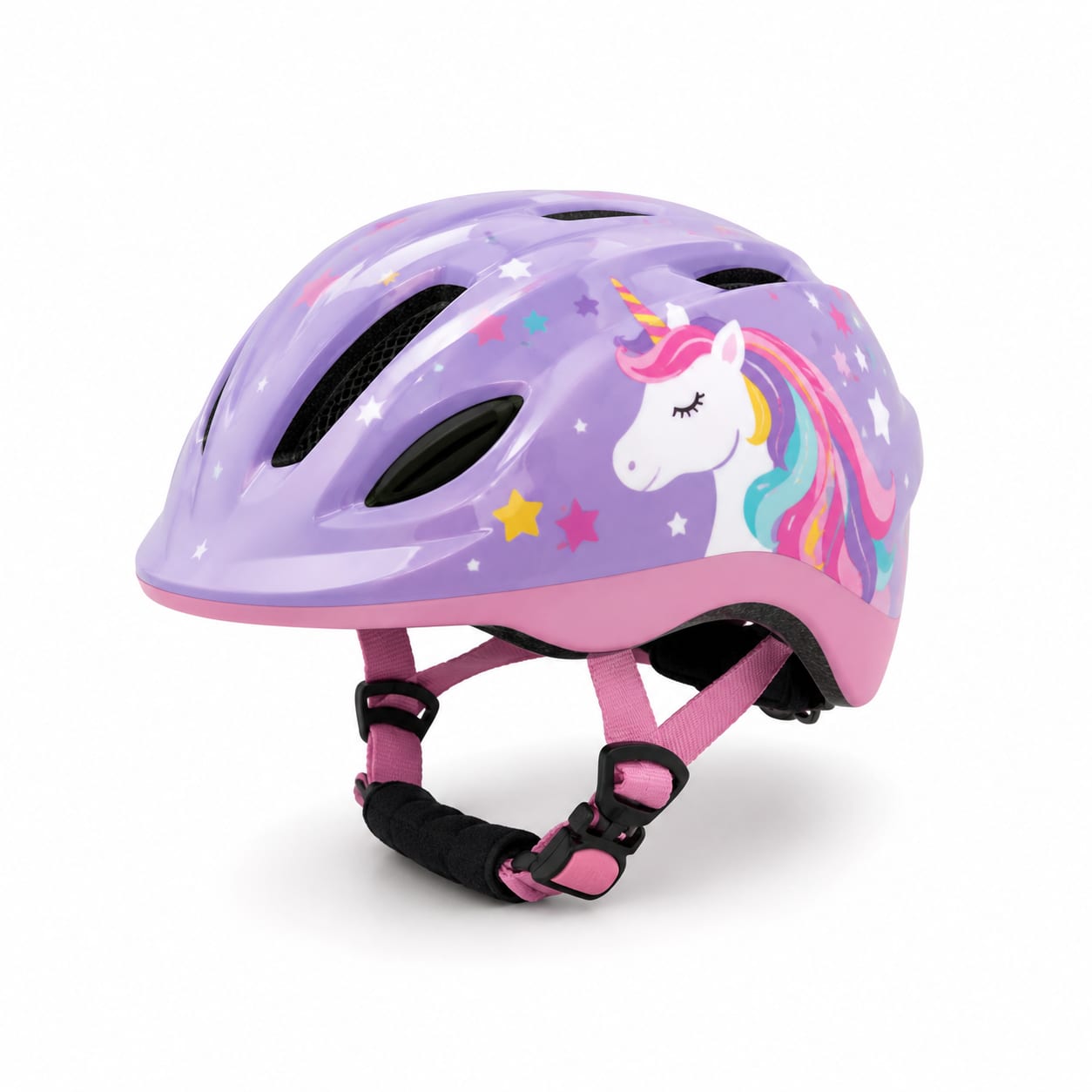
6 topics
Pick a question
Every answer links to the full subcategory guide and related gear types when it helps you decide.
How do I know what size helmet my child needs?
Measure your child's head circumference with a soft tape measure wrapped around the widest point above the eyebrows. Match this measurement to the helmet's size range—toddler helmets typically fit 48-52cm, kids helmets 50-55cm, and youth helmets 52-58cm. When between sizes, choose the larger size and use the included thicker padding inserts. Always try the helmet on before riding—it should sit level, cover the forehead, and not wobble when the retention system is properly adjusted.
Read answer →02When should I replace my child's helmet?
Replace the helmet immediately after any crash where the head hits the ground, even if no damage is visible (EPS foam compresses on impact and doesn't recover). Also replace when the child has outgrown the size range, when you see cracks, dents, or frayed straps, or approximately every 3-5 years due to UV degradation and foam aging. Children grow quickly, so check fit every few months.
Read answer →03Is MIPS worth it for a kids' helmet?
Yes, MIPS is worth the modest price premium (typically $15-30 more) for kids' helmets. Children's developing brains may be more vulnerable to rotational forces during oblique impacts, which are the most common type of cycling fall. MIPS provides an additional layer of protection beyond standard EPS foam. If budget is tight, prioritize proper fit first—a well-fitting helmet without MIPS is better than a poorly fitting one with MIPS.
Read answer →04Can my child use a skateboard helmet for biking?
Only if the helmet is dual-certified for both CPSC (bicycle) and ASTM F1492 (skateboard) standards. Many skate-style helmets only meet the skate standard, which has different impact profiles than cycling certification. A CPSC-certified cycling helmet is designed for the specific types of impacts common in cycling. If your child rides both a bike and a skateboard, look for a dual-certified helmet.
Read answer →05My child refuses to wear a helmet. What should I do?
First, ensure the helmet fits properly—a helmet that pinches, wobbles, or is too heavy will be resisted. Let your child choose the color or design from quality options. Consider a helmet with their favorite character or color. Make it non-negotiable from the very first ride—consistency is key. Model the behavior by always wearing your own helmet. For older kids, explain the real consequences of head injuries rather than using scare tactics. A pinch-proof buckle can eliminate a common source of resistance.
Read answer →06Can I pass down a helmet to a younger sibling?
A helmet can be passed down only if it has never been crashed in, is less than 3-5 years old, has been stored properly (cool, dry place, out of sunlight), and still fits the younger child properly. Inspect carefully for any cracks, dents, frayed straps, or degraded foam. If there is any doubt about the helmet's history or condition, replace it. The cost of a new helmet is minimal compared to the risk of a compromised one.
Read answer →