Kitvore.com

Kitvore.com

Specs that matter. Gear that fits.

Apparel & Protection

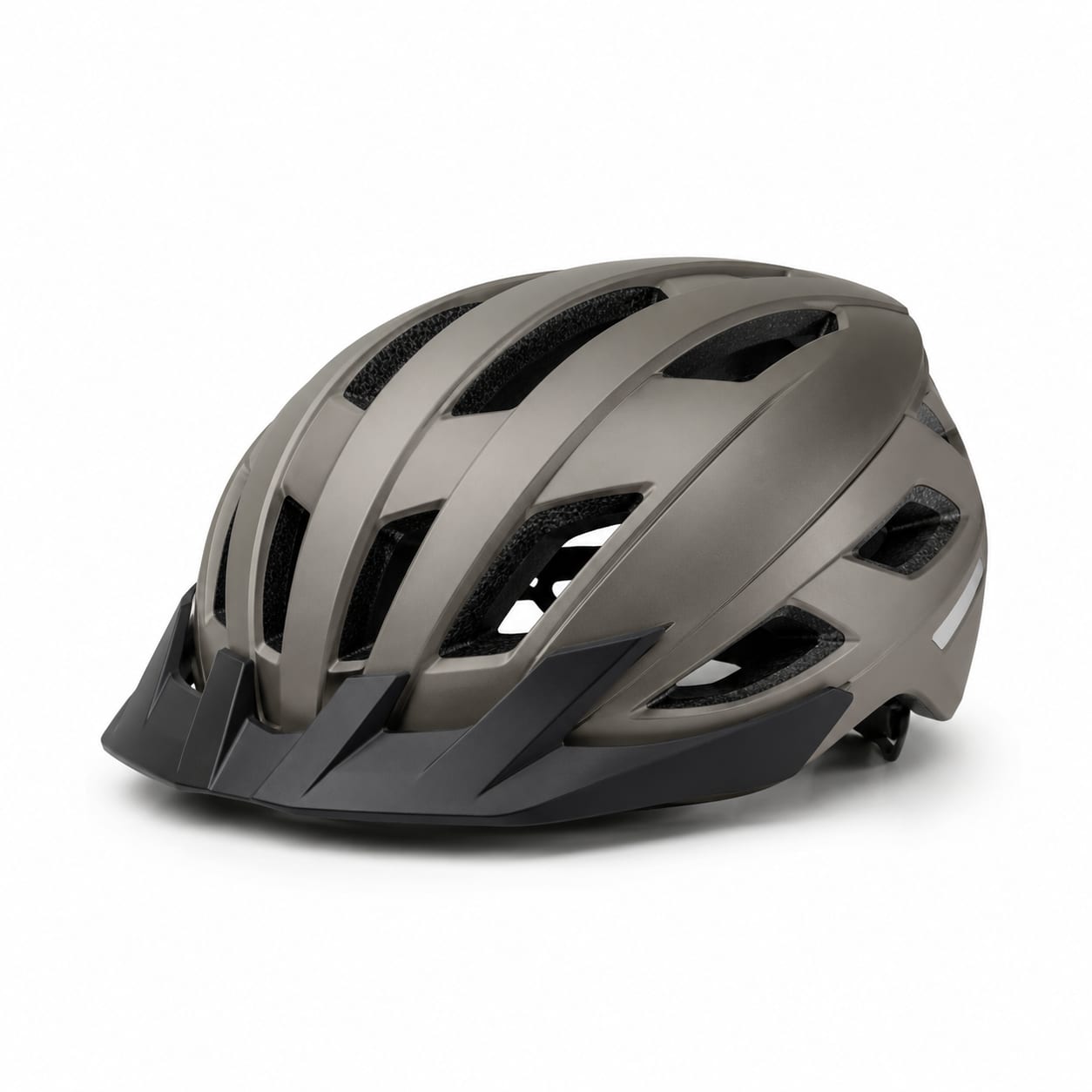
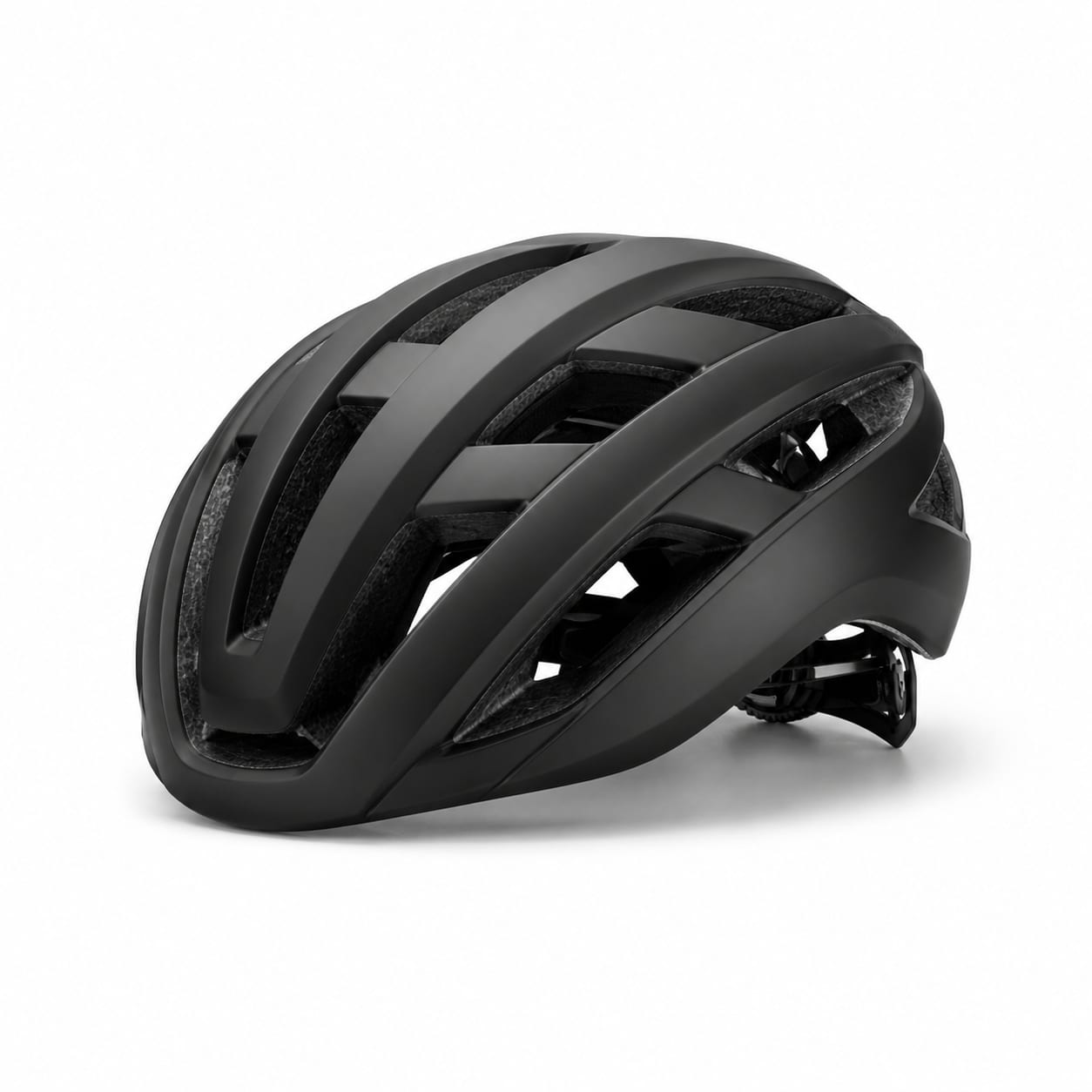
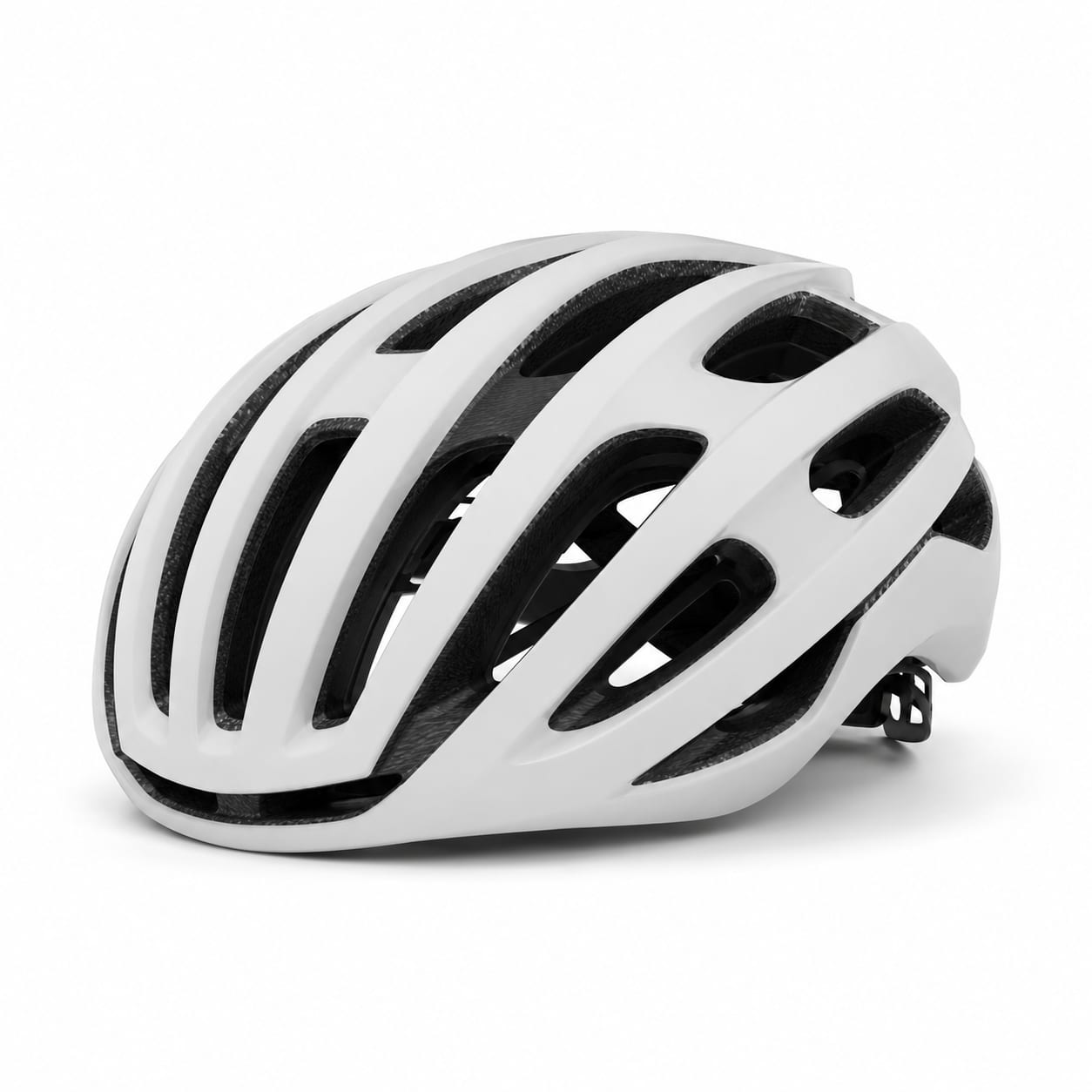
Cycling Helmet

Protective headgear designed specifically for cycling, engineered to absorb impact energy during crashes while providing ventilation, comfort, and aerodynamic benefits for riders across various disciplines.

Road cyclists seeking lightweight aerodynamic helmetsMountain bikers needing extended coverage and visorsCommuters prioritizing visibility and everyday comfortGravel riders wanting versatile all-day protection

15

Key specs

11

Subcategories

7

Related gear topics

Cycling Helmet

Overview

What this equipment is for

Cycling helmets are mandatory safety equipment that vary significantly by discipline—from ultra-lightweight, well-ventilated road helmets to full-coverage mountain bike helmets with visors and extended rear protection. Modern helmets incorporate advanced impact technologies like MIPS, rotational protection systems, and multi-density foam liners. Key purchasing considerations balance safety certification, weight, ventilation, fit system quality, and discipline-specific features.

Related equipment

Helmet mountsCycling capsSunglassesHeadlightsRear lightsBody armorKnee pads

Buying specs

Specs worth understanding before you buy

Each spec explains how it affects performance, fit, and whether a product suits your style and use case.

Safety & Protection

Core safety attributes including certification, impact protection technology, and coverage level that determine how well the helmet protects in a crash.

Certification Standard

certification_standard

Importance

Safety certification standards the helmet meets, indicating the impact testing protocols and minimum protection levels verified by independent testing bodies.

CPSC

U.S. Consumer Product Safety Commission standard, mandatory for all bicycle helmets sold in the United States.

EN 1078

European standard for pedal cyclist and roller skater helmets, required for CE marking.

ASTM F1952

ASTM standard specifically for downhill mountain bike helmets with higher impact energy requirements.

Snell B-95

Voluntary higher-standard certification from the Snell Memorial Foundation with more rigorous testing than CPSC.

At minimum, ensure the helmet meets CPSC (US) or EN 1078 (EU) standards. For aggressive mountain biking, look for ASTM F1952. Speed e-bike riders should seek NTA 8776 certification. Higher standards like Snell indicate above-average protection.
Rotational Protection System

rotational_protection_system

Importance

Technology designed to reduce rotational forces transmitted to the brain during oblique impacts, which are the most common type of cycling crash impact.

MIPS

Multi-directional Impact Protection System using a low-friction layer between the head and helmet liner to allow sliding during impact.

MIPS Spherical

Advanced MIPS implementation using two foam layers with a ball-and-socket interface for more natural rotational movement.

WaveCel

Trek-exclusive cellular structure that crumples and flexes to absorb rotational energy, integrated into the helmet liner.

Koroyd

Welded polymer tube structure that crumples on impact to absorb energy, used by Smith and some other brands.

Rotational protection is increasingly considered essential. MIPS is the most widely available and tested system. MIPS Spherical and WaveCel offer premium alternatives. Budget helmets without rotational protection still meet certification standards but lack this additional safety layer.

Coverage Level

coverage_level

Importance

The extent of head coverage provided by the helmet, particularly at the temples, rear, and base of the skull, beyond the minimum certification requirement.

Minimal Coverage

Helmet extends just past certification minimums with minimal temple and rear coverage; typical of aero road helmets.

Standard Road Coverage

Coverage extending slightly below the certification line at rear and temples; typical of standard road helmets.

Extended Rear Coverage

Noticeably deeper rear coverage protecting the occipital bone and upper neck area; typical of MTB and gravel helmets.

Full Coverage MTB

Maximum coverage extending low on temples, rear skull, and nape; typical of enduro and aggressive trail helmets.

More coverage equals more protection but adds weight and reduces ventilation. Road riders can use minimal/standard coverage; mountain bikers should seek extended or full coverage. Gravel riders should consider extended rear coverage for mixed-terrain crash scenarios. Coverage is one of the most important safety differentiators between helmet types.

Shell Construction

shell_construction

Importance

The manufacturing method used to join the outer polycarbonate shell to the inner EPS foam liner, affecting durability, weight, and safety.

In-Mold

Polycarbonate shell is molded directly to the EPS foam during manufacturing, creating a bonded single unit.

Hardshell

Separate tough outer shell (often ABS) glued or taped to the EPS foam liner after molding.

Hybrid In-Mold

In-mold construction on top with a separate hardshell lower ring for combined durability and light weight.

Dual-Density Foam

Uses two layers of EPS foam of different densities, sometimes with a sliding interface for rotational protection.

In-mold construction is the standard for performance helmets—lighter and better for crash energy management. Hardshell is more durable for everyday use but heavier. Hybrid approaches offer the best compromise at a premium price. Construction type matters less than proper fit and certification.

Fit & Adjustment

Attributes that determine how the helmet fits, stays in place, and can be adjusted for comfort and security during riding.

Head Circumference Range

head_circumference_range

Importance

The range of head circumferences the helmet is designed to fit, typically adjustable via the retention system within a specific size bracket.

Typical range: 48–66 cm

Measure head circumference at the widest point above the eyebrows. Most adult helmets come in S (51-55cm), M (55-59cm), L (59-63cm). Some brands offer XS or XL. One-size-fits-all models typically cover 54-61cm. A helmet that's too large will shift during impact; too small will create pressure points. When between sizes, size up and use thicker pads.

Retention System

retention_system

Importance

The adjustable mechanism at the rear of the helmet that secures it to the head and allows on-the-fly adjustment for a stable, comfortable fit.

Dial/Ratchet

Rotary dial or ratchet mechanism providing precise micro-adjustment of circumference, typically with one-handed operation.

Rear Dial with Yoke

Dial system with adjustable yoke arms that wrap around the occipital bone for enhanced stability.

Sliding Buckle

Simple sliding buckle mechanism for basic circumference adjustment without fine control.

BOA Fit System

BOA-branded dial system using a steel or polymer cable for precise, even pressure distribution.

Dial/ratchet systems are the gold standard for most riders, offering easy one-handed adjustment. Yoke systems provide the most secure fit for aggressive riding. Budget sliding buckles work but lack precision. Test the retention system with the helmet on—some dials are easier to reach and turn than others.

Padding System

padding_system

Importance

The type, material, and configuration of interior padding that contacts the head, affecting comfort, moisture management, and fit customization.

Basic Foam Pads

Simple EPS or EVA foam pads with basic fabric cover; minimal moisture management.

Removable/Washable Pads

Velcro-attached pads that can be removed for washing, typically with moisture-wicking fabric.

Anti-Microbial Treated Pads

Pads treated with silver-ion or similar anti-microbial treatment to reduce odor and bacteria growth.

Premium Multi-Density/Zone Pads

Pads with varying densities and materials in different zones for optimized comfort, cooling, and sweat management.

Removable/washable pads are a minimum recommendation for regular riders. Anti-microbial treatment is worthwhile for frequent use. Premium pad systems make a noticeable difference on long rides in hot conditions. Check if replacement pads are available—pads degrade faster than the helmet shell.

Strap Adjustment System

strap_adjustment_system

Importance

The system used to adjust and lock the chin strap length and position, affecting ease of fitting and strap stability during use.

Standard Sliding

Traditional sliding tri-glide buckles for strap length adjustment; requires manual threading and can slip over time.

Fixed Position Splitters

Strap splitters (where straps divide below ears) are fixed in position, reducing adjustment complexity but limiting customization.

Adjustable Splitters with Locking

Strap splitters that can be positioned and locked, preventing strap movement and maintaining fit.

Strap adjustment is a secondary consideration for most buyers but affects long-term satisfaction. Adjustable locking splitters are worth having if you find your straps frequently need readjustment. Fixed splitters simplify fitting but may not work for all head shapes. Ensure straps form a V below your earlobes regardless of system.

Chin Buckle Type

buckle_type

Importance

The type of buckle used on the chin strap, affecting ease of use, reliability, and safety.

Standard Side-Release

Traditional side-release buckle with push-button operation; the most common type across all helmet categories.

Magnetic (Fidlock)

Magnetic self-aligning buckle that snaps together automatically and releases with a slide motion.

Double D-Ring

Traditional double D-ring metal fastener requiring manual threading; most secure when properly fastened.

Standard side-release buckles work fine for most riders. Magnetic Fidlock buckles are a worthwhile upgrade for triathletes and riders who frequently remove helmets. Double D-rings are standard for full-face helmets and provide maximum security. Buckle type rarely affects purchase decisions but impacts daily usability.

Performance & Aerodynamics

Attributes affecting riding performance including weight, ventilation, and aerodynamic efficiency.

Weight

weight

Importance

The total mass of the helmet including all padding, retention system, and visor (if included), measured in grams.

Typical range: 170–450 g

Road helmets typically range 200-280g; aero helmets 250-350g; MTB helmets 280-380g; full-face helmets 600-1000g. Under 250g is considered lightweight for road use. Weight differences under 30g are barely noticeable during riding; prioritize fit and protection over marginal weight savings.

Number of Vents

vent_count

Importance

The total number of intake and exhaust vents designed to channel airflow through the helmet for cooling.

Typical range: 4–28 vents

More vents generally means better cooling but can reduce aerodynamic efficiency and structural material. Road helmets typically have 18-28 vents; aero helmets 4-12; MTB helmets 12-20. Vent count alone doesn't guarantee cooling—internal channeling design matters equally. Hot-climate riders should prioritize ventilation.

Aerodynamic Optimization

aero_optimization

Importance

The degree to which the helmet is designed to reduce aerodynamic drag, from no consideration to purpose-built time trial aerodynamics.

No Aero Optimization

Helmet designed purely for protection and ventilation with no aerodynamic shaping or wind tunnel testing.

Aero-Informed Design

Helmet shaped with aerodynamic principles but not fully optimized; vents and surfaces designed to reduce drag while maintaining ventilation.

Aero Road Optimized

Helmet specifically designed and wind-tunnel tested for minimal drag in road riding positions with reduced vents and smooth surfaces.

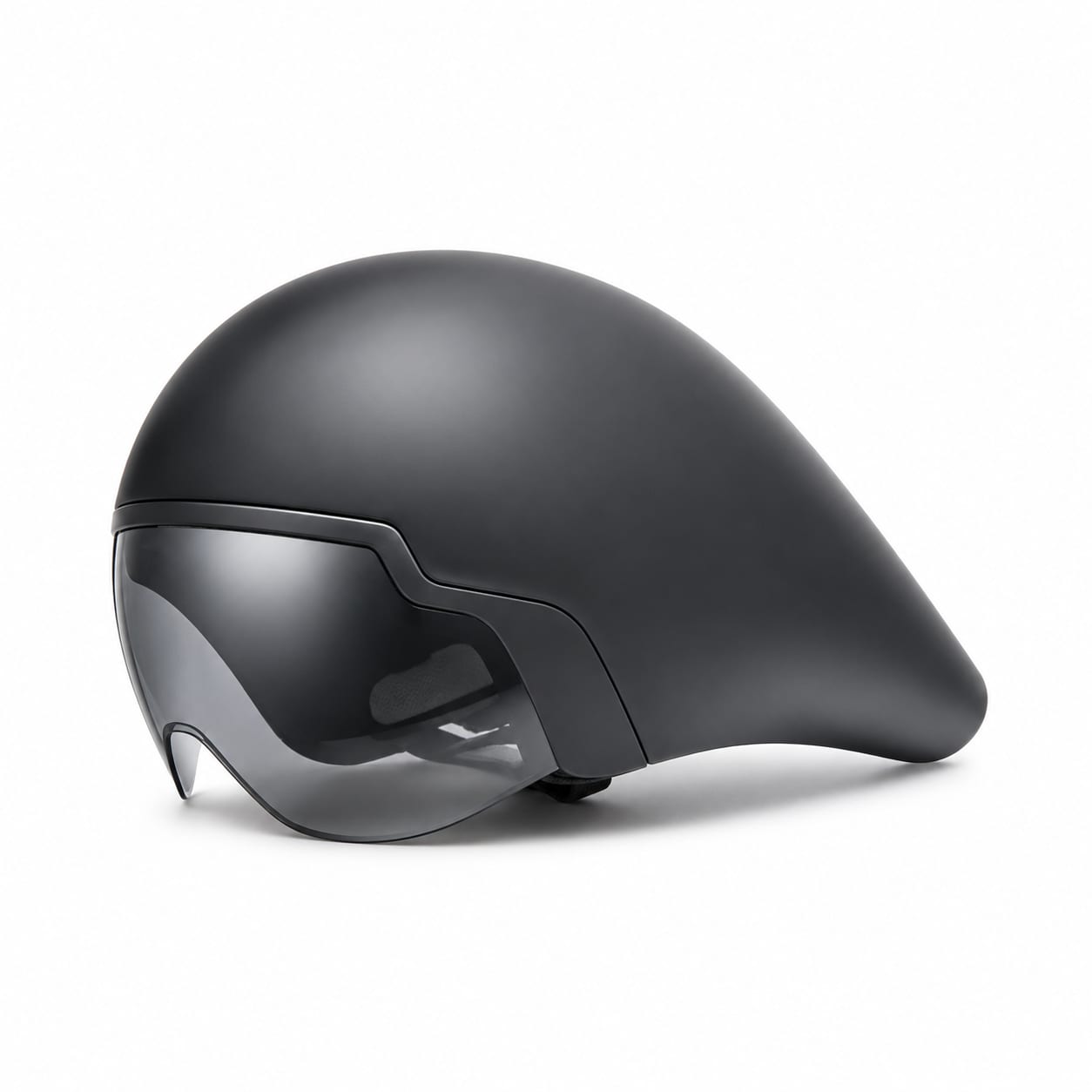
TT/Triathlon Optimized

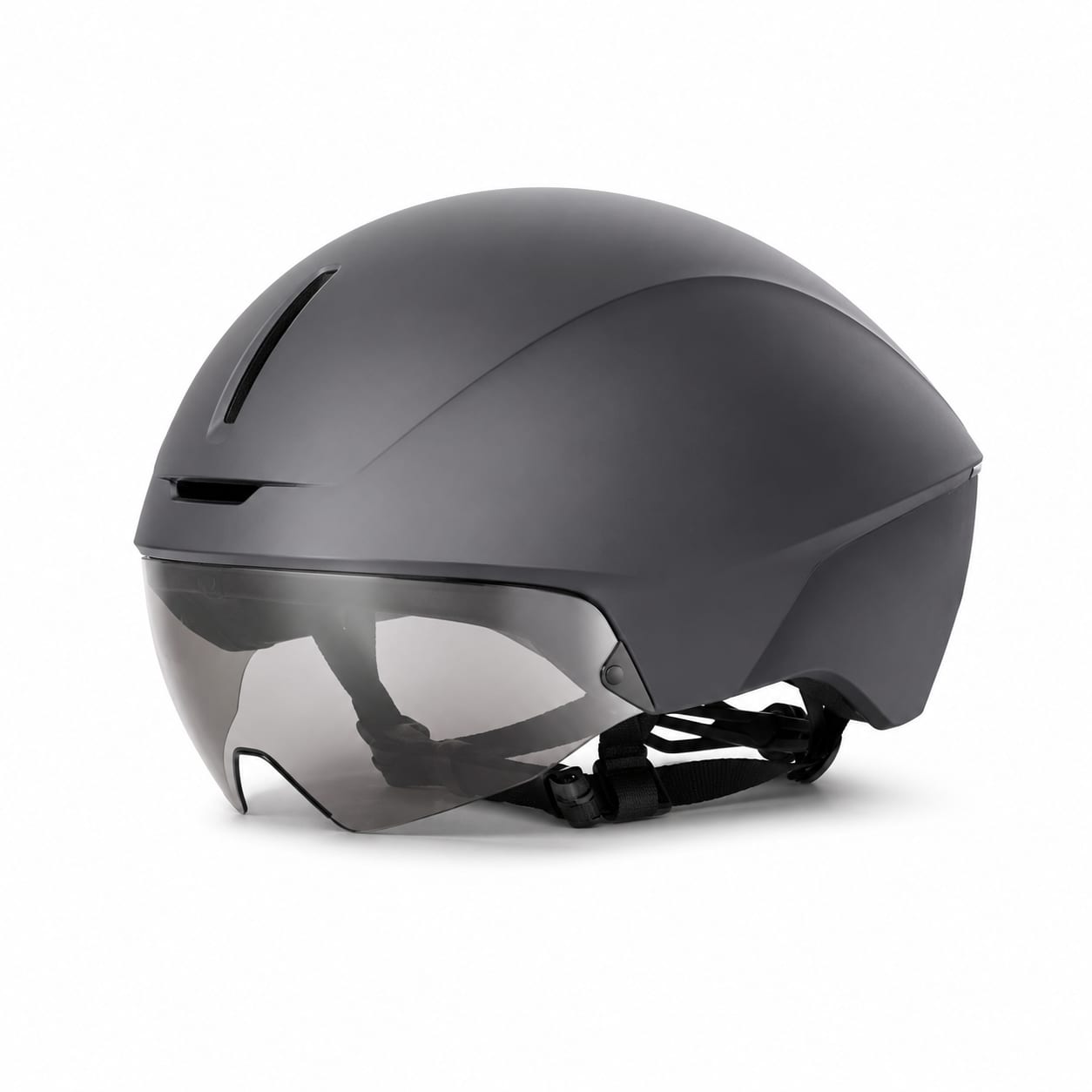
Purpose-built aerodynamic helmet with teardrop shape, minimal vents, and tail designed for time trial positioning.

Aero optimization matters most above 30 km/h. Recreational riders under 25 km/h gain negligible benefit from aero helmets. Racers and fast group riders benefit from aero road designs. TT helmets are only for competition. Most riders are best served by aero-informed designs that balance cooling and speed.

Discipline & Use Case

Attributes that define the helmet's intended riding discipline and specialized features for specific use cases.

Helmet Type

helmet_type

Importance

The discipline-specific category of the helmet, which determines its shape, coverage, ventilation pattern, and intended use scenario.

Road

Lightweight, well-ventilated helmet with minimal coverage and aerodynamic profiling for paved riding.

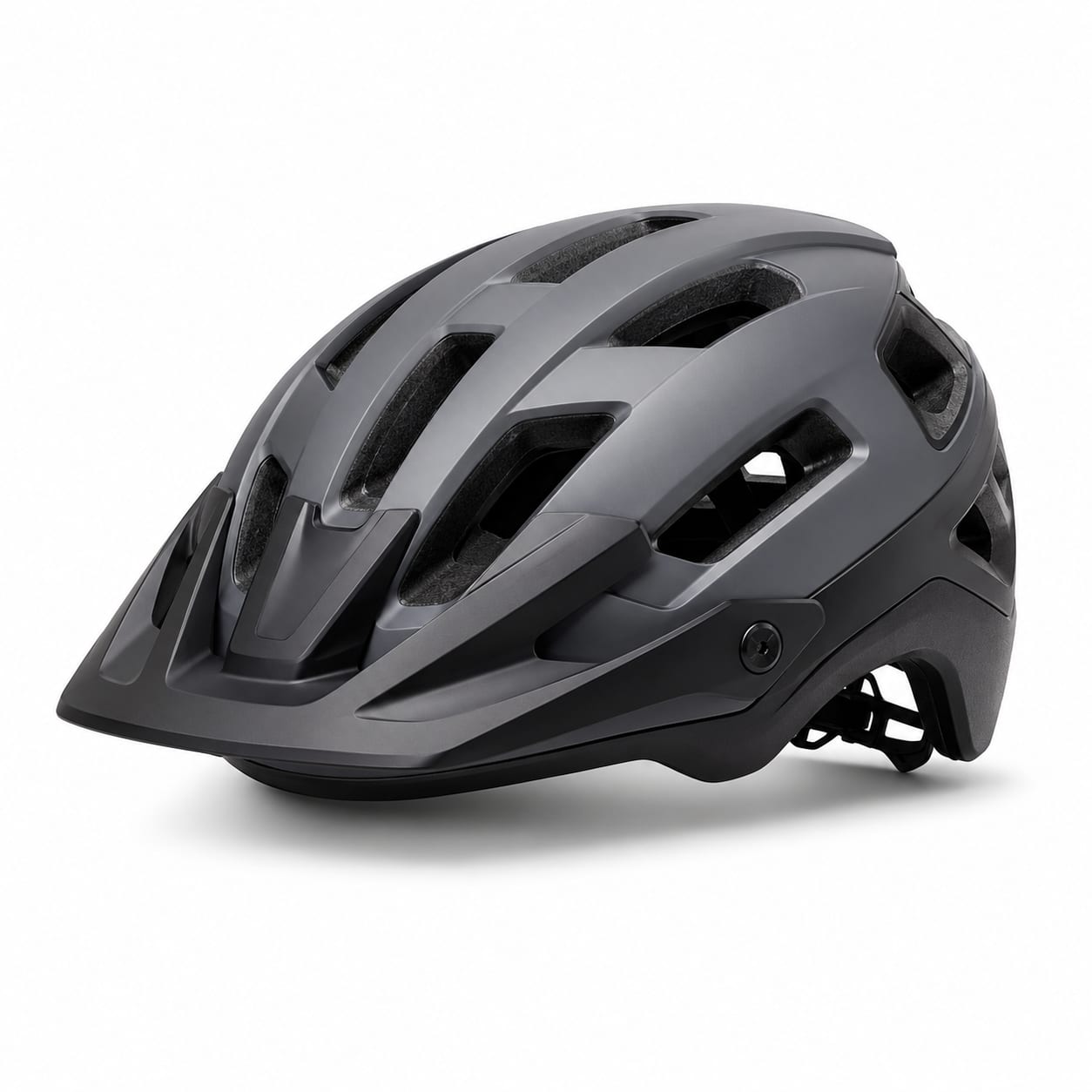
Mountain Bike

Helmet with extended rear and temple coverage, typically including a visor, designed for trail and off-road riding.

Aero Road

Road helmet optimized for reduced drag with fewer, sculpted vents and smooth surfaces for racing performance.

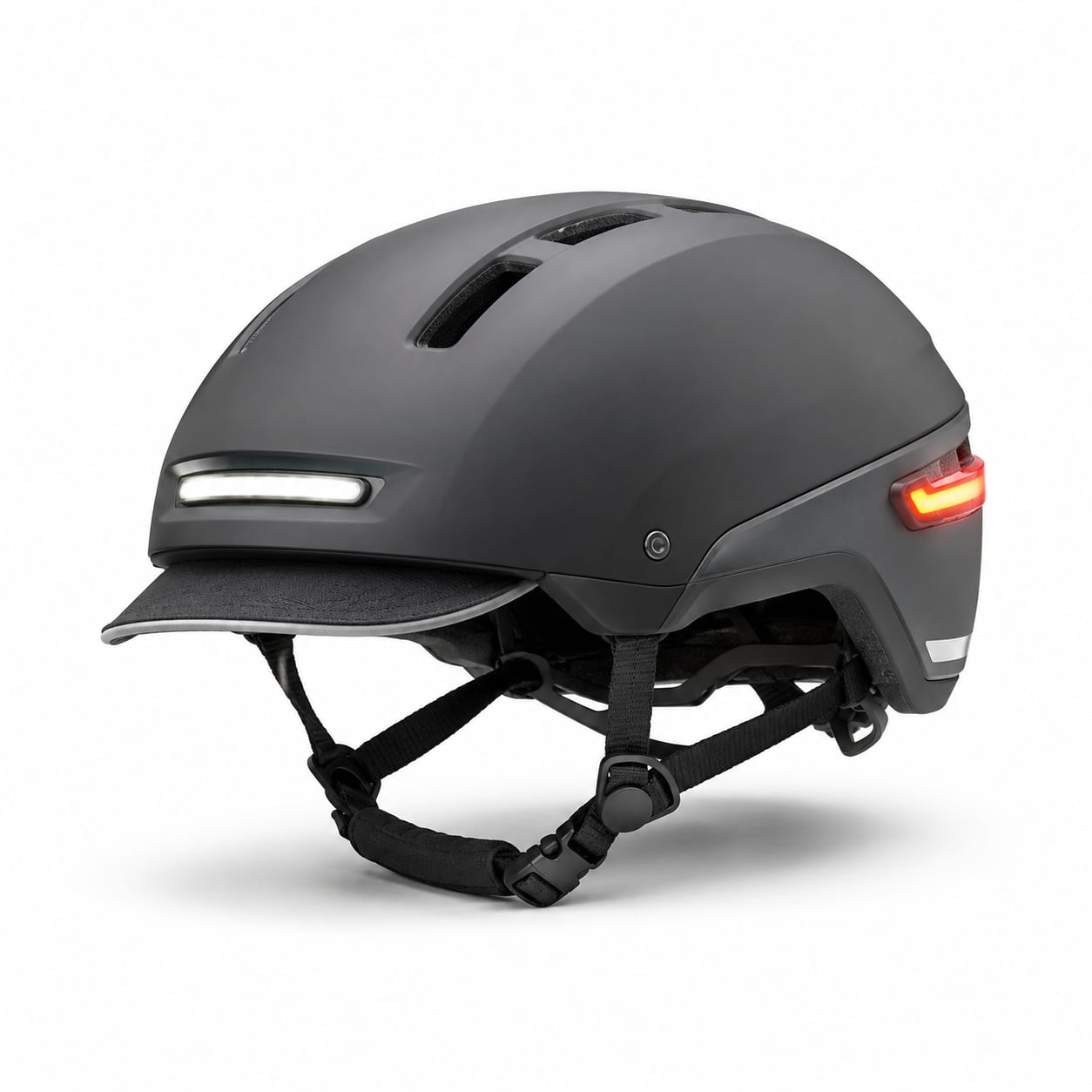
Commuter/Urban

Helmet emphasizing visibility, style, and everyday practicality, often with integrated lights and reflective elements.

Choose based on your primary riding discipline. Road and aero helmets prioritize speed and cooling; MTB helmets prioritize coverage; commuter helmets prioritize visibility and convenience. Using the wrong type compromises either safety or comfort.

Visor Type

visor_type

Importance

The type of visor or brim attached to the helmet for sun, rain, and debris protection, and whether it's removable or adjustable.

No Visor

No visor or brim attached; clean aerodynamic profile typical of road and aero helmets.

Fixed Short Visor

Short, non-removable visor providing minimal sun shielding without significant aero penalty.

Removable/Adjustable Visor

Visor that can be removed entirely or adjusted for angle, typically with snap-fit or screw attachment.

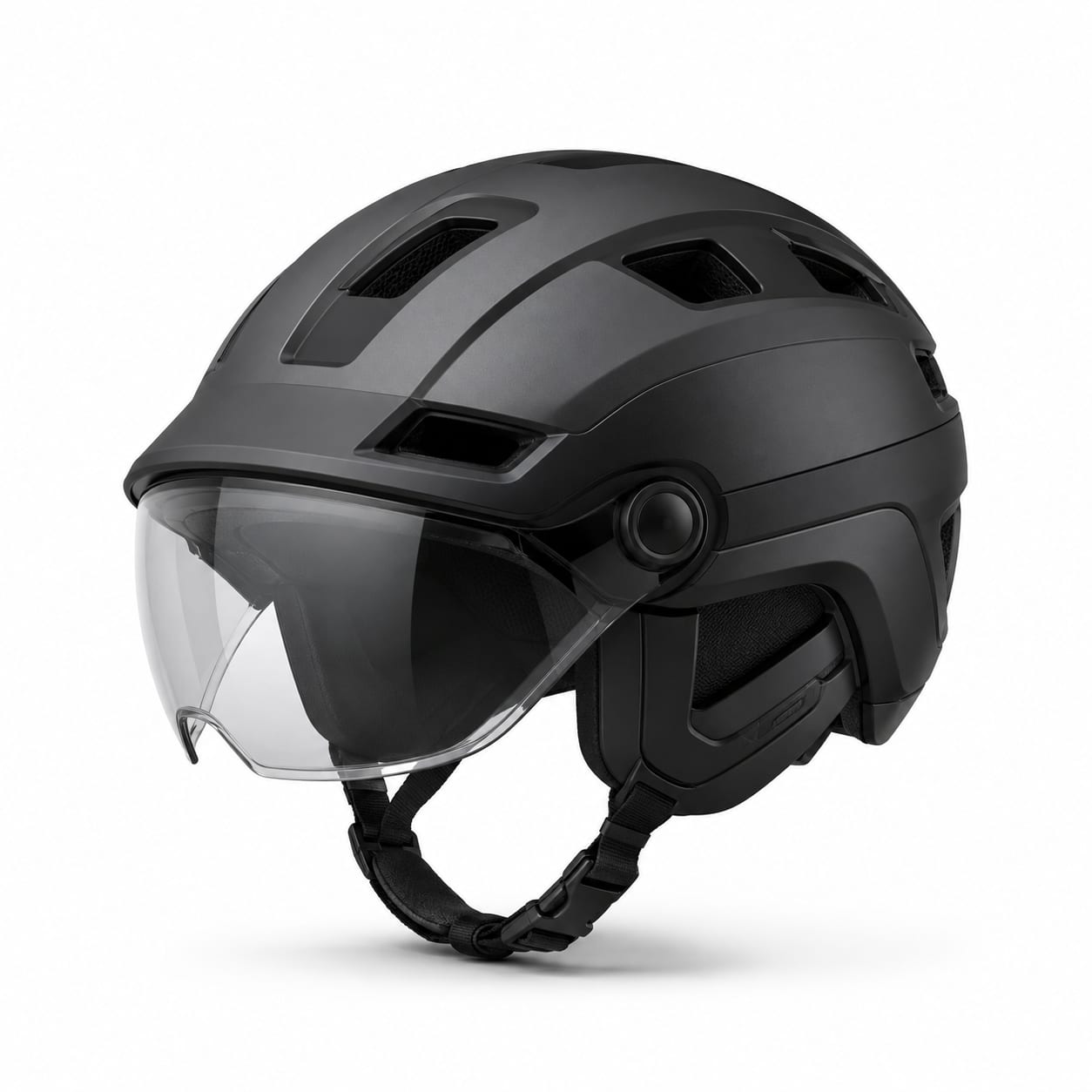
Integrated Shield/Visor

Full or half-face transparent or tinted shield that provides eye protection, common on aero and commuter helmets.

Mountain bikers should look for removable/adjustable visors for trail debris and sun protection. Road riders typically prefer no visor for aerodynamics and use cycling caps for sun. Commuters may appreciate integrated shields for weather protection. Visor adjustability matters for goggle compatibility in MTB.

Visibility & Commuting Features

Features that enhance rider visibility in low light and support commuting utility.

Reflective Elements

reflective_elements

Importance

Presence and extent of reflective materials on the helmet for enhanced visibility in low-light conditions.

None

No reflective elements on the helmet shell or straps.

Minimal Decal/Sticker

Small reflective decals or logos, typically on rear or sides.

Strategic Placement

Reflective elements intentionally placed at key visibility points—rear, sides, and strap anchors.

Full Wrap Reflective

Extensive reflective striping or panels wrapping around the helmet for 360-degree visibility.

Commuters and anyone riding in low light should prioritize helmets with strategic or full wrap reflective elements. Road and MTB riders who rarely ride in darkness may find minimal or no reflective elements acceptable. Reflective elements are a passive safety feature that works without batteries or activation.

Integrated Light Mount

integrated_light_mount

Importance

Built-in mount or attachment point for rear lights, either as a dedicated clip, magnetic mount, or integrated light.

No Mount

No dedicated light mount; lights must be attached via strap or clip to vents.

Clip Mount

Dedicated plastic clip at the rear for attaching compatible rear lights.

Magnetic Mount

Magnetic attachment point for proprietary or compatible rear lights.

Integrated Light

Built-in rear light that is part of the helmet, often USB-rechargeable.

Commuters benefit most from integrated or magnetic mounts ensuring a rear light is always available. Road and MTB riders rarely need integrated mounts. Integrated lights are convenient but add charging responsibility and weight. A dedicated clip mount is a good compromise for occasional use.

Specs FAQ

Common questions about these buying specs

Plain-English answers for each spec and option — tap through for the full explanation.

Is a road helmet the right choice for me, or do I need something else?

A road helmet is ideal if you primarily ride on paved roads—whether that's casual weekend rides, fast group rides, criteriums, or long-distance gran fondos. These helmets are designed to be lightweight with generous ventilation to keep your head cool during sustained efforts, and they have a sleeker profile that cuts through the air more efficiently than other types. The trade-off is that road helmets offer less coverage around the temples and the back of the head compared to mountain bike or commuter helmets. They're not designed for the crashes you'd see on trails, where you might slide or hit obstacles from different angles. If you're doing aggressive off-road riding, a mountain bike helmet with extended coverage is the safer bet. Also, if your rides are mostly short city commutes at lower speeds, a commuter helmet with better visibility features might serve you better. Road helmets shine when speed, ventilation, and low weight matter most—so if most of your miles are on tarmac, they're hard to beat.

Do I really need a mountain bike helmet for trail riding, or can I just use my road helmet?

A mountain bike helmet provides noticeably more protection than a road helmet for off-road riding. The extended rear coverage safeguards the back of your head during rearward falls, and the added temple coverage shields areas that road helmets leave exposed. That extra coverage matters on trails where you're more likely to fall at awkward angles onto rocks, roots, and uneven ground. Mountain bike helmets also come with a visor, which does more than block sun—it shields your face from low branches and helps deflect debris kicked up by your front wheel. Road helmets skip visors because they can catch wind at higher speeds. The trade-off is slightly more weight and less aerodynamic shaping, but that's rarely a concern on trails where speeds are lower and terrain is unpredictable. If you're doing cross-country, trail, or all-mountain riding, a mountain bike helmet is the right call for the coverage you need.

I ride road bikes mostly—should I get an aero road helmet instead of a regular road helmet?

An aero road helmet is designed to cut through the wind with fewer, sculpted vents and smooth surfaces that reduce drag. If you're racing, doing fast group rides, or regularly pushing speeds above 20 mph, that aerodynamic advantage can genuinely save you watts and time. The trade-off is ventilation. Aero helmets trap more heat because there's less airflow over your head, which can get uncomfortable on hot days or during long, steady climbs. For casual rides or slower recreational cycling, a standard road helmet with better cooling is usually the smarter choice. Think of it this way: aero helmets are for when speed is the priority. If you're not racing or chasing personal records, the cooling comfort of a regular road helmet will likely serve you better on most rides.

Should I get a commuter helmet for riding around town, or would a road helmet work just as well?

A commuter/urban helmet is specifically designed for city riding and everyday practicality, so it's the better choice if that's your main use case. Unlike road helmets, which prioritize being ultra-light and highly ventilated, commuter helmets focus on visibility and convenience features that matter in traffic—like integrated rear lights, reflective accents, and sometimes even rain covers. The trade-off is that commuter helmets tend to be a bit heavier and less ventilated than road helmets. They also have a more casual, rounded shape that looks less sporty but pairs better with everyday clothes. That said, if you're riding at a relaxed pace around town, the reduced airflow is rarely an issue. Where a commuter helmet really shines is the visibility factor. Being seen by drivers is one of the biggest safety concerns in urban riding, and the built-in lights and reflective elements give you an extra layer of protection that road helmets simply don't offer. If you're commuting, running errands, or using bike-share systems, go commuter.

Subcategories

Different styles, different picks

Each sub-type has its own guide with typical specs, trade-offs, and buying advice.

Road Cycling Helmet

Road Cycling Helmet

$50 – $350

dominant

Lightweight, well-ventilated helmets optimized for road cycling speed and endurance.

lightweight constructionextensive ventilationsleek aerodynamic profile
Aero Road Helmet

Aero Road Helmet

$150 – $500

common

Aerodynamically optimized helmets minimizing drag for competitive road cycling and time trials.

smooth aerodynamic shellreduced vent counttruncated tail profile
Time Trial / Triathlon Helmet

Time Trial / Triathlon Helmet

$200 – $600

niche

Full teardrop-shaped helmets providing maximum aerodynamic advantage against the clock.

elongated teardrop tailintegrated visor or shieldminimal ventilation
Mountain Bike Helmet (XC/Trail)

Mountain Bike Helmet (XC/Trail)

$50 – $300

dominant

Half-shell helmets with extended rear coverage and visors for cross-country and trail mountain biking.

extended rear coverageadjustable visorgoggle-compatible retention
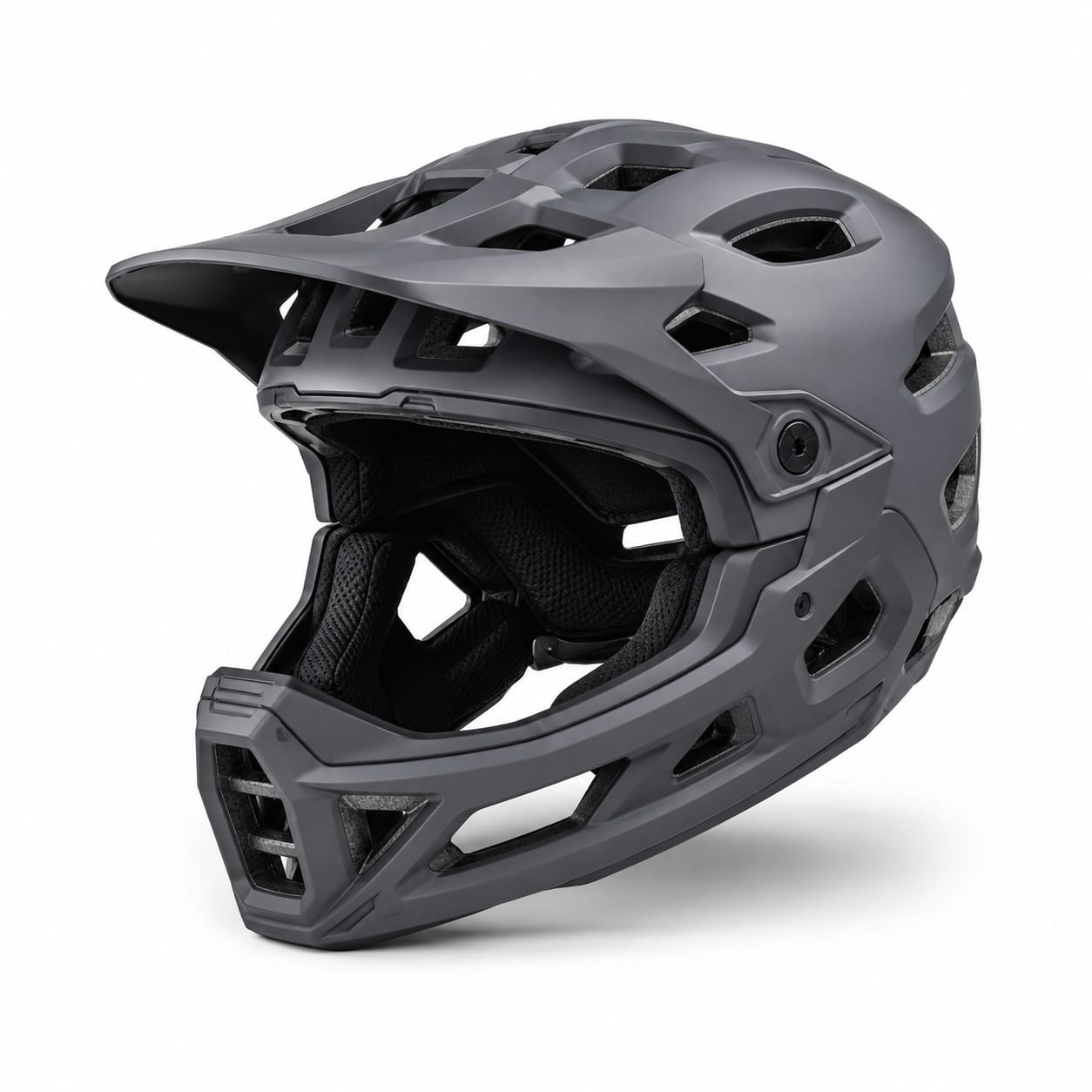
Enduro / All-Mountain Helmet

Enduro / All-Mountain Helmet

$80 – $350

common

Enhanced-coverage half-shell helmets bridging the gap between trail and full-face protection for aggressive riding.

maximum half-shell coverageremovable chin bar on some modelsaggressive ventilation
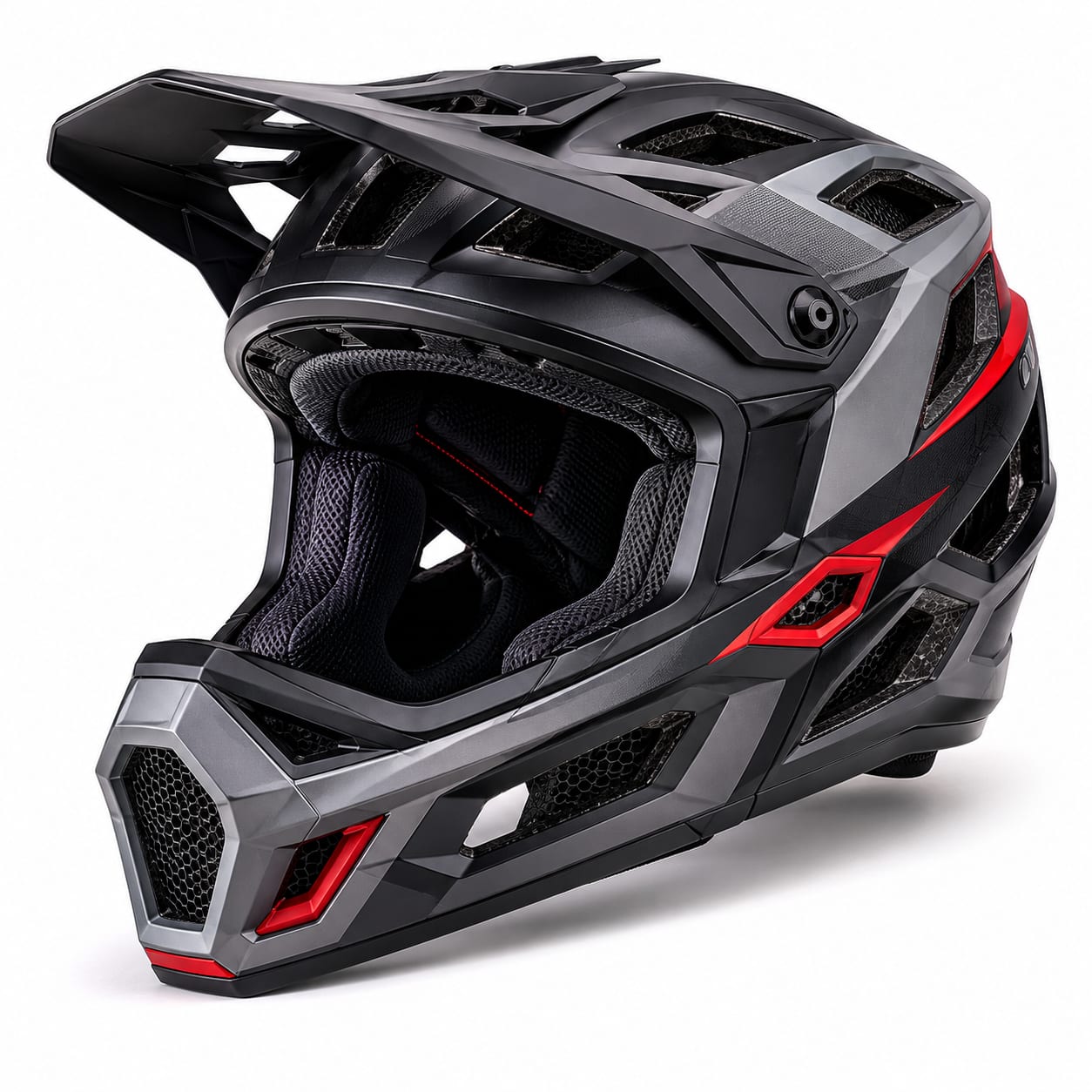
Full Face Mountain Bike Helmet

Full Face Mountain Bike Helmet

$80 – $600

niche

Complete head and face protection helmets for downhill mountain biking and extreme off-road disciplines.

full chin barextensive vent systemreinforced shell
Commuter / Urban Helmet

Commuter / Urban Helmet

$40 – $200

common

Stylish, feature-rich helmets designed for daily city cycling with integrated lights and casual aesthetics.

integrated lightscasual stylingreflective elements
E-Bike / Speed Pedelec Helmet

E-Bike / Speed Pedelec Helmet

$80 – $300

niche

Enhanced-protection helmets rated for higher speeds of electric-assist bicycles and speed pedelecs.

NTA 8776 certification on speed pedelec modelsextended coveragereinforced shell
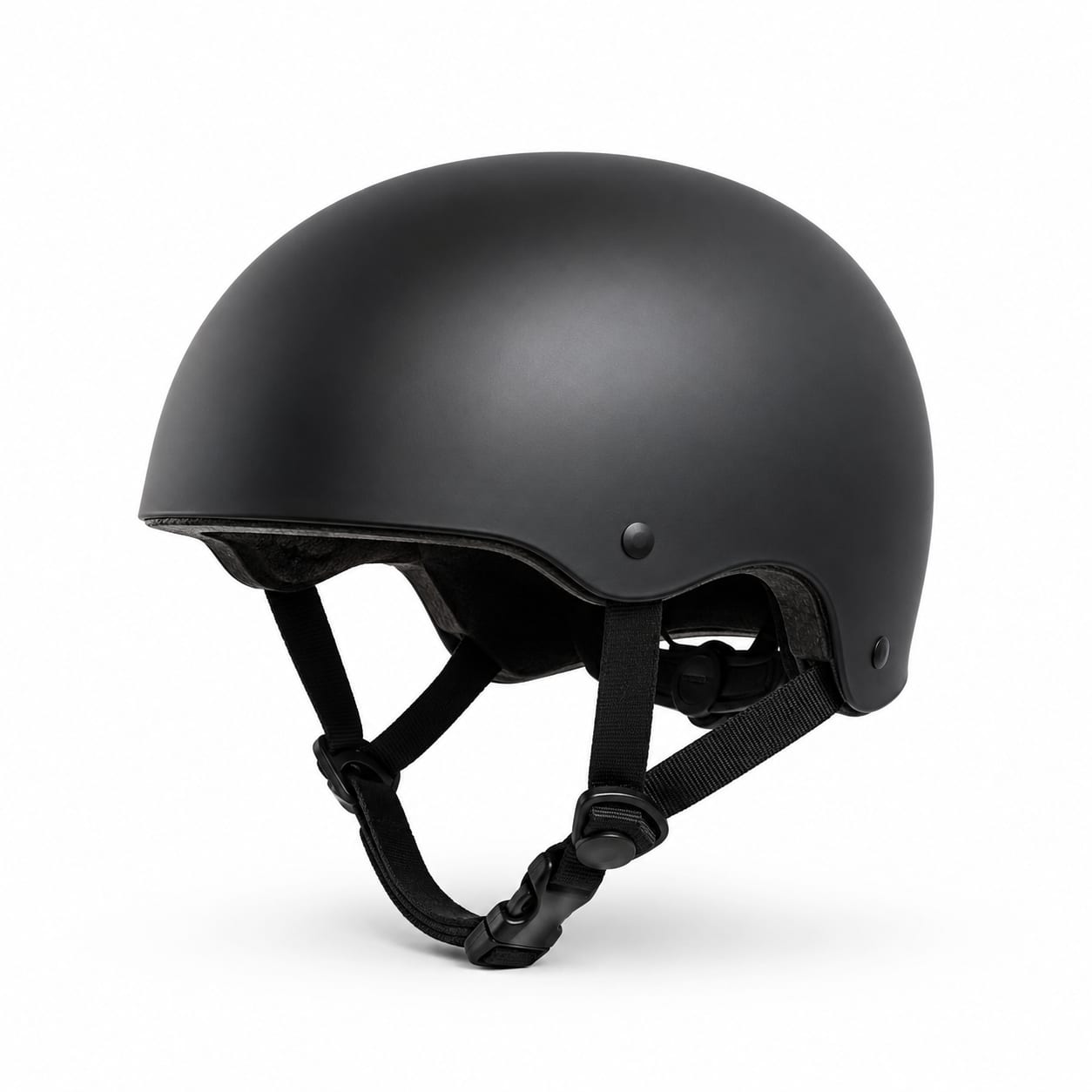
BMX / Dirt Jump Helmet

BMX / Dirt Jump Helmet

$30 – $200

niche

Durable hard-shell helmets with skate-inspired profiles for BMX racing, dirt jumping, and skatepark riding.

hard outer shellskate-style profileminimal ventilation
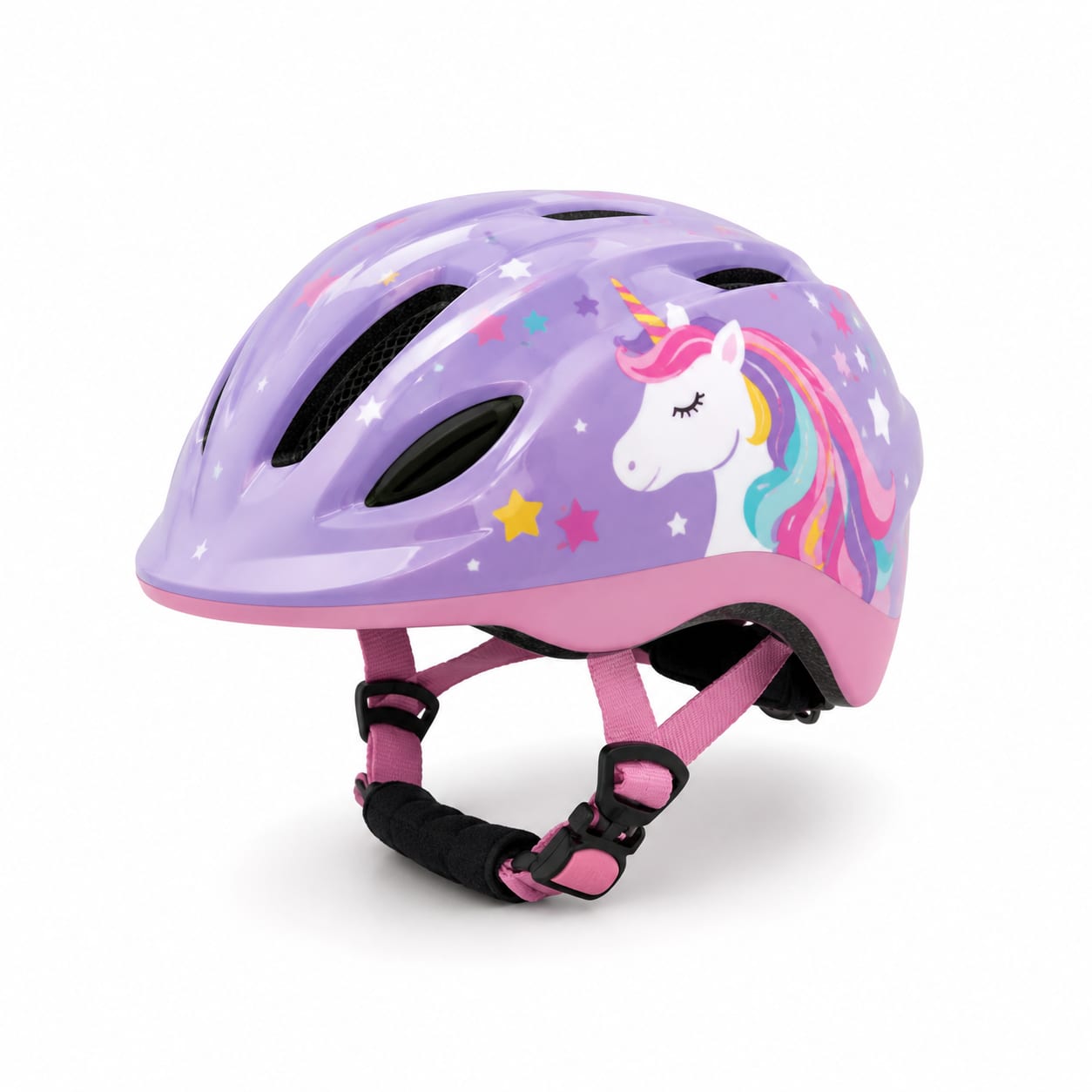
Kids / Youth Helmet

Kids / Youth Helmet

$25 – $100

common

Sized-down helmets with child-friendly designs and safety features for young cyclists.

smaller shell sizespinch-proof bucklesbright colors and designs
Gravel / Adventure Helmet

Gravel / Adventure Helmet

$60 – $300

niche

Versatile helmets blending road ventilation with mountain bike coverage for mixed-surface riding.

road-like ventilationslight rear coverage extensionremovable visor