
Cycling Helmet · FAQ
Questions about Road Cycling Helmet
Straight answers on fit, specs, and when this type makes sense — each topic has its own page with links back to the buying guide.
Open Road Cycling Helmet guide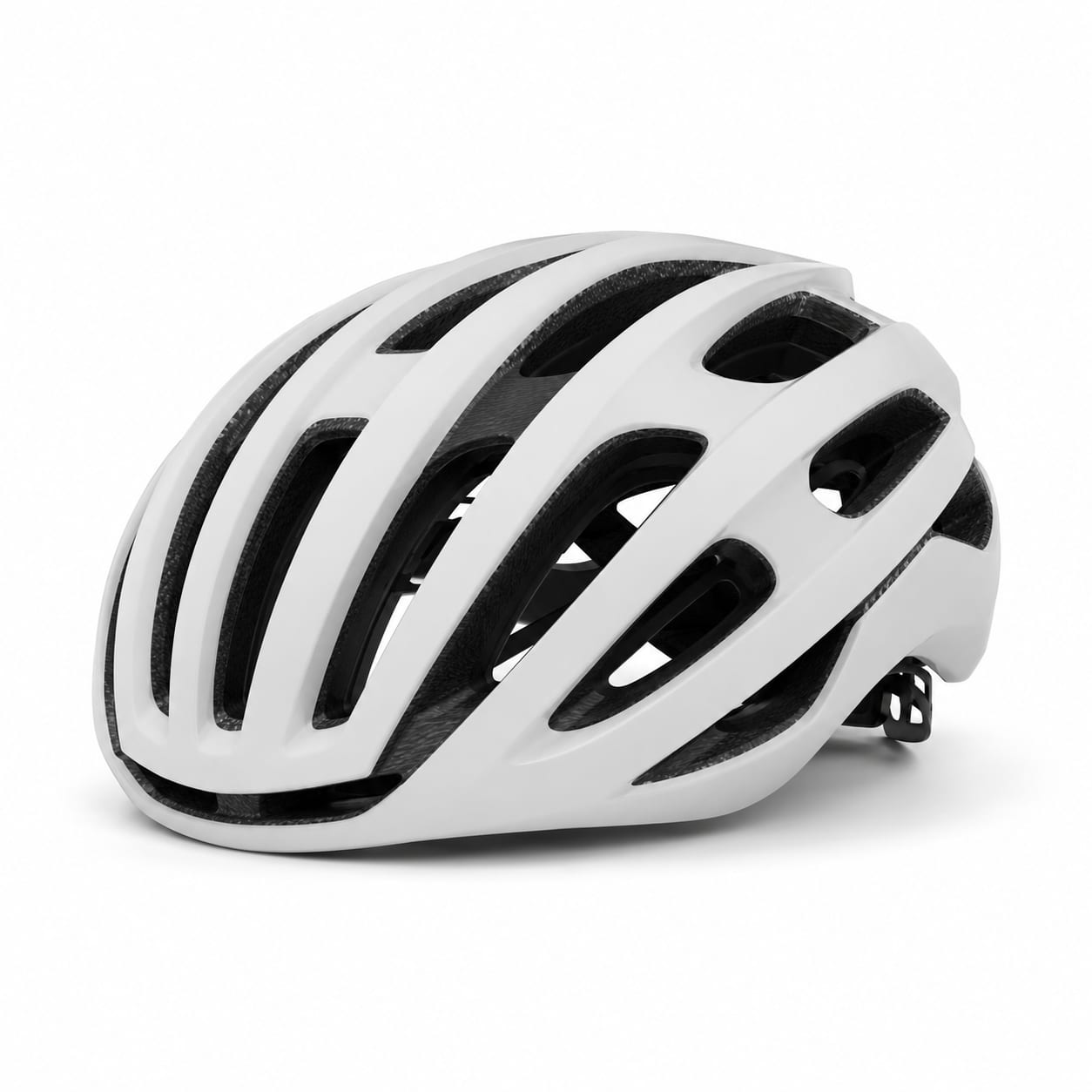
6 topics
Pick a question
Every answer links to the full subcategory guide and related gear types when it helps you decide.
How much should I spend on a road cycling helmet?
Quality road helmets with MIPS rotational protection start around $80-100. The $100-200 range offers the best value, with excellent ventilation, lightweight construction, and MIPS. Premium helmets above $200 provide marginal weight savings, premium padding systems, and sometimes advanced rotational protection like MIPS Spherical. Spending more than $250 yields diminishing returns for most riders—invest in proper fit over premium price.
Read answer →02Do I really need MIPS on a road helmet?
While no helmet can prevent all head injuries, MIPS and other rotational protection systems provide an additional safety layer that addresses the most common type of cycling crash impact—oblique impacts that generate rotational forces on the brain. Research and independent testing support the effectiveness of these systems. Given that MIPS adds only $20-40 to the helmet price and 20-50g of weight, most safety experts and cycling organizations recommend choosing a helmet with rotational protection when possible.
Read answer →03How do I know if a road helmet fits correctly?
A properly fitting road helmet should sit level on your head with the front edge about one inch above your eyebrows, or two finger-widths. The retention system should hold the helmet securely without creating pressure points. Shake your head vigorously—the helmet should move with your head, not independently. The chin strap should form a V below your earlobes and allow 1-2 fingers between the strap and chin. If the helmet rocks forward over your eyes or shifts side to side, adjust the retention system or try a different size or brand.
Read answer →04Can I use a road helmet for gravel riding?
While you can physically wear a road helmet for gravel riding, it's not ideal. Road helmets provide less rear and temple coverage than gravel-specific or MTB helmets, which matters more in off-road crash scenarios. They also lack a visor for sun and debris protection on loose surfaces. If you ride both road and gravel, consider a gravel helmet with extended rear coverage and a removable visor, or use an MTB helmet for gravel rides. If you only occasionally ride gravel, your road helmet is acceptable but not optimal.
Read answer →05When should I replace my road cycling helmet?
Replace your helmet immediately after any crash where the helmet contacts the ground or another object, even if no damage is visible—EPS foam compresses on impact and does not recover. Replace the helmet every 3-5 years even without crashes, as UV exposure, sweat, and temperature cycling gradually degrade the foam's impact absorption. Also replace if you notice cracks in the shell, separation between shell and foam, frayed straps, or a retention system that no longer holds adjustment. When in doubt, replace—it's your head.
Read answer →06Is a more expensive road helmet safer?
Not necessarily. All road helmets sold through legitimate channels must meet the same CPSC or EN 1078 certification standards, regardless of price. Higher prices typically buy lower weight, better ventilation, premium padding, advanced rotational protection systems, and more refined fit systems—but not higher baseline impact protection. A $80 MIPS-equipped helmet that fits well provides excellent protection. The most important safety factors are proper fit, current certification, rotational protection, and replacing the helmet after any impact.
Read answer →