
Cycling Jersey · FAQ
Questions about Cyclocross Jersey
Straight answers on fit, specs, and when this type makes sense — each topic has its own page with links back to the buying guide.
Open Cyclocross Jersey guide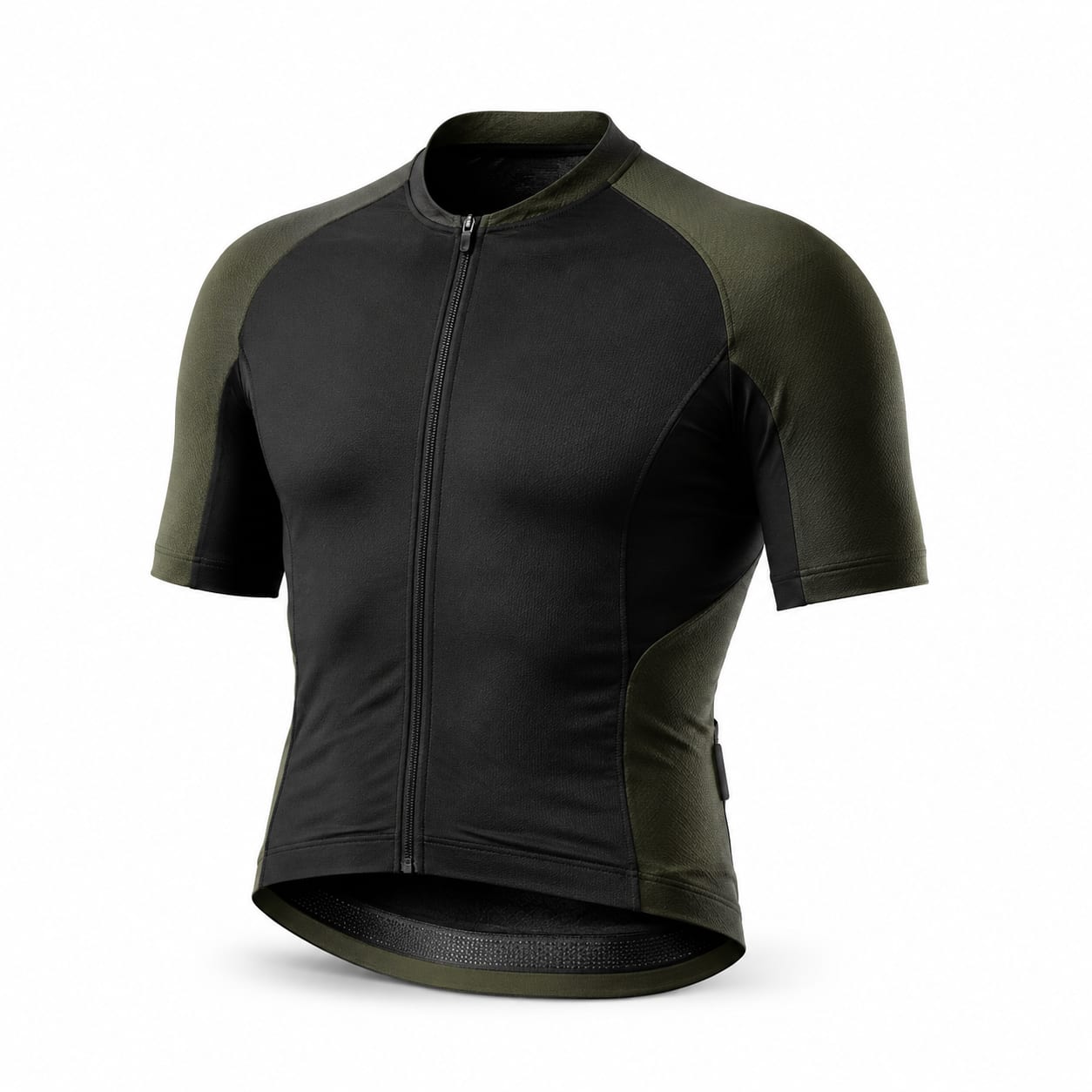
6 topics
Pick a question
Every answer links to the full subcategory guide and related gear types when it helps you decide.
Can I use a regular road jersey for cyclocross racing?
You can, but you'll likely encounter two major issues: rear pockets catching on the top tube during shouldering (which can cause you to stumble or drop the bike), and the jersey absorbing mud and water instead of shedding it. For your first few CX races, a road jersey is fine, but if you continue racing, a CX-specific jersey will meaningfully improve your experience and safety.
Read answer →02Why do cyclocross jerseys have fewer pockets than road jerseys?
The minimal pocket design is specifically to prevent the top tube from catching on pocket edges during bike shouldering—a common CX technique for overcoming barriers and steep run-ups. Even small pocket edges can snag, potentially causing you to stumble or drop the bike at speed. For race day, most CX riders carry nothing in their jerseys anyway, relying on feed zones and pit crews for nutrition.
Read answer →03What should I wear under my cyclocross jersey for cold races?
A thin synthetic or merino wool base layer is ideal—something that wicks moisture but adds a bit of warmth. Avoid cotton, which holds sweat and makes you cold. For very cold races (below 5°C), consider a slightly heavier base layer and add arm warmers. The key is to dress for how warm you'll be at race effort, not how cold you feel at the start line—you'll be generating significant heat within the first minute.
Read answer →04Do I need a DWR-treated jersey for cyclocross?
It's highly recommended but not absolutely essential. DWR (durable water repellent) treatment causes mud and water to bead and shed rather than soak into the fabric. In a muddy CX race, a non-treated jersey can absorb significant water weight and become cold and uncomfortable. If you race in dry conditions or only do occasional CX, a non-treated jersey is fine. For regular muddy racing, DWR is a significant performance advantage.
Read answer →05How should a cyclocross jersey fit compared to a road jersey?
A CX jersey should fit slightly looser than a road race jersey—more like a club fit than an aero race fit. You need freedom of movement for running, jumping, and shouldering the bike. When trying one on, simulate running arm swing and shoulder the position of carrying a bike on your shoulder. If the jersey restricts these movements or rides up, it's too tight. The jersey should be close enough to avoid flapping but loose enough for full range of motion.
Read answer →06Can I use a cyclocross jersey for gravel riding or road training?
Yes, with caveats. A CX jersey works well for gravel riding, especially in cool conditions, though you'll miss the extra pocket storage of a dedicated gravel jersey. For road training, a CX jersey is fine for winter base miles but may be too warm for summer rides and lacks the aerodynamic fit of a road race jersey. The minimal pockets are the biggest limitation for training rides where you carry more gear.
Read answer →