Kitvore.com

Kitvore.com

Specs that matter. Gear that fits.

Cycling Clothing

Cycling Jersey

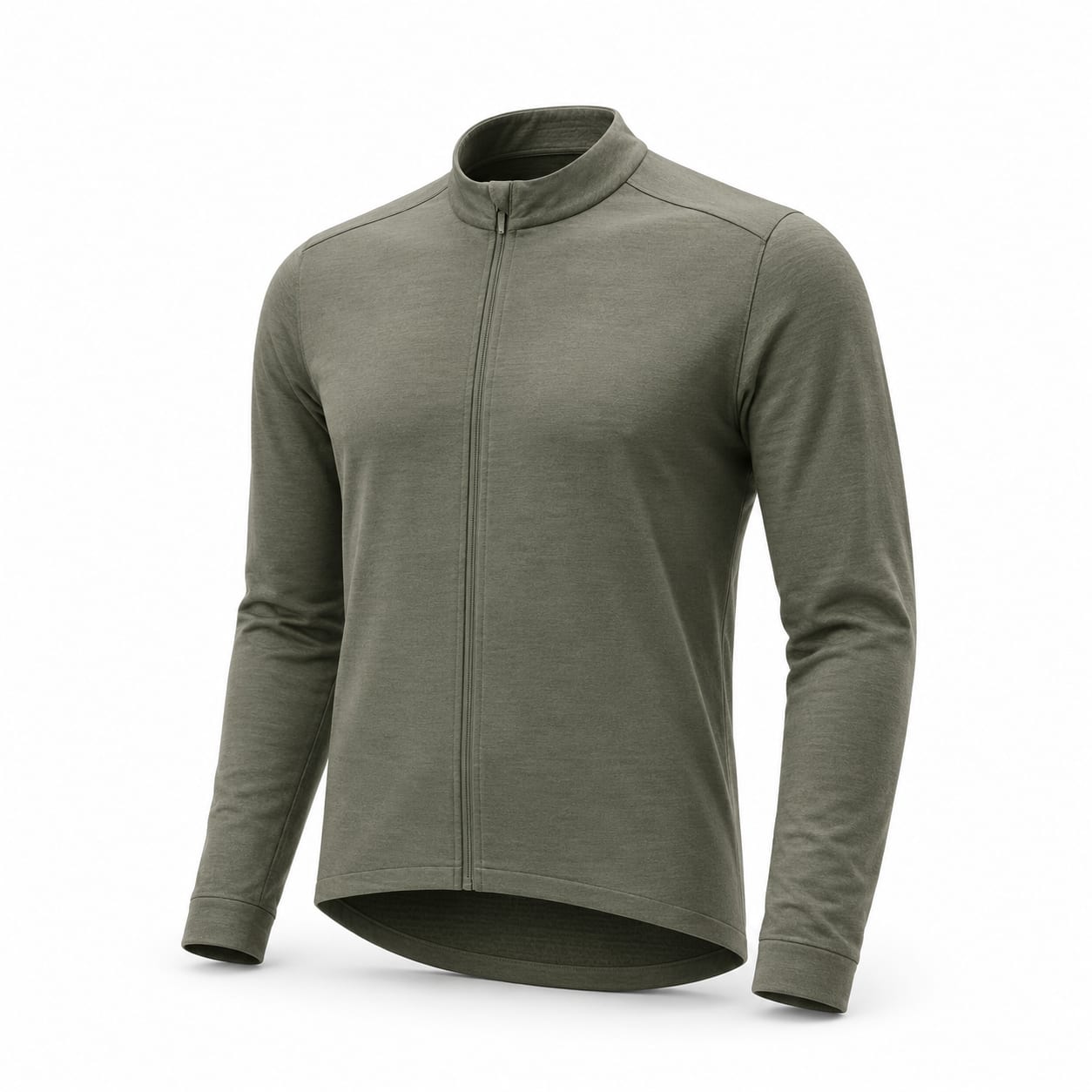
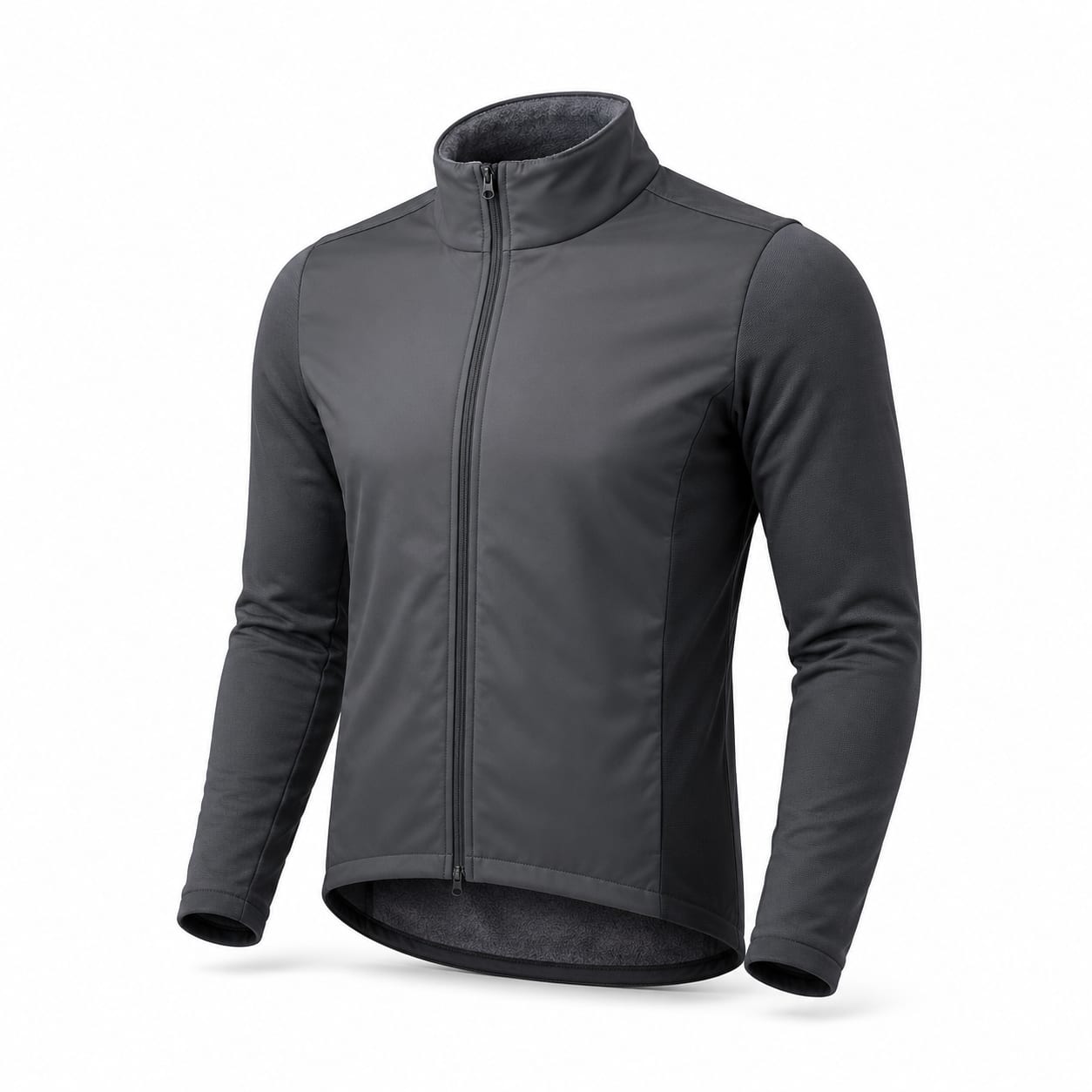
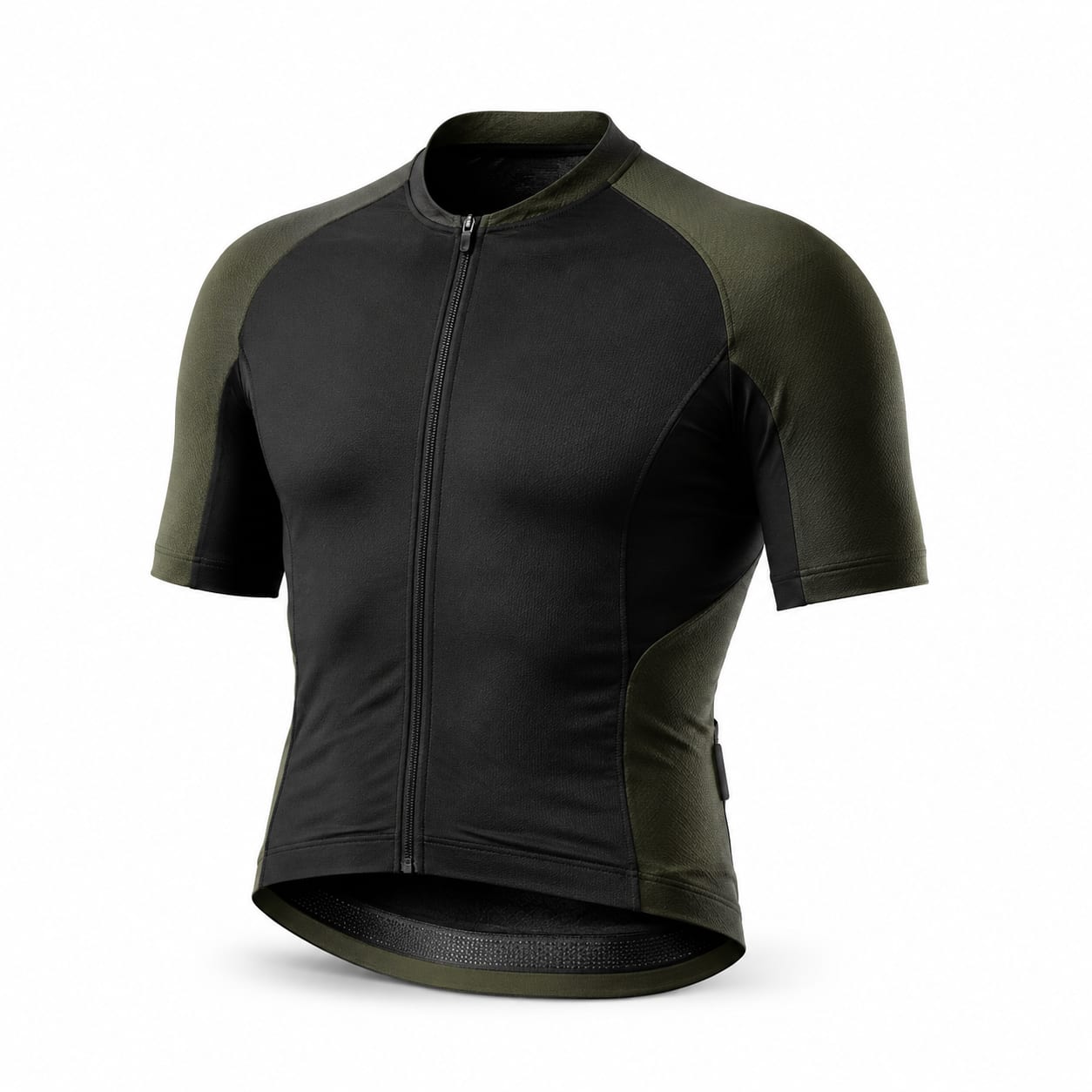
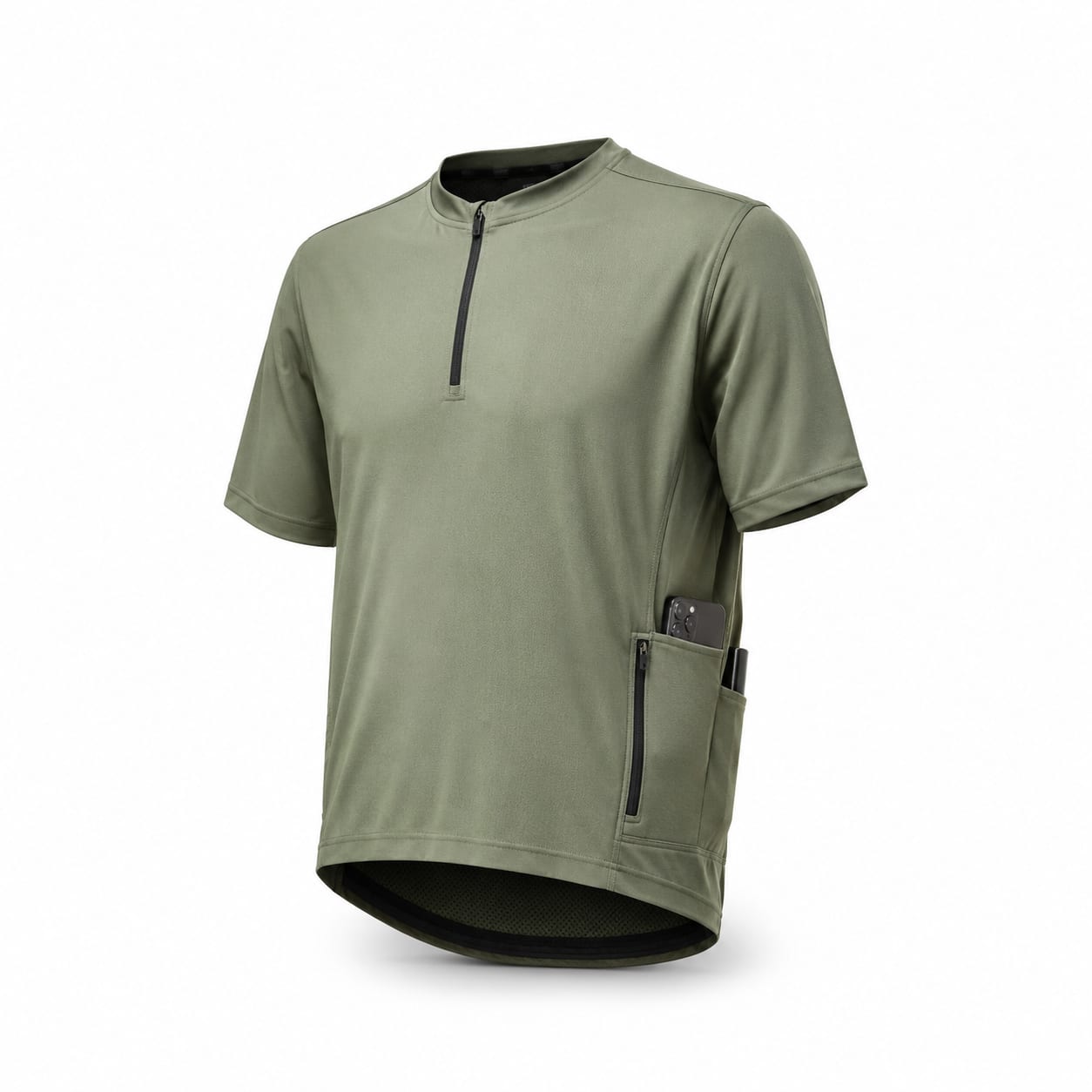
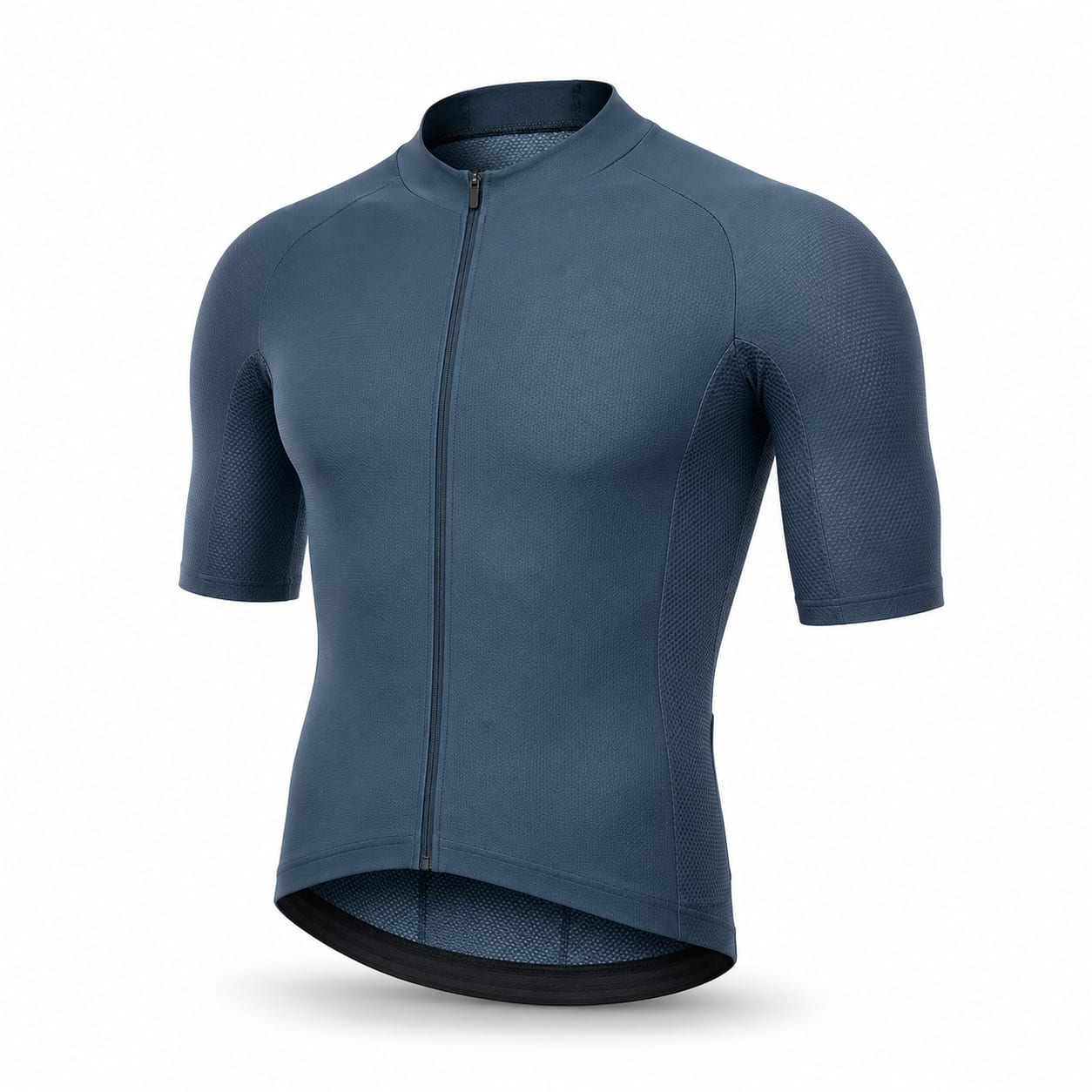
A performance-oriented shirt specifically designed for cycling, featuring moisture-wicking fabrics, rear storage pockets, and an aerodynamic fit optimized for the riding position.

Road cyclists seeking performance and comfortMountain bikers needing durable breathable topsGravel riders wanting versatile storage and protectionCommuters looking for functional riding apparel

16

Key specs

10

Subcategories

6

Related gear topics

Cycling Jersey

Overview

What this equipment is for

Cycling jerseys are the most technical garment in a cyclist's wardrobe, engineered to manage body temperature, store ride essentials, and reduce aerodynamic drag. They differ dramatically from casual athletic tops in their rear-pocket design, longer back hem, articulated sleeves, and cycling-specific fabrics. Jersey selection significantly impacts comfort on rides ranging from 30 minutes to multi-day tours.

Related equipment

Cycling ShortsCycling Bib ShortsBase LayerCycling VestCycling JacketArm Warmers

Buying specs

Specs worth understanding before you buy

Each spec explains how it affects performance, fit, and whether a product suits your style and use case.

Fit & Sizing

Dimensions related to how the jersey fits your body, affecting comfort, aerodynamics, and appearance on the bike.

Fit Type

fit_type

Importance

The overall cut and tightness of the jersey, affecting aerodynamics, comfort, and style. Fit is the single most important decision as it impacts every ride experience.

Race / Aero Fit

Very close to skin, pre-shaped for riding position, minimal fabric drag. Feels tight off the bike but correct on bike.

Club / Slim Fit

Athletic but not skin-tight. Slightly more forgiving than race fit while still avoiding flapping fabric.

Relaxed / Regular Fit

Looser cut similar to casual athletic wear. More fabric, less aero optimization, maximum comfort.

Endurance Fit

介于race和club之间, slightly longer in torso, designed for long hours in saddle with moderate compression.

Most cyclists should start with club fit. Choose race fit only if you race or ride fast groups regularly. Relaxed fit is ideal if you never tuck or care about speed. When in doubt, size up one from race fit for comfort.
Gender-Specific Design

gender_specific

Importance

Whether the jersey is designed with gender-specific patterning for anatomical differences in torso length, shoulder width, and chest shape.

Men's

Cut for male body proportions - broader shoulders, longer torso, different chest shape.

Women's

Cut for female body proportions - narrower shoulders, shorter torso, different chest and hip shape. Often with specific bust accommodations.

Unisex

Generic cut attempting to work for all body types. Often based on men's proportions.

Women should generally seek women's-specific jerseys for best fit, especially in race and club fits. Unisex jerseys often fit like men's jerseys. Men's jerseys won't accommodate female body shape well.

Sleeve Length

sleeve_length

Importance

The length of the jersey sleeves, determining coverage, sun protection, and temperature regulation. Some modern jerseys feature extended sleeves for aerodynamic benefit.

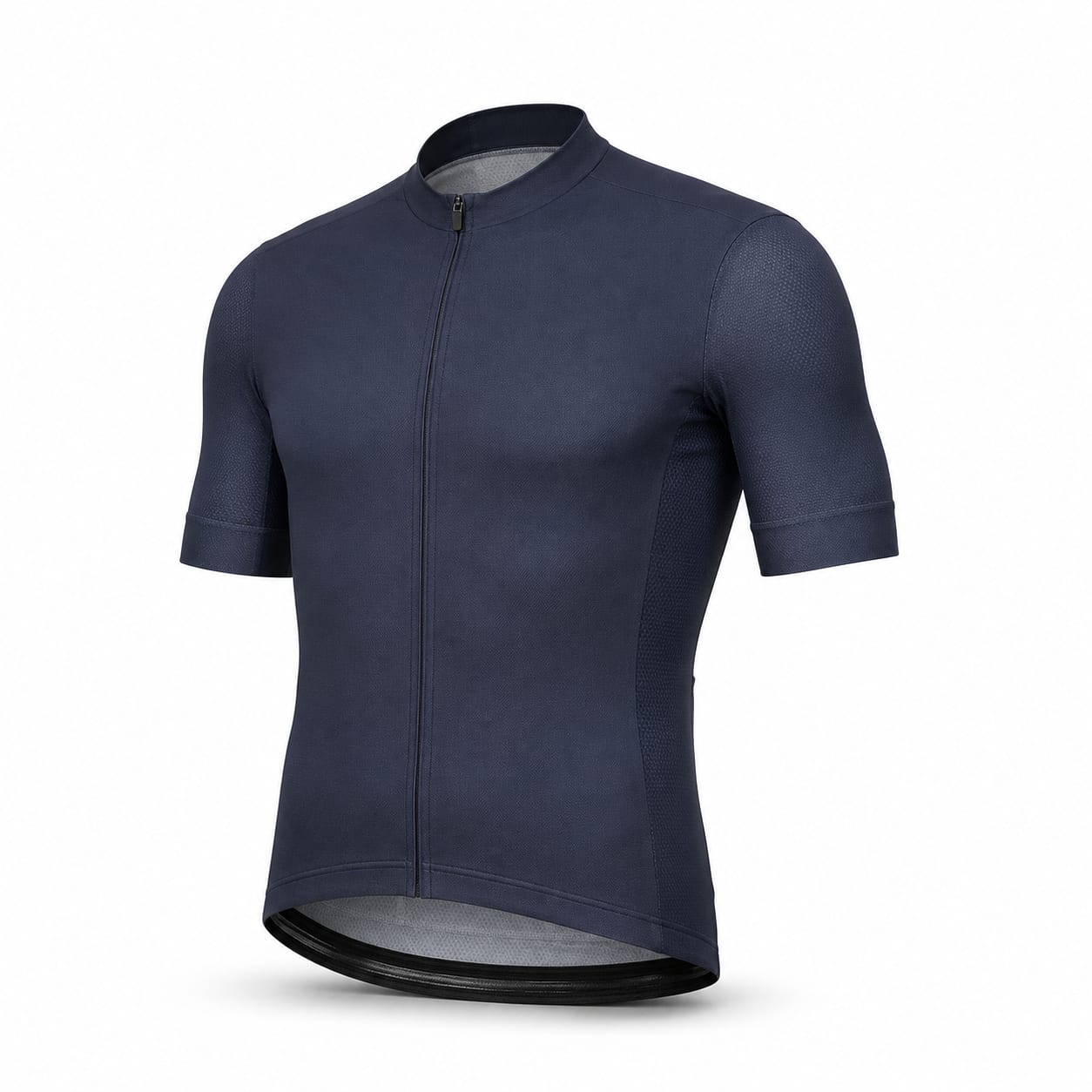
Short Sleeve

Standard above-elbow sleeve length. Most common jersey type, versatile across seasons with layering.

Long Sleeve

Full-length sleeves to wrist. Provides warmth, sun protection, and layering capability.

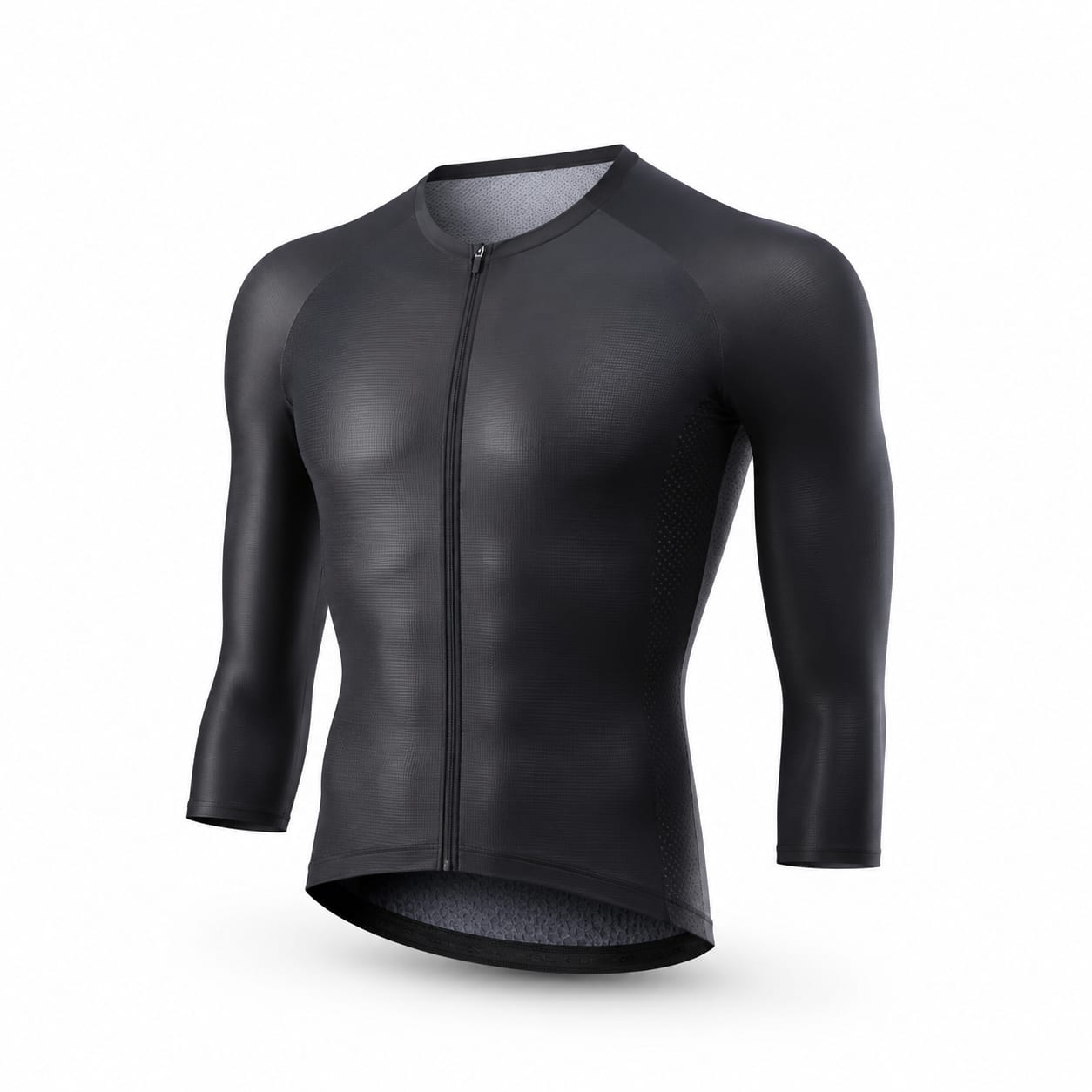
3/4 Sleeve

Sleeves extending to mid-forearm. Balances coverage and ventilation.

Sleeveless / Tank

No sleeves, maximum ventilation and shoulder mobility. Less common in road cycling.

Short sleeve is the default choice for most riders. Long sleeve for cooler conditions or sun protection. Consider arm warmers as a versatile alternative to long sleeves for variable conditions.

Climate & Weather

Dimensions related to temperature regulation, weather protection, and seasonal appropriateness.

Fabric Weight

fabric_weight

Importance

The weight class of the jersey fabric, directly correlating to warmth, packability, and intended season of use. Measured informally by category rather than GSM for most consumers.

Ultralight (< 100 GSM)

Extremely thin, mesh-like or open-weave fabrics. Maximum airflow, minimal insulation. Often semi-transparent.

Lightweight (100-150 GSM)

Standard summer jersey weight. Breathable, wicking, provides some sun protection without overheating.

Midweight (150-200 GSM)

Slightly heavier fabric with some insulation. Often thermal or brushed interior for cool weather comfort.

Heavyweight (200+ GSM)

Thick thermal fabric, often with wind-blocking panels or softshell construction. Maximum warmth.

Most riders need at least a lightweight and midweight jersey. Ultralight is a luxury for hot climates. Heavyweight competes with softshell jackets. Build a quiver starting with lightweight.

Intended Season

intended_season

Importance

The primary season or temperature range the jersey is designed for, guiding fabric choice, ventilation features, and construction.

Summer (25-40°C / 77-104°F)

Lightweight, highly breathable, mesh panels, maximum ventilation. Designed for hot conditions.

Spring/Fall (12-22°C / 54-72°F)

Midweight, versatile, often with light wind protection or removable sleeves. The most versatile category.

Winter (0-12°C / 32-54°F)

Thermal fabric, wind-blocking panels, tight cuffs, full coverage. Designed to retain heat.

All-Season / Variable

Designed for broad temperature range through layering. Often a midweight with ventilation features.

Start with a spring/fall or all-season jersey as your first purchase - it covers the widest range of conditions. Add a summer jersey for hot days. Winter jerseys are a luxury if you already have a good jacket and base layer system.

Mesh Ventilation Panels

mesh_panels

Importance

Presence of mesh or perforated panels in high-heat areas (underarms, back, sides) for enhanced airflow and cooling.

No Mesh Panels

Solid fabric throughout. Better for cool weather or wind protection.

Underarm Mesh

Mesh panels under the arms where heat builds up. Most common ventilation zone.

Underarm + Side Panels

Mesh extending from underarm down the sides. Larger ventilation zone.

Full Back Mesh

Mesh or perforated fabric across the entire back. Maximum ventilation for the largest heat zone.

Underarm mesh is a good feature for any summer jersey. Full back mesh is only for the hottest conditions. No mesh is fine for spring/fall and winter jerseys.

UV Protection (UPF)

upf_rating

Importance

Ultraviolet Protection Factor rating indicating how effectively the fabric blocks UV radiation. Critical for long sun-exposed rides, especially at altitude.

Not Rated / Minimal

No UPF certification. Light fabrics may allow significant UV penetration, especially when stretched.

UPF 25 (Good)

Blocks approximately 96% of UV radiation. Good protection for most riding conditions.

UPF 50+ (Excellent)

Blocks 98%+ of UV radiation. Highest standard for sun protection in cycling apparel.

UPF 50+ is strongly recommended for riders who spend long hours in the sun, have fair skin, or ride at altitude. If no UPF rating, assume minimal protection and use sunscreen under the jersey.

Storage & Features

Dimensions related to carrying capacity, access to items while riding, and functional features.

Pocket Count

pocket_count

Importance

The number of rear pockets on the jersey. Pockets are the primary storage system for ride essentials like food, phone, tools, and spare tubes.

No Pockets

Clean design without rear pockets. Very rare on proper cycling jerseys.

2 Pockets

Two rear pockets, typically side-entry. Less common than 3-pocket design.

3 Pockets (Standard)

Classic three rear pocket layout - the cycling standard. Two side pockets and one center pocket.

4 Pockets

Three standard pockets plus a fourth, often zippered or smaller, for valuables.

3 pockets is the standard and sufficient for most riders. A 4th zippered pocket is valuable if you carry a phone or keys. More than 4 is only needed for bikepacking or ultra-distance events.

Zipper Type

zipper_type

Importance

The front zipper configuration controlling ventilation adjustment. Critical for temperature regulation during variable effort levels and weather.

Full Zip

Zipper extends the full length from collar to hem. Maximum ventilation control and easy on/off.

3/4 Zip

Zipper extends approximately 3/4 of jersey length. Good ventilation with cleaner lower section.

Half Zip

Zipper extends to mid-chest. Traditional design with limited ventilation.

1/4 Zip

Very short zipper at neck only. Minimal ventilation, mostly for neck opening comfort.

Full zip is the most versatile and recommended for most riders. Half or quarter zip is fine for cold-weather jerseys where you rarely open up. Avoid quarter zip for summer jerseys.

Hem Gripper / Silicone Strip

hem_gripper

Importance

Whether the jersey has silicone or elastic gripper strips at the hem to prevent the jersey from riding up during cycling.

Yes - Hem Gripper Present

Silicone or elastic strip at rear hem keeps jersey in place while riding.

No Hem Gripper

No gripper strip. Jersey may ride up, especially with loaded pockets.

Hem grippers are strongly recommended for any jersey used for serious riding. Without them, loaded pockets will cause the jersey to ride up and expose your lower back. Only skip for casual/lifestyle jerseys.

Sleeve Gripper

sleeve_gripper

Importance

Silicone or elastic gripper at the sleeve opening to keep sleeves in place. Especially important for aero jerseys where sleeve position matters.

Yes - Sleeve Gripper Present

Silicone strip or elastic at sleeve hem keeps sleeve from sliding up or shifting.

No Sleeve Gripper

Plain hem at sleeve opening. Sleeve may shift during riding.

Sleeve grippers are nice but not essential. More important on race-fit jerseys. If sleeves constantly ride up and annoy you, look for this feature.

Construction & Materials

Dimensions related to fabric composition, build quality, and material properties.

Primary Fabric Composition

fabric_composition

Importance

The main fiber type used in the jersey, affecting moisture management, durability, odor resistance, and environmental impact.

Polyester

Most common cycling jersey fabric. Excellent wicking, quick-drying, durable, affordable. Can be recycled.

Nylon / Polyamide

Stronger and more abrasion-resistant than polyester. Softer hand feel. Often blended.

Merino Wool

Natural fiber with excellent temperature regulation, odor resistance, and comfort. Premium price.

Elastane / Spandex

Always used as a blend (typically 3-15%) for stretch and shape retention. Never used alone.

Polyester blends are the default and work well for most riders. Merino is worth the premium for multi-day tours or odor-sensitive riders. Nylon is best for MTB where durability matters. Recycled polyester is a no-compromise eco choice.

Total Jersey Weight

jersey_weight

Importance

The total weight of the jersey in grams. Lighter jerseys are preferred for hot weather and racing; heavier jerseys often indicate thermal or durable construction.

Typical range: 80–350 g

Under 120g is ultralight race territory. 120-180g is typical summer weight. 180-250g is midweight/spring-fall. Over 250g is typically thermal/winter. Weight alone doesn't indicate quality - construction and fabric matter more.

Collar Type

collar_type

Importance

The style of the neck/collar opening, affecting comfort, sun protection, and layering capability with jackets and base layers.

Crew / Standard Collar

Traditional close-fitting round collar sitting at the base of the neck. Most common style.

V-Neck

V-shaped opening providing more ventilation at the neck. Less common in cycling.

Stand-Up / Chinese Collar

Slightly raised collar providing extra neck coverage and wind protection.

Zip Garage / Guard Collar

Low collar with protective garage at top of zipper to prevent skin irritation.

Most riders won't notice collar type unless it causes discomfort. Zip garage is a nice quality feature. Stand-up collars add warmth for cool weather. This is a minor decision factor.

Visibility & Safety

Dimensions related to being seen in low-light conditions and riding safely.

Reflective Elements

reflective_elements

Importance

Presence and extent of reflective details for visibility in low-light conditions. Important for commuters and riders who may be out in dawn/dusk.

None

No reflective elements. Daytime use only.

Minimal

Small reflective logo or tab. Provides some visibility but not comprehensive.

Moderate

Reflective strips on back pockets and/or shoulders. Noticeable from key angles.

Extensive / High-Vis

Large reflective panels, hi-vis colors, comprehensive 360° visibility design.

If you commute or ride in low light, prioritize at least moderate reflective elements. For dedicated daytime riding, minimal is fine. Extensive reflective elements are worth seeking for commuters.

Riding Discipline

Dimensions that define what type of cycling the jersey is optimized for.

Cycling Discipline

discipline

Importance

The primary cycling discipline the jersey is designed for, affecting fit, durability, pocket placement, and style.

Road Cycling

Slim fit, rear pockets, lightweight fabric, aero focus. The standard cycling jersey design most people picture.

Mountain Bike (MTB)

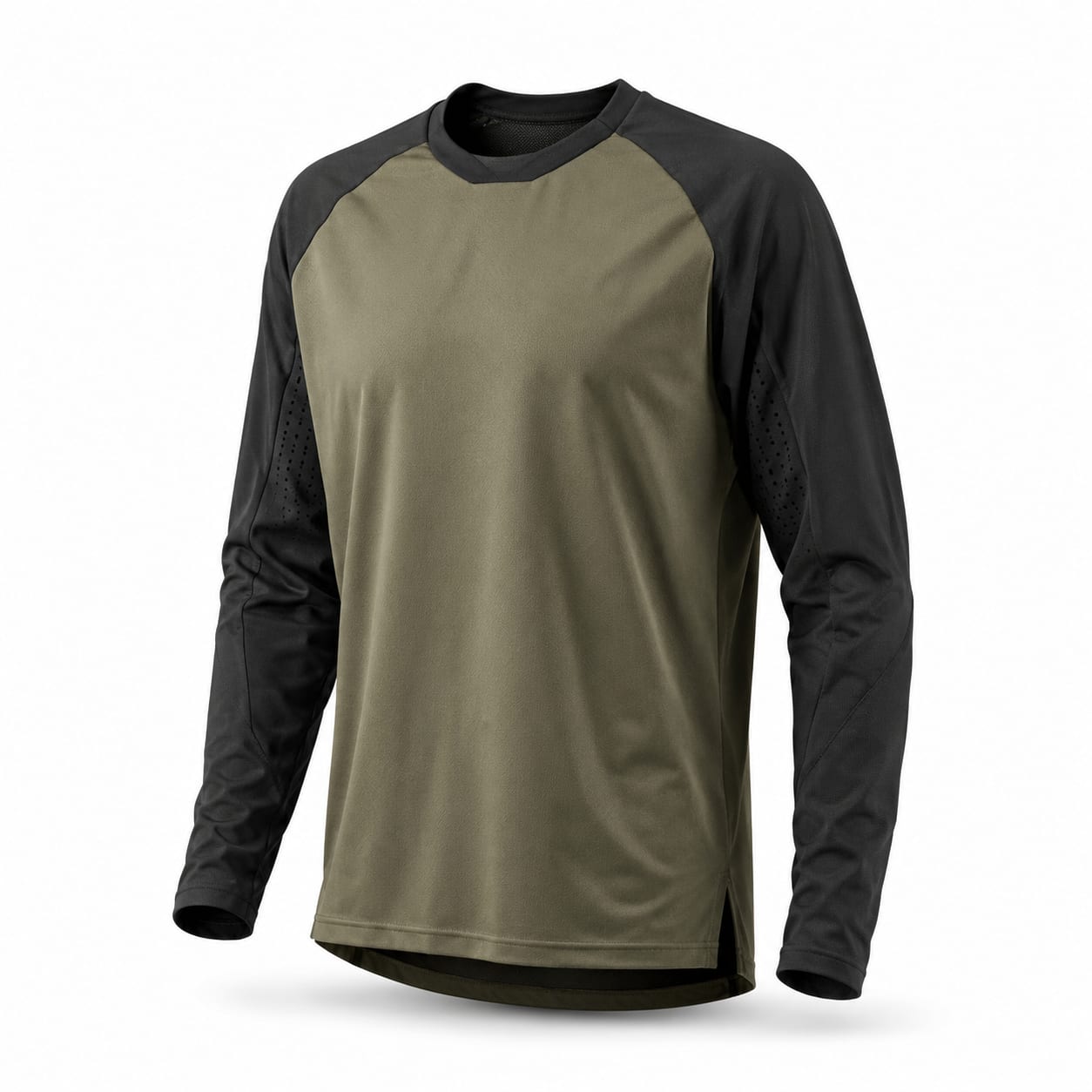
Looser fit, more durable fabric, sometimes front pockets, longer sleeves for protection. Often called 'MTB jersey'.

Gravel / Adventure

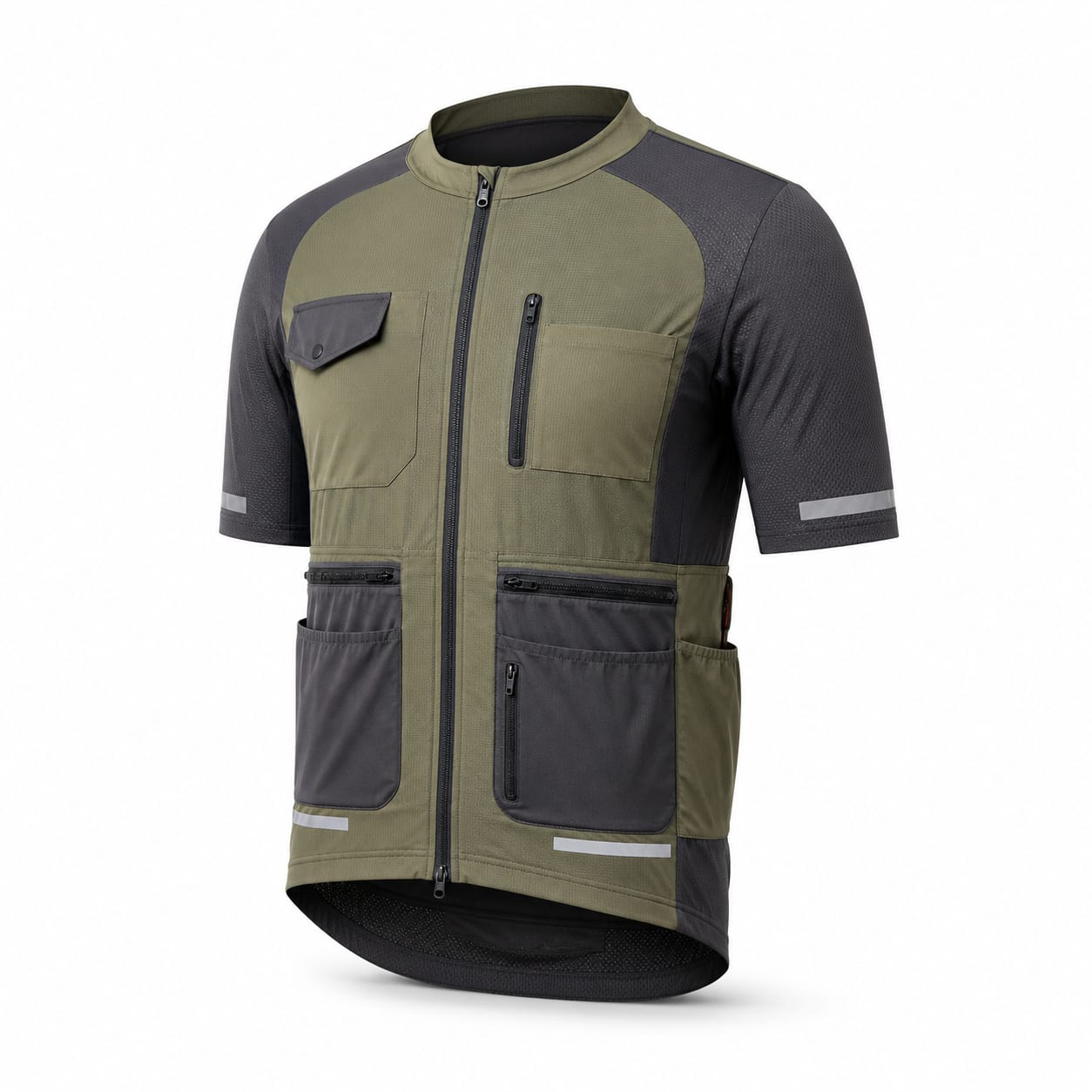
Blend of road and MTB features. Often more pockets, durable fabric, moderate fit, storage focus.

Commuter / Urban

More casual appearance, often looks like a regular shirt. May have hidden pockets, reflective details.

Match the jersey to your primary riding style. Road jerseys work for gravel in a pinch but MTB jerseys are too loose for road riding. Gravel jerseys are the most versatile if you ride mixed surfaces.

Specs FAQ

Common questions about these buying specs

Plain-English answers for each spec and option — tap through for the full explanation.

I ride fast group rides and am tempted by race fit jerseys, but will I be miserable wearing one for hours?

A race or aero fit jersey is designed to sit very close to your skin with minimal excess fabric, which is exactly what you want when speed matters. It'll feel surprisingly tight standing up, but once you're in your riding position, the pre-shaped sleeves and articulated cut should feel just right. That snug fit is what reduces aerodynamic drag and keeps moisture management working efficiently. Race fit makes the most sense if you're regularly racing, doing time trials, or pushing the pace in fast group rides where every watt counts. For those scenarios, the aero advantage is real and noticeable. However, be honest about your priorities. If your rides regularly stretch past three or four hours, or you prefer comfort over marginal speed gains, a club fit might serve you better. Also, if you're between sizes, sizing up one size in race fit is a smart move to avoid restricted breathing.

What is a club fit cycling jersey, and who is it best for?

A club fit (sometimes called slim fit) jersey is athletic but not skin-tight—it follows your body shape without squeezing. Think of it as the sweet spot between a race jersey that feels painted on and a relaxed jersey that can flap in the wind. Club fit is the most popular choice for good reason. It works great for club rides, sportives, and regular training where you want to look the part and avoid excess fabric catching wind, but don't need every last aerodynamic advantage. It's also more forgiving for different body types than race fit. If you're not racing or doing fast group rides where seconds matter, club fit is likely your best bet. It gives you good aero properties and efficient moisture management while keeping you comfortable for hours in the saddle. Most cyclists should start here.

Who should choose a relaxed fit cycling jersey?

A relaxed fit jersey is cut looser, similar to a casual athletic shirt, giving you maximum comfort and freedom of movement on the bike. It's the best choice if you ride recreationally, commute, bikepack, or simply prioritize feeling comfortable over going fast. The trade-off is that the extra fabric creates more drag at higher speeds and doesn't manage moisture quite as efficiently as tighter-fitting options. If you're cruising at moderate speeds or stopping at coffee shops, you likely won't notice these downsides at all. Choose relaxed fit if you never feel the need to tuck for speed, prefer a jersey that doesn't cling to your body, or want something that looks natural off the bike too. It's also great for riders who find tighter jerseys restrictive or uncomfortable on longer, easy-paced rides.

What is an endurance fit cycling jersey, and should I choose it for long rides?

An endurance fit jersey sits between race and club fit—it's not skin-tight like a race jersey, but more streamlined than a relaxed club cut. The key difference is a slightly longer torso and moderate compression designed for hours in the saddle. This fit makes the most sense if you regularly ride gran fondos, centuries, or multi-day events. The moderate compression supports muscles without restricting breathing, and the extra torso length prevents the jersey from riding up when you shift between different positions over a long day. If you find race jerseys too constricting on rides over three hours, but still want better aerodynamics than a club fit offers, endurance fit is your sweet spot. It's built for comfort at mile 80, not just mile 8.

Subcategories

Different styles, different picks

Each sub-type has its own guide with typical specs, trade-offs, and buying advice.

Aero Race Jersey

Aero Race Jersey

$100 – $400

common

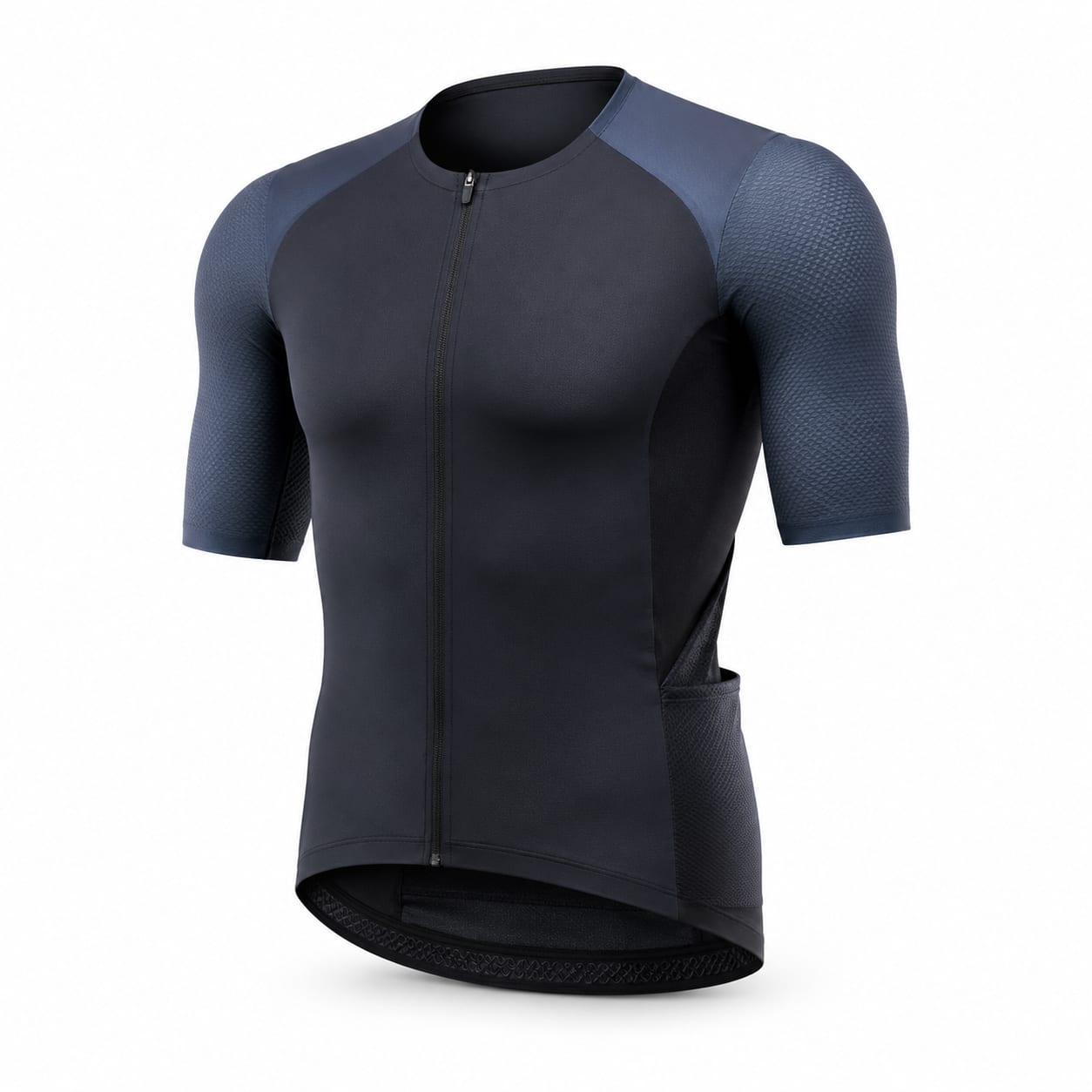
Ultra-form-fitting jersey engineered for maximum aerodynamic efficiency in competitive road racing.

compressive fitelongated sleevesaero-optimized fabrics
Endurance / Club Road Jersey

Endurance / Club Road Jersey

$50 – $280

dominant

A road cycling jersey balancing performance with comfort for long-distance rides and spirited group rides.

semi-form fitmoisture-wicking fabricsthree rear pockets
Mountain Bike Jersey

Mountain Bike Jersey

$35 – $180

common

Durable, loose-fitting jersey designed for the demands of off-road riding and trail conditions.

loose or relaxed fitdurable fabricsabrasion-resistant panels
Enduro / Gravity Jersey

Enduro / Gravity Jersey

$45 – $160

niche

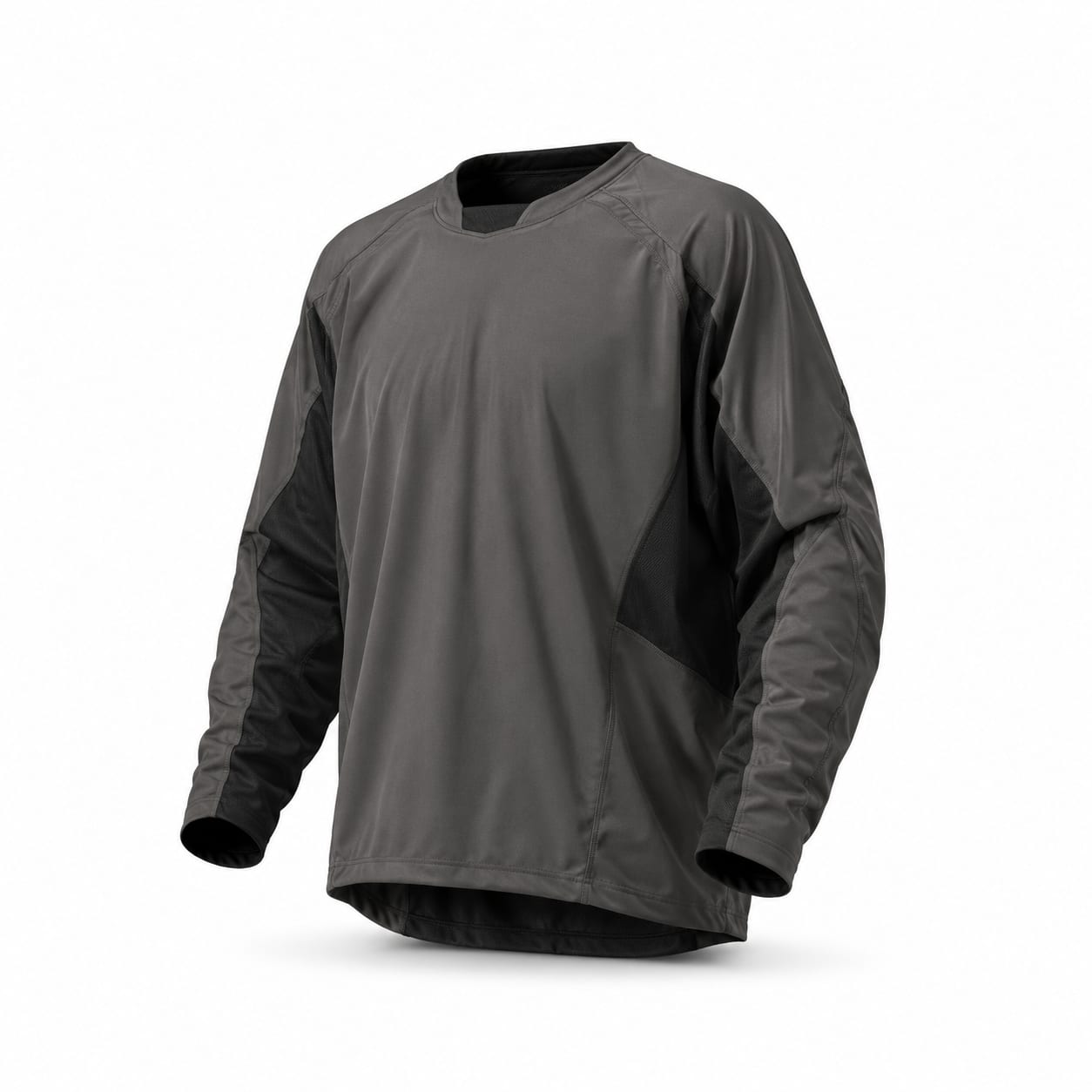
Oversized, ultra-loose jersey built for aggressive descending and enduro racing with body armor compatibility.

oversized loose fitarmor-compatible cutDWR coating
Gravel / Adventure Jersey

Gravel / Adventure Jersey

$65 – $280

common

Versatile jersey blending road performance with off-road durability and cargo capacity for mixed-terrain riding.

moderate relaxed fitexpanded pocket systemsdurable fabrics
Triathlon / TT Jersey

Triathlon / TT Jersey

$60 – $300

niche

Swim-compatible, aerodynamic jersey designed for the unique demands of triathlon and time trial events.

quick-dry fabricsswim-compatible constructionminimal seams
Commuter / Urban Jersey

Commuter / Urban Jersey

$40 – $180

common

Stylish,低调 cycling jersey that blends on-bike performance with off-bike casual aesthetics for daily commuting.

casual stylingsubtle brandingrelaxed fit
Thermal / Winter Jersey

Thermal / Winter Jersey

$70 – $350

common

Insulated, wind-resistant jersey designed to maintain core warmth in cold-weather cycling conditions.

fleece-lined interiorwindproof front panelslong sleeves
Cyclocross Jersey

Cyclocross Jersey

$65 – $250

specialty

Race-fit jersey optimized for the high-intensity, stop-start demands of cyclocross competition.

race fitdurable fabricsmud-shedding treatment
E-Bike Jersey

E-Bike Jersey

$50 – $180

niche

Casual-fit jersey designed for e-bike riders with features addressing the unique demands of electric-assist cycling.

relaxed fitenhanced ventilationeasy-access pockets