Kitvore.com

Kitvore.com

Specs that matter. Gear that fits.

Cycling Jersey · Subcategory

Cyclocross Jersey

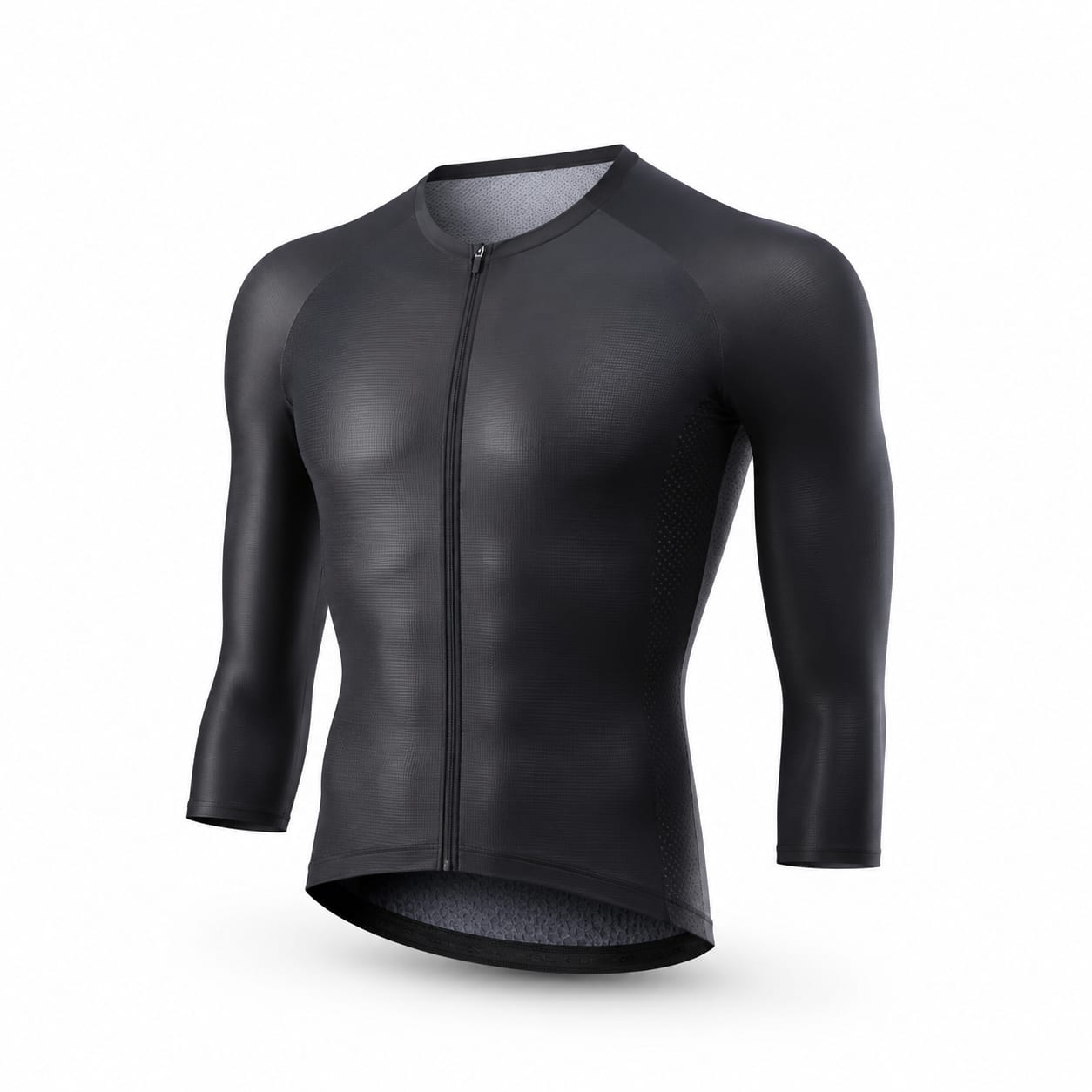
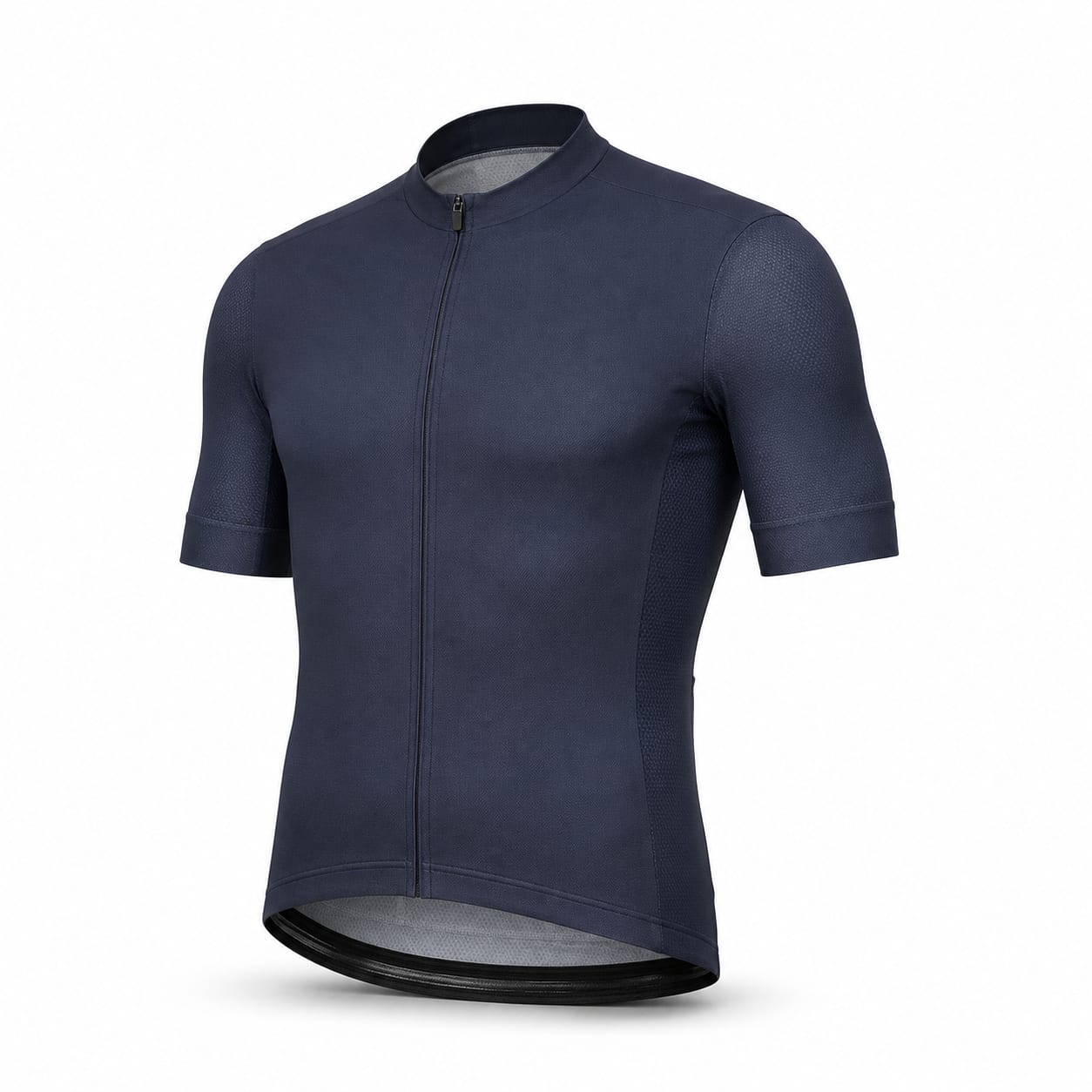
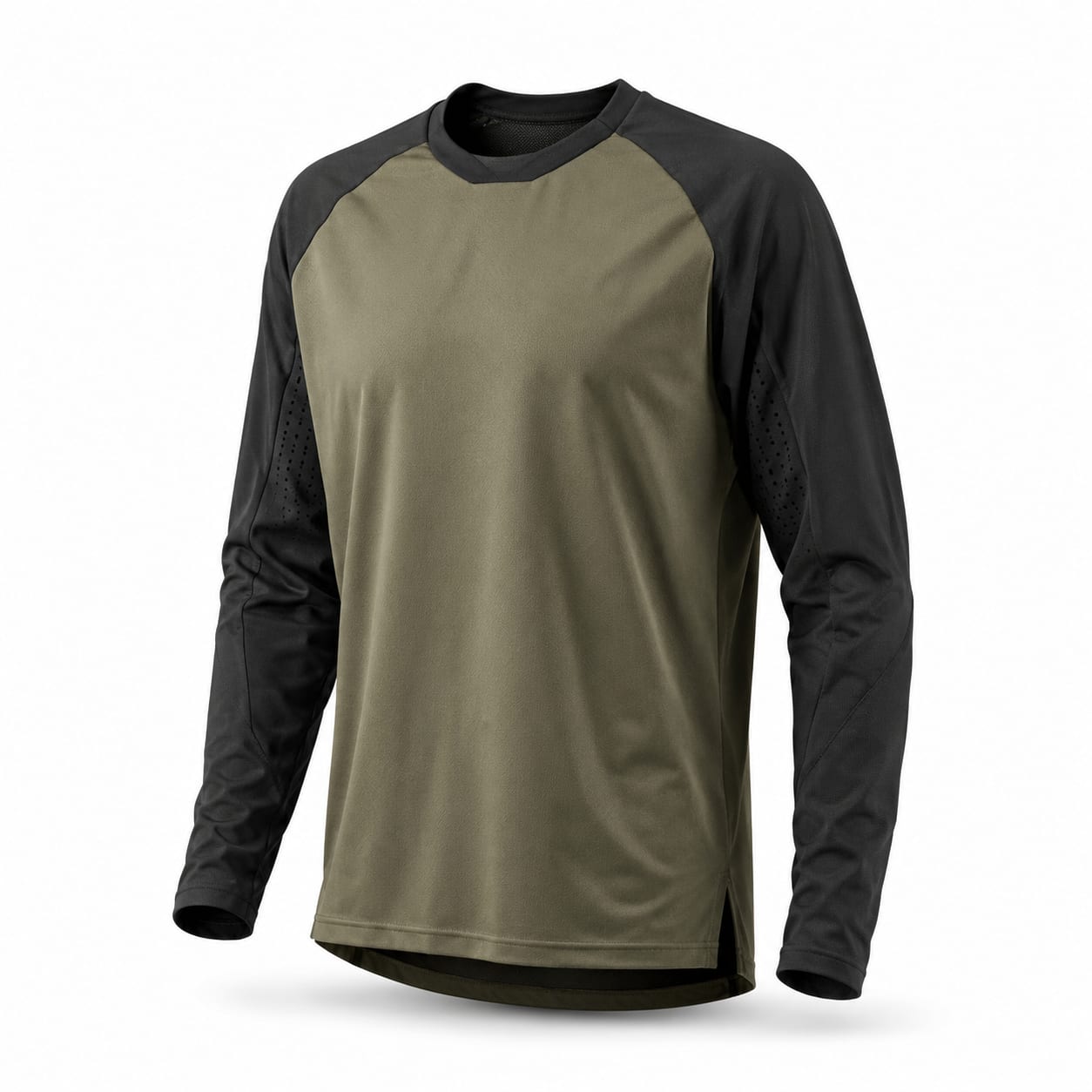
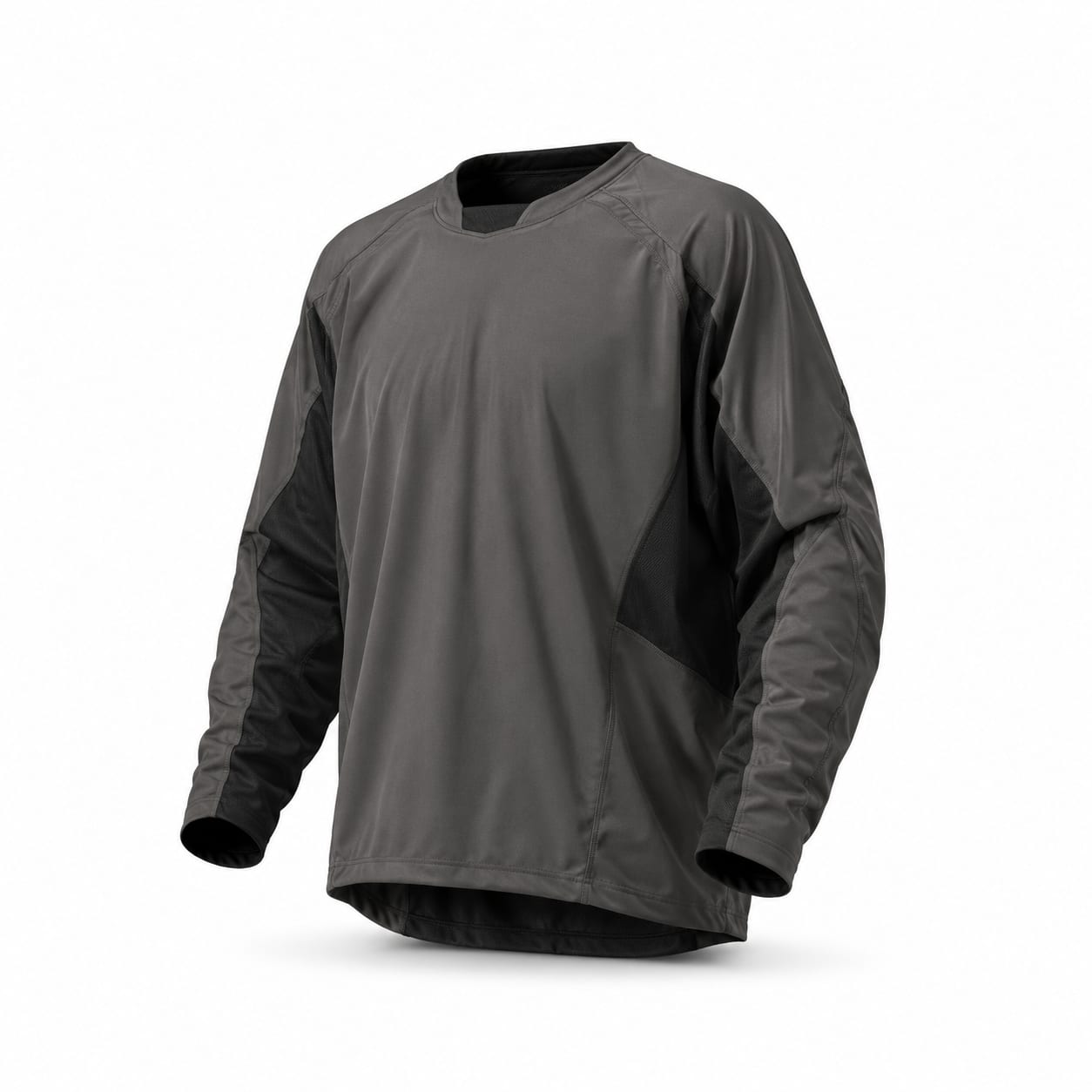
A purpose-built jersey for cyclocross racing, designed to handle mud, shoulder carries, and high-intensity efforts in cold conditions.

Cyclocross jerseys bridge the gap between road race fit and off-road durability, with features optimized for the unique demands of CX: shouldering bikes, running through mud, and regulating body temperature during maximal efforts in cold weather. They prioritize freedom of movement, mud-shedding fabrics, and pocket configurations that won't snag during bike carries.

$65 – $250mid tieradvancedexpert

Best known for

Shoulder-friendly pocket placement that avoids snagging during bike carriesDurable, mud-shedding fabric constructionFreedom of movement for running and dismountsCold-weather performance with high-intensity ventilationReinforced shoulders for bike shouldering
Cyclocross Jersey

Guide

Detailed overview

A cyclocross jersey is a specialized piece of cycling apparel designed specifically for the demands of cyclocross racing and training. Unlike standard road jerseys, CX jerseys must accommodate the unique physical requirements of the sport: dismounting at speed, shouldering and carrying the bike over barriers and up steep run-ups, running through mud and sand, and remounting smoothly—all while maintaining body temperature during extreme effort in cold, wet conditions. The design typically features a slightly more relaxed fit than a pure road race jersey to allow unrestricted movement during running and carrying, with reinforced or seamless shoulder panels where the bike frame rests. Pocket configurations are often minimized or repositioned to prevent the top tube or frame from catching during shouldering—a critical safety and performance consideration. Fabrics are chosen for their ability to shed mud and water, dry quickly between efforts, and provide enough warmth for sub-10°C conditions while still allowing heat dissipation during maximal exertion.

Cyclocross is one of the most physically demanding and equipment-intensive disciplines in cycling, and the jersey you wear plays a surprisingly important role in your performance. Unlike road racing where you remain seated and maintain a relatively static position, cyclocross requires constant transitions between riding, running, carrying, and remounting—all at race intensity. A standard road jersey can work in a pinch, but it will likely have pockets that catch on your frame during shouldering, fabric that absorbs and holds mud, and a fit that restricts your running stride or shoulder mobility.

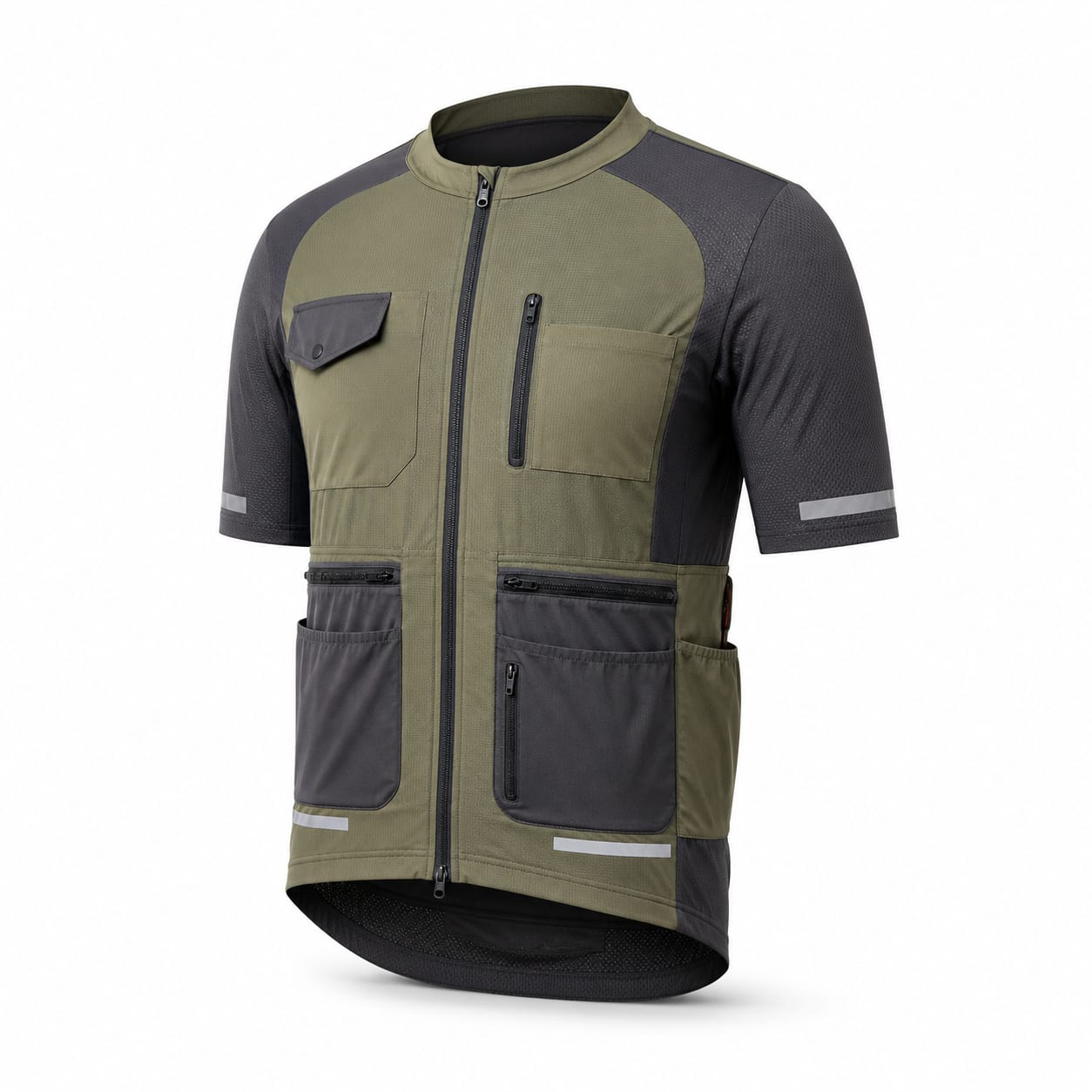
The most critical design difference in a dedicated cyclocross jersey is the pocket configuration. Traditional three rear pockets can be a genuine hazard in CX: when you shoulder your bike, the top tube can catch on pocket edges, and anything stored in pockets becomes uncomfortable against your back with the bike pressing against you. Many CX-specific jerseys reduce pocket count to two side-entry pockets, eliminate them entirely for race day, or use a single small zippered pocket for a transponder or emergency gel. Some designs use mesh or flat-lie pockets that compress flat when the bike is shouldered, offering storage without the snagging risk.

Fabric choice is equally important. Cyclocross happens in mud, rain, and sometimes snow. A jersey that absorbs water becomes heavy, cold, and uncomfortable within minutes of the first mud section. CX jerseys typically use tightly woven polyester or nylon blends with a DWR (durable water repellent) treatment that causes mud and water to bead and shed rather than soak in. The fabric needs to be durable enough to withstand brush, barriers, and the inevitable crashes that come with racing in sloppy conditions, while still providing enough stretch for unrestricted movement during running and carrying.

Temperature regulation in cyclocross is uniquely challenging. Race intensity is extremely high—often above threshold for 45–60 minutes—but ambient temperatures are typically cold (0–12°C is common). This creates a situation where you're generating massive heat but also facing wind chill at speed and freezing sweat during slower sections. The best CX jerseys use strategic mesh panels for ventilation during effort, with enough fabric weight to prevent deep chilling on descents or during slower technical sections. Full-length zippers are essentially mandatory, allowing you to dump heat on climbs and seal up for descents. Many riders layer with a thin base layer underneath for additional moisture management and warmth.

Quick facts

Primary purpose
Providing race-ready performance for cyclocross competition with durability and mobility for running and barriers
Popular brands
CastelliRaphaSportfulPearl IzumiSantiniVoler
Typical terrain
cyclocross coursesgrass fieldsmudsandpavement sections

What makes it different

Optimized for running and remounting as much as riding; slightly more shoulder mobility than pure road race jerseys; mud-resistant fabric treatments

Recommended ranges

How this type usually specs out

Each spec is explained in plain language, then we show what buyers usually look for on this type.

Fit Type

Fit Type

What it means

The overall cut and tightness of the jersey, affecting aerodynamics, comfort, and style. Fit is the single most important decision as it impacts every ride experience.

Typical for this type

Club to Endurance

In practice

Cyclocross jerseys typically use a club or endurance fit rather than a pure race fit. The slightly more generous cut allows freedom of movement for running, shouldering the bike, and remounting. A race fit would restrict shoulder mobility and feel uncomfortable with the bike pressing against your back.

Compared to other types

More relaxed than road race jerseys but not as loose as MTB jerseys. Falls between road club fit and gravel jersey fit, prioritizing movement over aerodynamics since CX races are won on technical skill and running ability, not pure aero.

Why it matters: In cyclocross, you need to move dynamically—dismounting, running, carrying, and remounting at speed. A too-tight jersey restricts this movement and makes shouldering the bike uncomfortable. A too-loose jersey catches wind and mud.

Sleeve Length

Sleeve Length

What it means

The length of the jersey sleeves, determining coverage, sun protection, and temperature regulation. Some modern jerseys feature extended sleeves for aerodynamic benefit.

Typical for this type

Long (Primary), Short With Arm Warmers (Early Season)

In practice

Long sleeves dominate cyclocross jerseys because the CX season runs from September through February in the Northern Hemisphere, with most races in cold, wet conditions. Long sleeves provide warmth, protection from brush and barriers, and a surface for shouldering the bike without skin irritation.

Compared to other types

Unlike road jerseys where short sleeve is the default, CX jerseys are predominantly long-sleeve. This is similar to winter road jerseys but driven by the race calendar rather than seasonal choice.

Why it matters: Cold weather is the norm in CX. Long sleeves protect against cold, mud, and the abrasion of shouldering a bike frame. Early-season races in warm conditions can use short sleeves with arm warmers that can be removed mid-race.

Fabric Weight

Fabric Weight

What it means

The weight class of the jersey fabric, directly correlating to warmth, packability, and intended season of use. Measured informally by category rather than GSM for most consumers.

Typical for this type

Midweight to Lightweight

In practice

Midweight fabric (150-200 GSM) is the sweet spot for cyclocross, providing enough warmth for cold conditions while still allowing heat dissipation during high-intensity efforts. Lightweight jerseys can work with proper base layering in milder early-season races.

Compared to other types

Heavier than typical summer road jerseys but lighter than dedicated winter thermal jerseys. CX jerseys prioritize breathability over warmth since effort levels are so high, relying on base layers for additional insulation.

Why it matters: CX racing generates enormous body heat despite cold ambient temperatures. Midweight fabric provides insulation when you're moving slowly through technical sections but won't cause overheating during sustained efforts. The fabric also needs enough substance to shed mud rather than letting it soak through.

Pocket Count

Pocket Count

What it means

The number of rear pockets on the jersey. Pockets are the primary storage system for ride essentials like food, phone, tools, and spare tubes.

Typical for this type

0 to 3

Most common pick: 2

In practice

Many dedicated cyclocross jerseys use 2 pockets or even no pockets for racing. Traditional 3-pocket road configurations can catch on the bike frame during shouldering. When present, pockets are often side-entry or positioned to lie flat against the body.

Compared to other types

Fewer pockets than road, gravel, or commuter jerseys. This is the most distinctive difference—most other disciplines maximize pocket storage, but CX prioritizes unimpeded shouldering over carrying capacity.

Why it matters: Pocket placement is a safety and performance issue in CX. A pocket edge catching on your top tube during a shouldered run-up can cause you to stumble or drop the bike. For training rides, 3 pockets may be acceptable, but race-day jerseys often minimize or eliminate rear pockets entirely.

Zipper Type

Zipper Type

What it means

The front zipper configuration controlling ventilation adjustment. Critical for temperature regulation during variable effort levels and weather.

Typical for this type

Full Zip (Strongly Preferred)

Most common pick: Full Zip

In practice

Full-length zippers are essentially mandatory for cyclocross jerseys. The ability to fully open the jersey for rapid heat dumping during intense efforts and close it quickly for descents or cold sections is critical in CX racing where conditions and effort levels change constantly.

Compared to other types

More consistently full-zip than road or gravel jerseys, where half or 3/4 zip options are common. The temperature regulation demands of CX make full zip non-negotiable for most riders.

Why it matters: CX races involve dramatic effort fluctuations—threshold power on straights, coasting through technical sections, running at full speed. Full zip allows instant temperature regulation. It also makes the jersey easier to put on over a muddy base layer or remove after a race.

UV Protection (UPF)

UV Protection (UPF)

What it means

Ultraviolet Protection Factor rating indicating how effectively the fabric blocks UV radiation. Critical for long sun-exposed rides, especially at altitude.

Typical for this type

Not Rated to UPF 25

Most common pick: None Rated

In practice

UV protection is a low priority for cyclocross jerseys because the CX season occurs during fall and winter when UV intensity is low, races are typically under 60 minutes, and much riding happens in overcast or rainy conditions. Most CX jerseys do not carry a UPF rating.

Compared to other types

Less emphasis on UPF than road, gravel, or commuter jerseys where summer riding and long sun exposure are common. CX jerseys trade UV protection for performance features relevant to cold, wet racing.

Why it matters: Minimal UV risk during the CX season means manufacturers focus on mud-shedding, warmth, and breathability rather than sun protection. Riders with extreme sun sensitivity may still want UPF-rated fabrics for early-season races in sunny conditions.

Collar Type

Collar Type

What it means

The style of the neck/collar opening, affecting comfort, sun protection, and layering capability with jackets and base layers.

Typical for this type

Stand Up to Crew

In practice

Stand-up or slightly raised collars are common on CX jerseys to provide a bit of wind protection at the neck during cold race conditions. A zip garage at the top of the zipper is also important to prevent chafing during the high-intensity breathing of CX racing.

Compared to other types

More likely to feature stand-up collars than summer road jerseys but similar to winter road and gravel jerseys. The cold-weather focus of CX makes neck coverage more important than in most other disciplines.

Why it matters: Cold air rushing down the collar during hard breathing in cold weather is uncomfortable and can trigger coughing fits. A slightly higher collar provides meaningful protection without restricting breathing or head movement during running sections.

Hem Gripper / Silicone Strip

Hem Gripper / Silicone Strip

What it means

Whether the jersey has silicone or elastic gripper strips at the hem to prevent the jersey from riding up during cycling.

Typical for this type

Yes (Strongly Recommended)

Most common pick: True

In practice

Hem grippers are important on CX jerseys to prevent the jersey from riding up during running sections, bike shouldering, and remounting. The dynamic movements of CX are much more likely to displace a jersey than the relatively static road riding position.

Compared to other types

Equally important as road jerseys but for different reasons—road jerseys need grippers for loaded pockets, CX jerseys need them for dynamic movement. More critical than on MTB jerseys where looser fit is expected.

Why it matters: A jersey that rides up during a run-up exposes your lower back to cold and mud, and can bunch uncomfortably under your bib shorts. The gripper keeps the jersey in place through running, carrying, and the jarring impact of remounting.

Reflective Elements

Reflective Elements

What it means

Presence and extent of reflective details for visibility in low-light conditions. Important for commuters and riders who may be out in dawn/dusk.

Typical for this type

Minimal to Moderate

In practice

Most cyclocross jerseys have minimal reflective elements since races typically occur during daylight hours. However, training rides in the CX season often happen in low-light conditions, making some reflective detailing valuable for safety.

Compared to other types

Less reflective emphasis than commuter or winter training jerseys but similar to road race jerseys. CX jerseys prioritize clean aesthetics and mud-shedding over visibility features.

Why it matters: Race-day visibility is rarely a concern in CX, but if you train on roads during fall and winter, reflective elements become important for commuting to trails or road segments between off-road sections. Some riders add a reflective vest for training rides.

Primary Fabric Composition

Primary Fabric Composition

What it means

The main fiber type used in the jersey, affecting moisture management, durability, odor resistance, and environmental impact.

Typical for this type

Polyester + Elastane Blend; Nylon Option For Durability

Most common pick: Polyester, Elastane Spandex

In practice

Polyester with elastane (typically 85-90% polyester, 10-15% elastane) is the standard for CX jerseys. Polyester provides excellent moisture wicking, quick drying, and mud-shedding properties. Elastane enables the stretch needed for unrestricted movement. Nylon blends are used in some models for added abrasion resistance against brush and crashes.

Compared to other types

More likely to use nylon blends than road jerseys due to durability needs, similar to gravel jerseys. Less likely to use merino wool than touring or bikepacking jerseys because water absorption is a liability in muddy CX conditions.

Why it matters: Mud and water management is critical in CX. Polyester sheds moisture and dries quickly, preventing the jersey from becoming waterlogged and heavy. The elastane content allows the jersey to move with you during running and shouldering without restriction. Merino wool is rarely used in CX jerseys because it absorbs water and becomes heavy when wet.

Intended Season

Intended Season

What it means

The primary season or temperature range the jersey is designed for, guiding fabric choice, ventilation features, and construction.

Typical for this type

Spring Fall to Winter

In practice

Cyclocross jerseys are designed for the spring/fall temperature range (12-22°C / 54-72°F) as their baseline, with layering extending use into winter conditions. The CX race season spans September through February, covering the coldest months in temperate climates.

Compared to other types

More consistently oriented toward cool/cold conditions than any other jersey subcategory except dedicated winter jerseys. Unlike road jerseys that span all seasons, CX jerseys are specifically designed for the cold-weather racing calendar.

Why it matters: The CX season dictates that these jerseys must perform in cold, wet conditions while still allowing heat dissipation during maximal effort. A spring/fall weight jersey with appropriate base layering covers most CX race conditions from early-season warmth to mid-winter freezes.

Sleeve Gripper

Sleeve Gripper

What it means

Silicone or elastic gripper at the sleeve opening to keep sleeves in place. Especially important for aero jerseys where sleeve position matters.

Typical for this type

Yes (Preferred For Long Sleeve)

Most common pick: True

In practice

Sleeve grippers are valuable on long-sleeve CX jerseys to keep sleeves from sliding up during running sections and bike shouldering. The dynamic arm movements of CX are much more likely to displace sleeves than steady road riding.

Compared to other types

More important than on road jerseys due to the running and carrying movements. Similar importance to MTB jerseys where dynamic movement is also common.

Why it matters: Sleeves that slide up during running expose your forearms to cold, mud, and brush. During shouldering, a sliding sleeve can bunch uncomfortably under the bike frame. Grippers keep everything in place through the full range of CX movements.

Mesh Ventilation Panels

Mesh Ventilation Panels

What it means

Presence of mesh or perforated panels in high-heat areas (underarms, back, sides) for enhanced airflow and cooling.

Typical for this type

Underarm to Underarm Side

In practice

Underarm mesh panels are common on CX jerseys to provide targeted ventilation during high-intensity efforts while maintaining enough fabric coverage for warmth in cold conditions. Full back mesh is rare because CX races happen in cold weather where full ventilation would cause chilling.

Compared to other types

More conservative mesh placement than summer road jerseys, which may feature full back mesh. CX jerseys must balance ventilation with cold protection, making underarm-only mesh the most common configuration.

Why it matters: CX racing produces enormous heat despite cold ambient temperatures. Underarm mesh allows heat dissipation in a high-sweat zone without compromising the core warmth needed for cold-weather racing. Side mesh panels can extend this ventilation for particularly intense efforts.

Cycling Discipline

Cycling Discipline

What it means

The primary cycling discipline the jersey is designed for, affecting fit, durability, pocket placement, and style.

Typical for this type

Gravel (Closest Available Category)

In practice

Cyclocross is not listed as a separate discipline category, but gravel is the closest match because CX shares gravel's blend of road and off-road features, need for durability, and moderate fit. CX jerseys blend road-like performance with off-road durability, similar to gravel jerseys but with specific adaptations for racing and bike shouldering.

Compared to other types

CX jerseys are more race-focused than typical gravel jerseys, with specific features for bike shouldering and mud shedding. They're more durable than road jerseys and more fitted than MTB jerseys.

Why it matters: While CX is its own distinct discipline, the gravel category captures the hybrid nature of the sport—on-road and off-road segments, mixed terrain, and the need for versatile apparel that performs across surfaces.

Gender-Specific Design

Gender-Specific Design

What it means

Whether the jersey is designed with gender-specific patterning for anatomical differences in torso length, shoulder width, and chest shape.

Typical for this type

Gender-Specific Recommended

Most common pick: Mens, Womens

In practice

Cyclocross jerseys are available in both men's and women's-specific cuts. Women's CX jerseys feature narrower shoulders, shorter torso length, and bust accommodations while maintaining the freedom of movement needed for running and shouldering.

Compared to other types

Similar gender-specific availability to road and gravel jerseys. The women's CX jersey market is smaller than road but growing as women's CX participation increases.

Why it matters: Proper fit is especially important in CX because poor fit directly impacts performance—a jersey that restricts shoulder movement or rides up during running is a competitive disadvantage. Women's-specific designs ensure the jersey works with female body proportions through the full range of CX movements.

Total Jersey Weight

Total Jersey Weight

What it means

The total weight of the jersey in grams. Lighter jerseys are preferred for hot weather and racing; heavier jerseys often indicate thermal or durable construction.

Typical for this type

160-250g

Most common pick: 200g

In practice

Cyclocross jerseys typically weigh 160-250g, with most falling around 200g for a long-sleeve midweight design. This is heavier than a summer road jersey but lighter than a full thermal winter jersey, reflecting the need for some insulation with high breathability.

Compared to other types

Heavier than summer road jerseys (120-160g) but lighter than winter thermal jerseys (250-350g). Similar weight to gravel and spring/fall road jerseys.

Why it matters: Weight in CX jerseys correlates with warmth and durability. Lighter jerseys (160-180g) work for early-season races or riders who run hot; heavier jerseys (220-250g) provide more warmth for deep-winter races. The weight also reflects the more durable fabric needed for off-road use.

Evaluation

Strengths and trade-offs

Pros

What this type does best

Optimized for bike shouldering

Critical

Minimal or flat-lie pockets, seamless shoulder panels, and smooth back surfaces prevent the jersey from catching on the top tube during shouldered carries—a critical safety and performance feature that road jerseys lack.

Mud and water shedding

High

CX jerseys use tightly woven, often DWR-treated fabrics that cause mud and water to bead and shed rather than soak in. This keeps the jersey light and comfortable through the muddiest conditions, unlike standard jerseys that become waterlogged.

Freedom of movement for running and dismounts

High

The club/endurance fit and stretchy fabric allow unrestricted movement for running, jumping barriers, and quick dismounts. Road race jerseys can feel binding during these dynamic movements.

Cold-weather performance with heat management

High

Designed for the specific challenge of high-intensity effort in cold weather, CX jerseys balance insulation with ventilation. Full-zip openings and strategic mesh panels let you dump heat on climbs while the midweight fabric provides warmth on descents.

Durable construction for off-road abuse

Medium

Reinforced seams, abrasion-resistant fabrics, and robust construction withstand crashes, brush, barriers, and the general punishment of off-road racing better than lightweight road jerseys.

Quick-drying between efforts

Medium

Polyester-based fabrics dry rapidly, which is essential in CX where you may be soaking wet from a mud bath but need to stay warm for the next effort. This prevents the dangerous combination of wet fabric and cold air.

Layering-friendly design

Medium

CX jerseys are designed to work with base layers underneath for temperature modulation. The slightly more generous fit accommodates a thin merino or synthetic base layer without restricting movement.

Cons

Trade-offs to be aware of

Limited storage capacity

Moderate

The minimal pocket configuration that prevents shouldering snag also means very little on-body storage. You can't carry spare tubes, tools, or much food in a race CX jersey, which limits utility for training rides.

Narrow temperature range without layering

Moderate

A midweight CX jersey is too warm for summer and not warm enough for deep winter without layering. You'll need a good base layer system and possibly a vest or jacket to cover the full CX season temperature range.

Less aerodynamic than road race jerseys

Minor

The more relaxed fit that enables freedom of movement comes with an aerodynamic penalty. For pure speed on flat road sections, a race-fit road jersey is faster, though this rarely matters in CX racing.

Limited availability and style options

Moderate

The CX jersey market is much smaller than road or MTB, meaning fewer brands, fewer color options, and less availability. Many CX racers end up using road or gravel jerseys instead of dedicated CX models.

Can be too warm for early-season races

Minor

Early-season CX races in September can be warm (20°C+), and a midweight long-sleeve CX jersey will be too hot. You may need a separate short-sleeve option for early races, adding cost.

Higher cost for specialized design

Minor

Dedicated CX jerseys with DWR treatments, reinforced shoulders, and specialized pocket configurations often cost more than equivalent road jerseys due to smaller production runs and more complex construction.

Best for

Surfaces & terrain

Grass fieldsMuddy trailsSandy sectionsMixed-surface cyclocross coursesPark and urban CX circuits

Riding conditions

Cold and wetMuddyRainyNear-freezing temperaturesVariable fall/winter weather

Skill level

IntermediateAdvancedRacingElite

Riding discipline

Cyclocross racingCX training ridesWinter cross-trainingGravel racing in cold conditions

Rider profile

Dedicated cyclocross racersCX beginners moving beyond road gearWinter training riders who do off-road sessionsGravel riders who race CX in winterMulti-discipline racers who need cold-weather off-road kit

Not ideal for

Reasons

Too warm for summer conditions without significant ventilation compromiseLimited pocket storage makes it impractical for long rides or bikepackingSpecialized design features (minimal pockets, DWR treatment) are unnecessary for non-CX useHigher cost isn't justified if you don't race cyclocrossThe mud-shedding fabric treatment may feel less comfortable against skin than softer road jersey fabrics

Surfaces & terrain

Dry, hot summer trailsSmooth road riding onlyDeep sand desert riding

Skill level

Complete beginners who don't raceCasual recreational riders

Riding discipline

Summer road ridingBikepacking and touringIndoor trainingCasual commuting

Compare

How it stacks up

This page

Cyclocross Jersey

Won't catch on bike frame during shouldering, sheds mud instead of absorbing it, allows running and dynamic movement without restriction, provides better cold-weather performance.

Alternative

Road Race Jersey

More aerodynamic, more pocket storage, wider availability and style options, often less expensive, better for pure road riding.

Bottom line

Choose a CX jersey if you race cyclocross regularly. A road race jersey works for occasional CX races but will frustrate you with pocket snagging and mud absorption. For riders who do both equally, own one of each.

This page

Cyclocross Jersey

Better mud and water shedding, pocket configuration optimized for bike shouldering, more durable for crash protection, designed specifically for high-intensity cold-weather racing.

Alternative

Gravel Jersey

More pocket storage for long rides, more versatile for mixed riding, often works better as an everyday training jersey, wider availability.

Bottom line

A gravel jersey is a good compromise if you do both gravel and CX but can only buy one. However, dedicated CX racers will benefit from the shouldering-specific design of a true CX jersey, especially for pocket clearance.

This page

Cyclocross Jersey

More fitted for aerodynamic benefit on fast CX courses, better moisture management for high-intensity racing, designed for drop-bar bike shouldering rather than body armor accommodation.

Alternative

MTB Jersey

More durable for crashes, looser fit accommodates body armor, often less expensive, more casual style acceptable for trail riding.

Bottom line

MTB jerseys are too loose and casual for CX racing. The fit is optimized for standing pedaling on flat bars, not the dropped position of a CX bike. Choose a CX-specific jersey for racing, though an MTB jersey can work for casual CX training.

This page

Cyclocross Jersey

Better breathability for high-intensity CX efforts, won't overheat during sustained threshold work, mud-shedding properties, designed for dynamic movement rather than steady-state riding.

Alternative

Winter Thermal Jersey

Warmer for steady-state winter riding, often has wind-blocking panels, better for long base-mile rides in cold weather, more pocket storage.

Bottom line

A winter thermal jersey is too warm for CX racing—you'll overheat within minutes of race-pace effort. Use a CX jersey with a base layer for racing, and save the thermal jersey for steady winter training rides.

Shopping

Buying tips

  • 1

    Prioritize pocket configuration: if you race CX, look for jerseys with 0-2 pockets or flat-lie pockets that won't catch during shouldering. Three traditional pockets are a deal-breaker for serious racing.

  • 2

    Check for DWR (durable water repellent) treatment or tightly woven fabric that sheds mud. Test by splashing water on the fabric—it should bead up and roll off rather than soak in.

  • 3

    Ensure the shoulder area is smooth and seam-free or has flatlock seams where the bike frame rests. Bulky seams or pockets under the shoulder area cause discomfort during shouldering and running.

  • 4

    Size for movement, not aerodynamics: you should be able to fully rotate your arms and simulate a running stride without the jersey restricting your shoulders or torso. When in doubt, size up slightly.

  • 5

    Consider a full-zip model mandatory for CX. The ability to fully open the jersey for heat dumping during intense efforts and close it for descents is essential for temperature regulation in variable CX conditions.

  • 6

    Look for reinforced or double-layer fabric at the shoulders and elbows—high-wear areas during shouldering and crashes. This extends the jersey's life significantly.

  • 7

    If you can only afford one CX jersey, choose a midweight long-sleeve in a neutral color that works with your team kit or base layers. Add arm warmers and a base layer system to extend the temperature range.

  • 8

    Don't overlook the collar design—a slightly higher stand-up collar provides meaningful wind protection during cold race efforts without restricting breathing or head movement for running sections.

Care

Maintenance notes

  • Rinse mud off as soon as possible after racing—dried mud is harder to remove and can degrade fabric over time. A quick hose-down at the venue prevents stains from setting.
  • Wash in cold or warm water (30°C maximum) to preserve DWR treatment. Hot water can strip the water-repellent coating that makes the jersey shed mud and rain.
  • Avoid fabric softeners, which clog the fabric's moisture-wicking pores and degrade the DWR treatment. Use a technical sport wash like Nikwax Tech Wash for best results.
  • Hang dry only—tumble drying can damage elastane fibers and melt DWR treatments. The polyester fabric dries quickly on a line, usually within a few hours.
  • Reapply DWR treatment periodically (every 10-15 washes or when water stops beading) using a spray-on or wash-in product like Nikwax TX.Direct to maintain mud and water shedding performance.
  • Check shoulder and elbow areas regularly for wear from shouldering and crashes. Small tears can be repaired with gear repair tape to extend the jersey's life.
  • Store hung up rather than folded to prevent creasing of DWR-treated fabric and maintain the shape of elastic grippers at the hem and sleeves.

Progression

Skill development path

Beginner CX riders often start with a road jersey and quickly discover the pocket-snagging and mud-absorption problems. The first upgrade is typically a CX-specific jersey or a gravel jersey with minimal pockets. As riders advance, they appreciate the DWR treatment, shoulder reinforcement, and precise fit of dedicated CX jerseys. Elite racers often have multiple CX jerseys for different conditions: a lighter short-sleeve for early-season races, a midweight long-sleeve for standard conditions, and a heavier long-sleeve with wind-blocking panels for the coldest races. The progression mirrors the rider's growing understanding of how equipment choices affect performance in this uniquely demanding discipline.

FAQ

Common questions

Each question has a dedicated page with a full answer and links to the buying guide.

Can I use a regular road jersey for cyclocross racing?

You can, but you'll likely encounter two major issues: rear pockets catching on the top tube during shouldering (which can cause you to stumble or drop the bike), and the jersey absorbing mud and water instead of shedding it. For your first few CX races, a road jersey is fine, but if you continue racing, a CX-specific jersey will meaningfully improve your experience and safety.

Why do cyclocross jerseys have fewer pockets than road jerseys?

The minimal pocket design is specifically to prevent the top tube from catching on pocket edges during bike shouldering—a common CX technique for overcoming barriers and steep run-ups. Even small pocket edges can snag, potentially causing you to stumble or drop the bike at speed. For race day, most CX riders carry nothing in their jerseys anyway, relying on feed zones and pit crews for nutrition.

What should I wear under my cyclocross jersey for cold races?

A thin synthetic or merino wool base layer is ideal—something that wicks moisture but adds a bit of warmth. Avoid cotton, which holds sweat and makes you cold. For very cold races (below 5°C), consider a slightly heavier base layer and add arm warmers. The key is to dress for how warm you'll be at race effort, not how cold you feel at the start line—you'll be generating significant heat within the first minute.

Do I need a DWR-treated jersey for cyclocross?

It's highly recommended but not absolutely essential. DWR (durable water repellent) treatment causes mud and water to bead and shed rather than soak into the fabric. In a muddy CX race, a non-treated jersey can absorb significant water weight and become cold and uncomfortable. If you race in dry conditions or only do occasional CX, a non-treated jersey is fine. For regular muddy racing, DWR is a significant performance advantage.