
Cycling Pants · FAQ
Questions about Cycling Knickers / 3/4 Tights
Straight answers on fit, specs, and when this type makes sense — each topic has its own page with links back to the buying guide.
Open Cycling Knickers / 3/4 Tights guide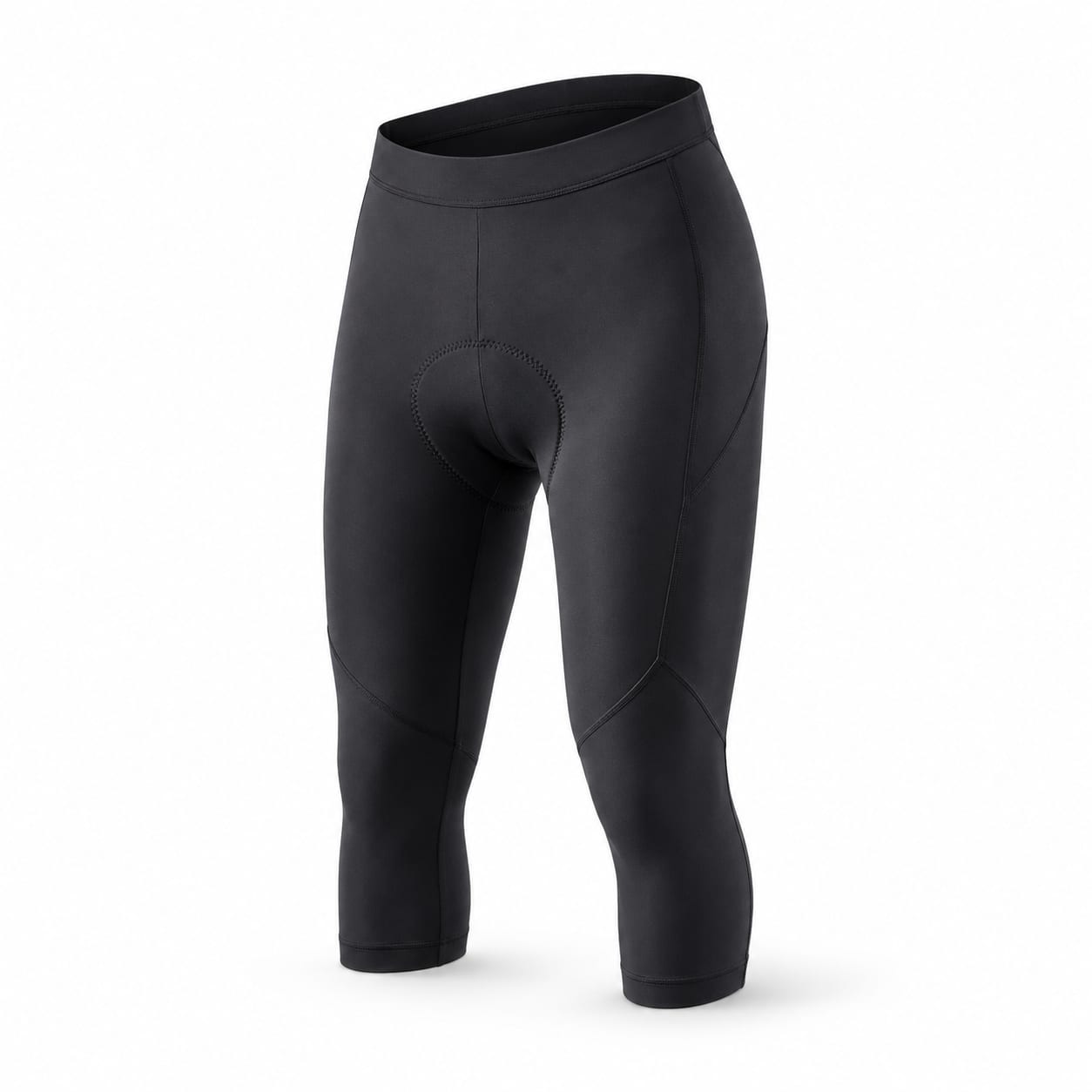
6 topics
Pick a question
Every answer links to the full subcategory guide and related gear types when it helps you decide.
What temperature range are cycling knickers best for?
Cycling knickers are ideal for 10–18°C (50–64°F). Lightweight knickers without thermal lining work best from 15–20°C, while thermal fleece-lined knickers extend down to about 10°C. Below 10°C, most riders will be more comfortable in full tights. Above 20°C, standard shorts are the better choice. Your individual cold tolerance, effort level, and wind conditions will shift these ranges slightly.
Read answer →02Should I get bib knickers or waist knickers?
Bib knickers are generally recommended because they eliminate the waistband gap at the lower back—a particularly vulnerable area in cool weather. The straps also keep the chamois locked in position during long rides. Waist knickers are a reasonable choice if you strongly prefer the convenience of not having shoulder straps or if you need quick bathroom access on rides. For women, drop-tail bib knickers offer the best of both worlds.
Read answer →03Why do the calf grippers on my knickers feel so tight?
The calf has less muscle mass than the thigh, making it more susceptible to pressure from grippers. This is a common issue with knickers. Solutions include: sizing up if the rest of the fit allows, looking for knickers with wide silicone band grippers (which distribute pressure better than narrow ones), or choosing models with compression hems that rely on fabric tension rather than grippers. Some riders prefer knickers that end just below the knee crease rather than at mid-calf to avoid the tightest part of the calf.
Read answer →04Are knickers better than shorts with knee warmers?
It depends on your riding conditions. Knickers offer a cleaner, more integrated feel with no risk of warmers slipping or creating gaps. They are ideal for stable cool conditions. Shorts with knee warmers offer more flexibility because you can remove the warmers mid-ride if temperatures rise, which is valuable for rides with large temperature swings. If you frequently start cold and finish warm, shorts with warmers may be more practical. If you ride in consistently cool conditions, knickers are simpler and more comfortable.
Read answer →05Can I wear cycling knickers for mountain biking?
You can, but they are not the most common choice for mountain biking. Most mountain bikers prefer baggy shorts for the casual aesthetic, pocket storage, and protection from trail hazards. If you do wear knickers for mountain biking, choose a durable nylon-spandex blend and be aware that the form-fitting design offers less protection from abrasion than baggy shorts. Some gravel riders do use knickers for the knee protection on long mixed-terrain rides.
Read answer →06How should cycling knickers fit around the knee?
Knickers should follow the contour of your knee without bunching or pulling. When standing, there should be no excess fabric behind the knee. When pedaling, the fabric should flex smoothly with your knee bend without restricting movement or creating pressure points. If the fabric pulls across the front of the knee when your leg is bent at the top of the pedal stroke, the knickers are too small or the rise is too short. If fabric bunches behind the knee, they may be too large or the panel shaping may not suit your leg shape.
Read answer →