What it means
The fundamental construction style of the cycling pants, determining overall design, intended use, and how the garment stays in position while riding.
Typical for this type
Knicker (Bib Or Waist Version Depending On Preference)
In practice
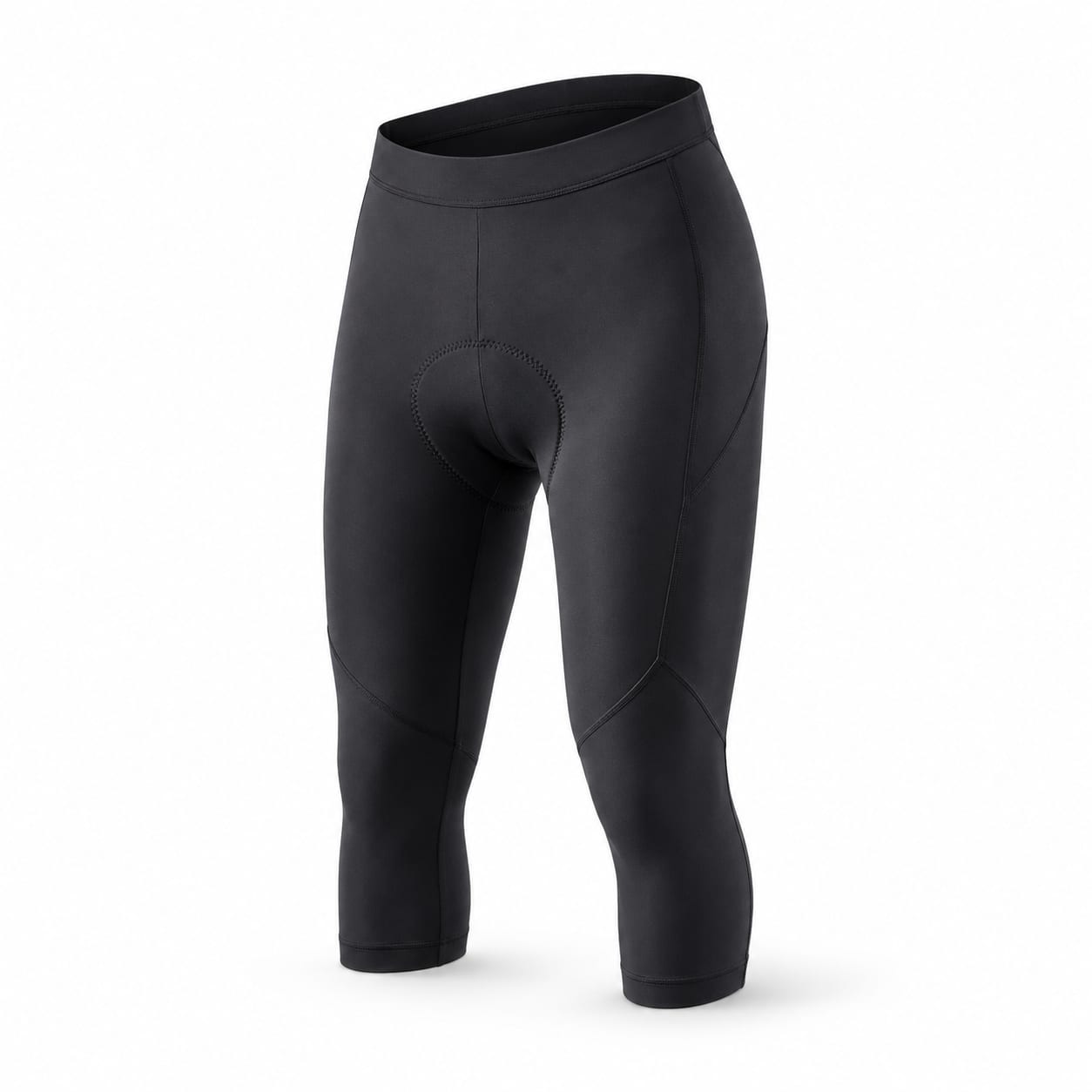
Cycling knickers are defined by their 3/4 length, extending past the knee to mid-calf. They are available in both bib and waist configurations, with bib knickers being the more popular choice for their superior fit and lower back coverage in cool weather.
Compared to other types
Unlike bib shorts which end above the knee, or full tights which extend to the ankle, knickers uniquely cover the knee joint while leaving the lower leg exposed, making them ideal for the temperature range where full tights would cause overheating.
Why it matters: The knicker type determines the fundamental coverage and warmth characteristics. Choosing bib versus waist construction affects comfort on longer rides and convenience for bathroom breaks.
What it means
The design, construction, and technology of the padded insert sewn into the crotch area of cycling pants, which is the primary determinant of saddle comfort.
Typical for this type
Multi Density Foam Or Anatomical 3d
In practice
Most quality knickers feature multi-density foam chamois, which provides zone-specific pressure relief for the varied ride durations typical of shoulder-season cycling. Premium knickers may feature anatomical 3D molded pads for superior long-distance comfort.
Compared to other types
Knickers typically use the same quality chamois as mid-to-high-end shorts, unlike budget waist shorts which may use single-density foam. Race-oriented minimal pads are rare in knickers since they are not typically used for short, high-intensity efforts.
Why it matters: Since knickers are often worn for longer rides in variable conditions, a quality chamois is essential. The slightly heavier fabric can mask an inferior pad during initial fitting, so checking chamois specifications is important.
Pad Thickness
Chamois Thickness
What it means
The maximum thickness of the chamois padding, typically measured at the densest point under the sit bones, affecting cushioning level and feel on the saddle.
Typical for this type
8–13 mm
Most common pick: 10 mm
In practice
Knickers generally feature medium-thickness chamois in the 8–13mm range, suitable for the 2–5 hour rides typical of shoulder-season cycling. This thickness provides adequate cushioning without the bulk that can cause chafing during longer efforts.
Compared to other types
Knickers tend to have slightly thicker chamois than race shorts (3–6mm) but not as thick as endurance bikepacking shorts (14–18mm), reflecting their typical use for moderate-duration rides.
Why it matters: The right chamois thickness ensures saddle comfort during the longer rides common in transitional weather, when riders tend to pace themselves rather than sprint. Too thin leads to discomfort; too thick can cause inner-thigh chafing.
What it means
The length of the leg portion of the cycling pants, measured from the crotch seam to the leg opening, determining coverage and muscle compression area.
Typical for this type
Three Quarter (Below Knee to Mid-Calf)
In practice
By definition, knickers feature 3/4 length legs that extend past the knee to mid-calf. The exact endpoint varies by brand—some sit just below the knee crease while others reach several inches down the calf.
Compared to other types
Knickers are longer than standard shorts (mid-thigh to above knee) and long shorts (at knee), but shorter than full tights (to ankle). This intermediate length is their primary functional differentiator.
Why it matters: The leg length is the defining characteristic of knickers. It determines how much of the knee and calf are covered, affecting warmth and the location of the leg gripper. A hem that sits too high on the calf may slip, while one too low may feel restrictive.
What it means
How closely the cycling pants conform to the body, affecting aerodynamics, compression, comfort, and freedom of movement.
Typical for this type
Club Or Relaxed
In practice
Most knickers feature a club/performance fit that balances aerodynamics with comfort for long rides. Some endurance-oriented knickers use a relaxed fit for maximum comfort during base-mile training. Race-fit knickers exist but are less common.
Compared to other types
Knickers tend toward club and relaxed fits, whereas race shorts prioritize second-skin aerodynamics. This reflects the typical use case of steady training rides rather than competition.
Why it matters: Since knickers are primarily worn for training and recreational riding in transitional weather, a comfortable fit that doesn't restrict movement is more important than maximum aerodynamics. The slightly heavier fabrics used in knickers also benefit from a less extreme cut.
Material
Fabric Composition
What it means
The primary materials used in the cycling pants construction, affecting stretch, moisture management, durability, compression, and comfort.
Typical for this type
Nylon Spandex For Mild Conditions; Thermal Fleece/Roubaix For Cooler Conditions
Most common pick: Nylon Spandex With Thermal Fleece Option
In practice
Knickers commonly use nylon-spandex blends for durability and shape retention, often with a slightly heavier weight than summer shorts. Many feature thermal fleece (Roubaix) inner surfaces for additional warmth. Some premium models use wind-resistant front panels paired with breathable rear panels.
Compared to other types
Unlike summer shorts which prioritize lightweight polyester-spandex, knickers often use heavier nylon-spandex or thermal fleece. They lack the softshell construction of dedicated winter tights, positioning them between summer and winter fabrics.
Why it matters: Fabric choice determines the temperature range where knickers perform best. Lightweight fabrics suit milder days (15–18°C), while thermal fleece extends usability down to 10°C. Wind-resistant panels on the front significantly improve comfort on descents.
Number of Panels
Panel Count
What it means
The number of individual fabric pieces used to construct the cycling pants, with more panels generally allowing better anatomical shaping and fit.
Typical for this type
6–10 panels
Most common pick: 8 panels
In practice
Quality knickers typically use 6–10 panels, with the additional panels over shorts accounting for the extended leg length and the anatomical shaping needed around the knee and calf. More panels allow better contouring around the knee bend.
Compared to other types
Knickers typically have more panels than standard shorts (4–8 panels) due to the additional leg length, but similar panel counts to full tights which also require shaping around the knee and calf.
Why it matters: The knee is a complex joint that requires careful panel shaping for comfort during the pedaling motion. Too few panels can result in fabric bunching behind the knee or pulling at the calf gripper.
Compression
Compression Level
What it means
The degree of graduated or uniform compression provided by the fabric, affecting muscle support, blood flow, fatigue reduction, and recovery.
Typical for this type
Moderate
In practice
Moderate compression is the standard for knickers, providing muscle support for the thighs and calves without the restrictive feel that can be uncomfortable during longer, steady-paced rides typical of shoulder-season training.
Compared to other types
Knickers use similar compression to standard shorts, but the extended length means compression affects a larger muscle area. Unlike race shorts which may use firm compression, knickers prioritize comfort for training-paced efforts.
Why it matters: Proper compression supports the knee joint and surrounding muscles during repetitive pedaling. Since knickers cover more leg area than shorts, the compression effect is more noticeable and should be supportive without being constrictive, especially at the calf.
Leg Gripper
Leg Gripper Type
What it means
The method used to keep the leg openings of cycling pants in place and prevent riding up during pedaling.
Typical for this type
Silicone Dots Or Wide Silicone Band
In practice
Silicone dot grippers are most common on knickers, providing secure hold at the calf without excessive pressure. Wide silicone band grippers are also used, particularly on premium models. The gripper must hold securely on the smaller-diameter calf without restricting circulation.
Compared to other types
Unlike shorts which grip the thigh, knickers must grip the calf—a fundamentally different challenge. Compression hems that work well on thighs may not stay up on calves, and grippers that are comfortable on thighs may be too tight on calves.
Why it matters: The calf gripper is the most critical comfort element unique to knickers. The calf has less muscle mass than the thigh, making it more susceptible to circulation restriction from tight grippers. A too-tight gripper can cause numbness or discomfort during longer rides.
Bib Strap Style
Bib Strap Design
What it means
The construction and configuration of shoulder straps on bib-style cycling pants, affecting comfort, breathability, and convenience.
Typical for this type
Mesh Standard For Warmer Days; Stretch Knit For Cooler Conditions; Drop Tail For Women
Most common pick: Mesh Standard Or Stretch Knit
In practice
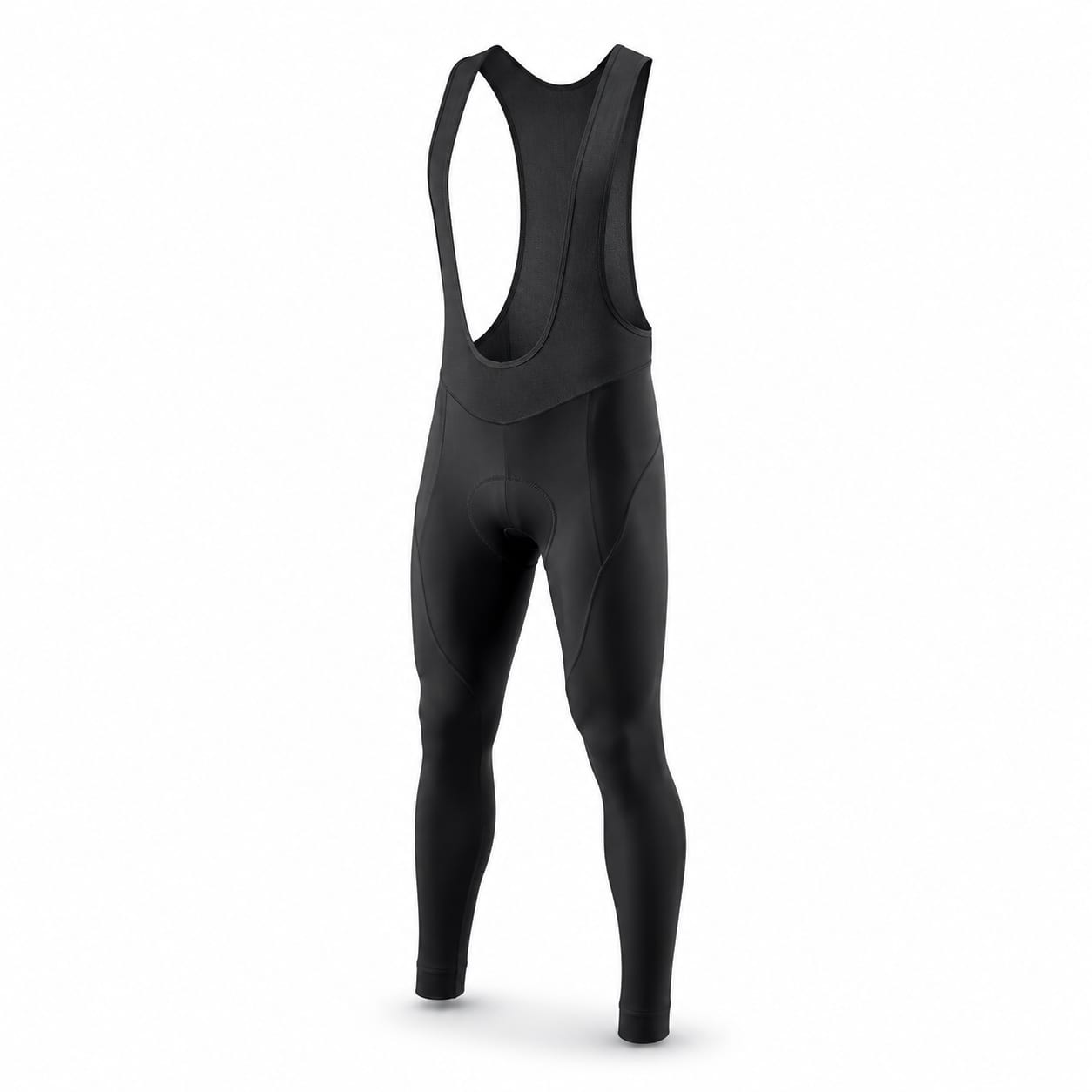
Bib knickers are available with standard mesh straps (most common and well-ventilated) or stretch knit straps (softer and more comfortable for long rides). Women's bib knickers increasingly feature drop-tail designs for bathroom convenience, which is especially important during longer shoulder-season rides.
Compared to other types
Bib knickers use the same strap designs as bib shorts, but the slightly heavier fabrics and cooler riding conditions make stretch knit straps more popular in knickers than in summer bib shorts.
Why it matters: Bib straps keep the chamois in position and eliminate waistband gap at the lower back—a vulnerable area in cool weather. The strap design affects ventilation, comfort, and convenience during longer rides.
Seam Construction
Seam Type
What it means
The method used to join fabric panels, affecting comfort, chafing risk, durability, and aerodynamics.
Typical for this type
Flatlock Minimum; Bonded Or Seamless Zone For Premium Options
In practice
Flatlock stitching is the standard for quality knickers, providing low-profile seams that minimize chafing. Premium knickers may use bonded seams for a smoother feel or seamless zone construction in the inner thigh and behind the knee—areas where seams can cause discomfort during the repetitive knee flexion of cycling.
Compared to other types
Knickers require the same seam quality as good shorts, but the behind-the-knee area is a unique concern. This area is not an issue in shorts (which end above the knee) and is less critical in tights (where the seam is typically lower on the calf).
Why it matters: The area behind the knee is particularly sensitive in knickers because the fabric must flex with each pedal stroke. Seams in this area can cause chafing or irritation during longer rides, making seam placement and construction especially important.
Temp Range
Temperature Range
What it means
The ambient temperature range in which the cycling pants are designed to perform optimally, based on fabric weight, insulation, and breathability.
Typical for this type
mild (10–20°C / 50–68°F)
In practice
Knickers are designed for mild conditions, typically 10–20°C. Lightweight knickers without thermal lining work well from 15–20°C, while thermal fleece-lined knickers extend down to 10°C. Below 10°C, most riders will want full tights for adequate warmth.
Compared to other types
Knickers fill the temperature gap between warm-weather shorts (18–28°C) and cool-weather tights (0–12°C). They are the optimal choice for the 10–18°C range where shorts leave knees cold but tights cause overheating.
Why it matters: Temperature range is the primary reason to choose knickers over shorts or tights. Getting this right means comfortable knees without overheating. The ideal temperature range varies based on individual cold tolerance and effort level.
What it means
The Ultraviolet Protection Factor rating indicating how effectively the fabric blocks UV radiation, important for long sun-exposed rides.
Typical for this type
UPF 30–50
In practice
Most knickers provide UPF 30+ protection due to the slightly heavier fabrics used in their construction. The denser weave of thermal and transitional fabrics naturally offers better UV protection than lightweight summer shorts.
Compared to other types
Knickers typically offer better UV protection than lightweight summer shorts due to their denser fabric, but less than dedicated sun-protection garments. The extended coverage area provides more sun protection than shorts.
Why it matters: While UV protection is less critical in the cooler conditions where knickers are worn, the extended leg coverage does provide additional sun protection for the knees and upper calves during long spring and fall rides.
Reflectivity
Reflective Elements
What it means
The presence and extent of reflective materials on the cycling pants for visibility in low-light conditions.
Typical for this type
Minimal to Moderate
In practice
Most knickers include minimal reflective elements such as small logos or accents. Some commuter-oriented models feature moderate reflectivity with elements on the calf gripper area, which is particularly effective because the pedaling motion makes calf-mounted reflectors highly visible.
Compared to other types
Knickers tend to have more reflective elements than race-oriented shorts but fewer than dedicated commuter pants. The calf area provides a unique opportunity for effective reflectivity due to the pedaling motion.
Why it matters: Shoulder-season riding often involves early morning or late evening hours when visibility is reduced. Reflective elements on the calf area are especially effective because the pedaling motion creates movement that attracts driver attention.
What it means
The construction and closure system at the waist of non-bib cycling pants, affecting comfort, security, and adjustability.
Typical for this type
Wide Comfort For Waist Versions; Bib Construction Preferred
Most common pick: Wide Comfort Or Elastic Only
In practice
Waist-style knickers typically use wide comfort waistbands or simple elastic, with the wide comfort band being preferred for the longer rides knickers are used for. However, bib-style knickers are generally recommended because they eliminate the waistband gap that can expose the lower back to cold air.
Compared to other types
The waist system matters more in knickers than in summer shorts because of the cold-weather context. A gap that is merely annoying in warm weather becomes genuinely uncomfortable in cool conditions, making bib construction more strongly recommended for knickers.
Why it matters: In cool weather, a waistband gap at the lower back is not just uncomfortable—it allows cold air to reach the kidneys and lower spine. This makes bib construction particularly advantageous for knickers compared to summer shorts where the gap is less consequential.
Water Resistance
Water Resistance
What it means
The level of water and rain protection provided by the cycling pants, from none to fully waterproof.
Typical for this type
None Or Dwr Coated
In practice
Most knickers have no water-resistant treatment, relying on the fabric's natural ability to handle light moisture. Some models feature DWR coating for light rain and road spray protection, which is useful for the variable weather conditions common in spring and fall.
Compared to other types
Knickers are less likely to feature waterproof membranes than dedicated rain pants or winter tights, but DWR coating is more common in knickers than in summer shorts due to the variable weather conditions they are used in.
Why it matters: Shoulder-season weather is unpredictable, and DWR coating can provide valuable protection from light rain and road spray without significantly compromising breathability. However, for heavy rain, dedicated rain pants worn over knickers are the better solution.
Pockets
Pocket Configuration
What it means
The number, type, and placement of pockets on the cycling pants, affecting storage options for ride essentials.
Typical for this type
None Or Minimal
In practice
Most road-oriented knickers have no pockets, following the convention of using jersey pockets for storage. Some gravel and commuter knickers feature minimal pocket configurations (1–2 small pockets) for essentials like a key or gel. The extended leg length makes thigh pocket placement possible but uncommon.
Compared to other types
Knickers have similar pocket configurations to road shorts (typically none), unlike baggy shorts which feature standard or extensive pockets. The form-fitting nature of most knickers makes large pockets impractical.
Why it matters: Pockets are a matter of riding style preference. Road riders typically don't need them, while commuters and gravel riders may appreciate having a secure place for small items without relying on a jersey.