
Cycling Pants · FAQ
Questions about Extreme Cold / Fat Bike Cycling Pants
Straight answers on fit, specs, and when this type makes sense — each topic has its own page with links back to the buying guide.
Open Extreme Cold / Fat Bike Cycling Pants guide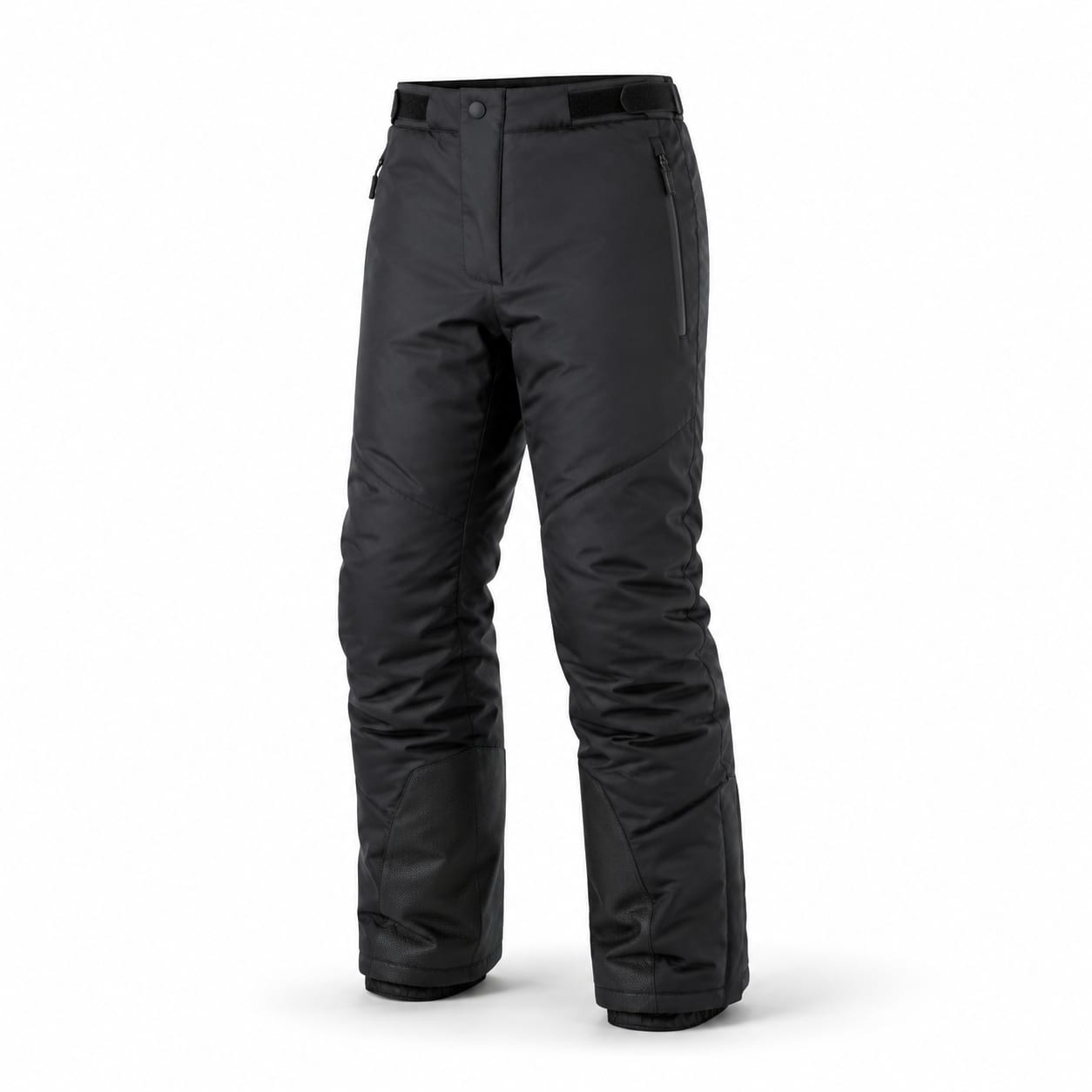
6 topics
Pick a question
Every answer links to the full subcategory guide and related gear types when it helps you decide.
What temperature range are extreme cold fat bike pants designed for?
Most extreme cold cycling pants are designed for comfortable riding from -30°C to -5°C (-22°F to 23°F). The windproof front panels extend this effective range significantly in windy conditions. Below -30°C, you may need to add a wind shell layer over the pants. Above -5°C, these pants will likely cause overheating during any sustained effort, and standard winter tights become the better choice.
Read answer →02Can I wear a base layer underneath extreme cold pants?
Yes, most extreme cold pants are designed to accommodate a thin merino wool base layer underneath. This is recommended for temperatures below -15°C or for riders who run cold. Avoid thick base layers, which can cause the pants to fit too tightly, restrict movement, and compress the fleece lining, reducing its insulating effectiveness. If you plan to layer, consider sizing up one size from your normal cycling tight size.
Read answer →03Are extreme cold pants waterproof enough for riding in rain?
Extreme cold pants with DWR coating shed snow, slush, and light moisture effectively, but they are not designed for sustained rain. If you need rain protection, look for models with integrated waterproof membranes, though these sacrifice breathability during hard efforts. For wet conditions above freezing, dedicated rain pants worn over lighter shorts are a better choice than extreme cold pants, which will overheat you in rain-temperature conditions.
Read answer →04Do I need extreme cold pants, or can I just layer standard tights with wind pants?
A layered system can work for occasional extreme cold riding and offers more versatility. However, dedicated extreme cold pants provide superior comfort because the integrated chamois is designed for the specific fabric stack, eliminating the bunching and chafing that occurs with multiple layers. They also offer better mobility and a more consistent thermal seal. If you ride regularly in extreme cold, the investment in dedicated pants pays off in comfort and simplicity.
Read answer →05How do I prevent my extreme cold pants from overheating me during hard efforts?
Overheating is a real risk with these pants, and sweat accumulation in extreme cold is dangerous because it can lead to rapid cooling when you stop. Manage this by starting your ride slightly cold (you will warm up within 10 minutes), use ankle zippers as vents during climbs, reduce effort on extended climbs, and consider removing a thin base layer if you started with one. Some riders prefer a slightly less insulated pant combined with adjustable wind shell over-pants that can be opened or removed as needed.
Read answer →06What features should I look for in the ankle closure for fat biking?
Look for full-length zippers with storm flaps that allow you to put the pants on over bulky winter cycling boots. The zipper should extend high enough to create a proper seal with the boot cuff. Internal gaiters or stirrups that go under the boot foot prevent the pant leg from riding up. Avoid pull-on designs without zippers, as getting them over winter boots is extremely difficult and the seal with the boot will be inadequate, allowing cold air and snow to enter.
Read answer →