What it means
The fundamental construction style of the cycling pants, determining overall design, intended use, and how the garment stays in position while riding.
Typical for this type
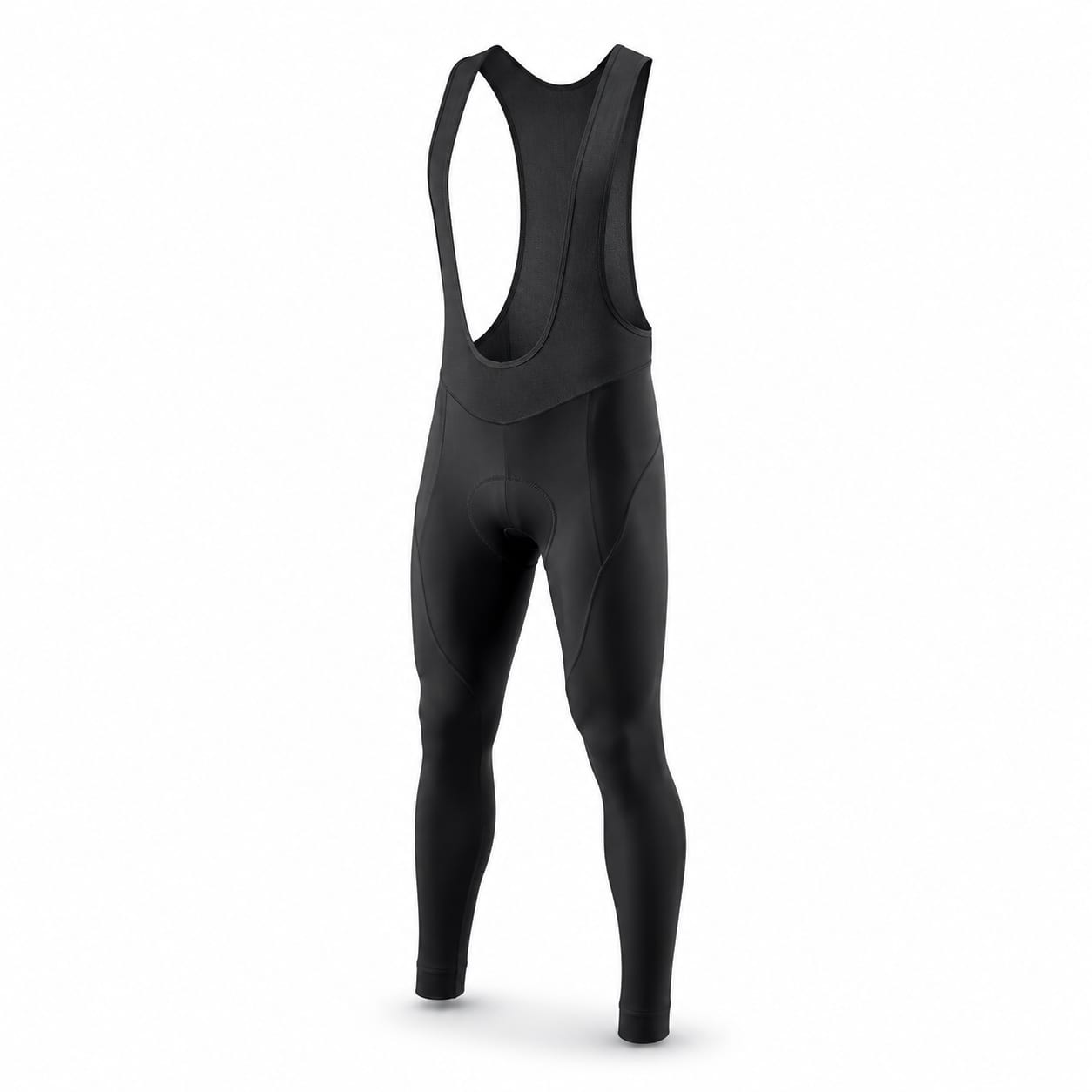
Full-Length Bib Tights
Most common pick: Tight (Bib Version)
In practice
Extreme cold pants are almost exclusively full-length tights, with bib construction strongly preferred over waistband versions to eliminate the lower back gap that allows cold air infiltration.
Compared to other types
Unlike standard winter tights which may offer waist versions, extreme cold pants are overwhelmingly bib-style because the lower back exposure from waistband versions is intolerable at -20°C and below.
Why it matters: Full-length coverage is non-negotiable in extreme cold—any exposed skin or gap at the waist becomes a critical heat loss point. Bib straps keep the chamois positioned and seal the torso connection.
What it means
The design, construction, and technology of the padded insert sewn into the crotch area of cycling pants, which is the primary determinant of saddle comfort.
Typical for this type
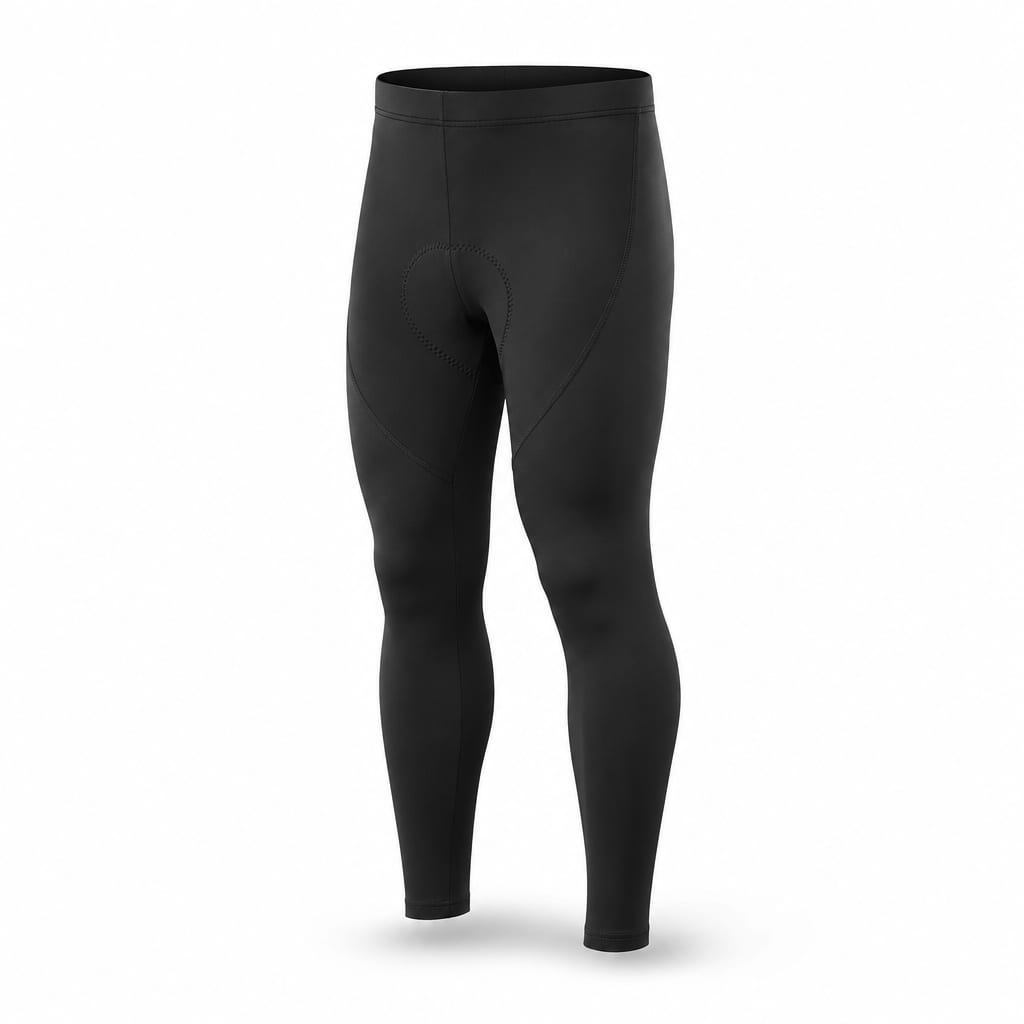
Multi-Density Foam Or Anatomical 3D Molded
Most common pick: Multi Density Foam
In practice
Multi-density foam pads provide the best balance of cushioning for rough fat bike terrain and manageable bulk within an already thick garment. Anatomical 3D molded pads are the premium upgrade for long-distance comfort.
Compared to other types
Extreme cold pants use thicker, more substantial chamois than standard winter tights because fat bike terrain is rougher and riders are less likely to stand and relieve saddle pressure when bundled in heavy layers.
Why it matters: Fat biking involves slow-speed, rough terrain where vibration damping matters. The chamois must provide sufficient cushioning without adding excessive bulk that restricts movement in an already substantial garment.
Pad Thickness
Chamois Thickness
What it means
The maximum thickness of the chamois padding, typically measured at the densest point under the sit bones, affecting cushioning level and feel on the saddle.
Typical for this type
10–15 mm
Most common pick: 11 mm
In practice
Thicker pads in the 10–15mm range provide the vibration damping needed for rough snow and ice terrain, where low tire pressures create a chattery ride feel even on smooth surfaces.
Compared to other types
Standard winter tights typically use 8–12mm pads, while extreme cold pants lean toward the upper end of that range or beyond due to the rougher terrain and reduced rider mobility in heavy layers.
Why it matters: Fat biking at low tire pressures creates unique vibration patterns that transmit through the saddle. A thicker pad absorbs these vibrations and reduces fatigue on long cold-weather rides where standing is less frequent.
What it means
The length of the leg portion of the cycling pants, measured from the crotch seam to the leg opening, determining coverage and muscle compression area.
Typical for this type
Full Length (To Ankle)
Most common pick: Full Length
In practice
Full-length coverage to the ankle is essential in extreme cold. Any gap between the pant leg and boot top allows cold air and snow to enter, which can be dangerous in sub-zero conditions.
Compared to other types
While standard winter tights are also full-length, extreme cold pants often feature extended ankle cuffs with zippers for easy on/off over bulky winter boots, and sometimes include stirrups to prevent riding up.
Why it matters: Exposed skin at the ankle is a frostbite risk in extreme cold. Full-length legs also provide maximum thermal insulation for the entire leg and create a seal with winter cycling boots.
What it means
How closely the cycling pants conform to the body, affecting aerodynamics, compression, comfort, and freedom of movement.
Typical for this type
Relaxed / Endurance
Most common pick: Relaxed
In practice
A relaxed or endurance fit accommodates the substantial fabric stack of windproof membranes and fleece linings while allowing freedom of movement for fat bike handling and potential base layering underneath.
Compared to other types
Standard winter tights can use a club or performance fit because their thinner fleece fabric compresses well. Extreme cold pants need a slightly more generous cut to accommodate their substantial construction without restricting pedaling.
Why it matters: The multi-layer fabric construction of extreme cold pants is inherently bulkier than standard tights. A relaxed fit prevents the restrictive feeling that would result from compressing all that fabric against the body, and allows for a thin merino base layer if needed.
Material
Fabric Composition
What it means
The primary materials used in the cycling pants construction, affecting stretch, moisture management, durability, compression, and comfort.
Typical for this type
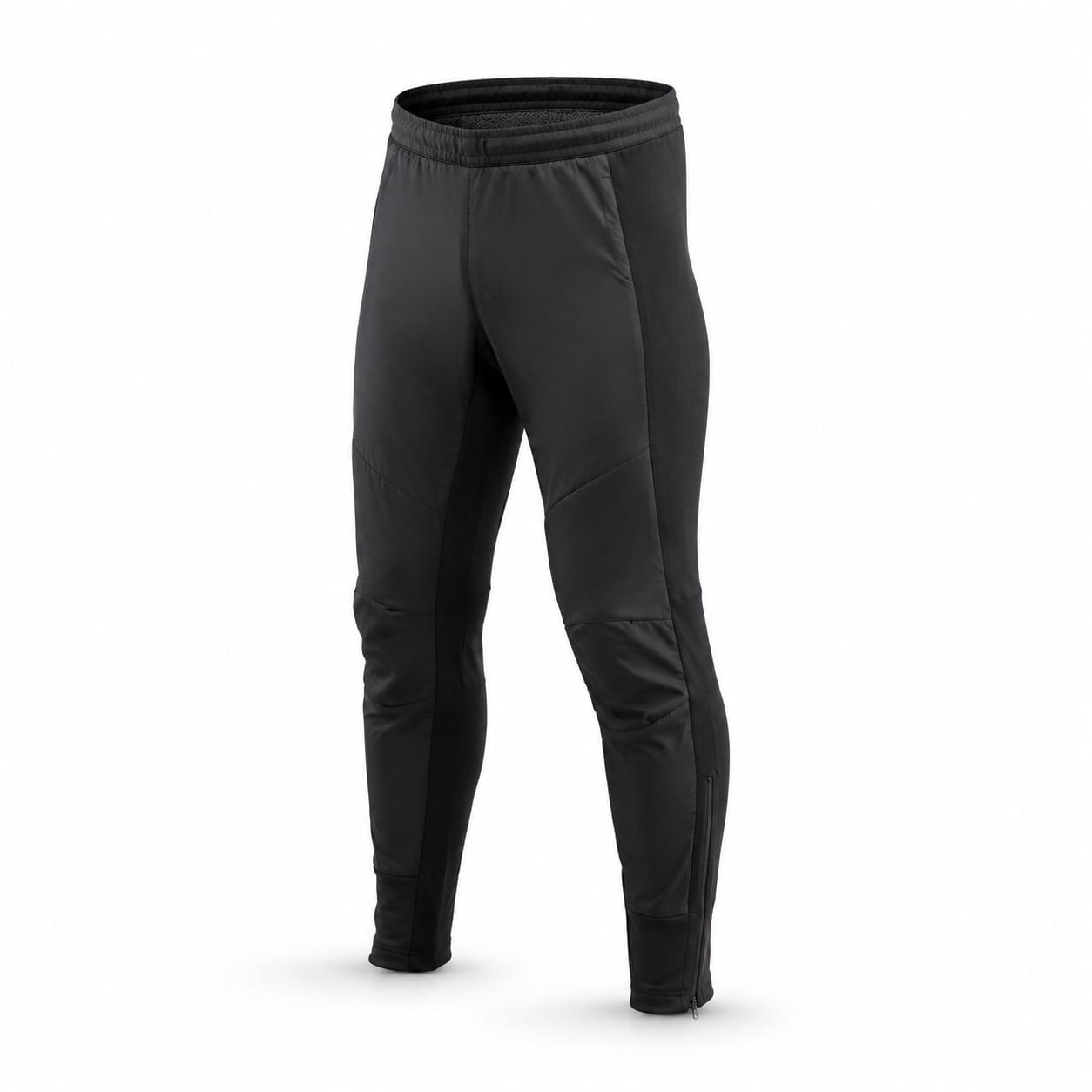
Softshell/Windproof Front Panels With Thermal Fleece Rear Panels
Most common pick: Softshell + Thermal Fleece
In practice
The optimal construction uses softshell fabric with windproof membrane on front-facing panels for wind protection, paired with thermal fleece on rear panels for breathability and stretch. This zonal approach prevents both wind chill and sweat accumulation.
Compared to other types
Standard winter tights typically use single-layer thermal fleece throughout. Extreme cold pants require the multi-material softshell+fleece approach because wind chill at -20°C with any speed is far more dangerous than at 5°C.
Why it matters: In extreme cold, wind chill is the primary threat. Softshell front panels block wind penetration while thermal fleece rear panels allow moisture to escape. A single-fabric approach either lets wind through or traps sweat, both of which lead to rapid cooling.
Number of Panels
Panel Count
What it means
The number of individual fabric pieces used to construct the cycling pants, with more panels generally allowing better anatomical shaping and fit.
Typical for this type
6–10 panels
Most common pick: 8 panels
In practice
More panels allow the strategic placement of different fabrics (windproof front, breathable rear) and the articulation needed for comfortable pedaling despite thick, stiff fabric stacks.
Compared to other types
Standard winter tights may use 6 panels effectively with a single fabric. Extreme cold pants benefit from 8+ panels to accommodate multi-material construction and the extra articulation needed for thick fabrics.
Why it matters: Zonal fabric placement requires separate panels for windproof and breathable zones. Additionally, the thick fabric stack is less compliant than lightweight material, so additional articulation panels at the knee and hip are essential for maintaining pedaling range of motion.
Compression
Compression Level
What it means
The degree of graduated or uniform compression provided by the fabric, affecting muscle support, blood flow, fatigue reduction, and recovery.
Typical for this type
Light to Moderate Compression
Most common pick: Light
In practice
Light compression is typical because the thick, multi-layer fabric stack cannot achieve the close body contact needed for meaningful graduated compression. Some moderate compression models exist but prioritize warmth over compressive performance.
Compared to other types
Standard winter tights can achieve moderate compression with their thinner fleece fabrics. Extreme cold pants sacrifice compression for insulation and weather protection, which is the correct trade-off in sub-zero conditions.
Why it matters: The substantial fabric thickness and relaxed fit required for extreme cold pants inherently limit compression effectiveness. Attempting firm compression with this fabric stack would create uncomfortable pressure points and restrict movement.
Leg Gripper
Leg Gripper Type
What it means
The method used to keep the leg openings of cycling pants in place and prevent riding up during pedaling.
Typical for this type
Silicone Band Or Elastic Band With Zipper Closure
Most common pick: Silicone Band
In practice
Silicone band grippers provide secure hold over winter boots and base layers. Many extreme cold pants also feature ankle zippers that allow easy on/off over bulky footwear, with the zipper covered by a storm flap.
Compared to other types
Standard winter tights typically use silicone dot grippers at the ankle. Extreme cold pants often replace or supplement these with zippers and storm flaps because the seal with bulky winter boots is more critical and harder to achieve.
Why it matters: In extreme cold, the leg gripper must create a seal with winter cycling boots to prevent cold air and snow from entering. Standard silicone dot grippers may not grip effectively over boot cuffs, so silicone bands or zippered closures are preferred.
Bib Strap Style
Bib Strap Design
What it means
The construction and configuration of shoulder straps on bib-style cycling pants, affecting comfort, breathability, and convenience.
Typical for this type
Integrated Back Panel Or Stretch Knit Straps
Most common pick: Integrated Back
In practice
Integrated back panels provide additional core insulation and lower back coverage that is critical in extreme cold. The back panel eliminates the gap between jersey and tights that allows cold air to reach the kidneys and lower spine.
Compared to other types
Standard winter bib tights often use mesh or stretch knit straps. Extreme cold pants favor integrated back panels because the additional core warmth they provide is far more valuable in sub-zero conditions than the ventilation mesh straps offer.
Why it matters: The lower back is extremely vulnerable to cold air infiltration in the riding position. An integrated back panel seals this area and adds a layer of insulation that can make the difference between a comfortable ride and a miserable one.
Seam Construction
Seam Type
What it means
The method used to join fabric panels, affecting comfort, chafing risk, durability, and aerodynamics.
Typical for this type
Flatlock Stitching
Most common pick: Flatlock
In practice
Flatlock stitching provides the best balance of comfort against the skin, durability in harsh conditions, and the ability to handle the thick multi-layer fabrics used in extreme cold pants.
Compared to other types
Premium standard tights may use bonded seams for a smooth feel, but the thick fabric stacks in extreme cold pants make bonded construction less reliable. Flatlock remains the proven choice for durability in extreme conditions.
Why it matters: Bonded seams struggle with the thick, multi-layer fabric stacks used in extreme cold pants. Flatlock stitching is strong enough to hold windproof membranes and fleece layers together reliably while remaining comfortable against the skin during long rides.
Temp Range
Temperature Range
What it means
The ambient temperature range in which the cycling pants are designed to perform optimally, based on fabric weight, insulation, and breathability.
Typical for this type
Cold (-10 to 5°C) with capability down
Most common pick: Cold
In practice
These pants are designed for the coldest riding conditions, typically rated for -10°C to 5°C as a comfortable range, with the capability to protect riders down to -30°C when combined with proper base layers and wind conditions.
Compared to other types
Standard winter tights are rated for cool to cold conditions (0–12°C). Extreme cold pants extend protection down to -30°C through windproof membranes, heavier fleece, and full-coverage construction that standard tights cannot match.
Why it matters: The entire purpose of this subcategory is extreme cold protection. Standard winter tights are typically rated for 0–10°C and become inadequate below freezing, especially with wind chill. These pants fill the gap for truly frigid conditions.
What it means
The Ultraviolet Protection Factor rating indicating how effectively the fabric blocks UV radiation, important for long sun-exposed rides.
Typical for this type
UPF 25–50 (not a primary concern)
Most common pick: UPF 30
In practice
UV protection is not a primary concern for extreme cold pants since they are used in winter when UV intensity is low and riders are heavily covered. However, the thick fabric construction naturally provides UPF 25–50 equivalent protection.
Compared to other types
Summer cycling shorts prioritize UPF ratings because riders are exposed to intense sun for hours. Extreme cold pants achieve high UV protection incidentally through their thick fabric construction, making dedicated UPF engineering unnecessary.
Why it matters: In extreme cold conditions, UV exposure is minimal due to low sun angle, short days, and full body coverage. Snow reflection can increase UV exposure, but the thick fabrics used provide adequate protection without specific UPF engineering.
Reflectivity
Reflective Elements
What it means
The presence and extent of reflective materials on the cycling pants for visibility in low-light conditions.
Typical for this type
Moderate to High Visibility
Most common pick: Moderate
In practice
Moderate to extensive reflective elements are important because extreme cold riding often occurs during the short daylight hours of winter, and many fat bike rides extend into dusk or darkness on snow-covered trails.
Compared to other types
Standard winter tights may have minimal reflectivity. Extreme cold pants benefit from more extensive reflective elements because the riding conditions (short days, low light, snowmobile traffic on shared trails) demand higher visibility.
Why it matters: Winter days are short, and extreme cold rides frequently happen in low-light or darkness. Reflective elements on the legs are particularly effective because the pedaling motion attracts attention. On snow-covered trails, visibility to other trail users and snowmobiles is a safety concern.
What it means
The construction and closure system at the waist of non-bib cycling pants, affecting comfort, security, and adjustability.
Typical for this type
Bib Construction Preferred; If Waist Version, Wide Comfort Waistband
Most common pick: N/A (Bib Construction)
In practice
The vast majority of extreme cold pants use bib construction, making the waist system irrelevant. For the rare waistband versions, a wide comfort waistband is essential to prevent the gap that allows cold air infiltration at the lower back.
Compared to other types
Standard winter tights offer both bib and waist options with various waistband styles. Extreme cold pants strongly favor bib construction because the consequences of waist gap exposure are far more severe at -20°C than at 5°C.
Why it matters: In extreme cold, any gap at the waist becomes a critical point of heat loss. Bib construction eliminates this vulnerability entirely. Waistband versions must use a wide, secure band that maintains contact with the skin or base layer throughout the pedal stroke.
Water Resistance
Water Resistance
What it means
The level of water and rain protection provided by the cycling pants, from none to fully waterproof.
Typical for this type
DWR Coated Minimum; Waterproof Membrane For Wet Snow Conditions
Most common pick: Dwr Coated
In practice
DWR coating is standard to shed snow, slush, and road spray. Riders in wet snow climates should consider waterproof membrane versions, though these sacrifice some breathability during hard efforts.
Compared to other types
Standard winter tights may have no water resistance or minimal DWR. Extreme cold pants require at least DWR coating because snow contact is guaranteed, and wet fabric in sub-zero conditions is not just uncomfortable but potentially dangerous.
Why it matters: Fat biking involves riding through snow and slush that melts on contact with the body, then refreezes. DWR treatment prevents this moisture from saturating the fabric, which would destroy its insulating properties and lead to rapid cooling.
Pockets
Pocket Configuration
What it means
The number, type, and placement of pockets on the cycling pants, affecting storage options for ride essentials.
Typical for this type
Minimal to standard (1–4 pockets)
Most common pick: Minimal
In practice
A few strategically placed pockets on the thigh provide accessible storage for nutrition, phone, and tools without the bulk that interferes with the pedaling motion. Thigh pockets are preferred because they remain accessible over bulky winter layers.
Compared to other types
Road cycling shorts typically have no pockets. Extreme cold pants benefit from at least minimal pocket storage because the layering system makes accessing jersey pockets difficult, and dropping items in deep snow means they are lost forever.
Why it matters: In extreme cold, accessing jersey pockets requires removing gloves and lifting multiple layers, which is impractical. Thigh pockets on the pants allow access to essentials while maintaining hand warmth and without disturbing the layering system.