
Cycling Pants · Buying specs
Questions about Cycling Pants specs
Straight answers on the specs that matter when you buy — each question covers one dimension or option so you know what to look for.
Open Cycling Pants guide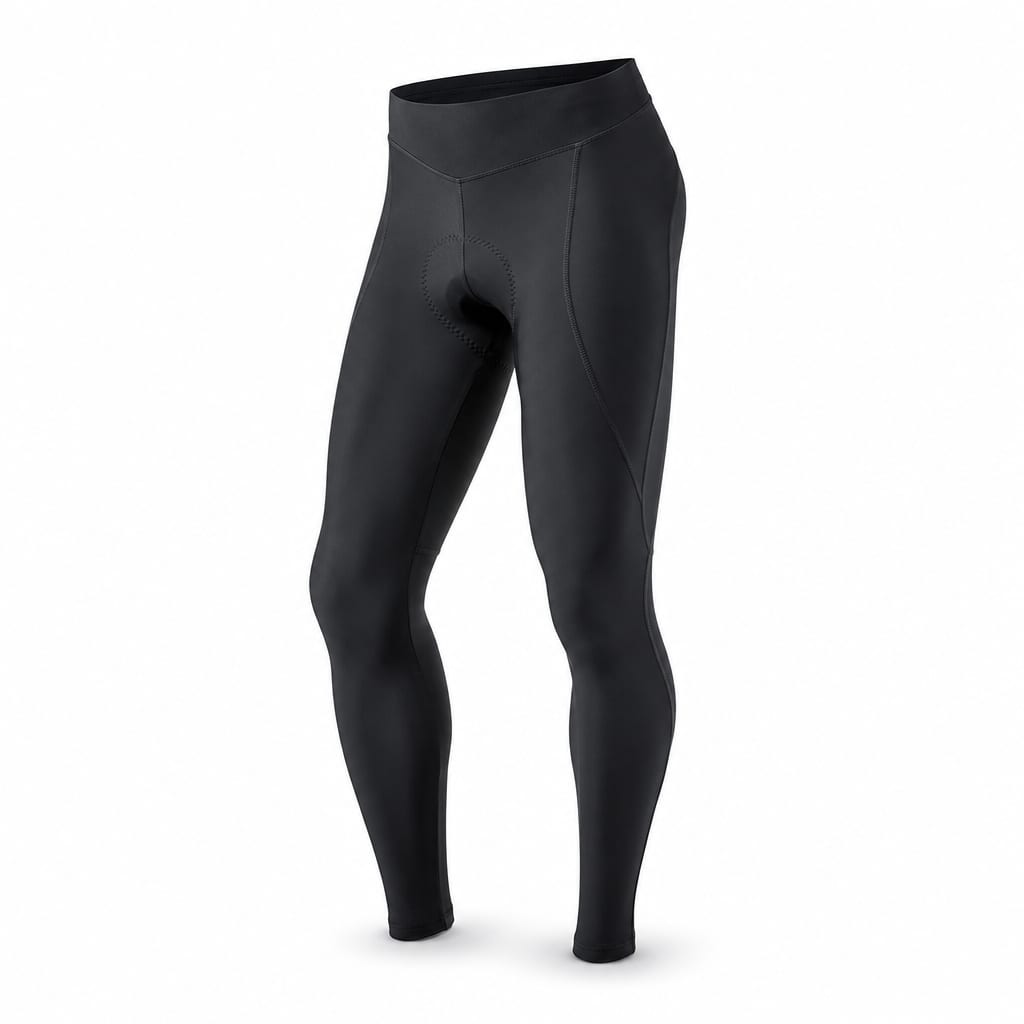
66 questions
Browse by spec group
Questions are organized the same way as the buying specs on the main equipment page.
Core Design
Fundamental design choices that define the type and purpose of the cycling pants.
Why do most road cyclists wear bib shorts instead of regular waist shorts? Are they really worth it?
Bib shorts use shoulder straps (like suspenders) instead of an elastic waistband to hold everything in place. This design eliminates waistband pressure, which means no digging into your stomach and no restriction on breathing—especially noticeable when you're leaning forward on the bike. The biggest advantage is that the chamois (the padded insert) stays locked exactly where it needs to be. With waist shorts, the chamois can shift during aggressive pedaling or when you move around on the saddle, leading to chafing and hot spots on longer rides. Bib shorts prevent that movement entirely. They're the go-to choice for road cycling, racing, and any ride over two hours. The tradeoff is convenience: you'll need to remove your upper layers for bathroom breaks. But for longer rides where comfort matters most, most cyclists find that tradeoff well worth it.
Read answer →Style · Waist ShortWhen should I choose waist shorts over bib shorts for cycling?
Waist shorts are a great choice for shorter rides under two hours, indoor training sessions, or hot-weather riding when you want maximum ventilation and easy on/off convenience. They're also ideal if you simply find bib straps uncomfortable or dislike the feeling of suspenders on your shoulders. The main trade-off is that the elastic waistband can roll or create pressure points during longer rides, and the chamois pad may shift slightly when you're riding aggressively out of the saddle. For rides over a couple of hours, most cyclists find bib shorts more comfortable since the straps keep everything locked in place without any waist restriction. That said, waist shorts shine for their simplicity—quick bathroom breaks, easy to throw on for a spin class or commute, and no need to remove your jersey to take them off. If most of your riding is under two hours or you prioritize convenience, waist shorts are a solid pick.
Read answer →Style · Knickers / 3/4 LengthWhen should I choose cycling knickers over regular shorts or full tights?
Cycling knickers (also called 3/4-length pants) hit that sweet spot between shorts and full tights. They extend to just below the knee or mid-calf, giving you extra coverage and warmth without the full enclosure of tights. They're ideal for spring and fall riding when temperatures hover around 12–18°C (54–64°F)—too cool for bare knees but not cold enough for full leg coverage. The main benefit is protecting your knees from chill, which matters more than many riders realize. Cold knees can lead to discomfort and even joint issues over time, so keeping them covered during transitional seasons is a smart move. Knickers give you that protection without the overheating risk of full tights. One thing to watch: the calf grippers can feel restrictive on some models, so check the fit if you have larger calves. Knickers come in both bib and waist versions—bibs keep the chamois more secure on longer rides, while waist versions are easier to take on and off.
Read answer →Style · Full-Length TightsWhen should I choose full-length cycling tights over shorter options?
Full-length tights are your go-to when temperatures drop below 10°C (50°F). They provide complete leg coverage and insulation, keeping your muscles warm and comfortable during cold-weather rides—whether that's winter training, chilly commutes, or early morning starts. One key decision: bib or waist version? Bib tights are the popular choice for serious riding because the shoulder straps eliminate waistband gaps that let cold air in, especially across your lower back. Waist versions are easier to take on and off, which can matter for commuting or quick changes. Be careful not to wear them when it's too warm, though—anything above about 12°C and you'll likely overheat. If you ride in windy conditions, look for tights with windproof front panels; they make a noticeable difference in cutting wind chill without adding bulk.
Read answer →Style · Baggy / Cargo ShortWhen should I choose baggy cycling shorts over tighter-fitting options?
Baggy or cargo cycling shorts are the go-to choice for mountain biking, casual riding, bikepacking, and commuting—basically any time you want freedom of movement off the bike or prefer a less form-fitting look. They typically feature a loose outer shell with pockets for storage, and many include a removable inner liner with a chamois for padding. The biggest thing to watch for is liner quality. Not all baggy shorts come with a chamois, and those that do often have a basic one that won't match the comfort of dedicated road shorts on longer rides. If you're planning rides over two hours, consider upgrading the liner or wearing a separate padded short underneath. Keep in mind that the loose fabric can occasionally catch on your saddle during aggressive riding, and they're less aerodynamic than fitted options. But for trail riding and everyday use, the convenience and comfort off the bike usually outweigh those trade-offs.
Read answer →Style · Rain / Waterproof PantDo I really need waterproof cycling pants, and how do they work if they don't have padding?
Rain cycling pants are designed as a protective shell that you layer over your regular padded shorts or tights, so you still get the chamois comfort from whatever you're wearing underneath. Think of them as a rain jacket for your legs—they keep you dry but aren't meant to be worn alone against your skin. They're most worthwhile if you regularly commute in wet weather, tour through unpredictable conditions, or want emergency rain protection on long bikepacking trips. If you only occasionally get caught in a drizzle, you might not need them. The trade-off is breathability. Even the best waterproof fabrics trap some heat and moisture, so you can feel clammy during hard efforts. They also add bulk and can flap in the wind. For most recreational riders, a good pair of bib shorts or tights with a rain jacket is sufficient—save the rain pants for when staying dry really matters, like a cold, wet commute where arriving soaked isn't an option.
Read answer →Fit · Race / Second SkinShould I get race fit cycling pants, or will they be too tight and uncomfortable for regular riding?
Race fit (or "second skin") cycling pants are the tightest option available, designed with zero excess fabric for maximum aerodynamics and muscle compression. They're built specifically for competitive road cycling—think road races, time trials, and criteriums—where every watt of aerodynamic drag matters. The trade-off is comfort off the bike. Race fit pants feel restrictive when you're standing or walking, and the unforgiving cut highlights your body shape. They're tailored for your on-bike position only, so they may feel oddly tight in everyday postures. Don't buy race fit if you're doing casual rides, commuting, or long endurance events where comfort trumps speed. Also, avoid the common mistake of sizing up to make race pants feel less revealing—excess fabric causes chafing and defeats the aerodynamic purpose. If you want performance without the squeeze, club fit is a better all-around choice for most riders.
Read answer →Fit · Club / PerformanceWhat does club fit mean for cycling pants, and who is it best for?
Club fit cycling pants are close-fitting but with a bit more room than race-style shorts, striking a balance between aerodynamic performance and ride comfort. They're designed to feel supportive without being restrictive, making them a great choice for 2-6 hour rides where comfort matters as much as speed. This is the most popular fit category and works well for club rides, sportives, gran fondos, and regular training. It's also flattering on most body types, unlike race fit which can feel unforgiving. You get good muscle compression and minimal fabric movement to reduce chafing, but without the squeezed-in sensation of a second-skin fit. If you're doing recreational road cycling and want pants that perform well without feeling extreme, club fit is usually your best bet. The slight aerodynamic trade-off compared to race fit is minimal for most riders, but the comfort gain on longer rides is significant.
Read answer →Fit · Relaxed / EnduranceWhen should I choose relaxed fit cycling pants over a tighter race or club fit?
Relaxed fit cycling pants are ideal when comfort over long hours matters more than aerodynamics. If you're planning endurance rides, multi-day tours, or bikepacking adventures, the more generous cut reduces restriction and lets you shift positions on the saddle without fighting your clothing. The slightly looser fabric also allows more airflow, which helps on hot days. The trade-off is a small aerodynamic penalty and less muscle compression compared to race or club fits. You won't get that second-skin feel, but you also won't feel squeezed after hour four. Relaxed fit is also great for riders who simply prefer less restrictive clothing or who find tighter fits uncomfortable. One thing to keep in mind: relaxed doesn't mean baggy. The pants should still follow your body contours without excess fabric bunching up, which can cause chafing. If you're between sizes, stick with your normal size rather than sizing up for extra room.
Read answer →Fit · Loose / BaggyWhen should I choose loose or baggy cycling pants instead of a tighter fit?
Loose or baggy cycling pants are the go-to choice for mountain biking, commuting, and casual riding where you want to look normal off the bike. Unlike form-fitting road shorts, baggy styles give you full freedom of movement and typically include pockets for your phone, keys, or snacks—handy features you won't find on race-fit options. The trade-off is aerodynamics. That extra fabric can catch wind at higher speeds, and there's a small risk of snagging on branches or your saddle when moving around. For road cycling or racing, these downsides outweigh the benefits. One important note: loose doesn't mean sloppy. Even baggy cycling pants should still follow your body's general contours. If they're too baggy, excess fabric can bunch up and cause chafing on longer rides. Many riders wear a padded liner short underneath for comfort while enjoying the casual look on top.
Read answer →Inseam Length · Short (above mid-thigh)Should I get short inseam cycling pants, and are they only for triathlons?
Short inseam cycling pants—those ending well above mid-thigh—aren't just for triathletes, though that's where you'll see them most. They're also a solid choice for hot-weather road riding, indoor training sessions, or anyone who simply runs warm and wants maximum ventilation. The big advantage is cooling: less fabric means better airflow and less sweat buildup. The trade-off is reduced muscle compression compared to standard or longer lengths, which matters more on long, demanding rides. Shorter legs can also ride up on some body types, since the gripper has less thigh to hold onto. If you primarily ride in scorching heat, spend most of your time on the trainer, or do triathlons, short-length pants are worth considering. For general road cycling or longer endurance rides, standard or long inseams typically offer better comfort and support.
Read answer →Inseam Length · Standard (mid-thigh to just above knee)What does standard inseam length mean for cycling shorts, and is it the right choice for me?
Standard inseam length refers to cycling pants that end 3-6 inches above your knee, typically hitting around mid-thigh. This is by far the most common length you'll find for road cycling shorts and general riding gear, and for good reason—it strikes an excellent balance between muscle compression and ventilation. This length works well for most riders and conditions because the leg grippers have enough thigh to grip securely without digging into your muscle. It's the safe default if you're unsure what to choose, and it pairs easily with any jersey or riding style. Standard length is ideal for road cycling, casual rides, and indoor training. You might want to consider longer options only if you ride in cooler weather and need knee coverage, or if you prefer more compression. But for most riders in most conditions, standard inseam is the versatile, proven choice.
Read answer →Inseam Length · Long (just above to at knee)Should I choose long cycling shorts that reach the knee instead of standard length?
Long cycling shorts extend to just above or right at the knee crease, giving you more coverage and compression than standard shorts that end mid-thigh. This extra length means the leg gripper sits lower on your leg where it can grip more securely without digging into the bulkier part of your thigh muscle—a common comfort issue with shorter shorts. They're a great choice if you ride in cooler conditions, prefer less exposed skin, or want the aero and compression benefits that come with more fabric coverage. You'll see this length increasingly in the pro peloton for those reasons. Just keep in mind that if the hem sits too close to your knee bend, it can feel restrictive during pedaling. Long shorts are ideal for spring and fall riding, time trialing, or anyone who finds standard shorts riding up or gripping poorly. If you mostly ride in hot summer weather, standard length may still be the better bet for ventilation.
Read answer →Inseam Length · 3/4 Length (below knee to mid-calf)When should I choose 3/4 length cycling pants over regular shorts?
3/4 length cycling pants (sometimes called knickers) are ideal for those in-between temperatures in spring and fall when full shorts leave your knees cold but full tights feel too warm. They extend past the knee to mid-calf, keeping your knee joint covered—which matters because cold knees can lead to stiffness and discomfort on longer rides. They're also a popular pick for mountain biking, where the extra coverage protects your knees from scrapes, branches, and trail debris. The calf-length design gives you more protection than shorts without the full commitment of winter tights. One thing to watch: the leg gripper sits at your calf rather than your thigh, so make sure the gripper band is comfortable and not too tight, as a restrictive cuff can affect circulation on longer rides. If you ride mostly in hot summer conditions, stick with standard-length shorts, but for variable weather and shoulder-season miles, 3/4 pants are a versatile addition to your kit.
Read answer →Inseam Length · Full Length (to ankle)When should I choose full-length cycling pants over shorter options?
Full-length cycling pants (often called tights) are your go-to when temperatures drop below about 8°C (46°F). They give you complete coverage from waist to ankle, keeping your muscles warm and protecting your skin from cold wind and damp conditions. This matters especially for your knees, which really feel the chill on long winter rides. The trade-off is that full-length tights can overheat you in milder weather. They're built for cold-weather riding and winter training—not for those crisp fall days where 3/4 length might be plenty. If you run hot or push hard on the pedals, you may find full-length too much above 10°C. Look for thermal or fleece-lined fabrics for the coldest days, and make sure the ankle closures fit snugly without restricting circulation.
Read answer →Comfort & Padding
Attributes directly affecting saddle comfort, the primary function of cycling pants.
What does multi-density foam mean in a cycling chamois, and is it worth it for regular riding?
Multi-density foam means the chamois uses different foam firmness levels in different zones—typically firmer foam under your sit bones for support, and softer foam in the perineal area to relieve pressure. This targeted approach is more effective than a single foam density throughout the pad. It's the industry standard for quality cycling shorts and works well for rides from 1 to 6 hours. If you're doing anything beyond short casual spins, multi-density is usually the right choice. It balances comfort and support without the bulk that gel inserts can add. You'll find multi-density chamois in most mid-to-high-end shorts. It's a solid pick for road riding, gravel, and longer commutes where you want reliable saddle comfort without overthinking it.
Read answer →Pad Type · Gel InsertShould I choose cycling pants with a gel insert chamois, and who are they best for?
Gel insert chamois use silicone or polymer gel pads in key pressure zones to absorb vibration and dampen road shock more effectively than foam alone. This makes them a great choice if you're dealing with saddle sensitivity, riding rough roads or cobblestones, or tackling long endurance events where hours in the saddle take their toll. Heavier riders also tend to benefit from the extra cushioning gel provides. If you've ever felt beat up after riding chip-seal roads or gravel on your road bike, gel can make a noticeable difference in comfort. The trade-offs are worth knowing: gel pads can feel warmer than foam, add a bit of weight, and may feel bulky if you prefer a minimalist feel. They're not the best pick for road racing where every gram counts, but for endurance riding, bikepacking, or anyone who finds standard foam chamois uncomfortable, gel is absolutely worth considering.
Read answer →Pad Type · Single-Density FoamI'm on a budget and see some cycling pants with single-density foam pads. Are these good enough for my rides?
Single-density foam chamois use the same firmness of padding throughout, so they don't have the firmer support under your sit bones or softer relief in the perineal area that higher-end pads offer. They're the most basic option you'll find, typically in entry-level and budget cycling pants. For short rides under an hour, indoor spin classes, or casual errands on your bike, a single-density pad can work just fine. They provide a baseline layer of cushioning between you and the saddle. However, if you're planning rides longer than two hours, the lack of targeted pressure relief often leads to discomfort—your sit bones and sensitive areas all get the same level of support, which isn't how your body is shaped. If budget is tight and your rides are short, single-density is acceptable. But if you're regularly riding over an hour, investing in multi-density or anatomical pads is well worth it for the comfort difference.
Read answer →Pad Type · Anatomical 3D MoldedWhat does 'anatomical 3D molded' mean for a chamois, and when is it worth choosing?
An anatomical 3D molded chamois is shaped using special molding technology to match your body's natural contours, rather than being cut and sewn flat like traditional pads. This means the pad has no seams or hard edges that could cause irritation, and the thickness graduates smoothly across different zones—thicker where you need more cushioning and thinner where you don't. This type of chamois really shines on long rides. Because it's contoured to your body, it won't crease or shift as you pedal, which dramatically reduces chafing and hot spots. If you regularly ride for 3+ hours or are training for century rides or bikepacking, the comfort difference is noticeable. The trade-off is price—3D molded chamois are typically found in premium and pro-level shorts, so expect to pay more. But for serious distance riders, the investment pays off in comfort that lasts mile after mile.
Read answer →Pad Type · Minimal Race PadWhat is a minimal race pad in cycling shorts, and is it a good choice for me?
A minimal race pad is a thin, lightweight chamois designed for competitive cycling where every gram counts and freedom of movement matters more than plush comfort. It provides just enough padding to take the edge off without the bulk of thicker pads, making it popular among road racers, criterium riders, and time trialists. This pad type shines during short, high-intensity efforts—think races under 3-4 hours. The slim profile eliminates that "diaper feel" some riders dislike and allows unrestricted pedaling at maximum power. Experienced racers who've adapted to minimal padding often prefer this feel. However, if you're planning long endurance rides, centuries, or casual multi-hour outings, a minimal race pad will likely leave you sore. It simply doesn't have enough cushioning for extended saddle time. For rides over 3-4 hours, you'll be much happier with a multi-density foam or anatomical 3D molded chamois instead.
Read answer →Pad Type · No ChamoisWhy would I buy cycling pants without a chamois? Don't I need the padding?
Cycling pants without a built-in chamois are designed to be worn over a separate padded liner short. This two-piece system is especially common in mountain biking, where riders prefer baggy outer shorts for coverage and style, with a snug padded liner underneath for saddle comfort. It's also typical for rain pants, thermal over-tights, and some commuting gear. The big advantage is flexibility—you can mix and match liners and outer shorts based on ride conditions, and you can wash the liner more frequently without wearing out the outer pant. Just make sure you actually have a quality padded liner, or you'll be sitting on bare saddle with zero cushion. If you're buying baggy cycling shorts or pants and they don't include a liner, you'll need to purchase one separately. Check the product description carefully—some come with a removable liner included, while others are shell-only.
Read answer →Pad ThicknessDoes a thicker chamois pad always mean more comfort on long rides?
Not necessarily — thicker isn't always better when it comes to chamois padding. A pad that's too thick can cause chafing between your legs and may not sit well with your saddle's shape and width, leaving you more uncomfortable than a thinner pad would. For racing and shorter rides under two hours, a slim 3-6mm pad gives you freedom of movement without unnecessary bulk. The sweet spot for most riders doing 2-6 hour rides is 8-13mm, which provides solid cushioning without feeling restrictive. If you're into endurance riding, bikepacking, or have significant saddle sensitivity, then 14-18mm pads offer maximum cushioning for long hours in the saddle. The key is matching pad thickness to your ride duration, saddle shape, and personal comfort needs rather than defaulting to the thickest option available.
Read answer →Seam Construction · Flatlock StitchingWhat does flatlock stitching mean on cycling pants, and is it good enough for longer rides?
Flatlock stitching is the most common seam construction you'll find on quality cycling pants. The fabric edges are overlapped and stitched flat, so the seam lies smooth against your skin rather than bulging inward. This low-profile design significantly reduces the rubbing and chafing that can make longer rides miserable. For most riders, flatlock stitching hits the sweet spot between comfort and durability. It's strong enough to hold up through seasons of use, and it keeps seams from digging into sensitive areas like your inner thighs. You'll see a visible seam line on the outside, but that's purely cosmetic. Flatlock is the industry standard for good reason—it's the minimum seam type you should accept for any ride over an hour. While bonded or seamless options offer slightly more comfort at a premium price, flatlock delivers reliable chafe-free performance for general road riding, gravel, and commuting without the higher cost.
Read answer →Seam Construction · Bonded / Welded SeamsAre bonded or welded seams worth the extra cost on cycling pants?
Bonded seams use heat-bonded tape or adhesive instead of traditional stitching to join fabric panels, creating an ultra-smooth, nearly seamless finish. This means less friction against your skin, which is a big win on long rides where even small irritations can become painful. They also offer a slight aerodynamic advantage since there's no raised stitching to catch air. The trade-off is that bonded seams can be slightly less flexible at the joint and may not hold up as well over time compared to quality flatlock stitching. They're also typically found on premium-priced shorts, so you'll pay more for the technology. Bonded seams make the most sense if you're logging serious miles, racing, or have sensitive skin that's prone to chafing. For shorter rides or casual commuting, quality flatlock stitching will serve you well at a lower price point. If you go with bonded, just be mindful that the seams may require gentler care to maintain their bond over time.
Read answer →Seam Construction · Overlock / Overcast StitchI found some affordable cycling pants with overlock seams—are they okay for riding, or should I avoid them?
Overlock seams are the traditional stitched seams you'll find on budget-friendly cycling pants. They're created by wrapping thread around the fabric edges, which leaves a raised ridge on the inside of the garment. While this construction is strong and keeps costs down, that raised seam can rub against your skin during pedaling—especially in sensitive areas like your inner thighs. For short rides under an hour, overlock seams are generally fine and won't cause major issues. If you're just commuting a few miles or doing a quick neighborhood spin, these pants can work without problems. However, for longer rides, that raised seam becomes a real chafing risk that can make your ride miserable. If you plan to ride for more than an hour, it's worth spending a bit more for flatlock stitching, which lies flat against your skin and dramatically reduces chafing. Think of overlock seams as acceptable for casual, short-distance use—but not something you want against your skin on a three-hour weekend ride.
Read answer →Seam Construction · Seamless Zones / Minimal SeamI keep seeing 'seamless zones' on premium cycling pants—what does that mean and is it worth paying more for?
Seamless zones are areas in cycling pants where seams have been strategically eliminated in high-contact spots like the inner thigh and perineal area. Instead of stitching panels together, manufacturers use clever panel design or tubular knitting to remove seams entirely where they'd cause the most irritation. This construction is a game-changer if you're prone to chafing or regularly ride for several hours. Without seams rubbing against your skin in sensitive areas, you'll stay noticeably more comfortable through long miles. It's especially valuable for century rides, bikepacking, or multi-day tours where saddle comfort makes or breaks the experience. The trade-off is price—seamless zone construction is typically found on premium shorts and costs more. If you mostly ride under an hour or don't have chafing issues, quality flatlock stitching will serve you just fine. But if long rides leave you sore in all the wrong places, seamless zones are absolutely worth the investment.
Read answer →Fabric & Performance
Material properties affecting riding performance, comfort, and durability.
When should I choose nylon-spandex cycling pants over other materials?
Nylon-spandex blends are the workhorse of cycling pants, prized for their toughness and long-lasting shape retention. The nylon provides excellent abrasion resistance—meaning your shorts can handle brush, saddle friction, and repeated washes without wearing thin—while the spandex (also called elastane) gives you the stretch needed to move freely on the bike. This material shines for mountain biking, gravel riding, or any situation where durability matters more than ultra-light weight. It's also a smart pick if you ride frequently and want shorts that won't bag out or pill after a season. The trade-off is that nylon is slightly less breathable than polyester, so it may feel warmer on scorching hot days. Look for at least 15-20% spandex content to ensure your pants maintain a snug, supportive fit ride after ride.
Read answer →Material · Polyester-Spandex BlendI mostly ride road in warm weather — should I look for polyester-spandex cycling pants?
Yes, polyester-spandex blends are an excellent choice for road cycling and hot-weather riding. The polyester component is outstanding at pulling sweat away from your skin and drying quickly, which keeps you cooler and more comfortable on long rides in the heat. These fabrics are also lighter than nylon-based alternatives, so they feel less bulky and more breathable. The trade-off is durability—polyester-spandex isn't quite as tough as nylon-spandex and can develop pilling over time, especially with frequent washing. If you're riding trails where shorts might brush against branches or saddle edges, nylon may hold up better. For road riders logging miles in summer, though, the moisture management and lightweight feel are hard to beat. Just make sure the blend includes at least 15-20% spandex (also called elastane) so the shorts maintain their shape and stay put while you pedal.
Read answer →Material · Lycra Power / High-CompressionWhat does Lycra Power fabric actually do for cycling shorts, and is it worth the higher price?
Lycra Power is a premium compression fabric engineered to squeeze your muscles in a targeted way, which improves blood flow and reduces muscle vibration as you pedal. This means less muscle fatigue on long rides and potentially better endurance—studies have shown measurable performance benefits from compression garments. For most casual riders, a standard nylon-spandex or polyester-spandex blend will work just fine. But if you're logging serious miles, racing, or doing long-distance events, the compression benefits become more noticeable. Many riders report feeling fresher late in a ride when wearing Lycra Power shorts. The trade-off is cost—these shorts typically run significantly higher than standard options. Think of it as an investment if you're pushing performance limits, but skip it if you're mostly doing shorter recreational rides where the benefit is minimal.
Read answer →Material · Thermal Fleece / RoubaixWhen should I choose thermal fleece cycling pants, and will they be too warm for fall rides?
Thermal fleece (often called Roubaix fabric) is designed for cold-weather riding, typically when temperatures drop below 10°C (50°F). The brushed inner surface traps warm air against your skin, while the outer face often resists wind—making it ideal for winter tights and cold-weather knickers. The trade-off is warmth itself. Thermal fleece adds bulk and isn't suitable above roughly 12°C (54°F). If you wear them in milder conditions, you'll overheat and the moisture management suffers, leaving you damp and uncomfortable. For those in-between fall rides, a lighter-weight tight or layering approach usually works better. If you regularly ride in genuinely cold conditions and want to stay comfortable without piling on extra layers, thermal fleece is an excellent investment. Just reserve it for the right temperatures—your legs will thank you.
Read answer →Material · Softshell / WindproofDo I really need softshell cycling pants for winter commuting, or will regular thermal tights be warm enough?
Softshell cycling pants are worth it if you regularly ride in cold, windy, or wet conditions—especially for winter commuting. They have a built-in windproof membrane and often a DWR (durable water repellent) coating, so they block wind and shed light rain or road spray that would cut right through standard thermal tights. The trade-off is breathability and flexibility. Softshell fabric is heavier and stiffer than typical Lycra or fleece-lined tights, so it doesn't stretch as freely and can feel warmer during hard efforts. If your commute includes long, steep climbs, you might overheat. For flat, fast commutes in harsh weather—think below 5°C with biting wind or drizzle—softshell pants are genuinely essential. But if your winter rides are milder or you tend to run hot, standard thermal fleece tights may be all you need.
Read answer →Material · Recycled Material BlendAre recycled material cycling pants as good as regular ones, or do I sacrifice performance for sustainability?
Recycled material blends in cycling pants use repurposed polyester or nylon—often from plastic bottles or fishing nets—instead of newly manufactured fabrics. The good news is that today's recycled blends perform virtually identically to their virgin counterparts in terms of stretch, moisture wicking, and durability, so you're not giving anything up on the bike. The main trade-off is usually price: recycled fabrics tend to cost a bit more due to the sourcing and processing involved. You're paying a small premium for the reduced environmental footprint rather than for extra performance. That said, many premium cycling brands now offer recycled options, so you're not limited to entry-level choices. If sustainability matters to you, recycled material cycling pants are a solid pick. Just check that the spandex or elastane content still hits that 15–20% sweet spot for proper stretch and shape retention—recycled or not, that's what keeps your pants from sagging mid-ride.
Read answer →Compression · Light CompressionI find tight cycling gear uncomfortable—would light compression pants still work for my rides?
Light compression cycling pants are a great choice if you're sensitive to tight clothing or just prefer a more relaxed feel on the bike. They use gentle fabric tension to keep the short in place without squeezing your muscles, making them much more comfortable for all-day wear compared to firmer options. These pants shine for casual rides, short trips, and hot weather when you want breathability over muscle support. They're also ideal for commuters or recreational riders who don't need the fatigue-fighting benefits that come with higher compression levels. The tradeoff is minimal muscle support—so if you're doing long, intense rides or racing, you may notice more fatigue in your legs compared to moderate or firm compression. But if comfort is your priority and your rides are typically under a couple of hours, light compression is a solid pick.
Read answer →Compression · Moderate CompressionIs moderate compression a good choice for most riders, or should I go with something firmer for better performance?
Moderate compression is the sweet spot for most cyclists and is the most common level you'll find in cycling pants. It provides noticeable muscle support that helps reduce vibration and fatigue on rides, but it doesn't feel restrictive or tight like firmer options can. You'll stay comfortable for multi-hour rides without that "squeezed" sensation. This level works well for general road cycling, training, club rides, and most everyday riding conditions. If you're new to cycling-specific pants, moderate is the best place to start — it balances support and comfort so you can focus on enjoying your ride rather than adjusting your kit. Firm compression does offer more muscle support and can improve blood flow, but it takes getting used to and is really designed for racing or high-intensity efforts. For most riders, moderate compression delivers the benefits without the discomfort, and you can always upgrade later if you find you want more support.
Read answer →Compression · Firm CompressionShould I get cycling pants with firm compression, or is that too tight for regular riding?
Firm compression cycling pants aren't for everyone, but they're great if you're chasing performance. They provide strong muscle support and improve blood flow, which can reduce fatigue on long rides, during races, or time trials. The trade-off is that they feel noticeably tighter than what most riders are used to. If you're doing shorter casual rides, firm compression is probably overkill—moderate compression will feel more comfortable and still give you solid support. But if you're logging long miles, pushing hard in events, or simply want maximum muscle support, firm compression is worth considering. The key is getting the right size. A common mistake is buying a size down thinking "tighter is better," which can actually restrict circulation rather than help it. Firm compression should feel supportive and snug, never painful or numbing. Give yourself a few rides to adjust—the sensation eases as you get used to it. If you're new to cycling pants, start with moderate compression first, then move to firm once you know what to expect.
Read answer →Compression · Graduated Medical-GradeWhat does graduated medical-grade compression mean for cycling pants, and who is it actually for?
Graduated medical-grade compression means the fabric applies varying levels of pressure throughout the garment—tightest at the lower legs and gradually decreasing as it moves upward. This design mimics medical compression wear and promotes blood flow back toward your heart, which can reduce swelling and speed up recovery. This level of compression is primarily designed for riders tackling long endurance events, those focused on post-ride recovery, or anyone with circulatory concerns. You'll typically find it in premium recovery shorts or race-day bibs, and it comes at a higher price point. Keep in mind that graduated medical-grade compression will feel noticeably tighter than standard cycling pants and can take some getting used to. It shouldn't feel painful or numbing—if it does, the fit may be wrong. For most recreational riders, moderate compression offers a more comfortable balance of support and wearability.
Read answer →Number of PanelsWhat does the number of panels mean on cycling pants, and how many should I look for?
The panel count refers to how many individual fabric pieces are sewn together to make your cycling pants. More panels allow manufacturers to shape each piece to match specific curves of your body in a riding position, which generally means a better, more comfortable fit. For most riders, 6 to 8 panels is the sweet spot—this range offers good anatomical shaping without excessive seams. Entry-level shorts often use 2 to 4 panels, which can work for short rides but may not contour as well. Premium shorts sometimes use 10 or more panels for a highly tailored fit. However, don't chase the highest number. Panel shape and placement matter just as much as count, and modern high-stretch fabrics can achieve excellent fit with fewer panels. A well-designed 6-panel short with quality fabric can easily outperform a poorly cut 10-panel one.
Read answer →Fit & Security
Features that keep cycling pants properly positioned during riding.
I keep seeing 'silicone dot grippers' on cycling shorts—what are they and should I look for this feature?
Silicone dot grippers are small silicone dots printed on the inside of the shorts' leg hem that grip your skin to keep the shorts from riding up while you pedal. They're the most common leg gripper type you'll find across cycling shorts at every price point, and for good reason—they work well without adding bulk or feeling uncomfortable against your skin. For most riders, silicone dot grippers are the best all-around choice. They hold your shorts securely in place during normal riding conditions and feel less restrictive than continuous silicone bands, which can feel tight on larger thighs. The main thing to watch out for is that silicone dots can lose some grip when you're sweating heavily. If you typically ride in very hot, humid conditions or sweat a lot, you might find them slightly less secure than a full silicone band. But for the vast majority of riders and conditions, they strike the right balance of grip, comfort, and simplicity.
Read answer →Leg Gripper · Silicone Band GripperWhen should I choose cycling pants with silicone band grippers over other types?
Silicone band grippers use a continuous strip of silicone around the entire inner hem, giving you a very secure hold that keeps your shorts from riding up—even during hard efforts or on sweaty rides. They're a great choice if you're racing, doing intense training, or just hate the feeling of your shorts shifting around mid-ride. The tradeoff is that the band can feel tight or restrictive on larger or more muscular thighs, and it may leave temporary marks on your skin after a long ride. If you've had issues with shorts riding up in the past, this gripper type is worth considering for its reliable grip. Go with silicone band grippers if security is your top priority and you want a short that stays put no matter what. If comfort on bigger thighs matters more, or you prefer a less noticeable feel, silicone dot grippers are usually the safer bet.
Read answer →Leg Gripper · Compression Hem / Raw CutWhat does compression hem or raw cut mean on cycling shorts, and will they stay up without grippers?
Compression hem (also called raw cut) means the shorts have no separate gripper material at the leg opening—instead, the fabric's own stretch and compression keep the hem in place, with a clean, raw-cut edge against your skin. This creates a sleek, seamless look with no gripper marks, which is why it's popular on premium and aero shorts. The trade-off is that compression hems rely entirely on the fabric's grip, so they can slide up on some body types, especially during hot or sweaty rides when skin gets slick. They're best suited for riders with a leg shape that works well with compression, and for cooler conditions or shorter efforts like time trials where the clean aesthetic matters. If you prioritize a refined look and don't mind potential adjustments during long, hot rides, raw-cut hems feel premium. But if your shorts tend to ride up already, you'll likely be happier with silicone dot or band grippers for more reliable hold.
Read answer →Leg Gripper · Elastic Band GripperAre elastic band leg grippers on cycling pants a dealbreaker, or are they fine for casual riding?
Elastic band grippers aren't a dealbreaker at all—they're a simple, reliable way to keep your cycling pants from riding up, and they're especially common on budget-friendly options and some women's styles. The elastic sewn into the hem creates tension that holds the leg opening in place, and some versions add a silicone coating for extra grip. For casual rides, commutes, or shorter distances, they work just fine. The tradeoff is that elastic bands can feel tighter and less refined than silicone dot or band grippers. They may roll on certain body types, and they add a bit of bulk at the hem compared to sleeker options. If you have larger thighs, pay attention to whether the elastic feels restrictive or leaves deep marks. If you're spending long hours in the saddle or riding in hot, sweaty conditions, silicone grippers tend to be more comfortable and secure. But for the price, elastic band grippers get the job done for everyday riding.
Read answer →Waistband · Elastic OnlyAre cycling pants with just an elastic waistband good enough, or do I need something more adjustable?
Elastic-only waistbands are the simplest option found on most waist-style cycling shorts, especially in budget to mid-range models. They can be perfectly comfortable and secure—if you get the right size. The lack of any adjustment mechanism means you're relying entirely on the fabric's stretch and your sizing choice to keep the shorts in place. The upside is a clean, lightweight design with no bulk or pressure points from drawstrings or hardware. The downside is that there's no way to fine-tune the fit mid-ride. If the shorts are even slightly too loose, they can slip or roll down; if too tight, the elastic can dig into your waist and restrict breathing during harder efforts. Elastic-only waistbands work best if you're confident in your sizing and prefer a minimalist feel. If you're between sizes or have trouble finding shorts that stay put, consider a drawstring or wide comfort waistband instead—or skip waist shorts altogether and try bib shorts for the most secure, comfortable option.
Read answer →Waistband · Elastic with DrawstringShould I get cycling shorts with a drawstring waist, or is plain elastic enough?
A drawstring waistband adds an internal or external cord that lets you fine-tune the fit beyond what elastic alone provides. This is especially handy if you're between sizes or have a body shape that standard sizing doesn't quite accommodate — you can snug things up without needing to size down and risk the shorts being too tight elsewhere. Drawstring waistbands shine in mountain bike and commuter shorts, where you're moving around on the bike more and might need to re-adjust during a ride. They're also common in baggy styles, where the extra bulk of a drawstring is barely noticeable. The main downside is that a tightly cinched drawstring can create small pressure points on your midsection, and the hardware adds a bit of bulk compared to a simple elastic band. If you're doing road cycling in a more aggressive position, you might prefer a wide comfort waistband or even bib shorts instead. But for trail riding, commuting, or casual spins where adjustability matters, a drawstring is a practical feature worth having.
Read answer →Waistband · Wide Comfort WaistbandWhat does a wide comfort waistband do on cycling shorts, and when is it worth choosing?
A wide comfort waistband is a broad, flat band—typically 2–4cm wide—that spreads pressure evenly around your midsection instead of concentrating it in a narrow strip. This makes a noticeable difference on longer rides: no digging, no pinching, and less restriction around your breathing when you're working hard. These waistbands are most common on premium waist shorts built for endurance or comfort-focused riding. If you've ever finished a ride with red marks around your waist or felt your shorts cutting into you, this style directly addresses that problem. The one catch: on some body types, a wide waistband can roll or shift during aggressive riding. If that's a concern—or if waistbands bother you regardless of style—bib shorts eliminate the issue entirely by using shoulder straps instead of a waistband.
Read answer →Waistband · Snap/Button with Zip FlyShould I get cycling pants with a snap and zip fly closure, or is that overkill?
Snap and zip fly closures make the most sense if you're shopping for baggy mountain bike shorts, commuter pants, or casual cycling pants. They give you a secure, familiar feel—just like regular pants—so you can easily take them on and off, which is handy if you're stopping for coffee or running errands on your commute. The tradeoff is bulk. That snap or button can press into your stomach when you're leaned over the handlebars, especially on road bikes with a more aggressive riding position. If you're doing longer rides or road cycling, this can get uncomfortable pretty quickly. For mountain biking and casual riding where you're sitting more upright, it's usually not an issue. Just keep in mind that if waistband discomfort has bothered you before, you might be happier with a wide comfort waistband—or even switching to bib shorts, which skip the waistband problem entirely.
Read answer →Bib Strap Style · Standard Mesh StrapsAre standard mesh straps on bib shorts a good choice, or should I upgrade to a different strap style?
Standard mesh straps are the most common bib strap design for good reason—they're lightweight, breathable, and work well for most riding situations. The perforated mesh fabric crosses over your upper back, letting heat escape while keeping your shorts securely in place. For road cycling, group rides, or warm-weather commuting, they're typically all you need. The main trade-off is that mesh straps can sometimes show under a loosely fitting jersey, and they may feel less plush on your shoulders compared to wider stretch-knit designs. But for the vast majority of riders, especially those new to bib shorts, mesh straps offer proven comfort without the premium price tag of fancier options. Consider upgrading to stretch-knit straps only if you're doing very long distances and notice shoulder pressure, or to an integrated back panel if you want lower back support and ride in cooler conditions.
Read answer →Bib Strap Style · Stretch Knit StrapsWhat's the benefit of stretch knit straps on bib shorts, and are they worth paying more for?
Stretch knit straps use a smooth, flexible fabric that lies flat against your shoulders and chest, unlike traditional mesh straps that can feel rough or dig in over time. They're typically wider too, which spreads pressure more evenly across your body. The result is a noticeably more comfortable feel, especially on longer rides where shoulder irritation can become a real distraction. The trade-off is that knit straps run slightly warmer than mesh since they're not as breathable, so they're not the best choice for the hottest summer days. They also tend to come on premium bib shorts, so you'll usually pay more for the upgrade. If you're doing long-distance rides, centuries, or multi-day events, stretch knit straps are absolutely worth it—the comfort difference becomes obvious after a few hours in the saddle. For shorter rides in hot weather, standard mesh straps work just fine and keep you cooler.
Read answer →Bib Strap Style · Integrated Back PanelWhat's the benefit of bib shorts with an integrated back panel, and who should consider them?
Integrated back panel bib straps merge into a full or partial back panel instead of using separate shoulder straps. This design gives you excellent lower back support and coverage, plus a more secure, structured feel that keeps everything in place during hard efforts. It's especially popular in premium race-oriented bibs and cold-weather tights. The main tradeoff is warmth—because more fabric covers your back, these bibs run hotter than traditional mesh straps. They also need to fit well, since a panel that's too tight can restrict breathing. On the flip side, that extra coverage provides aero benefits for racing and helps shield your lower back on chilly rides. Consider integrated back panel bibs if you struggle with lower back fatigue, ride in cooler conditions, or want a more locked-in feel for racing. If you mostly ride in hot weather or prefer maximum ventilation, standard mesh straps may be the better choice.
Read answer →Bib Strap Style · Drop Tail / Bathroom ConvenienceI keep seeing 'drop tail' on women's bib shorts—what does that mean and is it worth looking for?
Drop tail bib shorts have a special design that lets you pull down the back of the shorts for bathroom breaks without removing your jersey and shoulder straps first. This is usually done with clips, zippers, or stretch panels at the lower back. If you've ever worn traditional bib shorts, you know the awkward full-disrobing routine at every rest stop—drop tail eliminates that hassle entirely. This feature is especially valuable for women riders, long-distance events, or anyone who's found traditional bibs frustrating at pit stops. The construction is slightly more complex, but the convenience benefit is huge. If you're a female cyclist or anyone who prioritizes easy bathroom access on rides, drop tail bibs are absolutely worth seeking out. They're becoming increasingly popular and are now considered essential by many riders.
Read answer →Weather & Conditions
Attributes related to weather protection, temperature regulation, and environmental adaptation.
Do I need cycling shorts specifically rated for hot weather, or are regular ones fine for summer riding?
If you regularly ride in temperatures above 25°C (77°F), hot-weather cycling shorts are absolutely worth having. They use ultra-lightweight fabrics with maximum ventilation and zero insulation, which makes a noticeable difference when you're working hard in the heat. Standard warm-weather shorts can feel stifling on truly hot days, especially during high-intensity efforts or long climbs. Hot-rated shorts prioritize cooling above all else—they wick sweat fast, use minimal fabric, and often feature mesh panels or perforated materials. The trade-off is that they offer no insulation whatsoever, so they're really only comfortable when it's genuinely hot. They also tend to be more minimal in coverage, which some riders find too revealing for their taste. Think of hot-weather shorts as a specialty tool: essential if you live in a hot climate or do a lot of midsummer riding, but overkill if your summer conditions rarely exceed the mid-20s°C. For most riders, a standard warm-weather short covers hot days just fine, while a dedicated hot-weather pair is a nice upgrade for the peak of summer.
Read answer →Temp Range · Warm (18-28°C / 64-82°F)What does the 'warm' temperature rating mean for cycling pants, and is it right for me?
The "warm" rating on cycling pants means they're designed for comfortable riding in temperatures between 18-28°C (64-82°F). These are your standard-weight cycling shorts—the kind most riders reach for by default. They offer good moisture management without extra insulation, making them ideal for most three-season road cycling, general training, and typical riding conditions. If you ride primarily in spring through fall and don't face extreme heat or cold, warm-rated shorts are likely your best starting point. They're the most versatile option in most cycling wardrobes and handle the widest range of everyday conditions well. The main thing to keep in mind: warm-rated pants aren't built for temperature extremes. If you regularly ride in hot summer heat above 28°C, you'll want something lighter with more ventilation. And once temperatures drop below about 15°C, you'll start feeling the chill and should consider mild or cool-rated options instead.
Read answer →Temp Range · Mild (10-20°C / 50-68°F)Do I really need mild-temperature cycling pants, or can I just wear my regular shorts in spring and fall?
Mild-temperature cycling pants (rated for 10-20°C / 50-68°F) fill the gap between summer shorts and winter tights. They use slightly heavier fabric or come in a 3/4-length "knicker" style that covers your knees, providing just enough warmth for chilly morning starts and shoulder-season rides without overheating you once you're warmed up. They're especially useful for spring and fall conditions when temperatures fluctuate during a ride—starting cool but warming up later. The extra coverage over your knees also helps protect your joints from cold air, which can feel stiff and uncomfortable even at moderate temperatures. Keep in mind that mild-temp pants can feel too warm above 22°C (72°F), so they're not ideal for warmer days. But if you regularly ride in variable shoulder-season weather, they're a versatile addition that can extend your riding season comfortably.
Read answer →Temp Range · Cool (0-12°C / 32-54°F)When should I switch to cool-weather cycling pants, and what makes them different from regular shorts?
Cool-weather cycling pants (rated for 0-12°C / 32-54°F) are designed for those chilly rides where regular shorts leave your legs cold and uncomfortable. They use thermal or fleece-lined fabrics that trap warmth against your skin, making them ideal for winter training, cold morning commutes, or late-season riding. The key difference is insulation—these aren't just thicker shorts. The fleece lining actively retains body heat, and many include windproof front panels to block cold air on descents. This combination keeps your muscles warm and functioning properly in temperatures that would have you shivering in standard shorts. One important caveat: cool-rated pants can cause overheating once temperatures climb above about 15°C (59°F). If you're riding in variable conditions—cold mornings that warm up—consider 3/4 knickers instead, or plan your layers so you don't end up sweaty and chilled.
Read answer →Temp Range · Cold (-10-5°C / 14-41°F)Do I really need cycling pants rated for cold weather, or can I just layer regular tights underneath?
If you're riding in temperatures between -10°C and 5°C (14-41°F), cold-rated cycling pants are worth the investment. They're built with heavy thermal fabrics and often feature windproof front panels that block the chill you hit at speed—something regular tights simply can't match. Layering multiple thin pairs creates bulk, restricts movement, and still lets wind cut through. These pants are designed specifically for deep winter riding and freezing commutes. They typically include fleece-lined interiors for warmth and water-resistant treatments for road spray. The fit is ergonomic for on-bike positioning, so you stay covered even in a riding posture. The main trade-off is that they can feel restrictive and will overheat you quickly above about 10°C, so they're truly a cold-weather-only piece. But if you want to keep riding through winter without miserable, numb legs, they're essential—not optional.
Read answer →Water Resistance · NoneDo I need water-resistant cycling pants, or is regular fabric fine for most rides?
For the majority of cycling, pants with no water-resistant treatment are actually your best choice. Standard cycling shorts and tights prioritize breathability and moisture-wicking, which matters far more than rain protection on a typical ride. Without a water-resistant coating, the fabric breathes better and dries faster, so sweat evaporates efficiently instead of getting trapped against your skin. This is especially true for road cycling, indoor training, and fair-weather riding where you won't encounter much rain. Most cyclists generate more moisture from sweat than from external precipitation anyway, and a water-resistant layer can actually leave you feeling clammy during hard efforts. The key is simply to own a separate pair of dedicated rain pants for wet days rather than trying to make one pair do everything. If you ride mostly in dry conditions, skip the water-resistant treatment and enjoy the superior comfort of unrestricted airflow.
Read answer →Water Resistance · DWR CoatedWhat does DWR coating on cycling pants do, and when is it worth having?
DWR stands for Durable Water Repellent—it's a treatment applied to the fabric that causes water to bead up and roll off rather than soak in. It won't keep you dry in a downpour, but it handles light rain, road spray, and damp trails surprisingly well. The real benefit of DWR-coated pants is the balance they strike. You get meaningful splash protection without the clammy, sweaty feeling that comes with fully waterproof rain pants. They still breathe well, so moisture from your hard efforts can escape. That makes them especially popular for mountain biking and commuting, where conditions can shift mid-ride. Just know that DWR coatings aren't permanent—they wear off over time with washing and use. The good news is you can reapply the treatment with spray-on or wash-in products to restore the beading effect. If you regularly ride in variable weather or want some insurance against wet roads without overheating, DWR-coated pants are a smart choice.
Read answer →Water Resistance · Waterproof MembraneDo I need cycling pants with a waterproof membrane, or is that overkill for most riders?
A waterproof membrane (like Gore-Tex) in cycling pants gives you full rain protection, but it's only worth it if you regularly ride in wet conditions. Commuters who face rainy climates, bikepackers, and touring cyclists are the ones who benefit most. For most road riders or fair-weather cyclists, waterproof pants are unnecessary—you'd be better off with standard shorts and a separate pair of rain pants you can pull on when needed. The big trade-off is breathability. Waterproof membranes block rain, but they also trap sweat, which can leave you feeling clammy during harder efforts. They add weight and bulk too, so they're not something you'd want to wear on a hot, dry day. That's why they're typically designed as an outer layer you throw over your regular cycling shorts when the weather turns. If you only occasionally get caught in the rain, a DWR-coated pant might be a better middle ground. But if you're committed to riding through downpours—especially for commuting or multi-day tours—a waterproof membrane is the right call.
Read answer →UPF RatingWhat UPF rating should I look for in cycling pants, and do I really need it?
UPF (Ultraviolet Protection Factor) tells you how effectively a fabric blocks UV radiation — basically SPF for your clothing. For most riders, UPF 30+ provides solid sun protection for typical rides. If you're fair-skinned or regularly spend long, sun-drenched days in the saddle, stepping up to UPF 50+ gives you the highest level of tested protection available. One thing many cyclists overlook: when your pants stretch over working muscles, the fabric thins out and lets more UV through than its rating suggests. So a UPF 50+ short might perform more like a lower rating when stretched tight on the bike. This is why a dedicated UPF rating matters — it confirms the fabric was actually tested, rather than just assuming any dark material will shield you. Also remember that cycling pants only cover part of your legs. You'll still want sunscreen on exposed skin above and below the hem, especially on long summer rides.
Read answer →Reflectivity · NoneIs it okay to buy cycling pants with no reflective elements, or do I really need them?
Cycling pants without reflective elements are perfectly fine if you only ride during daylight hours, race, or train indoors. Many road cyclists prefer this option because it keeps the design clean and simple, and reflective material doesn't do anything for you in bright sun anyway. However, if you ever commute in the early morning, ride into the evening, or find yourself out in overcast or foggy conditions, pants with zero reflectivity become a real safety concern. Without those elements, you're relying entirely on bike lights and bright outer layers to be seen by drivers. The key is being honest about your riding habits. If you're strictly a fair-weather, daytime rider, skip the reflectivity without guilt. But if there's even a chance you'll be pedaling in low light, consider at least minimal reflective accents—or commit to always pairing those pants with dedicated lights and a high-visibility jacket.
Read answer →Reflectivity · Minimal (Logo/Small Accent)I see a lot of cycling shorts just have a small reflective logo—is that enough for riding when it's getting dark?
Minimal reflectivity means the pants have just a small reflective logo or subtle accent—enough to catch a driver's eye from a short distance, but not enough to rely on in truly low-light conditions. It's the standard on most road cycling shorts because it keeps a clean, streamlined look without adding noticeable panels or material. This level is perfectly fine if you mostly ride during daylight hours or finish your rides well before dusk. Think weekend road rides, group rides, or training sessions where you're confident about your timing. However, if your commute regularly extends into twilight or you find yourself finishing rides after dark, minimal reflectivity isn't sufficient on its own. You'd want to add dedicated lights and a high-vis vest or jacket. The small logo helps, but it won't make you visible enough from a distance when drivers need time to react.
Read answer →Reflectivity · Moderate (Multiple Elements)What does moderate reflectivity mean on cycling pants, and is it enough for riding at dusk?
Moderate reflectivity means the pants have several reflective elements placed strategically around the garment—think reflective leg grippers, side panel accents, and logos—rather than just a single small logo. This 360° placement helps drivers spot you from multiple angles when headlights hit the material. This level is a great sweet spot for most riders. If you commute occasionally in low light, do training rides that sometimes run past sunset, or join club rides that might finish at dusk, moderate reflectivity gives you solid visibility without making the pants look like a safety vest. The reflective details are noticeable when lit up but blend in during daylight, so you don't sacrifice style. Just keep in mind that moderate reflectivity is designed for occasional low-light situations, not regular night riding. If you're commuting in the dark every evening, step up to high-visibility options with larger reflective panels. And regardless of reflectivity level, always pair your pants with proper bike lights—reflective elements complement lights, they don't replace them.
Read answer →Reflectivity · High Visibility (Extensive)Do I really need high-visibility reflective cycling pants, or is that overkill for most riders?
High-visibility cycling pants with extensive reflective panels are specifically designed for riders who regularly face low-light conditions—think commuters heading home at dusk, winter training rides, or urban cyclists navigating traffic after dark. The large reflective panels and bright colors make you unmistakably visible to drivers from multiple angles, which can be a genuine safety advantage. That said, this level of reflectivity isn't necessary for everyone. If you mostly ride during daylight hours or stick to well-lit paths, moderate or even minimal reflectivity will serve you fine. High-vis pants also come with a couple of trade-offs: the aesthetic leans more functional than sleek, and the reflective zones can slightly reduce breathability in those areas. The key factor is how often you ride in low light. If it's a regular part of your routine, high-visibility pants are a smart investment, not overkill. Just remember that reflectivity works alongside lights—it doesn't replace them.
Read answer →Utility
Practical features for carrying essentials and on-bike convenience.
Why do most cycling shorts and bibs have no pockets? Should I be worried about storage?
Most road cycling shorts and bibs skip pockets for good reason—it keeps the design clean and lightweight, which matters most when you're logging miles in an on-bike position. Without pockets, there's no extra fabric, stitching, or bulk around your legs, so you get a smoother, more comfortable fit that won't chafe on longer rides. The no-pocket design works because road cyclists typically wear jerseys, which come with three spacious back pockets that handle your phone, snacks, tools, and layers. Your lower body doesn't need to carry anything when your jersey does the job. That said, if you're a mountain biker, commuter, or someone who often rides without a jersey, pocketless shorts will leave you with nowhere to stash essentials. In those cases, look for shorts with at least minimal or standard pocket configurations instead.
Read answer →Pockets · Minimal (1-2 Small Pockets)Are cycling pants with just one or two small pockets actually useful, or should I look for more storage?
Minimal pockets—usually just one or two small ones on the thigh or back—are a nice middle ground if you want emergency storage without the bulk of cargo-style shorts. They're perfect for stashing a key, a credit card, or an energy gel so you're not completely stranded if you forget your jersey. This setup is especially popular among gravel riders who like having a quick-access snack pocket, and some mountain bike liners include a small pocket as backup. Just keep in mind that items can bounce around a bit in these pockets, especially on rough terrain, so they're best for lightweight essentials only. The key thing to remember: minimal pockets supplement your jersey pockets, they don't replace them. If you typically ride without a jersey—say, on casual commutes or hot-weather trail rides—you'll probably want to step up to a standard pocket configuration instead. But for road and gravel riders who already use jersey storage, minimal pockets offer just enough backup without adding weight or bulk.
Read answer →Pockets · Standard (2-4 Pockets)Are cycling shorts with 2-4 pockets worth it for mountain biking and commuting?
Standard pocket configuration—typically 2-4 pockets including thigh cargo pockets—is the go-to for mountain biking, commuting, and casual riding. These pockets let you easily reach tools, snacks, or your phone while riding, without fumbling with a pack or relying on jersey pockets. If you ride in a t-shirt instead of a cycling jersey, these pockets become especially useful for carrying your basics. The trade-off is a bit of extra bulk compared to pocketless road shorts, but for trail and utility riding, the convenience is worth it. Just watch pocket placement: pockets that hang too low can catch on your saddle when you shift position, and overloading them with heavy items can cause bouncing and chafing on rough terrain. Choose standard pockets if you want on-bike access to your gear and prefer the simplicity of carrying essentials on your shorts rather than in a separate bag.
Read answer →Pockets · Extensive (5+ Pockets)Do I really need cycling pants with 5 or more pockets, or is that overkill for most riders?
Extensive pocket configurations (5+ pockets) aren't necessary for most riders, but they really shine for bikepacking, touring, and long commuting rides where you need to carry tools, snacks, a phone, extra layers, and other essentials without relying on a backpack or frame bags. Cargo thigh pockets give you easy on-bike access to nutrition or your phone, while zippered secure pockets keep valuables from bouncing out on rough roads. The tradeoff is weight and bulk. Overloading those pockets can cause items to bounce, create chafing on longer rides, and even affect your pedaling motion. More fabric and zippers also mean slightly less breathability. If you typically ride with a jersey or a small bag, you probably don't need this many pockets. But if you want to ditch the backpack on self-supported rides or carry everything on your commute, extensive pockets can be a game-changer.
Read answer →