
Cycling Pants · FAQ
Questions about Thermal Cycling Pants
Straight answers on fit, specs, and when this type makes sense — each topic has its own page with links back to the buying guide.
Open Thermal Cycling Pants guide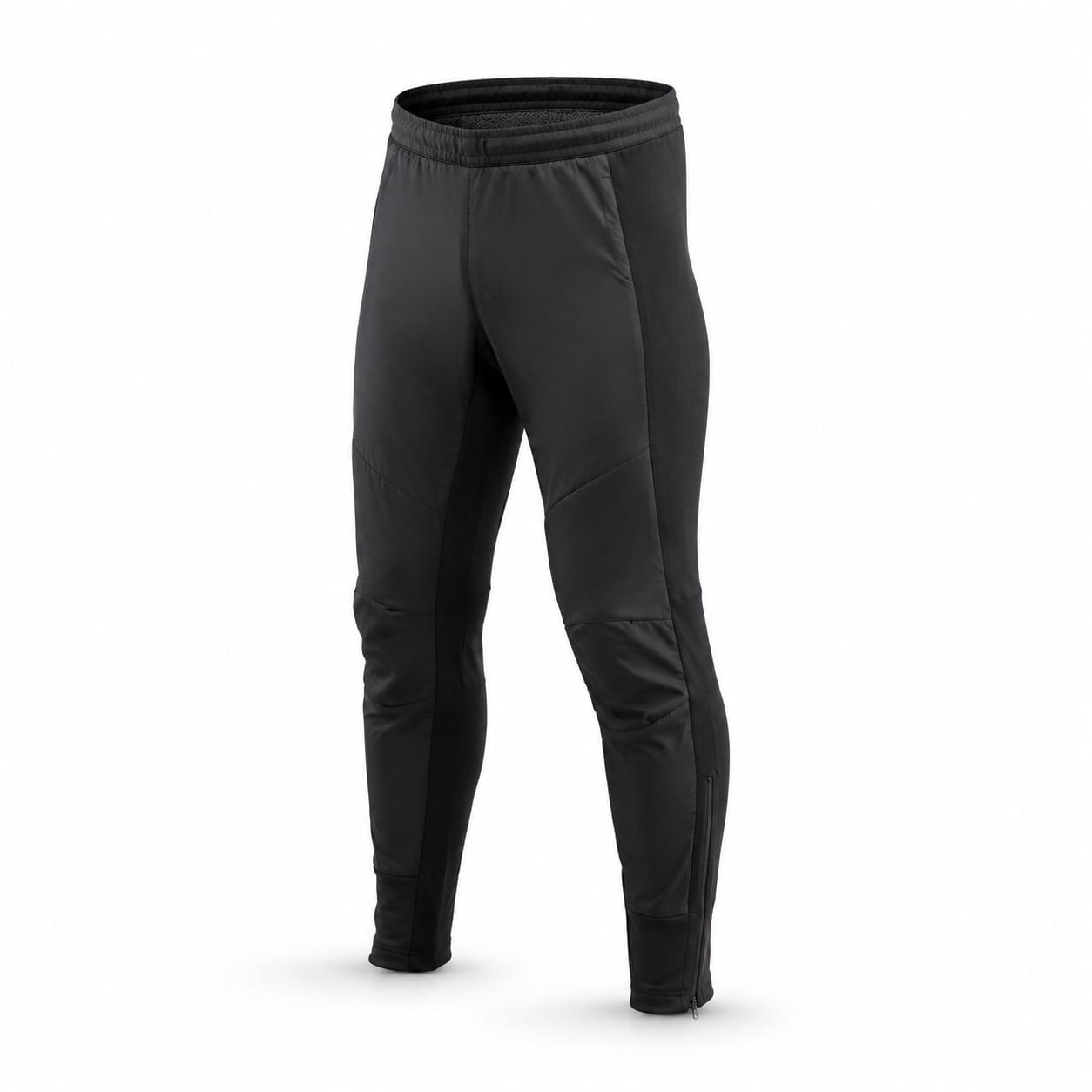
6 topics
Pick a question
Every answer links to the full subcategory guide and related gear types when it helps you decide.
At what temperature should I switch from summer shorts to thermal cycling pants?
Most riders switch to thermal pants when temperatures drop below 10-12°C (50-54°F). If you run warm or ride at high intensity, you may be comfortable in shorts with knee warmers down to 8°C. If you run cold, commute at lower intensities, or ride early mornings, you may want thermal pants at 12-14°C. The key test: if your knees feel cold in the first 10 minutes of riding, you need more coverage. Cold knees are not just uncomfortable—they reduce power and increase injury risk.
Read answer →02Should I buy bib or waist-style thermal cycling pants?
Bib versions are strongly recommended for thermal pants, even more so than for summer shorts. The bib construction eliminates the waistband gap that lets cold air reach your lower back and kidneys—a particularly uncomfortable experience in cold weather. The bib straps also add a layer of warmth across your upper back and shoulders. If you've avoided bibs in summer due to convenience concerns, consider that drop-tail bib designs solve the bathroom issue, and the warmth benefit in winter is substantial enough to convert most waist-short devotees.
Read answer →03Do I need windproof front panels on thermal cycling pants?
Windproof front panels are highly recommended if you ride in temperatures below 5°C (41°F) or on exposed, windy routes. On descents, wind chill can make your legs feel 10-15°C colder than ambient temperature, and standard thermal fleece provides limited wind resistance. Windproof panels block this chill dramatically—you'll notice the difference most on fast, exposed descents where standard thermal pants feel inadequate. If you ride mostly in sheltered areas or in milder cool weather (8-12°C), standard thermal fleece without windproof panels may suffice.
Read answer →04Can I wear thermal cycling pants in the rain?
Thermal pants with DWR coating handle light rain and road spray well, keeping you warm in damp conditions. However, they are not waterproof and will eventually wet through in sustained rain. When thermal fabric gets saturated, it loses most of its insulating properties and can actually make you colder. For heavy rain, wear lightweight rain pants over your thermal pants—this combination provides both warmth and waterproofing. For commuting in wet winter conditions, this layering approach is the most effective solution.
Read answer →05How should thermal cycling pants fit compared to my summer shorts?
Thermal pants should fit similarly to your summer shorts—close to the skin with no gaps or wrinkles—but the thicker fabric means they may feel slightly more restrictive initially. The key is maintaining contact between the fleece interior and your skin for effective insulation; loose areas allow cold air to circulate inside the garment. Some riders size up one size from their summer shorts for comfort, especially across the knees, but avoid sizing up too much or you'll lose the insulating benefit. Try them in your riding position to ensure the knees bend freely without restriction.
Read answer →06Are thermal cycling pants worth it if I only ride occasionally in cold weather?
If you ride even occasionally in temperatures below 10°C, thermal pants are a worthwhile investment. Cold legs significantly reduce riding enjoyment and performance, and the injury risk to cold knees is real. A more budget-friendly alternative is wearing your summer shorts with leg warmers, which provides similar warmth for occasional use at lower cost. However, if you find yourself riding in cold weather more than a few times per month, dedicated thermal pants are more comfortable, more convenient, and provide better integrated warmth than the shorts-plus-warmers combination.
Read answer →