What it means
The fundamental construction style of the cycling pants, determining overall design, intended use, and how the garment stays in position while riding.
Typical for this type
Tight Or Knicker
In practice
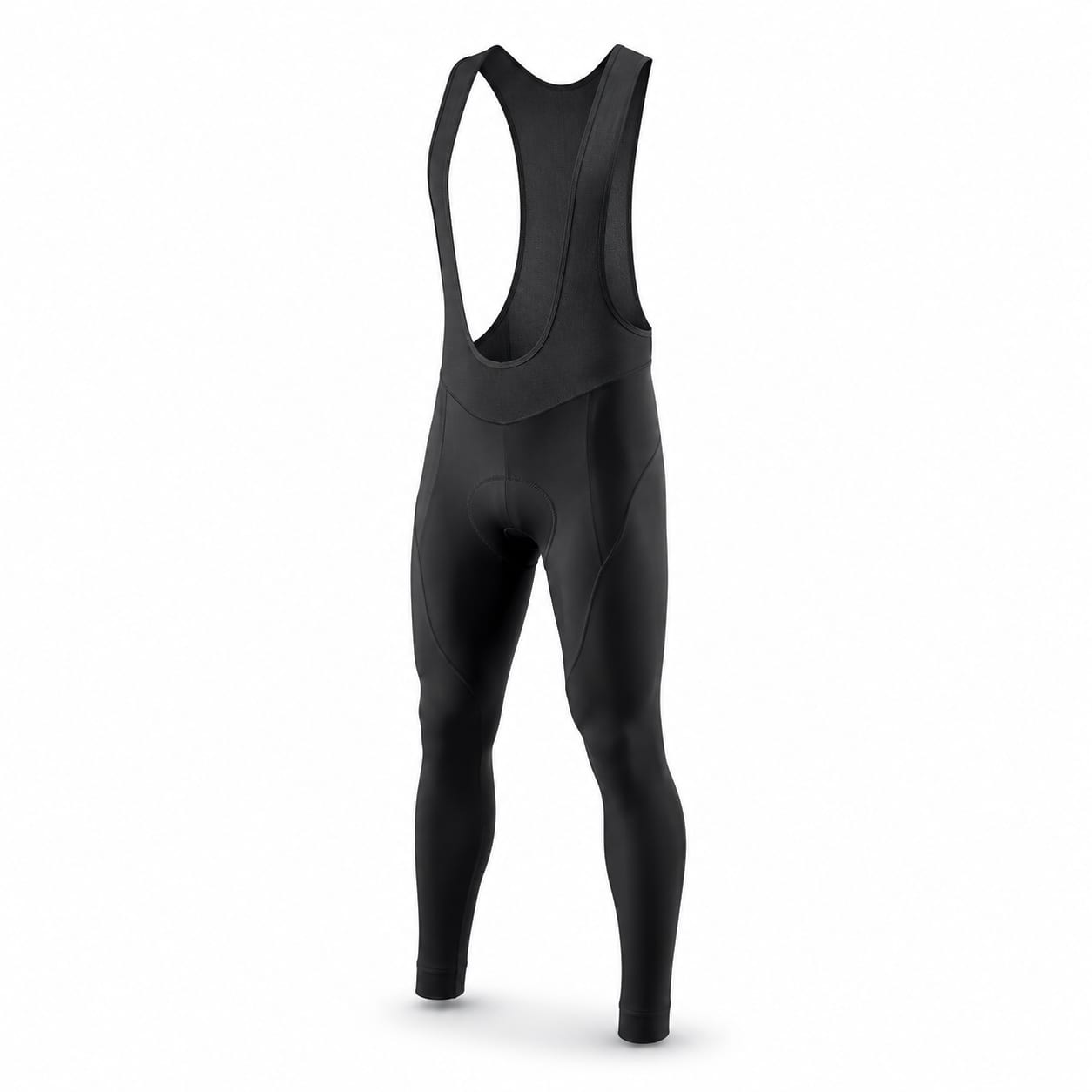
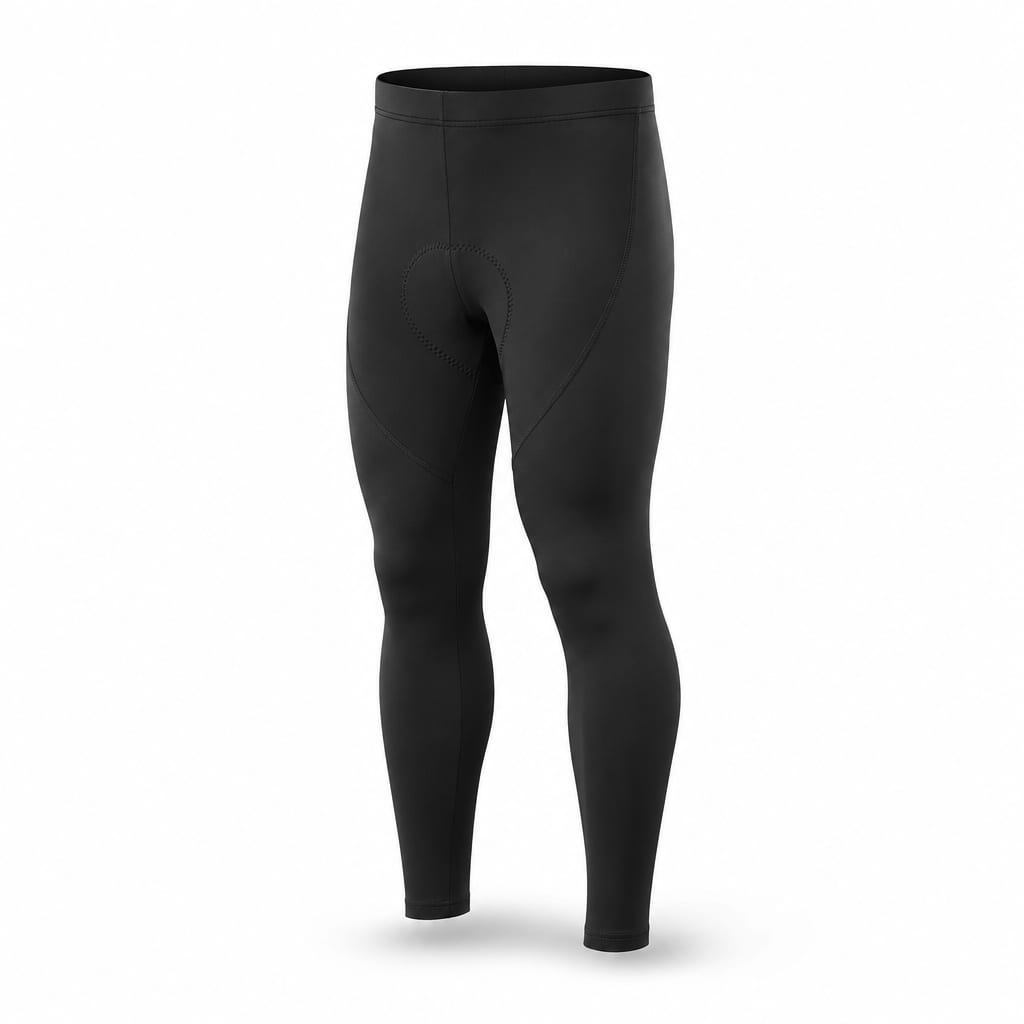
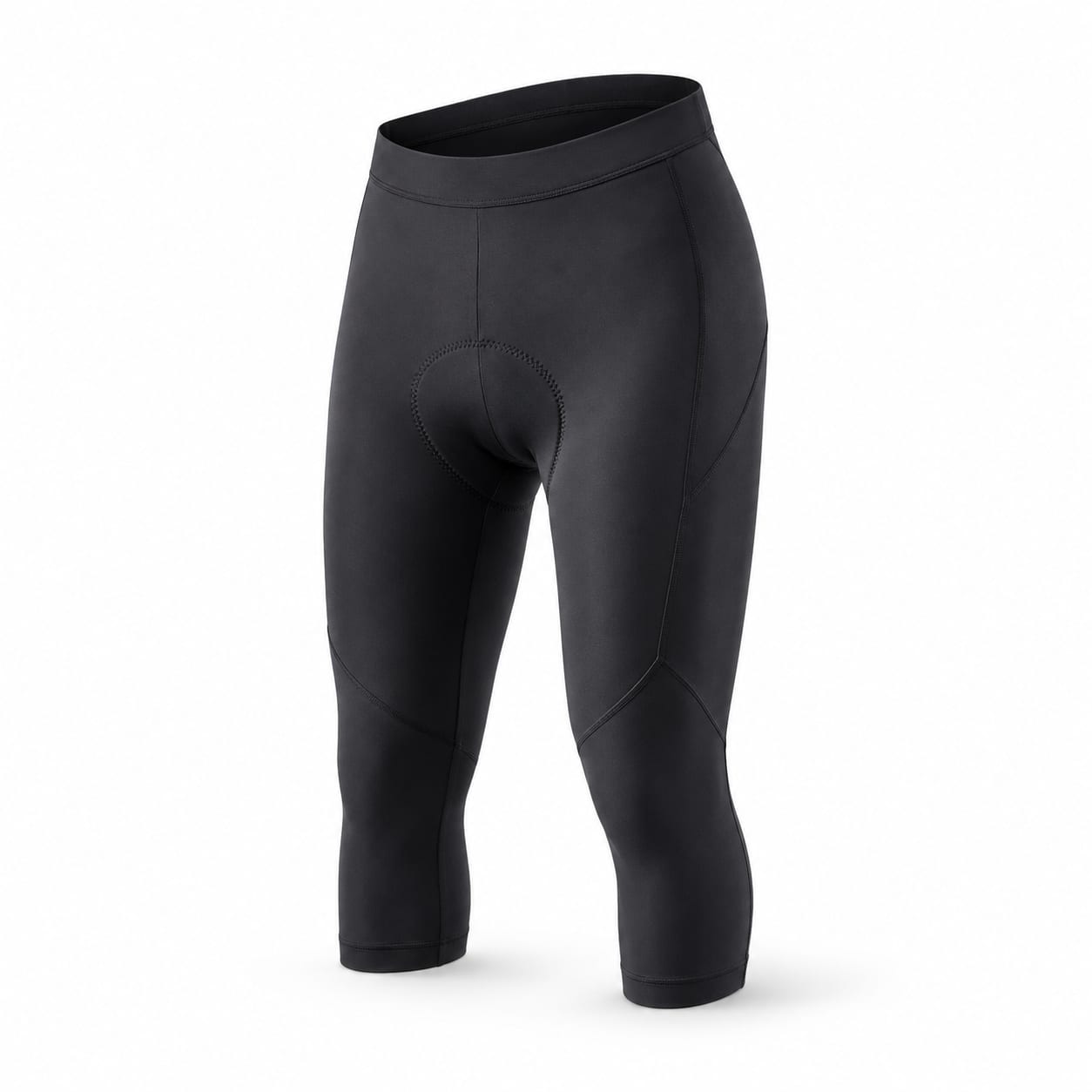
Thermal cycling pants are overwhelmingly full-length tights, providing complete leg coverage for maximum warmth. Some 3/4 knicker versions exist for milder cool conditions (8-14°C), but full-length tights are the standard for true cold-weather thermal protection. Bib versions of both are strongly preferred over waist versions for cold weather.
Compared to other types
Unlike standard shorts or knickers designed for warm conditions, thermal pants almost exclusively use the tight/full-length form factor. Baggy and rain pant types are separate categories—thermal pants prioritize aerodynamic fit to maintain the insulating air layer close to the skin.
Why it matters: Full-length tights protect the entire leg including the vulnerable knee joint, which is critical for cold-weather comfort and injury prevention. Bib versions eliminate the waistband gap that lets cold air reach the lower back.
What it means
The design, construction, and technology of the padded insert sewn into the crotch area of cycling pants, which is the primary determinant of saddle comfort.
Typical for this type
Multi Density Foam Or Anatomical 3d
In practice
Thermal cycling pants typically feature multi-density foam or anatomical 3D molded chamois pads. Winter riding tends to involve longer, steadier efforts at lower intensities, making comfort over extended durations the priority. The multi-density design provides firmer support under sit bones with softer perineal relief.
Compared to other types
Thermal pants generally have thicker, more substantial chamois than race-oriented summer shorts. Minimal race pads are rare in thermal pants because winter riding is typically endurance-focused rather than high-intensity racing.
Why it matters: Cold weather reduces blood flow to the perineal area, making chamois quality even more important than in summer. A well-designed multi-density or 3D pad prevents pressure points that can become painful when tissues are less responsive to discomfort in the cold.
Pad Thickness
Chamois Thickness
What it means
The maximum thickness of the chamois padding, typically measured at the densest point under the sit bones, affecting cushioning level and feel on the saddle.
Typical for this type
9-14 mm
Most common pick: 11 mm
In practice
Thermal cycling pants typically use chamois pads in the 9-14mm range, with 11mm being the most common. This slightly thicker range suits the longer, steadier rides typical of winter training and provides extra cushioning when cold reduces natural tissue responsiveness.
Compared to other types
Thermal pants tend toward the thicker end of the chamois spectrum compared to summer race shorts (3-8mm) but avoid the ultra-thick 15-18mm pads that could cause overheating and chafing during extended winter rides.
Why it matters: Thicker pads in the 9-14mm range provide the sustained comfort needed for long winter base-mile rides. However, pads above 14mm can cause chafing between the legs, especially problematic in cold weather when skin is less pliable.
What it means
The length of the leg portion of the cycling pants, measured from the crotch seam to the leg opening, determining coverage and muscle compression area.
Typical for this type
Full Length (Primary) Or Three Quarter (Milder Conditions)
In practice
Thermal cycling pants are predominantly full-length, extending to the ankle for maximum warmth and protection. Some 3/4 length thermal knickers exist for transitional weather (8-14°C), but full-length is the standard for cold-weather thermal pants. Ankle coverage is essential when temperatures approach freezing.
Compared to other types
Unlike summer shorts (standard or short length), thermal pants are almost exclusively full-length. Even 3/4 thermal knickers are a niche product for a narrow temperature range, as most riders prefer full-length tights for cold conditions and switch to regular shorts when it warms up.
Why it matters: Full leg coverage including the knee joint and ankles is critical for cold-weather comfort. The knee joint has minimal insulating tissue and is highly susceptible to cold, which reduces synovial fluid production and increases injury risk. Ankle coverage prevents cold air from entering at the cuff.
What it means
How closely the cycling pants conform to the body, affecting aerodynamics, compression, comfort, and freedom of movement.
Typical for this type
Club Or Relaxed
In practice
Thermal cycling pants most commonly use a club/performance fit, balancing the close contact needed for insulation with enough room for the thicker fabric and potential base layer underneath. Some riders prefer relaxed fit for winter to accommodate layering and prioritize comfort over aerodynamics during base training.
Compared to other types
Thermal pants tend to fit slightly more generously than summer race shorts due to the thicker fabric and layering needs. The performance penalty of a slightly looser fit is negligible in winter riding conditions where aerodynamics matter less than warmth.
Why it matters: Thermal insulation depends on the fabric maintaining close contact with the skin to trap the warm air layer. Loose fit allows cold air to circulate inside the garment, while race fit may feel too restrictive with the thicker thermal fabric and can limit movement when muscles are cold and stiff.
Material
Fabric Composition
What it means
The primary materials used in the cycling pants construction, affecting stretch, moisture management, durability, compression, and comfort.
Typical for this type
Thermal Fleece (Primary) With Softshell (Windproof Panels)
In practice
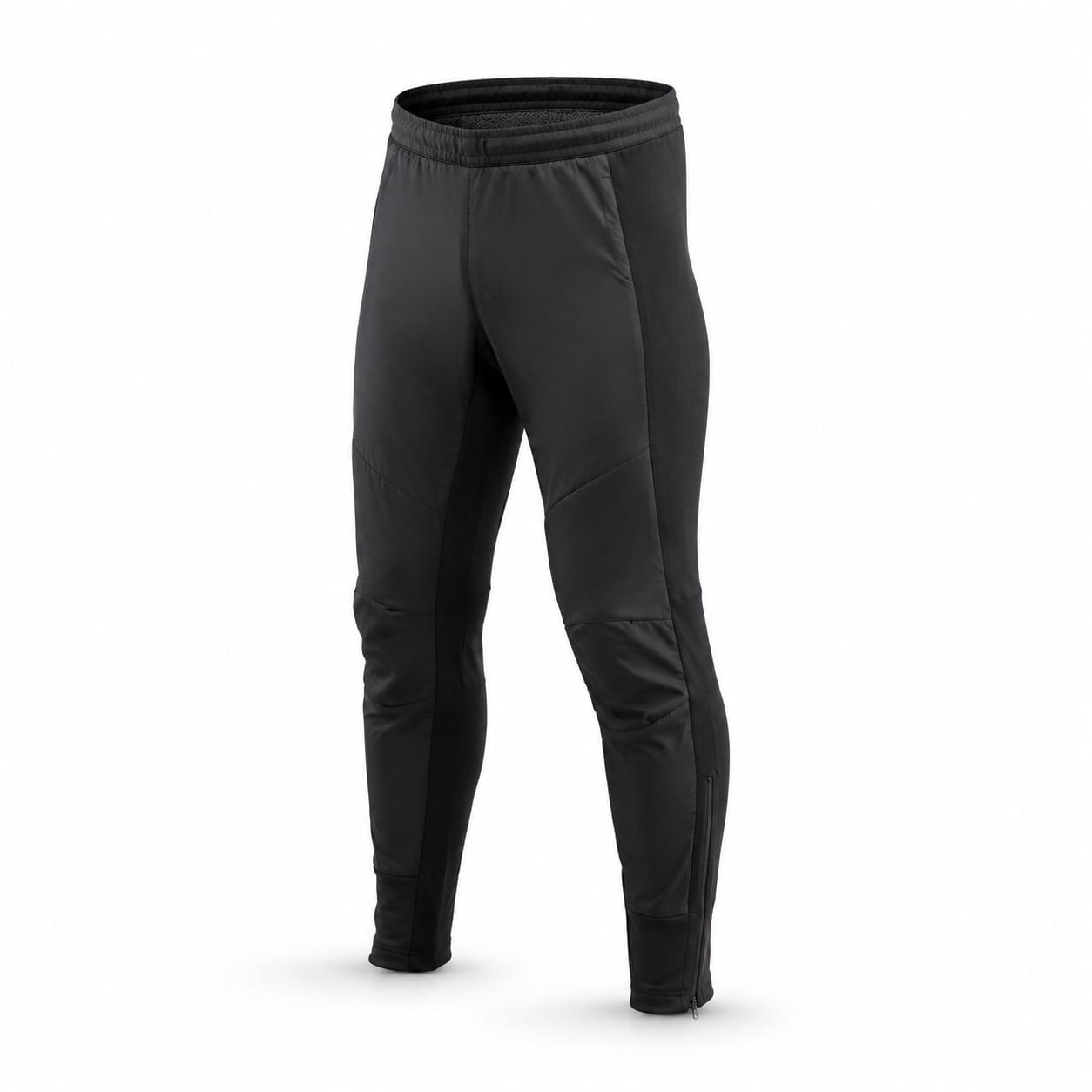
Thermal fleece (Roubaix) fabric is the defining material of thermal cycling pants, featuring a brushed interior that traps warm air and a smooth exterior that provides wind resistance. Many premium thermal pants combine thermal fleece on rear panels with softshell windproof fabric on front-facing surfaces for targeted protection.
Compared to other types
Thermal fleece is unique to this subcategory—summer shorts use polyester-spandex or nylon-spandex blends focused on cooling and moisture wicking. The softshell windproof panels found in many thermal pants are also absent from warm-weather shorts.
Why it matters: The thermal fleece interior is what makes these pants warm—the brushed surface creates thousands of tiny air pockets that trap body heat. Windproof front panels dramatically reduce wind chill on descents, which can make the difference between a tolerable ride and a miserable one.
Number of Panels
Panel Count
What it means
The number of individual fabric pieces used to construct the cycling pants, with more panels generally allowing better anatomical shaping and fit.
Typical for this type
6-8 panels
Most common pick: 6 panels
In practice
Thermal cycling pants typically use 6-8 panels, which allows anatomical shaping around the knees and hips while accommodating the windproof panel placement that many thermal pants feature. The panel layout often includes dedicated windproof front panels separate from the thermal fleece rear panels.
Compared to other types
Panel count is similar to quality summer shorts, but the panel layout in thermal pants is often more strategic, with specific panels designated for windproof versus breathable zones. This functional panel placement is more important than raw panel count.
Why it matters: More panels allow better articulation around the knee, which is critical for unrestricted pedaling when wearing thicker thermal fabric. Dedicated windproof panels on the front require separate panel construction from the thermal fleece rear panels.
Compression
Compression Level
What it means
The degree of graduated or uniform compression provided by the fabric, affecting muscle support, blood flow, fatigue reduction, and recovery.
Typical for this type
Moderate
In practice
Thermal cycling pants typically provide moderate compression. The thicker thermal fabric naturally provides slightly less compression than thin summer Lycra, but the snug fit needed for insulation means most thermal pants still deliver noticeable muscle support. Firm compression is less common because the thicker fabric can feel overly restrictive.
Compared to other types
Thermal pants generally offer slightly less compression than summer race shorts due to the thicker, less elastic thermal fabric. However, the fit should still be close enough to maintain the insulating air layer—compression and warmth work together in thermal pants.
Why it matters: Moderate compression supports muscles during winter base training while maintaining comfort for long rides. The thermal fabric itself provides some compression benefit, and the close fit required for insulation ensures the fabric stays in contact with the skin for effective warmth.
Leg Gripper
Leg Gripper Type
What it means
The method used to keep the leg openings of cycling pants in place and prevent riding up during pedaling.
Typical for this type
Silicone Dots Or Silicone Band
In practice
Silicone dot grippers are the most common on thermal cycling pants, providing effective grip over the thicker thermal fabric. Silicone band grippers are also common on premium models, offering more secure grip that prevents the heavier thermal fabric from riding up. Compression hems are less common because the thicker fabric may not grip as reliably.
Compared to other types
Thermal pants need more robust grippers than summer shorts because the thicker, heavier fabric is more likely to shift during riding. Compression hems that work well on thin summer fabric may not provide enough grip on thermal material.
Why it matters: Keeping the ankle cuffs in place is important for thermal pants to prevent cold air from entering at the leg openings. The heavier thermal fabric is more prone to riding up than thin summer Lycra, making effective grippers essential. Ankle zips on some models provide an alternative approach to securing the cuff.
Bib Strap Style
Bib Strap Design
What it means
The construction and configuration of shoulder straps on bib-style cycling pants, affecting comfort, breathability, and convenience.
Typical for this type
Stretch Knit Or Integrated Back
In practice
Thermal bib pants frequently use stretch knit straps, which are wider and more comfortable than standard mesh and add a layer of warmth across the shoulders and upper back. Integrated back panels are also popular in thermal versions because they provide lower back coverage and warmth—critical in cold weather. Mesh straps are less common because they provide minimal insulation.
Compared to other types
Thermal pants favor warmer strap designs (stretch knit, integrated back) over the ventilated mesh straps common on summer bibs. Drop-tail designs remain important for women's thermal bibs, as the convenience benefit is even more valuable when wearing multiple layers in cold weather.
Why it matters: In cold weather, the bib straps themselves contribute to warmth. Wider stretch-knit straps and integrated back panels add insulation across the upper back and lower back, areas vulnerable to cold air infiltration. The lower back coverage from integrated panels is particularly valuable in cold conditions.
Seam Construction
Seam Type
What it means
The method used to join fabric panels, affecting comfort, chafing risk, durability, and aerodynamics.
Typical for this type
Flatlock Or Seamless Zone
In practice
Flatlock stitching is the standard for thermal cycling pants, providing comfortable seams that lie flat against the skin even with the thicker thermal fabric. Seamless zone construction in the inner thigh and crotch area is particularly valuable in thermal pants because the thicker fabric increases chafing risk if seams are raised.
Compared to other types
Seam type matters more in thermal pants than in summer shorts because the thicker fabric creates more friction at seam locations. Bonded seams are less common in thermal pants because the thicker fabric is harder to bond effectively, making flatlock the practical standard.
Why it matters: The thicker thermal fabric makes seam comfort more critical—raised seams can cause more pronounced chafing than in thin summer shorts. Flatlock or seamless construction in high-contact areas prevents discomfort during long winter rides when skin may be less pliable due to cold.
Temp Range
Temperature Range
What it means
The ambient temperature range in which the cycling pants are designed to perform optimally, based on fabric weight, insulation, and breathability.
Typical for this type
Cool (0-12°C) For Standard Thermal, Cold (-10-5°C) For Heavy Windproof Versions
In practice
Thermal cycling pants are designed primarily for the cool temperature range (0-12°C / 32-54°F). Standard thermal fleece tights work well from about 5-12°C, while windproof thermal tights extend the range down to 0°C or slightly below. Heavy softshell thermal pants with extensive windproofing can handle temperatures to -5°C or lower.
Compared to other types
Thermal pants are specifically designed for cool and cold temperature ranges, unlike summer shorts (warm/hot range) or knickers (mild range). This is the defining characteristic of the subcategory—thermal pants exist to extend comfortable riding into temperatures where bare legs would be dangerously cold.
Why it matters: Choosing the right temperature rating ensures you stay warm without overheating. Standard thermal pants will cause excessive sweating above 12°C, while windproof versions provide the critical descent protection needed when temperatures approach freezing. Matching your thermal pants to your typical winter riding temperatures is essential for comfort.
What it means
The Ultraviolet Protection Factor rating indicating how effectively the fabric blocks UV radiation, important for long sun-exposed rides.
Typical for this type
UPF 30-50
In practice
Thermal cycling pants typically provide UPF 30-50 UV protection, though this is rarely a primary selling point since they are worn in cold weather when UV exposure is generally lower. The thicker thermal fabric naturally provides good UV protection even without specific treatment.
Compared to other types
UV protection is less emphasized in thermal pants compared to summer shorts, but the thicker fabric actually provides better protection by default. Riders concerned about UV exposure in winter conditions (high altitude, snow reflection) benefit from the inherent protection of thermal fabric.
Why it matters: UV protection is less critical for thermal pants than summer shorts because they are worn during seasons with lower UV intensity and shorter daylight hours. However, winter sun at altitude or on snow can still cause exposure, and the thick fabric provides substantial protection by default.
Reflectivity
Reflective Elements
What it means
The presence and extent of reflective materials on the cycling pants for visibility in low-light conditions.
Typical for this type
Moderate Or High Visibility
In practice
Thermal cycling pants typically feature moderate reflective elements, recognizing that winter riding often occurs in low-light or dark conditions. Many thermal pants include reflective ankle cuffs, side logos, and rear elements for 360° visibility. Commuter-oriented thermal pants may feature high-visibility reflective panels.
Compared to other types
Thermal pants generally have more reflective elements than summer road shorts, which often have minimal or no reflectivity. The low-light conditions of winter riding make reflectivity a more important feature, and many thermal pants are designed with commuting in mind.
Why it matters: Winter riding frequently occurs in low-light conditions—early mornings, late afternoons, and overcast days are common during cold-weather months. Reflective elements on thermal pants are more important than on summer shorts because the riding season coincides with reduced daylight hours.
What it means
The construction and closure system at the waist of non-bib cycling pants, affecting comfort, security, and adjustability.
Typical for this type
Wide Comfort (For Waist Versions)
In practice
For waist-style thermal pants, a wide comfort waistband is the most common and recommended option. The broader waistband distributes pressure evenly and helps seal the waist area against cold air infiltration. However, bib versions are strongly preferred for thermal pants because they eliminate the waist gap entirely.
Compared to other types
The waist system matters more in thermal pants than summer shorts because a waistband gap that is merely annoying in summer becomes painfully cold in winter. This is why bib construction is even more strongly recommended for thermal pants than for summer shorts.
Why it matters: A wide comfort waistband prevents the cold air gap that can occur at the lower back with narrow elastic waistbands. In cold weather, any gap that lets cold air reach the skin is particularly uncomfortable. Bib versions solve this problem entirely, which is why they are the preferred choice for thermal pants.
Water Resistance
Water Resistance
What it means
The level of water and rain protection provided by the cycling pants, from none to fully waterproof.
Typical for this type
Dwr Coated
In practice
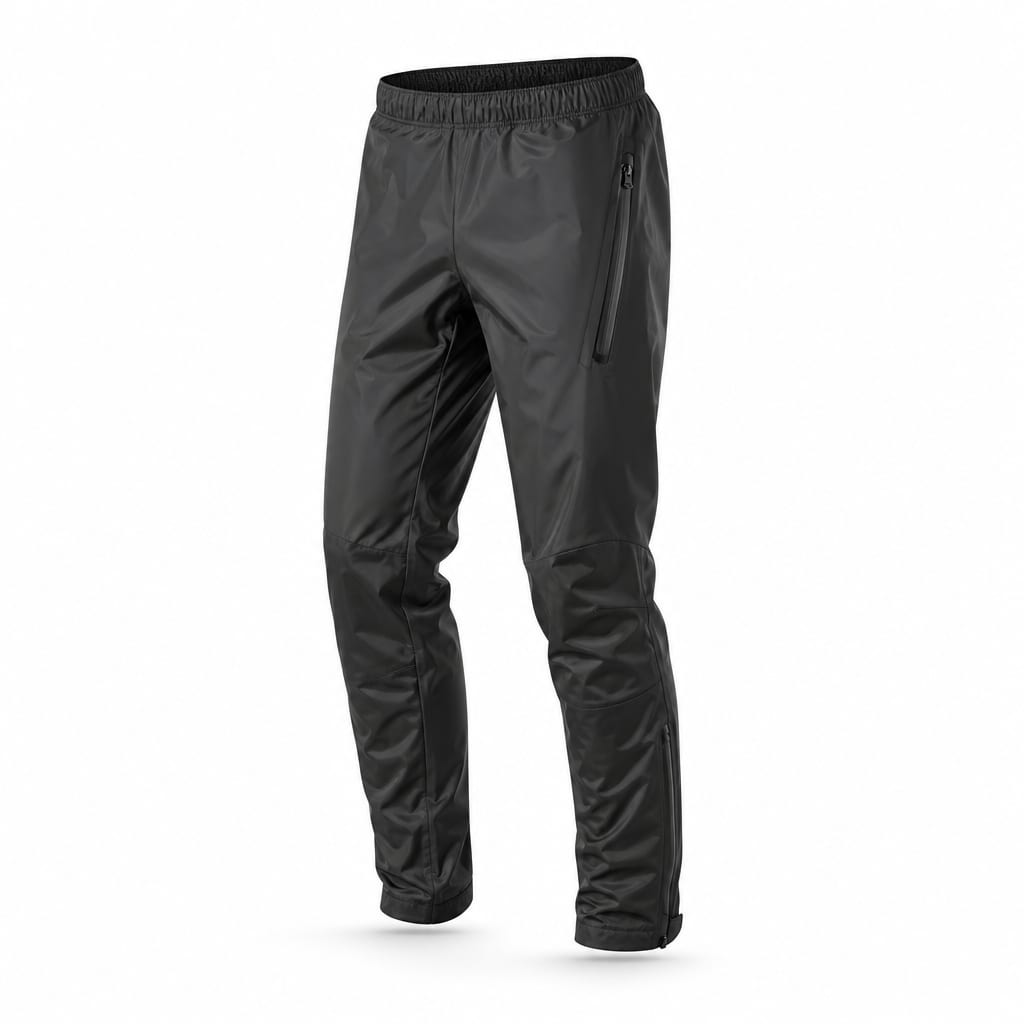
Many thermal cycling pants feature DWR (Durable Water Repellent) coating, which causes light rain and road spray to bead and roll off. This is valuable for winter riding when wet roads are common even without active rainfall. Full waterproof membranes are rare in thermal pants because they compromise breathability during exertion.
Compared to other types
Thermal pants more commonly feature DWR coating than summer shorts because winter riding involves more wet road conditions. The DWR treatment is particularly important on windproof front panels, which face the most road spray. Unlike dedicated rain pants, thermal pants prioritize breathability over full waterproofing.
Why it matters: Winter roads are frequently wet from rain, snow, or road spray. DWR coating protects the front-facing panels from absorbing road spray kicked up by the front wheel, which would otherwise saturate the thermal fabric and dramatically reduce its insulating properties. Wet thermal fabric loses most of its warmth.
Pockets
Pocket Configuration
What it means
The number, type, and placement of pockets on the cycling pants, affecting storage options for ride essentials.
Typical for this type
None Or Minimal
In practice
Most thermal cycling pants have no pockets, following the road cycling convention of using jersey pockets for storage. Some thermal pants designed for commuting or gravel riding include minimal thigh pockets for essentials. Extensive pocket configurations are rare in thermal pants because the thick fabric makes pockets bulky.
Compared to other types
Thermal pants follow similar pocket conventions to road cycling shorts—most have none. However, the growing gravel and commuter segments have led to some thermal pants with thigh pockets, which are more practical in cold weather when riders may wear fewer layers and need accessible storage.
Why it matters: Pockets in thermal pants are less common because the thick fabric makes them bulkier than in summer shorts, and winter riding typically involves wearing a jersey with pockets. However, commuters who ride in thermal pants without a cycling jersey may appreciate at least minimal pocket storage for phone and keys.