
Cycling Shoes · FAQ
Questions about Commuter / Urban Cycling Shoes
Straight answers on fit, specs, and when this type makes sense — each topic has its own page with links back to the buying guide.
Open Commuter / Urban Cycling Shoes guide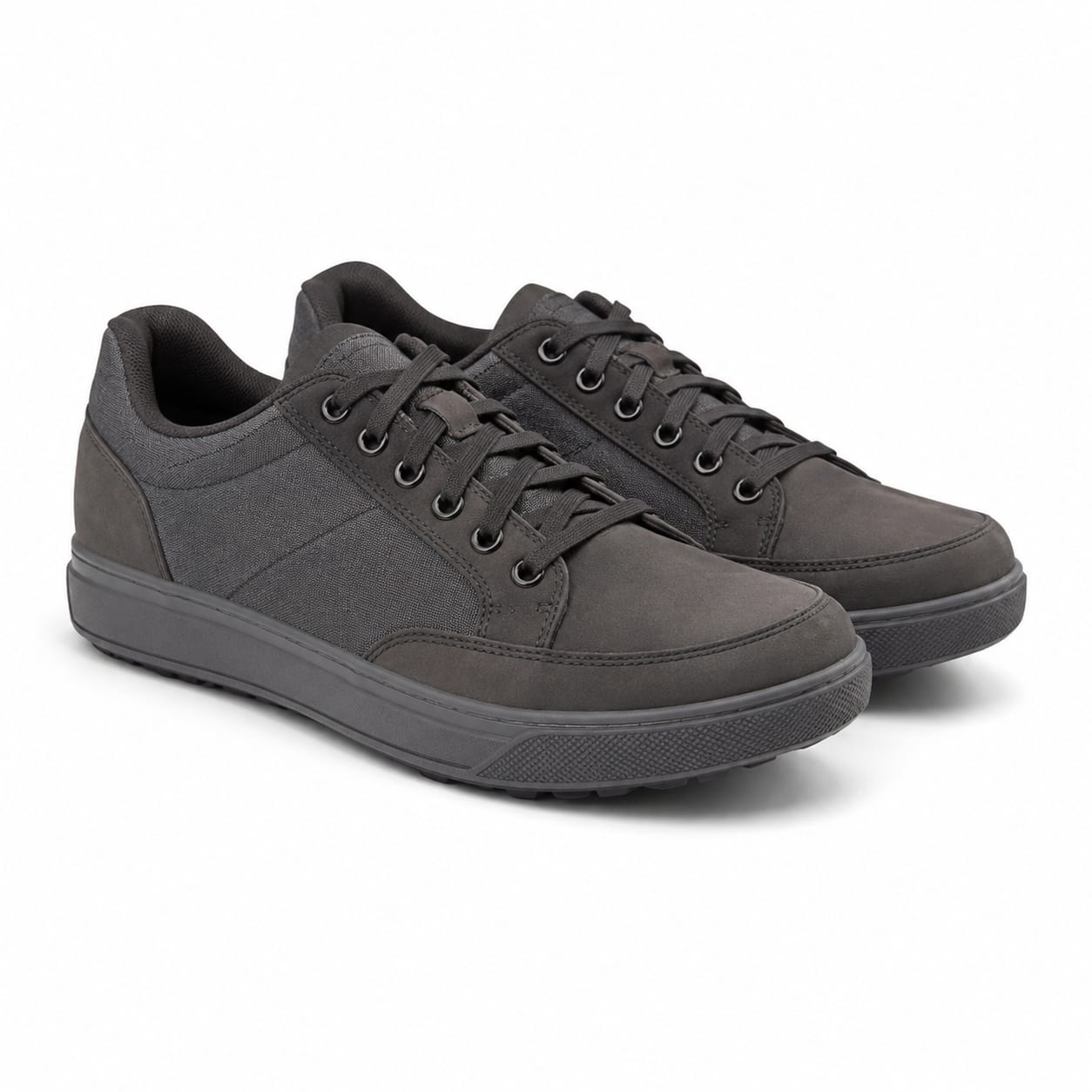
6 topics
Pick a question
Every answer links to the full subcategory guide and related gear types when it helps you decide.
Can I walk normally in commuter cycling shoes?
Yes, that is their primary design purpose. The recessed 2-bolt cleat sits below the rubber tread, and the flexible sole allows natural foot flexion. You can walk on pavement, tile, carpet, and hard flooring without the awkward clacking of road cleats. They feel similar to a slightly stiff sneaker, not quite as flexible as a running shoe but far more comfortable than any other cycling shoe category for walking.
Read answer →02Do commuter shoes work with Peloton or spin bikes?
Most commuter shoes use 2-bolt SPD cleats, while Peloton and many spin bikes use LOOK Delta (3-bolt) pedals. They are not directly compatible. However, some spin bikes have dual-sided pedals with SPD on one side. If your spin studio uses SPD-compatible pedals, commuter shoes work fine. Otherwise, you would need a dedicated 3-bolt spin shoe or swap your bike's pedals.
Read answer →03Are commuter shoes good for long-distance riding?
For rides over 50-60 km at higher intensities, the flexible sole becomes a noticeable disadvantage. You will lose power on climbs and sprints compared to stiffer shoes, and foot fatigue may increase. For casual long-distance rides at moderate pace, they are acceptable. If you regularly ride over 80 km or do fast group rides, consider a gravel or road shoe for those rides and keep commuter shoes for daily transport.
Read answer →04How do I keep laces from getting caught in my chain?
Always tuck laces into the shoe tongue or under the lace flap before riding. Many commuter shoes include elastic lace keepers or hidden pockets specifically for this. Alternatively, replace standard laces with elastic lock-laces that stay short and secure. Some riders double-knot and tuck the excess into the side of the shoe. This is a critical safety step—lace entanglement in the drivetrain can cause a crash.
Read answer →05Can I use commuter shoes for mountain biking?
For light singletrack and easy trails, commuter shoes are adequate but not ideal. They lack the aggressive tread for hiking steep or muddy sections, the ankle protection from pedal strikes, and the reinforced toe boxes of proper MTB shoes. For anything beyond green-circle trails, a dedicated MTB shoe is safer and more capable. Commuter shoes work well for fire road approaches and doubletrack but are out of their element on technical terrain.
Read answer →06How long do commuter cycling shoes last?
With daily commuting use, expect 1-2 years from commuter shoes. The rubber outsole and tread wear from walking, and the upper degrades from daily exposure. Shoes used only 2-3 times per week can last 2-3 years. The cleat pocket area is the most common failure point—watch for tread separation around the cleat recess. Replacing cleats every 4,000-6,000 km extends shoe life by preventing metal-on-metal wear in the pocket.
Read answer →