Kitvore.com

Kitvore.com

Specs that matter. Gear that fits.

Cycling Footwear

Cycling Shoes

Purpose-built footwear designed to interface with bicycle pedal systems, transferring power efficiently while providing foot support, comfort, and safety during riding.

Road cyclists seeking maximum power transferMountain bikers needing walkability and gripGravel and adventure riders wanting versatilityCommuters prioritizing walkability and convenience

17

Key specs

11

Subcategories

7

Related gear topics

Cycling Shoes

Overview

What this equipment is for

Cycling shoes are a critical contact point between rider and bike, significantly affecting power transfer, comfort, and efficiency. They range from ultra-stiff carbon-soled road racing shoes to flexible walkable mountain bike and commuter designs. The right shoe depends on riding discipline, pedal system, foot anatomy, and performance goals.

Related equipment

Clipless PedalsCleatsOvershoesCycling SocksInsolesPedal WrenchesCleat Shims

Buying specs

Specs worth understanding before you buy

Each spec explains how it affects performance, fit, and whether a product suits your style and use case.

Core Category & Compatibility

Fundamental attributes that determine what type of riding the shoe is designed for and which pedal systems it works with.

Discipline / Shoe Type

Shoe Type

Importance

The intended riding discipline and design philosophy of the shoe, which determines sole stiffness, tread, cleat mounting, and overall construction.

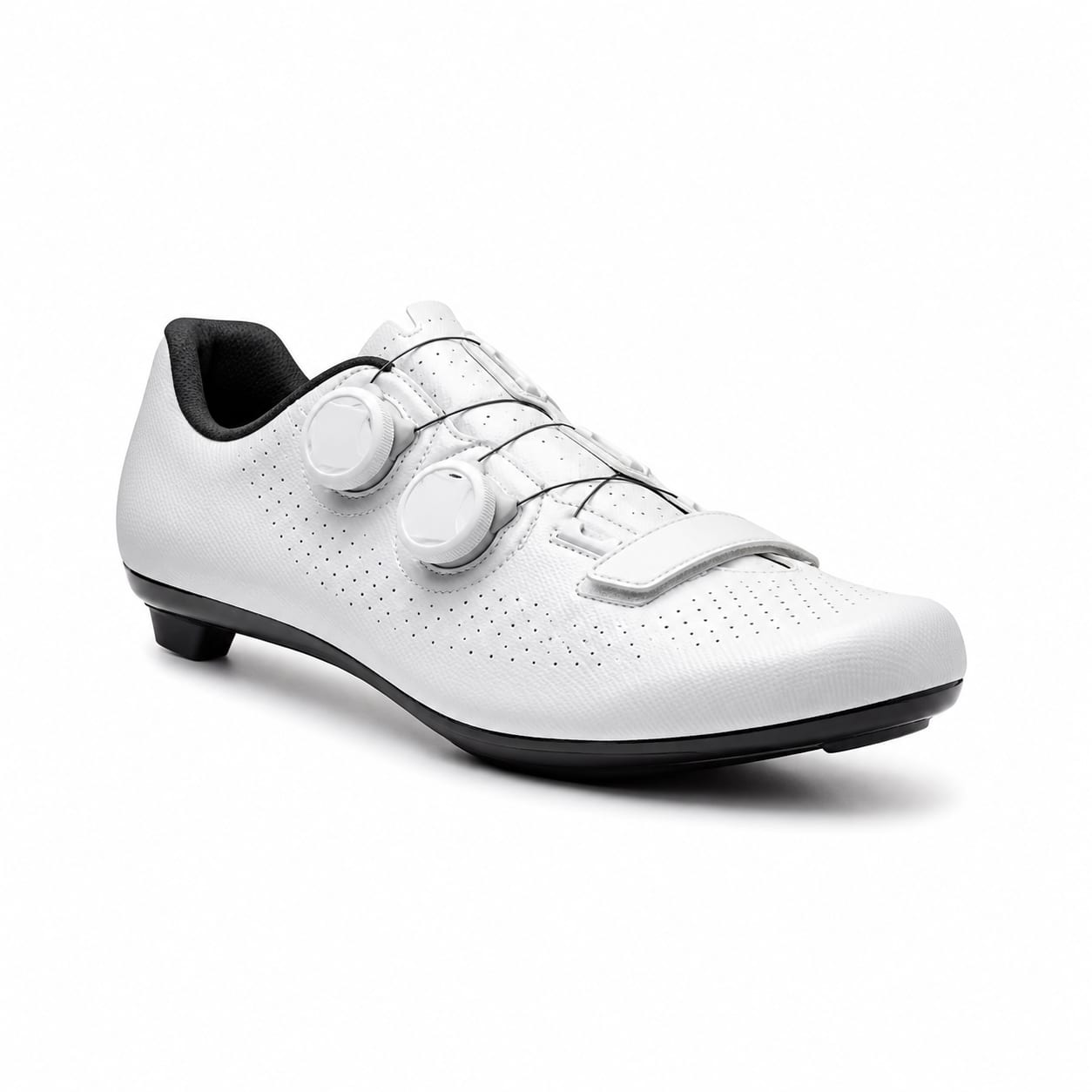
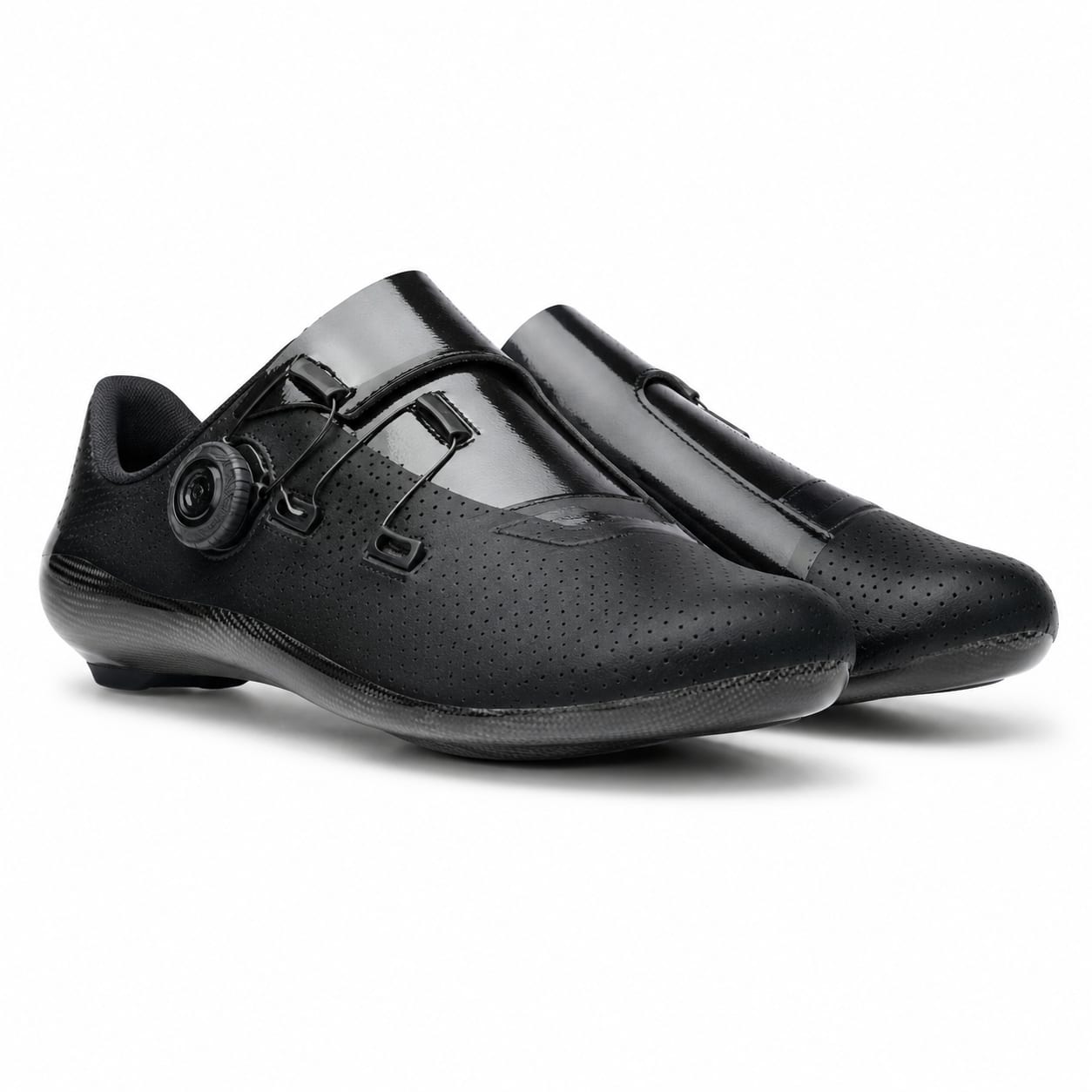
Road

Ultra-stiff sole with smooth bottom, 3-bolt cleat mount, minimal tread, optimized for on-bike power transfer and aerodynamics.

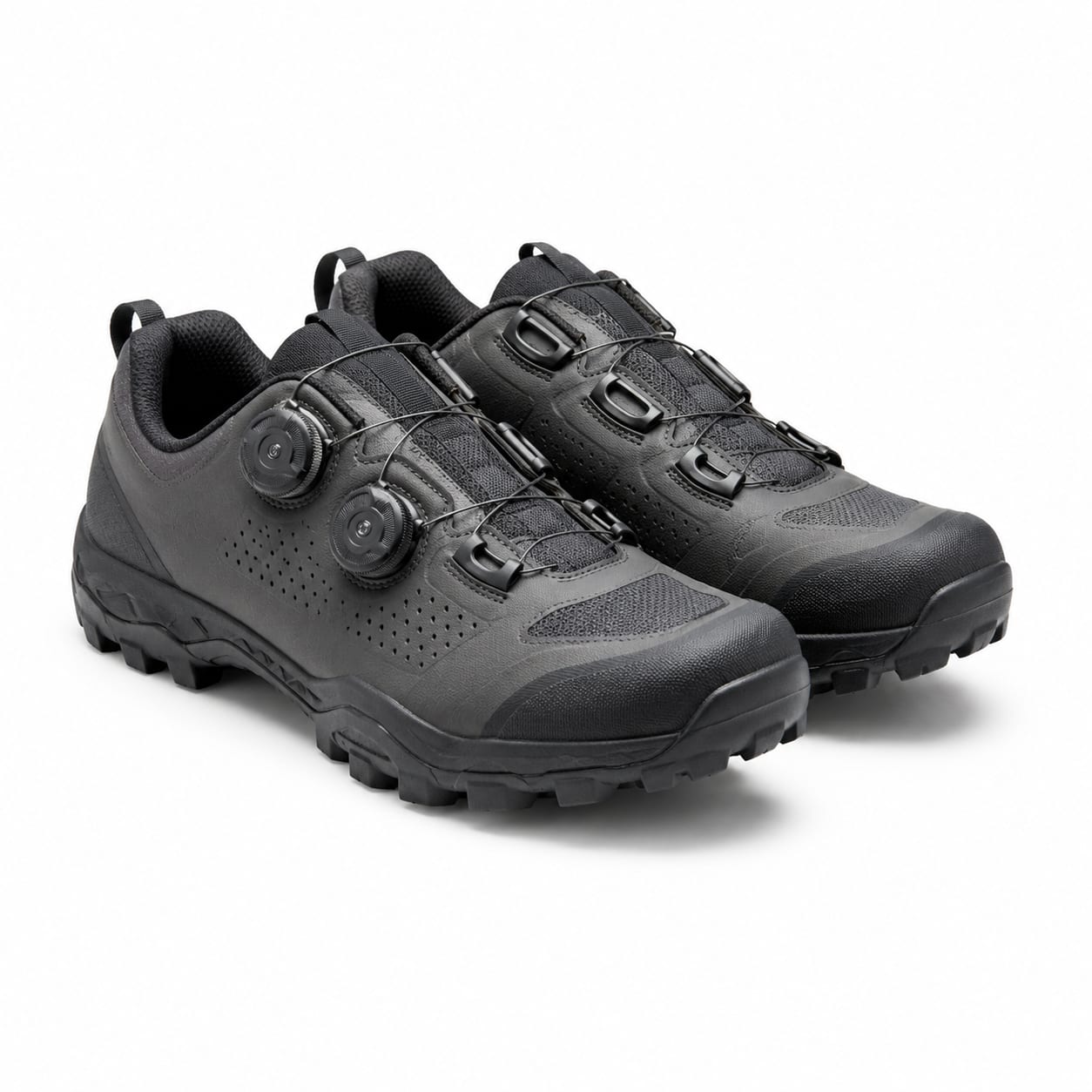
Mountain Bike (MTB)

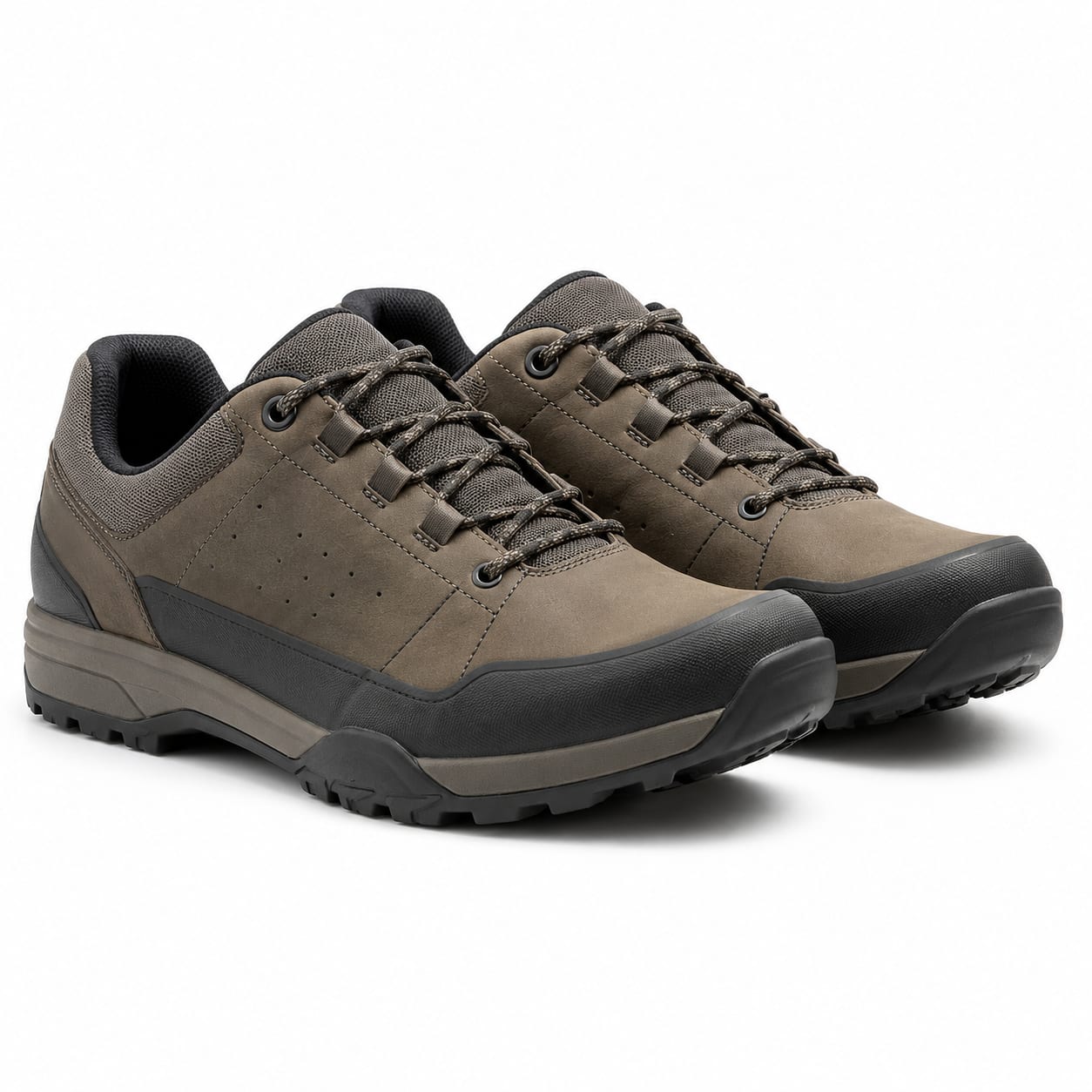
Recessed cleat area with aggressive tread, 2-bolt cleat mount, reinforced toe and heel for off-bike terrain.

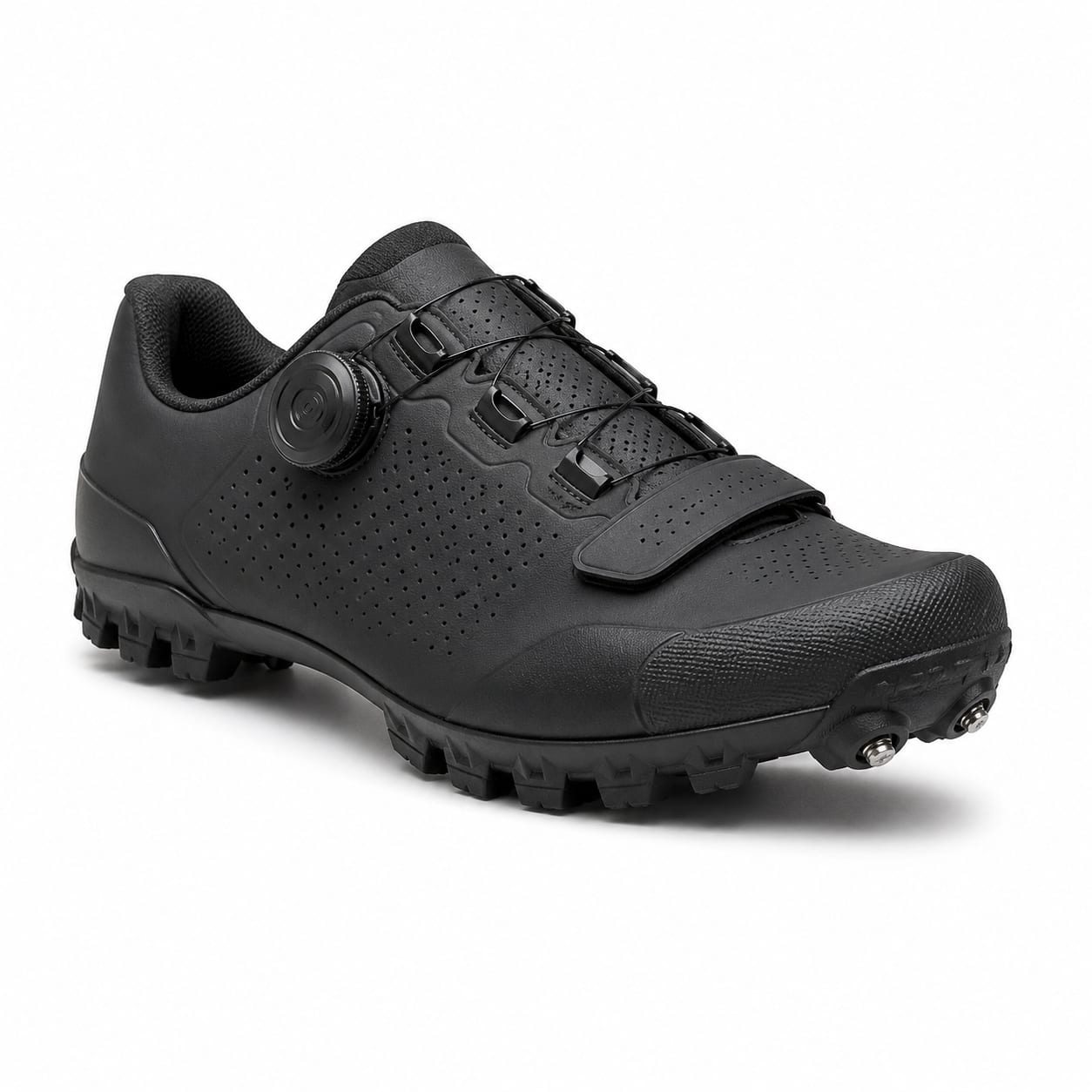
Gravel / Adventure

Versatile design blending road stiffness with MTB walkability, often with 2-bolt cleat mount and moderate tread.

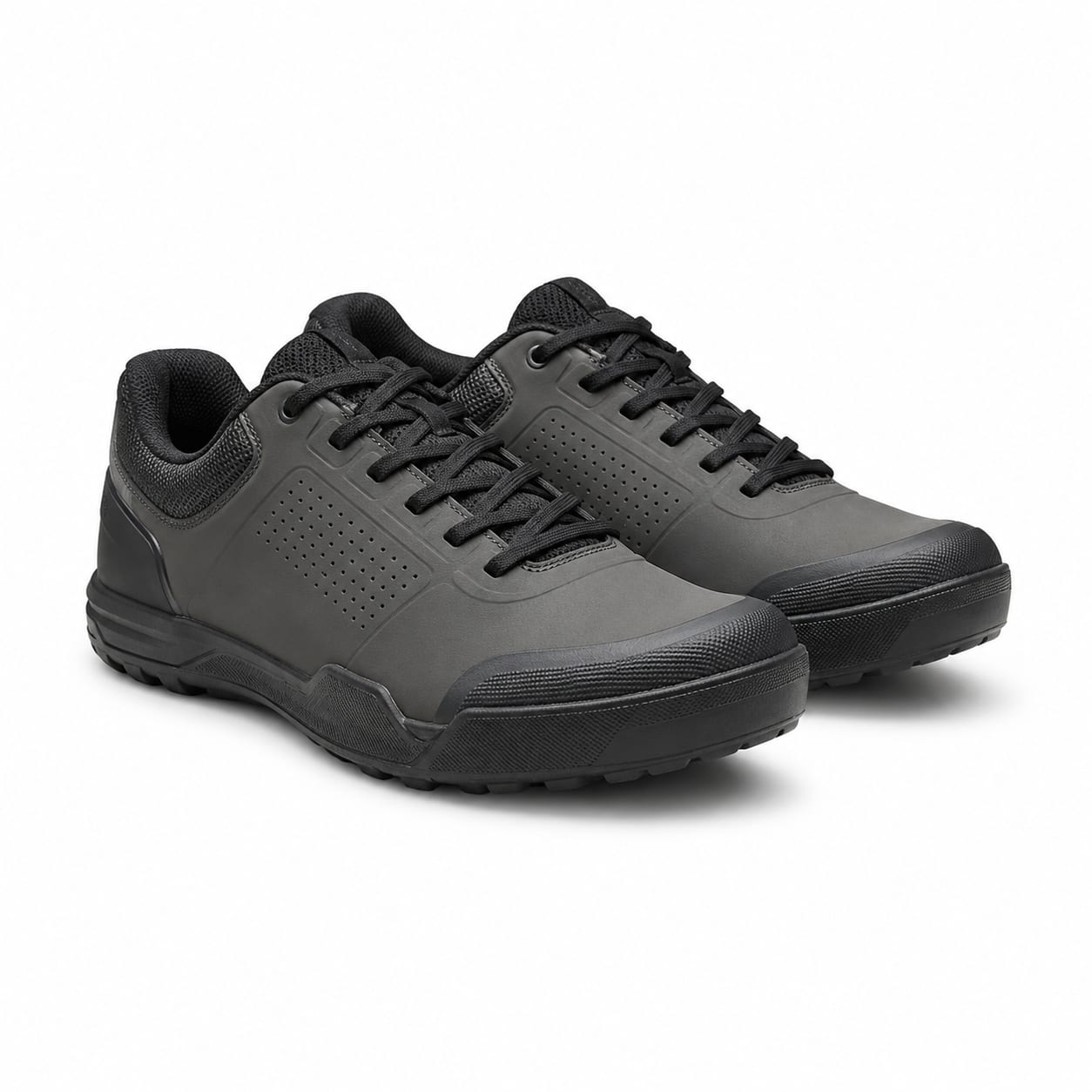
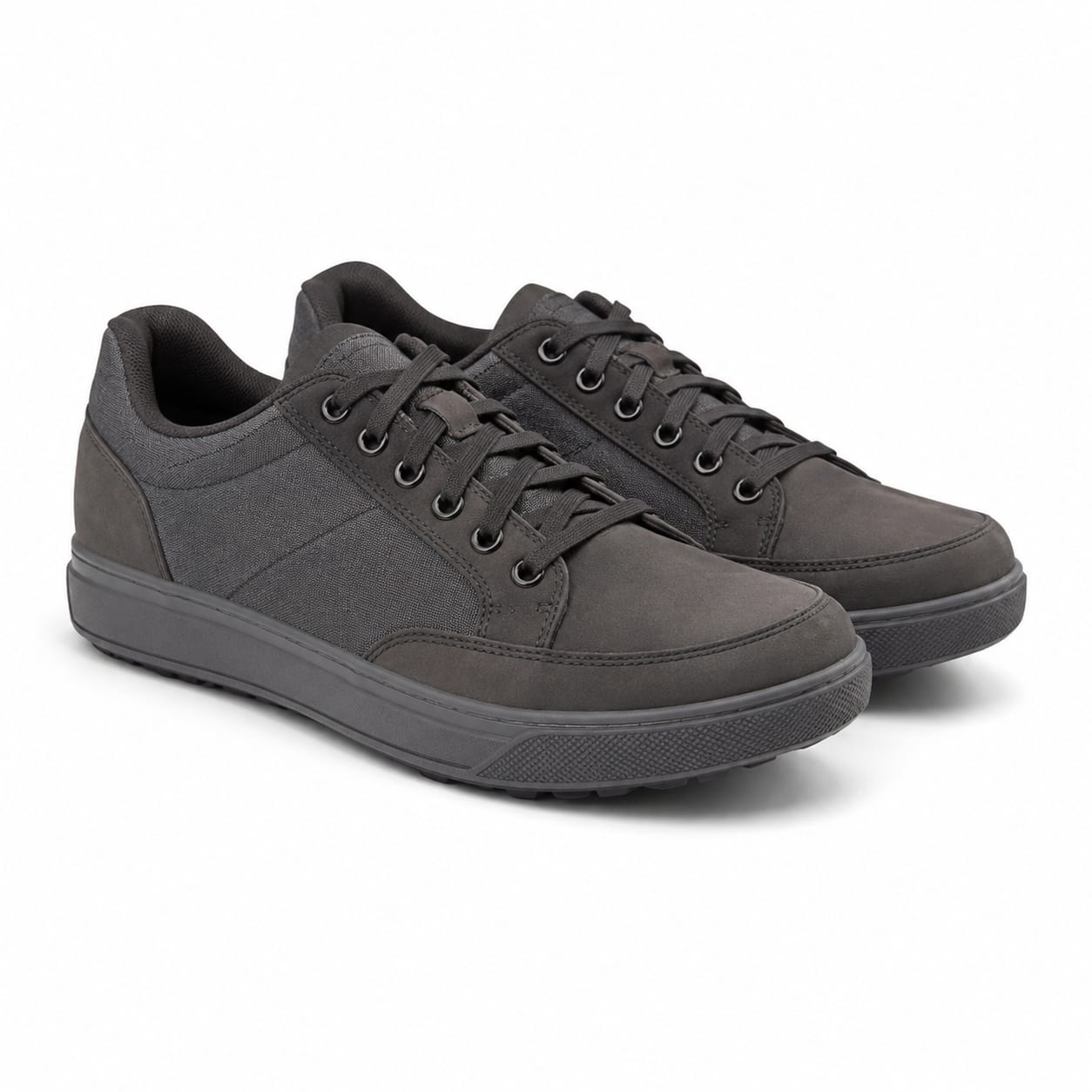
Commuter / Urban

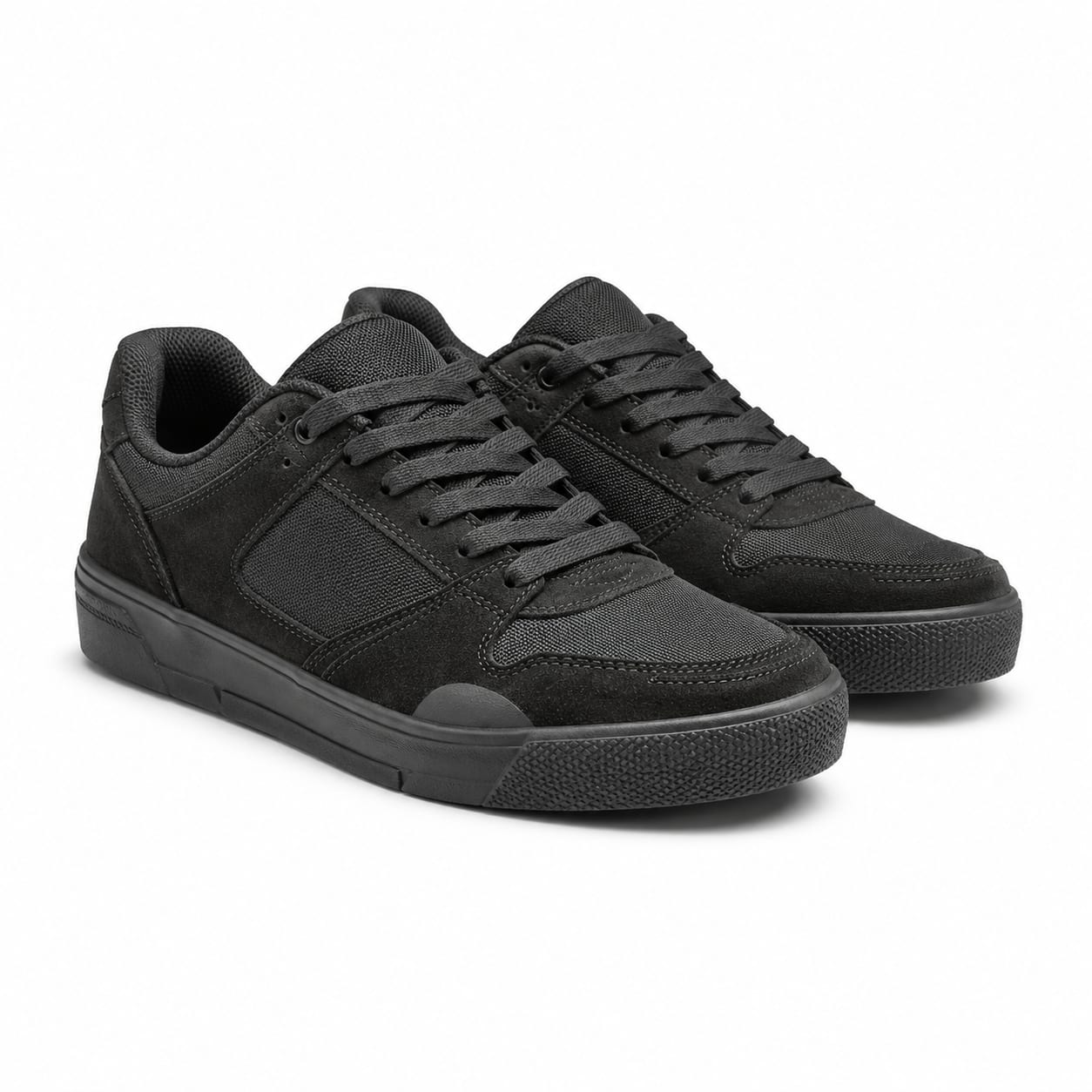
Sneaker-like appearance with recessed cleat, flexible sole, and casual styling for everyday use.

Start with your primary riding discipline. Road shoes for pure road riding, MTB shoes for trail riding, and gravel shoes for mixed terrain. Commuters should prioritize walkability. Triathletes benefit from quick-transition designs.

Cleat Compatibility

Cleat Compatibility

Importance

The bolt pattern on the shoe sole that determines which cleat and pedal systems can be mounted. This is the most fundamental compatibility requirement.

3-Bolt (SPD-SL / LOOK Keo / Speedplay)

Standard road cleat pattern used by Shimano SPD-SL, LOOK Keo, and Speedplay (with adapter). Large external cleat for maximum stability.

2-Bolt (SPD / crankbrothers / Time ATAC)

Compact recessed cleat pattern used by Shimano SPD, crankbrothers, and Time ATAC. Cleat sits flush with tread.

4-Bolt (Speedplay Nano)

Direct-mount Speedplay pattern eliminating the adapter plate for lower stack height.

LOOK Delta (3-bolt variant)

Older LOOK standard used on many indoor/spin bikes. Same 3-bolt drill pattern as LOOK Keo but different cleat shape.

Match your shoe's bolt pattern to your pedal system. If you already own pedals, check your cleat type before buying shoes. 3-bolt for road, 2-bolt for MTB/gravel/commuter. Some shoes support both patterns.

Gender-Specific Design

Gender Design

Importance

Whether the shoe is built on a gender-specific last, which accounts for typical differences in foot shape, volume, and proportions.

Men's

Built on a men's last, typically with wider forefoot, higher volume, and larger heel-to-ball ratio.

Women's

Built on a women's last, typically with narrower heel, lower volume, and proportionally different toe box.

Unisex

Built on a neutral last designed to accommodate a range of foot shapes. Sizing typically follows men's scale.

Women should try women-specific shoes first, as they typically have narrower heels and lower overall volume. However, some women with wider feet may find men's or unisex shoes more comfortable. The best shoe is the one that fits your foot, regardless of gender labeling.

Sole & Power Transfer

Attributes related to the shoe sole that directly affect pedaling efficiency, stiffness, and power transfer to the pedals.

Sole Material

Sole Material

Importance

The primary material of the shoe sole, which determines stiffness, weight, durability, and price. Stiffer soles transfer more power but reduce walkability and comfort.

Full Carbon

Unidirectional or woven carbon fiber sole offering maximum stiffness and minimum weight. Found on high-end race shoes.

Carbon-Reinforced / Carbon Composite

Nylon sole with carbon fiber plate or inserts for enhanced stiffness in key areas while maintaining some compliance.

Nylon / Composite

Injection-molded nylon or composite sole offering decent stiffness at an affordable price. Slight flex under high power.

Rubber / Vibram (MTB)

Stiff midsole with aggressive rubber lugs for off-bike traction. Used in gravity and trail MTB shoes.

Full carbon for competitive racing, carbon-reinforced for performance without top-tier price, nylon for recreational use, and rubber/foam for walkability-focused disciplines. Stiffness correlates with price and on-bike performance but inversely with comfort and walkability.

Sole Stiffness Index

Stiffness Index

Importance

A manufacturer-assigned or comparative rating of how resistant the sole is to flex under pedaling load. Higher numbers indicate stiffer soles that transfer more power.

Typical range: 1–14 stiffness index

Stiffness scales vary by brand (Shimano 1-12, Sidi 1-14, etc.) and are not directly comparable across manufacturers. As a general guide: 1-4 = recreational/flexible, 5-8 = sport/performance, 9-12 = race/high-performance, 13+ = pro/ultra-stiff. Most riders don't need the highest stiffness index.

Sole Stack Height

Stack Height

Importance

The distance from the pedal axle to the bottom of the foot, determined by sole thickness and cleat design. Lower stack height improves pedaling efficiency and cornering clearance.

Typical range: 5–20 mm

Lower stack height (5-8mm) is preferred for road racing and time trials, providing better power transfer and stability. Higher stack (10-15mm) is typical for MTB shoes with tread. Most road shoes range from 7-11mm. This spec matters most for competitive riders optimizing every watt.

Walkability Rating

Walkability

Importance

How easily and comfortably you can walk in the shoes off the bike, determined by sole flexibility, tread pattern, and cleat recess.

Not Walkable

Smooth carbon sole with exposed 3-bolt cleat. Walking is awkward, slippery, and damages cleats. Only for on-bike use.

Limited Walkability

Some tread around recessed cleat area but stiff sole. Short walks possible but not comfortable for extended periods.

Moderate Walkability

Recessed cleat with decent tread and slightly flexible sole. Comfortable for moderate walking and cafe stops.

High Walkability

Flexible sole with aggressive tread, recessed cleat, and sneaker-like feel. Comfortable for extended walking and hiking.

Be honest about how much walking you do. Road purists who never unclip don't need walkability. Gravel riders who hike-a-bike need moderate walkability. Commuters who walk at both ends need high walkability. This is one of the biggest differentiators between shoe categories.

Upper & Comfort

Attributes of the shoe upper that affect breathability, weather protection, comfort, and durability.

Upper Material

Upper Material

Importance

The primary material of the shoe upper, affecting breathability, durability, water resistance, stretch, and overall comfort.

Synthetic Leather

Durable, easy to clean, and relatively breathable. Common in mid-range shoes. Holds shape well over time.

Mesh / Knit

Highly breathable engineered mesh or knit upper providing excellent ventilation and sock-like comfort. Less protective.

Microfiber

Premium synthetic material offering soft feel, good breathability, and excellent shape retention. Lighter than synthetic leather.

GORE-TEX / Waterproof Membrane

Waterproof and windproof membrane laminated into the upper for all-weather protection. Reduces breathability in warm conditions.

Choose mesh/knit for hot weather and maximum breathability, synthetic leather for all-around durability, microfiber for performance balance, and GORE-TEX for wet/cold conditions. Real leather offers classic appeal and moldability but at higher weight.

Ventilation Level

Ventilation

Importance

The degree of airflow through the shoe upper and sole, affecting temperature regulation, moisture management, and comfort in different weather conditions.

Minimal / Sealed

Few or no ventilation ports. Designed for cold or wet conditions where warmth and water protection are priorities.

Moderate

Some mesh panels or perforations for airflow while maintaining structure and protection. The most common level.

High / Well-Ventilated

Extensive mesh panels, sole vents, and perforated uppers for maximum airflow. Designed for hot weather.

Match ventilation to your typical riding climate. High ventilation for hot summers, moderate for all-around use, and minimal for winter or wet riding. Many riders own two pairs: one ventilated for summer and one sealed for winter.

Ankle Coverage

Ankle Coverage

Importance

How high the shoe extends above the ankle bone, affecting protection, support, weather resistance, and range of motion.

Low Cut / Below Ankle

Standard shoe height ending below the ankle bone. Maximum ankle mobility and minimal weight. Most common design.

Mid-Ankle

Extends to just above the ankle bone, providing some ankle support and protection from debris and impacts.

High Ankle / Boot Style

Extends well above the ankle like a boot. Maximum protection, support, and weather resistance. Heavier and less breathable.

Low-cut for road and XC where ankle mobility matters. Mid-ankle for trail/enduro where pedal strikes and debris are concerns. High-ankle for downhill, extreme weather, or maximum protection. Most road and XC riders prefer low-cut.

Heat Moldable Upper/Sole

Heat Moldable

Importance

Whether the shoe upper, sole, or both can be heat-molded to customize the fit to the rider's foot shape.

Yes - Heat Moldable

Shoe can be heated and formed to the foot for a custom fit. May apply to upper, insole, or entire shoe.

No - Not Heat Moldable

Standard construction that cannot be heat-molded. Fit depends on the shoe's last shape and available width options.

Heat moldability is valuable for riders with unique foot shapes who struggle to find comfortable off-the-shelf shoes. Bont, Shimano (S-Phyre), and Lake are known for moldable shoes. The molding process typically requires an oven or heat gun and careful following of instructions.

Fit & Retention

Attributes that determine how securely and comfortably the shoe holds the foot, affecting both performance and comfort.

Closure System

Closure System

Importance

The mechanism used to secure the shoe to the foot, affecting fit precision, adjustability, speed of entry/exit, and reliability.

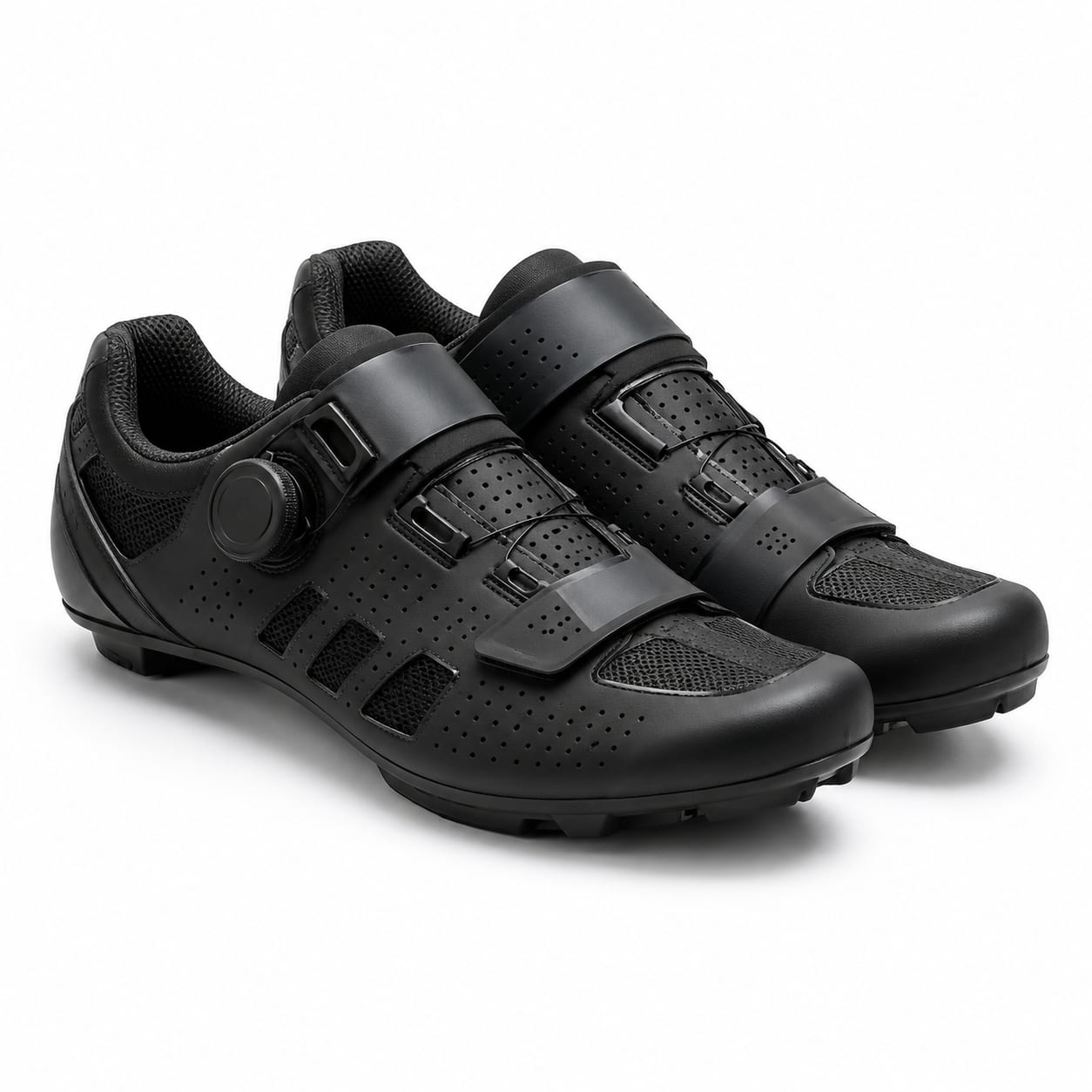
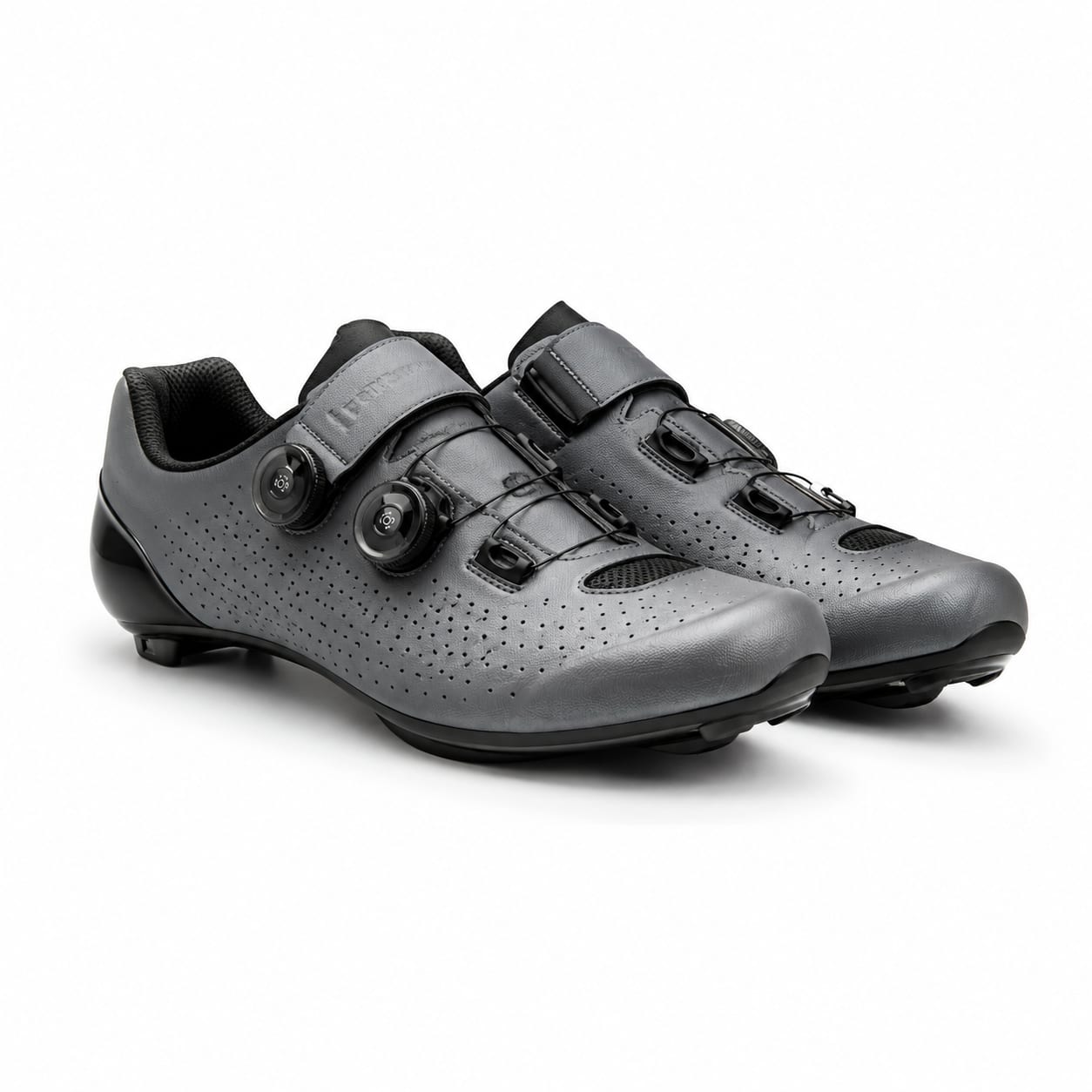
BOA Dial

Rotary dial system using steel or polymer laces for micro-adjustable, even pressure distribution. Quick release by pulling dial up.

Velcro / Hook-and-Loop Straps

Simple, lightweight, and reliable straps. Common on entry-level and some triathlon shoes for fast transitions.

Ratchet Buckle

Mechanical buckle with micro-adjust capability, typically on the upper portion of the shoe with a strap below.

Laces

Traditional lacing system offering unlimited adjustability across the forefoot. Popular in retro, gravel, and some performance shoes.

BOA dials are the gold standard for performance shoes, offering the best combination of adjustability and convenience. Laces provide the most customizable fit but lack on-the-fly adjustment. Velcro is simple and reliable for beginners. Many shoes combine systems (e.g., BOA + strap).

Width / Fit Profile

Width / Fit Profile

Importance

The volume and width of the shoe last (foot mold), which determines how the shoe accommodates different foot shapes. Critical for comfort and preventing numbness.

Narrow

Low-volume fit for slim feet with narrow forefoot and low instep. Common in Italian-brand shoes.

Standard / Medium

Average-volume fit suitable for the majority of foot shapes. The default for most shoe models.

Wide

High-volume fit with broader forefoot and deeper toe box. Essential for riders with wide feet or high instep.

Extra Wide / EE

Maximum volume fit for very wide feet or specific foot conditions. Limited availability across brands.

Foot width is one of the most important fit factors. If you experience numbness, hot spots, or toe squeezing, go wider. Shimano and Lake offer the widest range of width options. Italian brands (Sidi, Fizik) tend to run narrower. When in doubt, size up in width rather than length.

Heel Retention System

Heel Retention

Importance

Design features in the heel cup that prevent heel lift during the upstroke, ensuring efficient power transfer and stable foot positioning.

Standard Heel Cup

Basic molded heel cup without additional retention features. Relies on overall shoe fit and closure tension.

Reinforced / Rigid Heel Cup

Stiffer, more structured heel cup with internal reinforcement to hold the heel firmly in place.

Adjustable Heel Retention

Heel cup with adjustable inserts or dials (e.g., Sidi Heel Cup, Shimano Heel Stabilizer) allowing customization of heel hold.

Integrated Heel Dial

BOA or similar dial positioned at the heel or ankle for independent heel zone adjustment.

Heel lift wastes energy and causes discomfort. If you have narrow heels or experience heel slip, prioritize shoes with reinforced or adjustable heel retention. Dual-dial shoes often provide better heel control by separating forefoot and heel tension.

Toe Box Shape

Toe Box Shape

Importance

The shape and volume of the front of the shoe where the toes sit, affecting comfort, toe splay, and prevention of numbness or bunions.

Pointed / Tapered

Narrow, tapered toe box typical of Italian road shoes. Streamlined appearance but can squeeze toes.

Rounded / Standard

Moderately rounded toe box allowing natural toe position. The most common shape across brands.

Wide / Anatomical

Spacious toe box designed to allow natural toe splay, following the foot's anatomical shape. Common in comfort-oriented and wide-fit shoes.

If you experience toe numbness or hot spots, prioritize a wider, more anatomical toe box. Pointed toe boxes look sleek but can cause problems on long rides. Feet swell during exercise, so what feels fine in the shop may feel tight after an hour of riding.

Included Insole / Footbed

Insole Type

Importance

The type and quality of the footbed included with the shoe, which affects arch support, comfort, and the ability to customize fit.

Basic Flat Insole

Simple, flat foam insole with minimal arch support. Standard on entry-level shoes. Easily replaced.

Contoured / Ergonomic Insole

Molded insole with arch support and heel cupping. Common on mid-range to high-end shoes. May include interchangeable arch inserts.

Interchangeable Arch Inserts

Insole system with multiple arch height options (typically low, medium, high) allowing customization to foot shape.

Heat-Moldable Insole

Insole that can be heated and molded to the rider's foot shape for a custom fit. Found in some high-end shoes.

If you have specific arch support needs, look for shoes with interchangeable arch inserts or plan to add aftermarket insoles (Superfeet, Specialized Body Geometry, etc.). The included insole quality often reflects the shoe's price point and can significantly affect comfort on long rides.

Weight & Specifications

Quantitative specifications that affect the overall feel and performance of the shoe.

Weight per Pair

Weight (Pair)

Importance

The total weight of both shoes, typically measured in grams. Lighter shoes reduce rotational mass and can improve acceleration and climbing.

Typical range: 350–1200 grams (per pair)

Road race shoes: 400-550g per pair. Performance road: 500-650g. Mountain bike XC: 600-750g. MTB trail/enduro: 750-1000g. Commuter: 700-1200g. Weight matters most for racing and climbing; recreational riders should prioritize comfort and durability over gram-counting.

Specs FAQ

Common questions about these buying specs

Plain-English answers for each spec and option — tap through for the full explanation.

I ride road but sometimes walk into cafes - are road cycling shoes a bad idea?

Road cycling shoes are purpose-built for maximum power transfer. They feature ultra-stiff soles—often full carbon—and a smooth bottom with a 3-bolt cleat that sits exposed on the outside. This design minimizes flex so more of your effort reaches the pedals, which is why they're the go-to for road racing, fast group rides, and time trials. The downside is walkability. That exposed cleat and lack of tread make walking slippery and awkward, and repeated walking on hard surfaces can wear down your cleats quickly. If you're just doing a quick cafe stop, it's manageable—just walk carefully. If off-bike stops are a regular part of your rides, consider gravel or commuter shoes with a recessed 2-bolt cleat instead. They walk much better, though you'll sacrifice some pedaling efficiency. For most dedicated road riders, the performance benefit of road shoes outweighs the occasional awkward stroll.

When should I choose mountain bike shoes over other cycling shoe types?

MTB shoes are the right pick whenever your riding involves trails, dirt, or frequent off-bike movement. They feature a recessed cleat area with aggressive tread, so you can walk on rocks, mud, and loose terrain without slipping or damaging your cleats. The 2-bolt cleat system (typically SPD) sits flush with the sole, keeping it protected when you're on foot. Compared to road shoes, MTB shoes sacrifice a bit of pedaling stiffness for walkability and durability. The reinforced toe and heel add protection on rugged terrain. This trade-off makes them ideal for trail riding, enduro, cross-country, and bikepacking—any situation where you might need to hop off and hike a section. Don't choose MTB shoes if you're exclusively road riding, as you'll give up power transfer for walkability you won't use. But if your rides mix dirt, gravel, or any off-bike time, MTB shoes are the practical choice.

What makes gravel cycling shoes different, and do I need them for mixed-terrain riding?

Gravel shoes sit right between road and mountain bike shoes, giving you a balance of pedaling efficiency and off-bike walkability. They use a 2-bolt cleat system (like MTB shoes) so the cleat sits recessed in the sole, but they have a stiffer midsole than most mountain bike shoes for better power transfer on long gravel rides. The tread is moderate—grippy enough for hike-a-bike sections or cafe stops, but not as aggressive as a dedicated trail shoe. This makes them ideal for gravel racing, bikepacking, and any ride where you're splitting time between pavement, dirt roads, and occasional off-bike time. If your rides are mostly pure road, stick with road shoes for maximum efficiency. If you're constantly off the bike on technical terrain, MTB shoes offer better protection. But if your riding blends both worlds, gravel shoes are the versatile sweet spot.

Do I need commuter cycling shoes, or can I just use my road or mountain bike shoes for riding to work?

If your commute involves walking—whether through an office, up stairs, or to a coffee shop—commuter cycling shoes are worth it. They look like regular sneakers, with a recessed cleat that doesn't click-clack on hard floors, and a flexible sole that makes walking feel natural instead of awkward. Road shoes have exposed cleats and stiff soles that make walking difficult and can damage floors. Mountain bike shoes are walkable but often look too technical for an office setting. Commuter shoes split the difference: they clip in for efficient pedaling but blend in when you hop off the bike. The trade-off is that commuter shoes aren't as stiff as road or even MTB shoes, so you lose some power transfer on longer, faster rides. If your commute is short and casual, that barely matters. But if you're riding 20+ miles at race pace, you might prefer a stiffer shoe and just change at the office.

Subcategories

Different styles, different picks

Each sub-type has its own guide with typical specs, trade-offs, and buying advice.

Road Cycling Shoes

Road Cycling Shoes

$80 – $550

dominant

Lightweight, stiff-soled shoes optimized for maximum power transfer on paved surfaces.

ultra-stiff sole3-bolt cleat compatibilityminimal tread
Mountain Bike Clipless Shoes

Mountain Bike Clipless Shoes

$70 – $400

dominant

Rugged, walkable shoes with recessed cleats for off-road riding and hiking sections.

2-bolt cleat compatibilityrecessed cleat pocketlugged rubber outsole
Flat Pedal Mountain Bike Shoes

Flat Pedal Mountain Bike Shoes

$60 – $200

common

Grippy, clipless-free shoes with sticky rubber soles for platform pedal riding.

sticky rubber outsoleno cleat compatibilityflat pedal pin engagement
Gravel / Cyclocross Shoes

Gravel / Cyclocross Shoes

$100 – $350

common

Versatile off-road shoes blending road efficiency with trail walkability for mixed-terrain riding.

2-bolt cleat compatibilitymoderate sole stiffnessaggressive tread for mud
Commuter / Urban Cycling Shoes

Commuter / Urban Cycling Shoes

$60 – $200

common

Walkable, casual-looking cycling shoes designed for daily commuting and city riding.

recessed 2-bolt cleatflexible sole for walkingcasual styling
Indoor / Spin Shoes

Indoor / Spin Shoes

$50 – $200

common

Breathable, versatile shoes for indoor cycling classes and trainer sessions.

dual cleat compatibilityheavy ventilationmoisture-wicking lining
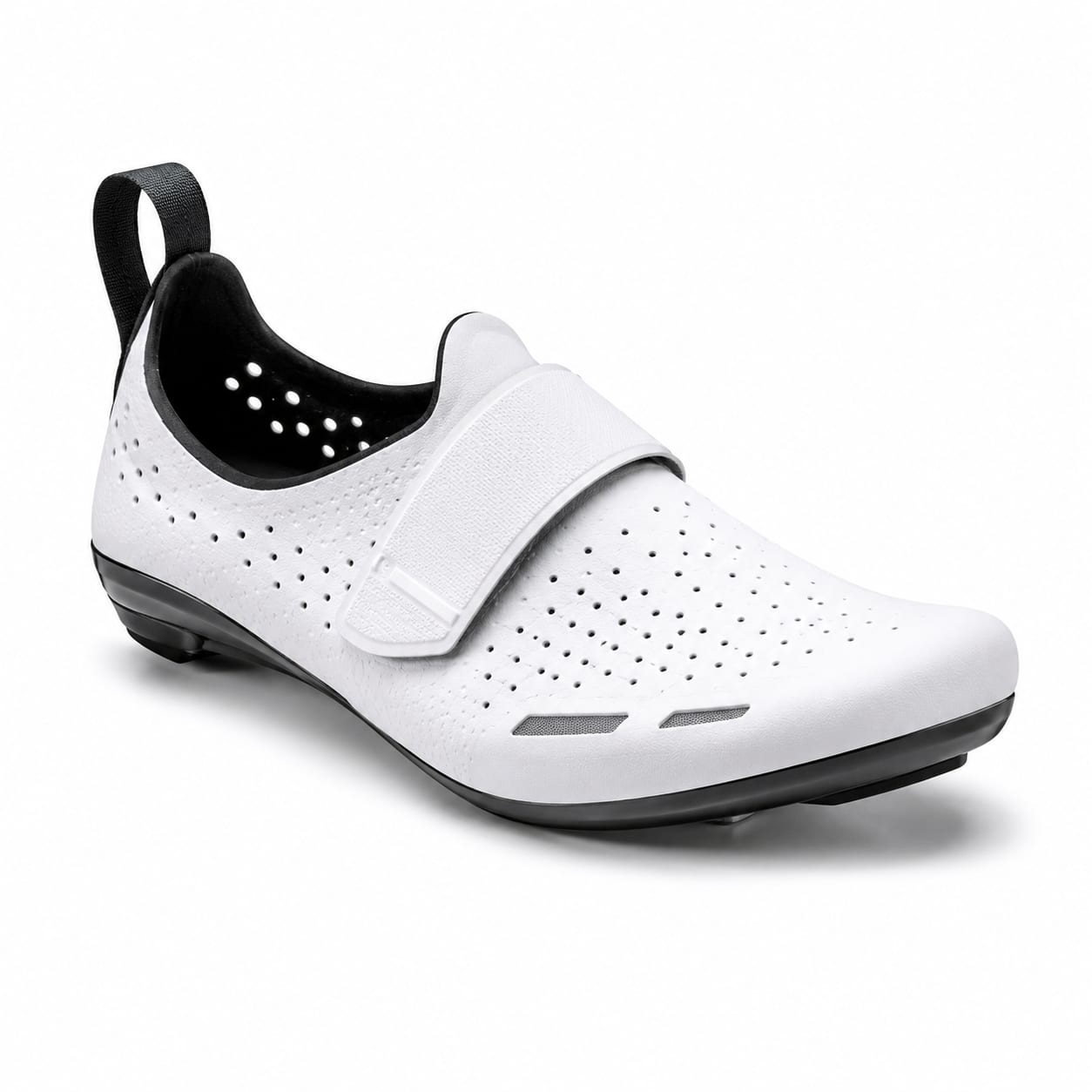
Triathlon Shoes

Triathlon Shoes

$100 – $450

niche

Quick-entry road shoes optimized for fast transitions in triathlon racing.

heel pull loopsingle strap closureunlined interior
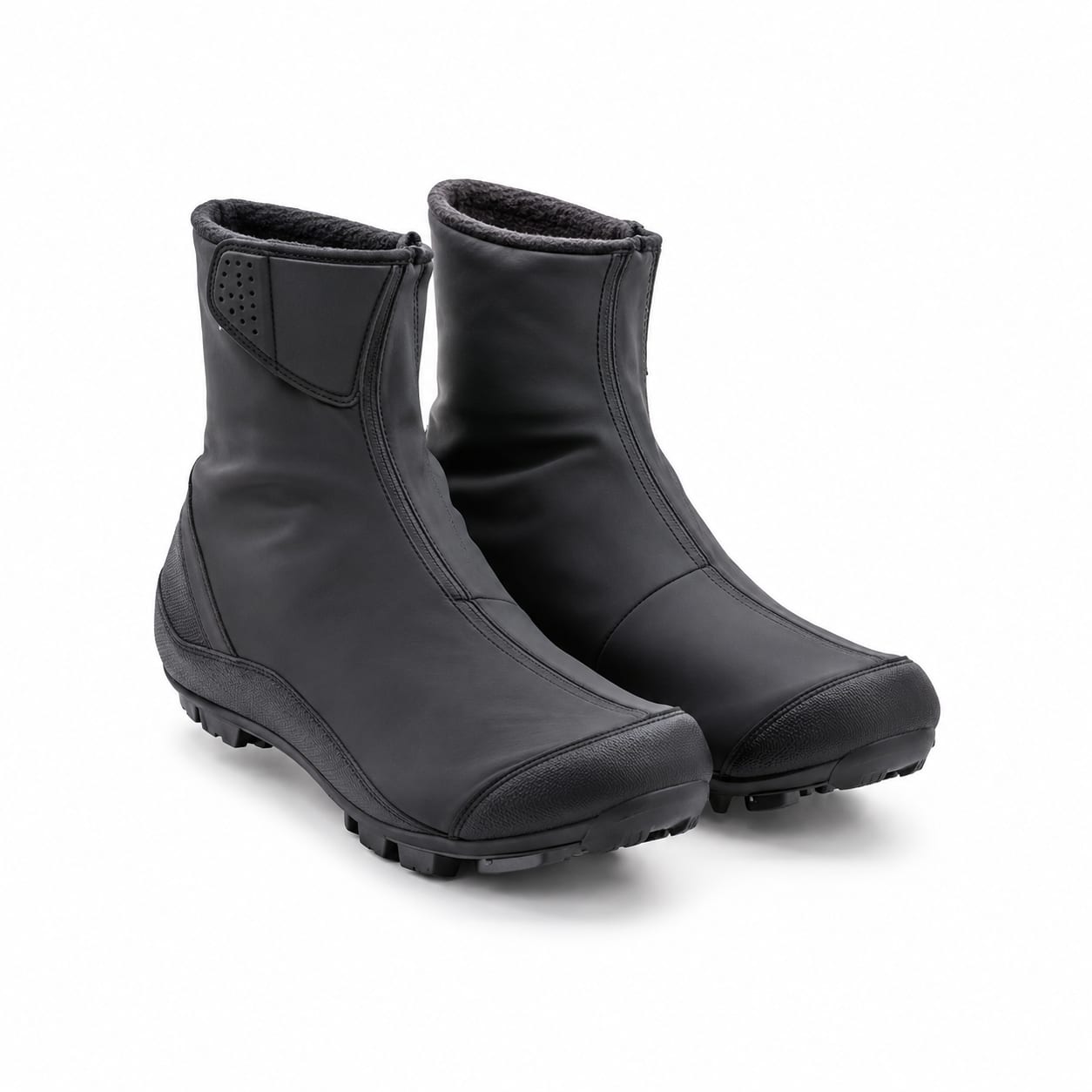
Winter / Cold Weather Cycling Shoes

Winter / Cold Weather Cycling Shoes

$150 – $400

niche

Insulated, waterproof cycling shoes for riding in cold, wet, and snowy conditions.

insulated liningwaterproof membranehigh ankle coverage
Track Cycling Shoes

Track Cycling Shoes

$150 – $500

specialty

Ultra-stiff, aerodynamic shoes for velodrome racing and fixed-gear track riding.

maximum sole stiffnessfull carbon soleaerodynamic upper
Touring / Bikepacking Shoes

Touring / Bikepacking Shoes

$80 – $250

niche

Comfortable, durable shoes for long-distance cycling with extended off-bike walking.

moderate sole stiffnessrecessed 2-bolt cleatdurable construction
BMX / Dirt Jump Shoes

BMX / Dirt Jump Shoes

$40 – $150

niche

Durable, grippy flat-pedal shoes for BMX racing, dirt jumping, and skatepark riding.

sticky rubber soleflat pedal onlyreinforced construction