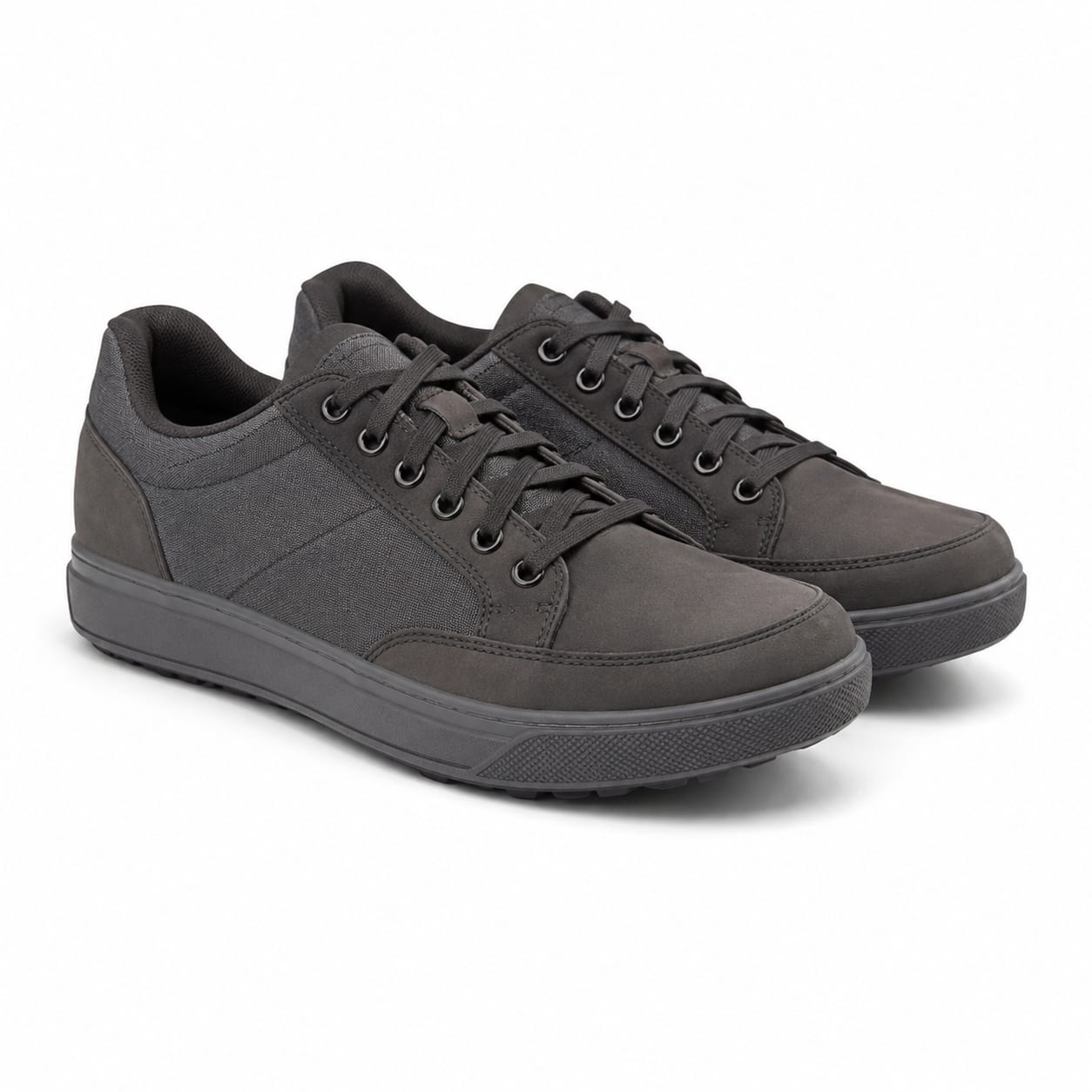
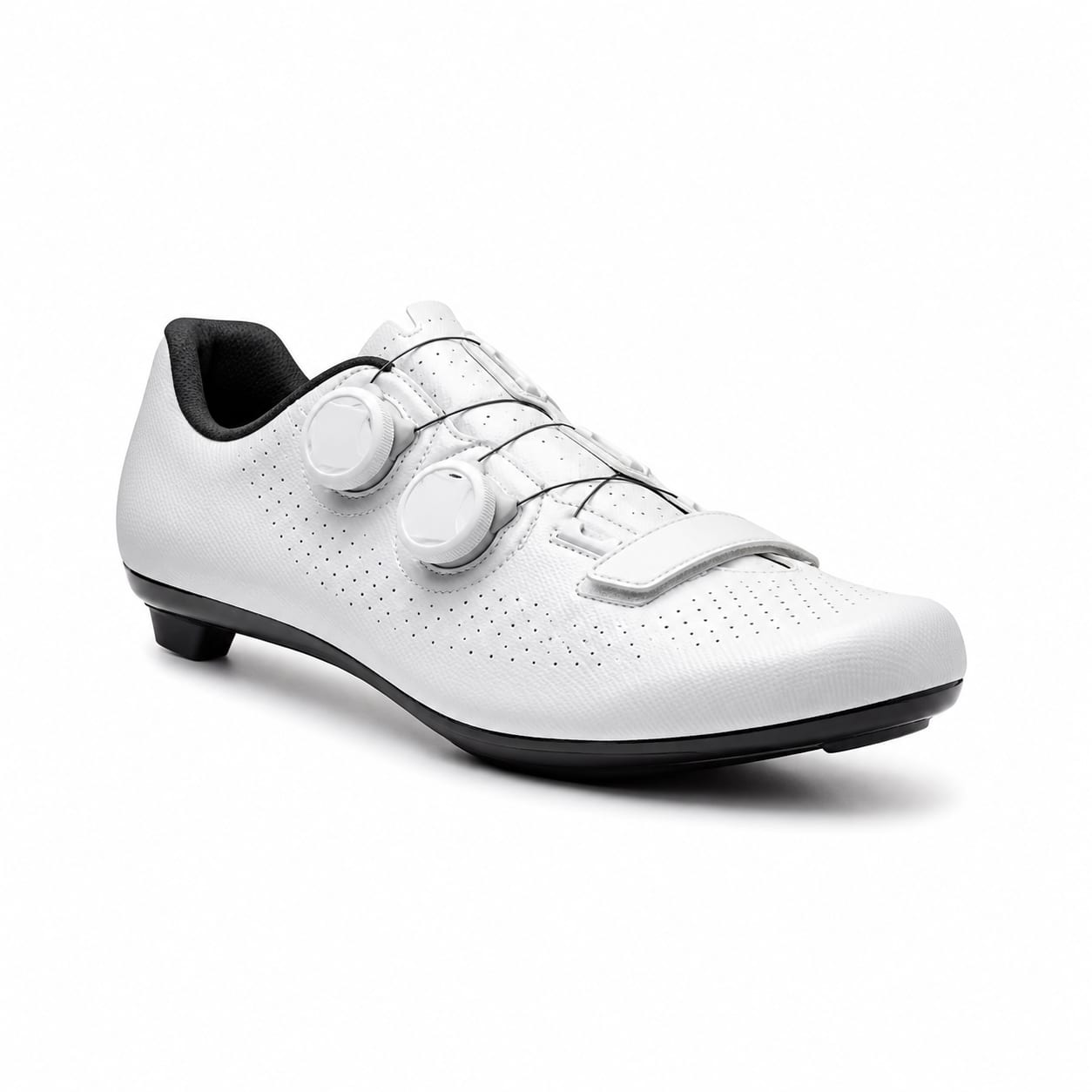
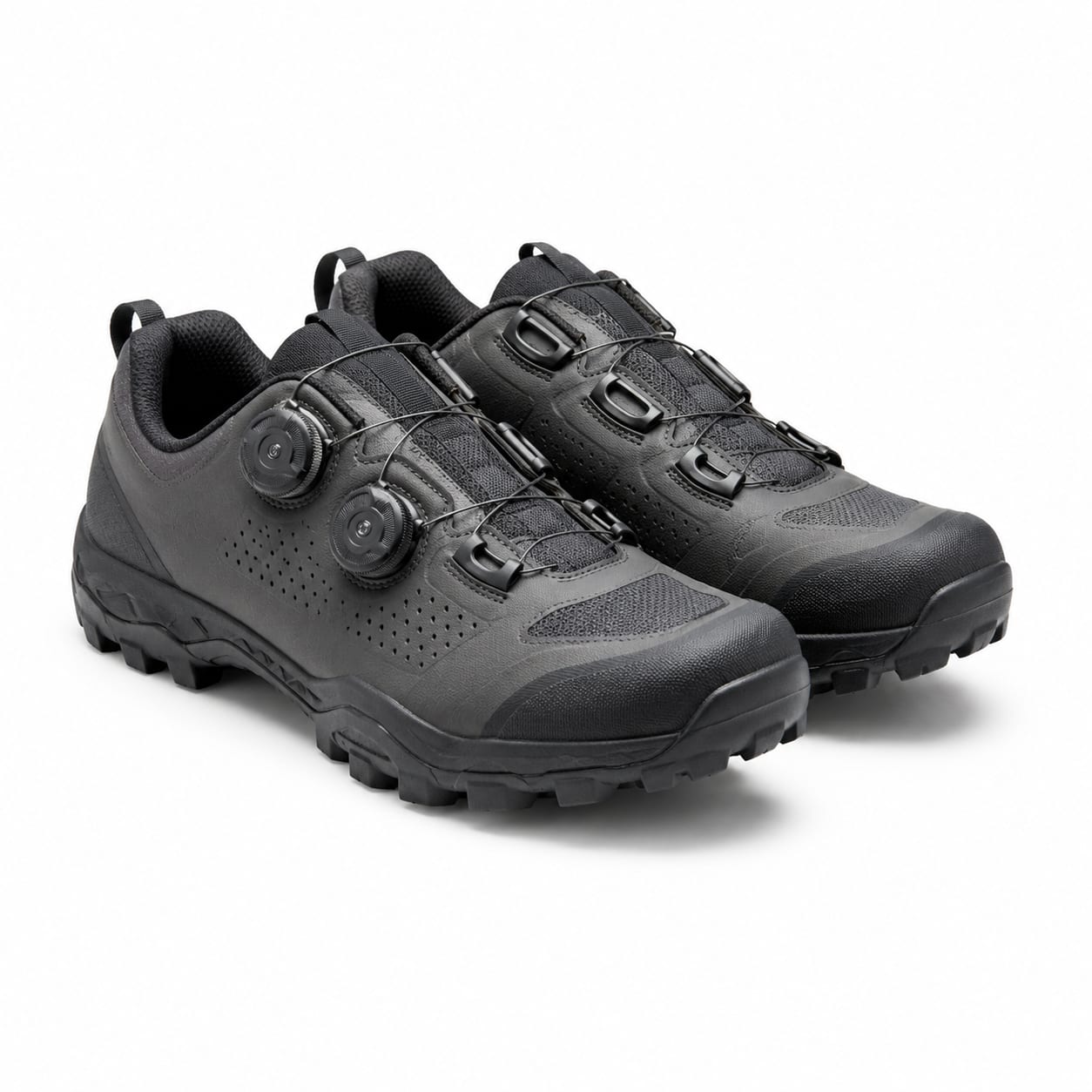
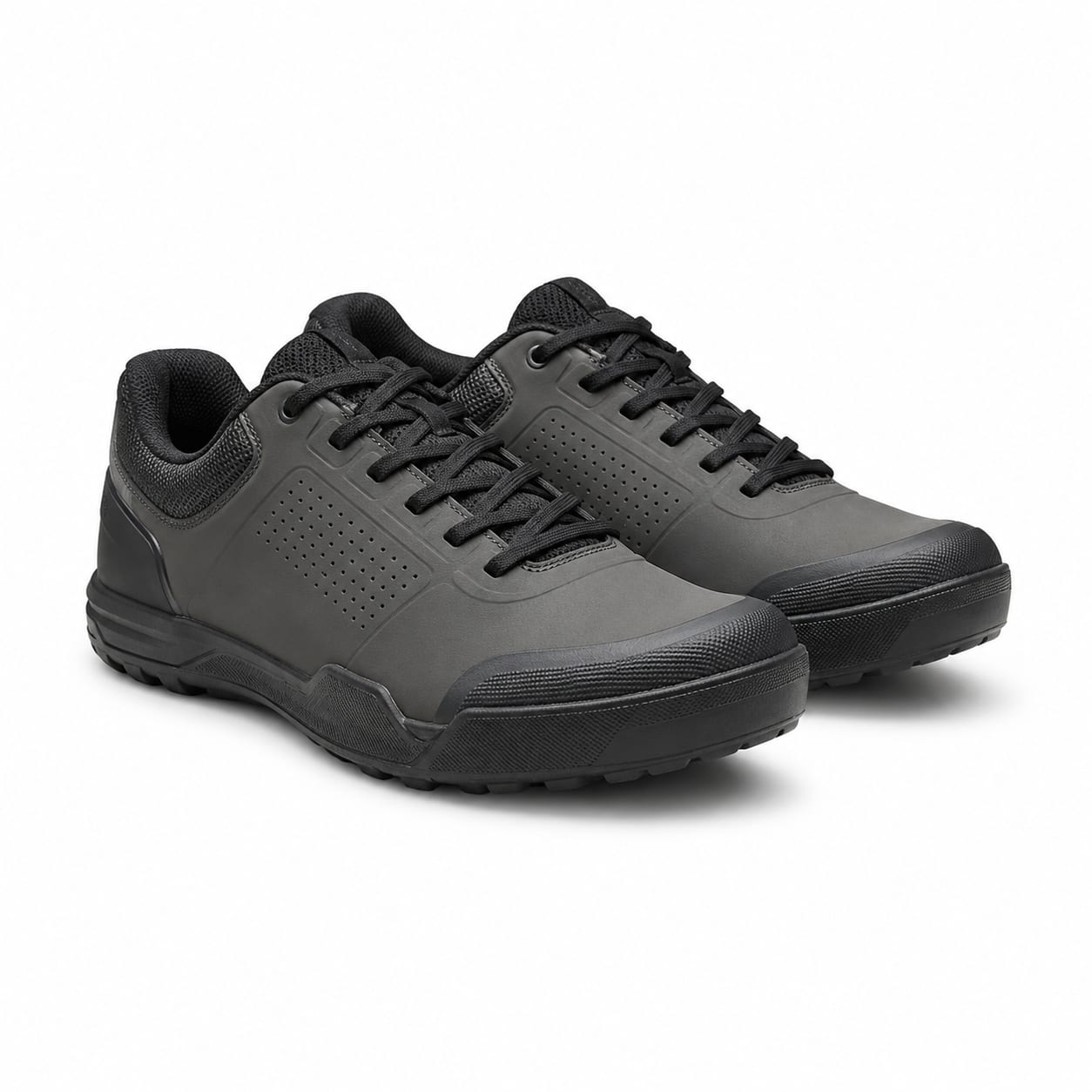
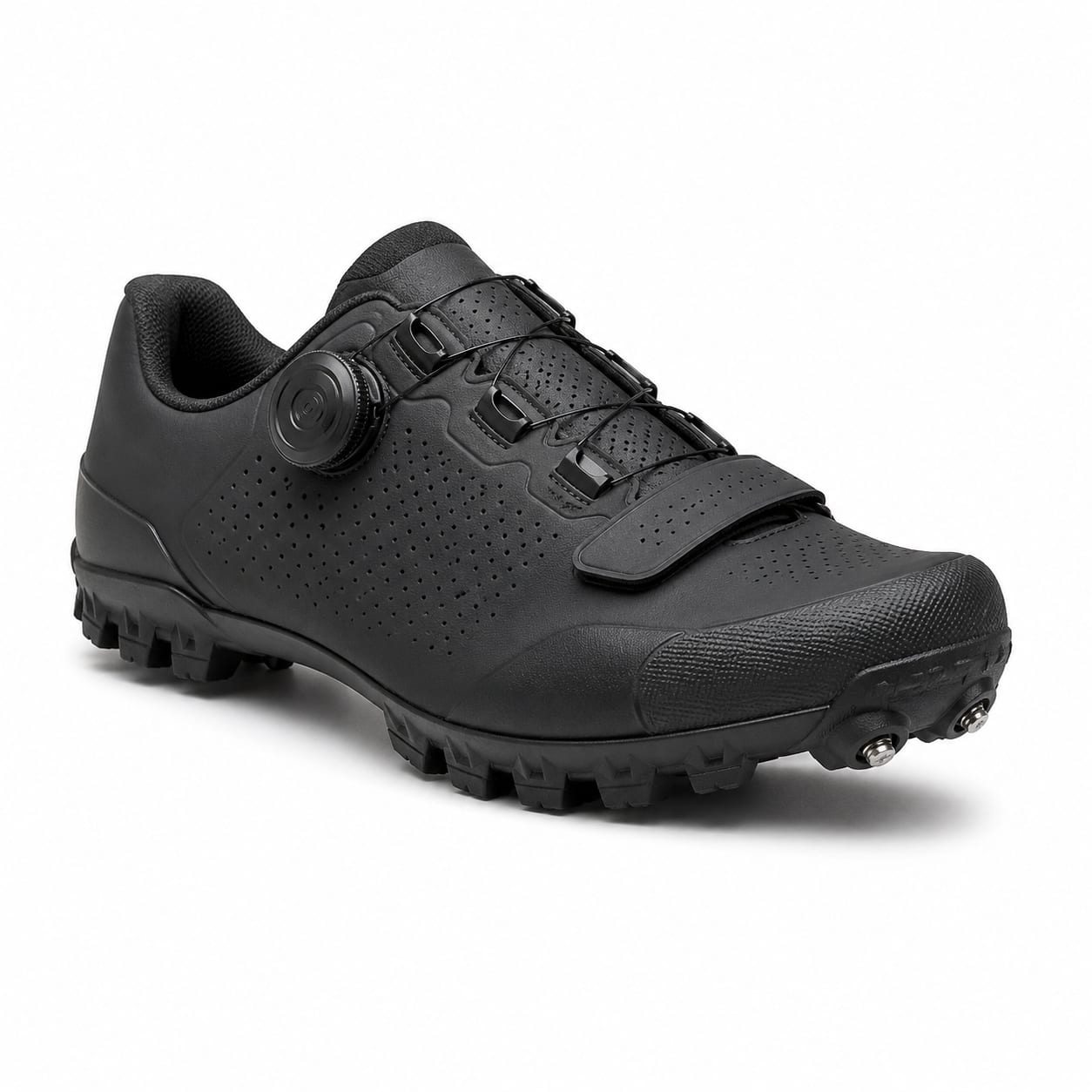
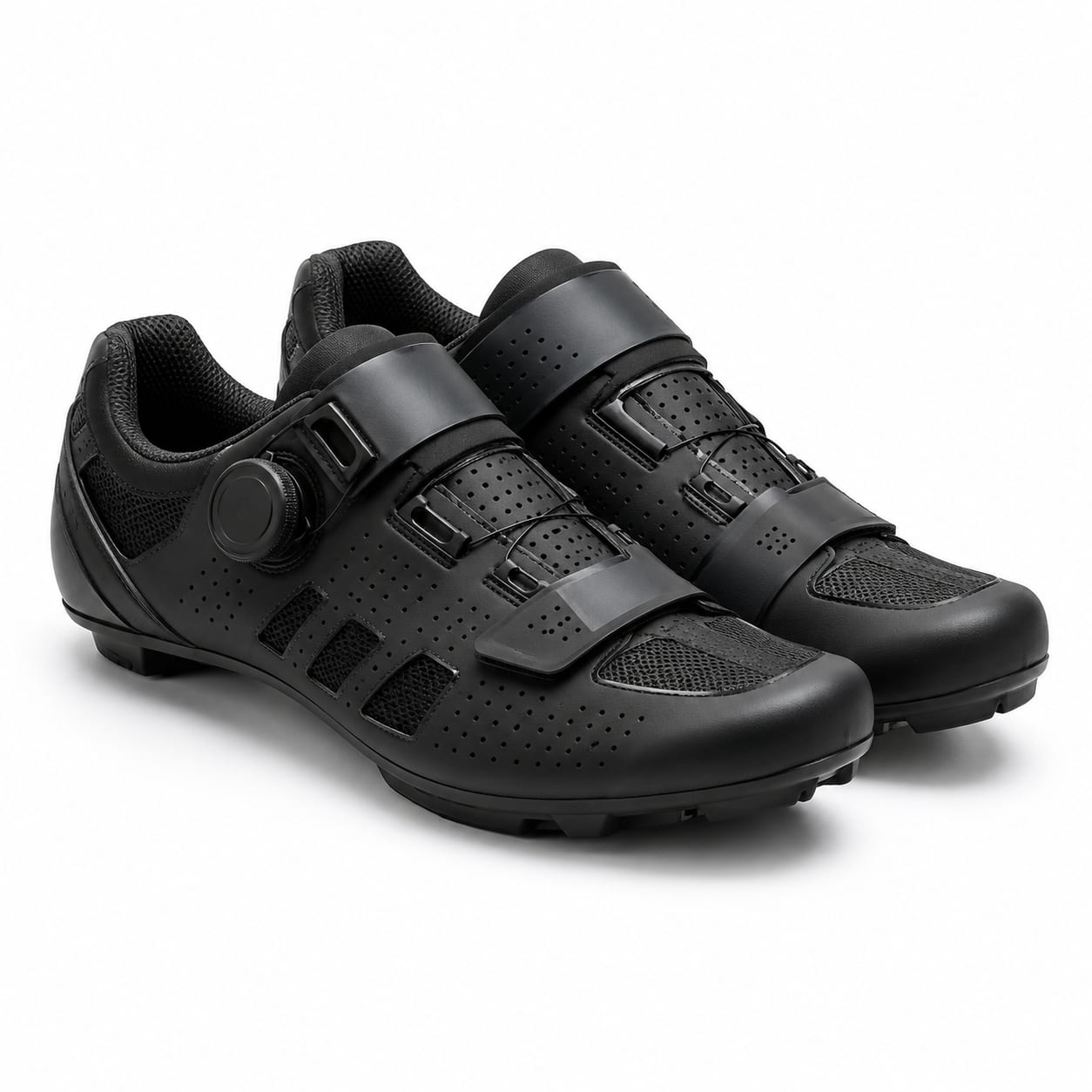
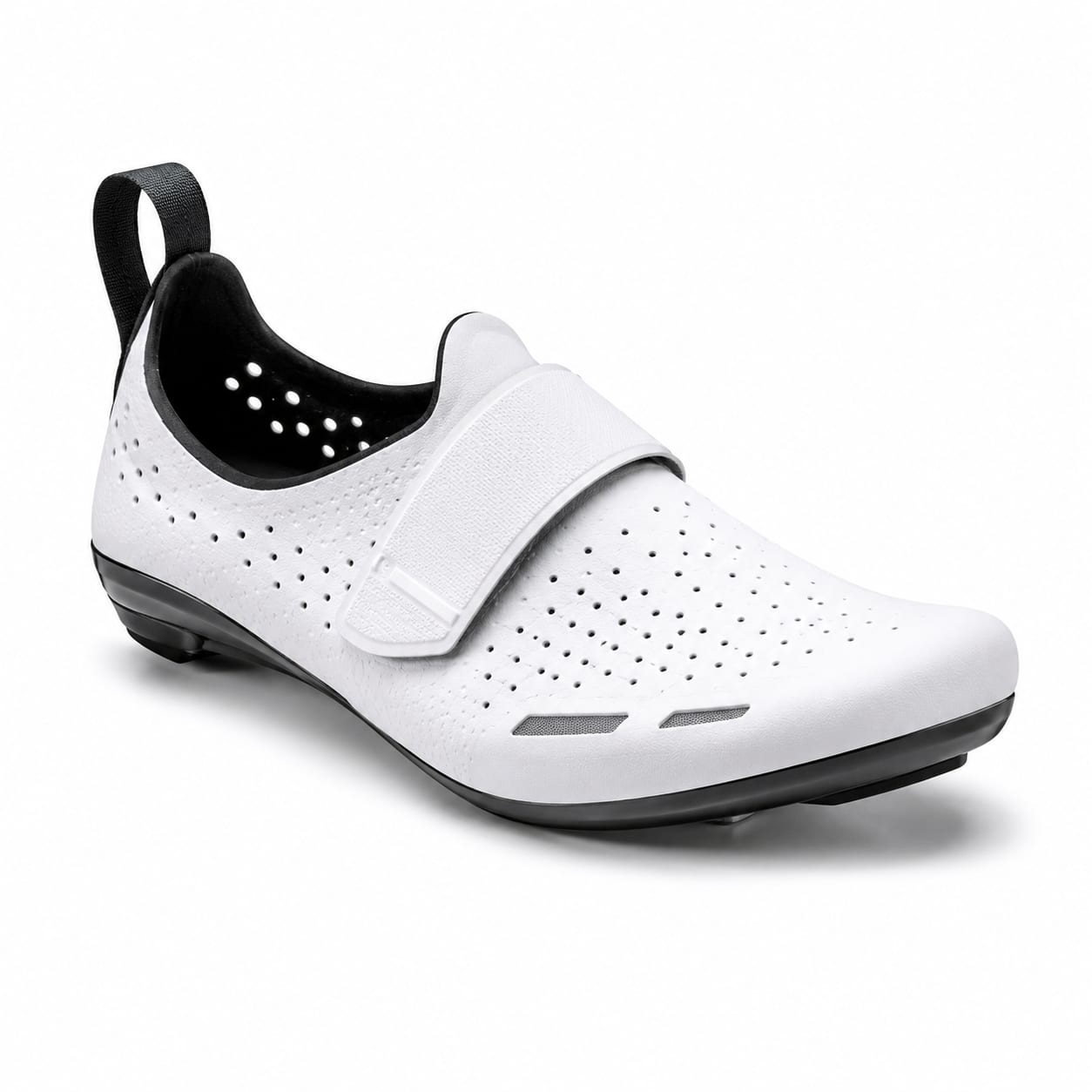
Commuter and urban cycling shoes are designed for riders who refuse to compromise between on-bike functionality and off-bike comfort. Unlike road shoes with protruding cleats or mountain bike shoes with aggressive tread, commuter shoes feature a low-profile rubber outsole with a recessed cleat pocket that allows natural walking on pavement, tile, and carpet. The uppers draw from sneaker and casual shoe design language—canvas, synthetic leather, and mesh constructions that blend in at the office, coffee shop, or grocery store. Most models use 2-bolt cleat systems (Shimano SPD, crankbrothers, Time ATAC) paired with flexible nylon or EVA-cushioned soles that prioritize comfort over power transfer. Closure systems range from traditional laces for a clean aesthetic to single BOA dials or Velcro straps for quick adjustment. While the flexible sole sacrifices some pedaling efficiency compared to stiffer road or XC shoes, the trade-off is worth it for riders who spend significant time off the bike. Many commuter shoes include reflective details, water-resistant treatments, and reinforced toe boxes for urban durability. They are the quintessential choice for daily commuters, bike-share users, and casual riders who want one pair of shoes for the entire day.
Commuter cycling shoes occupy a unique niche in the cycling footwear landscape, prioritizing real-world utility over pure pedaling performance. The defining characteristic is walkability: a recessed cleat pocket paired with a flexible sole and rubber tread allows you to walk normally through office hallways, up stairs, and across slippery floors without the awkward clacking and instability of exposed road cleats. This makes them indispensable for bike commuters who park outside and walk to their desk, or for anyone running errands by bike throughout the day.
The sole construction is where commuter shoes diverge most dramatically from performance-oriented categories. Where road shoes use full carbon for maximum stiffness indices of 10-14, commuter shoes typically employ nylon composites or EVA foam with stiffness indices of 2-5. This flexibility is a feature, not a flaw—it allows the foot to bend naturally during walking and reduces fatigue during extended off-bike periods. The trade-off is noticeable power loss during hard sprinting or sustained high-wattage efforts, but for typical commuting speeds of 15-25 km/h, the efficiency penalty is minimal and largely imperceptible to most riders.
Upper design in commuter shoes borrows heavily from sneaker culture. Brands like Chrome, DZR, and Ride 100% offer shoes that are virtually indistinguishable from casual footwear, while Shimano, Giro, and Trek-owned Bontrager produce models with subtle cycling DNA like reflective heel tabs or slightly stiffer midsoles. Laces remain the most popular closure system for their clean look and unlimited adjustability, though some models incorporate a single BOA dial hidden under a lace flap for riders who want micro-adjustability without sacrificing aesthetics. Water-resistant treatments and GORE-TEX lined variants address the reality that commuters ride rain or shine.
Fit considerations for commuter shoes differ from performance categories. Because these shoes are worn all day, not just for a 2-hour ride, comfort over extended periods is paramount. A slightly roomier toe box prevents discomfort during 8-hour office shifts, and moderate ventilation avoids the frozen-toes problem that highly vented road shoes create in air-conditioned buildings. Many commuters size up half a size from their performance shoe size to accommodate thicker socks in winter or foot swelling during all-day wear. The stack height is typically higher (10-15mm) than road shoes due to the cushioned midsole and rubber tread, which slightly reduces pedaling efficiency but dramatically improves walking comfort on hard surfaces.
For riders new to clipless pedals, commuter shoes paired with multi-release SPD cleats are the most forgiving entry point. The recessed cleat eliminates the fear of slipping on smooth floors when walking, and the multi-release cleat allows easier unclipping by twisting in any direction. This combination builds confidence before transitioning to stiffer, more performance-oriented shoes. Even experienced cyclists often keep a pair of commuter shoes for recovery rides, bike camping, or days when the ride is just transportation, not training.