
Cycling Shoes · FAQ
Questions about Touring / Bikepacking Shoes
Straight answers on fit, specs, and when this type makes sense — each topic has its own page with links back to the buying guide.
Open Touring / Bikepacking Shoes guide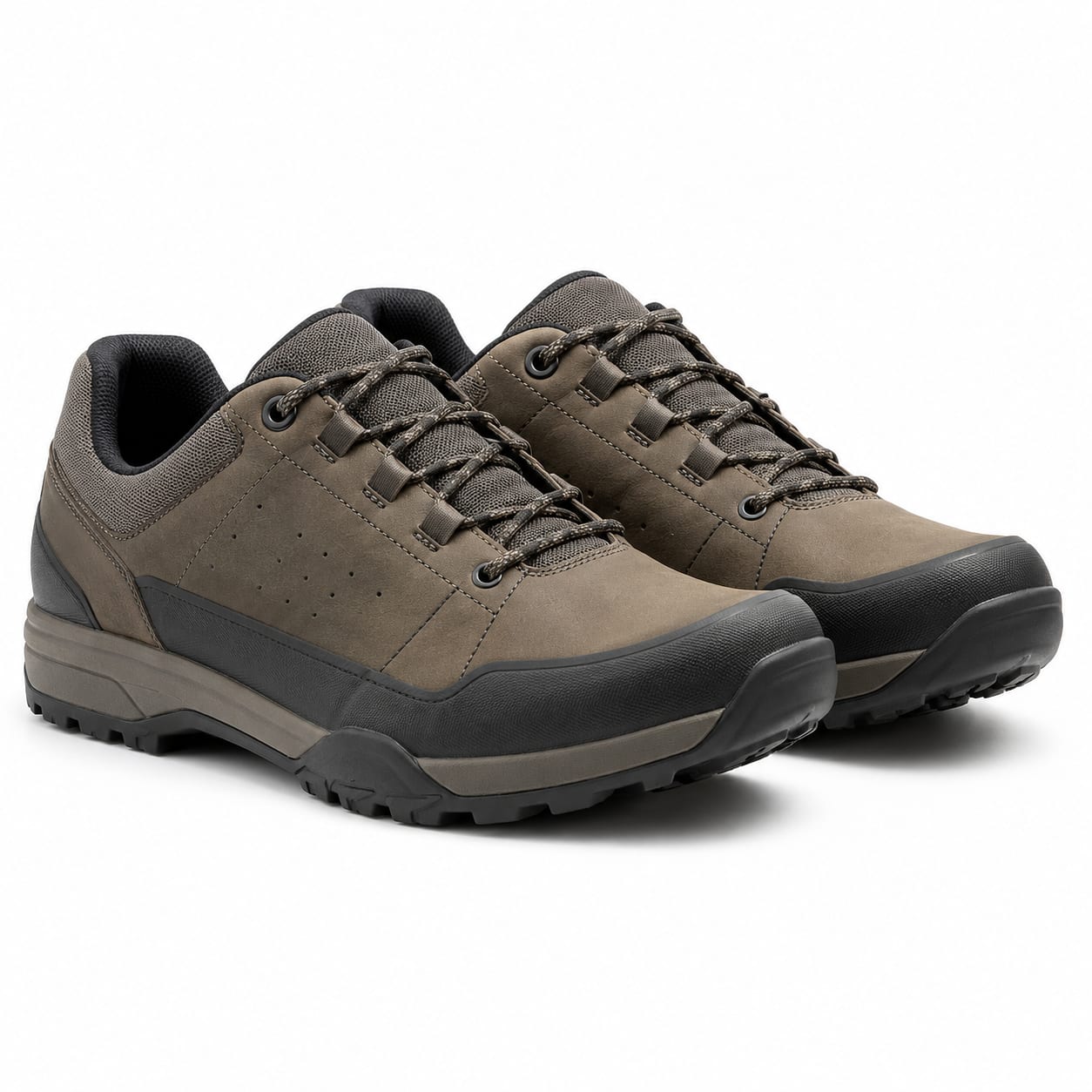
6 topics
Pick a question
Every answer links to the full subcategory guide and related gear types when it helps you decide.
Can I use touring shoes with road pedals and 3-bolt cleats?
No, touring shoes are designed for 2-bolt cleat systems (SPD, crankbrothers, Time ATAC) and do not have the mounting holes for 3-bolt road cleats. If you want to use road pedals, you need road or gravel shoes with 3-bolt compatibility. Some gravel shoes offer both 2-bolt and 3-bolt mounting options, but dedicated touring shoes are 2-bolt only.
Read answer →02Are touring shoes stiff enough for fast group rides and centuries?
Yes, for most riders. Touring shoes with stiffness indices of 5-8 provide adequate power transfer for sustained efforts at touring and endurance pace. You will notice some flex during all-out sprints compared to carbon road shoes, but for steady-state riding at century pace, the efficiency difference is minimal. Many riders complete fast centuries and gravel races in touring shoes without feeling disadvantaged.
Read answer →03How do I choose between laces and BOA dials for bikepacking?
Laces offer infinite adjustability, field-repairability (replaceable anywhere), and reliable performance in all conditions including freezing temperatures. BOA dials offer convenient on-the-fly adjustment, especially with gloved hands, and quick release at stops. For remote bikepacking where reliability is paramount, many riders prefer laces. For convenience and quick transitions, BOA is excellent. Hybrid systems (BOA at midfoot, lace or strap at forefoot) offer the best of both.
Read answer →04Do I need waterproof touring shoes for bikepacking?
It depends on your climate and tolerance for wet feet. Waterproof (GORE-TEX) shoes keep feet dry in rain and stream crossings but run hotter in warm conditions and can trap sweat. Many experienced bikepackers prefer non-waterproof shoes with merino wool socks and waterproof sock systems (like Sealskinz), which offer more versatility across temperature ranges. If you tour primarily in wet climates, waterproof shoes are worthwhile. For variable conditions, standard shoes with waterproof socks are more versatile.
Read answer →05How long do touring shoes typically last?
Touring shoes typically last 2-4 seasons of regular use, or roughly 15,000-30,000km depending on construction quality, riding conditions, and walking frequency. The most common failure points are tread wear (from walking on abrasive surfaces), upper delamination (from repeated wet/dry cycles), and BOA dial failure (if equipped). Nylon soles are extremely durable and rarely fail. Cleats should be replaced every 5,000-8,000km or when engagement feels sloppy.
Read answer →06Can I use flat pedals with touring shoes?
Technically yes, but it defeats the purpose. Touring shoes have recessed cleat areas that create a slight channel in the sole, reducing contact area with flat pedals. If you want to use flat pedals, choose shoes without cleat mounting or use dedicated flat-pedal shoes with sticky rubber soles. Some bikepackers carry flat pedals and swap them for hike-a-bike sections, but this adds complexity. The better solution is SPD pedals with platform bodies that work with both clipped and unclipped riding.
Read answer →