Kitvore.com

Kitvore.com

Specs that matter. Gear that fits.

Cycling Shoes · Subcategory

Touring / Bikepacking Shoes

Versatile cycling shoes built for long days in the saddle and confident off-bike exploration.

Touring and bikepacking shoes bridge the gap between pedaling efficiency and hiking capability, featuring recessed 2-bolt cleats, moderate sole stiffness, durable uppers, and tread patterns that handle rocky hike-a-bike sections as comfortably as they handle century rides.

$80 – $250mid tierintermediateadvanced

Best known for

Hike-a-bike capability with recessed cleats and aggressive treadAll-day comfort for multi-day tours and ultra-distance eventsVersatile 2-bolt cleat compatibility for walkable pedal systemsDurable construction that withstands abrasive terrain and weather
Touring / Bikepacking Shoes

Guide

Detailed overview

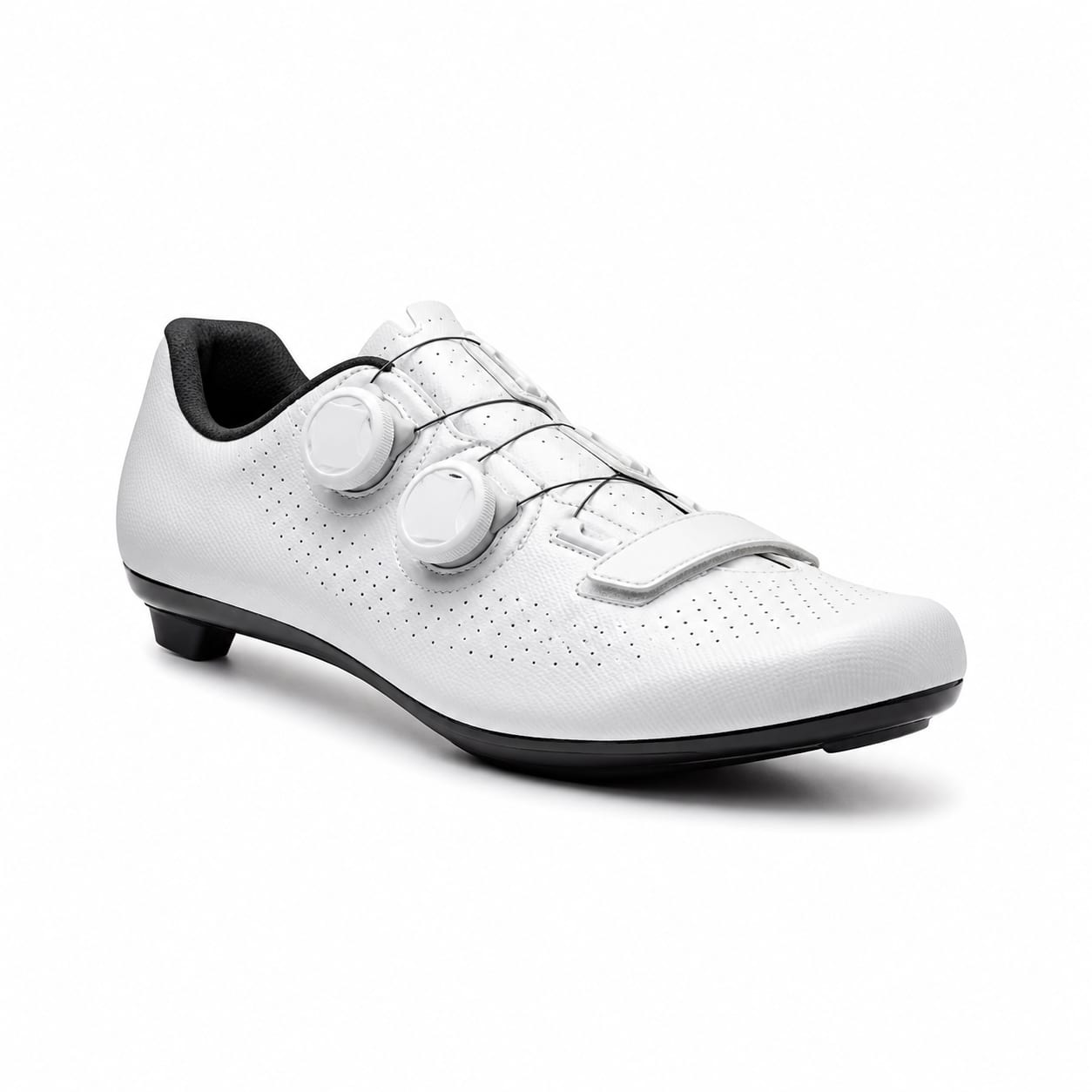
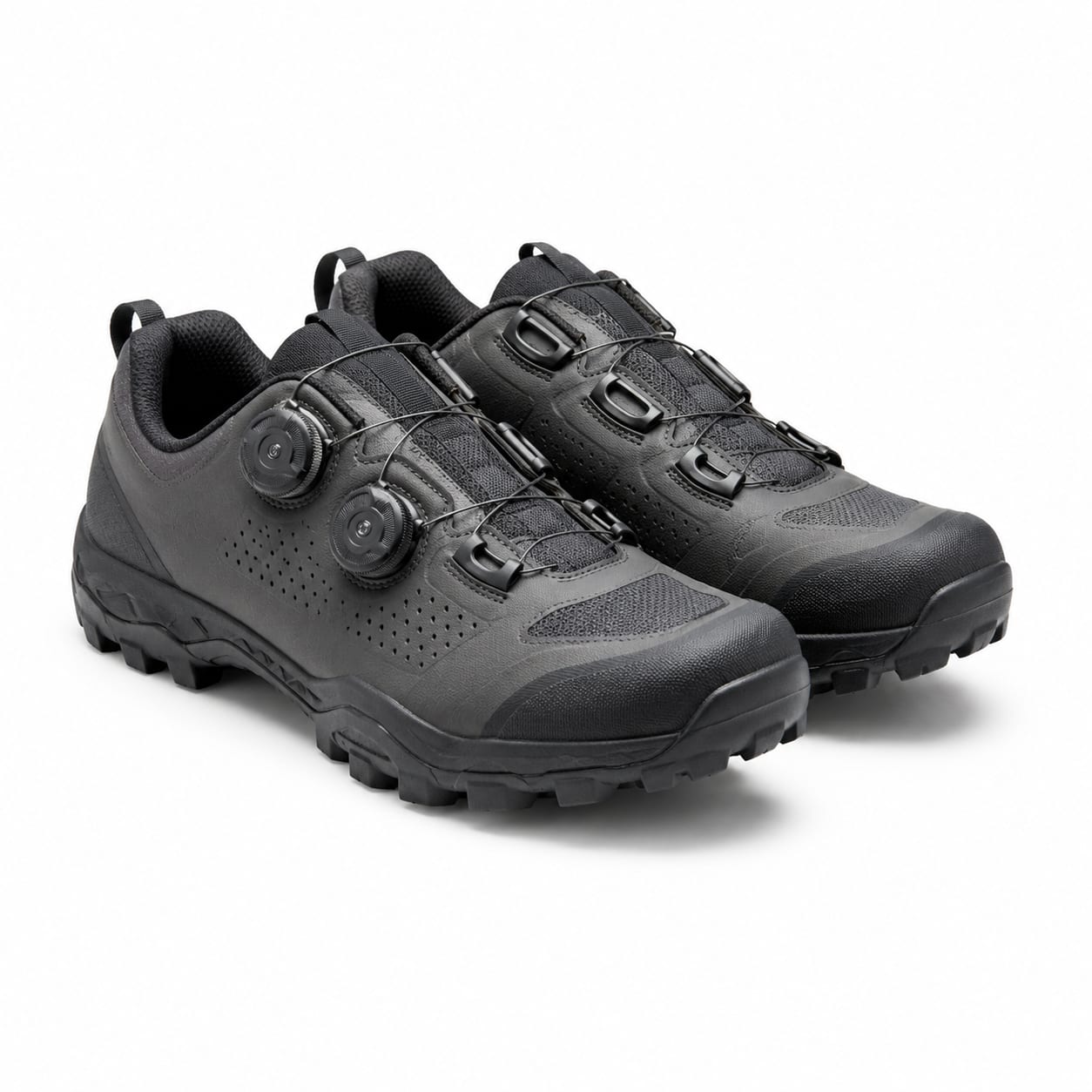
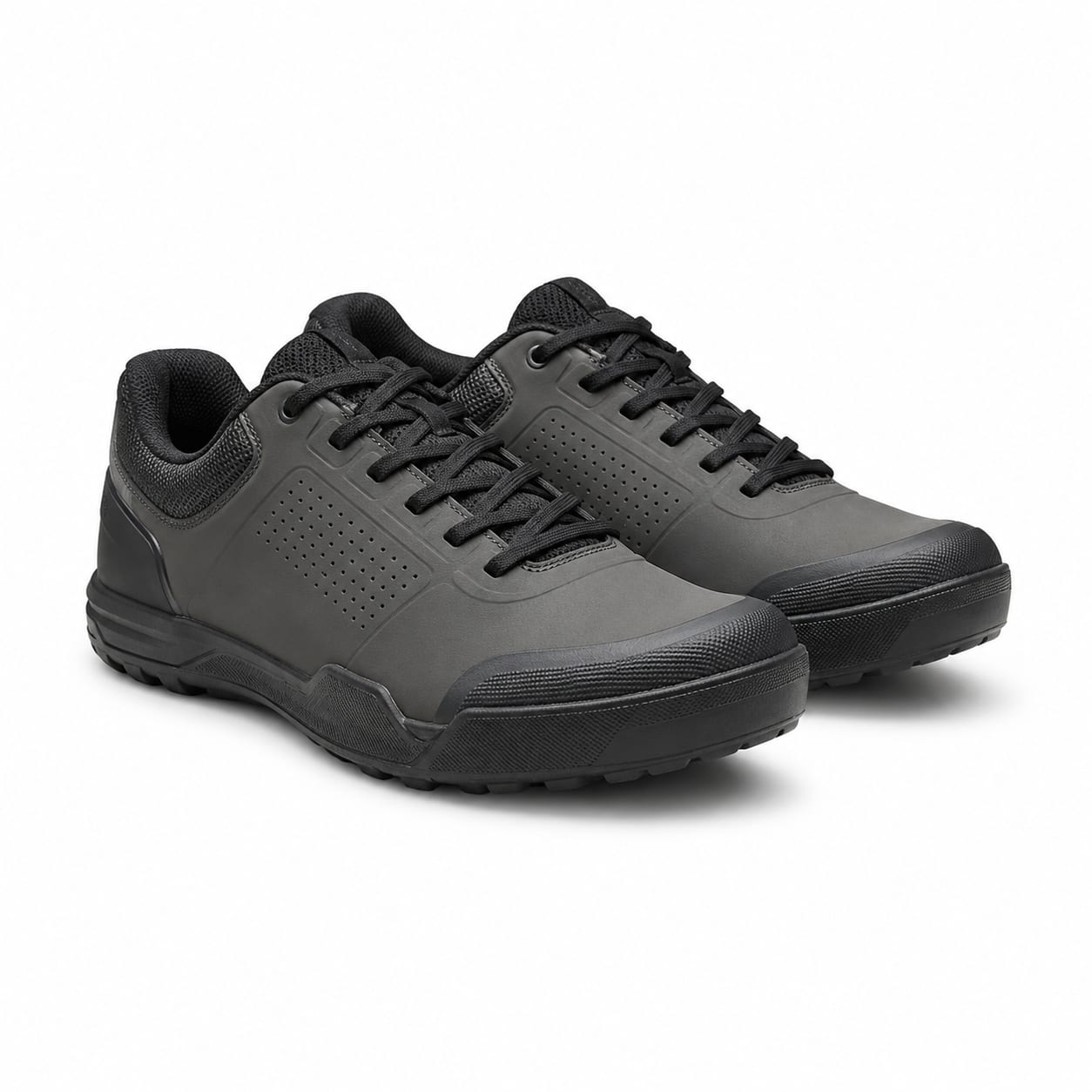
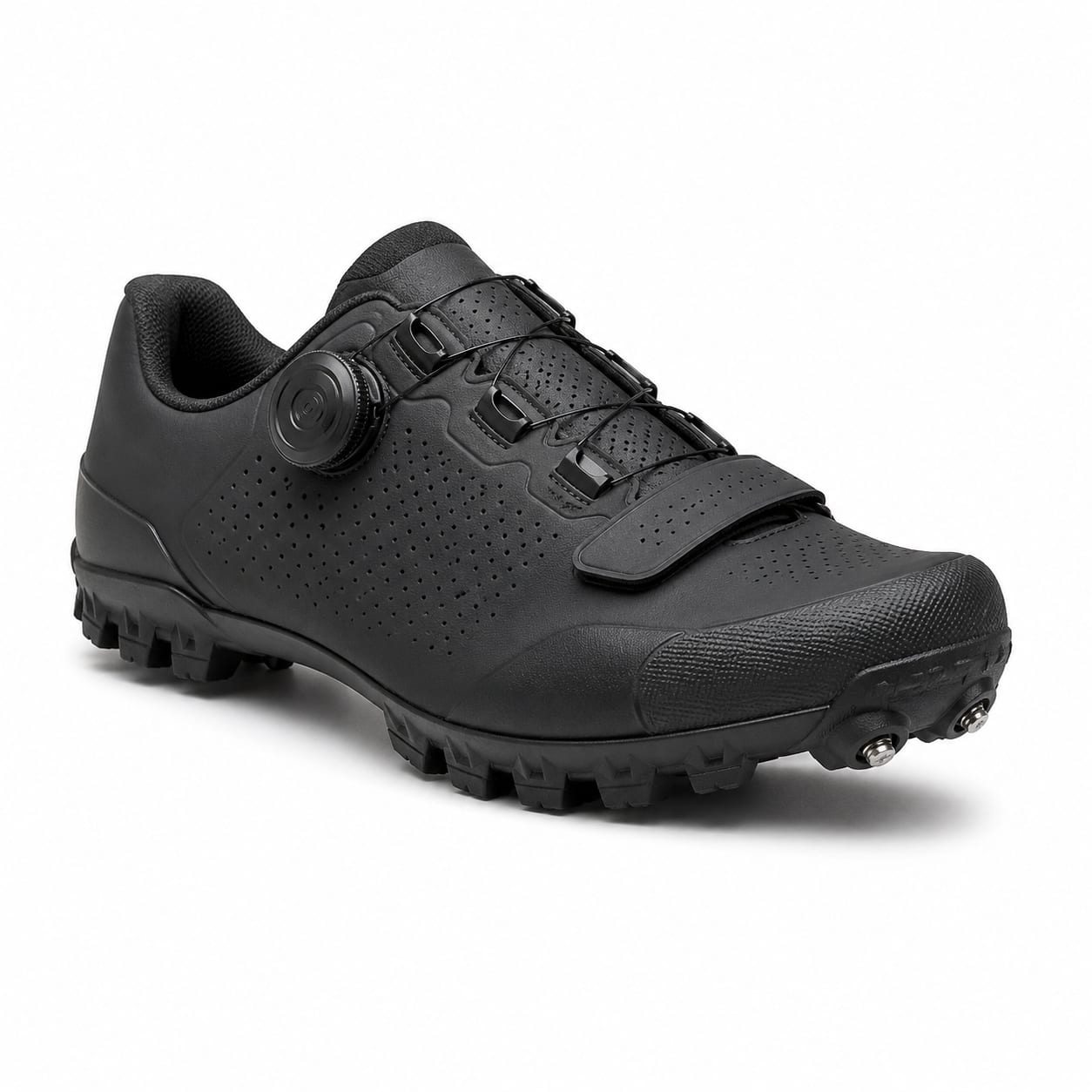
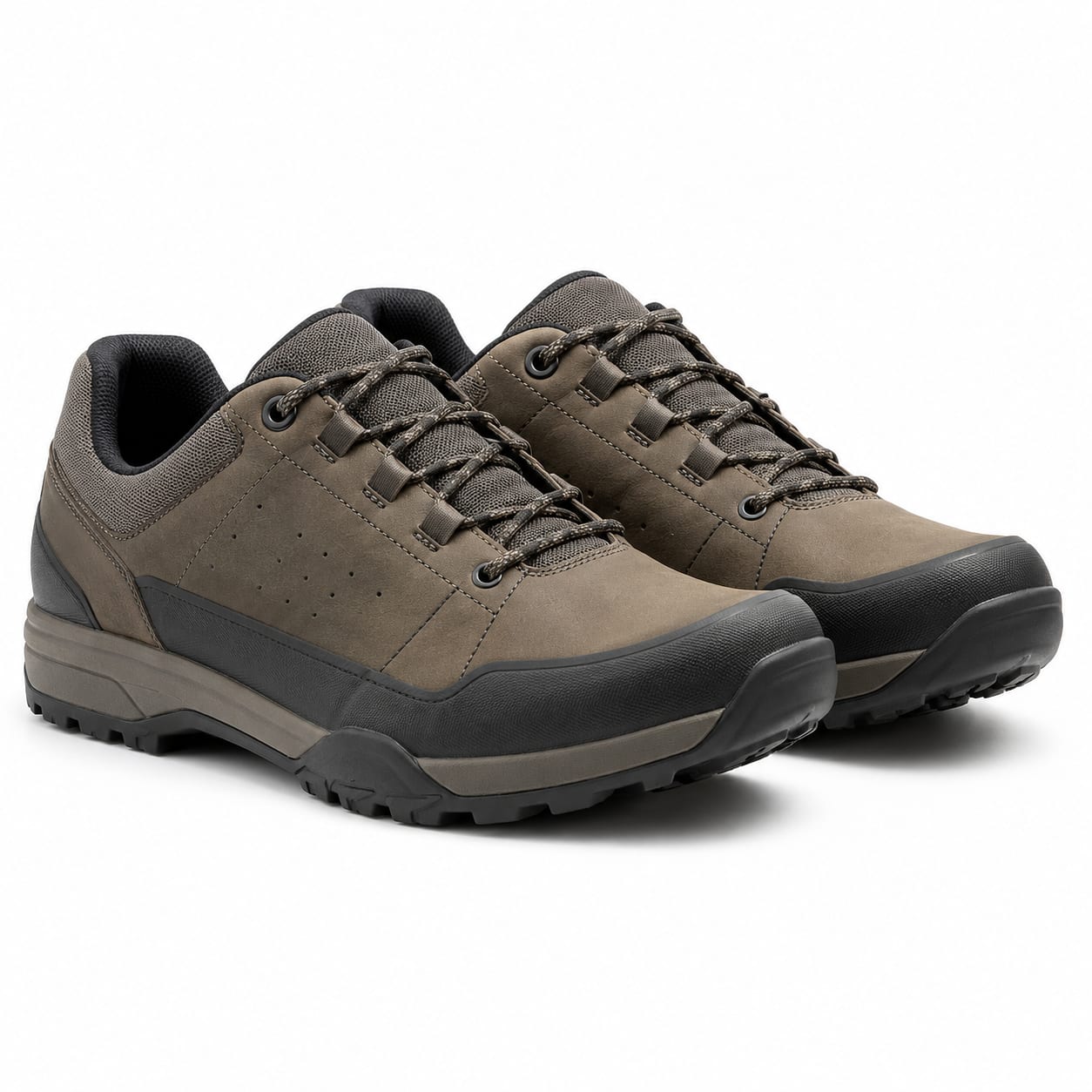
Touring and bikepacking shoes are designed for riders who spend long hours pedaling across varied terrain and need their footwear to perform equally well off the bike. Unlike road shoes that prioritize pure power transfer, or trail shoes built for aggressive descending, touring shoes occupy a pragmatic middle ground: stiff enough for efficient pedaling over hundreds of kilometers, yet flexible and grippy enough for scrambling up rocky hike-a-bike sections or walking into a grocery store in a small town. They almost universally use 2-bolt cleat systems (Shimano SPD, crankbrothers, Time ATAC) because the recessed cleat design allows natural walking without the awkward clacking and rapid cleat wear of exposed 3-bolt road cleats. Sole materials typically range from nylon composites to carbon-reinforced nylon, balancing stiffness for power transfer with enough flex for comfortable walking. Uppers prioritize durability and weather resistance over minimal weight, with many models featuring reinforced toe boxes, lace garages to keep laces away from chainrings, and water-resistant treatments. Closure systems vary from traditional laces (favored for field-repairability and infinite adjustability) to BOA dials (for on-the-fly micro-adjustment with gloved hands). The result is a shoe that may not win a sprint finish but will carry you across a continent comfortably.

Touring and bikepacking shoes represent a design philosophy rooted in self-sufficiency and adaptability. When you are days from the nearest bike shop, carrying everything you need on your frame, your footwear becomes a critical piece of survival equipment. A broken BOA dial or delaminated sole is not merely inconvenient—it can end a trip. This reality shapes every aspect of touring shoe design, from the choice of field-repairable laces over proprietary dial systems, to the use of proven nylon composites over exotic carbon soles that can crack on sharp rocks.

The sole is the defining feature of any touring shoe, and here the engineering challenge is clear: you need enough stiffness to prevent foot fatigue during 8+ hour pedaling days, but enough flex and tread to walk confidently on loose gravel, wet grass, or slippery stream crossings. Most touring shoes achieve this with a nylon or carbon-reinforced nylon midsole paired with aggressive rubber lugs. The stiffness index typically lands between 5 and 8—noticeably less than a road race shoe (10-14) but significantly more than a commuter sneaker (1-4). This moderate stiffness means you will feel some flex during hard sprint efforts, but on steady touring cadences the power transfer is more than adequate.

Upper construction in touring shoes prioritizes durability and weather management over breathability and weight savings. Synthetic leather and reinforced mesh are the most common materials, offering good abrasion resistance against pedal pins, frame bags, and rocky terrain. Some models incorporate water-resistant membranes or treatments, though fully waterproof shoes remain rare because breathability matters during long, hot climbing days. The toe box is typically wider and more anatomical than road shoes, accommodating foot swelling over long rides and allowing natural toe splay during hike-a-bike sections. Lace garages or elastic lace keepers are a small but critical detail that prevents laces from snagging on chainrings—a hazard unique to the varied cadence and walking movements of bikepacking.

Closure system choice in this category reveals the touring mindset more clearly than any other feature. Laces remain surprisingly popular despite being unfashionable in performance cycling, because they offer infinite adjustability across the forefoot, can be replaced with any shoelace in any town worldwide, and will never freeze or malfunction in cold, wet conditions. BOA dials have gained acceptance as their reliability has improved, and the ability to adjust fit with one hand while riding is genuinely useful when hands are cold or gloved. The best touring shoes often combine a single BOA dial at the midfoot with a lace or strap at the forefoot, giving riders both on-the-fly adjustability and the security of a non-proprietary backup system.

Fit considerations for touring shoes differ from race-oriented footwear. Feet swell significantly during multi-day tours, and a shoe that feels snug on day one may feel painfully tight by day four. Many experienced tourers recommend sizing up half a size or choosing a wider fit than they would for road shoes. The insole should provide good arch support to prevent plantar fasciitis on long consecutive riding days, and aftermarket insoles are a common and worthwhile upgrade. Heel retention matters less for the pure efficiency reasons cited in road cycling and more for preventing blisters from heel movement during thousands of pedal strokes per day.

Quick facts

Primary purpose
Providing reliable cycling performance with exceptional walking comfort for multi-day adventures
Popular brands
ShimanoGiroSpecializedBontragerLakeSidi
Typical terrain
paved roadsgravel roadsdirt trackscampgroundsvaried terrain

What makes it different

Optimized for all-day wear both on and off the bike; durability and comfort over multiple days takes priority over power transfer

Recommended ranges

How this type usually specs out

Each spec is explained in plain language, then we show what buyers usually look for on this type.

Discipline / Shoe Type

Shoe Type

What it means

The intended riding discipline and design philosophy of the shoe, which determines sole stiffness, tread, cleat mounting, and overall construction.

Typical for this type

Gravel, Mountain

In practice

Touring and bikepacking shoes are classified as gravel/adventure or mountain bike type, featuring 2-bolt cleat mounts, moderate tread, and a design philosophy that balances on-bike efficiency with off-bike capability.

Compared to other types

Unlike road shoes (smooth sole, exposed cleat, zero tread) or pure MTB shoes (aggressive tread, reinforced armor, heavier), touring shoes split the difference with moderate tread, recessed cleats, and a focus on all-day comfort over maximum power transfer or maximum protection.

Why it matters: The shoe type determines the fundamental design approach—sole stiffness, tread pattern, cleat mounting, and protection level. Touring demands the mixed-terrain versatility of gravel/MTB classification rather than the pure on-bike optimization of road shoes.

Cleat Compatibility

Cleat Compatibility

What it means

The bolt pattern on the shoe sole that determines which cleat and pedal systems can be mounted. This is the most fundamental compatibility requirement.

Typical for this type

2_bolt

In practice

Touring and bikepacking shoes almost exclusively use 2-bolt cleat systems (Shimano SPD, crankbrothers, Time ATAC) because the recessed cleat design allows natural walking without cleat damage or awkward gait.

Compared to other types

Road shoes use 3-bolt systems for maximum pedal contact area and stability. Commuter shoes also use 2-bolt but with more flexible soles. Touring shoes share the 2-bolt standard with MTB and gravel shoes but optimize the cleat pocket and surrounding tread for extended walking comfort.

Why it matters: The 2-bolt system is non-negotiable for touring because riders frequently walk on rough terrain, pavement, and indoor surfaces. Exposed 3-bolt road cleats would be destroyed within days of touring use and make walking dangerous on slippery surfaces.

Sole Material

Sole Material

What it means

The primary material of the shoe sole, which determines stiffness, weight, durability, and price. Stiffer soles transfer more power but reduce walkability and comfort.

Typical for this type

Nylon, Carbon Reinforced

In practice

Nylon composite soles are the most common in touring shoes, offering adequate stiffness for long-distance pedaling with enough flex for comfortable walking. Carbon-reinforced nylon appears in higher-end models for improved power transfer without sacrificing walkability.

Compared to other types

Road shoes use full carbon for maximum stiffness. Enduro MTB shoes use rubber/Vibram for grip and protection. Commuter shoes use EVA foam for walking comfort. Touring shoes choose nylon or carbon-reinforced nylon as the pragmatic middle ground.

Why it matters: Sole material directly determines the stiffness-walkability trade-off. Full carbon soles are too stiff for comfortable walking and can crack on rocky terrain. EVA foam soles are too flexible for efficient long-distance pedaling. Nylon hits the sweet spot for touring.

Sole Stiffness Index

Stiffness Index

What it means

A manufacturer-assigned or comparative rating of how resistant the sole is to flex under pedaling load. Higher numbers indicate stiffer soles that transfer more power.

Typical for this type

5-8

Most common pick: 6

In practice

Touring shoes typically rate 5-8 on manufacturer stiffness scales, providing enough rigidity for efficient all-day pedaling while retaining enough flex for comfortable walking and hike-a-bike sections.

Compared to other types

Road race shoes rate 10-14 for maximum power transfer. XC MTB shoes rate 7-10. Commuter shoes rate 1-4. Touring shoes sit between XC and commuter, prioritizing all-day comfort over sprint power.

Why it matters: Too stiff (9+) and walking becomes fatiguing, especially on uneven terrain. Too soft (1-4) and foot fatigue accumulates during long consecutive pedaling days. The 5-8 range balances multi-hour pedaling efficiency with off-bike mobility.

Closure System

Closure System

What it means

The mechanism used to secure the shoe to the foot, affecting fit precision, adjustability, speed of entry/exit, and reliability.

Typical for this type

Laces, Boa Dial

In practice

Laces are popular in touring shoes for their infinite adjustability, field-repairability, and reliability in all weather conditions. BOA dials are increasingly common for on-the-fly adjustability, especially with gloved hands in cold conditions.

Compared to other types

Road shoes overwhelmingly use BOA dials for precise fit. Triathlon shoes use single velcro straps for quick transitions. Touring shoes favor laces for reliability and adjustability, with BOA gaining acceptance as durability improves.

Why it matters: On a multi-week tour, a broken closure system can be trip-ending. Laces can be replaced anywhere in the world. BOA dials offer convenient micro-adjustment but require specific replacement parts. Many touring riders prefer laces or hybrid systems for this reason.

Weight per Pair

Weight (Pair)

What it means

The total weight of both shoes, typically measured in grams. Lighter shoes reduce rotational mass and can improve acceleration and climbing.

Typical for this type

650-900g

Most common pick: 750g

In practice

Touring shoes typically weigh 650-900g per pair, heavier than road race shoes due to tread, durable uppers, and reinforced construction, but lighter than enduro/downhill shoes with armor and ankle protection.

Compared to other types

Road race shoes weigh 400-550g. XC MTB shoes weigh 600-750g. Enduro shoes weigh 750-1000g. Touring shoes overlap with the lighter end of trail/enduro shoes, reflecting similar durability needs without the armor.

Why it matters: Weight matters less for touring than for racing, but rotational mass still affects fatigue over long days. The extra weight compared to road shoes comes from features that matter for touring: tread for walking, durable uppers for abrasion resistance, and reinforced construction for reliability.

Upper Material

Upper Material

What it means

The primary material of the shoe upper, affecting breathability, durability, water resistance, stretch, and overall comfort.

Typical for this type

Synthetic Leather, Gore Tex, Mesh Knit

In practice

Synthetic leather is the most common upper material for touring shoes, offering excellent durability, easy cleaning, and moderate weather resistance. GORE-TEX lined models are popular for wet-climate touring, while mesh panels appear in hot-weather models.

Compared to other types

Road shoes use microfiber or mesh for minimal weight and maximum breathability. Commuter shoes use synthetic leather or canvas for durability. Touring shoes prioritize abrasion resistance and weather versatility over minimal weight.

Why it matters: Touring shoes face more abuse than most cycling shoes—abrasion from frame bags, pedal pins, hike-a-bike terrain, and general rough handling. The upper material must withstand this while providing comfort across temperature ranges and weather conditions.

Width / Fit Profile

Width / Fit Profile

What it means

The volume and width of the shoe last (foot mold), which determines how the shoe accommodates different foot shapes. Critical for comfort and preventing numbness.

Typical for this type

Standard, Wide

In practice

Standard width is most common, but many touring shoes are available in wide fittings because feet swell during long consecutive riding days and comfort becomes more important than a race-tight fit.

Compared to other types

Road shoes often run narrow for aerodynamic fit. Commuter shoes tend toward standard or wide for comfort. Touring shoes lean toward standard or wide, with some brands offering specific wide models recognizing the comfort needs of long-distance riders.

Why it matters: Feet swell significantly during multi-day tours. A shoe that fits perfectly on day one may cause numbness or hot spots by day three. Touring riders often benefit from choosing a wider fit than they would for racing to accommodate this swelling.

Ventilation Level

Ventilation

What it means

The degree of airflow through the shoe upper and sole, affecting temperature regulation, moisture management, and comfort in different weather conditions.

Typical for this type

Moderate, Minimal

In practice

Moderate ventilation is typical for touring shoes, providing enough airflow for warm-weather riding while maintaining enough structure and weather resistance for unexpected rain or cold mountain passes.

Compared to other types

Road shoes often have high ventilation for summer racing. Winter shoes have minimal ventilation. Touring shoes favor moderate ventilation for the widest condition range, with some riders choosing GORE-TEX models for wet-climate tours.

Why it matters: Touring riders encounter widely varying conditions within a single day—from hot valley climbs to cold summit descents. Moderate ventilation provides versatility, while minimal ventilation models suit riders who regularly encounter wet or cold conditions and use waterproof socks or overshoes in warmth.

Heel Retention System

Heel Retention

What it means

Design features in the heel cup that prevent heel lift during the upstroke, ensuring efficient power transfer and stable foot positioning.

Typical for this type

Reinforced Heel, Standard Heel

In practice

Reinforced heel cups are common in touring shoes to prevent heel lift during long pedaling days and reduce blistering from repetitive movement. Standard heel cups appear in more casual models.

Compared to other types

Road race shoes use adjustable or integrated heel dials for maximum security. Commuter shoes use standard heel cups. Touring shoes typically use reinforced heel cups as a reliable, non-proprietary solution that will not fail in remote locations.

Why it matters: Heel lift causes blisters over thousands of pedal strokes per day. While touring riders do not sprint as aggressively as road racers, the sheer volume of pedaling makes heel security important for preventing hot spots and blisters on multi-day tours.

Sole Stack Height

Stack Height

What it means

The distance from the pedal axle to the bottom of the foot, determined by sole thickness and cleat design. Lower stack height improves pedaling efficiency and cornering clearance.

Typical for this type

10-15mm

Most common pick: 12mm

In practice

Touring shoes have higher stack heights than road shoes due to the tread and sole thickness needed for walking, typically ranging from 10-15mm compared to 5-8mm for road race shoes.

Compared to other types

Road shoes achieve 5-8mm stack height with thin carbon soles. XC MTB shoes range 8-12mm. Touring shoes sit at 10-15mm, similar to trail MTB shoes, reflecting the priority of walkability over minimal stack height.

Why it matters: Higher stack height is an inherent trade-off for walkability—the tread and sole cushioning that make walking comfortable add distance between the foot and pedal axle. For touring, this trade-off is worthwhile because off-bike mobility matters more than marginal pedaling efficiency gains.

Included Insole / Footbed

Insole Type

What it means

The type and quality of the footbed included with the shoe, which affects arch support, comfort, and the ability to customize fit.

Typical for this type

Contoured Ergonomic, Interchangeable Arch

In practice

Contoured ergonomic insoles are standard in touring shoes, providing arch support essential for preventing foot fatigue and plantar fasciitis during consecutive long riding days. Interchangeable arch inserts appear in premium models.

Compared to other types

Road race shoes include contoured or interchangeable arch insoles. Commuter shoes include basic flat insoles. Touring shoes typically include contoured ergonomic insoles, with many riders upgrading to aftermarket insoles for multi-day comfort.

Why it matters: On a multi-day tour, foot comfort directly determines ride enjoyment and completion. Poor arch support leads to plantar fasciitis, hot spots, and numbness that compound over days. The included insole quality matters more for touring than for shorter rides where discomfort is temporary.

Toe Box Shape

Toe Box Shape

What it means

The shape and volume of the front of the shoe where the toes sit, affecting comfort, toe splay, and prevention of numbness or bunions.

Typical for this type

Rounded Standard, Wide Anatomical

In practice

Rounded standard toe boxes are most common, with wide anatomical options increasingly popular for touring because feet swell during long rides and toe splay matters during hike-a-bike sections.

Compared to other types

Road shoes often use pointed/tapered toe boxes for aerodynamics. Commuter shoes use rounded standard. Touring shoes favor rounded or wide anatomical toe boxes, recognizing that long-distance comfort trumps aesthetics.

Why it matters: Toe numbness from a constricted toe box compounds over hours and days of riding. A wider toe box also improves balance and comfort during off-bike hiking. Touring riders should prioritize toe box comfort over the sleek appearance of tapered designs.

Ankle Coverage

Ankle Coverage

What it means

How high the shoe extends above the ankle bone, affecting protection, support, weather resistance, and range of motion.

Typical for this type

Low Cut, Mid Ankle

In practice

Low-cut below-ankle is the most common design for touring shoes, maximizing ankle mobility for walking and pedaling. Mid-ankle models are available for riders who want additional protection from pedal strikes, debris, and brush on overgrown trails.

Compared to other types

Road and XC shoes are low-cut for maximum ankle freedom. Enduro and downhill shoes are mid-ankle or high-ankle for protection. Touring shoes are predominantly low-cut, with mid-ankle options for rougher bikepacking routes.

Why it matters: Ankle coverage involves a direct trade-off between protection and mobility. Low-cut shoes allow full ankle range of motion for hike-a-bike scrambling. Mid-ankle shoes protect from pedal strikes and trail debris but slightly restrict movement. Most touring riders prioritize mobility.

Walkability Rating

Walkability

What it means

How easily and comfortably you can walk in the shoes off the bike, determined by sole flexibility, tread pattern, and cleat recess.

Typical for this type

Moderate, High

In practice

Moderate walkability is the standard for touring shoes, with recessed cleats, decent tread, and slightly flexible soles that handle cafe stops, grocery runs, and moderate hike-a-bike sections comfortably. Some models offer high walkability with more flexible soles and aggressive tread.

Compared to other types

Road shoes have no walkability. XC MTB shoes have limited walkability. Commuter shoes have high walkability. Touring shoes occupy the moderate-to-high range, closer to commuter shoes than road shoes, reflecting the importance of off-bike mobility.

Why it matters: Walkability is arguably the defining feature of touring shoes. Road shoes are essentially unwalkable. Touring shoes must handle everything from paved walking to rocky scrambling. The moderate-to-high walkability range reflects the reality that touring riders spend significant time off the bike.

Heat Moldable Upper/Sole

Heat Moldable

What it means

Whether the shoe upper, sole, or both can be heat-molded to customize the fit to the rider's foot shape.

Typical for this type

False, True

In practice

Most touring shoes are not heat moldable, prioritizing proven durability over custom fit. Some premium models from brands like Bont and Lake offer heat moldability for riders with specific fit needs.

Compared to other types

Road race shoes are more commonly heat moldable for performance fit optimization. Commuter shoes rarely offer heat molding. Touring shoes generally skip this feature for simplicity and durability, though it is available in some premium models.

Why it matters: Heat moldability can improve comfort for riders with unique foot shapes, but the process requires careful temperature control that may not be available during a tour. Most touring riders achieve adequate fit through width options and aftermarket insoles rather than heat molding.

Gender-Specific Design

Gender Design

What it means

Whether the shoe is built on a gender-specific last, which accounts for typical differences in foot shape, volume, and proportions.

Typical for this type

Unisex, Mens, Womens

In practice

Many touring shoes are offered in unisex sizing, though an increasing number of brands provide women-specific models with narrower heels and lower overall volume. The best choice depends on individual foot shape rather than gender labeling.

Compared to other types

Road shoes are commonly available in gender-specific designs. Commuter shoes are often unisex. Touring shoes are mixed—many popular models are unisex, but brands like Shimano, Lake, and Giro offer women-specific touring shoes with appropriate last shapes.

Why it matters: Proper fit is critical for touring comfort. Women with narrower heels may find unisex shoes cause heel slip and blisters over long days. Women-specific models with narrower heels and lower volume can significantly improve comfort on multi-day tours.

Evaluation

Strengths and trade-offs

Pros

What this type does best

Excellent hike-a-bike capability

Critical

Recessed 2-bolt cleats, aggressive tread, and moderate sole flex allow confident walking on rough terrain, stream crossings, and steep hike-a-bike sections that would be impossible in road shoes.

All-day comfort for long-distance riding

Critical

Moderate stiffness, contoured insoles, and accommodating fit prevent the foot fatigue and numbness that accumulate during 8+ hour riding days across consecutive tour days.

Field-repairable and reliable construction

High

Lace closures can be replaced anywhere, nylon soles resist cracking, and durable uppers withstand abrasion. When you are days from a bike shop, reliability is worth more than performance.

Versatile across terrain and conditions

High

One pair of touring shoes handles paved roads, gravel, dirt, and moderate singletrack, plus walking into restaurants, shops, and campsites without needing to change footwear.

2-bolt cleat compatibility with walkable pedals

High

SPD and similar 2-bolt systems allow dual-sided entry, mud shedding, and walking capability. The pedals themselves are also more robust and field-serviceable than road pedal systems.

Durable uppers resist tour abuse

Medium

Synthetic leather and reinforced mesh uppers withstand abrasion from frame bags, pedal pins, and hike-a-bike terrain far better than the lightweight mesh uppers of road shoes.

Lace garages prevent chainring snags

Medium

Many touring shoes include elastic lace keepers or garages that tuck laces away from the drivetrain, addressing a specific hazard of varied cadence and walking movements in bikepacking.

Cons

Trade-offs to be aware of

Reduced power transfer compared to road shoes

Moderate

The moderate sole stiffness that enables comfortable walking means noticeable flex during hard sprint or climbing efforts. Riders accustomed to carbon road soles will feel the power loss during high-intensity efforts.

Heavier than road and XC race shoes

Minor

Tread, durable uppers, and reinforced construction add 150-300g per pair compared to road race shoes. The rotational mass is noticeable during accelerations and long climbs, though less significant at touring cadences.

Limited high-performance model selection

Moderate

The touring shoe market is smaller than road or MTB, meaning fewer models, fewer color options, and less frequent updates. Riders seeking specific features may have limited choices compared to other categories.

Compromised in extreme conditions

Moderate

Moderate ventilation means touring shoes can be too hot in desert conditions and too cold in winter. They are not as breathable as mesh road shoes or as weatherproof as dedicated winter boots. Overshoes or waterproof socks are often needed for wet conditions.

Tread wear from extensive pavement walking

Minor

The rubber lugs that provide grip on dirt and rock will wear down faster with extensive walking on abrasive pavement. Riders who do significant urban walking on tour may find tread life shorter than expected.

Best for

Surfaces & terrain

Mixed pavement and gravelFire roads and double trackModerate singletrackBikepacking race routesTranscontinental tour routes

Riding conditions

Variable weather toursMulti-day ridesRoutes with hike-a-bike sectionsMixed-surface ridingSelf-supported racing

Skill level

IntermediateAdvancedExpert

Riding discipline

BikepackingTouringGravel ridingAdventure cyclingUltra-distance cycling

Rider profile

Self-supported tourers carrying their own gearBikepackers riding off-pavement routesUltra-distance racers in events like Transcontinental Race or Tour DivideGravel riders who frequently dismount for obstaclesCycle tourists visiting towns and attractions along their route

Not ideal for

Reasons

Too much sole flex and tread for competitive road racing where every watt mattersInsufficient ankle protection and armor for aggressive downhill ridingOverbuilt and heavy for casual paved-path riding where a commuter shoe would suffice2-bolt cleat system limits pedal options for road-specific power meter setups

Surfaces & terrain

Smooth road racing circuitsDownhill mountain bike trailsBMX tracks

Skill level

Beginner riders who primarily ride paved paths

Riding discipline

Road racingTime trialingTrack cyclingDownhill mountain bikingIndoor spin classes

Compare

How it stacks up

This page

Touring / Bikepacking Shoes

Walkable recessed cleats, durable construction, and all-day comfort for touring. Can handle hike-a-bike, grocery runs, and rough terrain that road shoes cannot.

Alternative

Road Cycling Shoes

Maximum power transfer with ultra-stiff carbon soles, minimal weight, aerodynamic design, and 3-bolt cleat stability for pure road riding efficiency.

Bottom line

Choose touring shoes if you ever walk off the bike or ride mixed terrain. Choose road shoes only if you ride exclusively on pavement and never need to walk more than a few steps.

This page

Touring / Bikepacking Shoes

Lighter weight, more efficient pedaling for long distances, and less restrictive for all-day comfort. Touring shoes prioritize distance over protection.

Alternative

Mountain Bike (Trail/Enduro) Shoes

Superior foot protection from pedal strikes, ankle coverage options, more aggressive tread for technical hiking, and armor for crash resistance.

Bottom line

Choose touring shoes for long-distance mixed-terrain riding where efficiency matters. Choose trail/enduro shoes for aggressive descending where foot protection and grip are priorities.

This page

Touring / Bikepacking Shoes

Better pedaling efficiency with stiffer soles, more secure fit for long distances, and features like lace garages and reinforced construction designed for serious riding.

Alternative

Commuter / Urban Shoes

Sneaker-like comfort for extensive walking, casual styling for office wear, and lower price points. Commuter shoes are more comfortable for all-day walking.

Bottom line

Choose touring shoes for rides over 2 hours or multi-day trips. Choose commuter shoes for short urban commutes where walking comfort and casual appearance matter more than pedaling efficiency.

This page

Touring / Bikepacking Shoes

More durable construction, better walkability for extended hike-a-bike, and features like lace garages and weather resistance designed for self-supported riding rather than supported racing.

Alternative

Gravel Race Shoes

Lighter weight, stiffer soles for racing, and more aerodynamic designs optimized for gravel race performance rather than multi-day comfort.

Bottom line

Choose touring shoes for multi-day self-supported rides where reliability and comfort matter. Choose gravel race shoes for competitive gravel events where speed is the priority.

Shopping

Buying tips

  • 1

    Size up half a size or choose a wider fit than your road shoes—feet swell significantly during multi-day tours, and a shoe that feels perfect on day one may cause numbness by day three.

  • 2

    Prioritize lace closures or hybrid lace-plus-BOA systems for field repairability. A broken BOA dial in rural Mongolia is a problem; a broken lace is a 30-second fix with any cord.

  • 3

    If choosing BOA dials, carry a spare dial in your repair kit. They are lightweight, and most can be swapped in the field with a coin or hex key.

  • 4

    Test walkability before committing—walk on concrete, gravel, and wet grass in the store. If the cleat clicks on the floor or the tread feels slippery, keep looking.

  • 5

    Consider GORE-TEX or water-resistant models if touring in wet climates like the UK, Pacific Northwest, or Patagonia. For hot-climate touring, prioritize mesh ventilation and moisture-wicking liners.

  • 6

    Check for lace garages or elastic lace keepers—this small feature prevents a dangerous chainring snag that can occur when walking or mounting the bike with loose laces.

  • 7

    Invest in quality aftermarket insoles (Superfeet, Specialized Body Geometry, or custom orthotics) if the included insoles lack adequate arch support. This upgrade matters more for touring than any other discipline.

  • 8

    If you ride in cold conditions, verify that the shoe can accommodate thick merino socks without becoming too tight. Some riders need to size up specifically for winter touring with heavy socks.

Care

Maintenance notes

  • Clean tread and cleat area regularly—packed mud and gravel can prevent cleat engagement and accelerate cleat wear. Use a stiff brush and water after muddy rides.
  • Inspect and replace cleats proactively. Worn cleats cause unpredictable release and are dangerous. Carry spare cleats on long tours, especially in remote areas where replacements are unavailable.
  • Dry shoes thoroughly after wet rides by removing insoles and stuffing with newspaper. Never place wet shoes near direct heat sources like radiators or campfires, which can warp soles and damage uppers.
  • Treat synthetic leather uppers with a water-repellent spray annually to maintain water resistance. This is especially important for shoes used in wet-climate touring.
  • Check and tighten cleat mounting bolts periodically—they can loosen from walking vibration over long tours. Apply a small amount of thread-locking compound during installation.
  • Replace worn tread lugs are not replaceable, so monitor wear and replace shoes before tread becomes dangerously smooth for hiking on wet terrain.
  • If using BOA dials, occasionally clean the dial mechanism with compressed air and check that the lace routes smoothly. Carry a spare dial on extended tours.

Progression

Skill development path

Touring/bikepacking shoes are suitable for intermediate to advanced riders who have committed to clipless pedal systems and understand the trade-offs between walkability and pedaling efficiency. Beginners new to clipless should start with SPD pedals and touring-style shoes because the recessed cleat and walkable design reduce the consequences of the inevitable learning falls. As riders progress to longer tours and more remote routes, they learn to value reliability and field-repairability over marginal performance gains. Experienced bikepackers often develop strong preferences for specific closure systems, sole stiffness levels, and tread patterns based on their typical terrain—rocky hike-a-bike demands aggressive tread, while primarily paved touring can tolerate smoother soles. The ultimate progression is understanding that the best touring shoe is the one you forget you are wearing, whether pedaling 200km or scrambling up a talus slope with your bike on your shoulder.

FAQ

Common questions

Each question has a dedicated page with a full answer and links to the buying guide.

Can I use touring shoes with road pedals and 3-bolt cleats?

No, touring shoes are designed for 2-bolt cleat systems (SPD, crankbrothers, Time ATAC) and do not have the mounting holes for 3-bolt road cleats. If you want to use road pedals, you need road or gravel shoes with 3-bolt compatibility. Some gravel shoes offer both 2-bolt and 3-bolt mounting options, but dedicated touring shoes are 2-bolt only.

Are touring shoes stiff enough for fast group rides and centuries?

Yes, for most riders. Touring shoes with stiffness indices of 5-8 provide adequate power transfer for sustained efforts at touring and endurance pace. You will notice some flex during all-out sprints compared to carbon road shoes, but for steady-state riding at century pace, the efficiency difference is minimal. Many riders complete fast centuries and gravel races in touring shoes without feeling disadvantaged.

How do I choose between laces and BOA dials for bikepacking?

Laces offer infinite adjustability, field-repairability (replaceable anywhere), and reliable performance in all conditions including freezing temperatures. BOA dials offer convenient on-the-fly adjustment, especially with gloved hands, and quick release at stops. For remote bikepacking where reliability is paramount, many riders prefer laces. For convenience and quick transitions, BOA is excellent. Hybrid systems (BOA at midfoot, lace or strap at forefoot) offer the best of both.

Do I need waterproof touring shoes for bikepacking?

It depends on your climate and tolerance for wet feet. Waterproof (GORE-TEX) shoes keep feet dry in rain and stream crossings but run hotter in warm conditions and can trap sweat. Many experienced bikepackers prefer non-waterproof shoes with merino wool socks and waterproof sock systems (like Sealskinz), which offer more versatility across temperature ranges. If you tour primarily in wet climates, waterproof shoes are worthwhile. For variable conditions, standard shoes with waterproof socks are more versatile.