
Gravel Bike · FAQ
Questions about Aero Gravel
Straight answers on fit, specs, and when this type makes sense — each topic has its own page with links back to the buying guide.
Open Aero Gravel guide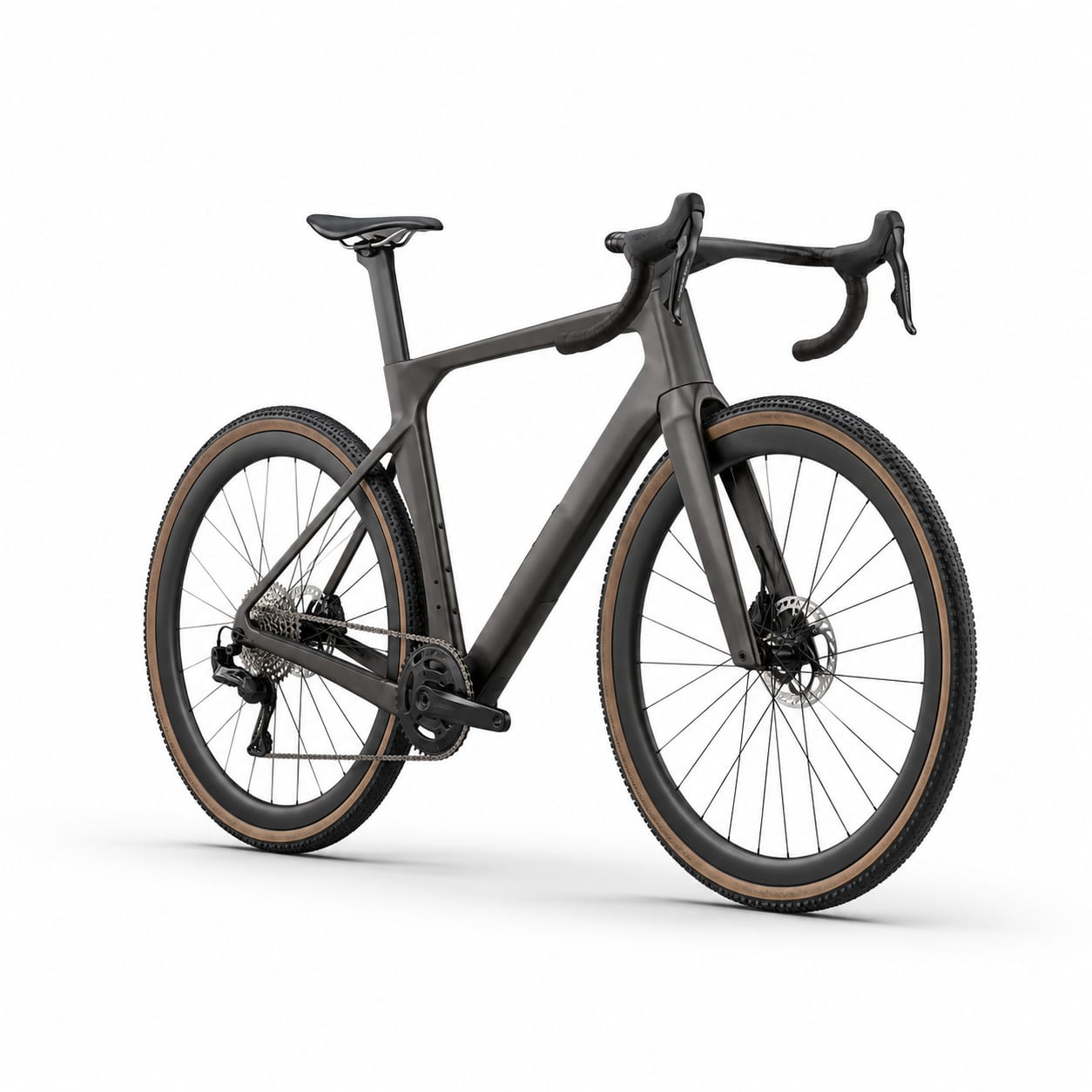
6 topics
Pick a question
Every answer links to the full subcategory guide and related gear types when it helps you decide.
How much faster is an aero gravel bike compared to a regular gravel bike?
Aero gravel frames typically save 5-15 watts at 35-40 km/h compared to round-tubed gravel frames. Over a 200km race at 33 km/h average, this translates to roughly 2-5 minutes of time savings, depending on wind conditions and rider position. The rider's position matters more than the frame—aero gravel bikes encourage a lower position that can save an additional 10-20 watts. Combined, the bike and position advantage can be 15-30 watts, which is significant in competitive events.
Read answer →02Can I use an aero gravel bike for bikepacking?
It's possible but not ideal. Aero gravel bikes have minimal mounting points (typically 4-8), limited tire clearance (35-42mm), and short chainstays that restrict frame bag space. You can do supported events or lightweight overnight trips with a saddle bag and handlebar roll, but self-supported multi-day touring with full bikepacking kit is better served by adventure or bikepacking-specific gravel bikes with more mounts and wider tire clearance.
Read answer →03Are integrated cockpits worth the loss of adjustability?
It depends on your priorities. Integrated cockpits save 3-8 watts, look cleaner, and reduce cable clutter. If the stock dimensions fit you well, they're excellent. However, if you're between sizes, have unusual proportions, or anticipate changing your fit over time, the inability to swap stem length or bar width independently is a real limitation. Some manufacturers offer modular integration—separate bar and stem with hidden hardware—that provides aero benefits with more adjustability. Consider this a key factor in your purchase decision.
Read answer →04What tire width should I run on an aero gravel bike?
For most aero gravel bikes, 38-40mm tires represent the sweet spot—wide enough for comfort and grip on moderate gravel, not so wide that they exceed the frame's aero-optimized clearance or add excessive rolling resistance. If your bike clears 42mm, run that for rougher events. For smooth gravel racing, 35-38mm may be faster. Always leave 4-6mm of clearance between the tire and frame to account for mud accumulation and tire growth at lower pressures.
Read answer →05Is an aero gravel bike comfortable enough for long rides?
Comfort depends on your flexibility, the specific bike's compliance features, and tire pressure. The aggressive position can cause neck, shoulder, and hand discomfort for riders lacking core strength or flexibility. However, modern aero gravel bikes incorporate compliance through seatpost design, carbon layup tuning, and tire volume. With 38-40mm tires at appropriate pressures (25-35 psi for a 70kg rider) and a compliance seatpost, most riders can comfortably complete 6-8 hour events. If you have existing back or neck issues, consider a less aggressive gravel bike.
Read answer →06Can I put a suspension fork on an aero gravel bike?
Generally no. Aero gravel frames are designed around rigid forks with specific axle-to-crown measurements and aero blade profiles. Installing a suspension fork would change the geometry (raising the front end and slackening the head angle), add 400-600g, and eliminate the aerodynamic advantage the frame was built around. If you need suspension, you're better served by an all-road or adventure gravel bike designed to accommodate it from the start.
Read answer →