Kitvore.com

Kitvore.com

Specs that matter. Gear that fits.

Gravel Bike · Subcategory

Aero Gravel

Speed-focused gravel bikes with aerodynamically optimized frames for riders who race and ride fast on mixed surfaces.

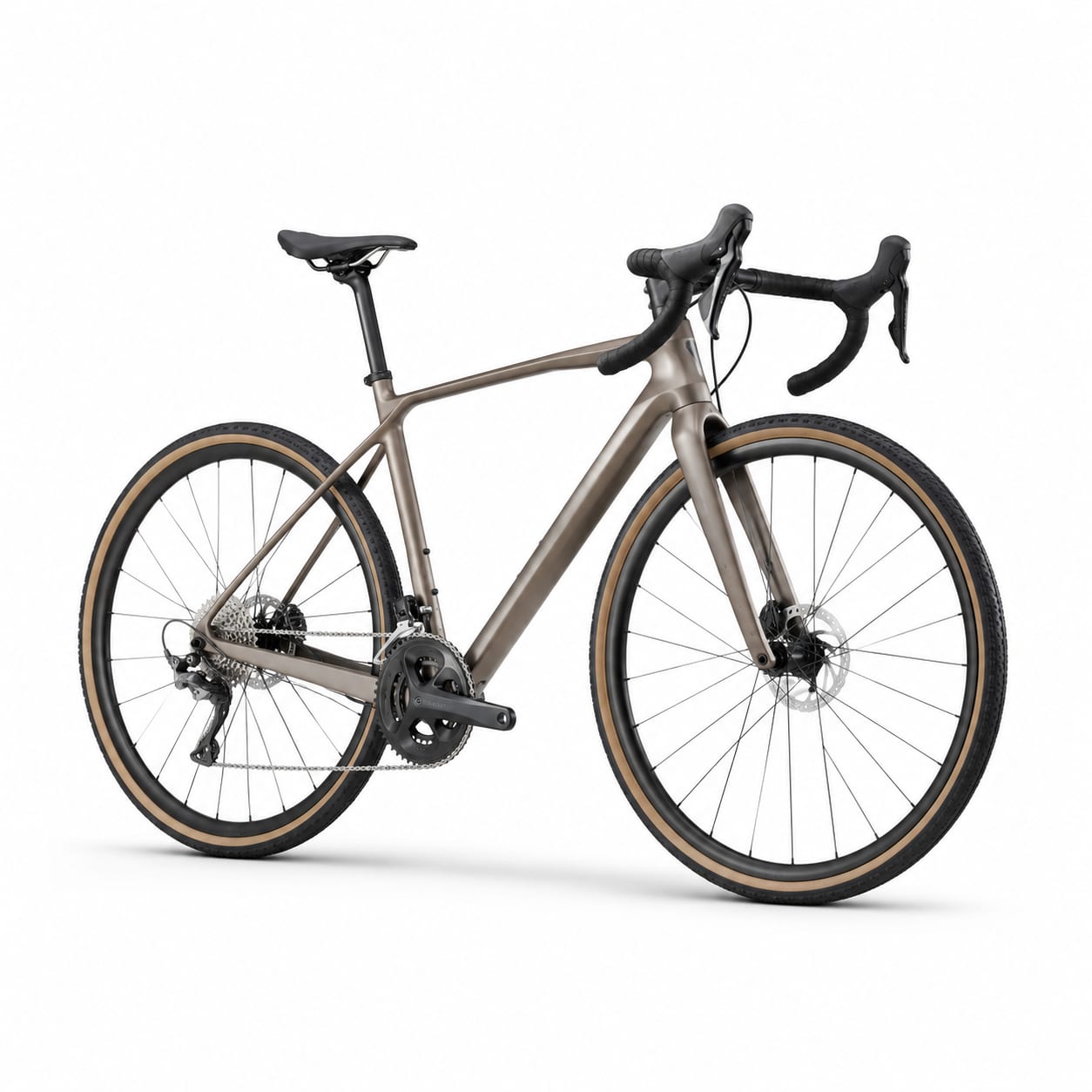
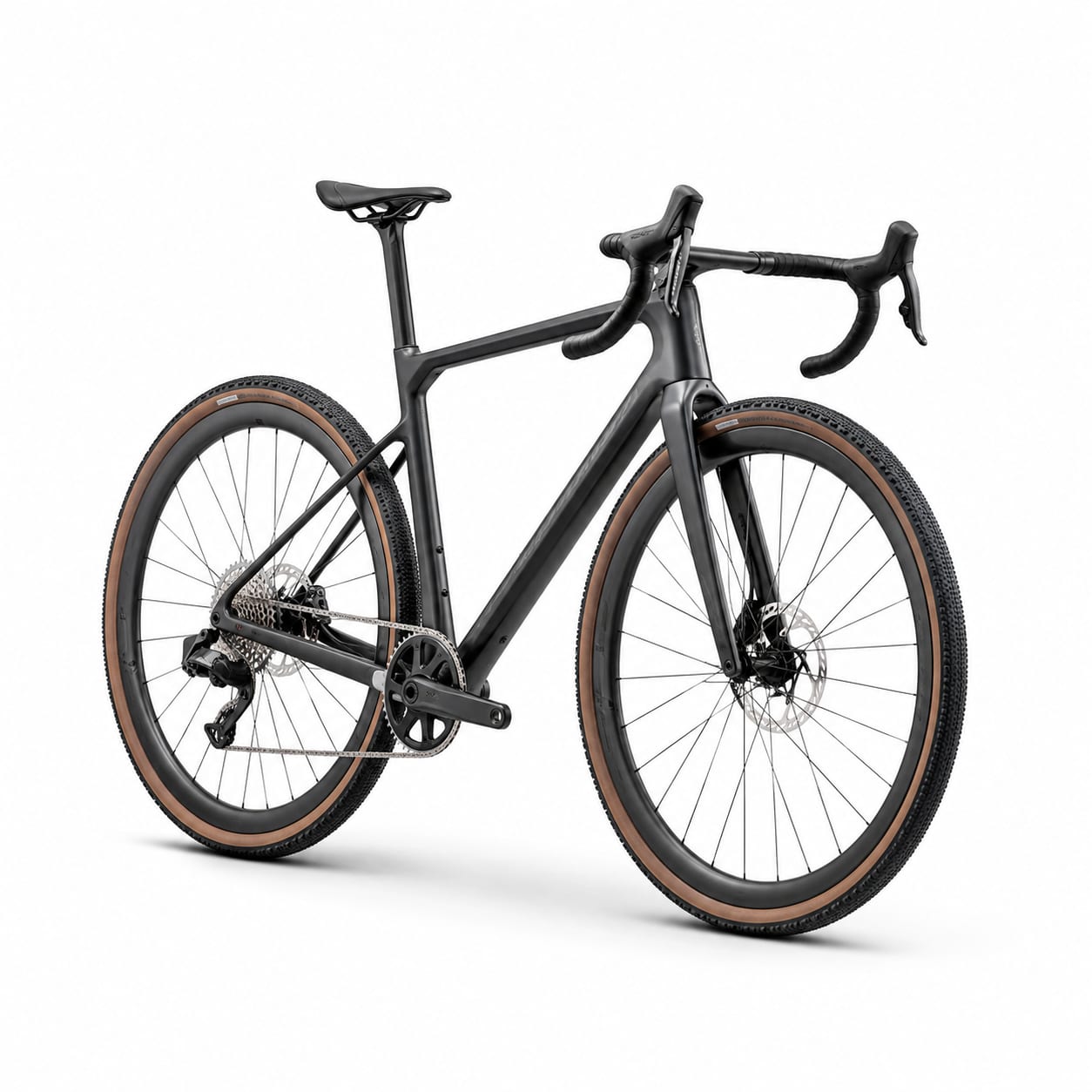
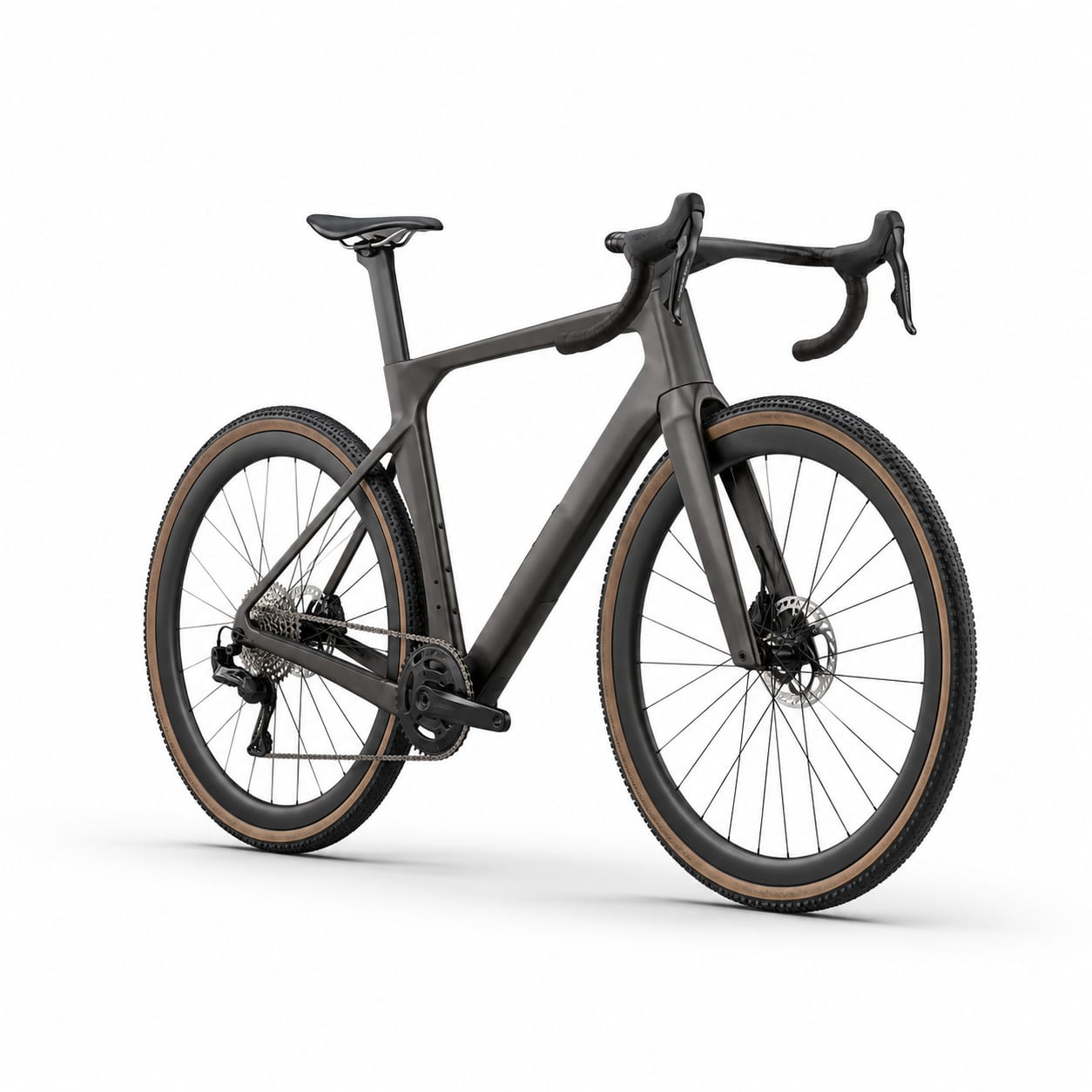
Aero gravel bikes merge wind-tunnel-tested tube shapes and integrated cockpits with off-road capability, creating the fastest gravel platforms available. Designed for gravel racing, fast group rides, and riders who prioritize speed without abandoning dirt-road versatility, these bikes sacrifice some tire clearance and mounting points in exchange for free watts and razor-sharp handling.

$3000 – $12000premium tieradvancedexpert

Best known for

Aerodynamically optimized tube profiles (Kammtail, truncated airfoils)Integrated cockpits and hidden cable routingLower, more aggressive riding positionsGravel race performance and high-speed efficiencyMinimalist aesthetic with clean lines
Aero Gravel

Guide

Detailed overview

Aero gravel bikes represent the racing end of the gravel spectrum, applying road aerodynamic principles to mixed-surface machines. These bikes feature truncated airfoil tube shapes—often called Kammtails—that maintain aerodynamic efficiency across varying yaw angles while meeting structural and compliance requirements. Internal cable routing through the headset and frame, integrated bar/stem combos, and sculpted seatpost clamps all contribute to drag reduction. The result is a gravel bike that saves measurable watts at racing speeds, typically claiming 5-15 watts savings compared to round-tubed gravel frames at 35-40 km/h. However, these aero optimizations come with trade-offs: tire clearance is often limited to 35-42mm (versus 45-50mm+ on all-road or adventure gravel bikes), mounting points are minimal, and maintenance access can be more challenging due to integrated designs. The riding position is lower and more aggressive, with stack-to-reach ratios typically between 1.40 and 1.50. Aero gravel bikes excel in gravel racing formats like UNBOUND, mid-distance fondos, and fast mixed-surface rides where aerodynamic drag accounts for a significant portion of energy expenditure at speeds above 30 km/h.

Aero gravel bikes emerged from the competitive gravel racing scene, where the difference between podium and mid-pack can come down to watts saved over hours of racing. As gravel events grew in popularity and speed, manufacturers recognized that the aerodynamic principles proven in road racing and time trialing could yield meaningful advantages on gravel courses that include long, fast flat sections, sweeping descents, and headwind stretches. The category was pioneered by bikes like the 3T Exploro, which proved that aero optimization and wide tire clearance could coexist, and has since expanded to include models from nearly every major manufacturer.

The engineering challenge of aero gravel is uniquely demanding. Unlike road aero bikes that operate in relatively clean air at consistent speeds, gravel aero bikes must account for wider tires creating more frontal area, the turbulence from riding on loose surfaces, and the need for frame compliance that aero tube shapes can sometimes compromise. Manufacturers solve this through computational fluid dynamics (CFD) modeling that optimizes tube shapes for the wider yaw angles encountered in gravel riding—riders are less likely to hold a perfectly straight line on gravel, so crosswind performance matters more. The resulting tube profiles are often wider and more deeply truncated than road aero equivalents, providing structural stiffness and compliance benefits alongside drag reduction.

For riders considering an aero gravel bike, the key question is whether the speed benefits align with how and where they ride. If your typical routes include long flat sections, you ride in windy conditions, or you compete in gravel races where every second counts, the aero advantage is real and measurable. At 35 km/h, aerodynamic drag accounts for roughly 70-80% of total resistance, and a well-designed aero gravel frame can save 8-15 watts compared to a conventional round-tubed frame—equivalent to free speed or saved energy over a long event. However, if your riding is primarily slow, technical terrain with frequent climbing where speeds rarely exceed 25 km/h, the aero benefits diminish significantly while the trade-offs in tire clearance, comfort, and maintenance complexity remain.

The integrated cockpits common on aero gravel bikes deserve special consideration. While they look clean and reduce drag, they limit fit adjustability and can make travel more difficult. Many riders find they cannot achieve their ideal saddle-to-bar drop or reach with a one-piece bar/stem system, and swapping to a different stem length requires replacing the entire unit. Some manufacturers now offer modular integration—separate bar and stem with hidden bolts and fairings—that provides aero benefits with more fit flexibility. If you travel with your bike, integrated cockpits complicate packing and may require a larger case or disassembly that risks cable routing issues upon reassembly.

Looking forward, the aero gravel category continues to evolve. Tire clearance is gradually increasing as manufacturers find ways to maintain aero profiles with wider tire envelopes—some newer models accommodate up to 45mm tires while retaining aero shaping. Electronic groupsets have been a natural fit, eliminating cable housing that would otherwise need to route through narrow aero passages. The rise of gravel suspension has created a design tension, as suspension forks add frontal area and disrupt the clean aero lines that define the category, leading most aero gravel bikes to stick with rigid carbon forks paired with compliance-focused frame designs and high-volume tires for bump absorption.

Quick facts

Primary purpose
Maximizing aerodynamic efficiency for flat, fast gravel racing and time-trial-style gravel events
Popular brands
CanyonCervéloBMCPinarelloRidley
Typical terrain
Flat gravel roadsPaved roadsFast hardpackSmooth gravel

What makes it different

Wind-tunnel-developed tube shapes and integrated components not found on other gravel bikes; smallest tire clearance in the gravel family; most road-aero-like appearance

Recommended ranges

How this type usually specs out

Each spec is explained in plain language, then we show what buyers usually look for on this type.

Frame Material

Frame Material

What it means

The primary material used in frame construction, affecting weight, compliance, durability, and cost.

Typical for this type

Carbon

In practice

Aero gravel bikes are almost exclusively carbon fiber because the material allows the complex tube shapes—Kammtails, truncated airfoils, and integrated features—necessary for aerodynamic optimization. Carbon layup design also enables zone-specific tuning: stiff in the bottom bracket and head tube for power transfer, compliant in the seat tube and stays for comfort.

Compared to other types

While adventure and bikepacking gravel bikes commonly use steel, titanium, or aluminum for compliance and durability, aero gravel is carbon-dominant. This aligns with race gravel subcategories but distinguishes aero gravel from the material diversity found in endurance and expedition-oriented segments.

Why it matters: Carbon is the only practical material for aero gravel because aluminum and steel cannot easily form the complex, non-round tube profiles that deliver aerodynamic benefits. Titanium is occasionally used but limits aero shaping options.

Max Tire Width

Maximum Tire Clearance

What it means

The widest tire the frame and fork can accommodate, measured in millimeters. Determines terrain capability and comfort potential.

Typical for this type

35-42mm

Most common pick: 40mm

In practice

Aero gravel bikes typically max out at 35-42mm tire clearance. Wider tires create more frontal area and require wider chainstays and fork blades, both of which increase aerodynamic drag. The aero optimization process often constrains rear triangle width to maintain efficient tube profiles.

Compared to other types

Adventure gravel and bikepacking bikes commonly offer 45-57mm clearance. All-road gravel typically provides 40-45mm. Aero gravel's 35-42mm range is the narrowest in the category, reflecting its speed-first design priority.

Why it matters: Tire clearance is the primary trade-off in aero gravel design. More clearance means more versatility and comfort on rough terrain, but wider frame openings increase drag. Riders must honestly assess whether they need 45mm+ tires or can achieve their goals with 38-40mm rubber.

Wheel Size

Wheel Size Compatibility

What it means

The wheel diameter standard the frame supports. Many modern gravel bikes accept both 700c and 650b.

Typical for this type

700c preferred; 700c + 650b dual if available

Most common pick: 700c_and_650b

In practice

Most aero gravel bikes are optimized for 700c wheels, which offer lower rolling resistance and better aerodynamics than 650b. Some models offer dual compatibility, but the aero frame shaping is typically designed around 700c geometry and may not accommodate 650b with equivalent tire volumes.

Compared to other types

Adventure and bikepacking gravel bikes often emphasize 650b compatibility for maximum tire volume. Aero gravel prioritizes 700c for speed, making dual compatibility a bonus rather than a priority.

Why it matters: 700c wheels with 35-40mm tires are the optimal setup for aero gravel racing—lower frontal area, faster rolling, and better momentum conservation. 650b wheels with wider tires add comfort but sacrifice the aero advantage these bikes are built to deliver.

Drivetrain

Drivetrain Type

What it means

The gear system configuration including number of chainrings and cassette range, critical for terrain versatility.

Typical for this type

1x for racing simplicity; 2x for mixed road/gravel versatility

In practice

1x drivetrains dominate aero gravel because they simplify cable routing through integrated cockpits, reduce frontal area (no front derailleur), and improve chain retention on rough terrain at speed. However, 2x setups are available and preferred by riders who spend significant time on pavement or need tighter gear steps for cadence matching in races.

Compared to other types

1x is common across all gravel subcategories, but aero gravel particularly benefits from the cleaner integration and reduced drag. Bikepacking and adventure bikes may lean toward 1x for chain security, while all-road bikes more commonly offer 2x for road versatility.

Why it matters: The 1x vs 2x choice affects both aerodynamics and practicality. A front derailleur adds drag and complicates the clean internal routing that aero frames are designed for. Electronic 2x systems (SRAM Red/Force AXS) mitigate some routing challenges but still add frontal area.

Lowest Gear (Climbing)

Lowest Gear Ratio

What it means

The gear ratio of the easiest climbing gear, expressed as chainring teeth divided by largest cassette cog. Lower values enable easier climbing.

Typical for this type

0.78-0.92

Most common pick: 0.85

In practice

Aero gravel bikes typically have moderate climbing gears—around 0.83-0.90 with common configurations like 40T chainring with 10-44T cassette (0.91) or 38T with 10-45T (0.84). Race-oriented riders often choose larger chainrings for higher top-end speed, which can compromise climbing ease.

Compared to other types

Bikepacking and adventure gravel bikes often feature lower ratios (0.68-0.80) for loaded climbing. Aero gravel's 0.78-0.92 range reflects lighter loads and stronger riders but can be limiting for very steep or technical terrain.

Why it matters: Gravel races include steep climbs where momentum is critical. A lowest gear ratio above 0.90 will leave most riders struggling on steep, loose climbs, especially late in a race. Aero gravel riders must resist the temptation to over-gear for flat speed.

Front Suspension

Front Suspension Type

What it means

The type of front impact absorption system, ranging from rigid to short-travel suspension forks.

Typical for this type

Rigid Carbon Fork (Aero-Optimized Profile)

Most common pick: Rigid Carbon

In practice

Aero gravel bikes universally use rigid carbon forks with aero-optimized blade profiles. Suspension forks add significant frontal area (disrupting the aero design), weight, and complexity that conflicts with the speed-first design philosophy. Compliance is achieved through carbon layup tuning, seatpost design, and tire volume.

Compared to other types

All-road and adventure gravel bikes increasingly offer micro-suspension or Future Shock options. Aero gravel is the only subcategory that universally rejects suspension in favor of aerodynamic efficiency.

Why it matters: The rigid carbon fork is fundamental to aero gravel's identity. A suspension fork would negate much of the aerodynamic advantage these frames are built around. Riders who need suspension for comfort or technical terrain should consider a different gravel subcategory.

Stack/Reach Ratio

Stack-to-Reach Ratio

What it means

The ratio of frame stack height to reach length. Higher values indicate a more upright, endurance-oriented position. Key indicator of a gravel bike's intended riding style.

Typical for this type

1.38-1.48

Most common pick: 1.44

In practice

Aero gravel bikes feature the lowest stack-to-reach ratios in the gravel category, typically 1.38-1.48. This creates a lower, more aerodynamic riding position that reduces frontal area and improves power output at the expense of long-ride comfort.

Compared to other types

All-road gravel averages 1.45-1.55, adventure gravel 1.50-1.65, and bikepacking gravel 1.55-1.75. Aero gravel's lower ratios clearly distinguish it as the race-oriented end of the spectrum.

Why it matters: The aggressive position is integral to the aero gravel concept—rider aerodynamics matter more than frame aerodynamics, and a lower position significantly reduces drag. Riders must be honest about their flexibility and comfort over multi-hour events.

Chainstay Length

Chainstay Length

What it means

Distance from bottom bracket center to rear axle. Affects stability, traction, and bikepacking bag clearance.

Typical for this type

415-425mm

Most common pick: 420mm

In practice

Aero gravel bikes feature short chainstays (415-425mm) for quick, responsive handling and a more aerodynamic rear triangle. Shorter stays reduce the frame's frontal area and create a snappier feel suited to racing. However, aero-shaped chainstays may be wider laterally, which can limit frame bag compatibility.

Compared to other types

Adventure gravel bikes use 435-450mm stays for stability and bag clearance. All-road bikes average 425-435mm. Aero gravel's 415-425mm range is the shortest, prioritizing handling over cargo capacity.

Why it matters: Short chainstays deliver the responsive handling needed for racing and reduce overall wheelbase for a more nimble feel. The trade-off is reduced stability at low speeds and less room for frame bags—both acceptable compromises for the target rider.

Head Tube Angle

Head Tube Angle

What it means

The angle of the head tube from horizontal. Steeper angles create quicker steering; slacker angles add stability.

Typical for this type

71.5-72.5 degrees

Most common pick: 72.0

In practice

Aero gravel bikes use steeper head tube angles (71.5-72.5°) for quick, precise steering response suited to racing. This creates a bike that changes direction rapidly and holds a line at speed—important for avoiding obstacles and maintaining momentum on fast gravel descents.

Compared to other types

Adventure and bikepacking gravel bikes use slacker angles (69-71°) for stability. All-road bikes sit in the middle (71-72°). Aero gravel's steeper angles align it with cyclocross and road race geometry.

Why it matters: Steep head angles deliver the responsive handling racers need but can feel twitchy at low speeds or on very rough terrain. Combined with the low stack, this geometry rewards confident, skilled riders.

Brakes

Brake Type

What it means

The braking system type. Hydraulic disc brakes are the standard for gravel; flat-mount vs post-mount affects frame compatibility.

Typical for this type

Hydraulic Disc (Flat-Mount)

Most common pick: Hydraulic Disc Flat

In practice

Flat-mount hydraulic disc brakes are universal on aero gravel bikes. The flat-mount standard allows cleaner frame integration with minimal drag, and hydraulic performance is essential for controlling speed on loose surfaces at racing velocities. Internal hose routing through the headset and frame maintains the aero aesthetic.

Compared to other types

All gravel subcategories now use hydraulic disc brakes, but aero gravel specifically benefits from flat-mount's cleaner integration and lower drag profile. Post-mount appears occasionally on adventure bikes with MTB-influenced designs.

Why it matters: Flat-mount calipers sit flush against the frame and fork, reducing drag compared to post-mount designs. The internal routing required for aero integration is only practical with hydraulic systems—mechanical cables would create too much friction in the tight bends.

Mount Points

Mounting Points Count

What it means

Total number of threaded mounting bosses on the frame and fork for bottles, racks, and fenders. Indicates bikepacking and touring capability.

Typical for this type

4-8 points

Most common pick: 6

In practice

Aero gravel bikes are minimalist on mounting points, typically offering 4-8 bosses: two bottle cage mounts inside the main triangle, one under the downtube, and possibly fender mounts. Fork mounts, rack eyelets, and additional bottle bosses are rare because they add surface irregularities that increase drag.

Compared to other types

Adventure gravel offers 12-16 points, bikepacking gravel 14-20 points, and all-road 8-12 points. Aero gravel's 4-8 points is the lowest, clearly indicating its race-day focus and unsuitability for self-supported touring.

Why it matters: Minimal mounting points are a deliberate aero choice—every boss and bolt creates turbulence. Riders who need extensive bikepacking capability should look elsewhere. For supported racing and day rides with two bottles, this is sufficient.

Seatpost

Seatpost Type

What it means

The seatpost design, which significantly affects saddle compliance and off-road comfort on gravel terrain.

Typical for this type

Compliance Seatpost Or Integrated Aero Post With Flex Zone

Most common pick: Compliance Post

In practice

Aero gravel bikes commonly use proprietary compliance seatposts designed to flex vertically while maintaining an aerodynamic profile. These posts feature cutouts, flex zones, or specific carbon layups that allow 10-20mm of effective travel. The aero-shaped post profile is often integrated with the seat tube for a seamless look and reduced drag.

Compared to other types

Adventure and bikepacking bikes increasingly use dropper posts for technical terrain. All-road bikes may use standard or compliance posts. Aero gravel's proprietary compliance posts are unique—often non-standard diameters and shapes that limit aftermarket options.

Why it matters: Since aero gravel bikes lack suspension and use stiff frames for power transfer, the seatpost is the primary source of seated comfort. A well-designed compliance post can make the difference between a tolerable and miserable ride on rough gravel over several hours.

Bar Flare

Handlebar Flare

What it means

The outward angle of the drop sections from the hoods position. Flare improves control in the drops on rough terrain and widens the stance for stability.

Typical for this type

0-12 degrees

Most common pick: 8

In practice

Aero gravel bikes use moderate flare (5-12°) or even road-style bars with minimal flare (0-5°). The integrated cockpits common on these bikes often feature aero-optimized bar shapes with subtle flare that maintains a clean aerodynamic profile while offering reasonable control in the drops on gravel.

Compared to other types

Adventure gravel bikes often use 12-25° flare for maximum off-road control. Bikepacking bikes may use 16-20° flare. Aero gravel's minimal flare aligns with its road-racing DNA and speed-first priority.

Why it matters: Excessive flare increases frontal area and can create an awkward hoods position that reduces aero efficiency. Moderate flare provides enough control for gravel descents without sacrificing the aero position that these bikes are designed around.

Weight

Complete Bike Weight

What it means

Total weight of the complete bicycle without pedals or accessories. Affects acceleration, climbing, and handling.

Typical for this type

7.5-8.8kg

Most common pick: 8.2kg

In practice

Aero gravel bikes are among the lightest in the gravel category, typically 7.5-8.8kg for complete builds. The carbon frame construction, minimal mounting hardware, and race-oriented component specs all contribute to low weight. However, aero tube shapes can add material compared to round profiles, so aero gravel bikes are sometimes slightly heavier than equivalent non-aero race gravel bikes.

Compared to other types

Adventure gravel bikes weigh 9-11kg, bikepacking bikes 9.5-12.5kg, and all-road bikes 8.5-10kg. Aero gravel's 7.5-8.8kg range is the lightest, reflecting its race focus and minimal accessory mounting.

Why it matters: Low weight improves climbing and acceleration, both critical in racing. However, the aero benefits at speed typically outweigh the small weight penalty of aero tube shapes—on flat and rolling terrain, aerodynamics saves more time than weight costs.

Bottom Bracket

Bottom Bracket Standard

What it means

The bottom bracket shell standard affecting crank compatibility, maintenance ease, and frame stiffness.

Typical for this type

PF30 Or BB86 For Aero Integration; T47 If Available

Most common pick: Pf30

In practice

Press-fit bottom brackets (PF30, BB86) are common on aero gravel bikes because they allow wider shell diameters that support the large, aero-shaped down tubes and bottom bracket junctions. The wider shell also provides more surface area for the complex carbon layups needed for aero tube transitions. T47 is emerging as a preferred alternative that offers threaded reliability with similar width benefits.

Compared to other types

Steel and titanium adventure/bikepacking bikes commonly use BSA threaded brackets for serviceability. Aero gravel's press-fit preference aligns with carbon road race bike design philosophy.

Why it matters: Press-fit BBs enable the frame shapes that make aero gravel possible, but they can creak—especially in the wet, muddy conditions gravel bikes encounter. T47 threaded shells offer the best compromise if available on your chosen frame.

Front Axle

Front Axle Standard

What it means

The front wheel axle standard, affecting wheel compatibility and stiffness. Thru-axles are standard on modern gravel bikes.

Typical for this type

12x100mm thru-axle

In practice

The 12x100mm thru-axle is universal on aero gravel bikes, providing the standard road/gravel front axle interface. This ensures compatibility with the widest range of road and gravel wheelsets, which is important for riders who may swap between aero gravel race wheels and training wheels.

Compared to other types

Gravel bikes with suspension forks may use 15x100mm. All other gravel subcategories with rigid forks use 12x100mm, making this a consistent dimension across the category.

Why it matters: 12x100mm is the standard for a reason—it works with virtually all modern gravel and road wheels. Aero gravel bikes have no reason to deviate since they use rigid forks without the MTB-standard 15x100mm requirement.

Evaluation

Strengths and trade-offs

Pros

What this type does best

Measurable aerodynamic advantage at racing speeds

Critical

Aero gravel frames save 5-15 watts at 35-40 km/h compared to round-tubed gravel frames. Over a 200km gravel race, this translates to significant time savings or reduced energy expenditure—equivalent to free speed that requires no additional fitness.

Integrated, clean aesthetic

High

Fully internal cable routing, integrated cockpits, and sculpted junctions create a visually striking bike with no cable clutter. This isn't just cosmetic—clean lines reduce drag and simplify bike cleaning after muddy rides.

Race-optimized handling and position

High

The lower, more aggressive geometry puts riders in an aerodynamically efficient position and delivers quick, responsive handling suited to racing. This position also improves power output for most riders compared to upright alternatives.

Lightest gravel bike subcategory

Medium

With carbon-only construction, minimal mounting points, and race-oriented component specs, aero gravel bikes typically achieve the lowest complete bike weights in the gravel category—often under 8.5kg with premium builds.

Electronic groupset integration

Medium

Aero gravel frames are designed from the ground up for electronic groupsets, with internal routing paths optimized for wireless or wired electronic systems. This eliminates cable friction and enables the clean integration that defines the category.

High-speed stability

Medium

The aero-optimized geometry and stiff frameset provide excellent stability at high speeds on gravel descents and flat sections. These bikes hold a line confidently at speeds where other gravel bikes may feel vague.

Cons

Trade-offs to be aware of

Limited tire clearance

Significant

Most aero gravel bikes max out at 35-42mm tire clearance, restricting terrain capability and comfort on rough surfaces. Riders who encounter rocky singletrack, deep mud, or want 45mm+ tires for bikepacking will find these bikes limiting.

Restricted fit adjustability with integrated cockpits

Significant

One-piece bar/stem combos limit reach and stack adjustment to stem spacers. Changing stem length requires replacing the entire integrated unit, which is expensive and may not be available in all sizes. This can make achieving a proper bike fit challenging.

Minimal mounting points for bikepacking

Moderate

With typically 4-8 mounting points, aero gravel bikes are poorly suited for self-supported bikepacking that requires fork mounts, multiple bottle bosses, and rack eyelets. The aero design philosophy actively eliminates mounting hardware to reduce drag.

Proprietary components limit upgrades

Moderate

Integrated seatposts, aero-specific seatpost clamps, and custom cockpit dimensions mean many components are proprietary and non-interchangeable with standard aftermarket parts. This increases replacement costs and limits upgrade paths.

More difficult maintenance and travel

Minor

Internal routing through the headset makes brake and derailleur service more complex. Integrated cockpits complicate bike packing for travel—bars may not rotate enough for standard cases, and re-routing cables after disassembly can be frustrating.

Best for

Surfaces & terrain

Smooth to moderate gravel roadsPacked dirt and fire roadsMixed pavement and gravel routesFast, rolling gravel terrainGravel race courses with long flat sections

Riding conditions

Dry to damp gravelWind-prone routes where aero matters mostLong distance events with flat/fast sectionsCompetitive group rides

Skill level

Intermediate to advancedExperienced road cyclists transitioning to gravelRacers and competitive riders

Riding discipline

Gravel racingFast group gravel ridesMixed-surface endurance ridingGravel fondo eventsSpeed-focused solo training

Rider profile

Gravel racers seeking every watt advantageRoad cyclists who want gravel capability without sacrificing speedPerformance-oriented riders who primarily ride smooth gravelRiders who value aesthetics and clean integrationCompetitive riders targeting UNBOUND, Mid South, or similar events

Not ideal for

Reasons

Tire clearance too limited for rough terrain and bikepacking tire needsAggressive geometry uncomfortable for riders lacking flexibility or core strengthMinimal mounting points prevent carrying gear for self-supported tripsIntegrated cockpits complicate fit adjustments for riders between sizesProprietary parts increase cost and complexity for riders who prefer DIY maintenance

Surfaces & terrain

Rough singletrackRocky technical terrainDeep mud and sandBikepacking routes requiring wide tires

Skill level

Beginners who need stable, forgiving handlingRiders with limited flexibility for low positions

Riding discipline

Bikepacking and bike touringSlow, technical off-road ridingExpedition and adventure cyclingCasual comfort-focused riding

Compare

How it stacks up

This page

Aero Gravel

Significantly lower aerodynamic drag (5-15 watts savings), lighter weight, more aggressive race position, and cleaner integration. Aero gravel is measurably faster on flat and rolling terrain.

Alternative

All-Road

All-road gravel offers more tire clearance (typically 40-45mm), more mounting points, less aggressive and more comfortable geometry, and standard component interfaces that simplify maintenance and upgrades.

Bottom line

Choose aero gravel if you race or prioritize speed on fast gravel. Choose all-road if you value versatility, comfort, and the ability to run wider tires for rougher terrain or bikepacking.

This page

Aero Gravel

Aero gravel is substantially lighter, faster, and more efficient for racing and speed-focused riding. The aero advantage compounds over distance, making it the clear choice for competitive events.

Alternative

Adventure Gravel

Adventure gravel offers dramatically more tire clearance (45-50mm+), extensive mounting points for bikepacking, more stable geometry for loaded riding, and often suspension options for rough terrain comfort.

Bottom line

Choose aero gravel for racing and fast day rides. Choose adventure gravel for bikepacking, rough terrain exploration, and multi-day self-supported trips where speed matters less than capability and comfort.

This page

Aero Gravel

Aero gravel is far lighter, faster, and more efficient for unloaded riding. The aggressive position and responsive handling make it far more enjoyable for sport riding and racing.

Alternative

Bikepacking Gravel

Bikepacking gravel offers maximum tire clearance (50mm+), the most mounting points (14-20), stable geometry for heavy loads, and durable frame materials suited to remote expedition riding.

Bottom line

Choose aero gravel for any riding that doesn't involve carrying camping gear. Choose bikepacking gravel only if self-supported multi-day touring is your primary use case.

This page

Aero Gravel

Aero gravel provides measurable speed advantages on flat and rolling terrain through reduced drag. The integrated design is also cleaner and more aesthetically refined.

Alternative

Race Gravel (Non-Aero)

Non-aero race gravel bikes may offer slightly more tire clearance, simpler maintenance with standard cockpits, easier fit adjustments, and sometimes lower weight since aero tube shapes add material. They're also typically less expensive for equivalent component specs.

Bottom line

Choose aero gravel if your racing includes significant flat/fast sections or you ride in windy conditions. Choose non-aero race gravel if you race primarily hilly courses, value simplicity and adjustability, or prefer standard component interfaces.

Shopping

Buying tips

  • 1

    Prioritize tire clearance over aero claims. A bike with 42mm clearance is far more versatile than one limited to 35mm, and the real-world aero difference between gravel frames is smaller than marketing suggests. Get the widest clearance you can within the aero category.

  • 2

    Test the integrated cockpit fit before buying. Sit on the bike in your riding position and check that the reach, drop, and bar width work for you. Changing an integrated bar/stem is expensive—make sure the stock dimensions suit you.

  • 3

    Consider electronic groupsets mandatory for aero gravel. Mechanical shifting through internal routing creates friction and imprecise feel. SRAM AXS or Shimano Di2 are the natural companions to aero gravel frames and eliminate cable routing headaches.

  • 4

    Check seatpost diameter and availability before purchasing. Many aero gravel bikes use proprietary seatpost shapes that limit aftermarket compliance or dropper post options. If you think you'll want a dropper later, verify compatibility.

  • 5

    Don't over-gear for your terrain. The temptation to run a 44T or 46T chainring for top-end speed is real, but gravel races are won on climbs. A 38T or 40T chainring with a wide-range cassette will serve you better in most events.

  • 6

    Budget for a power meter if racing. Aero gravel bikes are purpose-built for racing, and training with power is the most effective way to capitalize on the aero advantage. Many aero gravel frames are compatible with crank-based or pedal-based power meters.

  • 7

    If you travel with your bike, verify the cockpit can be adjusted for transport. Some integrated bars cannot rotate far enough for standard travel cases, requiring a larger case or partial disassembly that risks cable routing issues.

Care

Maintenance notes

  • Internal headset cable routing requires patience during brake service. Use fresh housing and cable guides when re-routing to avoid kinks. Consider having a shop perform major brake work if you're unfamiliar with internal routing.
  • Press-fit bottom brackets should be checked for creaking every 500-1000km, especially after wet rides. Use a quality press-fit BB with proper installation compound. T47 adapters are available for some frames if creaking becomes chronic.
  • Integrated cockpits collect moisture inside the bar/stem junction. Periodically remove the stem faceplate and dry the interface to prevent corrosion on bolts and expansion wedges.
  • Aero seatposts with compliance features should be inspected for cracks at flex zones every few months, especially if you ride rough terrain frequently. Carbon flex zones have finite fatigue lives.
  • Keep the internal routing ports sealed with the provided grommets. Water and grit entering the frame through cable ports can cause corrosion and rattling. Replace damaged grommets promptly.
  • Tighten thru-axles to the manufacturer's specified torque. Aero frame junctions are stiff, and loose axles can cause creaking that's difficult to diagnose because it resonates through the aero tube shapes.

Progression

Skill development path

Aero gravel bikes reward experienced riders who can maintain a low, aerodynamic position for extended periods and handle quick, responsive steering at speed. New gravel riders should start with shorter rides to adapt to the aggressive position—hand numbness and neck strain are common initially. As fitness and flexibility improve, gradually extend ride duration and intensity. The handling is intuitive for road cyclists but requires adjustment for off-road surfaces; practice braking and cornering on loose gravel at increasing speeds. Advanced riders can exploit the aero advantage by learning to maintain optimal position in headwinds and working with drafting dynamics in group rides. The bike's racing geometry rewards confident, committed riding—hesitation on fast descents is more dangerous than commitment.

FAQ

Common questions

Each question has a dedicated page with a full answer and links to the buying guide.

How much faster is an aero gravel bike compared to a regular gravel bike?

Aero gravel frames typically save 5-15 watts at 35-40 km/h compared to round-tubed gravel frames. Over a 200km race at 33 km/h average, this translates to roughly 2-5 minutes of time savings, depending on wind conditions and rider position. The rider's position matters more than the frame—aero gravel bikes encourage a lower position that can save an additional 10-20 watts. Combined, the bike and position advantage can be 15-30 watts, which is significant in competitive events.

Can I use an aero gravel bike for bikepacking?

It's possible but not ideal. Aero gravel bikes have minimal mounting points (typically 4-8), limited tire clearance (35-42mm), and short chainstays that restrict frame bag space. You can do supported events or lightweight overnight trips with a saddle bag and handlebar roll, but self-supported multi-day touring with full bikepacking kit is better served by adventure or bikepacking-specific gravel bikes with more mounts and wider tire clearance.

Are integrated cockpits worth the loss of adjustability?

It depends on your priorities. Integrated cockpits save 3-8 watts, look cleaner, and reduce cable clutter. If the stock dimensions fit you well, they're excellent. However, if you're between sizes, have unusual proportions, or anticipate changing your fit over time, the inability to swap stem length or bar width independently is a real limitation. Some manufacturers offer modular integration—separate bar and stem with hidden hardware—that provides aero benefits with more adjustability. Consider this a key factor in your purchase decision.

What tire width should I run on an aero gravel bike?

For most aero gravel bikes, 38-40mm tires represent the sweet spot—wide enough for comfort and grip on moderate gravel, not so wide that they exceed the frame's aero-optimized clearance or add excessive rolling resistance. If your bike clears 42mm, run that for rougher events. For smooth gravel racing, 35-38mm may be faster. Always leave 4-6mm of clearance between the tire and frame to account for mud accumulation and tire growth at lower pressures.