Kitvore.com

Kitvore.com

Specs that matter. Gear that fits.

Drop-Bar Bicycle

Gravel Bike

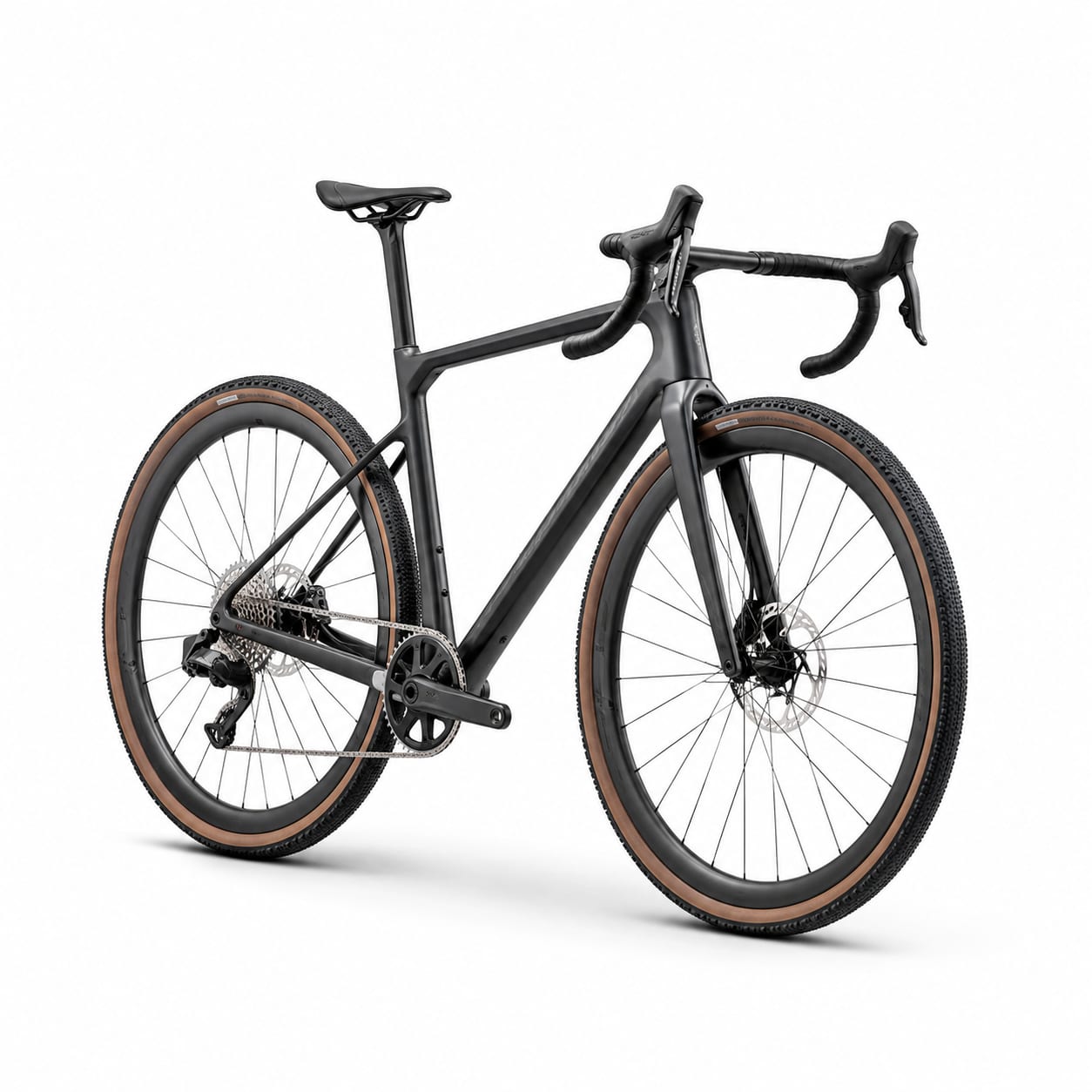
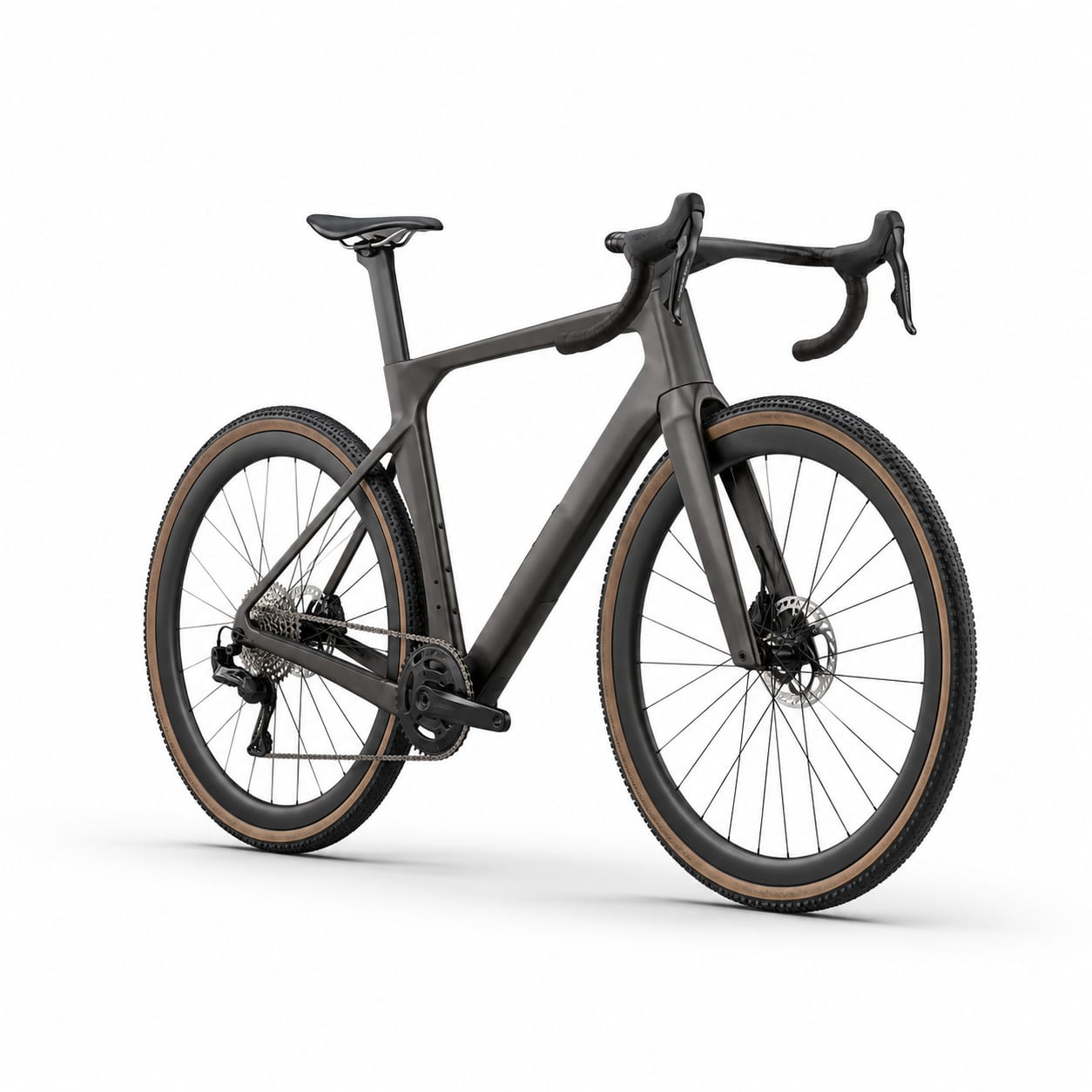
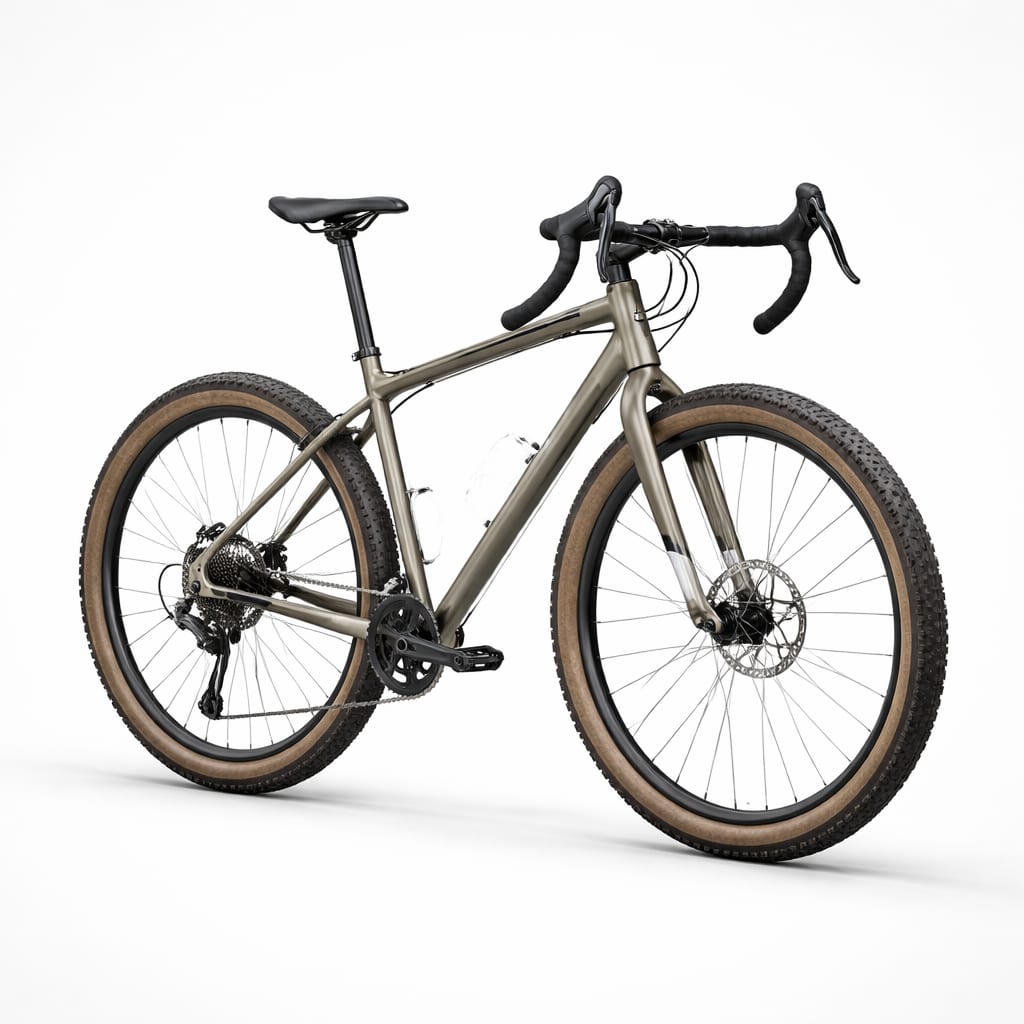
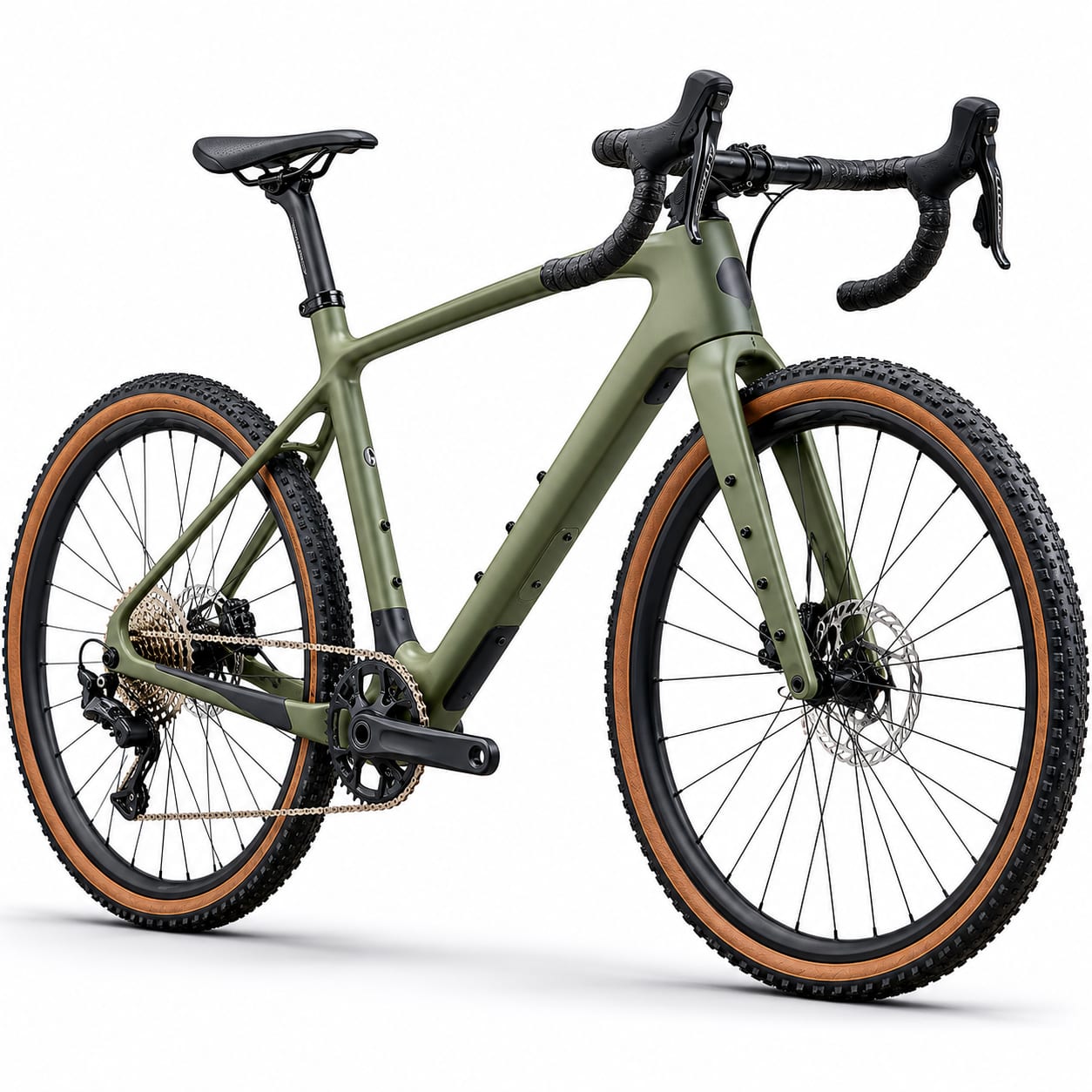
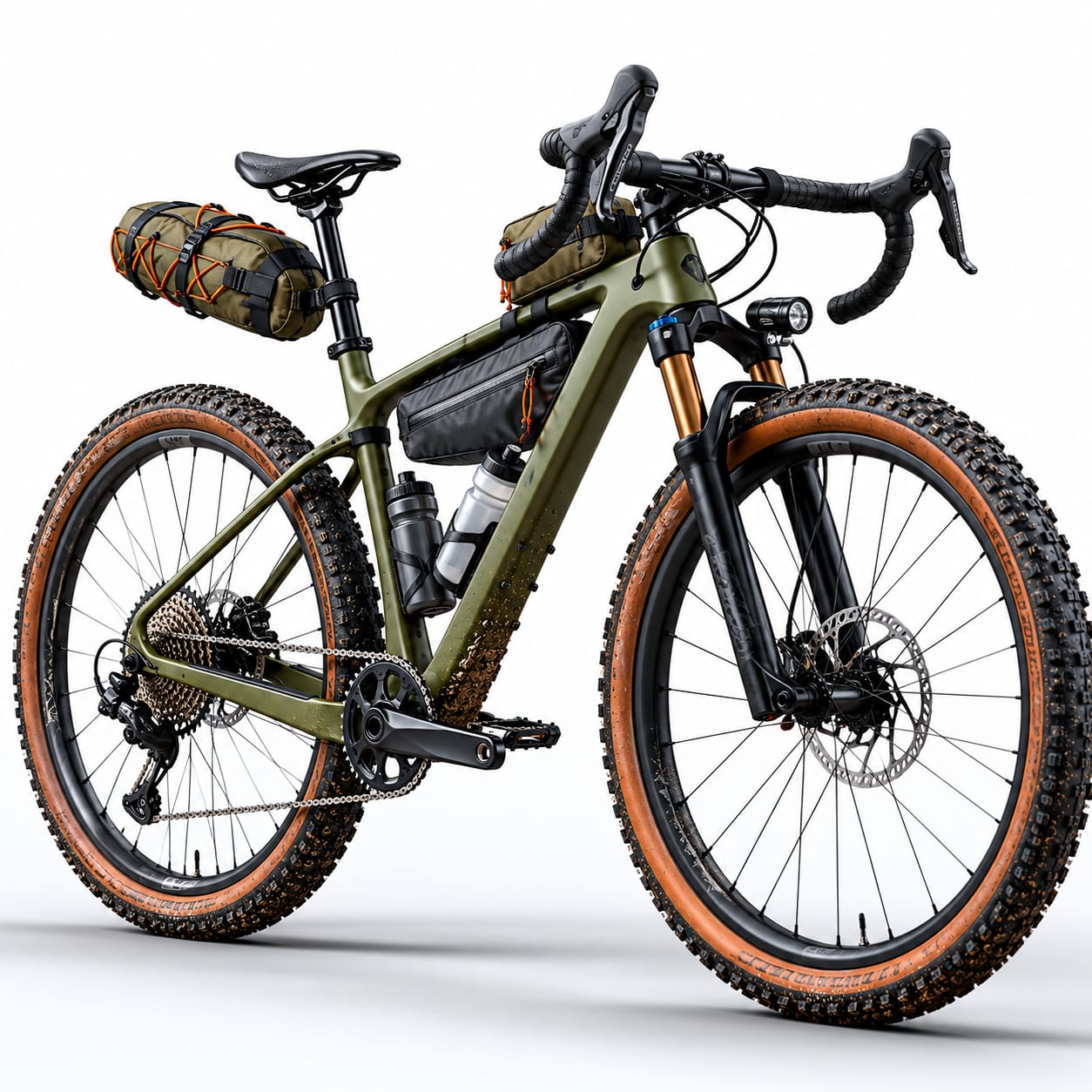
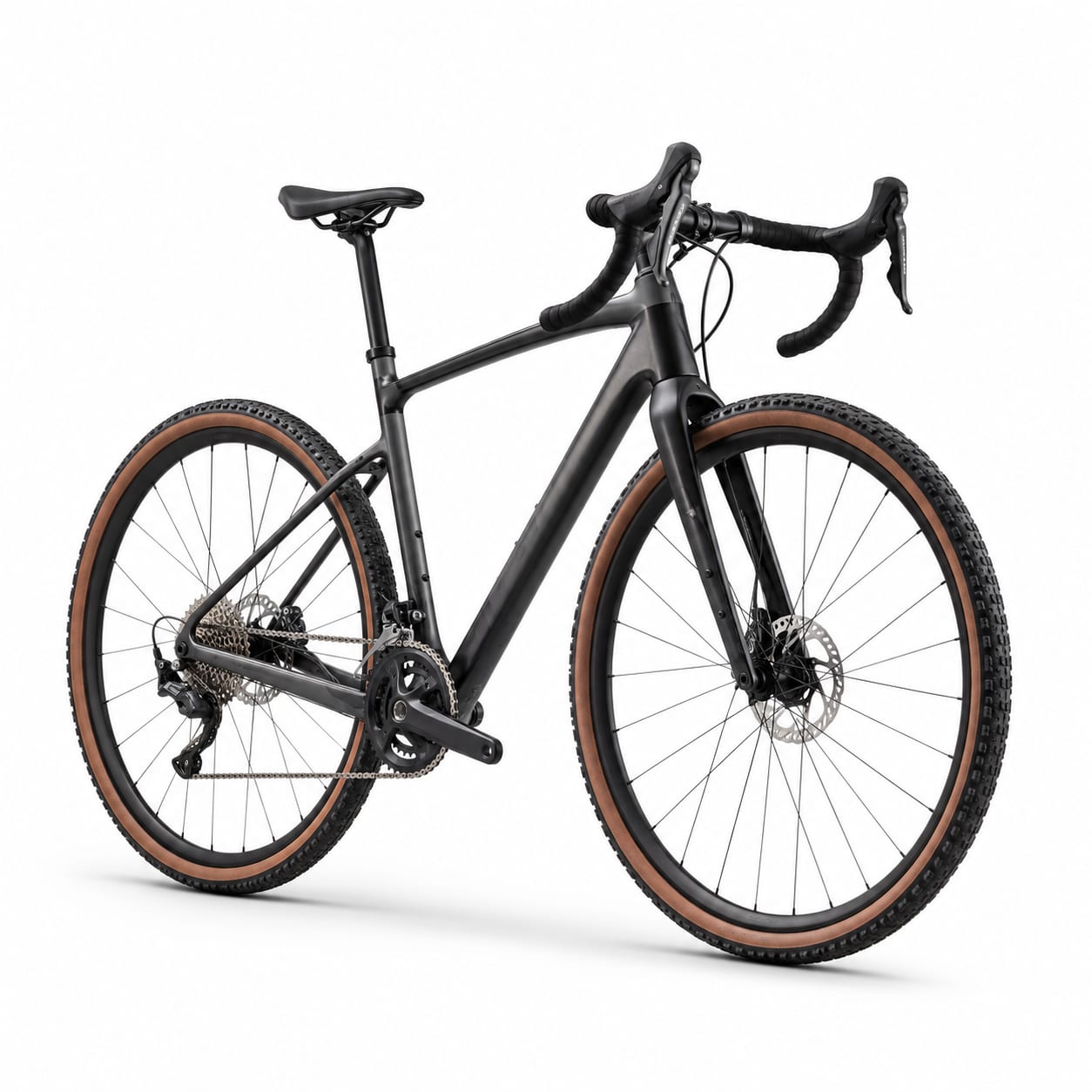
A versatile drop-bar bicycle designed for mixed-surface riding including gravel roads, fire roads, light singletrack, and paved surfaces. Blends road bike efficiency with off-road capability.

Adventure cyclists and bikepackersRiders seeking one bike for road and off-roadGravel racers and gran fondo participantsCommuters on mixed-surface routes

16

Key specs

7

Subcategories

5

Related gear topics

Gravel Bike

Overview

What this equipment is for

Gravel bikes sit between road and mountain bikes, featuring drop handlebars with flared drops, wider tire clearance, relaxed endurance geometry, and numerous mounting points for bikepacking and long-distance adventure riding. They have become one of cycling's fastest-growing categories, appealing to riders seeking one bike for diverse terrain.

Related equipment

Endurance Road BikeCyclocross BikeTouring BikeRigid Mountain BikeBikepacking Bags

Buying specs

Specs worth understanding before you buy

Each spec explains how it affects performance, fit, and whether a product suits your style and use case.

Frame & Construction

Core frame attributes defining the bike's material, weight, and build standards.

Frame Material

Frame Material

Importance

The primary material used in frame construction, affecting weight, compliance, durability, and cost.

Carbon Fiber

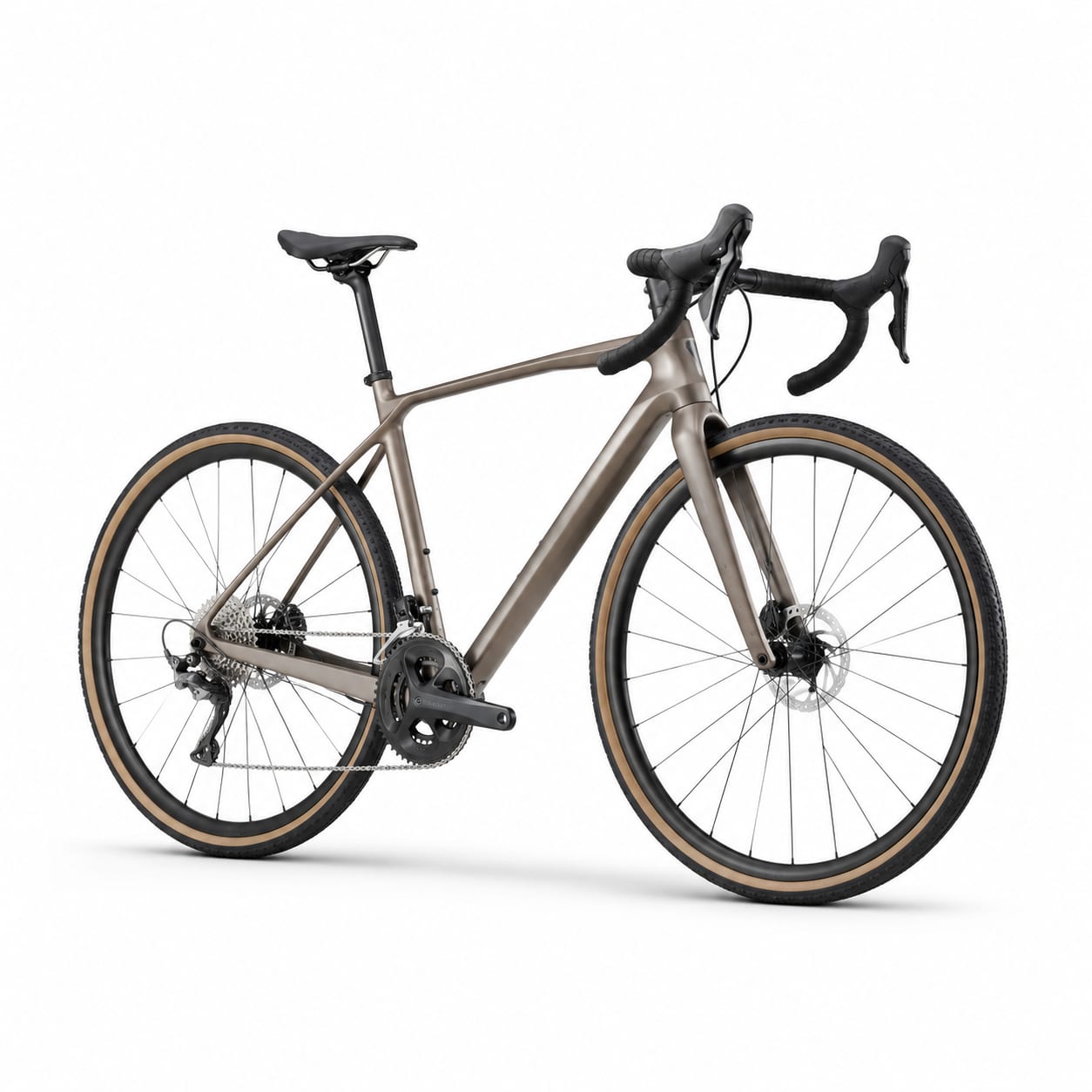
Lightweight, stiff, with tunable compliance through layup design. Most common in mid-to-high-end gravel bikes.

Aluminum Alloy

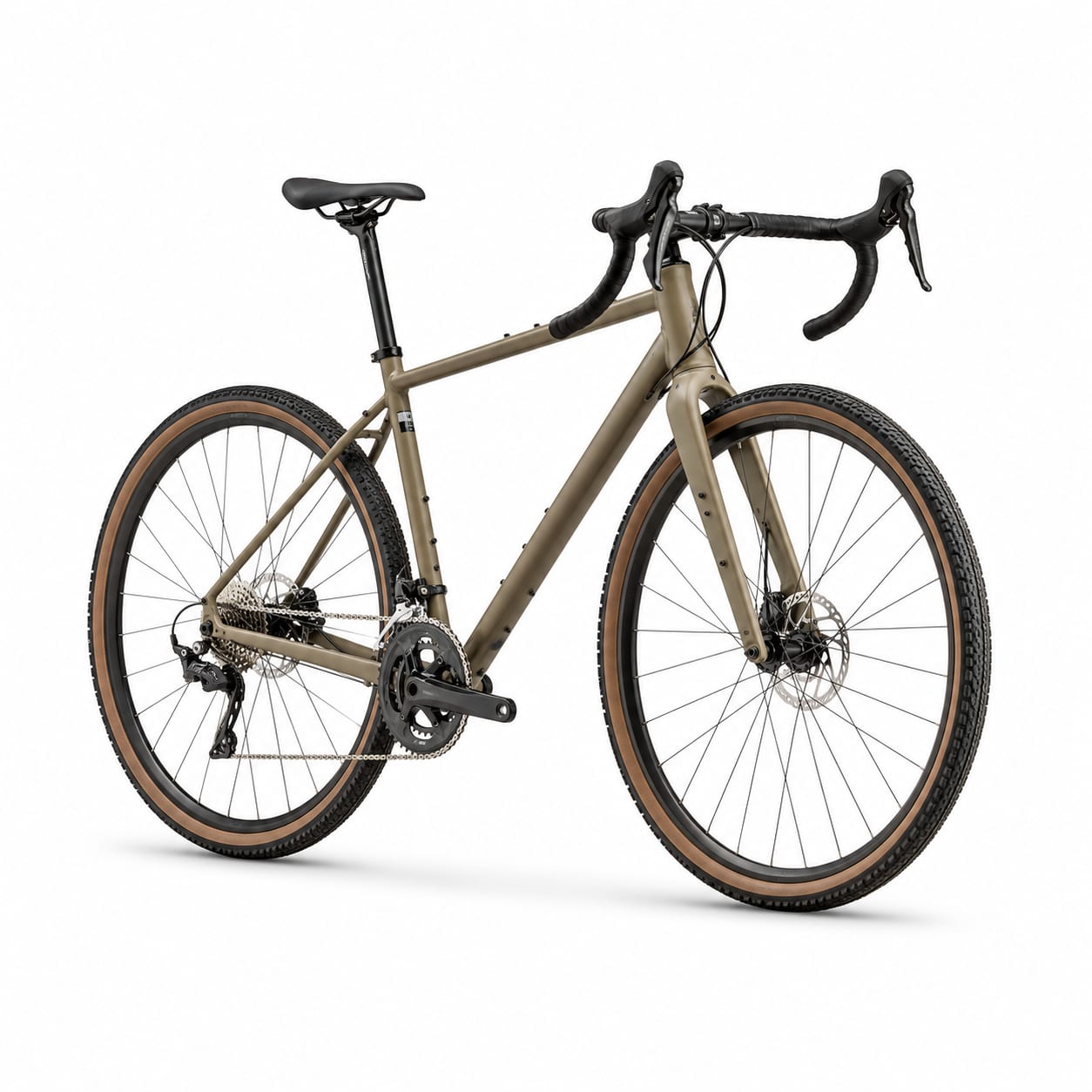
Affordable, stiff, and durable. Often paired with carbon fork for front-end compliance.

Steel (Chromoly)

Classic material with superior ride feel and compliance. Heavier but extremely durable and repairable.

Titanium

Premium material combining low weight, excellent compliance, and corrosion resistance. Very high cost.

Carbon offers the best performance-to-weight ratio for racing. Steel is beloved for bikepacking comfort and repairability. Aluminum is the smart budget choice. Titanium is a lifetime investment for those who can afford it.
Weight

Complete Bike Weight

Importance

Total weight of the complete bicycle without pedals or accessories. Affects acceleration, climbing, and handling.

Typical range: 7.5–12.5 kg

Under 8.5kg: race-weight, premium build. 8.5-9.5kg: typical mid-range gravel. 9.5-11kg: bikepacking-ready or aluminum/steel builds. Over 11kg: heavy touring or budget builds. Weight matters less than on road bikes; prioritize tire clearance and comfort over grams.

Bottom Bracket

Bottom Bracket Standard

Importance

The bottom bracket shell standard affecting crank compatibility, maintenance ease, and frame stiffness.

BSA (Threaded)

Traditional threaded bottom bracket. Easy to install, remove, and maintain. Creak-resistant.

Press-Fit 30 (PF30)

Press-in cups with 30mm alloy spindle. Wider shell for frame stiffness. Can creak.

BB86 (Press-Fit)

Shimano-adjacent press-fit standard. 41mm shell diameter. Common on Asian-manufactured carbon frames.

T47 (Threaded)

Modern threaded standard with 47mm shell diameter. Combines threaded reliability with press-fit width benefits.

Threaded (BSA, T47) is strongly preferred for gravel due to mud, water exposure, and ease of field maintenance. Press-fit saves weight but can creak. T47 is the emerging ideal standard. This matters less for purchase decisions but affects long-term ownership experience.

Front Axle

Front Axle Standard

Importance

The front wheel axle standard, affecting wheel compatibility and stiffness. Thru-axles are standard on modern gravel bikes.

12x100mm Thru-Axle

Standard road/gravel front thru-axle. 12mm diameter, 100mm spacing. Most common on modern gravel bikes.

15x100mm Thru-Axle

MTB-standard front thru-axle. 15mm diameter, 100mm spacing. Found on gravel bikes with suspension forks.

12x100mm is the gravel standard and offers the widest wheel compatibility. 15x100mm appears on bikes with suspension forks and limits wheel swap options. This is a minor consideration unless you plan to swap wheelsets frequently.

Tire & Wheel System

Attributes governing tire and wheel compatibility, which define terrain capability.

Max Tire Width

Maximum Tire Clearance

Importance

The widest tire the frame and fork can accommodate, measured in millimeters. Determines terrain capability and comfort potential.

Typical range: 32–57 mm

35-40mm suits primarily road with occasional gravel. 40-45mm is the versatile sweet spot for mixed terrain. 45mm+ enables rough singletrack and bikepacking with loaded bags. More clearance is generally better as it preserves future options.

Wheel Size

Wheel Size Compatibility

Importance

The wheel diameter standard the frame supports. Many modern gravel bikes accept both 700c and 650b.

700c Only

Standard road/gravel wheel diameter (622mm bead seat). Better roll-over, faster on smooth surfaces.

650b Only

Smaller diameter (584mm bead seat) allowing wider tires within the same frame clearance.

700c + 650b (Dual)

Frame designed to accept both wheel sizes, offering maximum versatility.

Dual compatibility is a major advantage. 700c with 35-40mm tires for fast gravel days, 650b with 47mm+ tires for bikepacking and rough terrain. If you must choose one, 700c has broader tire availability.

Drivetrain & Braking

Gearing and braking systems that determine climbing ability, shifting character, and stopping power.

Drivetrain

Drivetrain Type

Importance

The gear system configuration including number of chainrings and cassette range, critical for terrain versatility.

2x (Double Chainring)

Two chainrings up front with close-ratio cassette. Traditional road-style setup adapted for gravel.

1x (Single Chainring)

Single front chainring with wide-range cassette. Simplified shifting, better chain retention, cleaner bar setup.

1x dominates modern gravel for its simplicity and off-road chain security. 2x suits riders who spend significant time on pavement or prefer tight gear steps. Consider your lowest climbing gear ratio above all else.

Lowest Gear (Climbing)

Lowest Gear Ratio

Importance

The gear ratio of the easiest climbing gear, expressed as chainring teeth divided by largest cassette cog. Lower values enable easier climbing.

Typical range: 0.68–1.2 ratio

Below 0.80 for steep, loaded climbing. 0.80-0.90 for moderate terrain unloaded. Above 0.90 only if you live in flat areas or are a strong climber. Bikepacking loads demand lower gears. A 40T chainring with 11-42T cassette gives 0.95; a 38T with 11-46T gives 0.83.

Brakes

Brake Type

Importance

The braking system type. Hydraulic disc brakes are the standard for gravel; flat-mount vs post-mount affects frame compatibility.

Hydraulic Disc (Flat-Mount)

Premium hydraulic disc brakes with flat-mount caliper standard. Sleeker, lighter, modern standard.

Hydraulic Disc (Post-Mount)

Hydraulic disc brakes with post-mount caliper standard. Slightly bulkier but widely compatible.

Mechanical Disc

Cable-actuated disc brakes. Found on budget gravel bikes. Less modulation than hydraulic.

Hydraulic disc brakes are non-negotiable for serious gravel riding. Flat-mount is the modern standard. Mechanical disc is acceptable only at the lowest price points. Budget for hydraulic if buying a bike with mechanical discs.

Geometry & Handling

Frame geometry measurements that define steering character, stability, and riding position.

Stack/Reach Ratio

Stack-to-Reach Ratio

Importance

The ratio of frame stack height to reach length. Higher values indicate a more upright, endurance-oriented position. Key indicator of a gravel bike's intended riding style.

Typical range: 1.38–1.75 ratio

Below 1.45: race-oriented, aggressive position. 1.45-1.55: versatile all-around gravel. Above 1.55: endurance/touring focus, upright comfort. This is the single best number for understanding a gravel bike's character beyond marketing claims.

Chainstay Length

Chainstay Length

Importance

Distance from bottom bracket center to rear axle. Affects stability, traction, and bikepacking bag clearance.

Typical range: 415–460 mm

Shorter stays (415-425mm) create snappier, more responsive handling suited to racing. Longer stays (435mm+) provide stability and frame bag clearance for bikepacking. 425-435mm is the versatile middle ground.

Head Tube Angle

Head Tube Angle

Importance

The angle of the head tube from horizontal. Steeper angles create quicker steering; slacker angles add stability.

Typical range: 69–73 degrees

71-72° is the gravel sweet spot balancing quick steering with off-road stability. Steeper (72-73°) for race-oriented bikes. Slacker (69-71°) for bikepacking and rough terrain confidence. Must be evaluated alongside trail measurement.

Comfort & Suspension

Features that reduce fatigue and improve control on rough surfaces.

Front Suspension

Front Suspension Type

Importance

The type of front impact absorption system, ranging from rigid to short-travel suspension forks.

Rigid (Carbon Fork)

No suspension; carbon fork legs provide vibration damping through material compliance.

Rigid (Steel Fork)

No suspension; steel fork provides natural compliance and durability. Common on bikepacking builds.

Micro-Suspension (20-40mm)

Short-travel suspension fork designed for gravel. Examples: Fox 32TC, RockShox Rudy, Cane Creek eeSilk.

Suspension Stem/Head Tube

Suspension built into the stem or head tube (e.g., Specialized Future Shock). 20mm travel.

Rigid with wide tires (40mm+) handles 90% of gravel terrain. Micro-suspension is worthwhile for frequent rough roads, washboard, or long bikepacking days. Future Shock is a good middle ground. Steel forks suit bikepacking durability needs.

Seatpost

Seatpost Type

Importance

The seatpost design, which significantly affects saddle compliance and off-road comfort on gravel terrain.

Dropper Seatpost

Height-adjustable seatpost with remote lever. Lowers saddle for descents. Increasingly common on gravel bikes.

Compliance Seatpost

Seatpost designed to flex (carbon layup, suspension mechanism, or pivoting design like Ergon CF3/Cane Creek eeSilk).

Standard Rigid Seatpost

Traditional rigid seatpost in aluminum or carbon. Comfort depends on material and diameter.

Dropper posts are increasingly standard on mid-to-high-end gravel bikes and are transformative for technical terrain. Compliance posts excel for long-distance comfort. Standard rigid is fine for smooth gravel racing. Many riders add a dropper or compliance post as their first upgrade.

Versatility & Bikepacking

Attributes that determine the bike's adaptability for touring, bikepacking, and accessory mounting.

Mount Points

Mounting Points Count

Importance

Total number of threaded mounting bosses on the frame and fork for bottles, racks, and fenders. Indicates bikepacking and touring capability.

Typical range: 4–20 points

Race-oriented: 4-8 points (2-3 bottle cages, minimal extras). All-around: 8-12 points (3 bottles, fender, rack mounts). Bikepacking: 12+ points (3+ bottles, fork mounts, under-downtube, rack/fender eyelets). Count what you actually need before over-valuing mounts.

Bar Flare

Handlebar Flare

Importance

The outward angle of the drop sections from the hoods position. Flare improves control in the drops on rough terrain and widens the stance for stability.

Typical range: 0–30 degrees

0-5°: road-style, good for riders mostly on hoods. 8-16°: the gravel sweet spot, better drops control without awkward hoods. 16-25°: aggressive flare for technical off-road. Flare-out (drops flare outward) vs flare-in (drops angle inward) differs by brand.

Specs FAQ

Common questions about these buying specs

Plain-English answers for each spec and option — tap through for the full explanation.

Is a carbon fiber frame worth it for a gravel bike, or should I save money with aluminum?

Carbon fiber is the go-to material if you're prioritizing performance and long-ride comfort on your gravel bike. It's the lightest option available, and engineers can tune the layup — meaning they can make certain areas stiff for power transfer while allowing other sections to flex and absorb vibration. That tunability is a real advantage on rough gravel roads where you're spending hours in the saddle. The trade-off is cost and durability. Carbon frames sit at a higher price point, and while they handle normal riding loads beautifully, they can be more vulnerable to sharp impacts like crashes or rock strikes. They don't dent like aluminum or steel — they can crack. So if you're regularly tackling aggressive terrain with high crash risk, that's worth considering. Carbon makes the most sense for gravel racing, fast group rides, and long-distance comfort where every gram and every bit of vibration damping counts. For casual riding or bikepacking on a budget, aluminum with a carbon fork is a smart alternative that still gives you decent front-end compliance.

Is an aluminum gravel bike frame a good choice, or will the ride be too harsh?

Aluminum gravel bikes are an excellent value and a smart entry point for most riders. They're stiff, durable, and can take a beating on rough roads or during bikepacking trips — plus they're far more crash-resistant than carbon fiber if you happen to go down. The biggest concern shoppers have is ride harshness, and it's a fair point — aluminum does transmit more road vibration than carbon or steel. But here's the thing: most modern aluminum gravel bikes come with a carbon fork, which dramatically improves front-end comfort and takes the edge off choppy terrain. Wider tire clearance on gravel bikes also helps, since running 38mm+ tires at lower pressures absorbs a lot of the buzz that would otherwise reach you. If you're budget-conscious or just getting into gravel riding, aluminum is hard to beat. You get a capable, reliable frame without the premium price tag, and you can always upgrade components later as your riding evolves.

Why would I choose a steel gravel bike over carbon or aluminum?

Steel (specifically chromoly) gravel frames are beloved for their smooth, compliant ride quality that absorbs road buzz and trail chatter better than any other material. If you're planning long bikepacking trips, multi-day expeditions, or just value comfort over speed, steel's natural vibration damping makes a real difference on rough terrain after hours in the saddle. The trade-off is weight—steel is the heaviest frame option. But that weight matters less when you're already loaded with bags and gear, and steel's strength means it handles heavy loads without feeling flexy or unstable. It's also incredibly durable and, unlike carbon, can be repaired by a skilled welder if damaged. Steel is ideal if you want a bike for life. It resists fatigue over years of hard use, won't corrode like aluminum, and develops a loyal following among riders who prioritize ride feel and long-term reliability over shaving grams.

Why would I choose a titanium gravel bike frame over carbon or steel?

Titanium combines the best qualities of carbon and steel. It's nearly as light as carbon but absorbs vibrations like steel, making it incredibly comfortable on long, rough gravel rides. It's also naturally corrosion-resistant, so you never worry about rust—even after rainy bikepacking trips or sweaty trainer sessions. The catch is cost. Titanium frames are significantly more expensive than carbon, aluminum, or steel. You're paying for a frame that can genuinely last a lifetime, and many titanium builders back that claim with lifetime warranties. Titanium makes the most sense if you're building a premium bikepacking rig, want one bike for life, or prioritize ride quality above all else. If you're racing or on a tighter budget, carbon or aluminum will serve you well for less money.

Subcategories

Different styles, different picks

Each sub-type has its own guide with typical specs, trade-offs, and buying advice.

All-Road

All-Road

$1500 – $10000

common

Road-oriented gravel bikes with modest tire clearance optimized for smooth gravel and paved surfaces.

Tire clearance 32–38mmRoad-adjacent geometryLower stack and longer reach
Classic Gravel

Classic Gravel

$1200 – $8000

dominant

The original do-it-all gravel bike with balanced geometry and mid-range tire clearance for mixed-terrain riding.

Tire clearance 38–45mmBalanced endurance geometryMultiple bottle and rack mounts
Gravel Race

Gravel Race

$2500 – $12000

common

Lightweight, performance-oriented gravel bikes built for competitive gravel events and fast riding.

Aggressive race geometryLightweight framesetsStiff power transfer
Aero Gravel

Aero Gravel

$3000 – $12000

niche

Gravel bikes with aerodynamic frame optimization designed for flat and fast gravel racing.

Aero-optimized tube shapesIntegrated cockpitDeep section frame profiles
Bikepacking / Expedition Gravel

Bikepacking / Expedition Gravel

$1500 – $7000

common

Gravel bikes purpose-built for multi-day bikepacking adventures with extensive mounting points and stable, load-friendly geometry.

Extensive mounting points45–50mm+ tire clearanceStable loaded geometry
Endurance Gravel

Endurance Gravel

$1500 – $6000

common

Comfort-focused gravel bikes with compliance features and relaxed geometry for long-distance riding.

Compliance-engineered framesRelaxed endurance geometryVibration-dampening features
Groad / Mountain-Gravel

Groad / Mountain-Gravel

$2000 – $8000

niche

The most off-road capable gravel bikes with suspension, wide tire clearance, and geometry approaching mountain bike territory.

50mm+ tire clearanceSuspension fork optionSlack head tube angle