
Road Bike · FAQ
Questions about All-Road Bike
Straight answers on fit, specs, and when this type makes sense — each topic has its own page with links back to the buying guide.
Open All-Road Bike guide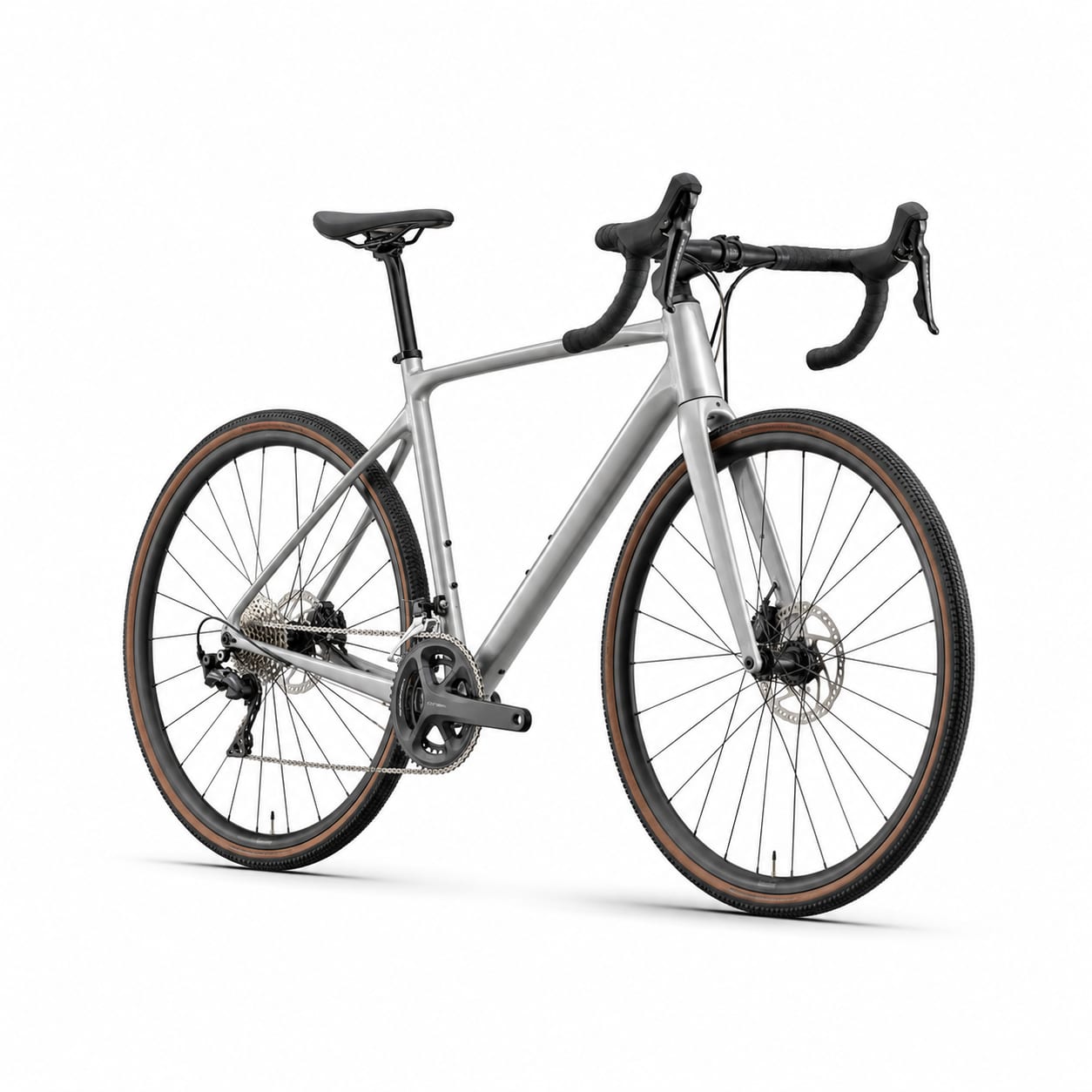
6 topics
Pick a question
Every answer links to the full subcategory guide and related gear types when it helps you decide.
Can I ride an all-road bike on regular road group rides?
Absolutely. With 32mm road tires mounted, an all-road bike performs nearly identically to an endurance road bike on paved group rides. The slight weight penalty is barely noticeable at typical group ride speeds, and the wider tires actually provide better grip and comfort. Many all-road bikes are perfectly capable of keeping up with fast club rides.
Read answer →02What is the difference between an all-road bike and a gravel bike?
All-road bikes prioritize road performance with off-road capability as a bonus, while gravel bikes prioritize off-road capability with road performance as a secondary concern. Key differences: all-road bikes have less tire clearance (35–40mm vs 45–50mm+), shorter chainstays, slightly steeper geometry, and tighter gear ratios. If you ride mostly road with some gravel, choose all-road. If you ride mostly gravel with some road, choose a gravel bike.
Read answer →03Should I choose 1x or 2x drivetrain for an all-road bike?
It depends on your riding mix. 2×12 is better if you ride primarily on pavement and value tight gear steps for maintaining cadence. 1×12 is better if you ride significant gravel or rough roads where chain retention matters and simplified shifting is an advantage. SRAM's AXS ecosystem makes 1×12 particularly appealing with wireless shifting and wide-range cassettes. For most riders doing 70%+ road, 2×12 is the safer choice.
Read answer →04What tire width should I run on an all-road bike?
For paved riding, 32mm is the sweet spot balancing speed, comfort, and weight. For mixed-surface rides, 35–38mm provides the volume needed for comfort and grip on gravel without excessive rolling resistance on pavement. For bikepacking or very rough terrain, go up to 40mm if your frame allows. Run tubeless tires whenever possible — the ability to run lower pressures without pinch flats is transformative on mixed surfaces.
Read answer →05Is an all-road bike too heavy for climbing?
For most recreational riders, no. The typical 0.5–1 kg weight penalty compared to a pure road bike translates to roughly 5–10 seconds per kilometer of climbing at typical amateur power outputs. This is rarely significant outside of competition. Wider tires at lower pressures also improve traction on steep, loose climbs where a lighter bike with narrow tires might struggle for grip. If you are a competitive hill climb racer, choose a lightweight bike instead.
Read answer →06Can I use an all-road bike for bikepacking?
Yes, many all-road bikes are excellent for light bikepacking. Look for models with multiple bottle cage mounts, rack mounts, and frame bag compatibility. The moderate geometry is comfortable for long days, and the tire clearance handles the varied surfaces typical of bikepacking routes. For extended off-road bikepacking on rough terrain, a dedicated gravel bike with more tire clearance may be better, but for mixed-surface routes, all-road bikes are ideal.
Read answer →