Kitvore.com

Kitvore.com

Specs that matter. Gear that fits.

Road Bike · Subcategory

All-Road Bike

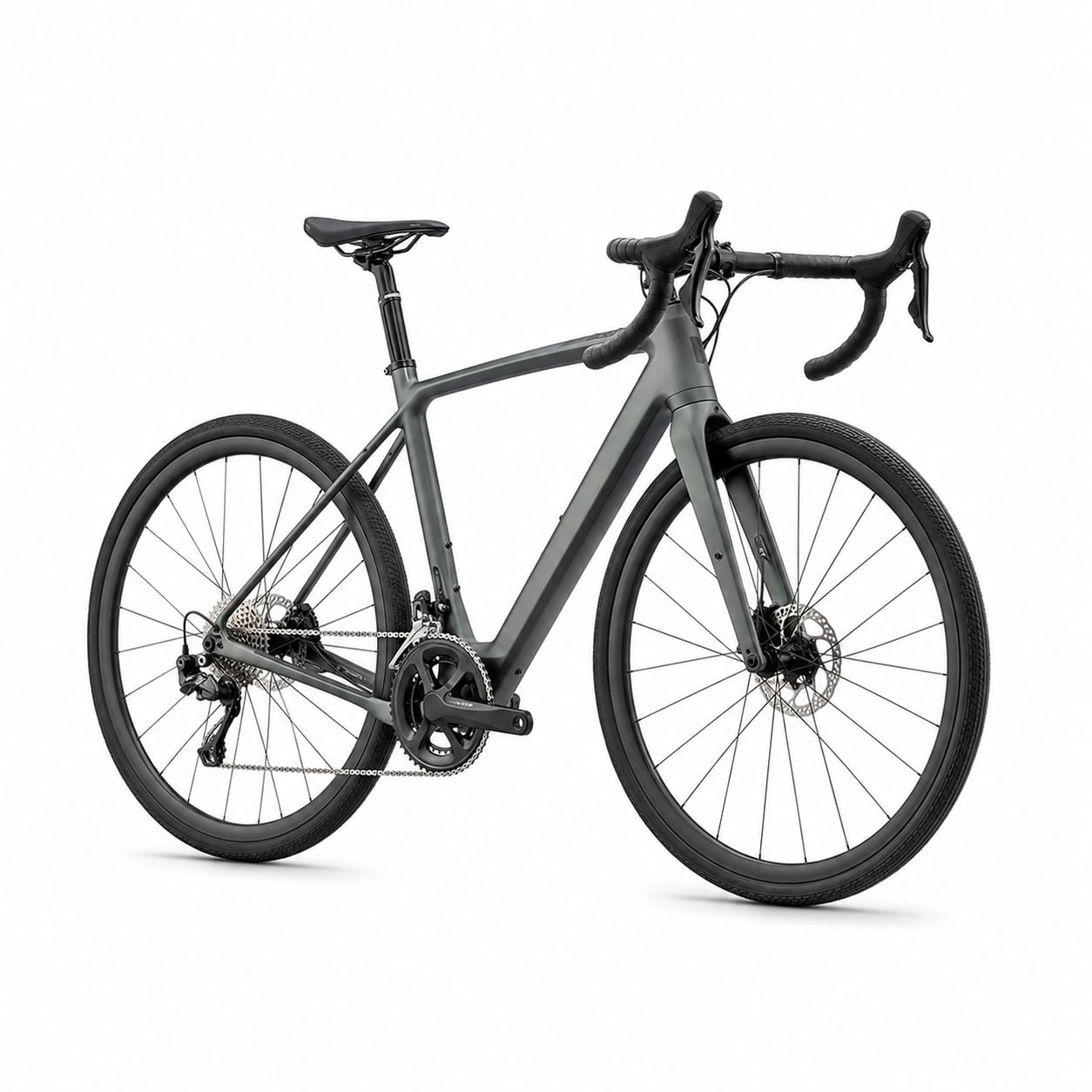
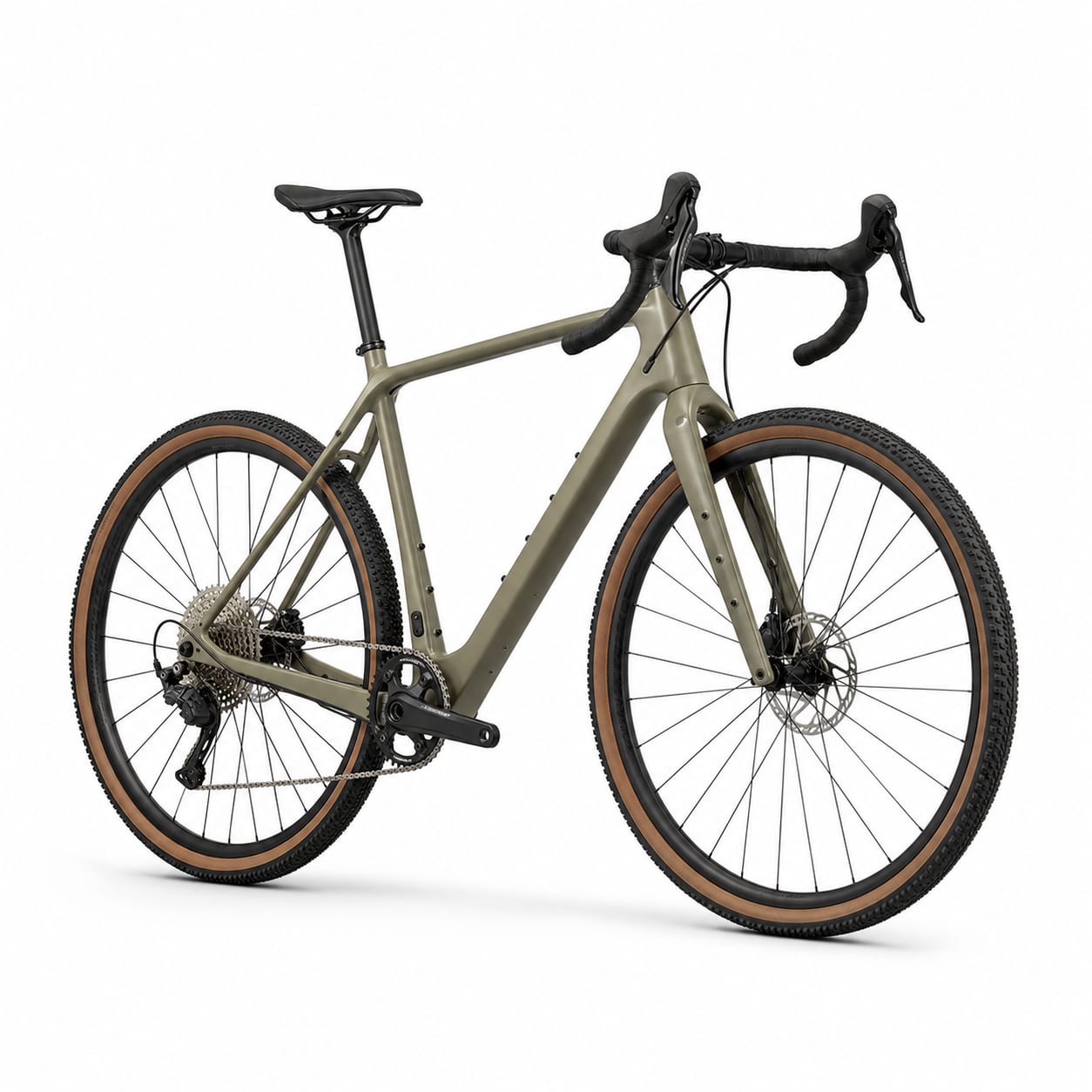
The most versatile road bike, designed to handle smooth pavement, rough chipseal, and light gravel with confidence and comfort.

All-road bikes are the Swiss Army knives of the road cycling world. With generous tire clearance (typically 35mm+), moderate geometry, and disc brakes, they let you explore beyond the tarmac without sacrificing on-road performance. Whether your weekend route includes a gravel shortcut, forgotten farm roads, or just terrible pavement, an all-road bike keeps rolling where a pure road bike would struggle. They are the ideal choice for riders who want one bike for everything from fast group rides to light bikepacking adventures.

$1000 – $10000mid tierbeginnerintermediateadvanced

Best known for

Versatility across paved and unpaved surfacesGenerous tire clearance (35mm+) without going full gravelComfortable geometry for long days in the saddleAbility to handle light gravel, dirt roads, and rough chipsealBikepacking and mixed-surface adventure capability
All-Road Bike

Guide

Detailed overview

All-road bikes occupy the sweet spot between endurance road bikes and gravel bikes, offering the speed and efficiency of a road platform with enough tire clearance and stability to venture off the beaten path. They feature moderate stack and reach ratios (typically 1.45–1.55), longer chainstays for stability on loose surfaces, and tire clearance ranging from 35mm to 40mm or more. Hydraulic disc brakes are standard, providing reliable stopping power in all conditions. Most all-road bikes come with 2×12 drivetrains for tight gear steps on the road, though 1×12 setups are increasingly popular for simplicity and off-road chain retention. The result is a bike that feels at home on a fast club ride as it does on a rutted fire road.

The all-road bike category emerged from a growing recognition that many riders rarely stick to perfectly smooth tarmac. Whether it is a chipseal county road, a gravel shortcut between paved segments, or a full mixed-surface adventure, traditional road bikes with 25mm tire clearance simply cannot handle the variety of surfaces that most recreational riders encounter. All-road bikes solve this problem by widening tire clearance to 35mm or more while retaining the drop-bar positioning, gearing, and overall feel of a road bike.

Geometry is where all-road bikes distinguish themselves from both endurance road and gravel bikes. Compared to endurance road bikes, all-road bikes typically have slightly longer chainstays (415–425mm vs 405–415mm) for stability on loose surfaces, and sometimes slacker head tube angles for confident descending off-road. Compared to gravel bikes, all-road bikes maintain a slightly lower stack and shorter wheelbase, preserving on-road agility and a sense of connection to the terrain. The stack-to-reach ratio generally falls between 1.45 and 1.55, placing the rider in a comfortable but reasonably efficient position for long days covering mixed terrain.

Tire clearance is the defining feature. With 35–40mm of clearance, riders can mount 32mm road tires for fast paved days, 35–38mm all-road tires for mixed surfaces, or even 40mm light gravel tires for more adventurous routes. This flexibility means one bike can handle the full spectrum of surface conditions with a simple tire swap. Wider tires at lower pressures also provide measurable comfort benefits on rough roads, reducing fatigue on long rides. Many all-road bikes offer 650b wheel compatibility, allowing even wider tires (47–50mm) in a road-plus configuration while maintaining similar overall wheel diameter.

Component selection on all-road bikes reflects their dual nature. Hydraulic disc brakes are universal, providing consistent stopping power on wet roads and loose surfaces alike. Drivetrains are typically 2×12 for road-friendly gear steps, though SRAM's 1×12 AXS groups are popular for their chain retention and simplified cockpit. Some models feature gravel-oriented groupsets like Shimano GRX, which add clutch derailleurs for chain stability on rough terrain. Frame features often include multiple bottle cage mounts, fender mounts, and sometimes rack mounts, reflecting the bikepacking and adventure-ready ethos of the category.

For riders who want one do-everything road bike, the all-road category is difficult to beat. The slight weight penalty compared to a pure road bike (typically 8.0–9.0 kg vs 7.0–7.8 kg) is a worthwhile trade for the massive increase in capability and comfort. On paved group rides, an all-road bike with 32mm tires is competitive with any endurance road bike. On a Saturday adventure that includes gravel sectors, it transforms into a capable explorer. This versatility makes all-road bikes arguably the smartest choice for the majority of recreational road cyclists.

Quick facts

Primary purpose
Versatile road riding with occasional off-pavement capability
Popular brands
CanyonSpecializedTrekGiantCervéloOrbea
Typical terrain
Paved roadsRough pavementSmooth gravelChip seal

What makes it different

Narrower tire clearance than gravel bikes; Fewer mounting points than gravel bikes; Road bike handling feel; Slightly higher bottom bracket than gravel

Recommended ranges

How this type usually specs out

Each spec is explained in plain language, then we show what buyers usually look for on this type.

Bike Type / Category

Road Bike Category

What it means

The intended use-case and design philosophy of the road bike, which determines its geometry, tube shapes, and component selection.

Typical for this type

All Road

In practice

All-road bikes are defined by their mixed-surface capability, sitting between endurance road and gravel categories in the road bike spectrum.

Compared to other types

More tire clearance and stability than endurance road bikes; less aggressive off-road capability than full gravel bikes; not as aerodynamic or light as race bikes.

Why it matters: This classification determines the entire design philosophy — geometry, tire clearance, and component selection are all optimized for versatility across paved and unpaved surfaces.

Frame Material

Frame Material

What it means

The primary material used in frame construction, which determines weight, stiffness, ride quality, durability, and cost.

Typical for this type

Carbon Fiber Or Aluminum

In practice

Carbon fiber dominates the all-road segment because it allows engineers to tune compliance in the seatstays and seatpost while maintaining torsional stiffness for off-road handling. Aluminum is common at lower price points and performs well.

Compared to other types

Similar material distribution to endurance road bikes. Titanium is especially popular in all-road for its durability and compliance, more so than in race categories.

Why it matters: Frame material affects ride quality significantly on rough surfaces. Carbon's tunable layup is particularly valuable for all-road bikes where vibration damping matters on mixed terrain.

Frame Size

Frame Size

What it means

The nominal size designation of the frame, typically based on seat tube length or a general sizing system, which determines overall bike fit.

Typical for this type

44–64 cm (varies by rider height)

Most common pick: 54 cm

In practice

All-road bikes follow standard road sizing conventions. Most brands offer 6–8 sizes from XS to XL. Always verify fit using stack and reach rather than nominal size.

Compared to other types

Sizing conventions are identical to other road bike categories. However, all-road bikes sometimes size slightly shorter on reach to accommodate a more relaxed position for mixed-surface control.

Why it matters: Proper frame size is the foundation of bike fit. All-road riders often spend long days in the saddle, making correct sizing even more important for comfort.

Stack

Stack Height

What it means

The vertical distance from the center of the bottom bracket to the top of the head tube. Determines how upright or low the rider sits on the bike.

Typical for this type

540–580 mm (size M/L)

Most common pick: 555 mm (size M/L)

In practice

All-road bikes feature moderately high stack heights, placing the rider in a comfortable position that reduces fatigue on long rides and improves control on loose surfaces.

Compared to other types

Higher than aero race bikes (typically 520–545 mm) and similar to or slightly higher than endurance bikes. Lower than most gravel bikes, maintaining a road-oriented position.

Why it matters: A higher stack provides better visibility and control on variable terrain while reducing strain on the neck and lower back during long mixed-surface rides.

Reach

Reach

What it means

The horizontal distance from the center of the bottom bracket to the top of the head tube. Determines how stretched out the rider is on the bike.

Typical for this type

365–385 mm (size M/L)

Most common pick: 375 mm (size M/L)

In practice

All-road bikes have moderate reach values that balance a reasonably aerodynamic position with the need for stable, confident handling on mixed surfaces.

Compared to other types

Shorter than aero race and climbing bikes (380–395 mm), similar to endurance bikes. Slightly longer than some gravel bikes which prioritize upright control.

Why it matters: Reach determines how stretched out you are. On all-road bikes, slightly shorter reach than race bikes improves control on loose surfaces and reduces fatigue on long rides.

Stack/Reach Ratio

Stack-to-Reach Ratio

What it means

The ratio of stack height to reach, indicating the overall riding position character independent of frame size. Higher ratios indicate more upright, endurance-oriented geometry.

Typical for this type

1.45–1.55

Most common pick: 1.48

In practice

All-road bikes sit in the endurance-oriented range of stack-to-reach ratios, providing a comfortable position that still allows effective power production on the road.

Compared to other types

Higher than race bikes (1.30–1.45), similar to endurance bikes (1.45–1.55). Lower than dedicated touring or bikepacking bikes which may exceed 1.55.

Why it matters: This ratio is the best single metric for comparing fit character across brands. A ratio around 1.48 means you can ride all day without discomfort while still maintaining road bike efficiency.

Weight

Complete Bike Weight

What it means

The total weight of the complete bicycle without pedals, bottles, or accessories. Affects climbing speed, acceleration, and handling.

Typical for this type

7.8–9.5 kg

Most common pick: 8.4 kg

In practice

All-road bikes are typically 0.5–1.5 kg heavier than equivalent endurance road bikes due to wider tires, longer chainstays, disc brake rotors, and often additional frame mounts.

Compared to other types

Heavier than climbing bikes (6.8–7.5 kg) and aero race bikes (7.2–7.8 kg). Similar to endurance bikes (7.8–8.5 kg). Lighter than full gravel bikes (8.5–10 kg).

Why it matters: The weight premium is the trade-off for versatility. Wider tires and robust construction enable mixed-surface riding that would be impossible on a lighter pure road bike.

Groupset / Drivetrain Level

Groupset Tier

What it means

The tier and brand of the drivetrain component group, which determines shifting performance, weight, durability, and features like electronic shifting.

Typical for this type

Shimano 105, SRAM Rival, Or Shimano GRX 810/600

Most common pick: Shimano 105

In practice

Shimano 105 and SRAM Rival AXS are the most common groupsets on all-road bikes, offering excellent performance and value. Shimano GRX appears frequently as it is purpose-designed for mixed-surface riding with a clutch derailleur for chain stability.

Compared to other types

Similar tier distribution to endurance bikes. More likely to feature GRX or 1x drivetrains than pure road categories. Less likely to feature Dura-Ace or Red due to the all-road focus on value and durability over weight.

Why it matters: Groupset quality directly affects shifting precision and reliability. On all-road bikes, chain retention matters more than on pure road bikes due to rough surface riding, making clutch-equipped groupsets like GRX particularly relevant.

Speed / Number of Gears

Number of Gears

What it means

The total number of gear combinations available, determined by the number of chainrings multiplied by the number of cassette sprockets.

Typical for this type

2×12 or 1×12

Most common pick: 2x12

In practice

2×12 is the most common configuration, providing tight gear steps for road riding and a wide overall range for varied terrain. 1×12 is increasingly popular for its simplicity, better chain retention, and cleaner cockpit.

Compared to other types

More likely to offer 1×12 options than endurance or race bikes. Gravel bikes frequently use 1×12, and all-road bikes share this tendency. Pure road bikes almost exclusively use 2×12 or 2×11.

Why it matters: Gear choice affects your riding experience on mixed surfaces. 2×12 offers smaller steps between gears for maintaining cadence on the road. 1×12 simplifies shifting and eliminates front derailleur issues on rough terrain.

Brake Type

Brake Type

What it means

The braking system type, which affects stopping power, modulation, tire clearance, weight, and maintenance requirements.

Typical for this type

Hydraulic Disc (Essential)

In practice

Hydraulic disc brakes are universal on all-road bikes. They provide consistent stopping power on wet roads, loose gravel, and during long descents — all common scenarios for all-road riding.

Compared to other types

Unlike some endurance road bikes that may still offer rim brakes on legacy models, all-road bikes are exclusively disc brake. This is shared with gravel bikes and modern race bikes.

Why it matters: Disc brakes are non-negotiable for all-road bikes because they enable the wide tire clearance that defines the category and provide reliable braking on all surfaces in all conditions.

Max Tire Width

Maximum Tire Clearance

What it means

The widest tire the frame and fork can accommodate, which determines versatility for different road surfaces and conditions.

Typical for this type

35–40 mm

Most common pick: 35mm+

In practice

All-road bikes typically clear 35–40mm tires, which is the defining feature of the category. This allows 32mm road tires for fast days, 35–38mm mixed-surface tires for versatility, and even 40mm light gravel tires for adventurous routes.

Compared to other types

Significantly more than race bikes (25–28mm) and endurance bikes (28–32mm). Slightly less than full gravel bikes (40–50mm+). This middle ground is what defines the all-road category.

Why it matters: Tire clearance is the single most important differentiator for all-road bikes. It determines what surfaces you can comfortably and safely ride, and wider tires at lower pressures are measurably faster on rough roads.

Wheel Size

Wheel Size

What it means

The nominal diameter of the wheels; determines tire availability, ride characteristics, and geometry constraints.

Typical for this type

700c (with 650b compatibility as a bonus)

In practice

700c is the standard wheel size for all-road bikes, providing the best tire selection and road-oriented handling. Some models offer 650b compatibility for road-plus setups with very wide tires (47–50mm).

Compared to other types

Same as all other road categories. 650b compatibility is more common on all-road bikes than on pure road bikes, shared with gravel bikes.

Why it matters: 700c wheels with 35–40mm tires provide the optimal balance of rolling efficiency, tire availability, and handling for mixed-surface riding. 650b is a nice option for maximum versatility.

Head Tube Angle

Head Tube Angle

What it means

The angle of the head tube relative to horizontal; affects steering speed, stability, and front-end feel.

Typical for this type

71.5–73.0 degrees

Most common pick: 72.0 degrees

In practice

All-road bikes use moderately slack head tube angles that balance quick steering response on the road with stable, confident handling on loose surfaces and descents.

Compared to other types

Slightly slacker than aero race and climbing bikes (73–74°). Similar to endurance bikes. Slightly steeper than many gravel bikes (71–72°), maintaining more road-oriented handling.

Why it matters: Head tube angle affects steering character. A slightly slacker angle than race bikes provides stability on gravel and dirt without feeling sluggish on paved roads.

Chainstay Length

Chainstay Length

What it means

The distance from the bottom bracket center to the rear axle; affects rear-end compliance, traction, and wheelbase.

Typical for this type

415–425 mm

Most common pick: 420 mm

In practice

All-road bikes have longer chainstays than pure road bikes to accommodate wider tires and provide stability on loose surfaces. This also improves rear-end compliance for comfort on rough terrain.

Compared to other types

Longer than race and climbing bikes (405–410mm). Similar to endurance bikes (410–420mm). Shorter than many gravel bikes (420–435mm), preserving more road bike agility.

Why it matters: Longer chainstays provide the tire clearance and stability that all-road bikes need, while also improving comfort through increased frame flex. The trade-off is slightly less snappy acceleration.

BB Drop

Bottom Bracket Drop

What it means

The vertical distance the bottom bracket sits below the wheel axle line; affects cornering clearance and center of gravity.

Typical for this type

68–72 mm

Most common pick: 70 mm

In practice

All-road bikes use a moderate BB drop that balances a low center of gravity for stability with adequate pedal clearance for cornering on uneven surfaces and pedaling through loose gravel.

Compared to other types

Similar to endurance bikes. Sometimes slightly less drop than race bikes to provide more pedal clearance on uneven terrain. Gravel bikes often have even less drop for off-road pedal clearance.

Why it matters: BB drop affects both stability and pedal strike risk. On mixed surfaces, you need enough clearance to pedal through ruts and around corners without striking pedals, while still maintaining a planted feel.

Aero Optimization

Aerodynamic Features

What it means

The degree and type of aerodynamic optimization in the frame and component design, which affects high-speed efficiency.

Typical for this type

Semi Aero Or Minimal Aero

In practice

Most all-road bikes use semi-aero tube shapes with truncated airfoils and internal cable routing, balancing aerodynamic efficiency with compliance and the ability to run wide tires. Full aero integration is rare because it conflicts with tire clearance and serviceability needs.

Compared to other types

Less aero than dedicated race bikes. Similar to endurance bikes. More aero consideration than gravel bikes, which prioritize compliance and mud clearance.

Why it matters: Aero optimization matters less on all-road bikes than on race bikes because mixed-surface riding involves lower average speeds where aero drag is less significant. Comfort and tire clearance take priority.

Seatpost Type

Seatpost Type

What it means

The seatpost design and integration level, which affects ride comfort, adjustability, and weight.

Typical for this type

Compliance Post Or Standard Round (27.2mm)

In practice

Compliance seatposts are common on all-road bikes because they provide measurable comfort benefits on rough surfaces. Standard round 27.2mm posts are also popular for their natural flex and wide aftermarket options.

Compared to other types

More likely to feature compliance posts than race bikes. Less likely to use integrated aero posts than aero race bikes. Similar to endurance bikes in prioritizing comfort. Standard round posts are valued for their simplicity and adjustability.

Why it matters: On mixed-surface rides, rear-end comfort is critical. A compliance or thin round seatpost absorbs vibrations that would otherwise fatigue the rider over long distances on chipseal and gravel.

Evaluation

Strengths and trade-offs

Pros

What this type does best

Unmatched surface versatility

Critical

With 35–40mm tire clearance, all-road bikes handle smooth pavement, rough chipseal, dirt roads, and light gravel with confidence. One bike can tackle routes that would require two specialized bikes.

Superior comfort on real roads

Critical

Wider tires at lower pressures, compliance-focused frame design, and endurance-oriented geometry dramatically reduce fatigue on rough roads compared to race-oriented bikes.

Adventure and bikepacking ready

High

Most all-road bikes include mounts for fenders, racks, and extra bottles, making them capable light tourers and bikepacking bikes that pure road bikes cannot match.

No-compromise road performance

High

With 32mm road tires mounted, an all-road bike performs nearly identically to an endurance road bike on paved group rides. The versatility comes with minimal on-road penalty.

All-weather capability

High

Hydraulic disc brakes and wide tire clearance provide consistent stopping power and traction in wet conditions, making all-road bikes excellent year-round riders.

Future-proof tire flexibility

Medium

You can always run narrower tires on a bike with generous clearance, but you cannot fit wider tires on a bike with limited clearance. All-road bikes give you options for years to come.

Confident handling for developing riders

Medium

The moderate geometry and stable handling character make all-road bikes forgiving and confidence-inspiring, especially for riders still developing bike handling skills on varied terrain.

Cons

Trade-offs to be aware of

Weight penalty versus pure road bikes

Moderate

All-road bikes typically weigh 0.5–1.5 kg more than equivalent race bikes due to wider tires, longer chainstays, disc rotors, and additional frame reinforcement. This matters most on steep climbs.

Less aerodynamic than race bikes

Moderate

Semi-aero or minimal aero tube profiles, wider tires, and fewer integration features mean more drag at high speeds. Strong riders on flat terrain will notice the aero deficit compared to aero race bikes.

Not a true gravel bike for rough terrain

Moderate

While capable on light gravel, all-road bikes lack the tire clearance (40mm+ vs 50mm+), geometry, and chain retention features needed for aggressive gravel riding, technical off-road descents, or muddy conditions.

Jack of all trades, master of none

Minor

All-road bikes compromise between road speed and off-road capability. For pure road racing or pure gravel racing, a dedicated bike in either category will outperform an all-road bike.

Wider tires increase rolling resistance on smooth pavement

Minor

While wider tires are faster on rough roads due to reduced vibration losses, they have slightly higher rolling resistance on perfectly smooth surfaces compared to narrow race tires at high pressures.

Best for

Surfaces & terrain

Mixed pavement and gravelRough chipseal roadsSmooth to moderate gravel roadsDirt and fire roadsPoorly maintained pavement

Riding conditions

Variable road surfacesWet weather ridingLong distance ridesSpring classics-style rough roads

Skill level

BeginnerIntermediateAdvanced

Riding discipline

Mixed-surface adventure ridingGran fondo and century ridesLight bikepackingYear-round training and commutingExploratory road riding

Rider profile

Riders who want one bike for everythingCyclists whose routes include gravel sectionsAdventure-oriented road ridersRiders on rough rural roadsYear-round commuters who also ride for fitnessBikepackers who prefer road-oriented handling

Not ideal for

Reasons

Too heavy and less aero for competitive road racing against dedicated race bikesInsufficient tire clearance for serious gravel racing or technical off-road ridingGeometry is not aggressive enough for criteriums or competitive sprintingNot as capable as a mountain bike for any real trail riding

Surfaces & terrain

Technical singletrackDeep mud and sandSteep, loose gravel climbs requiring 45mm+ tiresBMX tracks or pump tracks

Riding discipline

Road criterium racingFlat stage sprintingHill climb time trialsGravel racing at elite level

Compare

How it stacks up

This page

All-Road Bike

Significantly more tire clearance (35–40mm vs 28–32mm) enables mixed-surface riding and wider tires for comfort. Often includes fender and rack mounts that many endurance bikes lack.

Alternative

Endurance Road Bike

Lighter weight, slightly more responsive handling, and sometimes more aerodynamic. Better for pure road riding where gravel capability is not needed.

Bottom line

Choose all-road if your riding includes any gravel, dirt, or consistently rough roads. Choose endurance if you ride exclusively on paved roads and prioritize weight and on-road performance.

This page

All-Road Bike

Faster on pavement with road-oriented geometry, tighter gear steps, and less aggressive off-road positioning. Lighter and more efficient for road-heavy mixed-surface routes.

Alternative

Gravel Bike

Much more capable off-road with 45–50mm+ tire clearance, slacker geometry for technical descents, and often dropper post compatibility. Better for gravel racing and aggressive off-road riding.

Bottom line

Choose all-road if your riding is 70%+ pavement with occasional gravel. Choose gravel if your riding is 50%+ off-road or includes technical terrain.

This page

All-Road Bike

Dramatically more comfortable, versatile, and practical. Can handle rough roads and light gravel. Includes mounts for fenders and bottles. Far more suitable for long rides and variable conditions.

Alternative

Aero Race Bike

Significantly faster on flat terrain at high speeds due to superior aerodynamics and lower weight. More responsive sprinting and acceleration. The right tool for competitive road racing.

Bottom line

Choose all-road for recreational riding, training, and adventure. Choose aero race only if you are competing in road races and criteriums where aerodynamic advantage matters.

This page

All-Road Bike

Far more versatile with wider tire clearance and mixed-surface capability. More comfortable on long descents and rough roads. Better all-conditions braking with disc brakes as standard.

Alternative

Climbing / Lightweight Bike

Lighter weight provides a noticeable advantage on steep climbs. More responsive acceleration and climbing feel. Preferred by mountainous road racers who prioritize power-to-weight ratio.

Bottom line

Choose all-road unless you regularly ride in the mountains and prioritize climbing performance above all else. The weight penalty of an all-road bike is minimal for most riders on most terrain.

Shopping

Buying tips

  • 1

    Prioritize tire clearance — 35mm is the minimum for a true all-road bike, and 38–40mm is even better. You can always run narrower tires, but you cannot exceed the frame's maximum clearance.

  • 2

    Consider 1×12 drivetrain if you ride significant gravel or rough roads. The simplified shifting and improved chain retention are valuable off-road, and modern wide-range cassettes provide adequate gear steps for most riders.

  • 3

    Look for bikes with fender and rack mounts even if you do not plan to use them immediately. These mounts dramatically expand the bike's utility for commuting, touring, and wet-weather riding.

  • 4

    Do not overpay for a carbon frame if aluminum fits your budget. Modern aluminum all-road bikes with carbon forks offer excellent ride quality, and the wider tires absorb far more vibration than any frame material difference.

  • 5

    Test ride with the stock tire width, then consider upgrading tires as your first modification. The right tire at the right pressure transforms an all-road bike more than any other component change.

  • 6

    Check that the bike's geometry fits you before buying — use stack and reach measurements, not just nominal frame size. All-road bikes vary more in geometry between brands than race bikes do.

  • 7

    If you anticipate bikepacking, verify that the frame accepts standard rack mounts (not just fender eyelets) and that the chainstay length accommodates frame bags without heel strike.

Care

Maintenance notes

  • Check tire pressure before every ride — wider tires at lower pressures are more sensitive to pressure changes. Invest in a quality floor pump with a gauge.
  • Inspect brake pads more frequently if you ride gravel, as grit and dust accelerate pad wear. Disc brake pads should be checked every 500–1000 km depending on conditions.
  • Clean and lubricate the chain after riding in dusty or muddy conditions. Grit from gravel roads is particularly abrasive and will accelerate drivetrain wear if not addressed.
  • Check tire sidewalls regularly for cuts and abrasions, especially if you ride mixed surfaces. Gravel and debris can damage sidewalls that would be fine on pure road tires.
  • If your bike has a compliance seatpost with a damping mechanism, follow the manufacturer's torque specifications carefully. Over-tightening can damage the compliance features.
  • True wheels more frequently if you ride rough terrain. Impacts from potholes and gravel can gradually knock wheels out of true, and disc brakes are less forgiving of lateral wobble than rim brakes.

Progression

Skill development path

All-road bikes are excellent platforms for skill development because their stable geometry and wide tires build confidence on varied terrain. Beginners should start on paved roads with 32mm tires, then gradually explore rougher surfaces as handling skills improve. Intermediate riders can venture onto smooth gravel and dirt roads, practicing loose-surface bike handling, braking technique, and tire pressure optimization. Advanced riders can tackle more technical gravel, experiment with 650b wheel setups for even wider tires, and explore bikepacking. The bike's versatility means your skills and routes can expand without outgrowing the bike.

FAQ

Common questions

Each question has a dedicated page with a full answer and links to the buying guide.

Can I ride an all-road bike on regular road group rides?

Absolutely. With 32mm road tires mounted, an all-road bike performs nearly identically to an endurance road bike on paved group rides. The slight weight penalty is barely noticeable at typical group ride speeds, and the wider tires actually provide better grip and comfort. Many all-road bikes are perfectly capable of keeping up with fast club rides.

What is the difference between an all-road bike and a gravel bike?

All-road bikes prioritize road performance with off-road capability as a bonus, while gravel bikes prioritize off-road capability with road performance as a secondary concern. Key differences: all-road bikes have less tire clearance (35–40mm vs 45–50mm+), shorter chainstays, slightly steeper geometry, and tighter gear ratios. If you ride mostly road with some gravel, choose all-road. If you ride mostly gravel with some road, choose a gravel bike.

Should I choose 1x or 2x drivetrain for an all-road bike?

It depends on your riding mix. 2×12 is better if you ride primarily on pavement and value tight gear steps for maintaining cadence. 1×12 is better if you ride significant gravel or rough roads where chain retention matters and simplified shifting is an advantage. SRAM's AXS ecosystem makes 1×12 particularly appealing with wireless shifting and wide-range cassettes. For most riders doing 70%+ road, 2×12 is the safer choice.

What tire width should I run on an all-road bike?

For paved riding, 32mm is the sweet spot balancing speed, comfort, and weight. For mixed-surface rides, 35–38mm provides the volume needed for comfort and grip on gravel without excessive rolling resistance on pavement. For bikepacking or very rough terrain, go up to 40mm if your frame allows. Run tubeless tires whenever possible — the ability to run lower pressures without pinch flats is transformative on mixed surfaces.