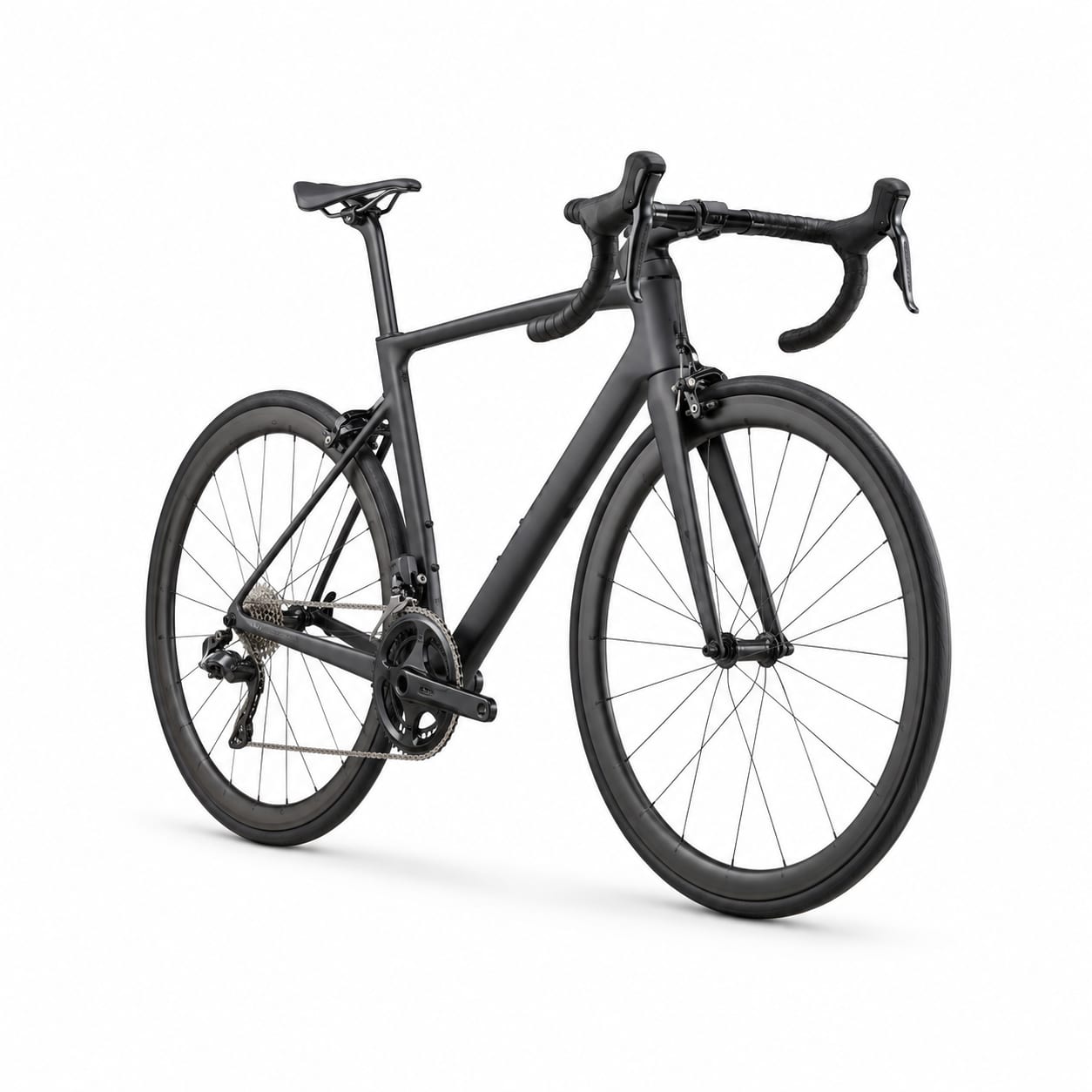
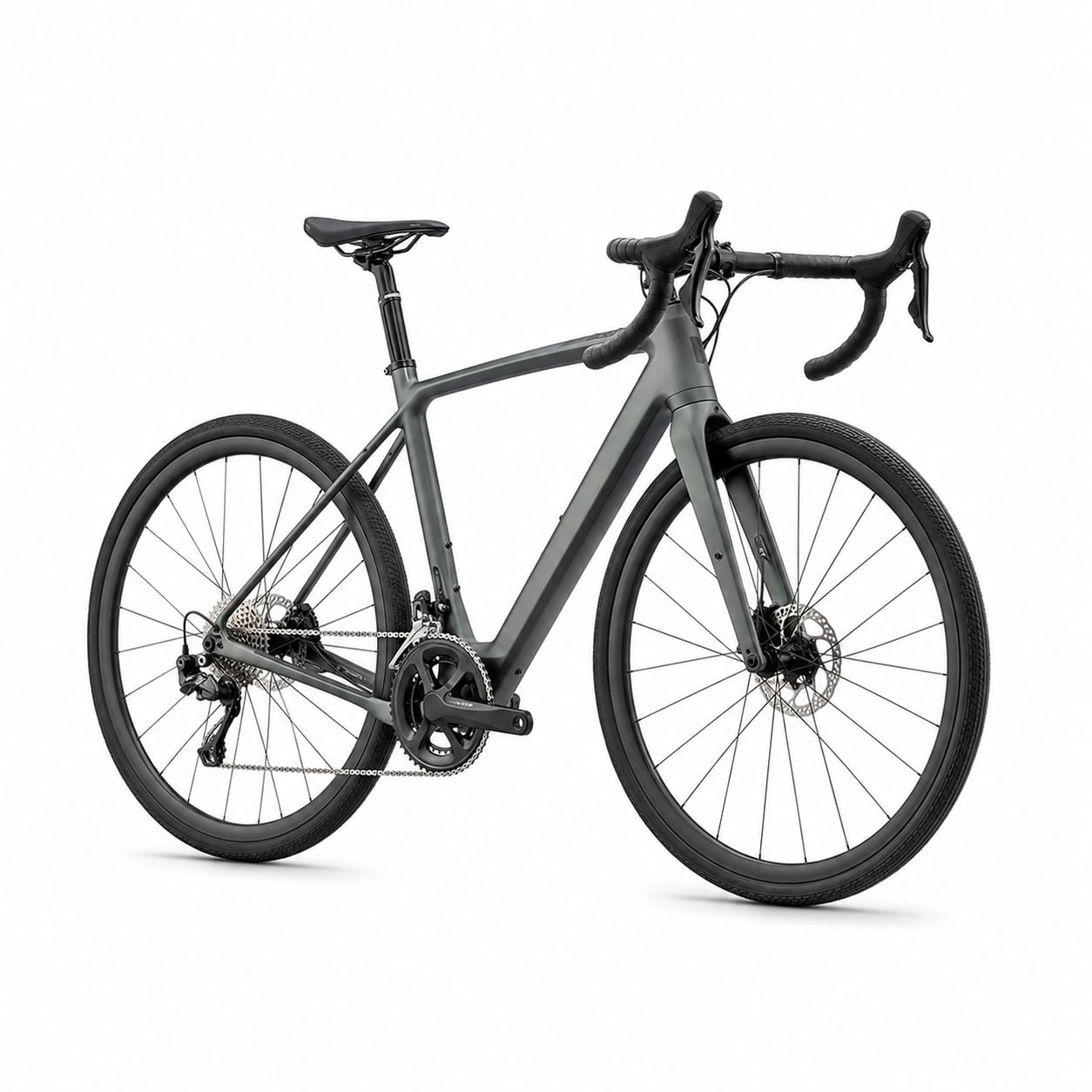
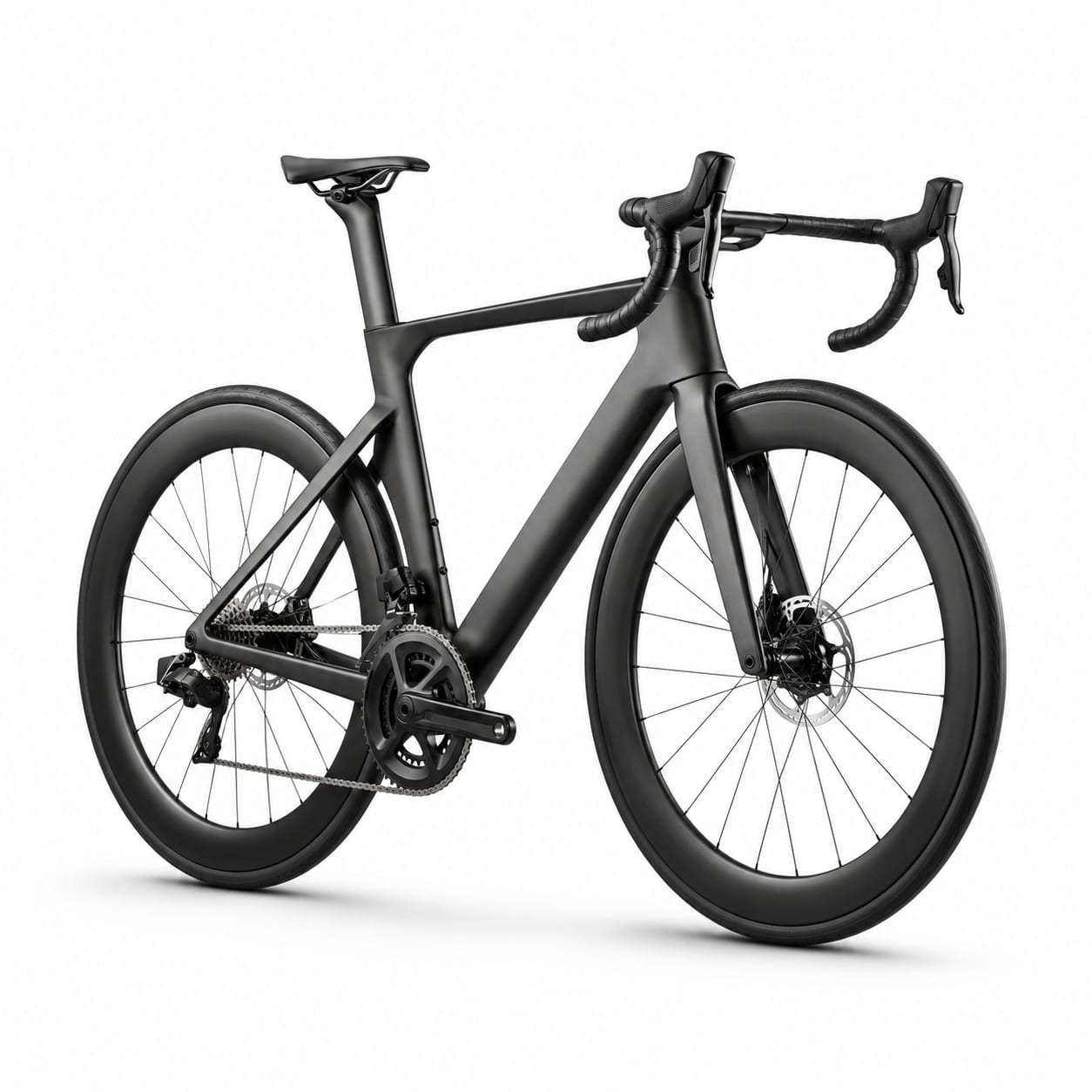
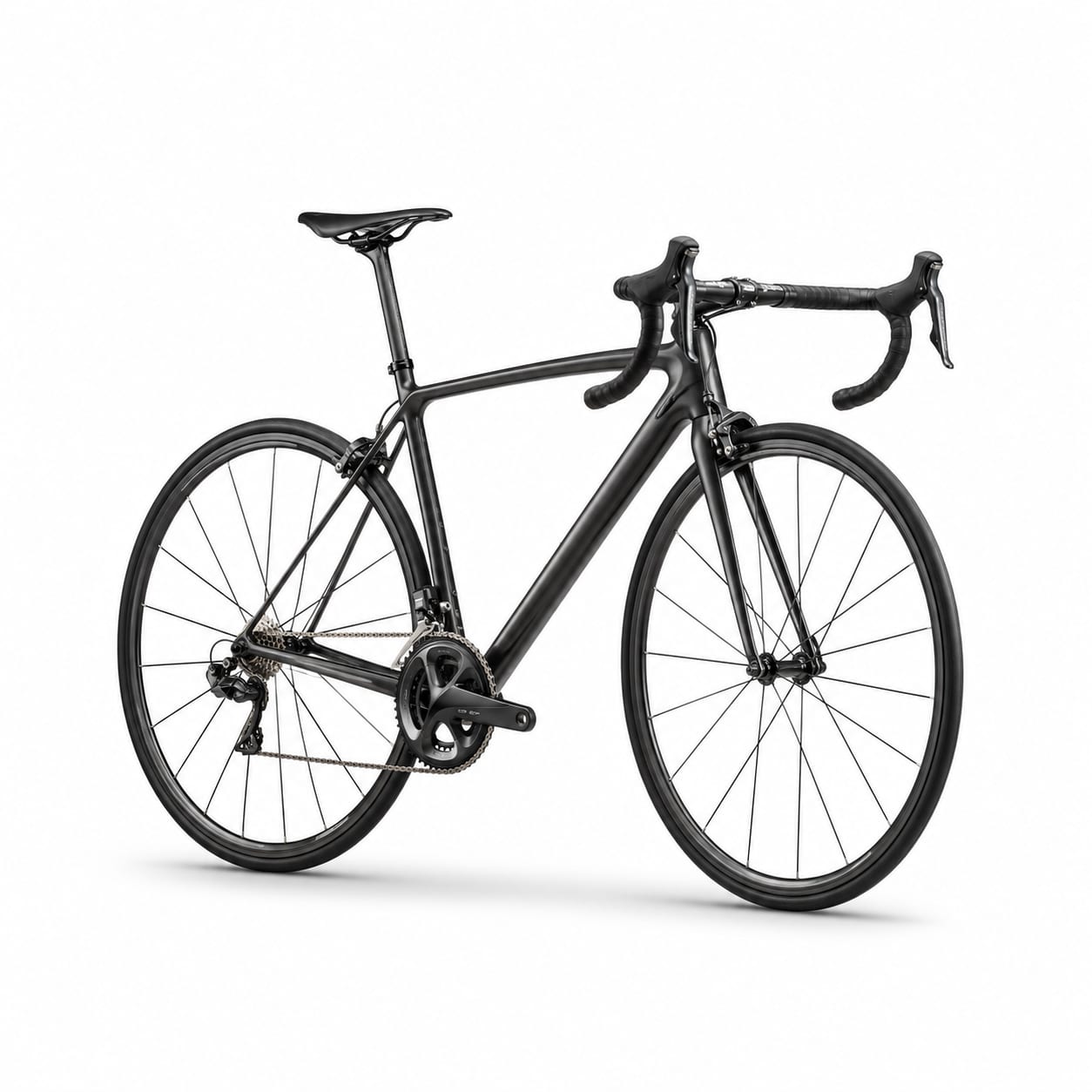
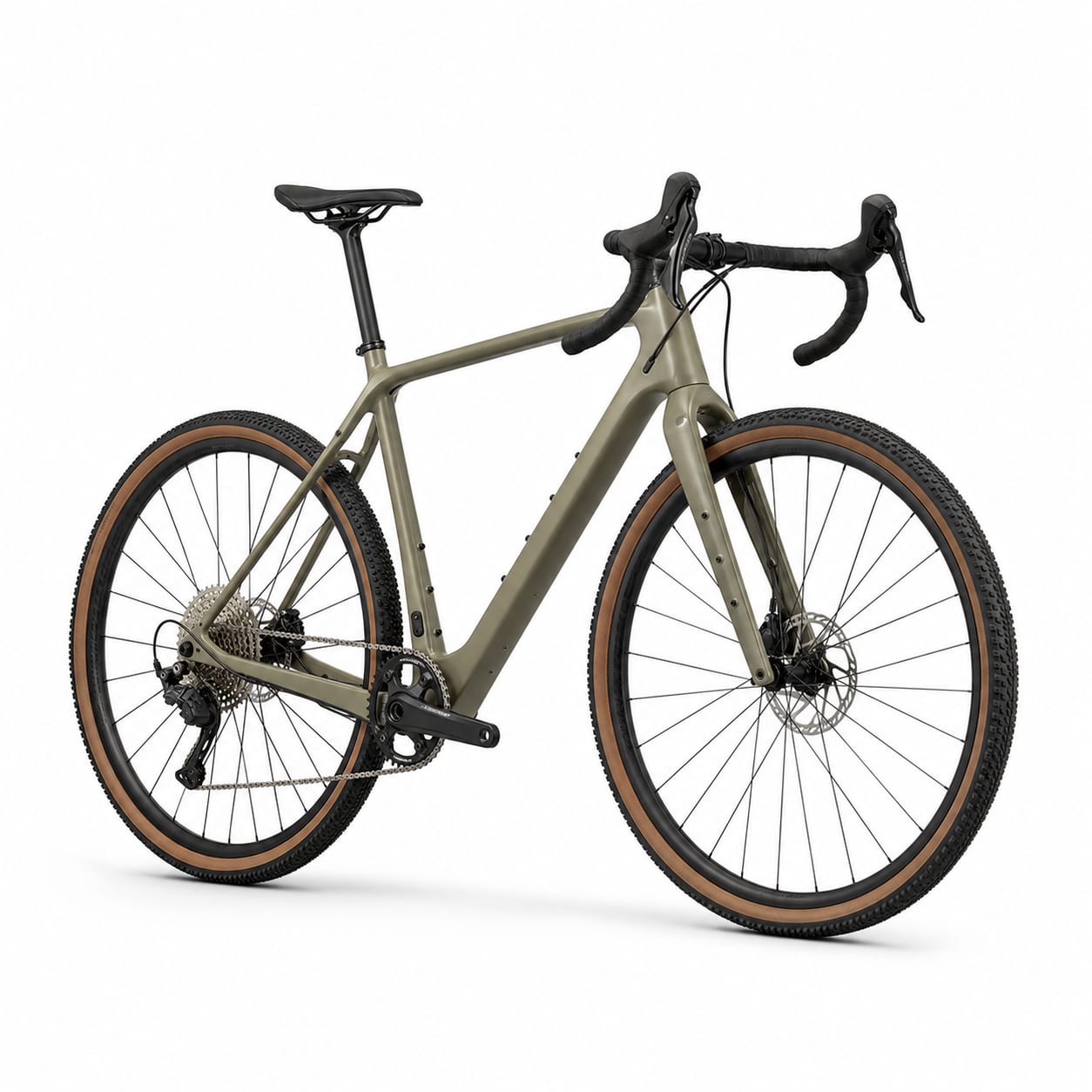
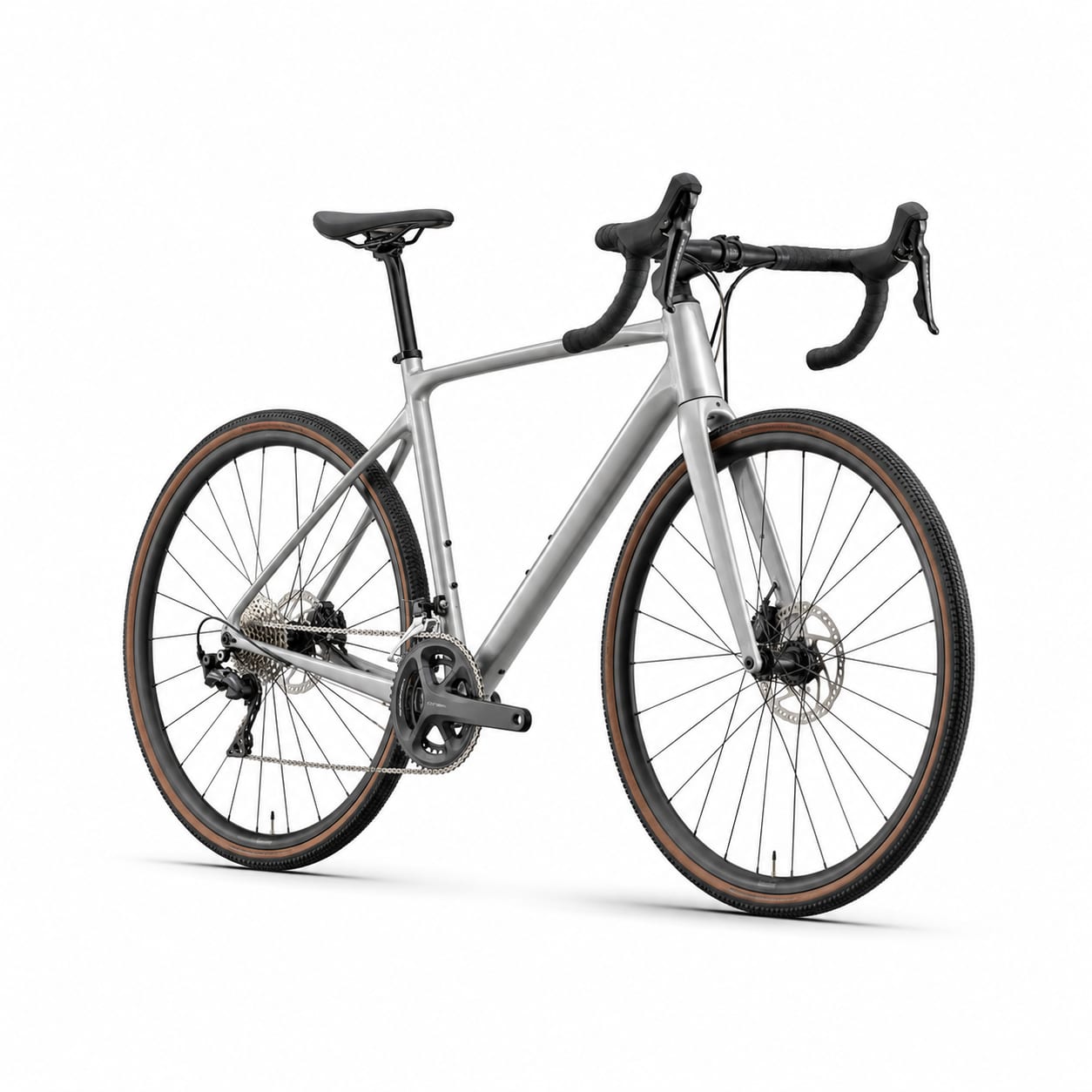
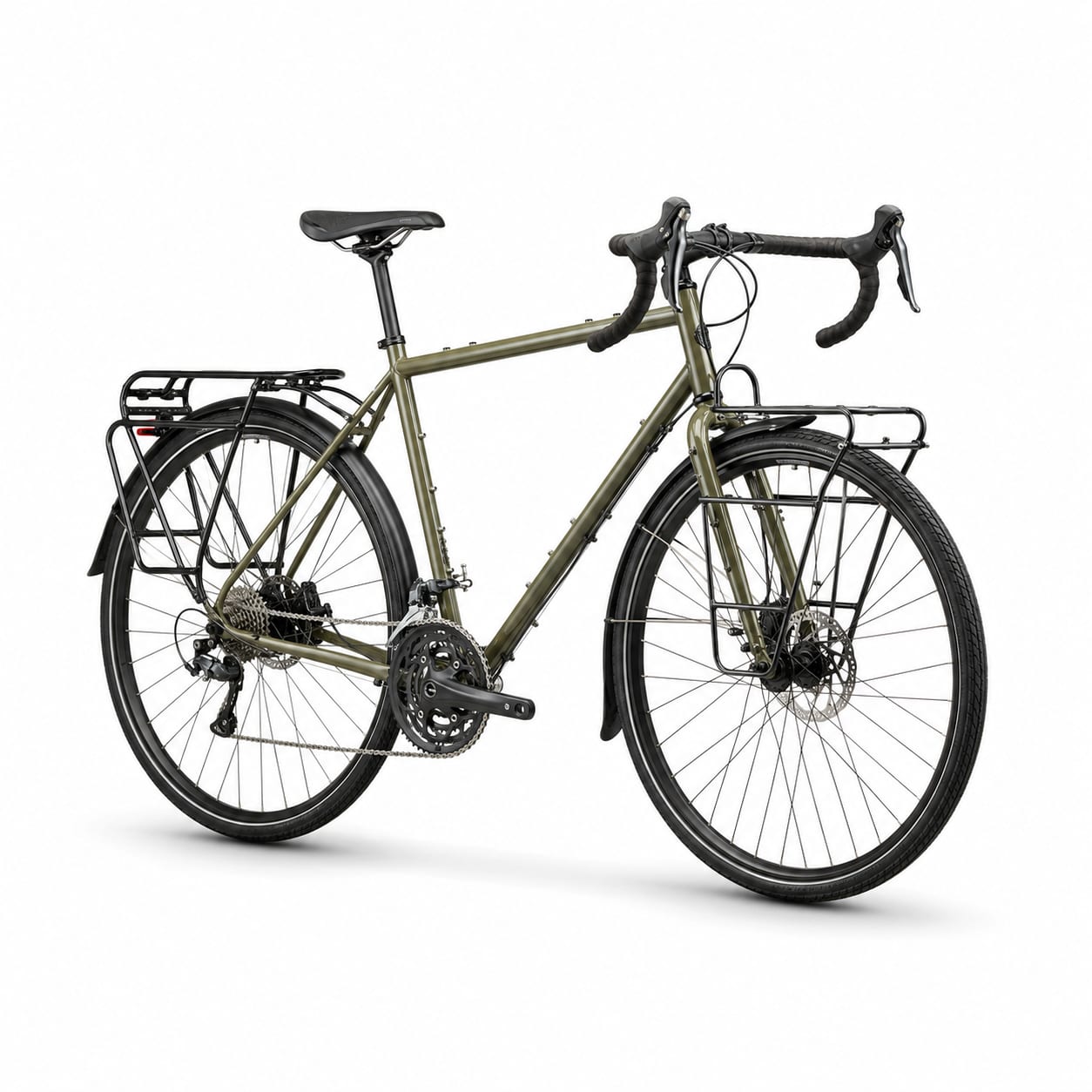
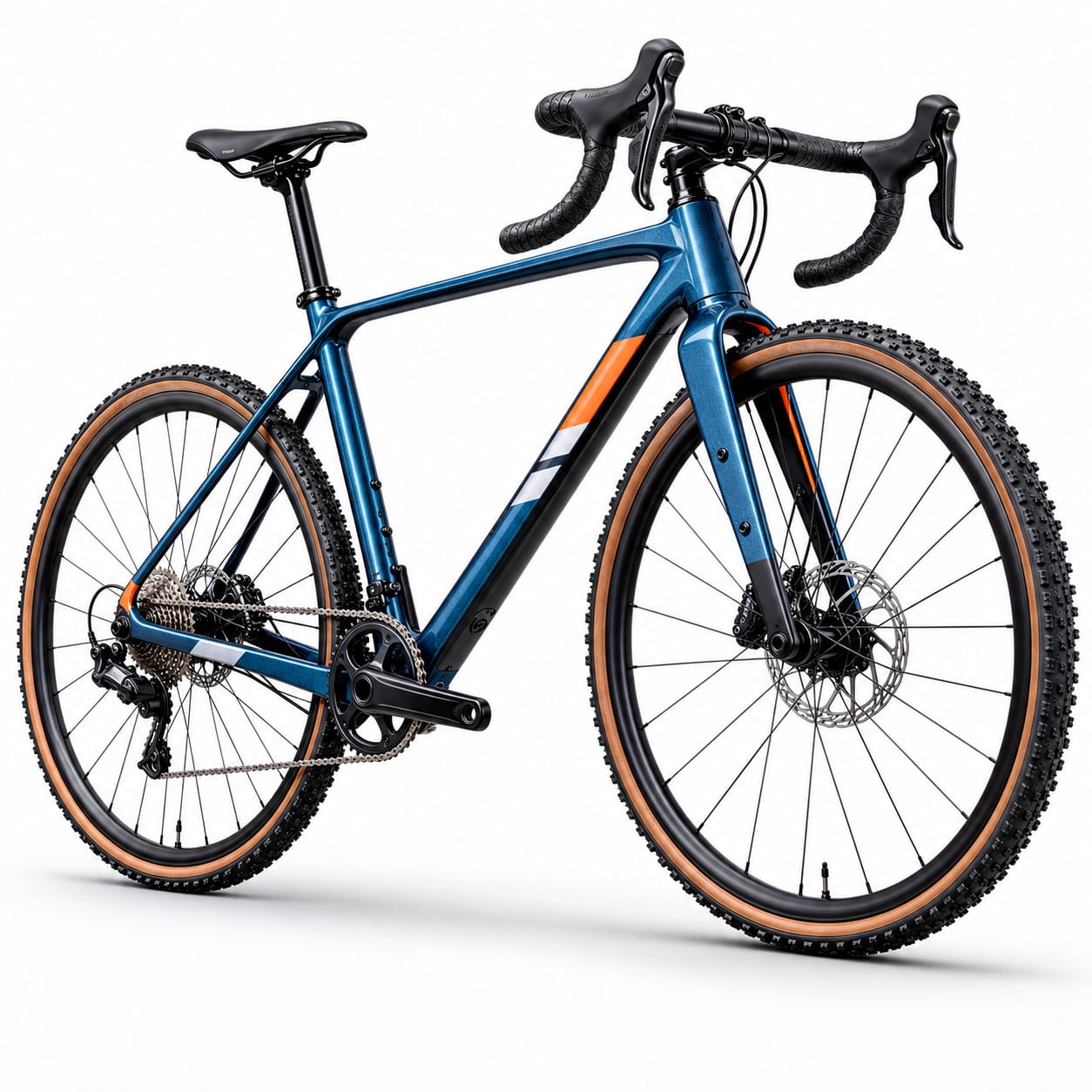
The nominal size designation of the frame, typically based on seat tube length or a general sizing system, which determines overall bike fit.
Typical range: 44–64 cm
Frame size is the most critical fit parameter. Use manufacturer size charts based on your height and inseam. When between sizes, smaller frames offer more agility and standover clearance while larger frames provide more stability. Always verify with stack and reach measurements rather than nominal size alone.
The vertical distance from the center of the bottom bracket to the top of the head tube. Determines how upright or low the rider sits on the bike.
Typical range: 470–620 mm
Higher stack = more upright, comfortable position. Lower stack = more aerodynamic, aggressive position. Endurance bikes typically have stack 10-30mm higher than race bikes in the same size. Match stack to your flexibility and riding goals. A bike fitter can adjust effective stack with spacers and stem angle, but starting close to ideal is best.
The horizontal distance from the center of the bottom bracket to the top of the head tube. Determines how stretched out the rider is on the bike.
Typical range: 350–420 mm
Longer reach = more stretched, aerodynamic position. Shorter reach = more compact, comfortable position. Reach is harder to adjust than stack — a stem change of 10mm is the practical limit. Compare reach across bikes in the same size to understand their true fit character.
Stack/Reach Ratio
Stack-to-Reach Ratio
The ratio of stack height to reach, indicating the overall riding position character independent of frame size. Higher ratios indicate more upright, endurance-oriented geometry.
Typical range: 1.3–1.65
1.30–1.38
Very aggressive, low and long position typical of aero race bikes.
1.38–1.45
Moderate race position balancing aerodynamics with all-day rideability.
1.45–1.55
Endurance-oriented position with comfortable upright posture.
1.55+
Very upright position for maximum comfort and stability.
This is the single best metric for comparing bike fit character across brands and sizes. Most riders should target 1.40–1.50 for a balance of performance and comfort. Under 1.38 requires significant flexibility; over 1.55 is very relaxed.
Head Tube Angle
Head Tube Angle
The angle of the head tube relative to horizontal; affects steering speed, stability, and front-end feel.
Typical range: 70–74.5 degrees
Steeper angles (73–74°) produce quicker, more responsive steering typical of race bikes. Slacker angles (71–72.5°) provide more stability typical of endurance bikes. Most road bikes fall between 72–73.5°. This is a secondary consideration — focus on stack and reach first, then compare angles for handling character.
Chainstay Length
Chainstay Length
The distance from the bottom bracket center to the rear axle; affects rear-end compliance, traction, and wheelbase.
Typical range: 405–425 mm
Shorter chainstays (405–410mm) provide snappy acceleration and agile handling, typical of race bikes. Longer chainstays (415–425mm) improve stability and compliance, typical of endurance bikes. Wider tire clearance often requires longer chainstays. This is a subtle but meaningful handling parameter.
BB Drop
Bottom Bracket Drop
The vertical distance the bottom bracket sits below the wheel axle line; affects cornering clearance and center of gravity.
Typical range: 65–75 mm
Higher BB drop (72–75mm) lowers the center of gravity for stability but reduces pedal clearance in corners. Lower BB drop (65–70mm) improves cornering clearance but raises the rider. Most road bikes use 68–72mm. This matters most for criterium racing where pedal strike is a concern.