
Road Bike · FAQ
Questions about Cyclocross Bike
Straight answers on fit, specs, and when this type makes sense — each topic has its own page with links back to the buying guide.
Open Cyclocross Bike guide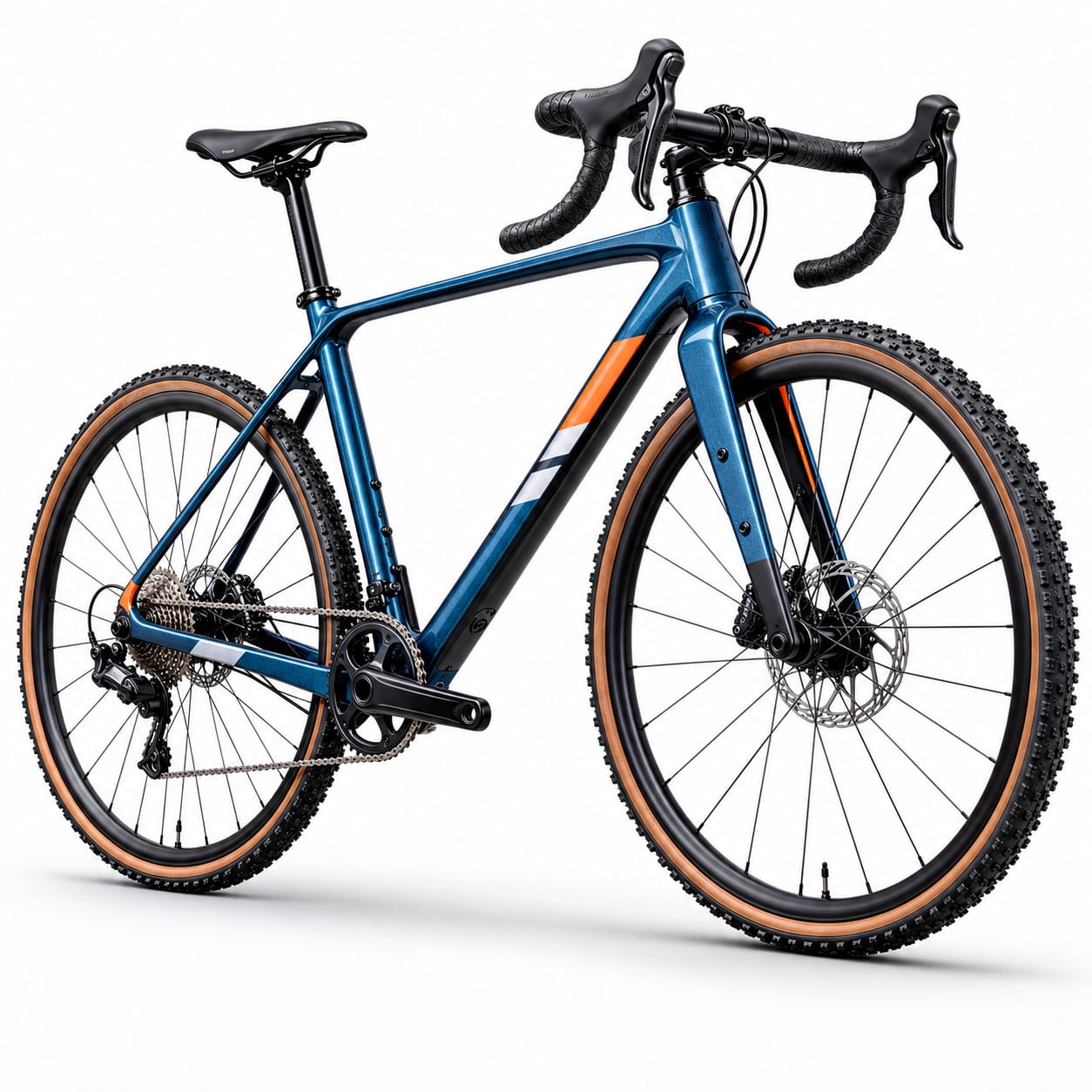
6 topics
Pick a question
Every answer links to the full subcategory guide and related gear types when it helps you decide.
Can I use a cyclocross bike as my only road bike?
Yes, with caveats. A CX bike with road tires mounted is a perfectly functional road bike, though it will be slightly heavier and less aerodynamic than a dedicated road bike. The higher bottom bracket makes high-speed cornering feel less planted, and 1x gearing may limit your top speed on fast descents. If you ride 70%+ road, consider a 2x drivetrain setup. If you ride mixed surfaces regularly, a CX bike as a do-everything rig is an excellent choice — just invest in a second wheelset with road tires.
Read answer →02What is the difference between a cyclocross bike and a gravel bike?
The key differences are geometry and intent. CX bikes have higher bottom brackets (65–70mm drop vs. 70–75mm for gravel), shorter chainstays for agility, and geometry tuned for 40–60 minute race efforts on tight courses. Gravel bikes have lower BBs for stability, longer wheelbases for comfort, more tire clearance (45–50mm+ vs. 33–40mm), and more mounting points for long-distance riding. CX bikes are race tools; gravel bikes are endurance machines. For casual mixed-surface riding, a gravel bike is usually more comfortable; for racing or aggressive riding, a CX bike is more responsive.
Read answer →03Do I need a cyclocross bike to race cyclocross?
For official UCI races, yes — your bike must meet equipment regulations including 33mm maximum tire width, no forward-facing bar ends, and functional brakes. However, many local and beginner CX races allow mountain bikes and gravel bikes. If you're trying CX for the first time, start with whatever bike you have. If you enjoy it and want to compete seriously, a dedicated CX bike provides meaningful advantages in handling, weight (for shouldering), and mud clearance.
Read answer →04Why do cyclocross bikes use 1x drivetrains?
1x drivetrains dominate CX for three reasons: reliability, simplicity, and mud clearance. Without a front derailleur, there's one fewer component to foul with mud, one fewer mechanism to drop chains under the jarring impacts of off-road racing, and one fewer cable to maintain. Clutch rear derailleurs keep chain tension secure over rough terrain. The gear range of a 1×12 setup (e.g., 40T chainring with 10-33T cassette) is adequate for the short, punchy nature of CX courses. For riders who also ride significant road miles, 2x remains a viable option.
Read answer →05What tire pressure should I run on a cyclocross bike?
Tire pressure for CX varies dramatically by conditions, rider weight, and tire setup. Typical ranges are 25–35 psi for tubeless setups and 30–45 psi for tubular or clincher setups. Lower pressures provide more grip and comfort on loose terrain but increase rolling resistance on hard surfaces and risk rim strikes. In muddy conditions, slightly higher pressure helps the tire cut through to find traction. On sand or dry hardpack, lower pressure maximizes the contact patch. The ideal pressure often changes during a race as conditions evolve — many elite riders choose a compromise pressure that works across all course sections.
Read answer →06How long do cyclocross bikes last?
With proper maintenance, a CX frame can last 5–10+ years. However, CX racing is hard on equipment — drivetrain components may need replacement every 1–2 race seasons, brake pads every few months during race season, and cables/housing annually. Frames can develop cracks from crashes, barrier impacts, and the cumulative stress of off-road racing. Carbon frames are surprisingly durable but should be inspected after significant crashes. The overall lifespan depends heavily on how often you race in muddy conditions and how diligently you clean and maintain the bike after each ride.
Read answer →