
Ski Backpack · FAQ
Questions about Multi-Day Touring Pack
Straight answers on fit, specs, and when this type makes sense — each topic has its own page with links back to the buying guide.
Open Multi-Day Touring Pack guide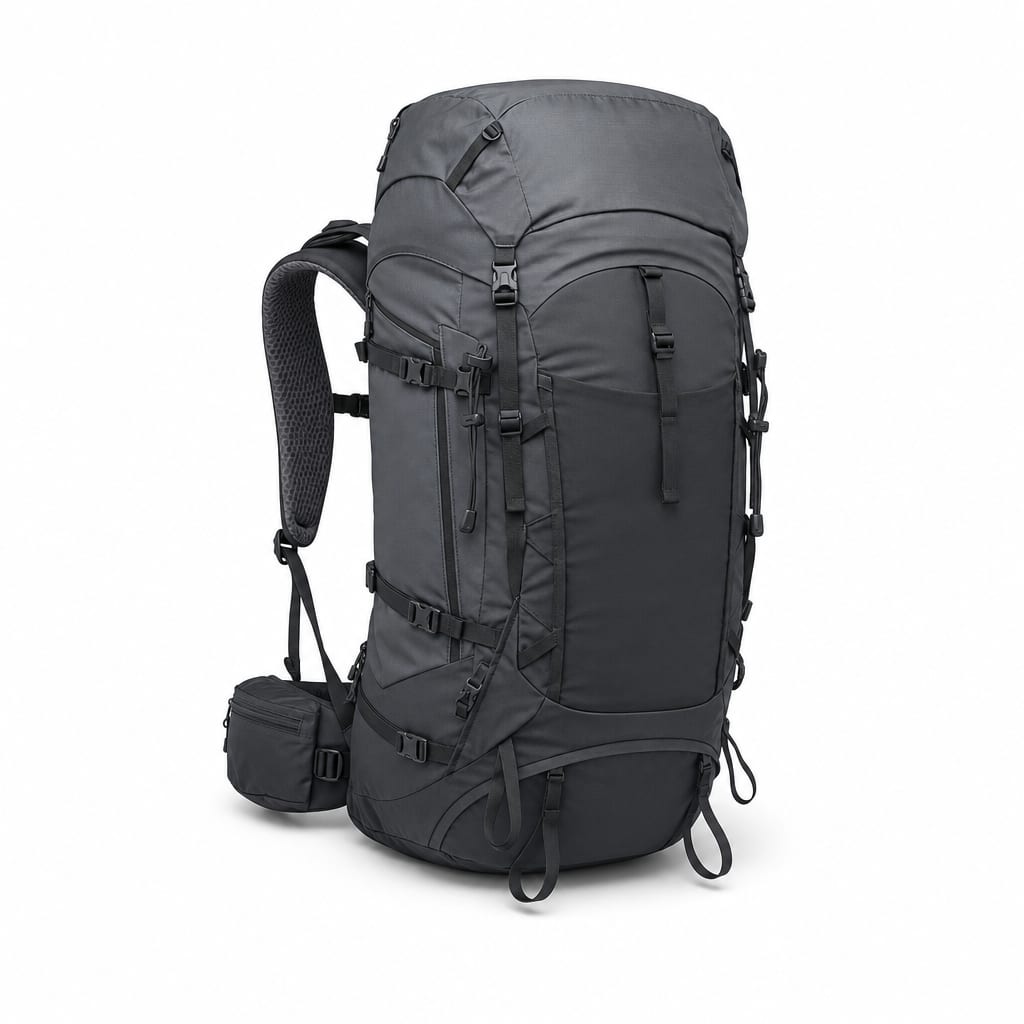
6 topics
Pick a question
Every answer links to the full subcategory guide and related gear types when it helps you decide.
How many liters do I need for a 2-night hut trip?
For a 2-night hut trip, 38–45L is typically sufficient. This accommodates a sleeping bag liner (huts usually provide blankets), 2–3 days of food, a stove and fuel if the hut lacks cooking facilities, extra layers, and your standard avalanche safety gear. If you are winter camping instead of using a hut, bump up to 45–50L for the sleeping pad, full sleeping bag, and tent or bivvy. Pack your gear and measure the volume before buying—many skiers overestimate how much capacity they need.
Read answer →02Can I use a multi-day touring pack for day tours?
Technically yes, but it is not ideal. A 45L pack on a day tour is heavier than necessary, encourages overpacking, and feels bulky on descents. The suspension system is underutilized with a light load. If you occasionally do both day and multi-day tours, consider a 35–38L pack that bridges the gap, or invest in a smaller day pack for day tours and a multi-day pack for overnight trips. Many backcountry skiers own two packs for this reason.
Read answer →03Is back-panel access really worth the extra zipper weight?
For most multi-day tourers, yes. Back-panel access allows you to retrieve gear from the main compartment without removing skis from the carry system. On a ridge transition or rest stop, this saves significant time and hassle—you set the pack down on its front (skis pointing up), unzip the back panel, and access everything. The alternative is detaching skis, opening the top, digging to the bottom, repacking, and reattaching skis. Over multiple days with multiple stops, the convenience is substantial. The zipper adds roughly 50–80g.
Read answer →04Do I need an airbag-compatible pack for multi-day tours?
It is strongly recommended but not mandatory. Multi-day tours often cross complex avalanche terrain far from quick rescue access, which is exactly the scenario where airbags provide the most benefit. However, airbag systems add 1–2 kg and significant cost. If you cannot afford an airbag system, prioritize a standard multi-day pack with a dedicated avalanche gear compartment and invest in thorough avalanche education instead. An airbag is a supplement to good decision-making, not a replacement for it.
Read answer →05How do I prevent my hydration hose from freezing on multi-day tours?
Use a pack with insulated hose routing and keep the reservoir inside the main compartment (against your back) rather than in an external pocket. Blow air back through the hose after each drink to clear water from the tube and bite valve. On very cold nights (-15°C and below), bring the reservoir into your sleeping bag. Some tourers prefer insulated water bottles stored inside the pack as a backup, since a frozen hydration system is worse than no hydration system at all.
Read answer →06What is the difference between airbag-integrated and airbag-compatible packs?
Airbag-integrated packs have the airbag system built permanently into the pack—you cannot remove it. Airbag-compatible packs have a dedicated sleeve that accepts a removable airbag module (sold separately). Compatible packs offer flexibility: you can use the same airbag module in different pack sizes, remove it to save weight when you do not need it, or upgrade the module later. Integrated packs are simpler and often slightly lighter for the same airbag capacity, but you are locked into that specific pack and airbag combination.
Read answer →