Kitvore.com

Kitvore.com

Specs that matter. Gear that fits.

Ski Backpack · Subcategory

Multi-Day Touring Pack

High-capacity ski backpacks designed for overnight hut trips and multi-day backcountry expeditions carrying camping gear, food, and full avalanche safety equipment.

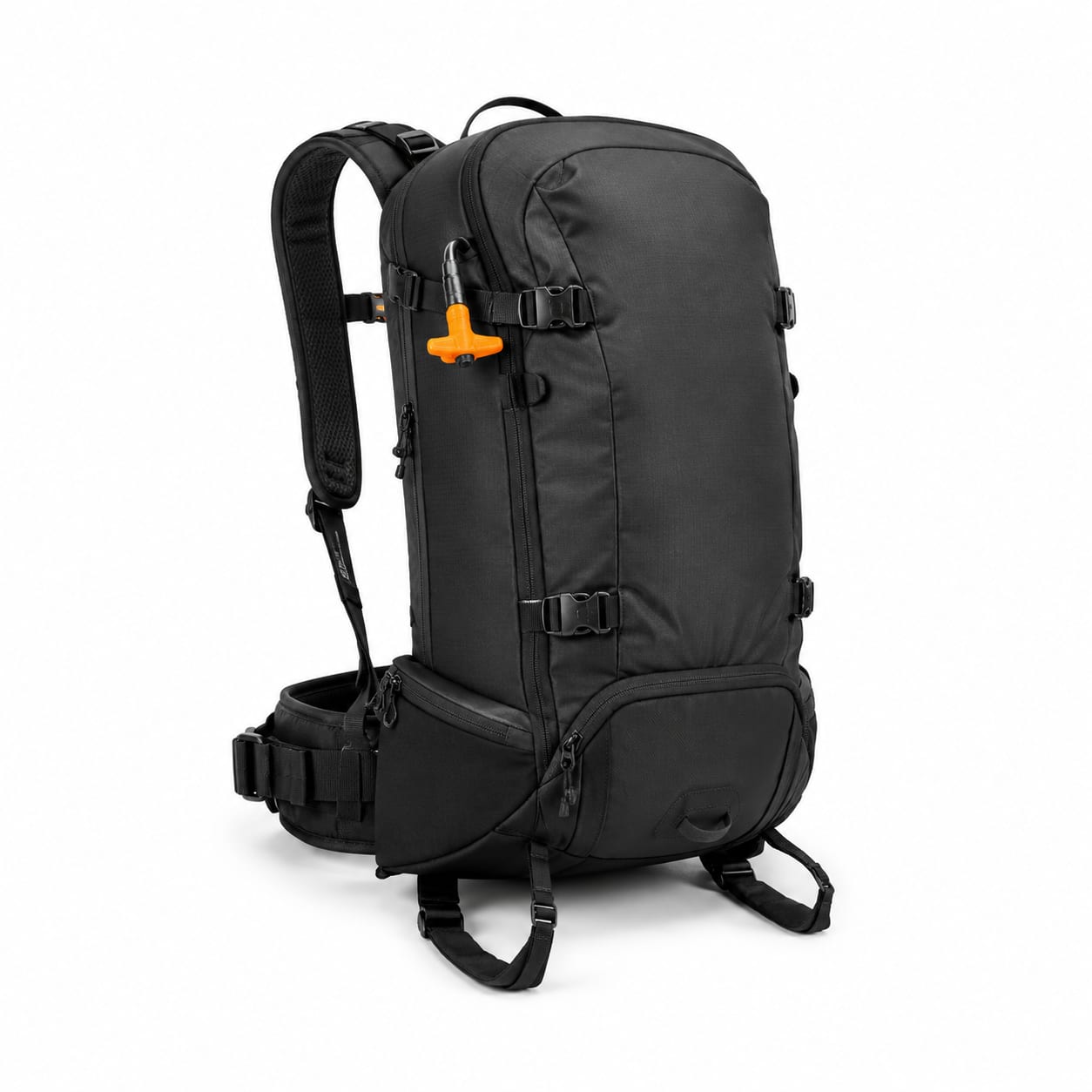
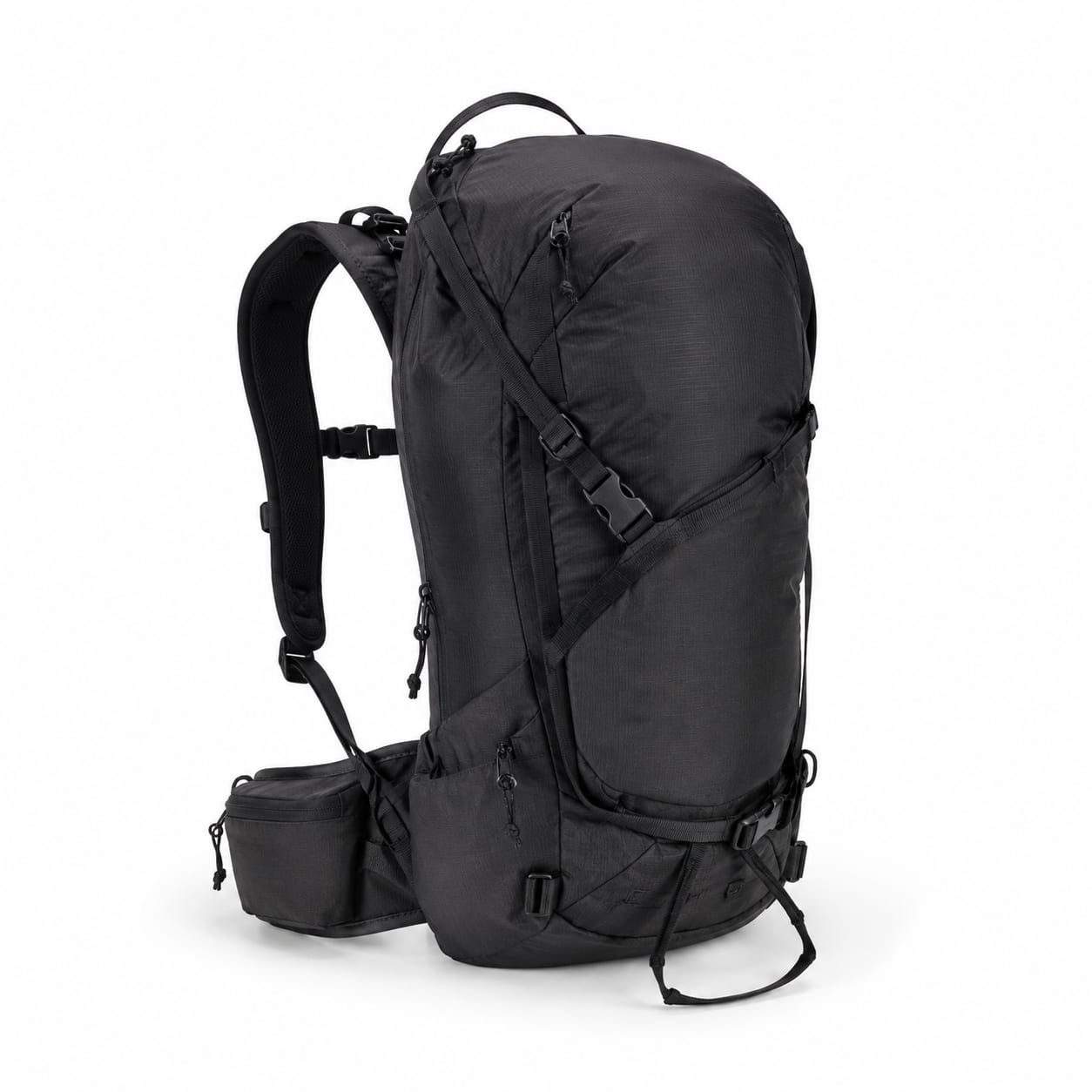
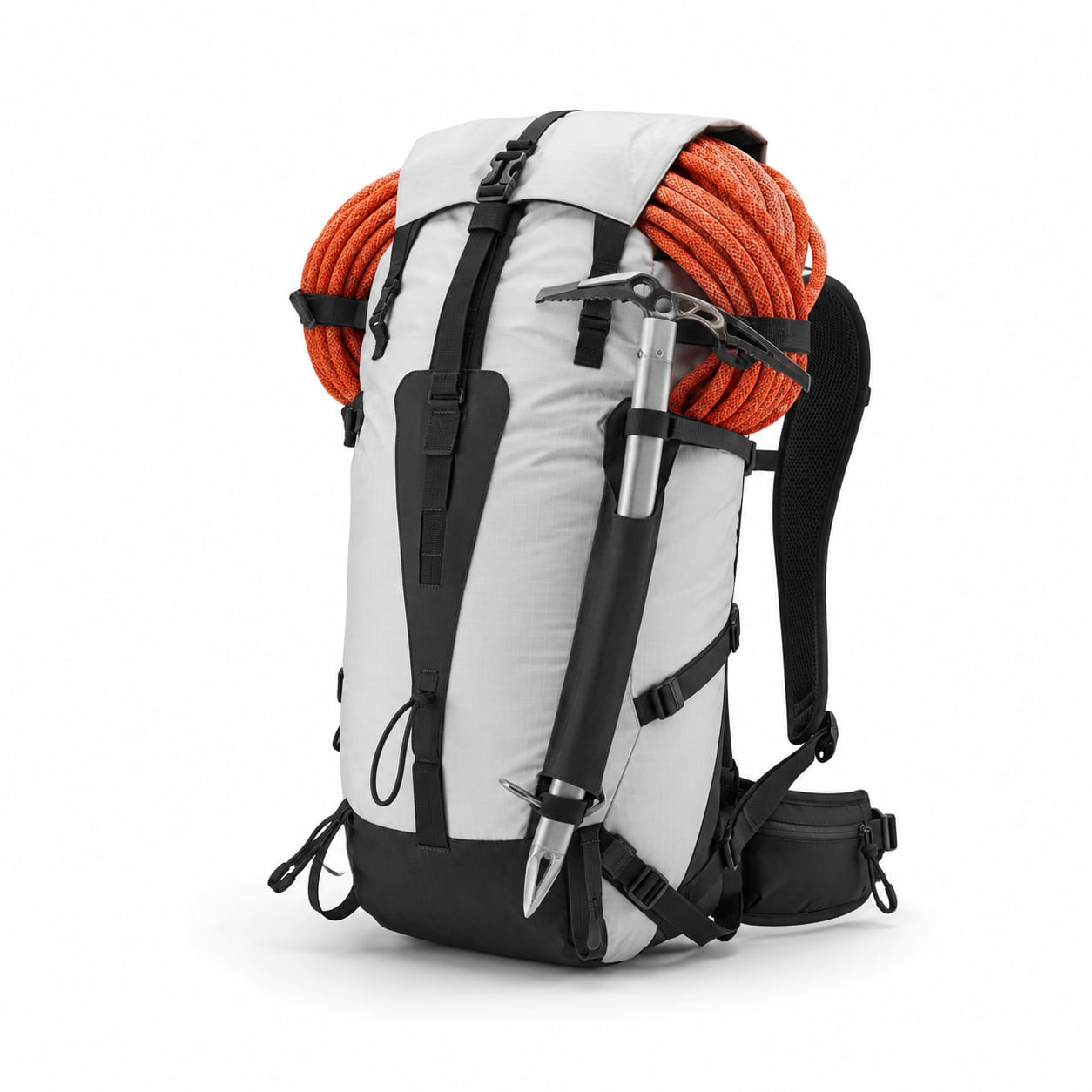
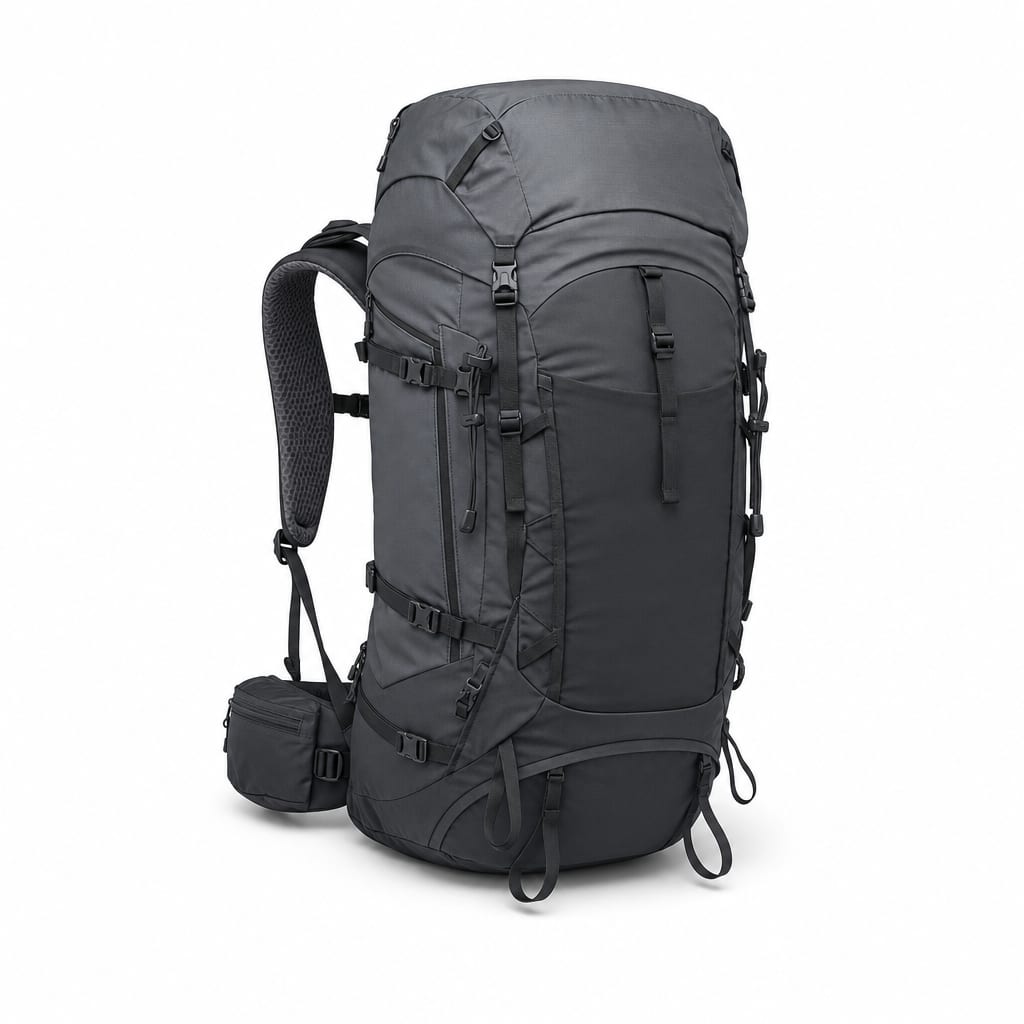
Multi-day touring packs are the workhorses of backcountry skiing, offering 36–55L of capacity to carry everything you need for overnight stays in huts or winter camping. Built with robust suspension systems, dedicated avalanche gear compartments, versatile ski carry options, and often back-panel access so you can reach your gear without removing skis. They prioritize load stability, durability, and organization for sustained self-powered travel through the mountains.

$160 – $380premium tieradvancedexpert

Best known for

High capacity for overnight and expedition gearRobust suspension systems for heavy loadsBack-panel access for gear retrieval with skis attachedVersatile ski carry configurations (A-frame and diagonal)Dedicated avalanche safety compartments
Multi-Day Touring Pack

Guide

Detailed overview

Multi-day touring packs are purpose-built for skiers venturing beyond day-trip territory into overnight hut trips, glacier traverses, and multi-day ski expeditions. Ranging from 36 to 55 liters, these packs must carry not only standard backcountry safety gear and daily touring essentials but also sleeping bags, food for multiple days, cooking equipment, and extra layers. This demands a sophisticated suspension system with padded hip belts, load-lifter straps, and often adjustable torso lengths to transfer weight efficiently to the hips during long uphill skin tracks. Unlike smaller day packs, multi-day packs frequently feature back-panel access, allowing skiers to retrieve gear without detaching skis from the carry system—a critical convenience during rest stops on exposed terrain. Material durability is paramount since these packs endure repeated contact with ski edges, ice screws, and rocky ridgelines over extended trips. Many models offer airbag compatibility, recognizing that multi-day tours often cross complex avalanche terrain. The trade-offs are clear: these packs are heavier, bulkier, and more expensive than day packs, but they are indispensable when you need to carry your world on your back for days in the mountains.

Multi-day touring packs occupy the upper end of the ski backpack spectrum, designed for skiers who spend nights in the backcountry—whether in mountain huts, snow caves, or winter tents. The defining characteristic is capacity: at 36 to 55 liters, these packs swallow sleeping systems, multiple days of food, stoves, fuel, and extra insulation layers alongside the mandatory avalanche safety kit that every backcountry pack must carry. This volume demands a suspension system far more robust than what day packs offer. Padded, contoured hip belts with substantial foam are non-negotiable for transferring heavy loads to the hips, and load-lifter straps angling from the shoulder harness to the top of the pack prevent the weight from pulling you backward on steep skin tracks.

Access design becomes particularly important at this scale. Top-loading alone is frustrating when you need your puffy jacket from the bottom of a fully loaded 45-liter pack. The best multi-day touring packs combine back-panel access—opening from the body side so you can reach gear without disturbing ski attachments—with front-panel or side zippers for organizational flexibility. This multi-access approach means you can keep your skis strapped on during a ridge-break and still retrieve your snacks and extra layer without fully unpacking. Compression systems, ideally dual side-and-vertical, are essential because your pack volume fluctuates dramatically over a multi-day trip: full on day one with food and fuel, noticeably slimmer by the last morning.

Durability is a heightened concern for multi-day packs because the consequences of gear failure are amplified far from trailheads. Heavy-duty nylon in the 400D+ range is common, especially on the bottom panel where ski edges and crampon points concentrate wear. Many models reinforce high-abrasion zones with additional fabric layers or protective patches. Water resistance also matters more on multi-day trips where wet gear cannot simply be dried at home that evening—DWR coatings are standard, and some packs offer sealed-seam construction or included rain covers for sustained wet snow conditions. Hydration systems with insulated hose routing are strongly recommended since frozen water access on a cold glacier camp can become a genuine safety concern.

The weight penalty of multi-day packs is real and unavoidable. Empty pack weights typically range from 1200 to 2000g, with airbag-compatible models pushing toward 2500g before you add the airbag system itself. Every gram of pack weight is a gram not available for food or safety gear, so the lightest reasonable pack for your needs is always the best choice. However, cutting weight at the expense of suspension quality or durability is a false economy on multi-day tours—a poorly fitting pack causes misery over thousands of vertical feet, and a torn pack in the middle of a glacier crossing is a serious problem. The investment in a quality multi-day touring pack pays dividends in comfort, safety, and the simple pleasure of moving efficiently through the mountains with everything you need on your back.

Quick facts

Primary purpose
Carrying all gear and supplies for multi-day backcountry ski tours and hut trips
Popular brands
Black DiamondOspreyDeuterArc'teryxMammutOrtovox
Typical terrain
BackcountryHut systemsGlaciated traversesRemote wilderness

What makes it different

Separate sleeping bag compartment; Load-lifting suspension for heavy carries; Multiple compression straps; Gear loops and attachment points for technical equipment; Larger capacity than day touring packs while maintaining ski-specific features

Recommended ranges

How this type usually specs out

Each spec is explained in plain language, then we show what buyers usually look for on this type.

Volume / Capacity

capacity

What it means

The total storage volume of the backpack measured in liters, determining how much gear can be carried.

Typical for this type

36–50L

Most common pick: 40L

In practice

Multi-day touring packs typically range from 36L for minimalist overnight hut trips up to 50L+ for full expedition use with winter camping gear. The sweet spot for most 2–3 day hut trips is 38–45L.

Compared to other types

Significantly larger than day touring packs (25–35L) and resort packs (15–22L). The extra volume is specifically for sleeping systems, multi-day food, and cooking gear that day packs never need to carry.

Why it matters: Capacity determines how many days of food, sleeping gear, and extra clothing you can carry. Too small and you cannot fit essential overnight gear; too large and the pack becomes unwieldy, encourages overpacking, and shifts your center of gravity backward on descents.

Ski Carry System

ski_carry_system

What it means

The method and configuration used to attach skis to the backpack for uphill travel or transport.

Typical for this type

A-Frame + Diagonal

Most common pick: A Frame

In practice

Most multi-day touring packs feature A-frame carry as the primary system, with diagonal carry as a secondary option. A-frame provides the best balance and stability for heavy loads on long approaches, while diagonal is useful for shorter transitions or when carrying splitboard halves.

Compared to other types

Multi-day packs almost always offer both A-frame and diagonal options, whereas smaller day packs may only offer diagonal. The attachment hardware on multi-day packs is typically more robust to handle heavier skis and repeated use over many days.

Why it matters: On multi-day tours, you may spend hours skinning with skis attached during steep bootpacks or ridge traverses. A stable, balanced carry system prevents fatigue and maintains your center of gravity. The system must also accommodate wide touring skis and fat powder skis common on multi-day trips.

Snowboard Carry

snowboard_carry

What it means

Whether and how the backpack can carry a snowboard.

Typical for this type

Vertical Or Splitboard Compatible

Most common pick: Vertical

In practice

Multi-day packs that support snowboard carry typically offer vertical attachment. Many also include splitboard-specific carry for riders doing multi-day splitboard tours. Some ski-focused models offer no snowboard carry at all.

Compared to other types

Multi-day packs are more likely to include splitboard carry options than smaller day packs, reflecting the growing popularity of multi-day splitboard tours. Vertical carry is the standard for whole-board attachment.

Why it matters: Splitboarders on multi-day tours need reliable carry for split halves during uphill travel and a way to carry the joined board during bootpacks. The carry system must be secure enough for hours of travel with a heavy board on technical terrain.

Avalanche Safety Gear Compartment

avalanche_gear_compartment

What it means

Dedicated, quick-access compartment for avalanche shovel, probe, and sometimes a first aid kit.

Typical for this type

Dedicated Front Pocket

Most common pick: Dedicated Front

In practice

A dedicated front-access pocket for shovel and probe is standard on virtually all multi-day touring packs. This provides the fastest emergency access and keeps safety gear separate from overnight contents.

Compared to other types

Essential across all backcountry pack subcategories, but even more critical on multi-day packs where the main compartment is more densely packed, making gear retrieval from internal sleeves significantly slower.

Why it matters: In an avalanche burial, seconds matter. A dedicated front pocket ensures the rescue party can extract shovel and probe instantly without unpacking sleeping bags and food. On multi-day trips, the main compartment is densely packed, making integrated storage dangerously slow for avy gear access.

Avalanche Airbag Compatibility

airbag_compatible

What it means

Whether the pack has an integrated avalanche airbag system or is compatible with removable airbag modules.

Typical for this type

Airbag Compatible/Ready Or Integrated

Most common pick: Compatible

In practice

Many multi-day touring packs are airbag-compatible, accepting removable airbag modules. Some offer integrated airbag systems. The trend is toward compatible/ready designs that let you swap the airbag module between packs of different sizes.

Compared to other types

Multi-day packs are more likely to be airbag-compatible than small resort packs, reflecting the higher consequence terrain they access. The airbag module reduces usable internal volume by 3–5L, which is less impactful in a 45L pack than a 25L day pack.

Why it matters: Multi-day tours often cross multiple avalanche paths and remote terrain where rescue response times are longer. Airbag systems significantly increase survival odds in avalanches. The modular approach lets you use the same airbag system in a day pack and a multi-day pack.

Back Protection

back_protection

What it means

Integrated or compatible spine/back protector for impact protection during falls.

Typical for this type

Protector Compatible Or None

Most common pick: Compatible

In practice

Multi-day touring packs often offer a compatible sleeve for removable back protector inserts rather than integrated protection. This allows riders to remove the protector for uphill skinning to save weight and reinsert it for technical descents.

Compared to other types

Day packs and resort packs are more likely to feature integrated back protectors since weight is less critical and the convenience of all-in-one protection is valued. Multi-day packs lean toward compatible or no protection to minimize uphill weight.

Why it matters: Weight is at a premium on multi-day tours, and integrated protectors add 200–400g permanently. A compatible system gives you the choice: run the protector on technical descent days, leave it out on milder tours. Some riders prefer separate protector vests for this reason.

Pack Weight

weight

What it means

The weight of the empty backpack without any gear, airbag cartridge, or back protector insert.

Typical for this type

1200–1800g (without airbag system)

Most common pick: 1450g

In practice

Empty pack weights for multi-day touring packs typically range from 1200g for streamlined models to 1800g for feature-rich packs. Airbag-compatible models add 200–400g for the reinforced structure, and the airbag system itself adds another 1000–1700g.

Compared to other types

Heavier than day touring packs (900–1400g) and resort packs (500–1200g) due to larger capacity, more robust suspension systems, heavier-duty materials, and additional access zippers. The weight penalty is justified by the need to carry heavy loads comfortably.

Why it matters: On multi-day tours, every gram of pack weight is a gram less available for food, fuel, and safety gear. However, cutting weight at the expense of suspension quality leads to shoulder pain and poor load transfer over thousands of vertical feet of climbing.

Torso Length / Back Length

torso_length

What it means

The length of the backpack's back panel and suspension system, determining fit for different torso sizes. Often available in multiple sizes (S/M, M/L, L/XL) or with adjustable back length.

Typical for this type

Adjustable Back Length or M/L (43–50 cm)

Most common pick: Adjustable

In practice

Multi-day touring packs frequently offer adjustable back length systems because proper torso fit is critical for heavy load transfer. Models that come in fixed sizes typically offer S/M and M/L options. Some premium models offer L/XL for taller riders.

Compared to other types

Adjustable back length is more common in multi-day packs than day packs because the consequences of poor fit are amplified by heavier loads and longer days. Day packs can get away with simpler sizing since they carry less weight.

Why it matters: With 15–25 kg of gear on your back for hours of skinning, proper torso fit is the difference between a comfortable tour and debilitating shoulder pain. The hip belt must sit precisely on top of the iliac crest to transfer load effectively. Adjustable systems accommodate varying layer thicknesses across conditions.

Hydration System Compatibility

hydration_compatible

What it means

Whether the pack supports a hydration reservoir/bladder and/or has insulated hose routing to prevent freezing.

Typical for this type

Insulated Hose Routing

Most common pick: Insulated Hose

In practice

Insulated hose routing is strongly recommended for multi-day touring packs. Cold mornings at high elevation, wind chill on ridges, and extended time in sub-zero temperatures make hose freezing a real and dangerous problem on multi-day tours.

Compared to other types

Insulated hose routing is more important for multi-day packs than resort packs because of extended cold exposure and the inability to easily access indoor facilities. Day touring packs also benefit, but the risk is lower due to shorter exposure times.

Why it matters: Dehydration impairs decision-making and physical performance—both critical in the backcountry. On multi-day tours, you cannot simply return to the lodge for water. Insulated routing with a reservoir stored inside the pack (against your back for warmth) is the most reliable system.

Hip Belt Type

hip_belt_type

What it means

The style and padding level of the hip belt, which transfers load from shoulders to hips.

Typical for this type

Padded With Hip Pockets Or Padded, Removable

Most common pick: Padded With Pockets

In practice

Multi-day touring packs almost universally feature well-padded hip belts, often with integrated pockets. The pockets provide convenient access to snacks, sunscreen, and navigation tools without removing the pack or stopping momentum on long skin tracks.

Compared to other types

Multi-day packs feature the most substantial hip belts in the ski backpack category. Day packs may use simpler padded belts, and resort packs often use webbing or removable pads. Hip pockets are more common on multi-day packs due to the longer duration between full pack-off breaks.

Why it matters: With heavy loads, a substantial padded hip belt is essential for transferring weight to the hips and preventing shoulder fatigue. Hip pockets are particularly valuable on multi-day tours where frequent snacking maintains energy over long days, and quick access to a phone for navigation or camera for photos matters.

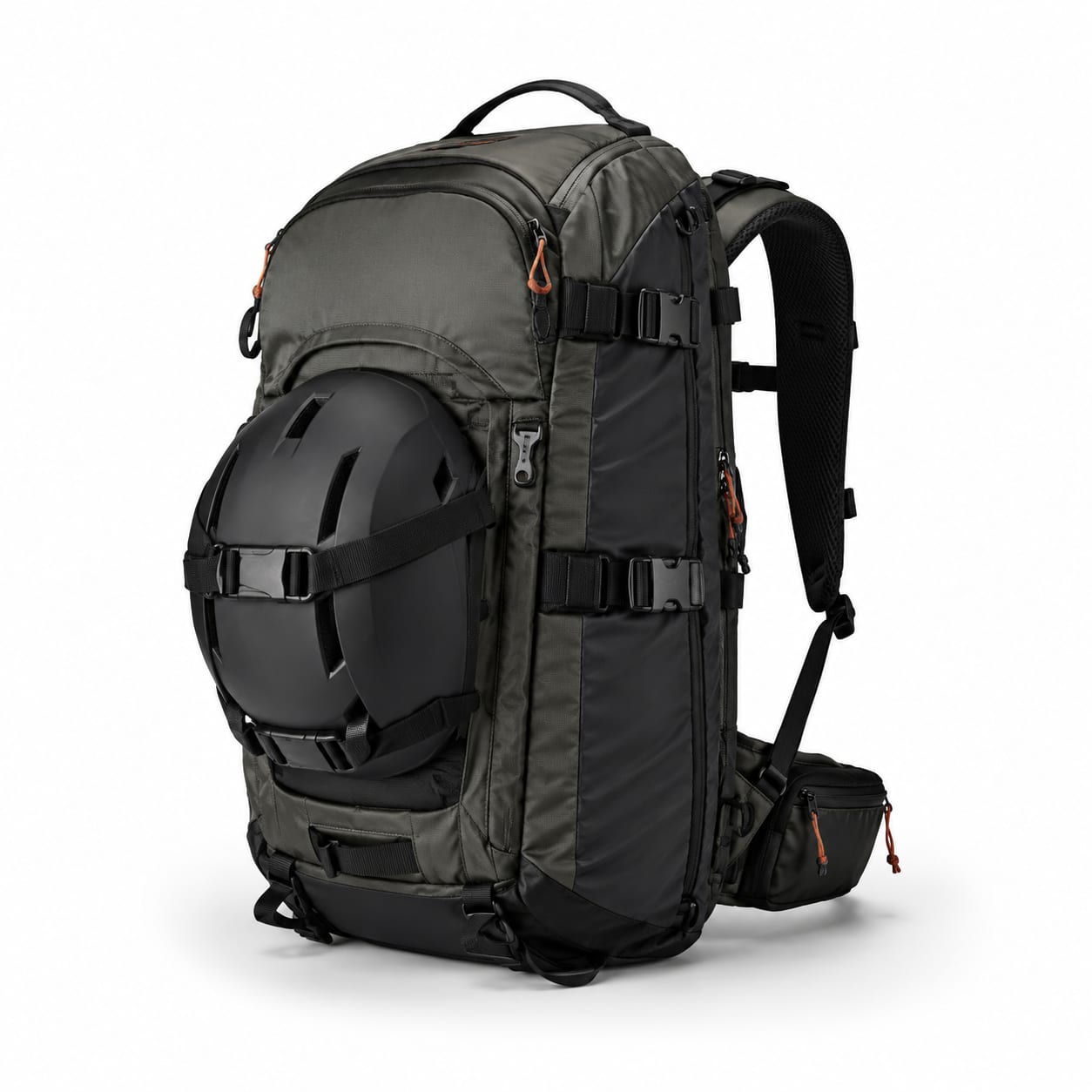
Helmet Carry System

helmet_carry

What it means

External attachment point or net to carry a ski helmet when not wearing it.

Typical for this type

External Helmet Net/Clip

Most common pick: External Net

In practice

Many multi-day touring packs include an external helmet net or clip system. This is useful for hut trips where you remove your helmet at the hut and during lunch breaks on sunny ridges.

Compared to other types

Helmet carry is more common on multi-day packs than day packs because of the hut-use scenario. Day touring packs often omit it to save weight since riders typically keep helmets on for the entire tour.

Why it matters: On multi-day tours, you may spend extended time at huts or camps without your helmet. External carry keeps it accessible without consuming valuable internal volume. However, most riders still wear their helmet the majority of the time.

Goggle Pocket

goggle_pocket

What it means

A soft-lined internal or external pocket designed to protect goggles from scratches when stored.

Typical for this type

Fleece-Lined Internal Pocket

Most common pick: Fleece Lined Internal

In practice

A fleece-lined internal pocket for goggles is common on multi-day touring packs. It protects goggles when removed at huts or during skin track breaks, and provides safe storage for spare lenses needed in variable multi-day conditions.

Compared to other types

More common and more valued on multi-day packs than day packs because of the need to carry spare lenses for variable conditions and the hut scenario where goggles are removed overnight.

Why it matters: On multi-day tours, conditions change dramatically—bright sun one day, flat light the next. Carrying spare lenses is common, and a fleece-lined pocket prevents costly scratches. Internal storage keeps goggles drier in wet snow than external pockets.

Material / Durability

material_durability

What it means

The primary fabric type and denier rating indicating abrasion resistance and durability of the pack construction.

Typical for this type

Heavy-Duty Nylon (400D+) or Midweight Nylon (200D–400D)

Most common pick: Heavy Duty Nylon

In practice

Multi-day touring packs lean toward heavier-duty materials—400D+ nylon on high-wear areas like the bottom panel and ski attachment zones, with 200D–400D nylon on the main body. The consequences of pack failure on day three of a five-day tour are serious enough to justify the weight penalty of robust materials.

Compared to other types

Multi-day packs use heavier, more durable materials than ultralight day touring packs (which may use 100D–200D nylon or Dyneema). The weight penalty is accepted because pack failure far from civilization has much higher consequences.

Why it matters: Ski edges, crampon points, ice screws, and rock contact all threaten pack integrity over multiple days of hard use. A torn pack in the backcountry means wet gear, lost items, and potential safety issues. Reinforced bottom panels are particularly important since that is where ski edges concentrate during A-frame carry.

Water Resistance

water_resistance

What it means

The level of water and snow protection the pack provides for contents.

Typical for this type

DWR Coated Or Waterproof (Sealed Seams)

Most common pick: Dwr Coated

In practice

DWR coating is standard on most multi-day touring packs. For tours in wet coastal ranges or extended trips where drying gear is impossible, waterproof sealed-seam construction is worth the weight and cost premium. Some packs include a rain cover as a compromise.

Compared to other types

Water resistance is more important for multi-day packs than day packs because the exposure duration is longer and the consequences of wet gear are more severe. Day packs can rely on DWR since wet contents can be dried at home that evening.

Why it matters: On multi-day tours, wet sleeping bags and insulation layers are not just uncomfortable—they can be dangerous. Once gear gets wet in the backcountry, it may not dry for days. Water resistance becomes a safety consideration, not just a convenience feature.

Access Type

access_type

What it means

How the main compartment of the backpack is accessed—determines ease of gear retrieval and organization.

Typical for this type

Back Panel Access + Top Loading Or Front Panel

Most common pick: Back Panel

In practice

The best multi-day touring packs combine back-panel access with top-loading or front-panel access. Back-panel access lets you reach gear without removing skis from the carry system—critical during ridge transitions. Top-loading provides weather resistance, while front-panel (clamshell) offers maximum organization.

Compared to other types

Multi-day packs are more likely to feature back-panel access than day packs because the volume of gear and frequency of access justify the added zipper weight and complexity. Day packs often use simpler top-loading designs.

Why it matters: On multi-day tours, you frequently need to access gear at the bottom of a fully loaded pack. Back-panel access is a game-changer when skis are attached—you set the pack down on its front (skis pointing up), unzip the back panel, and retrieve what you need without disturbing the ski carry system. This saves significant time and hassle during rest stops.

Chest Strap Features

chest_strap_features

What it means

Features of the sternum/chest strap including adjustability, whistle, and height positioning.

Typical for this type

Height Adjustable + Integrated Whistle + Elastic Section

Most common pick: Height Adjustable

In practice

Multi-day touring packs typically include all three chest strap features: height adjustability for varying layer thickness, an integrated emergency whistle, and an elastic section for comfortable breathing during strenuous uphill skinning.

Compared to other types

All three features are more commonly found together on multi-day packs than on smaller day packs or resort packs, where the elastic section and height adjustability may be omitted to save weight.

Why it matters: On multi-day tours, you transition from thin base layers on the uphill to thick insulation on the descent. Height adjustability ensures the chest strap positions correctly across this range. The elastic section accommodates heavy breathing during long climbs. The whistle is a safety essential in remote terrain.

Compression System

compression_system

What it means

Side or vertical compression straps that tighten the pack load to prevent shifting and reduce volume when partially full.

Typical for this type

Dual (Side + Vertical) Compression

Most common pick: Dual Compression

In practice

Dual compression systems combining side and vertical straps are ideal for multi-day packs. As you consume food and shed layers over the course of a tour, compression straps allow you to reduce pack volume and keep the load stable and close to your body.

Compared to other types

Dual compression is more common and more important on multi-day packs than day packs because the load volume changes more dramatically over the course of a trip. Day packs typically use side compression only.

Why it matters: A multi-day pack starts the trip fully loaded and progressively shrinks as food is eaten and fuel is consumed. Without compression, a half-full 45L pack has shifting contents that throw off your balance on technical descents. Dual compression lets you cinch down both the width and height of the load for a stable, compact package.

Evaluation

Strengths and trade-offs

Pros

What this type does best

Carries everything for self-sufficient multi-day tours

Critical

Enough capacity for sleeping gear, multiple days of food, cooking equipment, and full safety kit. Enables hut trips, glacier traverses, and expedition skiing that would be impossible with a day pack.

Robust suspension for heavy loads

Critical

Padded hip belts, load-lifter straps, and often adjustable torso lengths transfer weight efficiently to the hips. Makes 15–25 kg loads manageable over thousands of vertical feet of climbing.

Back-panel access with skis attached

High

Many models open from the body side, allowing full access to gear without removing skis from the carry system. Saves significant time and hassle during ridge transitions and rest stops.

Versatile ski carry options

High

Most multi-day packs offer both A-frame and diagonal carry, accommodating different ski widths and terrain situations. A-frame provides stability for heavy loads on long approaches.

Superior organization for complex gear loads

High

Multiple compartments, pockets, and attachment points keep overnight gear, safety equipment, food, and daily layers organized and accessible. Prevents the bottomless-pit problem of a single large compartment.

Airbag compatibility for high-consequence terrain

Medium

Many models are compatible with removable airbag systems, adding a critical safety layer for tours crossing complex avalanche terrain far from rescue services.

Durable construction for extended backcountry use

Medium

Heavy-duty materials and reinforced high-wear areas withstand ski edges, crampon points, and rock contact over many days of hard use. Pack failure far from civilization is a serious problem these packs are built to prevent.

Cons

Trade-offs to be aware of

Heavy even when empty

Moderate

At 1200–1800g empty (more with airbag compatibility), multi-day packs are significantly heavier than day packs. Every gram of pack weight is a gram less available for food and safety gear.

Bulky and awkward on descents

Significant

A fully loaded 45L pack shifts your center of gravity backward and upward, affecting skiing balance and maneuverability. The pack can catch on branches and feel unwieldy in tight trees or steep couloirs.

Expensive compared to day packs

Moderate

The robust construction, sophisticated suspension, and multiple access systems make multi-day touring packs significantly more expensive than day touring or resort packs. Airbag-compatible models add further cost.

Overkill for day tours

Moderate

Using a multi-day pack for day tours means carrying unnecessary weight and bulk. The oversized capacity encourages overpacking, and the suspension system is underutilized with light loads.

Uncomfortable on chairlifts

Minor

The large volume and substantial hip belt make multi-day packs awkward on chairlifts. If your tour involves any lift-accessed segments, the pack can be uncomfortable and may interfere with the chair back.

More zippers and features mean more potential failure points

Minor

Back-panel access zippers, multiple compartments, and compression systems add complexity. Zippers can freeze, snag, or fail—problematic on multi-day trips far from replacements.

Best for

Terrain

Backcountry touring terrainGlacier traversesHigh alpine ridgesHut-to-hut routesRemote mountain ranges

Snow conditions

Multi-day variable conditionsCold high-elevation environmentsWet coastal snowpacksRemote terrain with limited rescue access

Skill level

Intermediate backcountry skiersAdvanced backcountry skiersExpert ski mountaineers

Riding style

Ski touringSki mountaineeringSplitboard touringExpedition skiing

Rider profile

Hut trip enthusiastsGlacier traverse adventurersSki mountaineers planning bivouacsBackcountry guides on multi-day tripsSelf-sufficient tourers who value preparedness

Not ideal for

Reasons

Too heavy and bulky for short tours where a day pack sufficesThe capacity and suspension are wasted on resort-only useRacing demands the lightest possible pack—multi-day packs are far too heavyBeginners should master backcountry fundamentals with a simpler, lighter day pack before managing the complexity of a multi-day pack

Terrain

In-bounds resort terrainTight gladed runs where pack bulk is a hazardShort sidecountry laps

Skill level

Beginners not yet comfortable with backcountry travelNovice skiers who struggle with balance even without a heavy pack

Riding style

Resort skiingPark and pipeShort backcountry lapsSki mountaineering racing

Compare

How it stacks up

This page

Multi-Day Touring Pack

Carries overnight gear, multiple days of food, and sleeping systems. Superior suspension for heavy loads. More access options including back-panel. Better organization for complex gear loads.

Alternative

Day Touring Pack (25–35L)

Significantly lighter (900–1400g vs 1200–1800g). Less bulky on descents. Simpler design with fewer failure points. Less expensive. Sufficient for day tours and single-night hut trips with minimal gear.

Bottom line

Choose a multi-day pack if you regularly do overnight tours or carry heavy camera/professional gear. For day tours and occasional single-night hut trips with shared gear, a day touring pack is more comfortable and efficient.

This page

Multi-Day Touring Pack

Vastly more capacity. Dedicated avalanche gear compartment. Proper suspension for touring. Ski carry systems designed for uphill travel. Water resistance for extended exposure.

Alternative

Resort/In-Bounds Pack (15–22L)

Much lighter (500–1200g). Low profile for lift riding. Comfortable on chairlifts. Sufficient for carrying water, snacks, and a spare layer in-bounds. Often includes back protection.

Bottom line

These serve completely different purposes. A resort pack is for lift-accessed skiing; a multi-day touring pack is for self-powered backcountry travel. Do not use a resort pack for backcountry touring—it lacks avalanche gear compartments and proper ski carry.

This page

Multi-Day Touring Pack

Carries overnight gear and full safety kit. More durable construction. Better organization. Proper suspension for heavy loads. More features for comfort on long days.

Alternative

Ski Mountaineering Pack

Dramatically lighter (500–900g). Minimal bulk for technical climbing and skiing. Simpler design with fewer snag points. Sufficient for fast-and-light day missions with minimal gear.

Bottom line

Choose an ultralight pack for ski mountaineering day objectives where weight and bulk are critical. Choose a multi-day pack for any overnight tour. They are complementary, not competing—many serious backcountry skiers own both.

This page

Multi-Day Touring Pack

Lighter without integrated airbag. More internal volume for the same external size. Lower cost. Can add removable airbag module later if desired. More pack options available.

Alternative

Avalanche Airbag Pack (integrated)

Integrated airbag provides proven avalanche survival benefit. No risk of forgetting the airbag module. Purpose-built system with optimized trigger placement. Peace of mind in high-consequence terrain.

Bottom line

If you tour in complex avalanche terrain regularly, an airbag pack (integrated or compatible with a module) is strongly recommended. Many multi-day packs are airbag-compatible, offering the best of both worlds: multi-day capacity with airbag safety when you install the module.

Shopping

Buying tips

  • 1

    Choose the smallest capacity that fits your needs—36–40L for minimalist hut trips, 40–45L for comfortable 2–3 day tours, 45–50L+ for winter camping or expeditions. Oversized packs lead to overpacking and poor skiing balance.

  • 2

    Prioritize back-panel access if you frequently transition with skis attached. It is the single most valuable access feature on a multi-day touring pack and worth the weight and cost of the additional zipper.

  • 3

    Test the ski carry system with your actual skis before committing. Wide powder skis (110mm+ underfoot) may not fit through smaller A-frame loops. Ensure the system works with your specific setup.

  • 4

    If you anticipate wanting an airbag, buy an airbag-compatible pack from the start. Retrofitting is not possible, and the compatible packs are designed to accommodate the module without compromising the suspension or access.

  • 5

    Invest in proper torso fit—measure your torso from C7 vertebra to iliac crest and choose accordingly. Adjustable back length is worth the slight weight premium for multi-day packs where fit quality directly affects comfort over long days.

  • 6

    Look for dual compression (side + vertical) on packs 40L and above. The ability to compress both dimensions keeps the load stable as you consume food and fuel over multiple days.

  • 7

    Consider a removable hip belt if you occasionally use lifts to access backcountry terrain. Fixed padded belts are uncomfortable on chairlifts.

  • 8

    Check that the avalanche gear compartment is genuinely quick-access—some front pockets are too small for large shovels or are obstructed by compression straps when the pack is fully loaded.

Care

Maintenance notes

  • Rinse zippers with fresh water after tours in salty coastal snow or dusty conditions. Lubricate zippers periodically with zipper wax or silicone spray to prevent freezing and sticking in cold conditions.
  • Reapply DWR coating annually or when water no longer beads on the fabric surface. Use a spray-on DWR treatment after cleaning the pack according to manufacturer instructions.
  • Inspect ski carry loops and attachment points before each season. These high-stress areas can develop cracks or tears from ski edge contact. Replace worn loops before they fail on a tour.
  • Store the pack uncompressed in a dry location. Do not store with the hip belt buckled tightly or compression straps cinched—this can deform the foam over time.
  • If your pack has an airbag-compatible system, inspect the module connection points and trigger mechanism before each tour. Charge fan-based systems fully before every trip and test the trigger.
  • Patch small fabric punctures immediately with nylon repair tape (like Tenacious Tape). Small holes from ski edges expand quickly if left unrepaired, especially under load.
  • Clean the pack at the end of each season with mild soap and water. Remove all food residue from compartments—rodents can damage packs in storage if food odors remain.

Progression

Skill development path

Multi-day touring packs are appropriate for intermediate-to-advanced backcountry skiers who have already mastered basic touring skills with a day pack. Before investing in a multi-day pack, you should be comfortable with skin track technique, kick turns, avalanche rescue, and route planning on day tours. The transition to multi-day touring introduces additional skills: managing heavier loads on skis, packing efficiently for multiple days, hut etiquette or winter camping skills, and more complex terrain assessment over extended routes. Start with a single-night hut trip using a borrowed or rented multi-day pack before investing in your own. This helps you understand your actual capacity needs and preferred access style. As you gain experience, you will develop personal preferences for pack features—some tourers prioritize maximum organization with multiple compartments, while others prefer simpler top-loading designs with fewer zippers to manage in cold conditions.

FAQ

Common questions

Each question has a dedicated page with a full answer and links to the buying guide.

How many liters do I need for a 2-night hut trip?

For a 2-night hut trip, 38–45L is typically sufficient. This accommodates a sleeping bag liner (huts usually provide blankets), 2–3 days of food, a stove and fuel if the hut lacks cooking facilities, extra layers, and your standard avalanche safety gear. If you are winter camping instead of using a hut, bump up to 45–50L for the sleeping pad, full sleeping bag, and tent or bivvy. Pack your gear and measure the volume before buying—many skiers overestimate how much capacity they need.

Can I use a multi-day touring pack for day tours?

Technically yes, but it is not ideal. A 45L pack on a day tour is heavier than necessary, encourages overpacking, and feels bulky on descents. The suspension system is underutilized with a light load. If you occasionally do both day and multi-day tours, consider a 35–38L pack that bridges the gap, or invest in a smaller day pack for day tours and a multi-day pack for overnight trips. Many backcountry skiers own two packs for this reason.

Is back-panel access really worth the extra zipper weight?

For most multi-day tourers, yes. Back-panel access allows you to retrieve gear from the main compartment without removing skis from the carry system. On a ridge transition or rest stop, this saves significant time and hassle—you set the pack down on its front (skis pointing up), unzip the back panel, and access everything. The alternative is detaching skis, opening the top, digging to the bottom, repacking, and reattaching skis. Over multiple days with multiple stops, the convenience is substantial. The zipper adds roughly 50–80g.

Do I need an airbag-compatible pack for multi-day tours?

It is strongly recommended but not mandatory. Multi-day tours often cross complex avalanche terrain far from quick rescue access, which is exactly the scenario where airbags provide the most benefit. However, airbag systems add 1–2 kg and significant cost. If you cannot afford an airbag system, prioritize a standard multi-day pack with a dedicated avalanche gear compartment and invest in thorough avalanche education instead. An airbag is a supplement to good decision-making, not a replacement for it.