
Ski Balaclava · FAQ
Questions about Fleece Balaclava
Straight answers on fit, specs, and when this type makes sense — each topic has its own page with links back to the buying guide.
Open Fleece Balaclava guide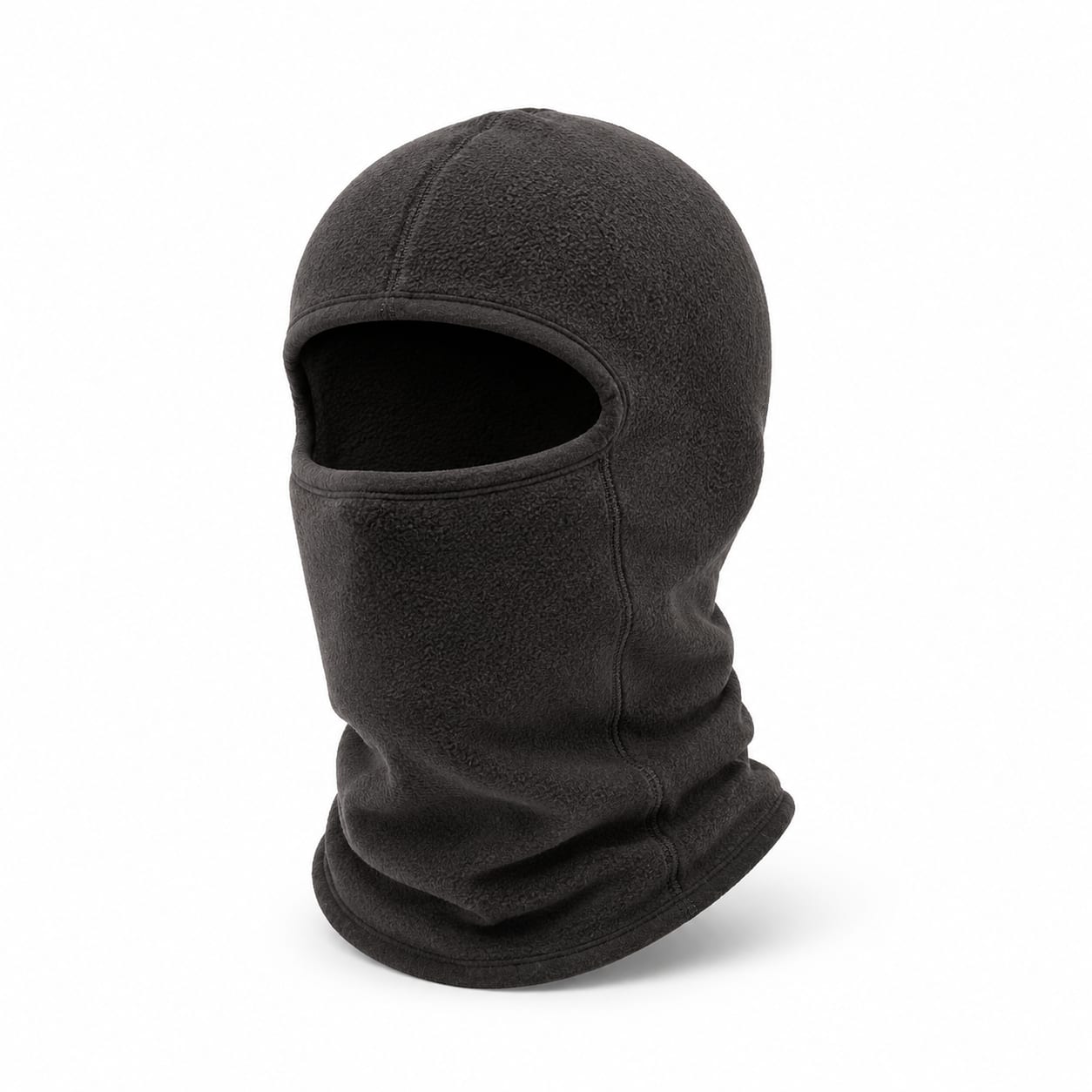
6 topics
Pick a question
Every answer links to the full subcategory guide and related gear types when it helps you decide.
Will a fleece balaclava keep me warm on windy chairlifts?
Standard polyester fleece allows significant wind penetration, so on exposed, windy chairlifts you will feel cold air coming through the fabric. If wind chill on lifts is a regular problem for you, look for a fleece balaclava with windproof panels at the forehead and lower face, or consider a windstopper/softshell balaclava instead. You can also wear a thin windproof shell or neck gaiter over your fleece balaclava for lift rides and remove it for descents.
Read answer →02How do I stop my goggles from fogging with a fleece balaclava?
Goggle fogging with fleece balaclavas is caused by warm, moist breath traveling upward from your nose and mouth. Choose a model with a mesh breath zone or directed exhaust feature that channels breath downward and away from your goggles. Ensure the balaclava's eye opening sits below your goggle frame with no overlap. Pull the balaclava down below your nose on lift rides to vent moisture. Anti-fog goggle treatments and well-ventilated goggle frames also help significantly.
Read answer →03Can I wear a fleece balaclava for a week-long ski trip without washing it?
Untreated polyester fleece will develop noticeable odor after one day of active skiing, so wearing it for a full week without washing is not recommended. For multi-day trips, either pack two balaclavas to alternate, choose an antimicrobial-treated fleece model that can go 2–3 days between washes, or consider a merino wool balaclava which offers natural odor resistance for extended wear. Washing your fleece balaclava in the sink with mild soap and hanging it to dry overnight is practical since fleece dries quickly.
Read answer →04What weight of fleece balaclava do I need for typical January skiing?
For typical January resort skiing in temperatures around -15°C to -5°C (5°F to 23°F), a midweight fleece balaclava (approximately 200 g/m² fleece) in the 'cold' insulation class is the right choice. This provides sufficient warmth for lift rides and descents without excessive bulk under your helmet. If you run cold or ski in particularly harsh conditions, step up to a heavyweight polar fleece. If you run hot or ski aggressively, a lightweight microfleece may suffice.
Read answer →05Will a fleece balaclava fit under my ski helmet without being too tight?
Most midweight and lightweight fleece balaclavas fit comfortably under standard ski helmets without significantly affecting fit. However, heavyweight polar fleece can add enough bulk to create pressure points or require sizing up your helmet. Look for flatlock or seamless construction to avoid seam pressure on your forehead and temples. If your helmet fits very snugly without a balaclava, choose a lightweight microfleece model or consider a thin nylon-spandex blend instead.
Read answer →06Is a fleece balaclava warm enough for temperatures below -20°C (-4°F)?
A standard midweight fleece balaclava alone may not be sufficient for temperatures below -20°C (-4°F), especially in windy conditions. For extreme cold, choose a heavyweight polar fleece balaclava with windproof panels, or layer a thin windproof shell over your fleece balaclava. Extended neck coverage that tucks deep into your base layers is also important to prevent cold air entry. In sustained extreme cold, consider a windstopper/softshell balaclava with a fleece backing for maximum protection.
Read answer →