
For typical January resort skiing in temperatures around -15°C to -5°C (5°F to 23°F), a midweight fleece balaclava (approximately 200 g/m² fleece) in the 'cold' insulation class is the right choice. This provides sufficient warmth for lift rides and descents without excessive bulk under your helmet. If you run cold or ski in particularly harsh conditions, step up to a heavyweight polar fleece. If you run hot or ski aggressively, a lightweight microfleece may suffice.
Ski Balaclava · Fleece Balaclava
What weight of fleece balaclava do I need for typical January skiing?
Related gear types
If this answer nudged you toward a different style, these guides compare specs and trade-offs.
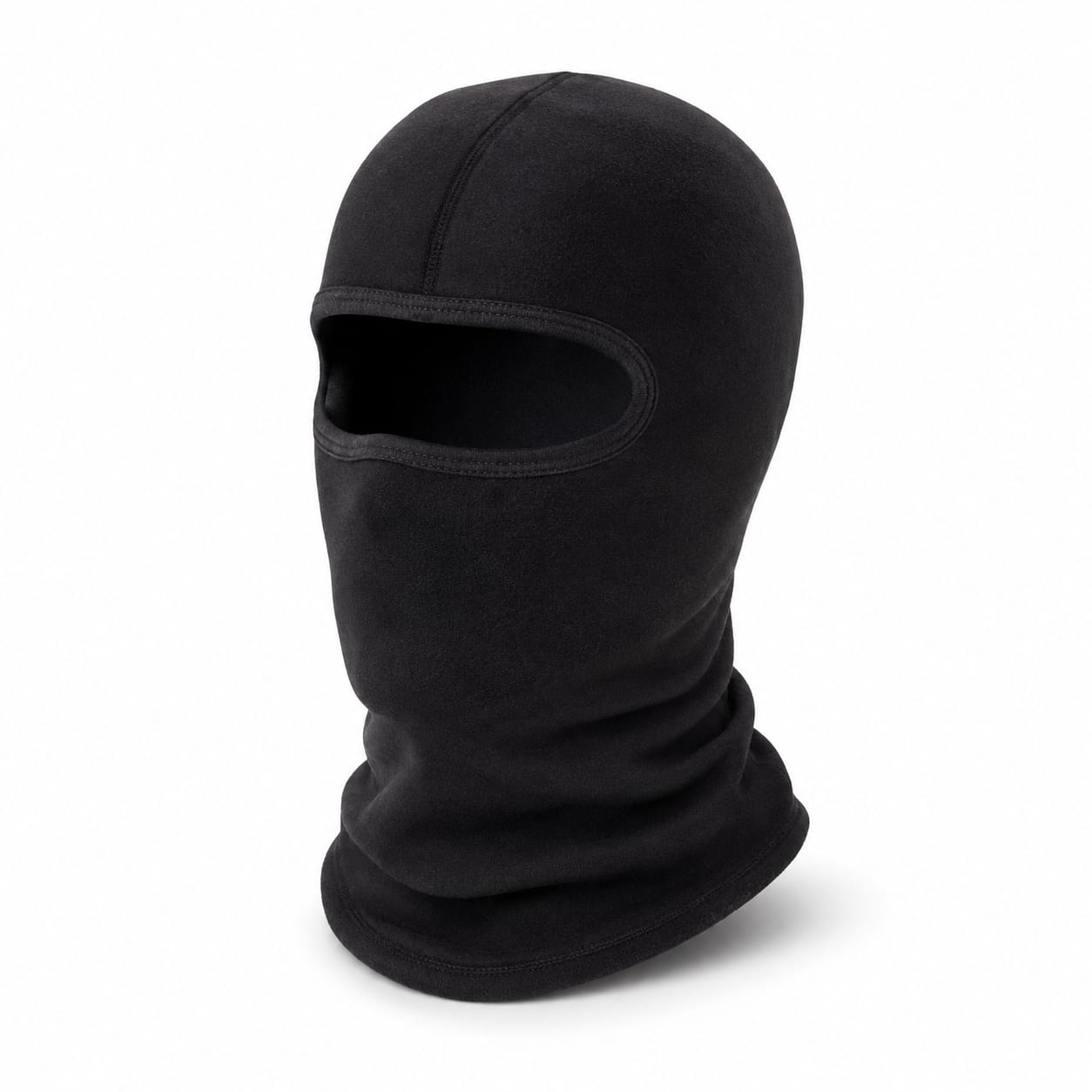
Full Face Balaclava
$12 – $55
Traditional balaclava with single eye opening providing complete head, face, and neck coverage.
Single eye openingFull head and neck coverageTucks into jacket collar
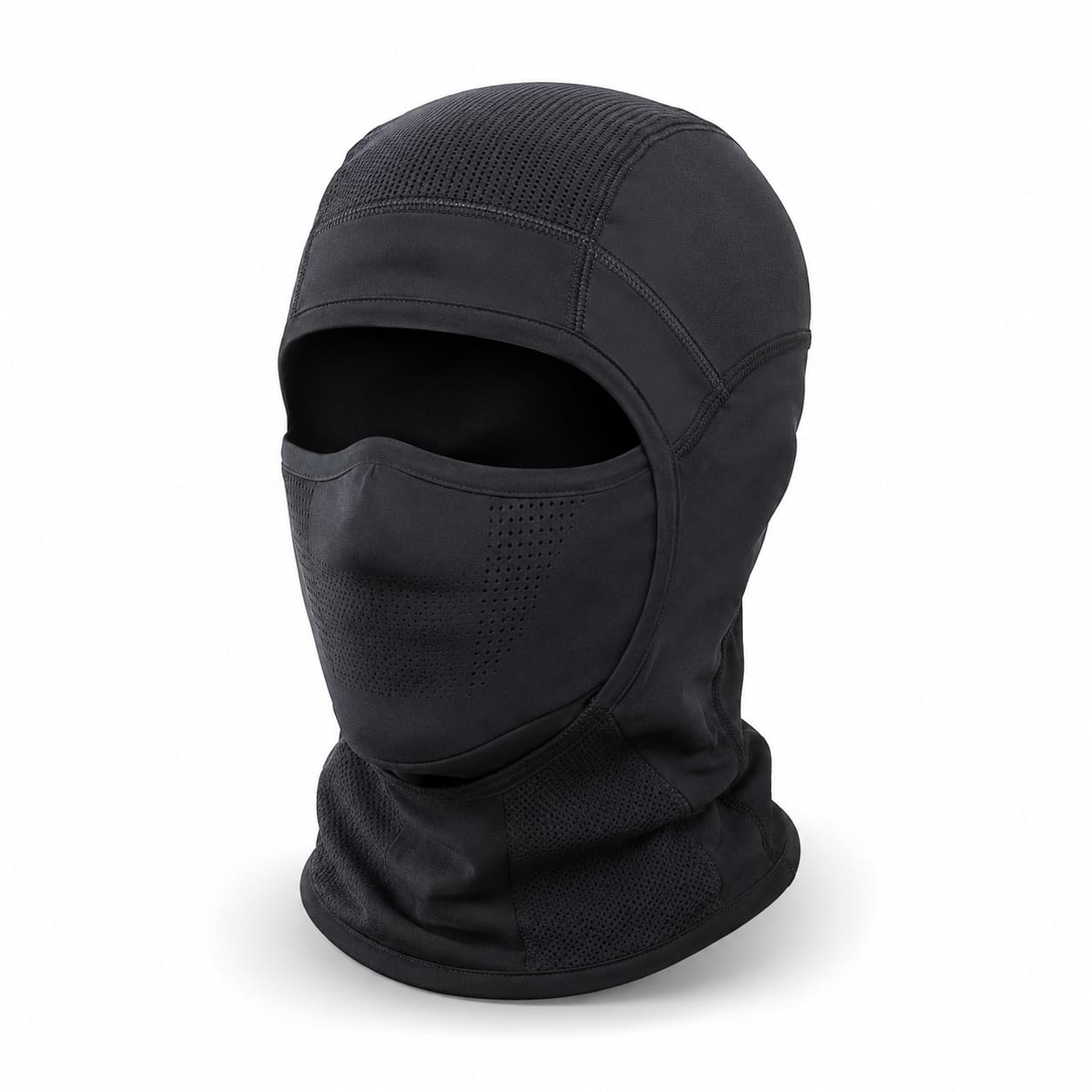
Windproof Balaclava
$30 – $85
Balaclava incorporating wind-blocking membranes like Gore-Tex Windstopper for maximum wind chill protection.
Windproof membrane panelsStrategic panel placementBreathable zones
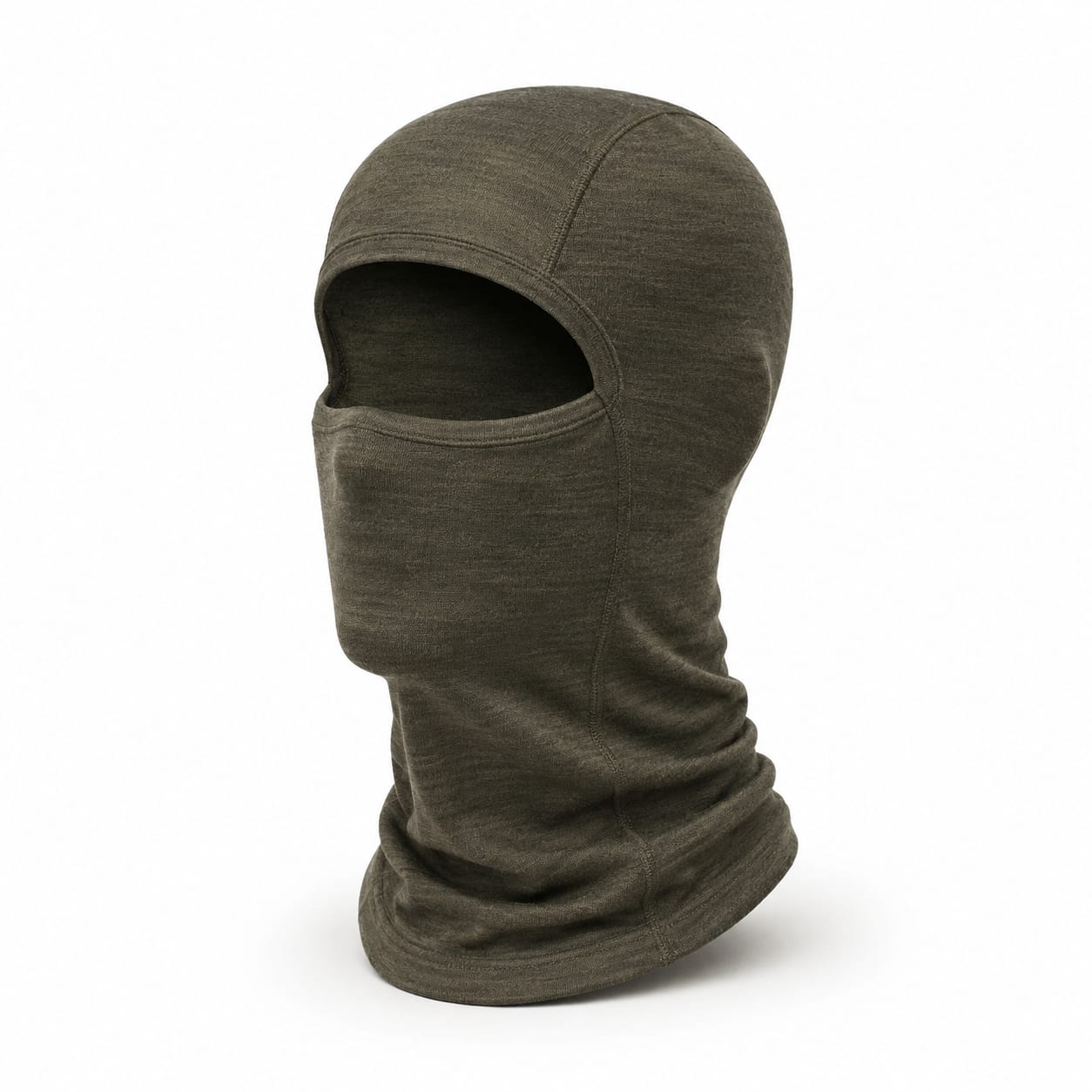
Merino Wool Balaclava
$25 – $75
Balaclava made primarily from merino wool, offering natural temperature regulation, odor resistance, and softness.
Merino wool constructionNatural odor resistanceTemperature regulating
More questions
- Will a fleece balaclava keep me warm on windy chairlifts?
- How do I stop my goggles from fogging with a fleece balaclava?
- Can I wear a fleece balaclava for a week-long ski trip without washing it?
- Will a fleece balaclava fit under my ski helmet without being too tight?