
Ski Balaclava · FAQ
Questions about Helmet Liner Balaclava
Straight answers on fit, specs, and when this type makes sense — each topic has its own page with links back to the buying guide.
Open Helmet Liner Balaclava guide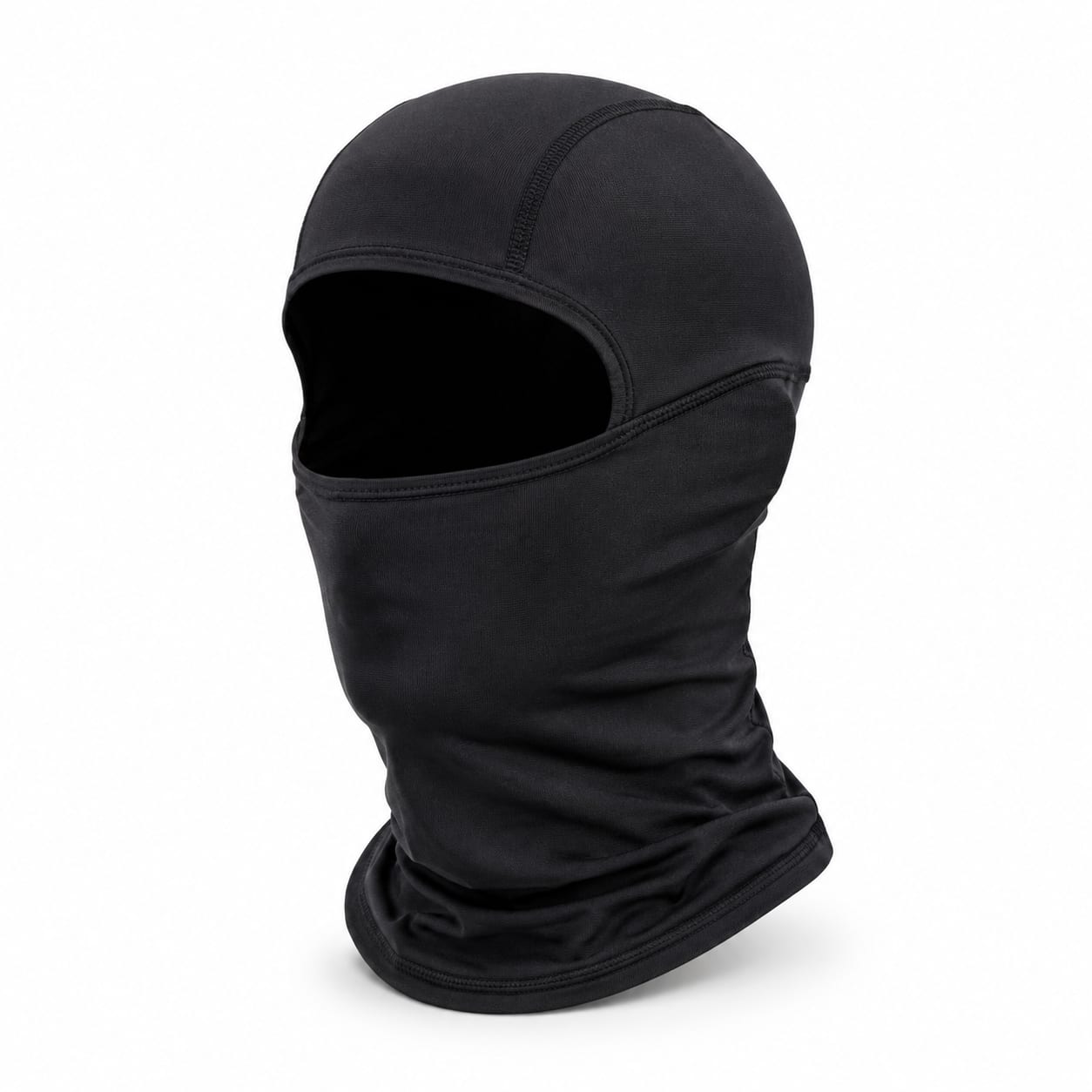
6 topics
Pick a question
Every answer links to the full subcategory guide and related gear types when it helps you decide.
Will a helmet liner balaclava make my helmet too tight or affect its safety?
A properly designed helmet liner balaclava should not affect your helmet fit. These garments are specifically engineered with thin, low-bulk fabrics (typically 40–80g) and flat or seamless construction to fit under helmets without altering the helmet's position on your head. If your helmet already fits very snugly, look for the lightest weight options with seamless construction. Never size up your helmet to accommodate a balaclava—a properly fitted helmet is a safety requirement.
Read answer →02I struggle with goggle fogging. Will a helmet liner balaclava help or make it worse?
A quality helmet liner balaclava with breath management features should significantly reduce goggle fogging. Look for models with mesh breath zones or directed exhaust channels that disperse exhaled breath away from your goggle lens. The active moisture wicking also helps by keeping your face drier, reducing the overall humidity inside the helmet-goggle system. Avoid full-face models without breath features, as these can trap moist air and actually worsen fogging.
Read answer →03Can I wear a helmet liner balaclava in extreme cold below -15°C (5°F)?
A helmet liner balaclava alone is not sufficient for extreme cold. Its cool insulation class is designed for temperatures from -5°C to 5°C (23°F to 41°F). For colder conditions, you have two options: layer the helmet liner under a heavier outer balaclava (the liner handles moisture while the outer provides insulation), or switch to a dedicated extreme-cold balaclava. The layering approach often works better because the liner continues to manage moisture that would otherwise fog your goggles.
Read answer →04Is merino wool or synthetic better for a helmet liner balaclava?
It depends on your priorities. Merino wool offers superior natural odor resistance (great for multi-day trips), excellent temperature regulation, and a soft feel against skin, but it's more expensive and less durable. Synthetic options (nylon-spandex blends, polypropylene) offer better durability, faster drying, and typically lower cost, but require antimicrobial treatments for odor control that degrade over time. For week-long ski trips, merino is worth the investment. For weekend warriors who wash between uses, synthetics offer better value.
Read answer →05How do I prevent the balaclava from pulling out of my collar when I turn my head?
This is a common issue with short-neck balaclavas. Choose a model with standard or extended neck length that tucks securely into your base layer or jacket collar. When putting it on, tuck the neck portion deep into your base layer before zipping your jacket. Some riders use a thin base layer with a mock neck collar that overlaps the balaclava, creating a layered seal that stays in place during movement. If your current balaclava still pulls out, consider one with a slightly longer neck or a gripper elastic at the hem.
Read answer →06Can I use a helmet liner balaclava for other winter sports like snowmobiling or ice climbing?
Yes, with some caveats. Helmet liner balaclavas work well for any activity where you wear a helmet in cold conditions—snowmobiling, ice climbing, fat-tire biking, and winter mountaineering all benefit from the same under-helmet moisture management and comfort features. However, high-speed activities like snowmobiling may require more wind protection than a standard helmet liner provides. For those applications, consider a windproof helmet liner or layer a windproof shell balaclava over your moisture-wicking liner.
Read answer →