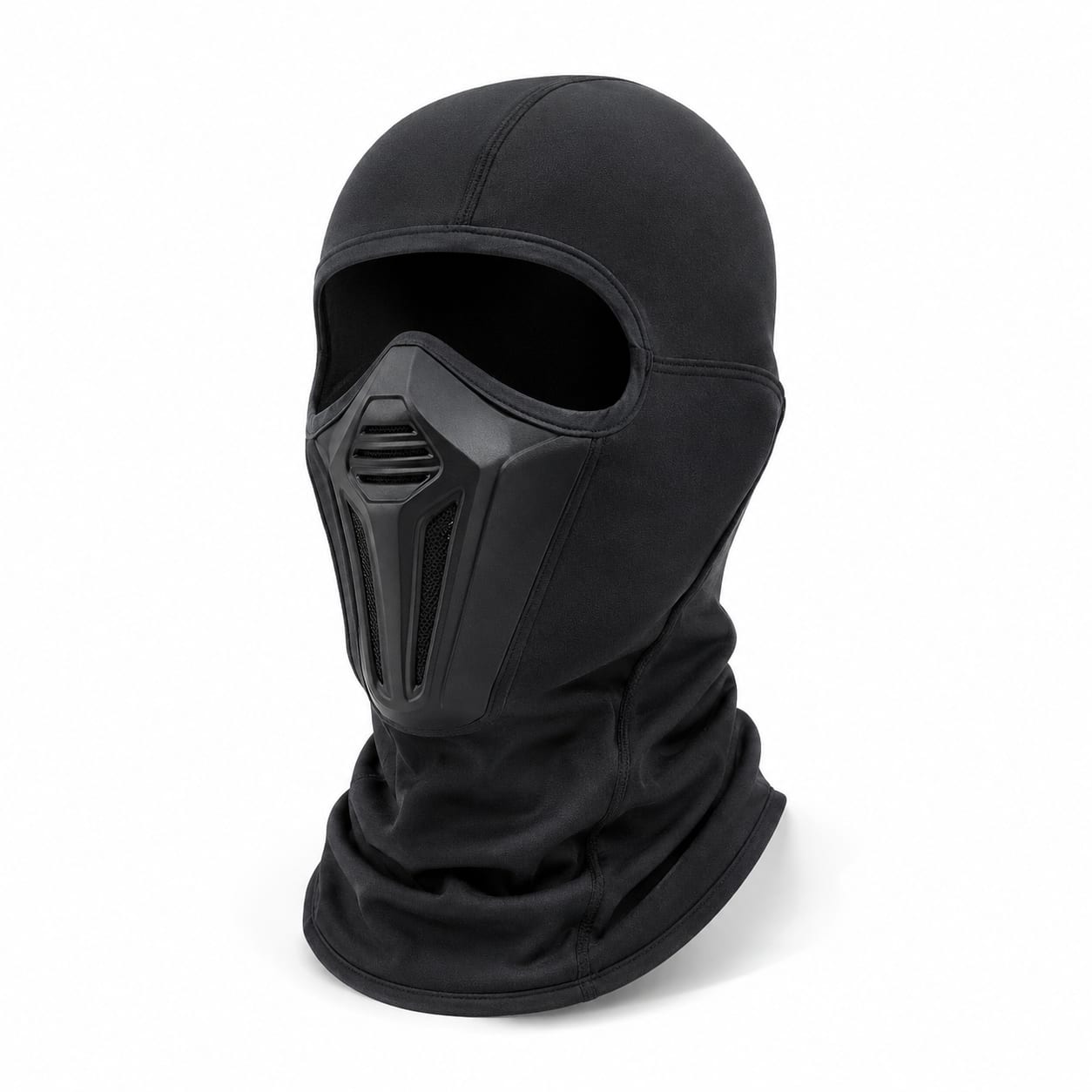
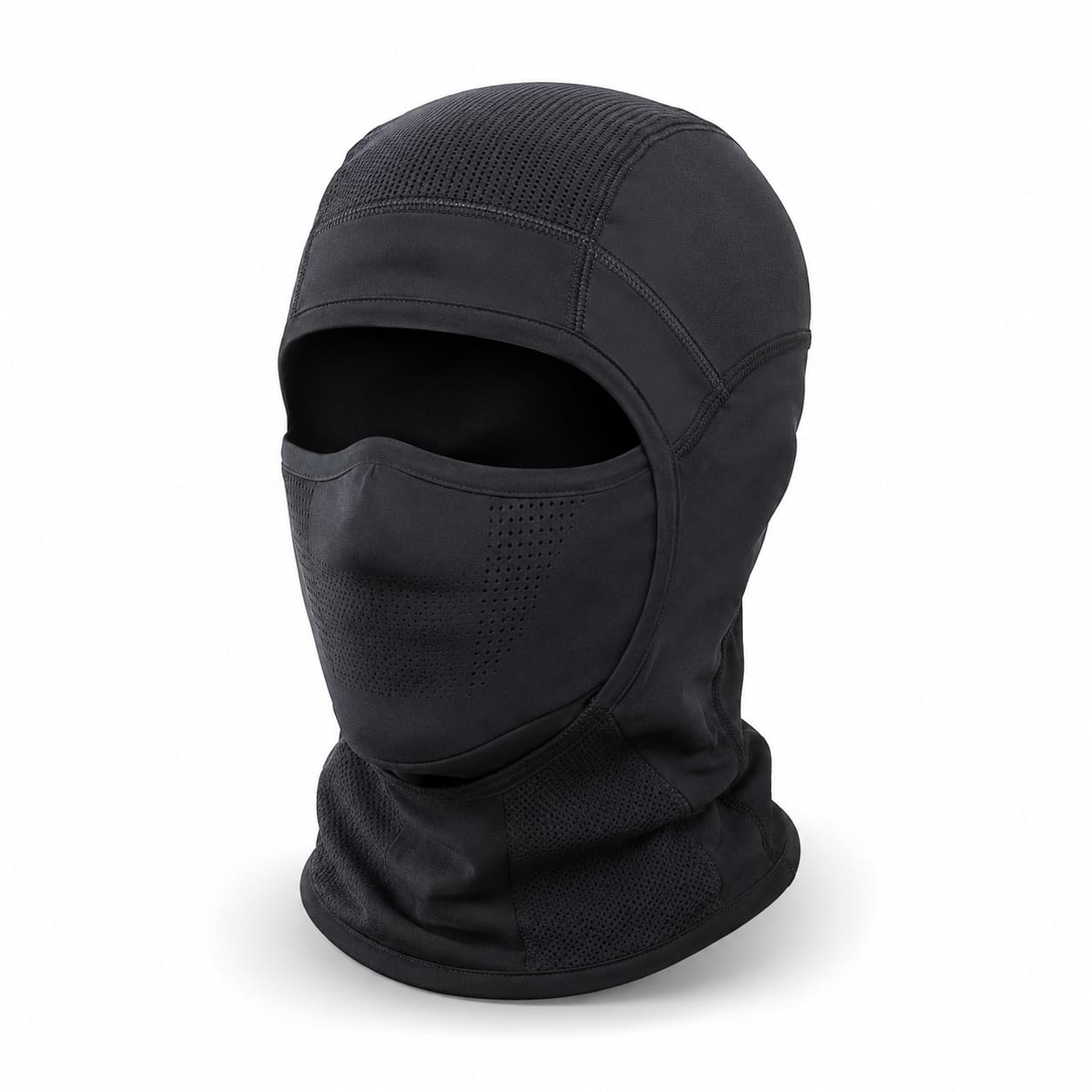
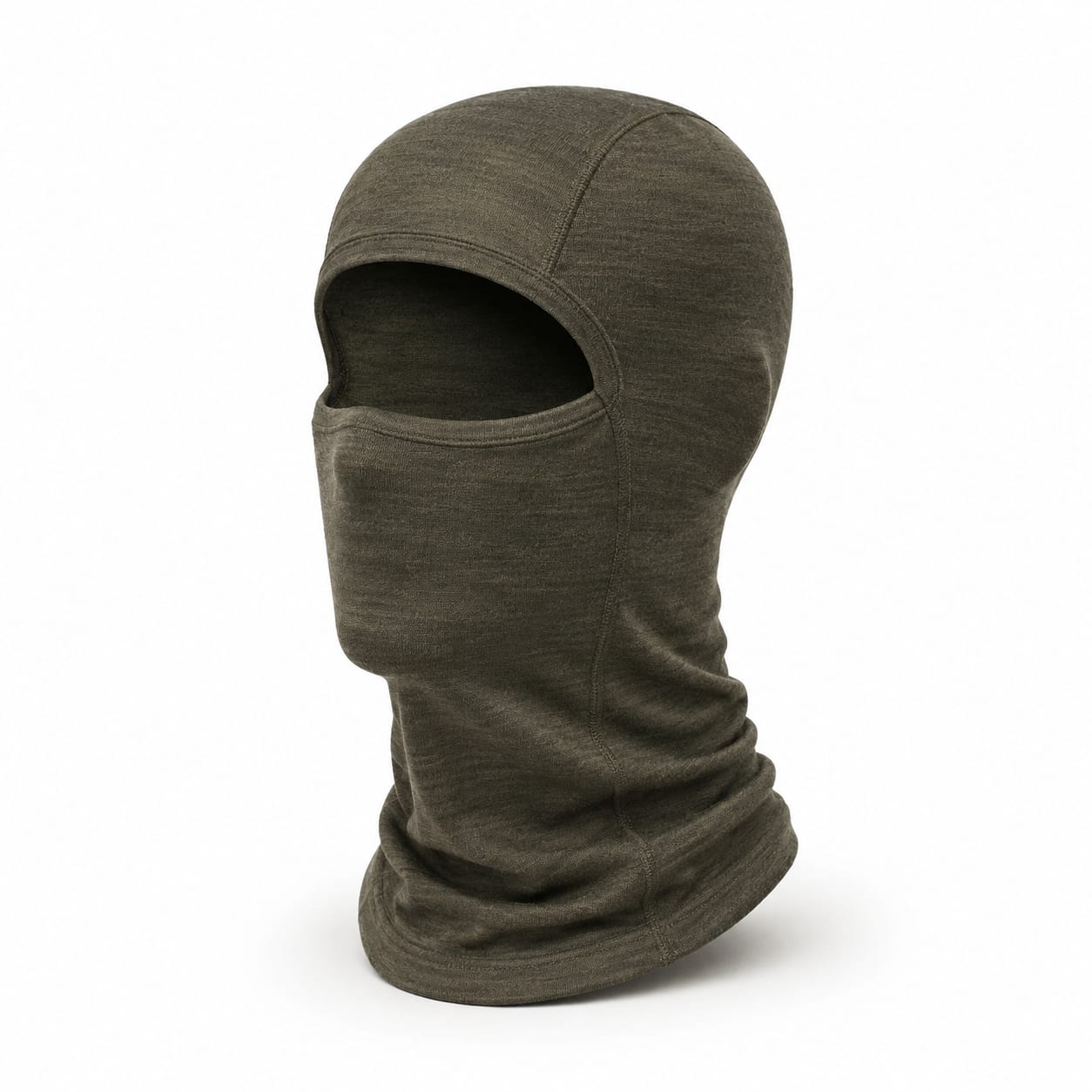
Coverage Style
Coverage Style
What it means
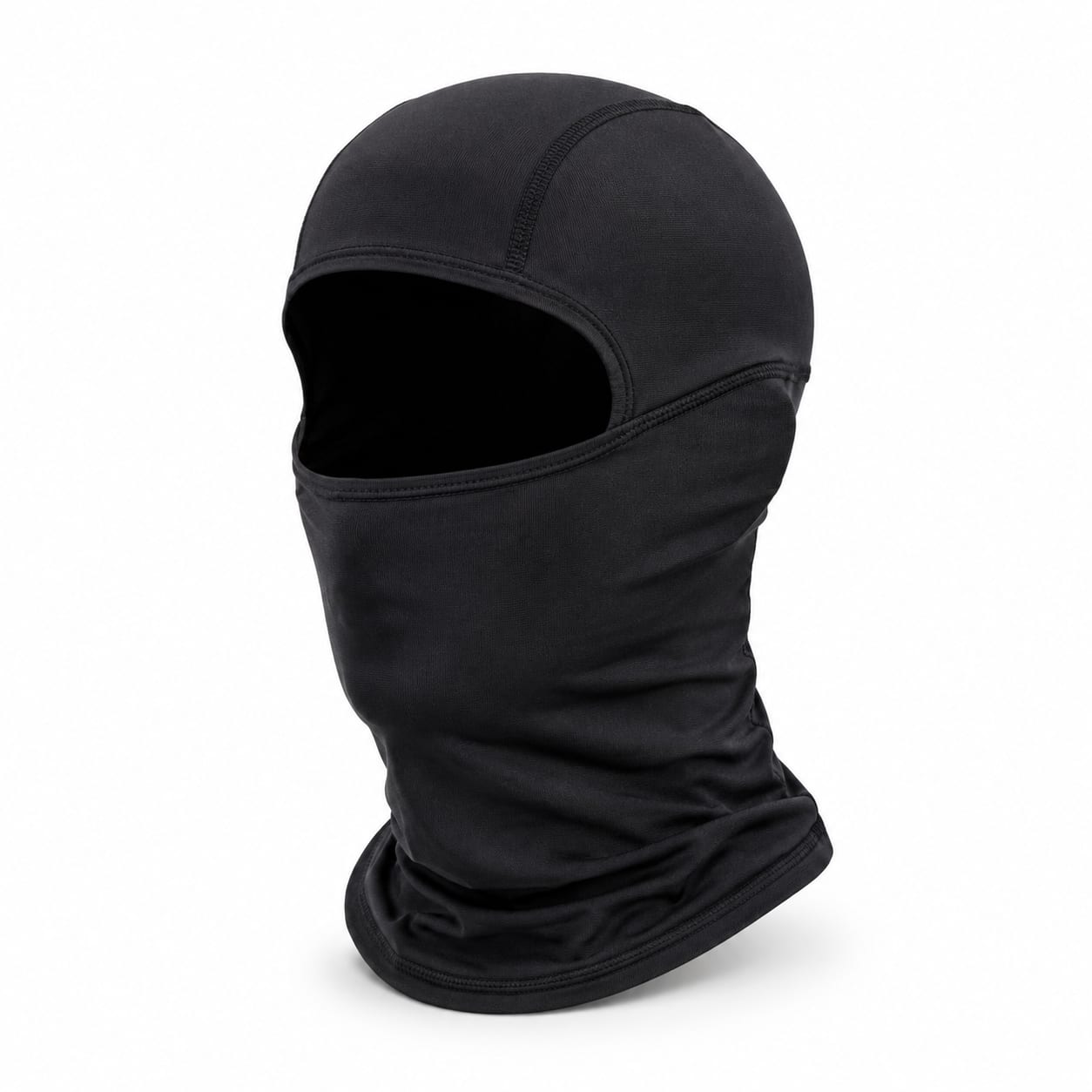
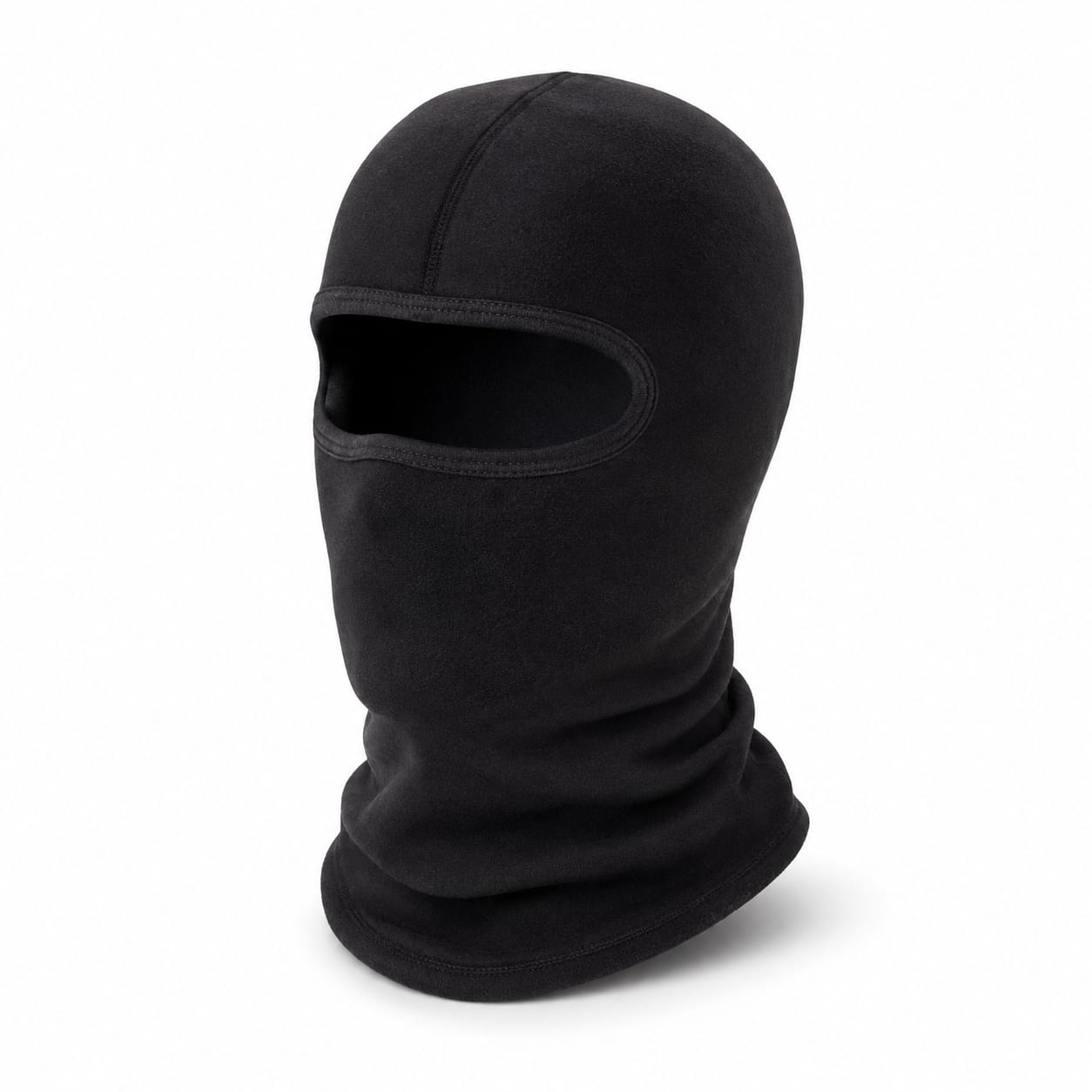
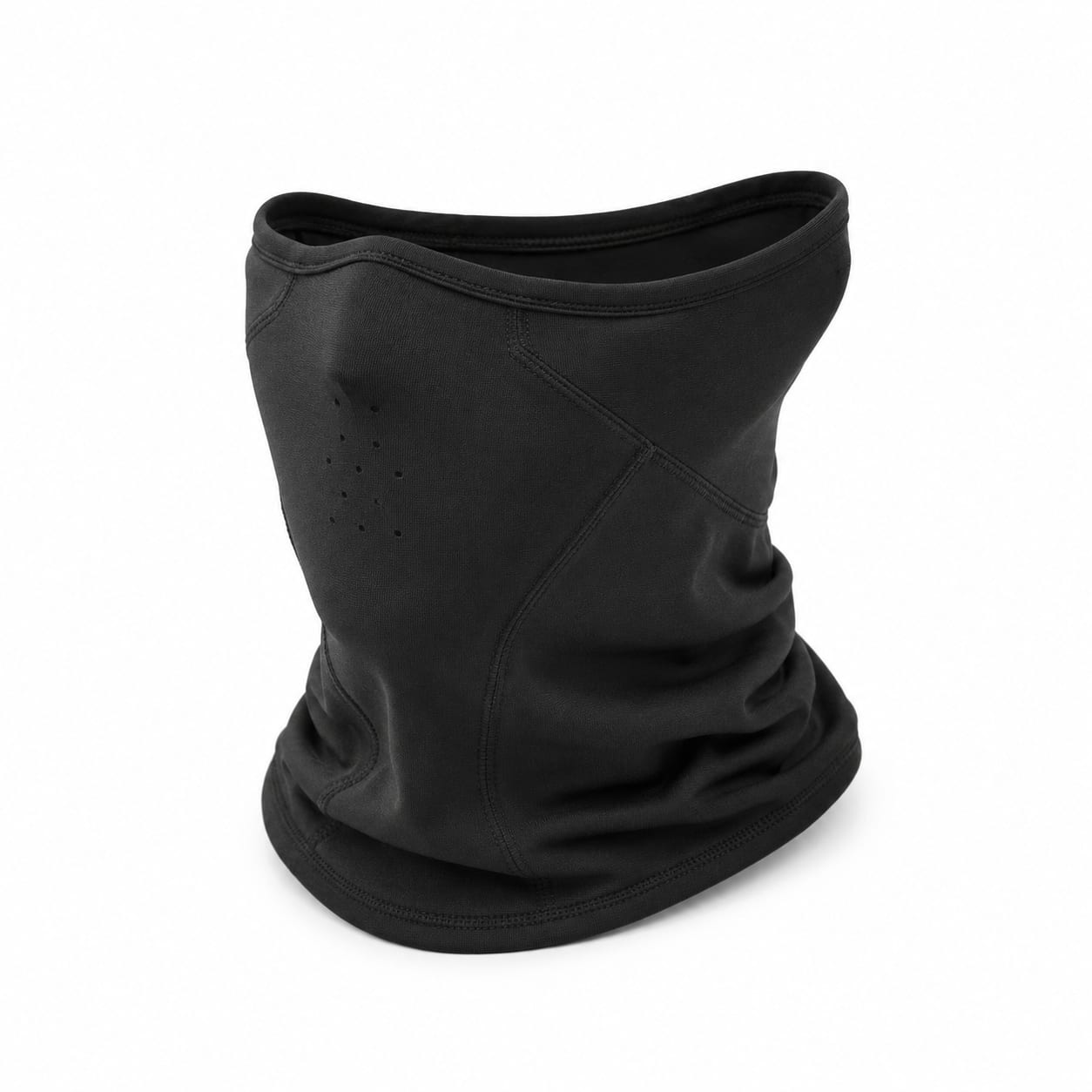
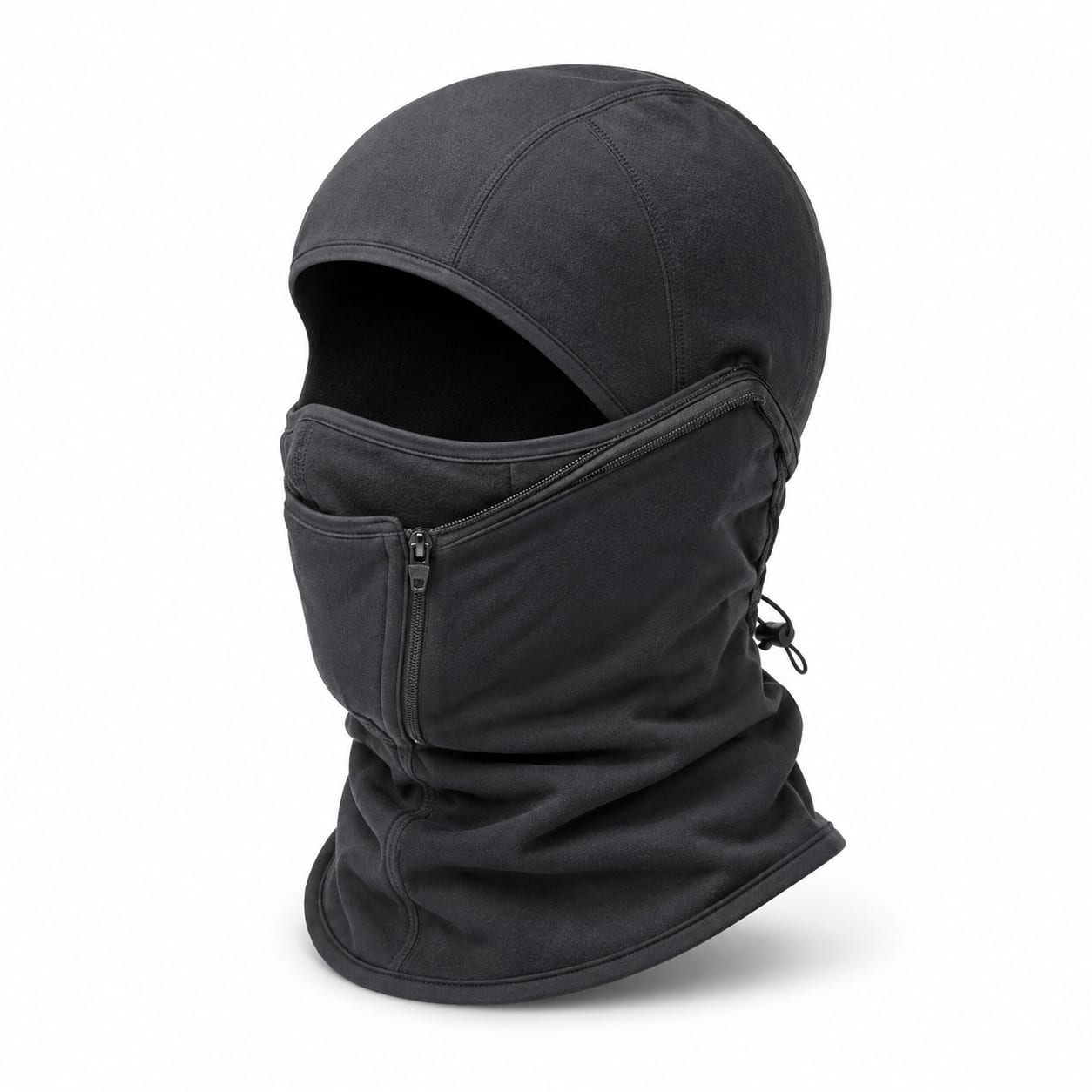
The extent and configuration of face and head coverage provided by the balaclava, determining how much skin is exposed and how the garment interfaces with goggles and helmets.
Typical for this type
Half Face Or Convertible For Most Riders; Open Face For High-Intensity Skiing; Mesh Breath Panel For Fogging-Prone Riders
In practice
Helmet liner balaclavas most commonly use half-face coverage, which protects the lower face and neck while leaving the nose and upper mouth more exposed for easier breathing and reduced fogging. The convertible style is also popular for its versatility—pull up on the lift, pull down on the descent.
Compared to other types
Compared to extreme-cold balaclavas that default to full_face coverage, helmet liner balaclavas favor less coverage for better breathability. Unlike casual neck gaiters that offer only open_face, helmet liners still protect the lower face and ears from wind entering helmet vents.
Why it matters: Coverage style directly determines the balance between warmth and breathability. Under a helmet, excessive coverage traps moisture and causes fogging, while too little leaves you cold on exposed skin. Half-face hits the sweet spot for most conditions.
Primary Fabric Material
Primary Fabric Material
What it means
The main material used in construction, which determines warmth, breathability, moisture management, stretch, and feel against skin.
Typical for this type
Nylon Spandex Blend For Low-Bulk Wind Protection; Merino Wool For Odor Resistance And Natural Feel; Hybrid Multi Zone For Premium Performance
In practice
Nylon-spandex blends dominate this subcategory because they provide excellent stretch for helmet conformity, low bulk for unhindered helmet fit, and decent wind resistance—all in a thin, comfortable package. Merino wool variants offer superior odor resistance for multi-day use, while hybrid designs add mesh zones or windproof panels where needed most.
Compared to other types
Extreme-cold balaclavas often use polyester_fleece or windstopper_softshell for maximum insulation, but these are too bulky for comfortable under-helmet wear. Helmet liners prioritize thin, high-performance fabrics that insulate without volume.
Why it matters: Fabric choice under a helmet is a zero-sum game: thicker fabrics add warmth but compromise helmet fit and increase fogging. The right fabric provides warmth through fiber efficiency, not volume, while actively moving moisture away from your skin.
What it means
The total weight of the balaclava in grams, affecting packability, layering comfort, and perceived bulk under a helmet.
Typical for this type
40–80g for optimal under-helmet performance; below 40g may lack durability; above 80g approaches standard balaclava bulk
Most common pick: 55g
In practice
Helmet liner balaclavas typically weigh between 40 and 80 grams, with most quality models clustering around 50–65g. This weight range provides enough fabric for effective coverage and moisture management without adding perceptible bulk under a helmet.
Compared to other types
Standard winter balaclavas typically weigh 80–140g, and extreme-cold models can exceed 150g. Helmet liner balaclavas are among the lightest in the category, comparable only to ultralight spring skiing pieces.
Why it matters: Weight is a direct proxy for bulk under your helmet. Every gram of fabric takes up space between your head and the helmet's EPS foam liner. Excess weight means excess material, which means pressure points, altered helmet fit, and potential safety compromise.
Wind Resistance
Wind Resistance
What it means
The degree to which the balaclava blocks wind penetration, critical for comfort on exposed chairlifts and high-speed descents.
Typical for this type
Highly Wind Resistant For Most Riders; Moderately Wind Resistant For High-Output Skiing; Windproof Only If You Regularly Ski Exposed Terrain In Severe Wind
In practice
Most helmet liner balaclavas achieve high wind resistance through tight-weave nylon or polyester construction rather than windproof membranes, which would add bulk and reduce breathability. This level blocks most wind penetration while allowing enough air permeability for moisture vapor to escape.
Compared to other types
Extreme-cold balaclavas often use windproof membranes for maximum protection, but this comes at the cost of breathability and adds bulk. Helmet liners accept slightly less wind protection in exchange for significantly better moisture management and lower profile.
Why it matters: Wind resistance under a helmet is about blocking the cold air that enters through helmet vents, not surviving full gale-force exposure. Highly wind resistant is the sweet spot—strong enough to take the bite out of chairlift wind, breathable enough to prevent moisture buildup during active skiing.
Breathability
Breathability
What it means
The ability of the fabric to allow moisture vapor (sweat) to escape, preventing clamminess and reducing goggle fogging.
Typical for this type
Good For Most Resort Skiing; Excellent For High-Intensity Skiers, Tourers, And Fogging-Prone Riders; Moderate Only For Very Cold, Low-Output Days
In practice
Good breathability is the baseline for helmet liner balaclavas, with many premium models achieving excellent ratings through mesh zones and moisture-wicking fabrics. This is a deliberate design choice—under a sealed helmet-goggle system, poor breathability means guaranteed fogging and discomfort.
Compared to other types
Helmet liner balaclavas consistently outperform heavier balaclava subcategories in breathability because they must function in the confined, low-ventilation environment under a helmet. Extreme-cold models often rate only moderate in breathability, which is acceptable when worn without goggles or helmet but problematic when combined with both.
Why it matters: Breathability is the single most important factor in goggle fogging prevention. Under a helmet, warm moist air has limited escape routes. A balaclava that can't transport that moisture away from your face will result in condensation on your goggle lens, impaired vision, and potentially dangerous situations.
Helmet Compatibility
Helmet Compatibility
What it means
How well the balaclava fits and functions under a ski helmet, including bulk, seam placement, and integration with helmet straps and goggle straps.
Typical for this type
Optimized Helmet Fit Is The Standard For This Subcategory; Compatible Is Acceptable For Casual Use; Avoid Bulky Under Helmet Entirely
In practice
This is the defining dimension of the helmet liner balaclava subcategory. These garments are specifically engineered with flat seams, low-bulk construction, and helmet-compatible cuts to fit seamlessly under ski helmets without affecting fit, comfort, or safety. This is not an optional feature—it's the entire point.
Compared to other types
This is where helmet liner balaclavas most clearly differentiate themselves. Standard and extreme-cold balaclavas often rate only compatible or even bulky_under_helmet because they prioritize warmth over integration. Helmet liners make helmet compatibility the non-negotiable foundation of their design.
Why it matters: A balaclava that doesn't work under a helmet defeats its own purpose. Poor helmet compatibility leads to pressure points, altered helmet fit (which can compromise crash protection), constant readjustment, and an experience that's worse than wearing nothing at all.
Goggle Integration
Goggle Integration
What it means
How well the balaclava interfaces with ski goggles, including gap elimination, fogging prevention, and strap compatibility.
Typical for this type
Seamless Integration For Cold-Weather Riders And Fogging-Prone Skiers; Good Integration Is Adequate For Most Conditions
In practice
Most helmet liner balaclavas achieve good goggle integration through careful eye-opening sizing and edge construction that minimizes gaps between the balaclava and goggle frame. Premium models offer seamless integration with goggle-specific edge shaping that eliminates any exposed skin at the goggle-to-face junction.
Compared to other types
Helmet liner balaclavas generally achieve better goggle integration than heavier balaclavas because their thinner, more flexible construction conforms more precisely to goggle frame shapes. Bulky balaclavas can create gaps at the edges where stiff fabric doesn't bend to match the goggle contour.
Why it matters: The gap between goggles and balaclava is where cold air enters and warm air escapes, causing both discomfort and fogging. Good integration means no exposed skin, no cold spots, and a sealed system that manages moisture effectively. In very cold conditions, even a small gap can lead to frostnip.
Moisture Wicking
Moisture Wicking
What it means
The ability of the fabric to actively pull moisture (sweat and breath condensation) away from the skin surface to the exterior where it can evaporate.
Typical for this type
Active Wicking Is Strongly Recommended For All Helmet Liner Balaclavas; Moderate Wicking Only Acceptable For Short Sessions In Cold Conditions
In practice
Active wicking is the standard for quality helmet liner balaclavas because moisture management is their primary functional purpose. These garments use hydrophobic fibers (polypropylene, treated polyester) or naturally wicking fibers (merino wool) to rapidly pull sweat and breath condensation away from skin and toward the fabric's outer surface where it can evaporate.
Compared to other types
Helmet liner balaclavas consistently feature higher moisture wicking performance than other subcategories because the under-helmet environment demands it. Heavier balaclavas can get away with moderate wicking because they're often worn in conditions where the wearer is less active and producing less sweat.
Why it matters: Under a helmet, moisture has nowhere to go. Without active wicking, sweat accumulates against your skin, breath condensation saturates the fabric around your mouth and nose, and that moisture migrates upward to your goggle lens. Active wicking is the difference between a dry, comfortable face and a clammy, fogged-up mess.
UV Protection (UPF)
UV Protection (UPF)
What it means
The Ultraviolet Protection Factor rating indicating how effectively the fabric blocks UV radiation, important at high altitude where UV exposure is significantly stronger.
Typical for this type
Upf 50 Plus For High-Altitude And Spring Skiing; Upf 30 To 49 For General Winter Use; Not Rated Acceptable If Primarily Worn Under Other Layers
In practice
Most helmet liner balaclavas offer UPF 30–49 protection through their tight-weave synthetic or merino wool construction. Since much of the face is covered by goggles and helmet, the UPF rating primarily protects the neck, lower face, and ears from reflected UV radiation off the snow.
Compared to other types
UV protection is comparable across balaclava subcategories and depends more on fabric type and weave density than on the balaclava's intended use. However, helmet liner balaclavas' tight-weave construction naturally provides better UV protection than looser-knit casual options.
Why it matters: At altitude, UV radiation is significantly stronger, and snow reflects up to 80% of it back upward. The neck and lower face—areas exposed below helmet and goggles—receive this reflected UV. A UPF-rated balaclava provides passive sun protection that doesn't wear off like sunscreen.
What it means
The sizing system and general fit characteristics of the balaclava, affecting comfort, coverage, and compatibility with other gear.
Typical for this type
One Size With 4-Way Stretch For Most Adults; S/M For Smaller Heads And Youth; L/XL For Larger Heads; Youth For Children
In practice
One-size construction dominates this subcategory because 4-way stretch fabrics allow a single garment to conform to a wide range of head sizes. However, some brands offer S/M and L/XL options for riders at the extremes of the size spectrum who find one-size models either too loose (poor seal) or too tight (pressure and restricted movement).
Compared to other types
Helmet liner balaclavas are more dependent on accurate fit than heavier balaclavas because there's less fabric volume to compensate for sizing mismatches. A slightly loose heavy balaclava is merely drafty; a slightly loose helmet liner creates uncomfortable folds under helmet padding.
Why it matters: Under a helmet, fit precision matters more than in any other wearing scenario. A balaclava that's too loose will bunch and create pressure points under the helmet. One that's too tight will restrict head movement and may pull down when you turn your head, breaking the goggle seal.
Seam Construction
Seam Construction
What it means
The type and placement of seams in the balaclava, affecting comfort against skin, pressure points under helmets, and durability.
Typical for this type
Seamless For Maximum Comfort And Sensitive Skin; Flatlock Seams For Performance And Durability; Avoid Overlock Seams Entirely For Helmeted Use
In practice
Flatlock seams are the most common construction in helmet liner balaclavas, offering an excellent balance of low profile, comfort, and durability. Seamless or bonded construction is found in premium models and provides the ultimate in under-helmet comfort by eliminating even the minimal ridge of flatlock stitching.
Compared to other types
Helmet liner balaclavas almost universally use flatlock or seamless construction, while budget and casual balaclavas may use overlock seams. This is a direct response to the under-helmet requirement—overlock seams are tolerable without a helmet but become painful under sustained helmet pressure.
Why it matters: Seam construction is a comfort-critical detail under a helmet. Overlock seams create ridges that press into your forehead and temples through helmet padding, causing pressure headaches after extended wear. Flatlock seams lay nearly flat, and seamless construction eliminates the issue entirely. This is not a minor detail—it determines whether you can wear the balaclava for an hour or all day.
Odor Resistance
Odor Resistance
What it means
The fabric's ability to resist developing unpleasant odors over multi-day use, important for ski trips where daily washing isn't possible.
Typical for this type
Natural Odor Resistant (Merino Wool) For Multi-Day Trips; Antimicrobial Treated For General Multi-Day Use; Minimal Odor Resistance Only For Single-Day Use With Washing Access
In practice
Most synthetic helmet liner balaclavas use antimicrobial treatments (typically silver ion) to control odor over multi-day use. Merino wool options provide natural odor resistance that doesn't degrade over time. Since these garments are worn tight against the skin in a warm, moist environment, odor develops faster than in looser face coverings.
Compared to other types
Odor resistance needs are similar across balaclava subcategories, but helmet liner balaclavas may develop odor faster due to the warm, humid under-helmet environment that promotes bacterial growth. Merino wool's natural antimicrobial properties are particularly valuable in this subcategory.
Why it matters: A balaclava worn under a helmet for a full day of skiing absorbs significant sweat and breath moisture. Without odor resistance, it will smell noticeably by day two of a ski trip. For week-long trips, this means either packing multiple balaclavas or choosing one with effective odor control.
Thermal Insulation Class
Thermal Insulation Class
What it means
The warmth category of the balaclava, indicating the temperature range and conditions it is designed to handle comfortably.
Typical for this type
Cool For Most Resort Skiing And Active Riders; Cold For Colder Regions And Riders Who Run Cold; Mild For Spring Skiing And High-Output Touring
In practice
The cool insulation class is most typical for helmet liner balaclavas, reflecting their design philosophy of providing enough warmth to take the edge off cold air through helmet vents without causing overheating during active skiing. This corresponds to comfortable use in temperatures from approximately -5°C to 5°C (23°F to 41°F), which covers the majority of resort skiing days.
Compared to other types
Helmet liner balaclavas are intentionally lighter in insulation than standard or extreme-cold balaclavas. They're designed to work within the already-insulated environment of a helmet rather than providing standalone cold protection. This makes them more versatile across temperature ranges but insufficient as a sole face covering in extreme cold.
Why it matters: Under-helmet insulation is a delicate balance. Too little and you feel cold air through vents on chairlifts. Too much and you overheat during active skiing, leading to sweat, fogging, and discomfort. The cool class provides versatile comfort that can be supplemented with a heavier outer balaclava on the coldest days.
Nose/Mouth Breath Feature
Nose/Mouth Breath Feature
What it means
Specific design features around the nose and mouth area that manage breath direction and moisture to reduce goggle fogging and improve comfort.
Typical for this type
Mesh Breath Zone For Most Riders; Directed Exhaust For Severe Fogging Problems; Open Nose Design For Mild Conditions And Zero-Tolerance Fogging; No Special Feature Only For Budget Options
In practice
Mesh breath zones are the most common breath management feature in helmet liner balaclavas, offering a good balance of fog reduction and face coverage. The mesh panel over the nose and mouth disperses exhaled breath and allows air mixing, preventing concentrated warm moist air from rising directly into goggle lenses.
Compared to other types
Helmet liner balaclavas are more likely to include breath management features than heavier balaclavas because the under-helmet, goggle-sealed environment makes fogging a more severe problem. Full-face extreme-cold balaclavas sometimes lack these features, assuming the rider will manage fogging by pulling the face covering down.
Why it matters: Breath management is the primary technical challenge of under-helmet balaclava design. Without it, exhaled warm air rises along the nose bridge and enters the lower goggle vent, causing fogging that can freeze into ice in cold conditions. A mesh breath zone or directed exhaust channel is the difference between clear vision and impaired visibility.
Neck Coverage Length
Neck Coverage Length
What it means
How far down the neck the balaclava extends, affecting how well it seals with your base layer or jacket collar and prevents cold air entry.
Typical for this type
Standard Neck For Most Riders And Layering Setups; Extended Neck For Extreme Cold And Backcountry; Short Neck For Spring Skiing With High-Neck Base Layers
In practice
Standard neck coverage that extends to just below the collarbone is most common in helmet liner balaclavas, providing enough length to tuck securely into a base layer or jacket collar without excess fabric that bunches under layers. This length ensures coverage stays in place when turning your head.
Compared to other types
Helmet liner balaclavas tend toward standard or short neck lengths to minimize bulk under layers, while extreme-cold balaclavas often feature extended necks for maximum seal. The under-helmet environment means less bulk is preferred, and most riders rely on their jacket collar and base layer for additional neck protection.
Why it matters: Neck coverage length determines whether cold air can enter at the collar when you turn your head. Too short and the balaclava pulls out of your collar, exposing your neck. Too long and it bunches uncomfortably under other layers. Standard length hits the balance for most layering configurations.
Stretch / Flexibility
Stretch / Flexibility
What it means
The degree of stretch in the fabric and construction, affecting how the balaclava conforms to different head shapes and moves with the wearer.
Typical for this type
4_way_stretch is strongly preferred for comfort and helmet conformity; 2_way_stretch acceptable in merino wool models; minimal_stretch should be avoided
In practice
4-way stretch is the standard for helmet liner balaclavas because it allows the garment to conform smoothly to any head shape, maintain its seal during head movement, and accommodate the one-size-fits-most sizing approach. The stretch also helps the balaclava move with you rather than against you when turning your head under a helmet.
Compared to other types
Helmet liner balaclavas more commonly feature 4-way stretch than heavier balaclavas because the under-helmet environment demands precise conformity. Windproof and extreme-cold balaclavas sometimes use minimal-stretch membrane fabrics, which require more precise sizing and can feel restrictive under a helmet.
Why it matters: Under a helmet, stretch serves multiple purposes: it allows one-size garments to fit a wide range of heads, it maintains the goggle seal when you turn your head, it prevents the balaclava from shifting and creating gaps, and it ensures the fabric lies flat without bunching that causes pressure points.