
Ski Balaclava · FAQ
Questions about Neck Gaiter
Straight answers on fit, specs, and when this type makes sense — each topic has its own page with links back to the buying guide.
Open Neck Gaiter guide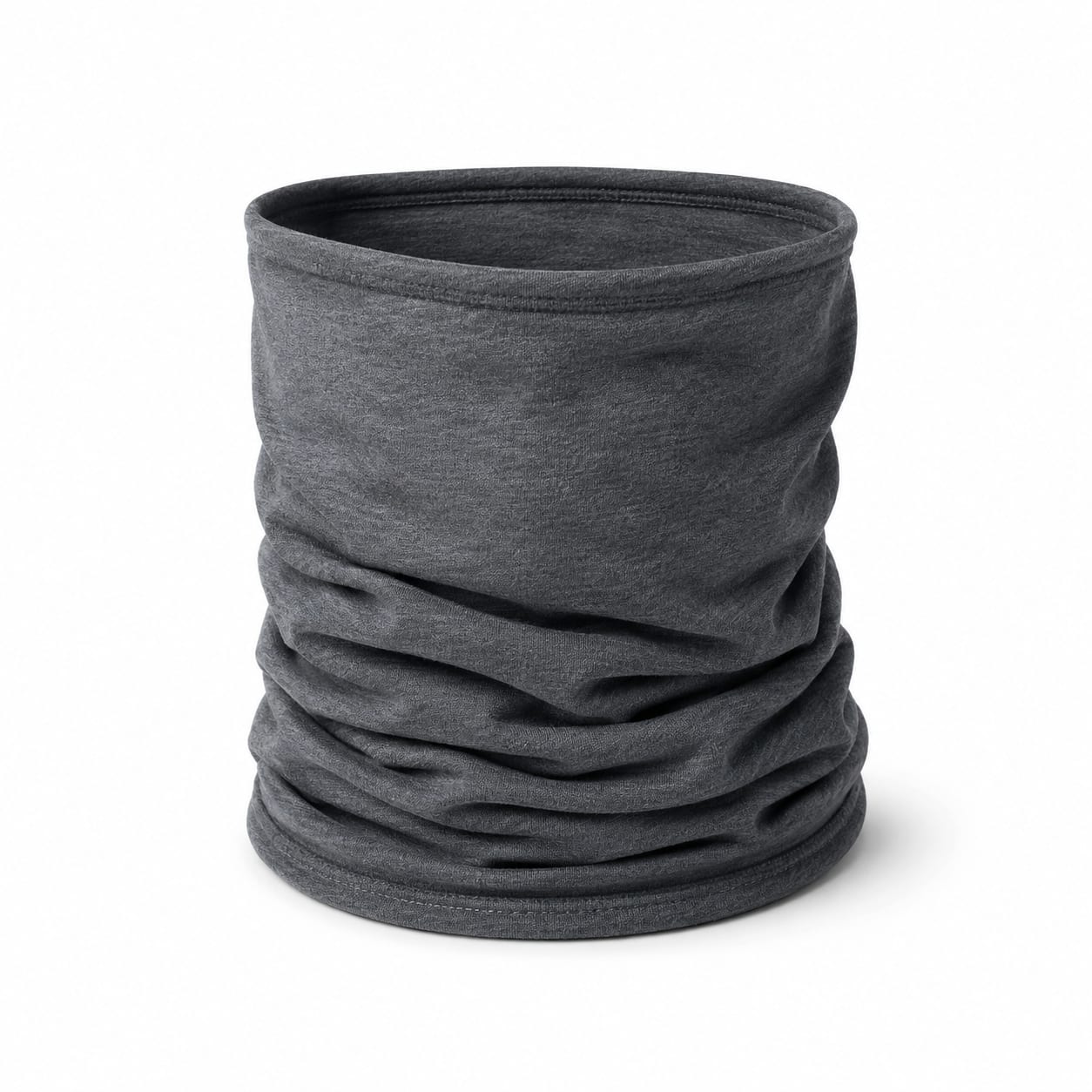
6 topics
Pick a question
Every answer links to the full subcategory guide and related gear types when it helps you decide.
How do I keep my neck gaiter from slipping down while skiing?
Slippage is the most common complaint with neck gaiters. To minimize it, choose a gaiter with 4-way stretch that fits snugly without being uncomfortably tight. Look for models with a slightly contoured top edge rather than a straight-cut tube, as these conform better to the face. Some premium gaiters include a silicone grip strip inside the top edge that helps hold position. Also, ensure your gaiter is not damp from previous breath condensation before pulling it up—a dry gaiter grips better. If slippage persists, consider a convertible balaclava that anchors to your head.
Read answer →02Will a neck gaiter cause my goggles to fog?
Neck gaiters can contribute to goggle fogging when worn over the nose, as exhaled warm air passes through the fabric and can rise into the goggle zone. To reduce fogging, position the gaiter so it sits just below your nose, leaving the nasal airway unobstructed. Alternatively, choose a gaiter with a mesh breath zone over the nose and mouth, which disperses breath more effectively. Pulling the gaiter down below your mouth during high-exertion climbing or on the chairlift also helps. Proper goggle ventilation and anti-fog coatings on your goggle lens work in conjunction with your gaiter to manage fogging.
Read answer →03Is a neck gaiter warm enough for really cold days?
For temperatures below approximately -15°C (5°F), a standard neck gaiter may not provide sufficient protection, especially if you also lack coverage for your ears and forehead. On very cold days, you can layer a neck gaiter with a helmet liner or beanie that covers your ears and forehead. Windproof gaiters with softshell construction provide significantly more effective cold protection than standard fleece models. For sustained temperatures below -20°C (-4°F), a full balaclava is generally a better choice as it eliminates all gaps and provides complete head coverage.
Read answer →04What is the difference between a neck gaiter and a balaclava?
A neck gaiter is a simple tube of fabric that slides over your head and sits around your neck, with the option to pull it up over your lower face. It does not cover the top of your head or your ears. A balaclava is a one-piece garment that covers your head, neck, and face with a shaped opening for your eyes (and sometimes nose). Balaclavas provide more complete coverage and stay in place more securely, while neck gaiters offer more adjustability, better breathability, and zero helmet interference. Many skiers own both and choose based on conditions.
Read answer →05Can I wear a neck gaiter in multiple ways?
Yes, versatility is one of the neck gaiter's biggest strengths. Common wearing styles include: around the neck for basic neck warmth, pulled up over the nose for full lower-face protection, pulled up to just below the nose for mouth coverage with clear breathing, as a headband to keep hair and sweat out of your face, and even as an emergency beanie by pulling one end over the top of your head. Some longer gaiters can double as a hood by pulling the top edge over the back of your head. This multi-use capability makes gaiters one of the most versatile pieces of ski gear you can own.
Read answer →06Should I choose merino wool or synthetic fabric for my ski gaiter?
It depends on your priorities. Merino wool offers natural odor resistance (wearable for 3–5 days without washing), excellent temperature regulation, and a soft feel against skin, but it costs more and can lose shape when very wet. Synthetic fabrics (polyester, polypropylene) dry faster, are more durable, cost less, and often provide better moisture wicking for high-intensity skiing, but they develop odor faster and may feel less natural against skin. For multi-day trips, merino is usually worth the investment. For single-day use or high-intensity skiing where you wash after every use, synthetics perform well at a lower price.
Read answer →