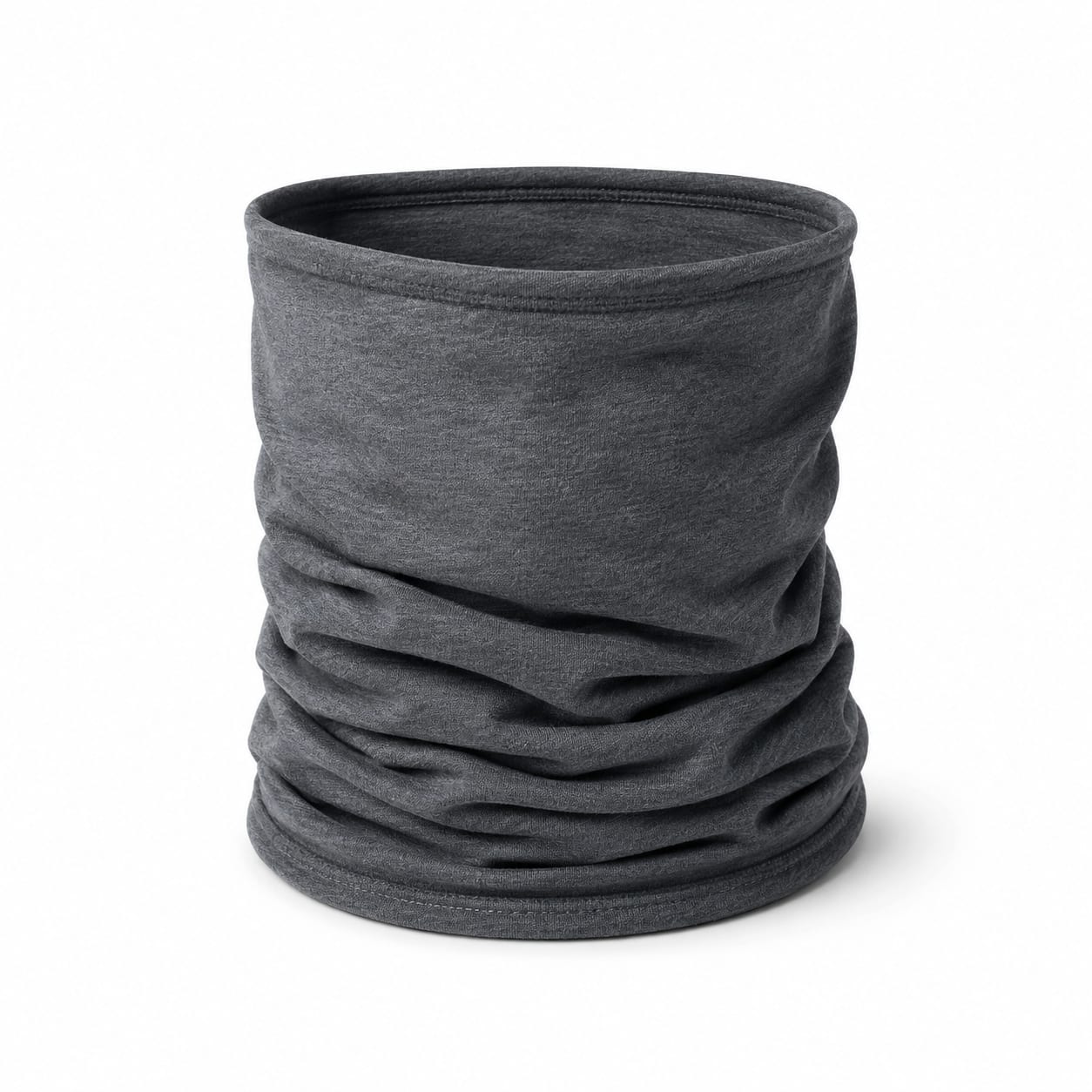
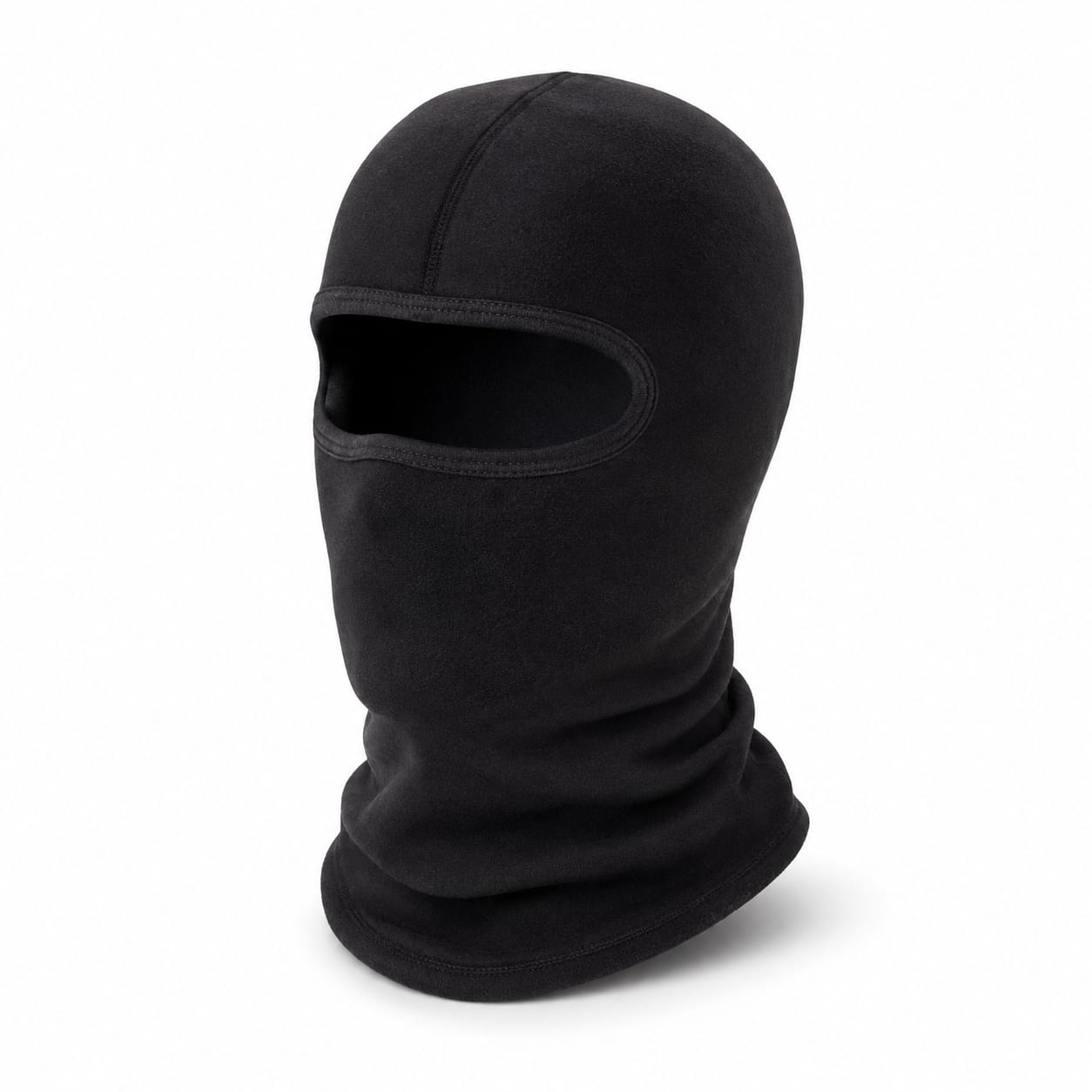
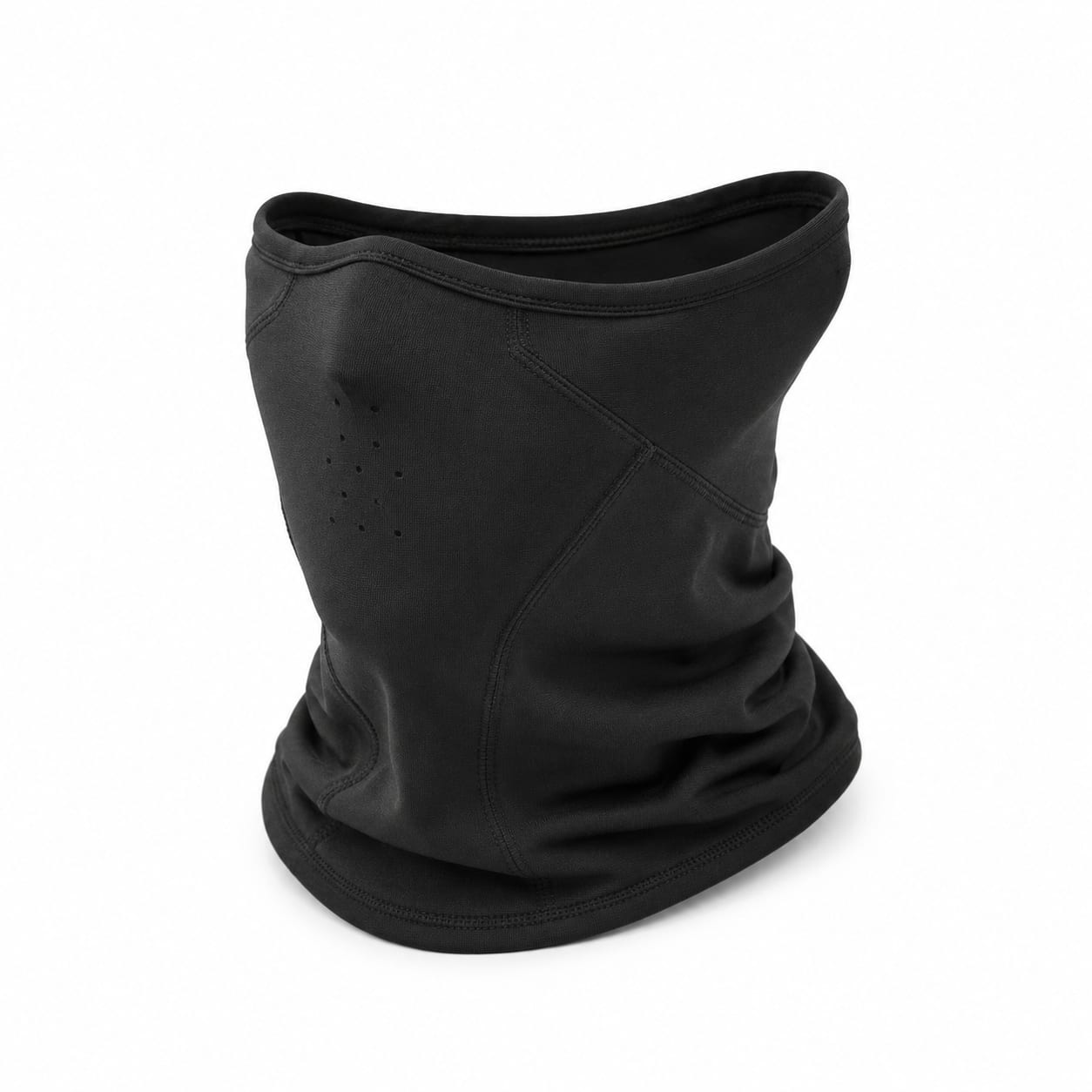
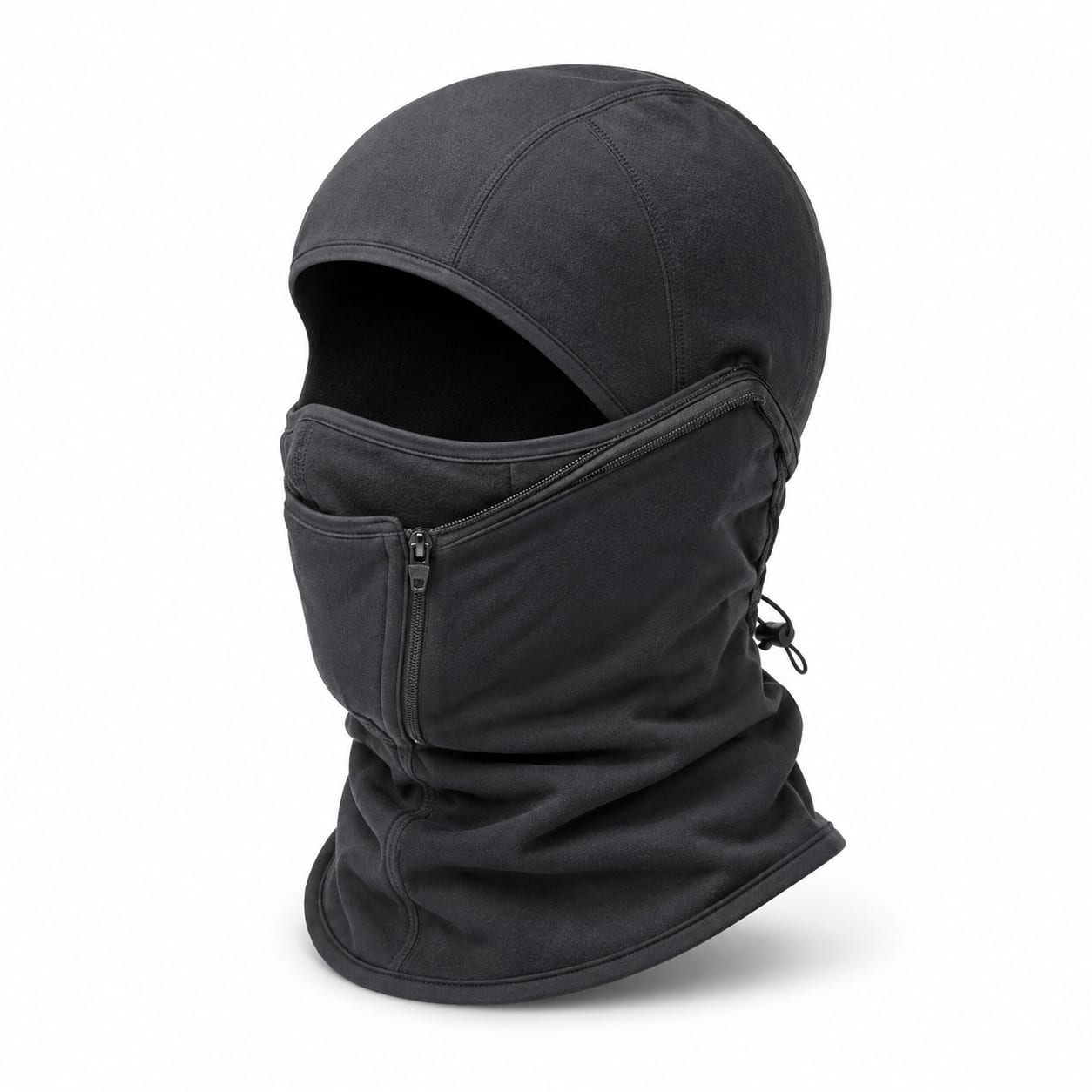
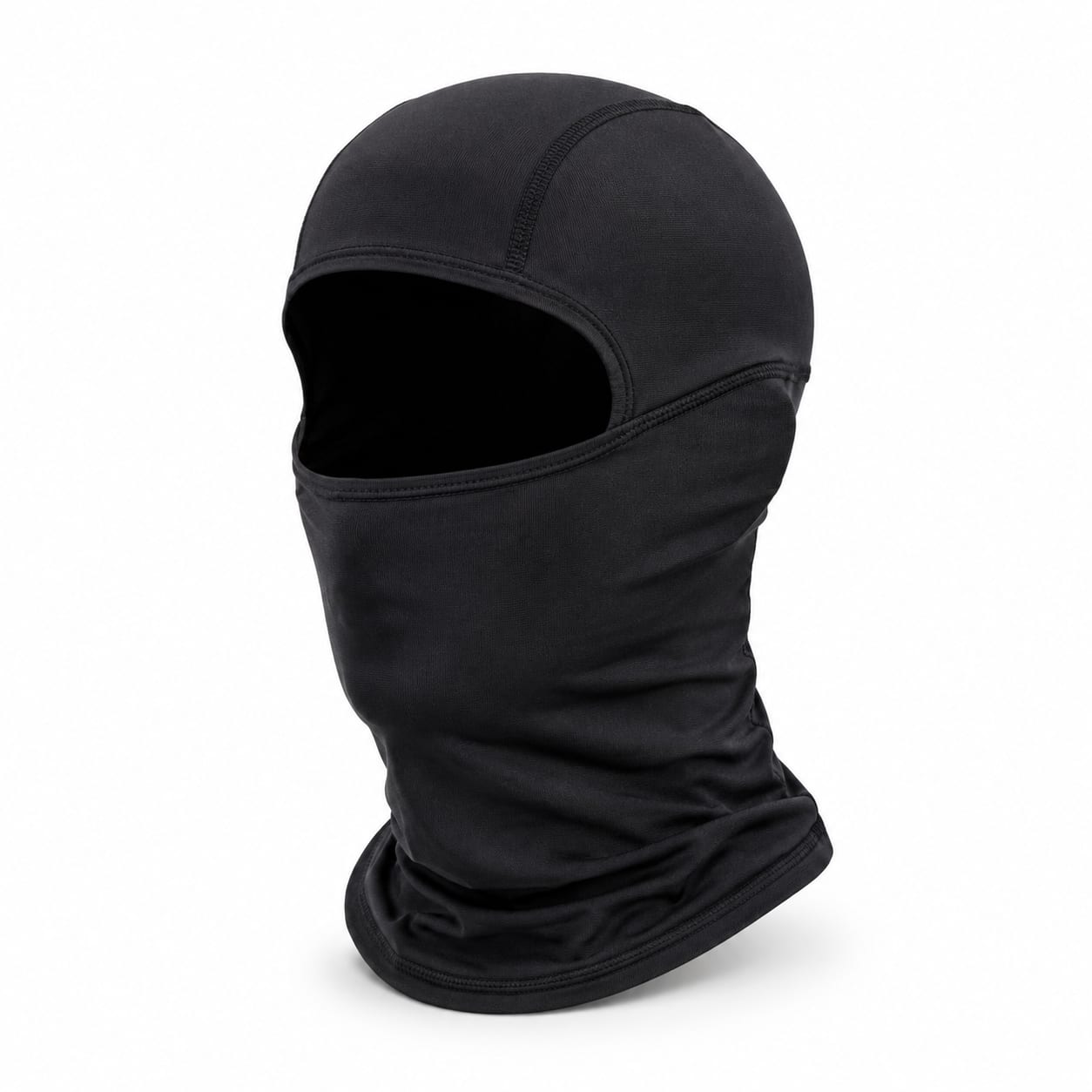
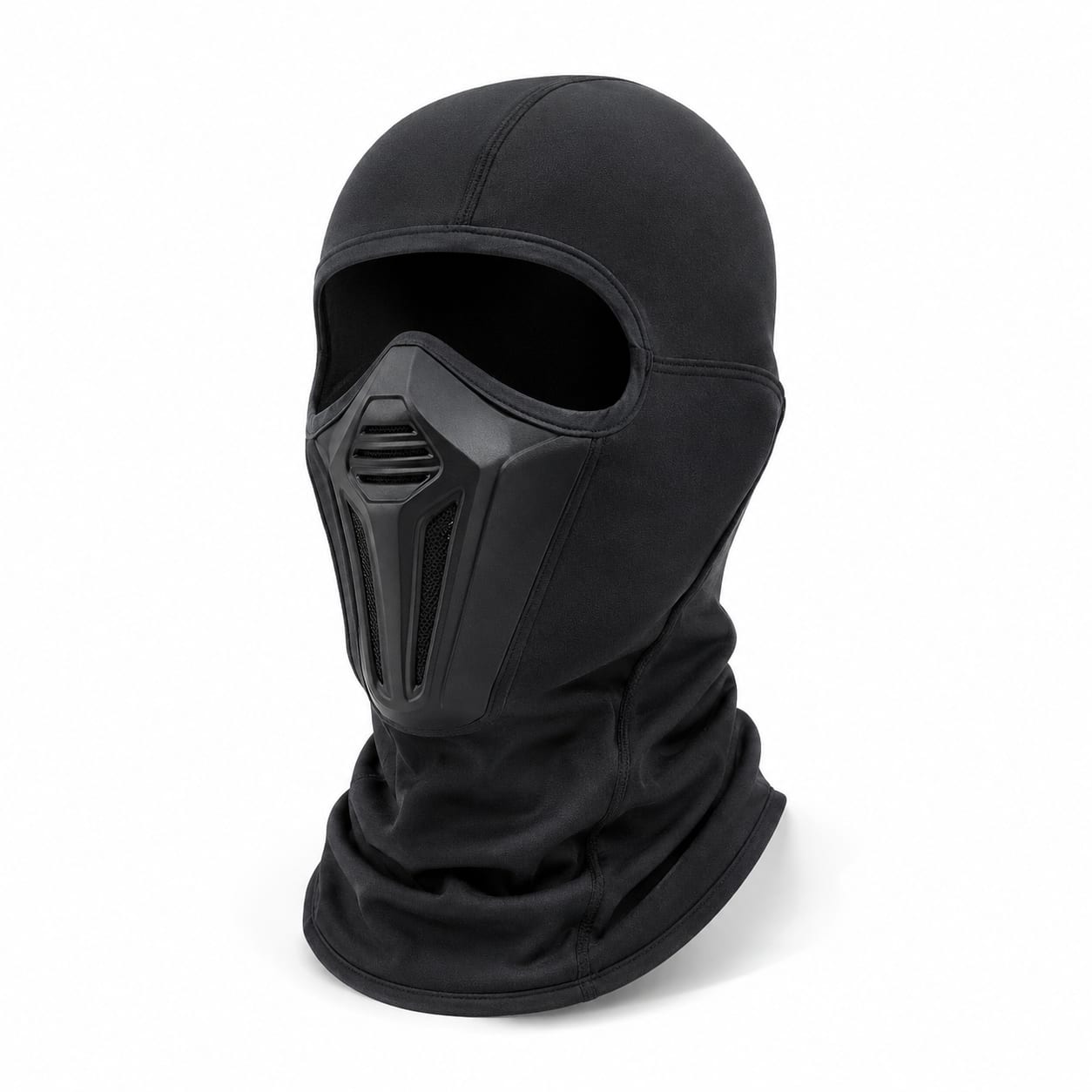
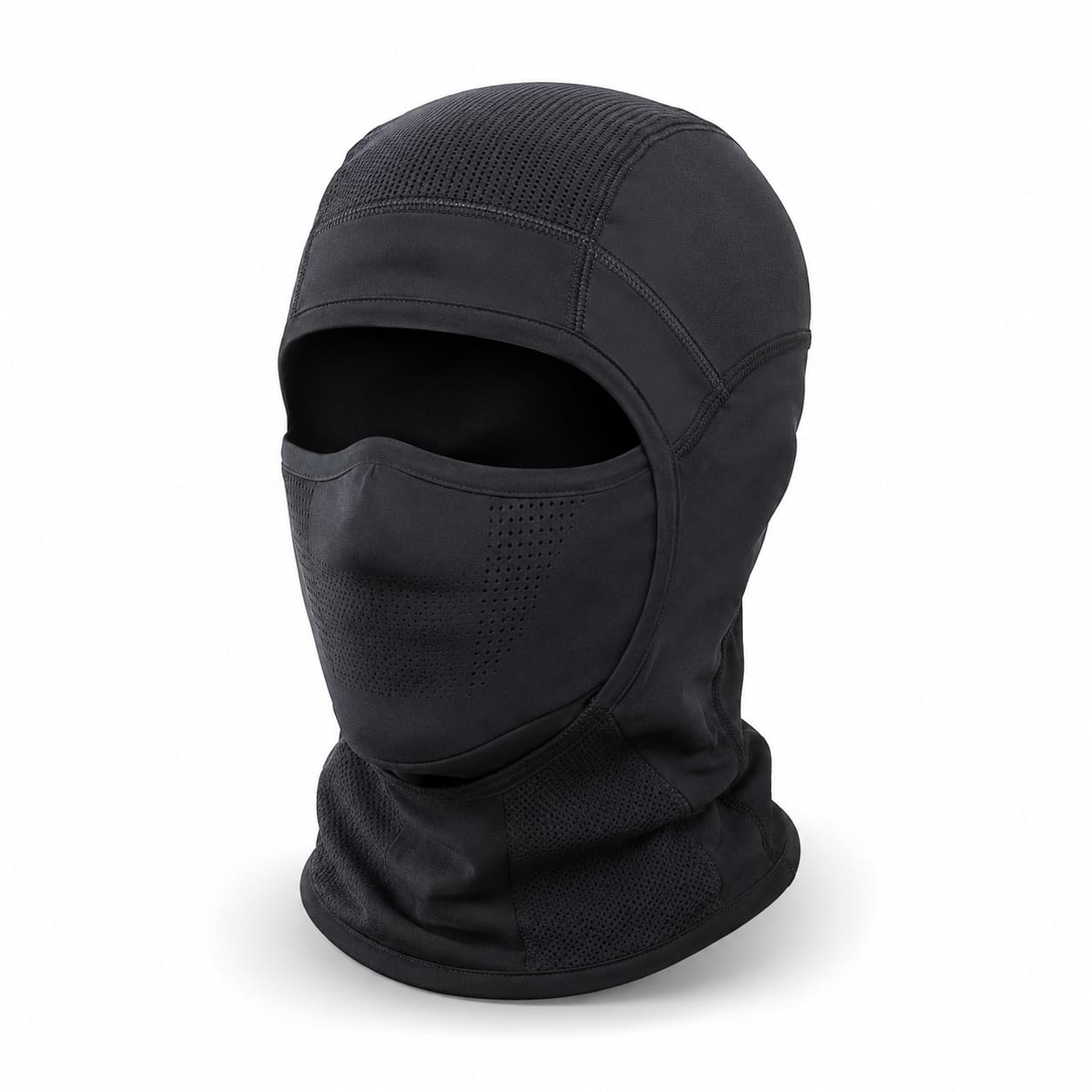
A neck gaiter is a seamless or minimally seamed tubular fabric garment designed to be worn around the neck and pulled up over the lower face as conditions require. In the ski and snowboard context, neck gaiters serve as the most adaptable form of facial protection, bridging the gap between no coverage and the full enclosure of a traditional balaclava. Their open-top design means they pair naturally with any helmet and goggle combination without adding bulk or creating pressure points on the crown of the head. Most ski-specific neck gaiters feature moisture-wicking fabrics, stretch construction for a snug but comfortable fit, and lengths that tuck securely into jacket collars to seal out drafts. They are available in an enormous range of fabrics from ultralight spring-weight synthetics to heavyweight merino wool and windproof softshell constructions, allowing riders to choose precisely the level of protection they need.
Neck gaiters have become the dominant choice in ski facial protection for good reason: they offer the most practical balance of protection, comfort, and convenience available. The tubular design is inherently simple—slide it on, pull it up when the wind hits, push it down when you step into the lodge. This simplicity translates to reliability; there are no hinges to break, no detachable pieces to lose, and no complicated adjustment systems to fumble with while riding the chairlift.
The key advantage of a neck gaiter over a full balaclava is the freedom it provides. Because it does not cover the top of the head, there is zero interference with helmet fit, no extra layer trapping heat against your scalp, and no need to remove your helmet to adjust or remove the gaiter. This makes mid-day adjustments effortless—you can pull the gaiter down to eat, drink, or chat on the lift without any hassle, then pull it back up for the descent. For skiers and snowboarders who run hot or who ski in variable conditions where temperatures fluctuate throughout the day, this adjustability is invaluable.
However, the open-top design that makes neck gaiters so convenient also represents their primary limitation. In extreme cold or high wind, the lack of head and ear coverage means you must rely on your helmet and a separate beanie or helmet liner to protect the upper portion of your head and ears. Additionally, because neck gaiters rely on stretch and friction to stay in position on your face, they can slip down during aggressive skiing or in very wet conditions, requiring occasional readjustment. Riders who prioritize maximum protection in the harshest conditions may find a full balaclava more reliable.
Fabric choice is the most important decision when selecting a neck gaiter for skiing. Merino wool offers unmatched odor resistance and natural temperature regulation, making it ideal for multi-day trips. Polyester fleece provides excellent warmth and durability at a lower price point. Nylon-spandex blends deliver superior wind resistance with minimal bulk, while windproof softshell constructions are the best choice for exposed, windy environments. Many modern ski gaiters use hybrid constructions with windproof panels at the front and breathable mesh at the mouth zone, offering the best of both worlds for riders who demand performance across varying conditions.
For most skiers and snowboarders, a midweight neck gaiter in a moisture-wicking fabric with 4-way stretch represents the ideal everyday choice. It provides sufficient warmth for typical winter resort conditions, breathes well enough to prevent goggle fogging during active skiing, and packs small enough to disappear into a pocket on warm spring days. Adding a lightweight merino gaiter for mild days and a windproof model for storm days gives you a complete quiver that covers virtually any condition you will encounter on the mountain.