
Ski Balaclava · FAQ
Questions about Windproof Balaclava
Straight answers on fit, specs, and when this type makes sense — each topic has its own page with links back to the buying guide.
Open Windproof Balaclava guide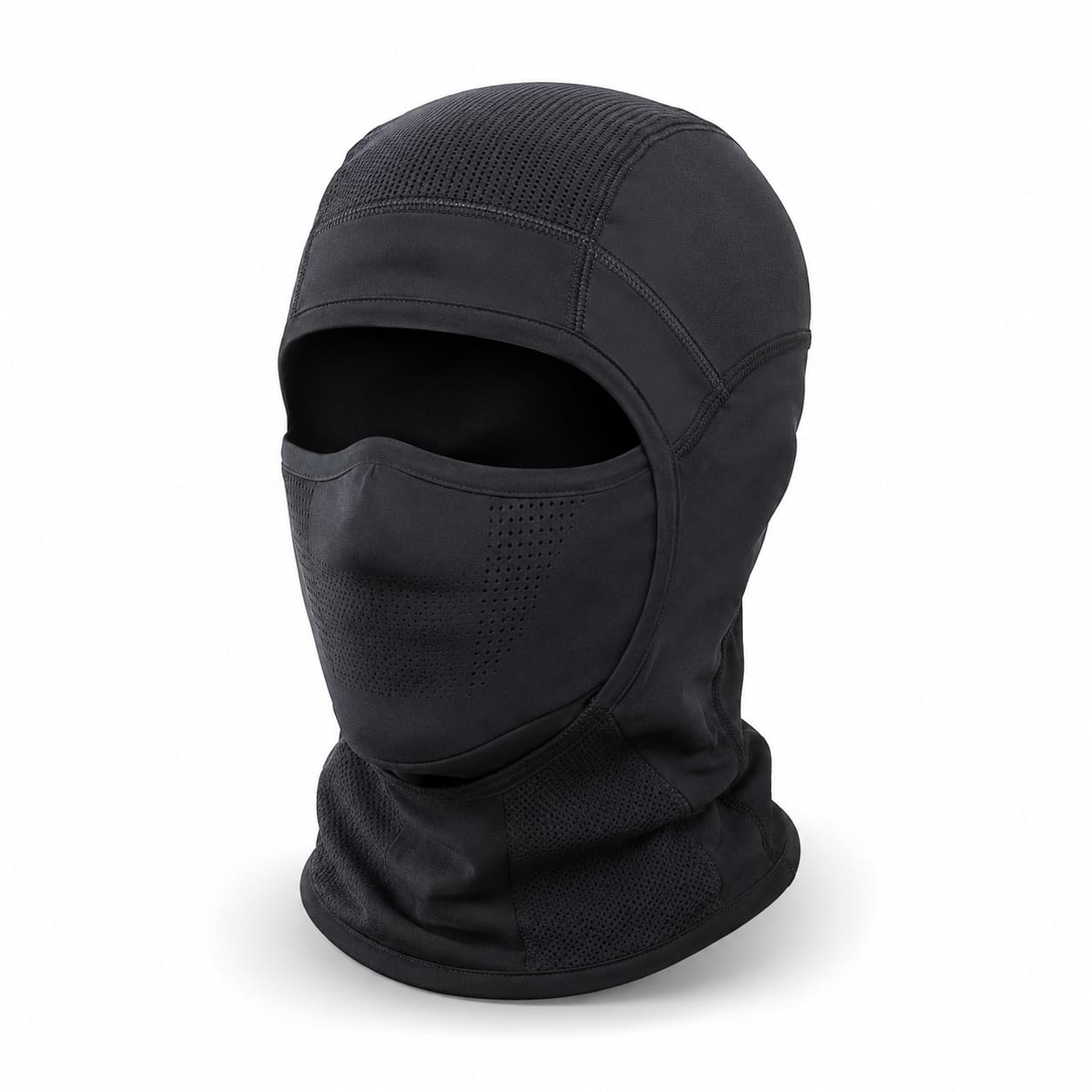
6 topics
Pick a question
Every answer links to the full subcategory guide and related gear types when it helps you decide.
Will a windproof balaclava make my goggles fog more?
It can, if you choose a model without breath management features. Windproof membranes reduce breathability, which means breath moisture has a harder time escaping and is more likely to fog your goggles. However, the best windproof balaclavas address this with mesh breath zones, directed exhaust channels, or hybrid construction that maintains breathability at the nose and mouth while blocking wind elsewhere. If fogging is a concern, specifically look for models with these features—they can actually fog less than non-windproof balaclavas that lack breath management design.
Read answer →02Is Gore Windstopper worth the premium over standard windproof fabrics?
For most skiers, yes. Gore Windstopper is the gold standard for windproof breathable membranes, offering proven wind blocking with the best available breathability for a windproof membrane. Generic windproof fabrics vary widely in quality—some block wind effectively but have poor breathability, while others claim windproofing but allow noticeable penetration. If you ski regularly in windy conditions, the Gore Windstopper premium pays for itself in comfort and performance. For occasional use, a quality softshell windproof fabric from a reputable brand is adequate.
Read answer →03Can I wear a windproof balaclava for backcountry touring?
Yes, but choose carefully. Backcountry touring involves high exertion on the ascent where breathability matters most, followed by cold and often windy descents where wind protection is critical. A convertible windproof balaclava is ideal—you can drop the face section during climbs to maximize breathability, then pull it up for the descent. Alternatively, a hybrid multi-zone design with breathable mesh at the mouth and windproof panels elsewhere provides a good compromise for both phases. Pure full-face windproof models without breath management features will likely cause overheating and fogging during ascents.
Read answer →04How do I prevent the dreaded goggle gap with a windproof balaclava?
First, choose a balaclava with seamless or good goggle integration—these have eye openings shaped to match common goggle frames. Second, always test the combination before heading out: put on the balaclava, then your goggles, and check in a mirror for any exposed skin between the goggle frame and balaclava edge. Third, ensure your goggle strap sits over the balaclava to hold it in place—never under. Fourth, look for models with slightly oversized eye openings that your goggle frame overlaps, creating a seal. If you still have gaps, consider a model with a different eye opening shape or size.
Read answer →05Do I need a windproof balaclava if I already have a helmet with ear pads?
A helmet with ear pads protects your head and ears but does not protect your face, cheeks, nose, or neck from wind chill. These are precisely the areas where wind chill is most painful and most dangerous in terms of frostnip risk. A windproof balaclava complements your helmet by covering the areas it cannot protect. In windy conditions, the combination of a windproof balaclava under a helmet with ear pads provides complete head and face protection. In mild conditions, a standard fleece balaclava may be sufficient under your helmet.
Read answer →06How long do windproof balaclavas maintain their windproofing?
Quality windproof balaclavas from reputable brands typically maintain effective windproofing for 3–5 seasons of regular use (30–50 days per season) with proper care. The membrane itself is durable, but performance degrades through improper washing (fabric softener, hot water, tumble drying), body oil accumulation that clogs membrane pores, and physical damage from stretching or abrasion. Washing with technical fabric wash every 2–3 uses and air drying preserves membrane performance. If you notice wind penetrating areas that were previously windproof, the membrane is degrading and it is time for replacement.
Read answer →