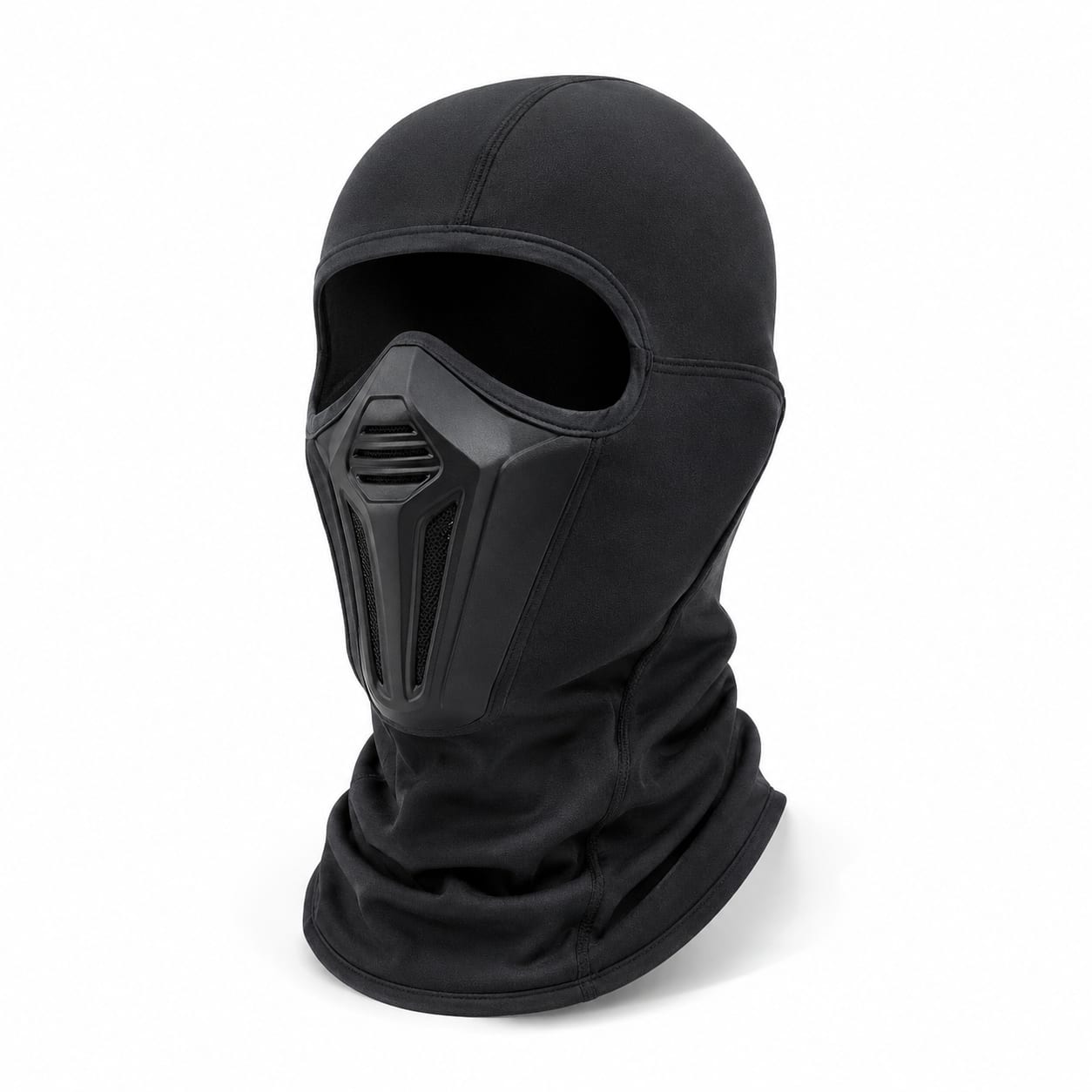
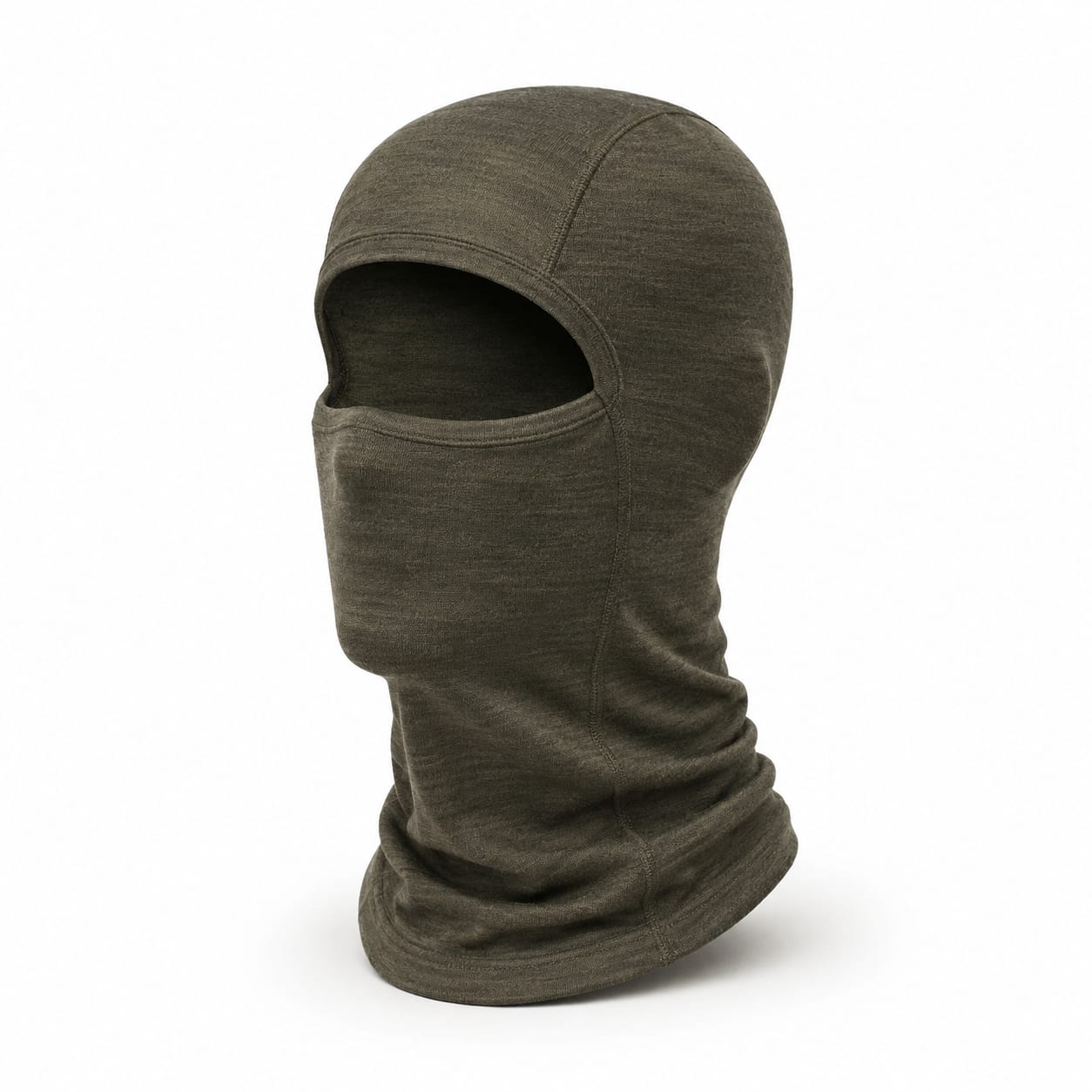
Kitvore.com

Kitvore.com

Specs that matter. Gear that fits.

Ski Balaclava · Subcategory

Windproof Balaclava

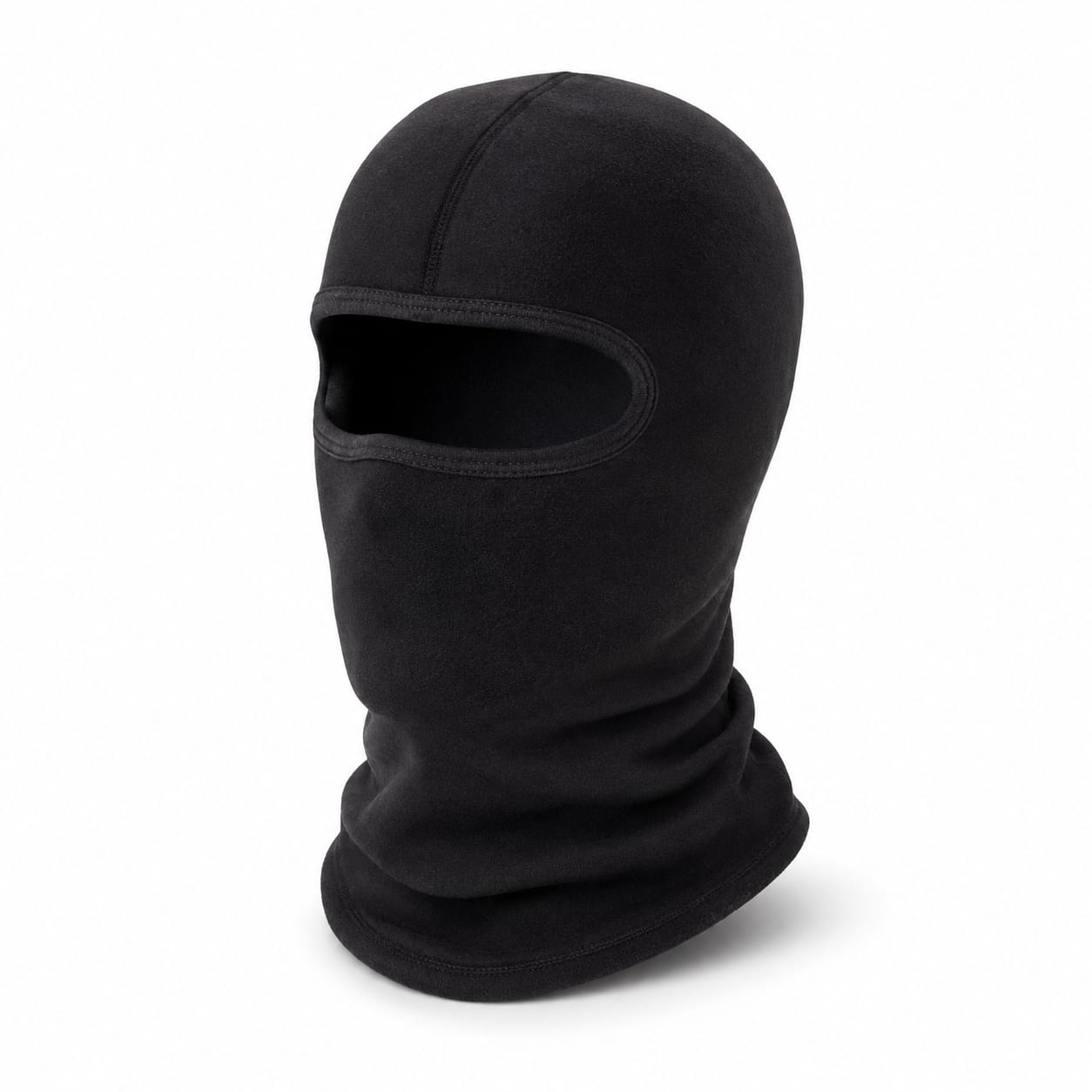
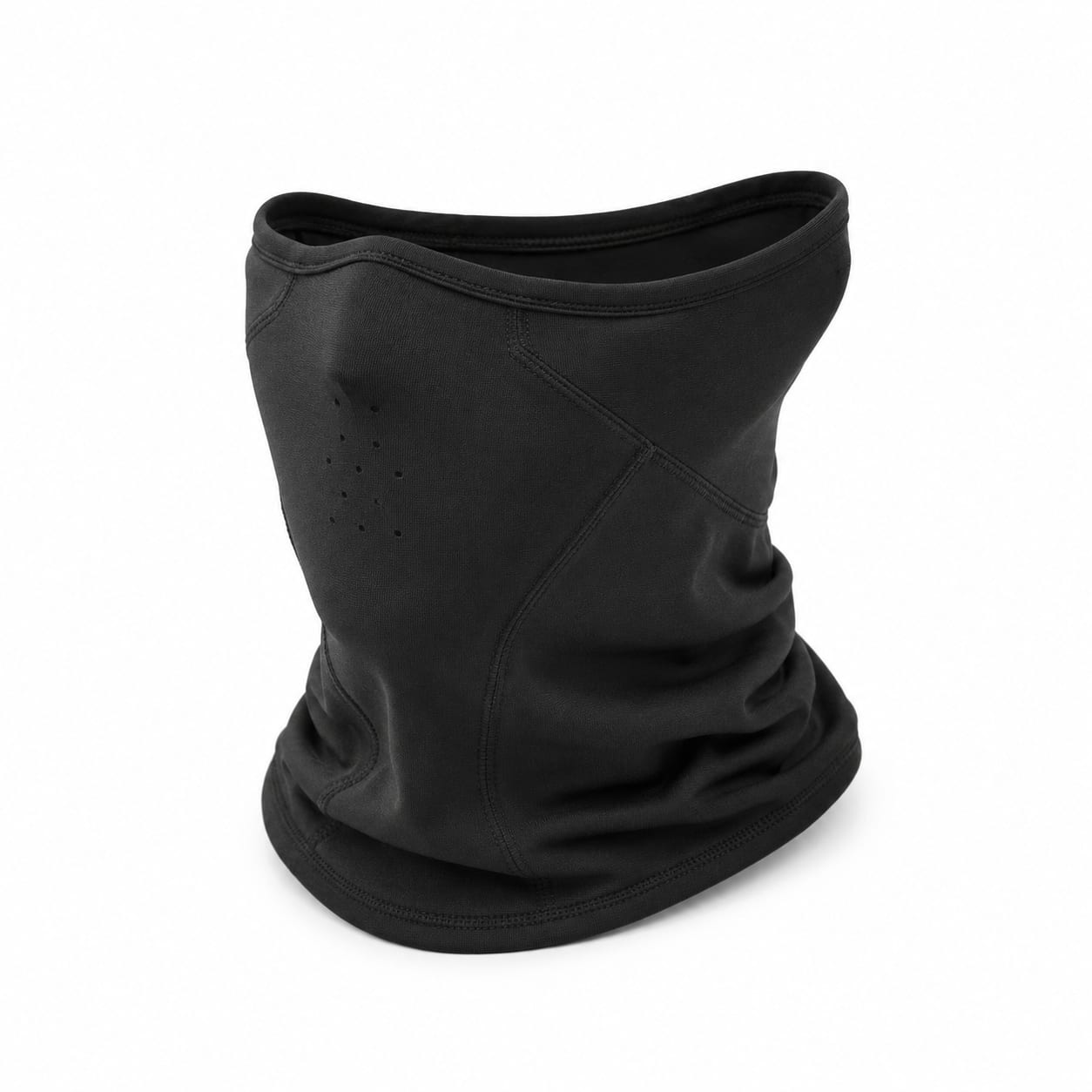
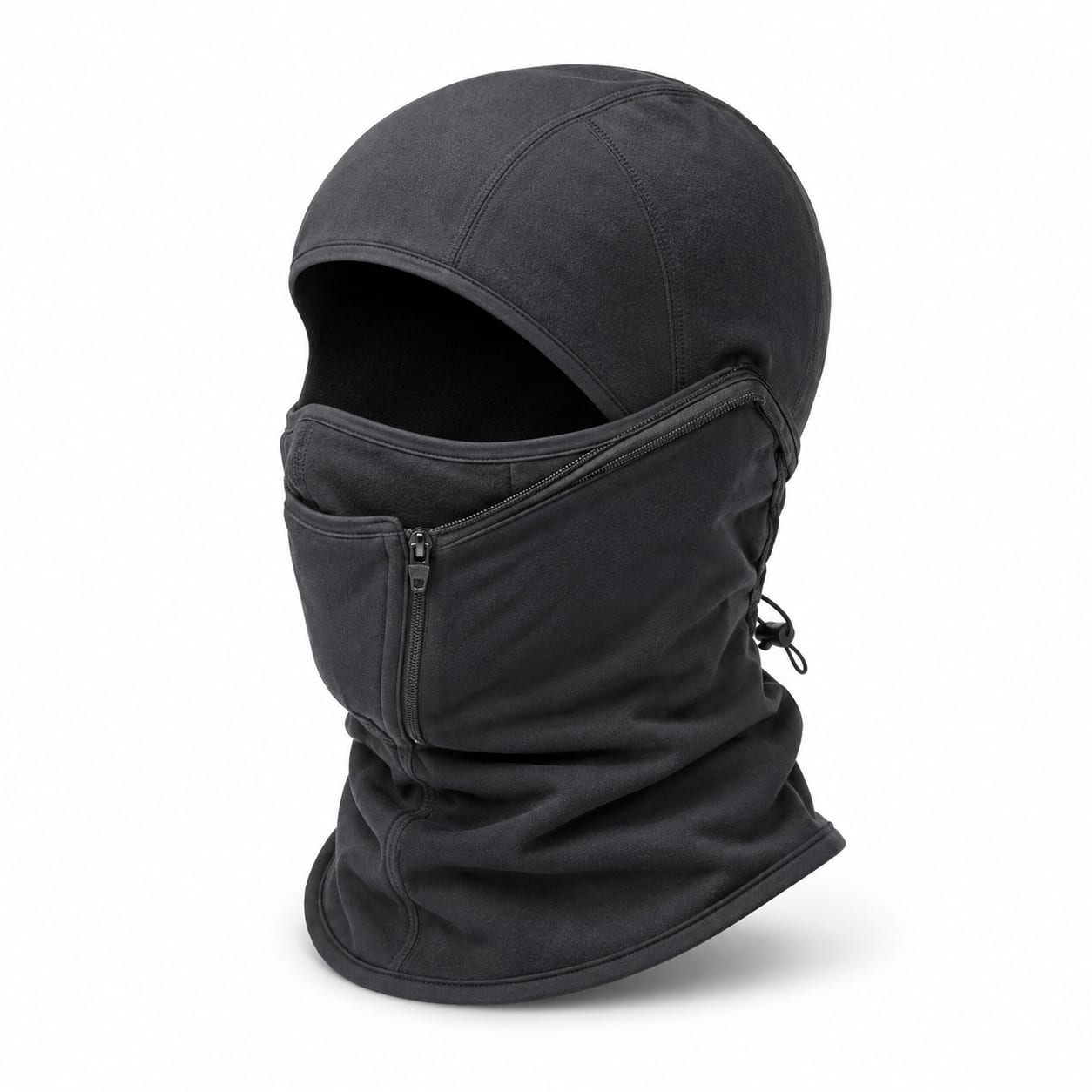
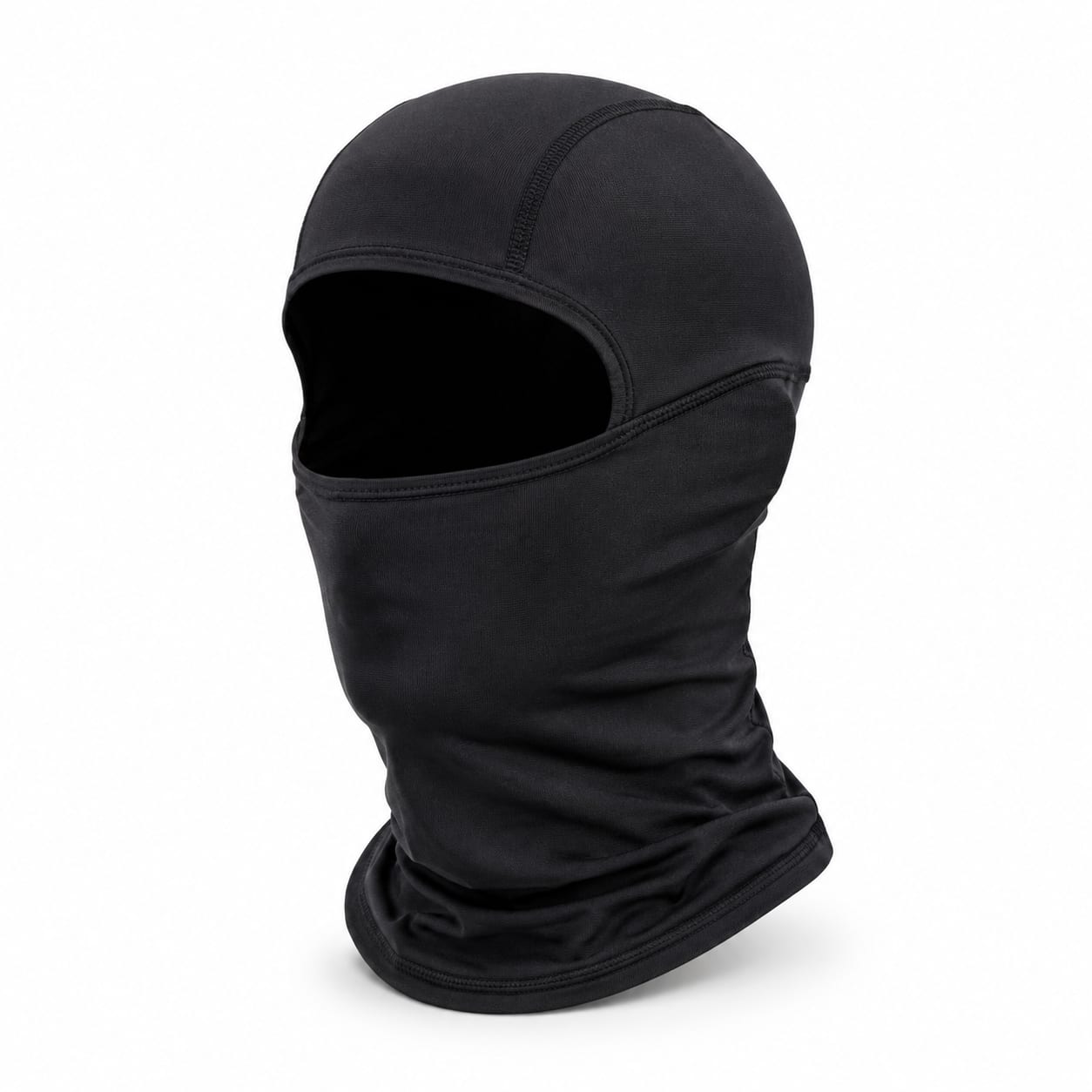
A ski balaclava engineered with wind-blocking membranes or tight-weave construction to eliminate wind chill penetration on exposed lifts and high-speed descents.

Windproof balaclavas are purpose-built for skiers and snowboarders who regularly face harsh wind chill on exposed chairlifts, ridge-top traverses, and high-speed runs. Using laminated membranes like Gore Windstopper or tight-weave softshell fabrics, these balaclavas block virtually all wind penetration while maintaining enough breathability to manage moisture. They are the go-to choice for alpine skiers, backcountry riders, and anyone who has ever felt their face freeze on a cold lift ride. Modern windproof balaclavas often incorporate hybrid zoning—windproof panels where protection matters most and breathable mesh at the mouth and nose—to balance wind blocking with fog prevention and comfort.

$30 – $85premium tierintermediateadvancedexpert

Best known for

Eliminating wind chill on exposed chairliftsBlocking wind penetration during high-speed descentsHybrid multi-zone designs that balance wind protection with breathabilityGore Windstopper and softshell membrane construction
Windproof Balaclava

Guide

Detailed overview

Windproof balaclavas represent the most protective category of ski face coverings when it comes to wind chill defense. Unlike standard fleece or knit balaclavas that allow significant air permeability, windproof models incorporate laminated membranes or ultra-tight weave constructions that block virtually all wind penetration. This makes them indispensable for skiers who regularly ride exposed lifts, ski in alpine environments above treeline, or face consistently windy conditions at their home mountains. The core technology in most windproof balaclavas is a windproof membrane—often Gore Windstopper—bonded to a stretch or fleece backing. This membrane blocks wind completely while allowing some moisture vapor transmission, though breathability is inherently reduced compared to non-membrane fabrics. The best windproof balaclavas acknowledge this trade-off by using hybrid multi-zone construction: windproof panels shield the forehead, cheeks, and neck from direct wind, while breathable mesh or perforated zones at the nose and mouth manage breath moisture and reduce goggle fogging. This zoning approach is what separates a well-designed windproof balaclava from a simple windproof sack that leaves you clammy and fogged. Weight typically ranges from 60 to 150 grams, with the lightest models using thin softshell membranes and the heaviest incorporating thick fleece backing for combined wind and cold protection. Most quality windproof balaclavas feature flatlock or bonded seams to maintain comfort under helmets, and many include directed exhaust or mesh breath features to address the fogging challenge that comes with reduced airflow. For skiers in the Rockies, Alps, or any mountain with exposed terrain and reliable wind, a windproof balaclava is not a luxury—it is essential equipment that dramatically improves comfort and safety.

Windproof balaclavas fill a critical niche that standard fleece balaclavas simply cannot address: wind chill penetration on exposed skin. On a chairlift ride at -10°C with a 30 km/h wind, the effective wind chill drops to roughly -20°C, and standard fleece allows much of that wind to reach your face. A windproof balaclava blocks that penetration entirely, transforming a painful lift ride into a manageable one. This protection extends beyond comfort—prolonged wind chill exposure on unprotected facial skin can lead to frostnip or frostbite far faster than most skiers realize.

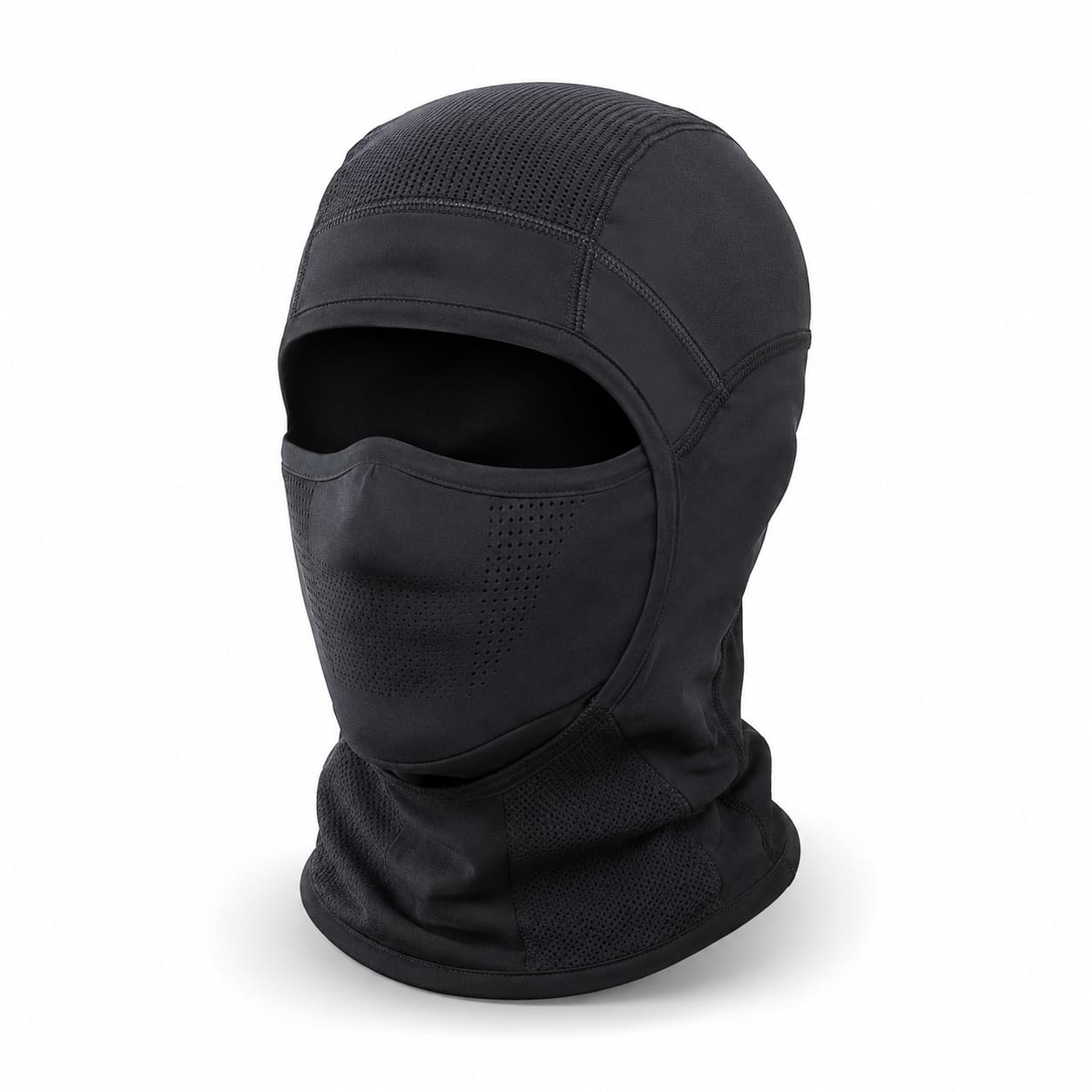
The engineering challenge for windproof balaclavas is balancing wind protection with breathability. A fully windproof membrane that covers the entire face will block wind effectively but also trap breath moisture, leading to damp fabric, goggle fogging, and in extreme cold, ice buildup on the balaclava itself. This is why the best windproof balaclavas use strategic zoning. The forehead, temples, cheeks, and neck receive windproof membrane panels where wind protection is most needed. The nose and mouth area uses breathable mesh, perforated panels, or directed exhaust channels that allow breath to escape downward and away from goggles. Some premium models even incorporate windproof fabric that becomes more breathable when stretched, adapting to your exertion level.

Helmet and goggle integration are particularly important for windproof balaclavas because any gap in coverage undermines the windproofing entirely. A gap between your goggle frame and balaclava edge becomes a wind tunnel that funnels cold air directly onto exposed skin. Quality windproof models feature seamless goggle integration with eye openings cut to match common goggle frame shapes, and extended neck coverage that tucks securely under jacket collars to prevent wind from entering at the neck. Under-helmet fit must be low-profile despite the membrane construction, as a bulky windproof balaclava can create pressure points or affect helmet safety. Flatlock seams and 4-way stretch are essential for maintaining the close fit that windproofing requires without sacrificing comfort.

Windproof balaclavas are most commonly constructed with Windstopper/softshell primary fabrics, though hybrid multi-zone designs that combine windproof panels with breathable zones are increasingly popular and arguably the best overall solution. Nylon-spandex blends offer a lighter, more packable windproof option suitable for spring skiing or less extreme cold. For the coldest and windiest conditions, look for models that combine a windproof membrane with a fleece backing—this provides both wind blocking and insulation in a single layer. The trade-off is weight and bulk, but on a -25°C day with howling wind, you will not care about an extra 40 grams.

Choosing the right windproof balaclava comes down to your typical conditions and how you ski. If you ski primarily at exposed mountains with reliable wind and cold temperatures, a full windproof membrane model with hybrid breath zones is the clear choice. If wind is intermittent and you prioritize breathability for aggressive skiing, a highly wind resistant softshell model may offer a better balance. For backcountry skiers who face wind on ridgelines but generate significant heat on the ascent, a convertible windproof balaclava that can be pulled down during climbs is ideal. Whatever model you choose, test it with your specific helmet and goggle combination before relying on it in harsh conditions—integration gaps are the most common failure point for windproof balaclavas in real-world use.

Quick facts

Primary purpose
Maximum wind chill protection with breathable moisture management
Popular brands
Outdoor ResearchSeirusCraftBlack DiamondArc'teryx
Typical terrain
Exposed ridgesHigh alpineChairlift-heavy resortsWind-prone areas

What makes it different

Incorporates technical wind-blocking membranes; significantly reduces effective wind chill temperature

Recommended ranges

How this type usually specs out

Each spec is explained in plain language, then we show what buyers usually look for on this type.

Coverage Style

Coverage Style

What it means

The extent and configuration of face and head coverage provided by the balaclava, determining how much skin is exposed and how the garment interfaces with goggles and helmets.

Typical for this type

Full Face Or Convertible

In practice

Windproof balaclavas most commonly use full face coverage to maximize the area protected from wind penetration. Convertible designs are also popular, allowing riders to drop the lower face section during high-exertion climbs or lift line waits while maintaining full wind protection on descents.

Compared to other types

Windproof balaclavas lean more toward full face coverage than lightweight or fleece balaclavas, which often use half face or open face designs. The windproofing function demands maximum coverage to be effective.

Why it matters: Full face coverage ensures no exposed skin for wind to reach, which is the entire point of a windproof balaclava. Any uncovered zone becomes a cold air entry point that undermines the windproofing investment.

Primary Fabric Material

Primary Fabric Material

What it means

The main material used in construction, which determines warmth, breathability, moisture management, stretch, and feel against skin.

Typical for this type

Windstopper Softshell Or Hybrid Multi Zone

In practice

Windstopper and softshell fabrics with laminated windproof membranes are the defining material of this subcategory. Hybrid multi-zone designs that combine windproof panels with breathable zones at the mouth and nose are increasingly common and offer the best overall performance.

Compared to other types

Unlike fleece balaclavas that prioritize warmth or merino models that prioritize odor resistance, windproof balaclavas prioritize wind blocking as the primary fabric function. This means reduced inherent breathability compared to non-membrane fabrics, which is why hybrid zoning is so valuable.

Why it matters: The fabric is what makes a windproof balaclava windproof. Without a membrane or ultra-tight weave, wind will penetrate regardless of coverage style. Hybrid zoning addresses the breathability trade-off that pure windproof membranes create.

Weight

Weight

What it means

The total weight of the balaclava in grams, affecting packability, layering comfort, and perceived bulk under a helmet.

Typical for this type

60–130g

Most common pick: 80g

In practice

Windproof balaclavas typically weigh between 60 and 130 grams due to the membrane layer and often a fleece backing. Lightweight softshell models can come in around 60g, while full-featured hybrid designs with thick fleece backing may reach 130g.

Compared to other types

Windproof balaclavas are generally heavier than ultralight fleece or merino models (30–60g) but comparable to heavyweight insulated balaclavas. The membrane adds minimal weight; any significant weight comes from fleece backing for combined insulation.

Why it matters: Weight affects packability and under-helmet comfort. Windproof membranes add weight compared to simple fleece, but modern laminates are remarkably thin. The weight is a worthwhile trade for the wind protection gained.

Wind Resistance

Wind Resistance

What it means

The degree to which the balaclava blocks wind penetration, critical for comfort on exposed chairlifts and high-speed descents.

Typical for this type

Windproof

In practice

This is the defining characteristic of the subcategory. Windproof balaclavas block virtually all wind penetration through membrane or tight-weave construction. No perceptible wind should come through the fabric itself.

Compared to other types

Windproof balaclavas are the only subcategory that consistently achieves a windproof rating. Standard fleece balaclavas are typically moderately wind resistant, and lightweight models offer minimal wind resistance. This is the key differentiator.

Why it matters: Complete wind blocking is the reason this subcategory exists. On exposed lifts and high-speed descents, wind chill is the primary comfort and safety threat, and only a truly windproof rating addresses it effectively.

Breathability

Breathability

What it means

The ability of the fabric to allow moisture vapor (sweat) to escape, preventing clamminess and reducing goggle fogging.

Typical for this type

Moderate to Good

In practice

Windproof membranes inherently reduce breathability compared to open-weave fabrics. Pure windproof membrane balaclavas typically achieve moderate breathability, while hybrid designs with mesh breath zones can reach good breathability. Excellent breathability is rare in this subcategory without significant design compromises.

Compared to other types

Windproof balaclavas have lower breathability than fleece, merino, or ultralight balaclavas by nature of their wind-blocking membranes. This is the most significant disadvantage of the subcategory and the reason hybrid zoning is so important.

Why it matters: Reduced breathability is the primary trade-off of windproof construction. It leads to moisture accumulation and goggle fogging if not managed through design features like mesh breath zones or directed exhaust systems.

Helmet Compatibility

Helmet Compatibility

What it means

How well the balaclava fits and functions under a ski helmet, including bulk, seam placement, and integration with helmet straps and goggle straps.

Typical for this type

Optimized Helmet Fit Or Compatible

In practice

Most quality windproof balaclavas are designed to be compatible with ski helmets, using flatlock seams and low-profile construction. Premium models achieve optimized helmet fit with bonded seams and helmet-specific patterning. The membrane layer adds slight bulk compared to simple fleece, but modern laminates are thin enough to avoid significant issues.

Compared to other types

Windproof balaclavas may be slightly bulkier under helmets than ultralight fleece models due to the membrane layer, but the difference is minimal with modern materials. Premium windproof models with bonded seams can achieve the same optimized fit as any other subcategory.

Why it matters: Windproof balaclavas are most needed in harsh conditions where helmet wear is essential for safety. Any incompatibility between balaclava and helmet creates pressure points or gaps that undermine both comfort and the windproofing function.

Goggle Integration

Goggle Integration

What it means

How well the balaclava interfaces with ski goggles, including gap elimination, fogging prevention, and strap compatibility.

Typical for this type

Seamless Integration Or Good Integration

In practice

Windproof balaclavas generally achieve good to seamless goggle integration because any gap undermines the windproofing purpose. Premium models feature seamless integration with goggle-compatible eye openings that eliminate skin gaps. The breathability trade-off of windproof membranes makes goggle fogging a more significant concern, so good integration is critical.

Compared to other types

Windproof balaclavas have a higher fogging risk than breathable fleece models, making goggle integration more critical. The best windproof models address this with seamless integration and breath management features, achieving comparable or better real-world fogging performance than non-windproof models that lack these features.

Why it matters: Goggle gaps are problematic in any balaclava but especially so in windproof models where the entire design philosophy is about eliminating wind penetration. A gap at the goggle edge becomes a wind funnel that defeats the purpose. Fogging is also a heightened concern due to reduced breathability.

Moisture Wicking

Moisture Wicking

What it means

The ability of the fabric to actively pull moisture (sweat and breath condensation) away from the skin surface to the exterior where it can evaporate.

Typical for this type

Moderate Wicking to Active Wicking

In practice

Windproof membranes can impede moisture vapor transmission, resulting in moderate wicking performance for pure membrane designs. However, many windproof balaclavas use hybrid construction with wicking fleece backing against the skin and mesh breath zones, achieving active wicking in key areas. The membrane itself does not wick moisture but the backing fabric can.

Compared to other types

Windproof balaclavas generally have lower moisture wicking capability than merino wool or polypropylene models due to the membrane layer. Hybrid designs with wicking backing fabrics narrow this gap significantly.

Why it matters: Moisture management is the biggest challenge for windproof balaclavas. Sweat and breath condensation that cannot escape will accumulate, leading to dampness, fogging, and in extreme cold, ice buildup. Active wicking in the backing fabric is essential for comfort.

UV Protection (UPF)

UV Protection (UPF)

What it means

The Ultraviolet Protection Factor rating indicating how effectively the fabric blocks UV radiation, important at high altitude where UV exposure is significantly stronger.

Typical for this type

Upf 30 To 49 Or Upf 50 Plus

In practice

Windproof membranes and tight-weave softshell fabrics inherently provide good UV protection because their dense construction blocks radiation effectively. Most windproof balaclavas achieve UPF 30–49 naturally, and many are rated UPF 50+. The membrane layer that blocks wind also blocks UV.

Compared to other types

Windproof balaclavas typically offer better UV protection than thin fleece or knit models because the membrane and tight weave block more radiation. This is an underappreciated advantage of the subcategory.

Why it matters: UV protection is a valuable secondary benefit of windproof construction. At high altitude where UV exposure is amplified by snow reflection, the dense fabric of a windproof balaclava provides excellent sun protection on covered areas.

Size / Fit

Size / Fit

What it means

The sizing system and general fit characteristics of the balaclava, affecting comfort, coverage, and compatibility with other gear.

Typical for this type

One Size With 4-Way Stretch, Or Sized Options For Best Fit

In practice

Most windproof balaclavas come in one size fits most, relying on stretch in the backing fabric to accommodate different head sizes. The membrane layer has less stretch than pure fleece, so proper sizing is more important. Some premium models offer S/M and L/XL sizing for better fit.

Compared to other types

Windproof balaclavas are less forgiving of sizing mismatches than stretchy fleece models because the membrane layer limits elasticity. This makes sized options more valuable in this subcategory than in others.

Why it matters: Windproof balaclavas must fit closely to function effectively. Gaps or loose areas allow wind penetration that defeats the purpose. The reduced stretch of membrane fabrics means one-size models may not conform as well on very small or very large heads.

Seam Construction

Seam Construction

What it means

The type and placement of seams in the balaclava, affecting comfort against skin, pressure points under helmets, and durability.

Typical for this type

Flatlock Seams Or Seamless

In practice

Flatlock seams are the most common construction in windproof balaclavas, providing low bulk and good durability. Seamless or bonded construction is available in premium models and is ideal for under-helmet comfort. The membrane layer requires careful seam sealing to prevent wind penetration at stitch lines.

Compared to other types

Seam construction matters more in windproof balaclavas than in other subcategories because seams represent potential wind penetration points. Quality windproof models pay more attention to seam sealing and placement than typical fleece balaclavas.

Why it matters: Seams are potential wind entry points in windproof balaclavas. Poorly constructed seams can allow wind to penetrate through stitch holes, undermining the windproof membrane. Flatlock and bonded seams minimize this risk while maintaining comfort under helmets.

Odor Resistance

Odor Resistance

What it means

The fabric's ability to resist developing unpleasant odors over multi-day use, important for ski trips where daily washing isn't possible.

Typical for this type

Antimicrobial Treated Or Natural Odor Resistant (Merino-Backed)

In practice

Most windproof balaclavas use synthetic fabrics with antimicrobial treatments for odor resistance. The membrane layer is always synthetic, but some models feature merino wool backing against the skin for natural odor resistance. Pure synthetic models without treatment will develop odor after one active day.

Compared to other types

Windproof balaclavas with merino backing offer odor resistance comparable to pure merino models. Standard synthetic windproof models with antimicrobial treatment are comparable to treated fleece models. Untreated synthetic windproof models have minimal odor resistance.

Why it matters: Windproof balaclavas are often worn in the harshest conditions for multiple days on ski trips. Odor resistance determines whether you can wear the same balaclava for several days without it becoming unpleasant.

Thermal Insulation Class

Thermal Insulation Class

What it means

The warmth category of the balaclava, indicating the temperature range and conditions it is designed to handle comfortably.

Typical for this type

Cold Or Extreme Cold

In practice

Windproof balaclavas are most commonly designed for cold conditions (-15°C to -5°C) because wind chill is most problematic at these temperatures. Models with fleece backing extend to extreme cold ratings. Lightweight softshell windproof models can work for cool conditions where wind is the primary concern rather than temperature.

Compared to other types

Windproof balaclavas often feel warmer than their insulation class suggests because blocking wind dramatically reduces effective temperature. A cold-rated windproof balaclava may feel as warm as an extreme-cold-rated non-windproof model in windy conditions.

Why it matters: Windproof balaclavas are typically chosen for the coldest and windiest conditions, so they tend to be rated for cold or extreme cold. The windproofing itself provides significant effective warmth by eliminating wind chill, even in models with moderate insulation.

Nose/Mouth Breath Feature

Nose/Mouth Breath Feature

What it means

Specific design features around the nose and mouth area that manage breath direction and moisture to reduce goggle fogging and improve comfort.

Typical for this type

Directed Exhaust Or Mesh Breath Zone

In practice

Mesh breath zones are the most common breath management feature in windproof balaclavas, providing a good balance of fog reduction and wind protection. Directed exhaust systems are increasingly popular in premium models, actively channeling breath downward away from goggles. These features are especially important in windproof balaclavas because the reduced breathability of the membrane makes fogging a more significant concern.

Compared to other types

Windproof balaclavas benefit more from breath management features than any other subcategory because their reduced breathability creates the highest fogging risk. A mesh breath zone or directed exhaust is strongly recommended—more so than in fleece or merino models.

Why it matters: Breath management is critical in windproof balaclavas because the membrane traps breath moisture that would escape through more breathable fabrics. Without a dedicated breath feature, windproof balaclavas are significantly more prone to goggle fogging than other types.

Neck Coverage Length

Neck Coverage Length

What it means

How far down the neck the balaclava extends, affecting how well it seals with your base layer or jacket collar and prevents cold air entry.

Typical for this type

Extended Neck Or Standard Neck

In practice

Windproof balaclavas frequently feature extended neck coverage that tucks deep into base layers or jacket collars. This ensures no wind enters at the neck junction, which is a common failure point. Extended neck coverage prevents the balaclava from pulling out during head turns and maintains a complete wind seal.

Compared to other types

Windproof balaclavas more commonly feature extended neck coverage than other subcategories because any gap at the neck undermines the windproofing purpose. Fleece and lightweight models more often use standard or short neck coverage.

Why it matters: Wind entering at the neck is a common and miserable experience in windy conditions. Extended neck coverage ensures the windproofing extends to the full coverage area without gaps, especially when turning your head on chairlifts or during descents.

Stretch / Flexibility

Stretch / Flexibility

What it means

The degree of stretch in the fabric and construction, affecting how the balaclava conforms to different head shapes and moves with the wearer.

Typical for this type

4_way_stretch or 2_way_stretch

In practice

Windproof balaclavas typically offer 2-way stretch due to the membrane layer, which limits elasticity compared to pure knit fabrics. Premium models with advanced softshell membranes achieve 4-way stretch. The backing fabric usually provides the stretch while the membrane flexes without significant recovery.

Compared to other types

Windproof balaclavas generally have less stretch than pure fleece or merino models due to the membrane layer. This makes proper sizing more important and can make one-size models less accommodating of extreme head sizes.

Why it matters: Stretch affects how well the balaclava conforms to your face and maintains a windproof seal during movement. Reduced stretch means the balaclava may gap during head turns or facial movements if not properly sized. 4-way stretch models maintain better seal integrity.

Evaluation

Strengths and trade-offs

Pros

What this type does best

Eliminates wind chill on exposed skin

Critical

The primary benefit and reason for existence. Windproof membranes block virtually all wind penetration, transforming painful exposed lift rides and high-speed descents into comfortable experiences. In windy conditions, this protection is more valuable than any amount of insulation.

Dramatically improves comfort on chairlifts

Critical

Exposed chairlift rides are where windproof balaclavas earn their keep. The combination of cold temperatures, wind from lift movement, and natural wind at elevation creates extreme wind chill that standard balaclavas cannot block. Windproof models make lift rides tolerable or even comfortable.

Effective warmth beyond insulation rating

High

By blocking wind penetration, windproof balaclavas feel significantly warmer than their insulation class suggests. A cold-rated windproof balaclava can feel as warm as an extreme-cold non-windproof model because wind chill is eliminated rather than just reduced.

Excellent UV protection from dense fabric

Medium

The tight-weave and membrane construction that blocks wind also blocks UV radiation effectively. Most windproof balaclavas achieve UPF 30–49 or higher naturally, providing excellent sun protection at high altitude without additional treatment.

Hybrid designs solve the breathability trade-off

High

Modern windproof balaclavas with multi-zone construction combine windproof panels where needed with breathable mesh at the mouth and nose. This hybrid approach addresses the historical weakness of windproof balaclavas—fogging and moisture buildup—while maintaining wind protection where it matters.

Prevents frostnip and frostbite on face

Critical

In extreme wind chill conditions, exposed facial skin can develop frostnip in minutes. Windproof balaclavas provide a complete barrier that prevents cold-related skin damage, making them a safety item as much as a comfort item in harsh conditions.

Durable construction for harsh conditions

Medium

Windproof softshell and membrane fabrics are typically more abrasion-resistant and durable than standard fleece. They hold up well to repeated use in harsh conditions and maintain their windproof properties over many seasons.

Cons

Trade-offs to be aware of

Reduced breathability causes moisture buildup

Significant

Windproof membranes inherently impede moisture vapor transmission compared to open-weave fabrics. This leads to sweat and breath condensation accumulating inside the balaclava, causing dampness and potential ice buildup in extreme cold. Hybrid designs mitigate but do not eliminate this issue.

Higher goggle fogging risk

Significant

The reduced breathability of windproof membranes means breath moisture cannot escape as easily, increasing the likelihood of goggle fogging. This is the most common complaint with windproof balaclavas and requires active management through breath features and proper goggle integration.

More expensive than standard fleece balaclavas

Moderate

Windproof membranes and hybrid multi-zone construction add significant cost. Quality windproof balaclavas typically cost 2–3 times more than basic fleece models. The performance benefit justifies the cost for regular use in windy conditions, but it is a meaningful investment.

Less stretch than non-membrane fabrics

Minor

The membrane layer reduces the overall stretch of the fabric compared to pure fleece or merino knits. This can make windproof balaclavas feel slightly less conforming and more restrictive, and makes proper sizing more important since the fabric cannot stretch to accommodate fit issues.

Can feel clammy during high exertion

Moderate

During aggressive skiing, touring, or hike-to terrain, the reduced breathability of windproof membranes can cause a clammy feeling as moisture accumulates against the skin. This is most noticeable during stops when accumulated moisture cools rapidly. Convertible designs that allow you to drop the face section help address this.

Slightly bulkier under helmets

Minor

The membrane layer and often thicker backing fabric add marginal bulk compared to ultralight fleece balaclavas. While modern windproof balaclavas are designed for helmet compatibility, riders with very snug helmets may notice the additional layer more than with thinner alternatives.

Best for

Terrain

Above-treeline alpine terrainExposed ridges and bowlsOpen terrain with no wind protectionHigh-altitude glaciersResorts with exposed chairlifts

Snow conditions

High wind daysExtreme cold with wind chillStormy conditionsExposed lift rides in cold temperaturesAlpine environments above treeline

Skill level

IntermediateAdvancedExpert

Riding style

Alpine skiingFreerideBackcountry touringSki mountaineeringSpeed skiing

Rider profile

Skiers who regularly ride exposed liftsBackcountry riders facing ridge-top windSkiers in Rocky Mountain or Alpine environmentsRiders with sensitive skin or cold intoleranceSki patrol and mountain professionalsSkiers prone to frostnip on cheeks and nose

Not ideal for

Reasons

Reduced breathability causes overheating during high-exertion activities in mild conditionsWind protection is unnecessary in sheltered terrain where standard fleece provides adequate comfortThe additional cost is not justified for occasional use in mild, wind-protected conditionsGoggle fogging risk is heightened for riders who already struggle with fogging in non-windproof balaclavas

Terrain

Tree-lined runs with wind protectionIndoor ski facilitiesNordic ski trails at low altitude

Skill level

Beginners who overheat easily

Riding style

Nordic skiingHigh-intensity ski touring in mild temperaturesSpring park sessions

Compare

How it stacks up

This page

Windproof Balaclava

Complete wind blocking versus moderate wind resistance. Windproof balaclavas eliminate wind chill penetration entirely, while fleece allows significant air permeability at speed. In windy conditions, the difference in comfort is dramatic and immediately noticeable.

Alternative

Fleece Balaclava

Superior breathability and moisture management. Fleece balaclavas allow much better moisture vapor transmission, reducing fogging and clamminess. They are also less expensive, lighter, and stretchier for a more conforming fit.

Bottom line

Choose windproof if you regularly ski in windy conditions or at exposed mountains. Choose fleece if you primarily ski sheltered terrain, run hot, or prioritize breathability over wind protection. Many skiers own both and choose based on daily conditions.

This page

Windproof Balaclava

Far superior wind resistance. Merino wool provides minimal to moderate wind resistance, while windproof balaclavas block virtually all wind. In windy conditions, merino alone cannot prevent wind chill from penetrating to the skin.

Alternative

Merino Wool Balaclava

Natural odor resistance for multi-day use without washing. Merino also provides better temperature regulation across varying conditions and feels softer against skin. It manages moisture well without the clamminess risk of windproof membranes.

Bottom line

Choose windproof for dedicated wind protection in harsh conditions. Choose merino for multi-day trips where odor resistance matters and conditions are moderately cold without extreme wind. Some premium models combine merino backing with windproof membranes for the best of both.

This page

Windproof Balaclava

Dramatically better wind and cold protection. Lightweight balaclavas offer minimal wind resistance and are designed for mild conditions or as base layers. Windproof balaclavas provide complete wind blocking and significantly more effective warmth in cold, windy conditions.

Alternative

Lightweight / Ultralight Balaclava

Much lighter weight (30–60g vs 60–130g), better packability, superior breathability, and lower cost. Lightweight balaclavas are ideal for spring skiing, high-exertion activities, and layering under heavier face protection.

Bottom line

Choose windproof for cold and windy conditions where protection is the priority. Choose lightweight for spring skiing, touring, or as a packable backup. Lightweight models are not a substitute for windproof protection in harsh conditions.

This page

Windproof Balaclava

Better breathability and moisture management despite the membrane, because windproof balaclavas typically use less insulation bulk. Windproof models also tend to be more versatile across a wider temperature range since wind blocking provides effective warmth without excessive insulation.

Alternative

Heavyweight Insulated Balaclava

Superior warmth in extreme cold without wind, due to thicker insulation. Heavyweight insulated models are warmer in still, extremely cold conditions where wind is not a factor. They also tend to be softer and more plush against the skin.

Bottom line

Choose windproof for most cold and windy conditions—wind blocking provides more effective comfort than insulation alone. Choose heavyweight insulated for extreme cold in sheltered areas where wind is minimal and maximum insulation is needed. Windproof with fleece backing combines both approaches.

Shopping

Buying tips

  • 1

    Prioritize hybrid multi-zone construction that combines windproof panels with breathable mesh at the nose and mouth. This addresses the biggest weakness of windproof balaclavas—fogging and moisture buildup—while maintaining wind protection where it matters most.

  • 2

    Test the balaclava with your specific helmet and goggle combination before a trip. Integration gaps are the most common failure point for windproof balaclavas, and even premium models can have gaps with certain goggle frame shapes. The balaclava is only as good as its seal.

  • 3

    Look for directed exhaust or mesh breath zone features if you struggle with goggle fogging. These features are more important in windproof balaclavas than in any other subcategory because the reduced breathability makes fogging a heightened risk.

  • 4

    Consider a convertible design if you ski in variable conditions or do any touring. Being able to drop the face section during high-exertion climbs or warm lift rides prevents overheating and moisture buildup, then pull it up for cold descents.

  • 5

    Choose extended neck coverage for the best wind seal. Wind entering at the neck junction is a common and miserable failure point. Extended neck coverage that tucks deep into your jacket collar ensures a complete wind barrier even when turning your head.

  • 6

    If you run between sizes, size up rather than down for windproof balaclavas. The membrane layer has less stretch than pure fleece, and a too-tight fit will be more uncomfortable and may stretch the membrane beyond its effective range. A slightly loose fit can be managed with goggle strap tension.

  • 7

    Check for sealed or taped seams at minimum, and preferably flatlock or bonded construction. Stitch holes in windproof membranes can allow wind penetration that undermines the membrane. Quality windproof balaclavas pay attention to seam construction specifically to prevent this.

  • 8

    Invest in a model with merino wool backing if you take multi-day trips. The merino against your skin provides natural odor resistance while the windproof membrane handles protection. This combination addresses both the comfort and hygiene challenges of extended use.

Care

Maintenance notes

  • Hand wash in cold water with mild detergent or technical fabric wash. Machine washing can damage the windproof membrane and reduce its effectiveness over time. If machine washing is necessary, use a gentle cycle in a mesh bag.
  • Never use fabric softener as it clogs the membrane pores and destroys both breathability and moisture wicking performance. This is the most common way riders ruin their windproof balaclavas.
  • Air dry only—do not tumble dry or apply direct heat. High temperatures can delaminate the windproof membrane from the backing fabric, permanently destroying the windproof properties.
  • Store uncompressed in a dry place between seasons. Prolonged compression can permanently crease the membrane and reduce its effectiveness. Avoid storing in tight stuff sacks for extended periods.
  • Inspect seam sealing annually and reapply seam sealer if stitch holes become visible. The seams are the weakest point for wind penetration in aging windproof balaclavas.
  • Wash after every 2–3 days of active use to maintain breathability. Body oils and sunscreen residue accumulate in the fabric and membrane, progressively reducing moisture vapor transmission. Regular washing preserves performance.
  • Avoid stretching the balaclava over your helmet or gear when not wearing it. Over-stretching the membrane can cause permanent deformation that reduces both windproofing and fit.

Progression

Skill development path

Windproof balaclavas are relevant from the intermediate level onward, when skiers begin tackling more exposed terrain and longer lift rides. Beginners in sheltered learning areas may find windproof models overly warm and restrictive. As skiers progress to advanced and expert terrain—above treeline, backcountry, and alpine environments—windproof balaclavas become increasingly essential. Expert skiers who ski in the most exposed and extreme conditions should consider owning multiple windproof balaclavas with different insulation weights and coverage styles for varying conditions. Backcountry skiers should prioritize convertible or hybrid designs that accommodate the exertion cycle of climbing and descending. Ski mountaineers operating in extreme alpine environments should seek the most protective full-face windproof models with extreme cold insulation ratings.

FAQ

Common questions

Each question has a dedicated page with a full answer and links to the buying guide.

Will a windproof balaclava make my goggles fog more?

It can, if you choose a model without breath management features. Windproof membranes reduce breathability, which means breath moisture has a harder time escaping and is more likely to fog your goggles. However, the best windproof balaclavas address this with mesh breath zones, directed exhaust channels, or hybrid construction that maintains breathability at the nose and mouth while blocking wind elsewhere. If fogging is a concern, specifically look for models with these features—they can actually fog less than non-windproof balaclavas that lack breath management design.

Is Gore Windstopper worth the premium over standard windproof fabrics?

For most skiers, yes. Gore Windstopper is the gold standard for windproof breathable membranes, offering proven wind blocking with the best available breathability for a windproof membrane. Generic windproof fabrics vary widely in quality—some block wind effectively but have poor breathability, while others claim windproofing but allow noticeable penetration. If you ski regularly in windy conditions, the Gore Windstopper premium pays for itself in comfort and performance. For occasional use, a quality softshell windproof fabric from a reputable brand is adequate.

Can I wear a windproof balaclava for backcountry touring?

Yes, but choose carefully. Backcountry touring involves high exertion on the ascent where breathability matters most, followed by cold and often windy descents where wind protection is critical. A convertible windproof balaclava is ideal—you can drop the face section during climbs to maximize breathability, then pull it up for the descent. Alternatively, a hybrid multi-zone design with breathable mesh at the mouth and windproof panels elsewhere provides a good compromise for both phases. Pure full-face windproof models without breath management features will likely cause overheating and fogging during ascents.

How do I prevent the dreaded goggle gap with a windproof balaclava?

First, choose a balaclava with seamless or good goggle integration—these have eye openings shaped to match common goggle frames. Second, always test the combination before heading out: put on the balaclava, then your goggles, and check in a mirror for any exposed skin between the goggle frame and balaclava edge. Third, ensure your goggle strap sits over the balaclava to hold it in place—never under. Fourth, look for models with slightly oversized eye openings that your goggle frame overlaps, creating a seal. If you still have gaps, consider a model with a different eye opening shape or size.