
Ski Bindings · FAQ
Questions about Junior/Youth Bindings
Straight answers on fit, specs, and when this type makes sense — each topic has its own page with links back to the buying guide.
Open Junior/Youth Bindings guide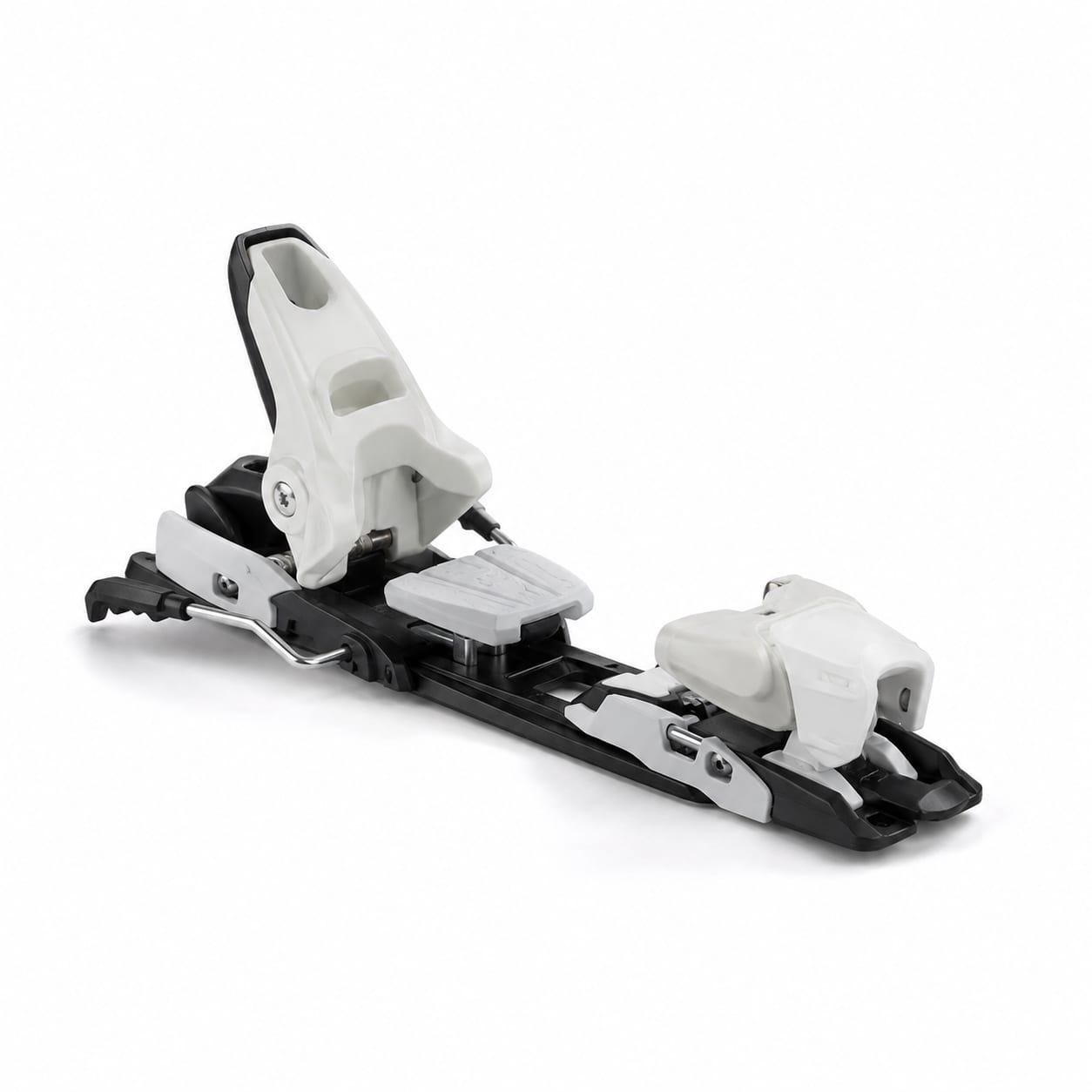
6 topics
Pick a question
Every answer links to the full subcategory guide and related gear types when it helps you decide.
Can I just use adult bindings set to the lowest DIN for my child?
No. Adult bindings typically have a minimum DIN of 3, which may be too high for a child weighing under 110 lbs. Even at DIN 3, the release force can exceed what a small child generates in a fall, meaning the binding won't release when it should. Junior bindings with DIN ranges starting at 0.75 are the only safe choice for lightweight skiers. This is a safety-critical distinction, not a marketing gimmick.
Read answer →02When should my child transition from junior to adult bindings?
Transition when the child's calculated DIN exceeds the maximum of their youth binding (typically 4.5), when their boot sole length exceeds the youth binding's adjustment range, or when their weight and skiing intensity clearly exceed the youth binding's design parameters. This usually happens between ages 11 and 14, but it's based on size and ability, not age. If in doubt, have a certified technician evaluate whether the current binding is still appropriate.
Read answer →03Do I need to remount bindings when my child gets new boots?
Not necessarily. If the junior binding has a track or slider system, you can adjust the fore-aft position to accommodate a different boot sole length without drilling new holes. For flat-mount bindings, a significant change in sole length may require remounting. Either way, forward pressure must be readjusted whenever boots change—this is a safety requirement, not optional.
Read answer →04What brake width do I need for my child's skis?
Measure the waist width of the ski (the narrowest point underfoot) and add 5–15mm. Most junior skis have waist widths of 60–75mm, so a 75mm brake works well. Wider junior all-mountain skis (80–85mm waist) need an 85mm brake. Don't go much wider than necessary—excess brake width creates drag that's especially noticeable for lighter skiers.
Read answer →05Are GripWalk junior boots compatible with all junior bindings?
No. Only bindings explicitly labeled as GripWalk-compatible should be used with GripWalk boots. Using GripWalk boots in non-compatible bindings can cause erratic or unreliable release. Check the boot sole type (printed on the side) and verify the binding supports it. Many newer youth bindings are GripWalk-compatible, but older or basic models may not be.
Read answer →06How often should I check or adjust my child's DIN setting?
At minimum, check DIN and forward pressure at the start of each season using the child's current weight and ability level. Recheck whenever boot size changes, which can happen mid-season for growing kids. If the child has had a significant growth spurt or their skiing has noticeably improved (more speed, more aggressive turns), recalculate the DIN. A certified technician should perform the adjustment and verify release.
Read answer →