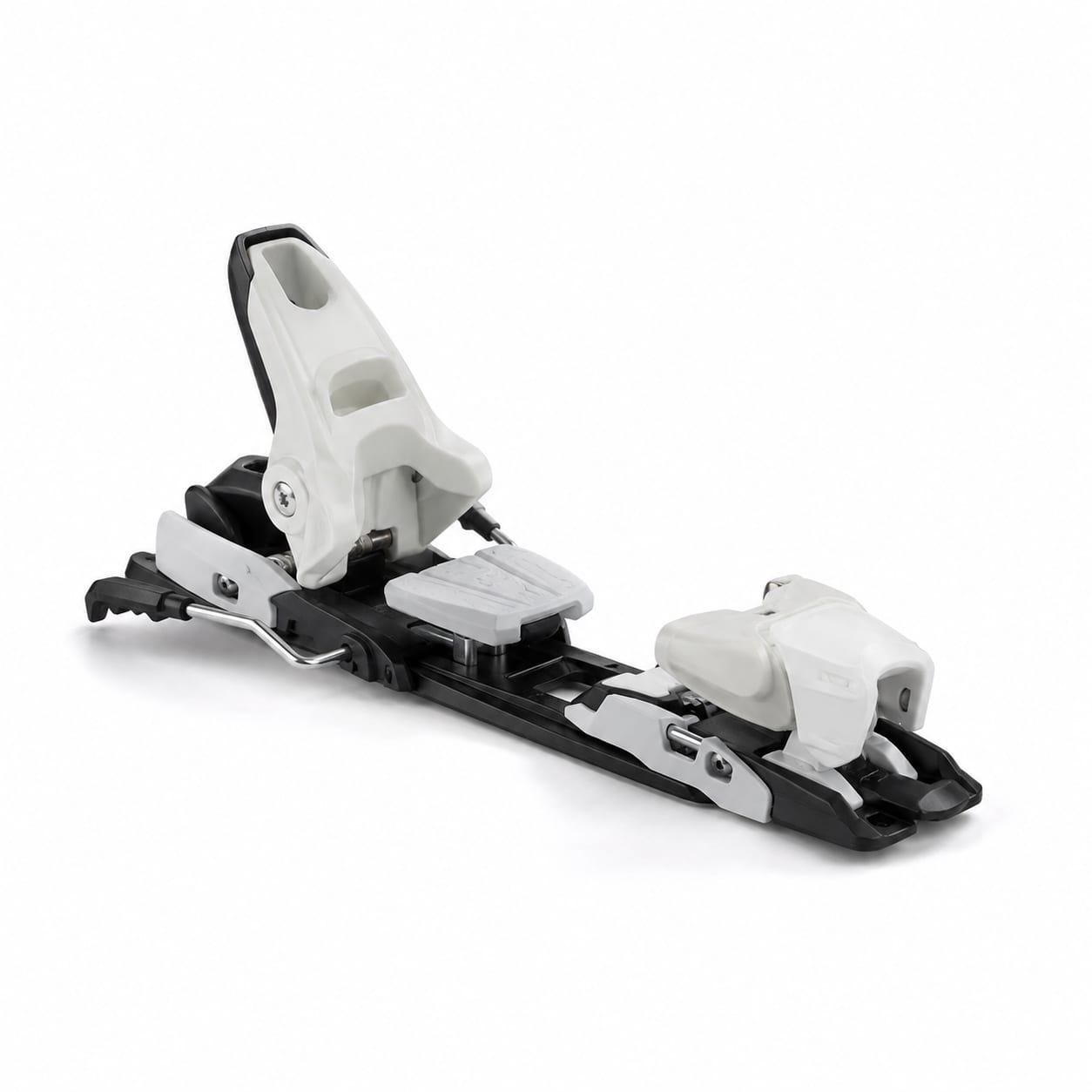
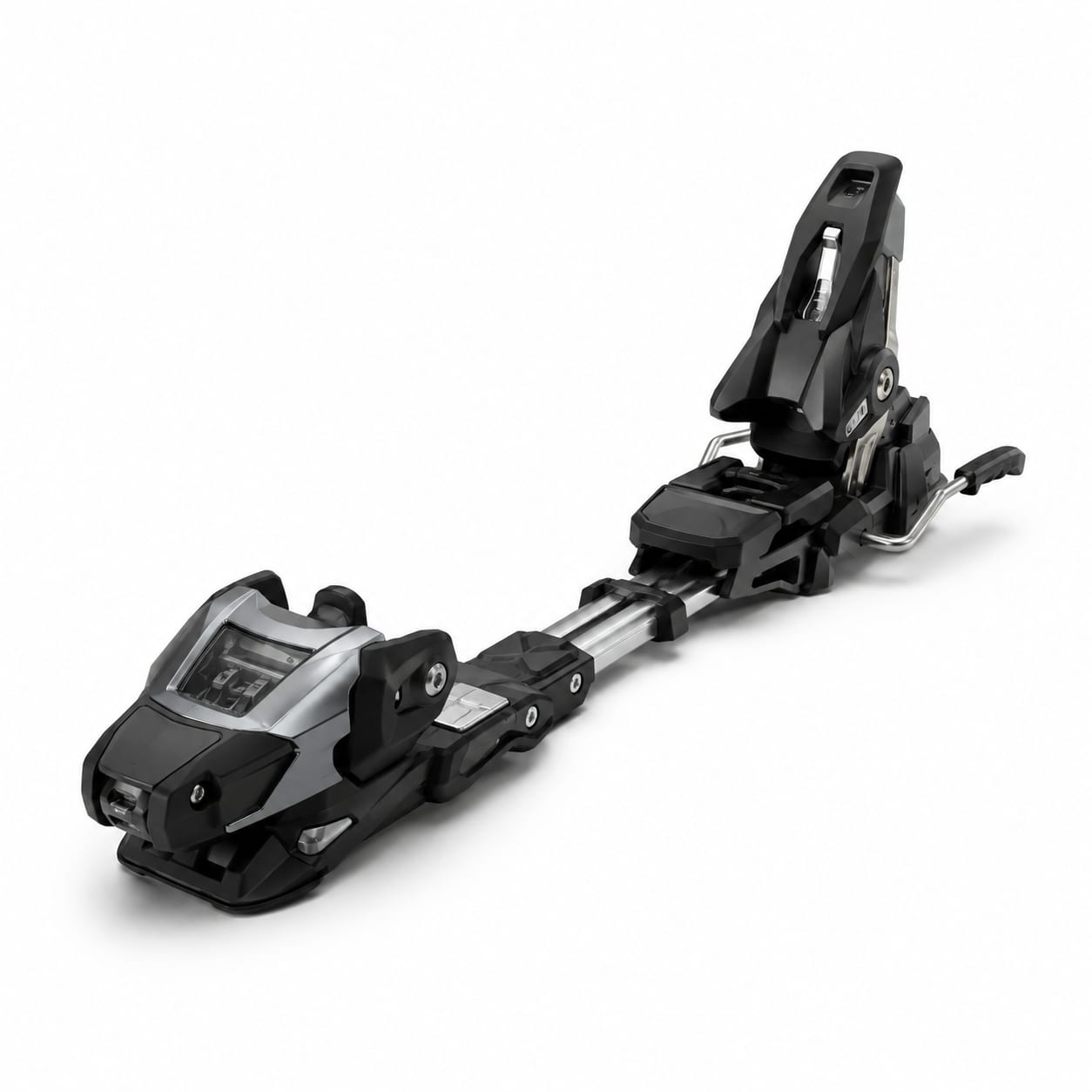
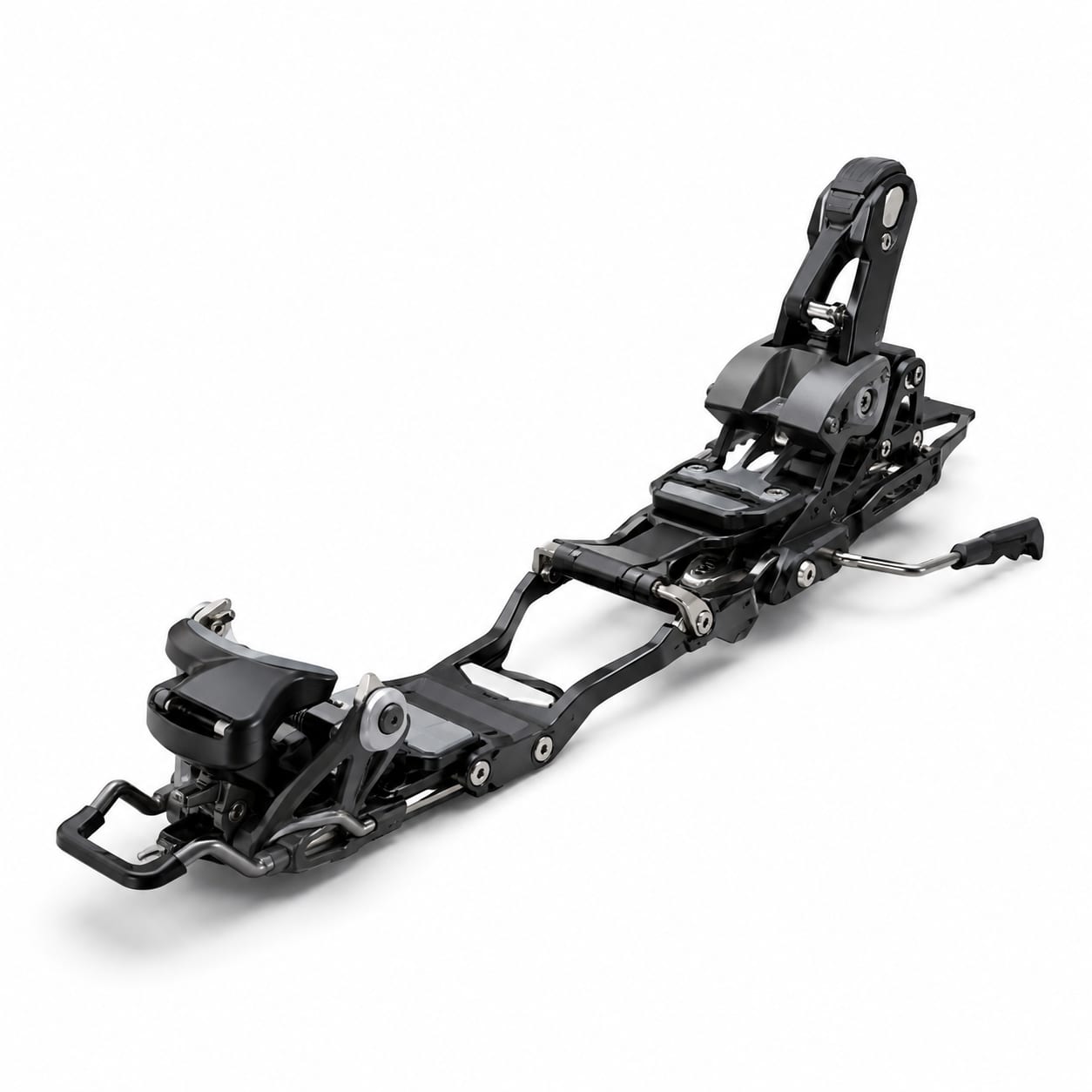
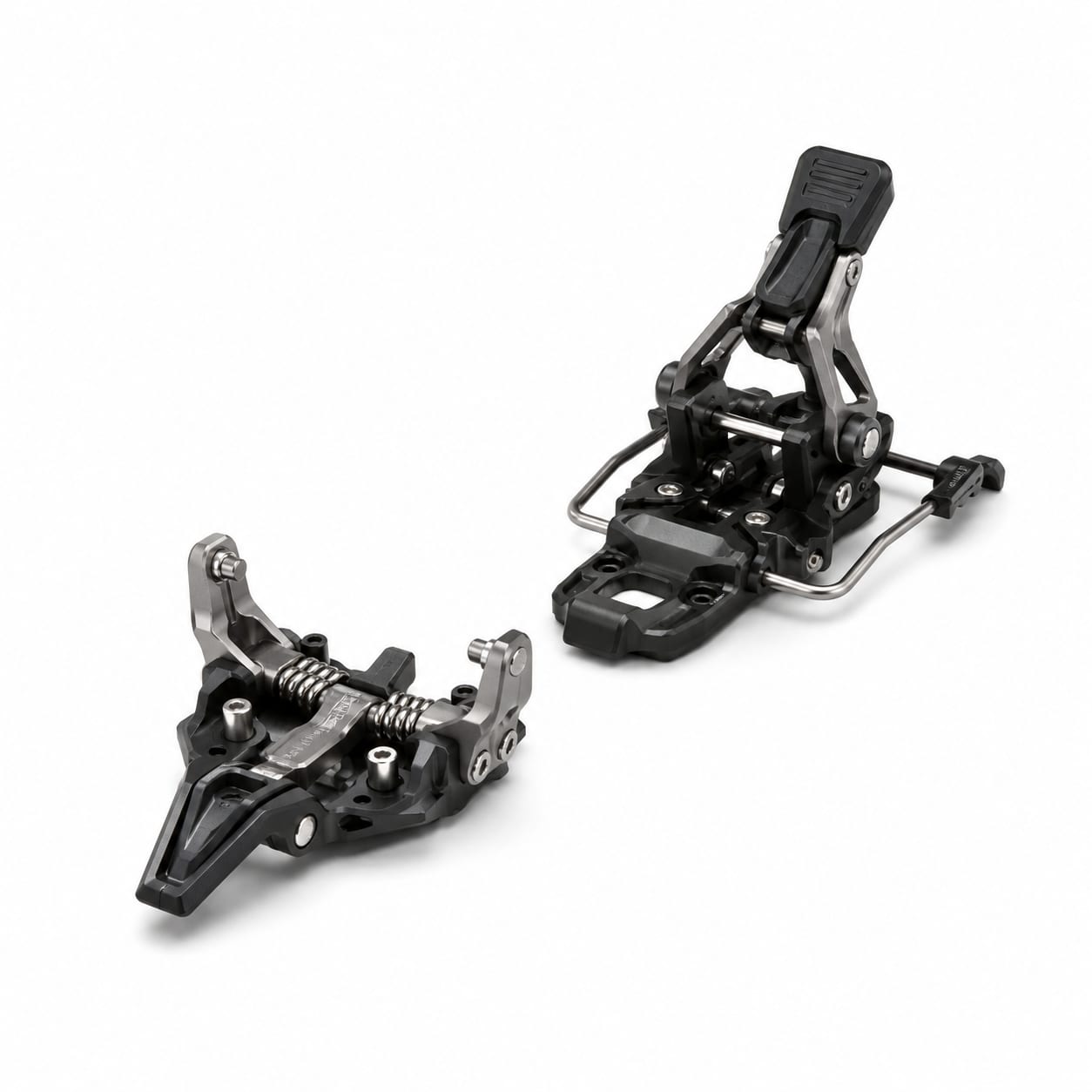
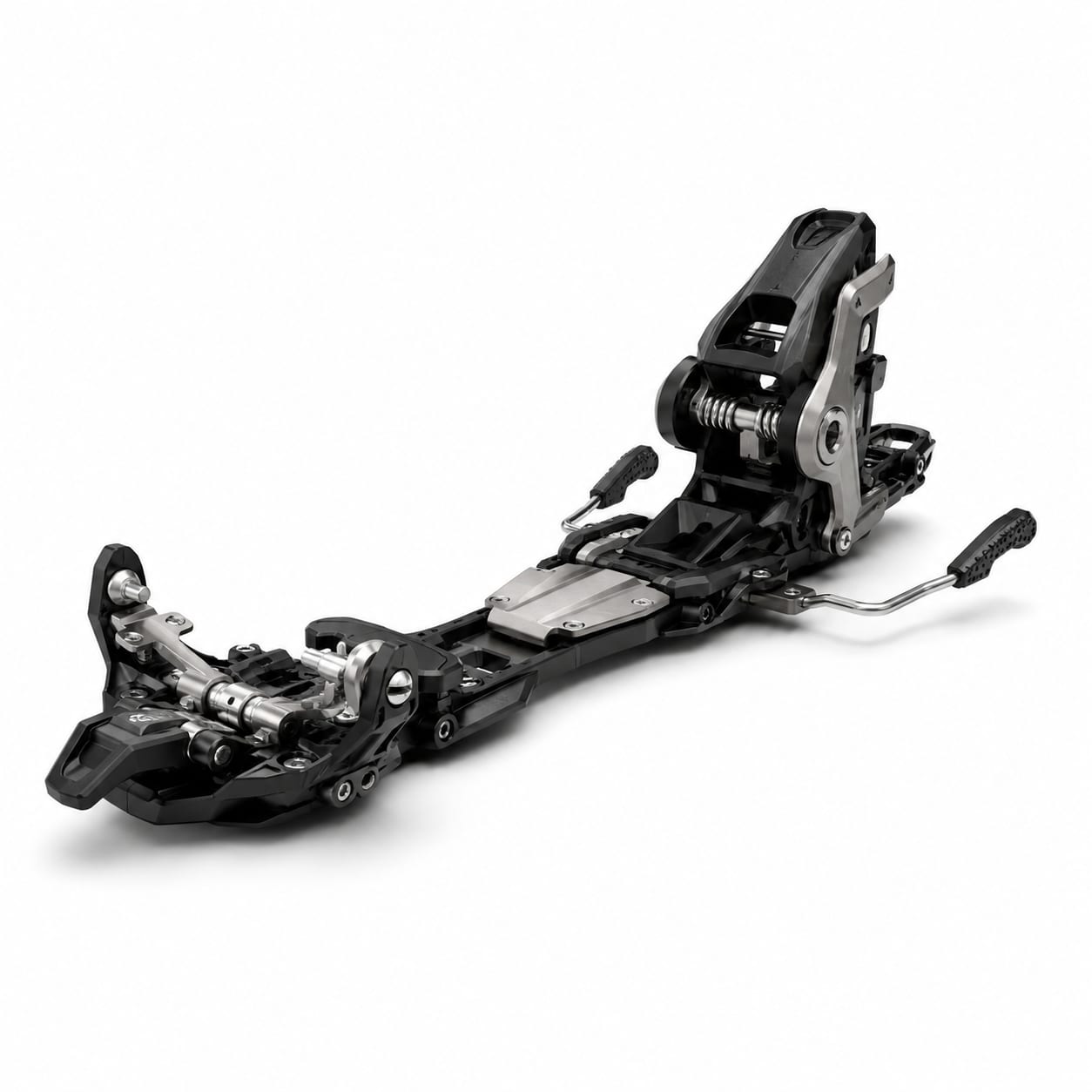
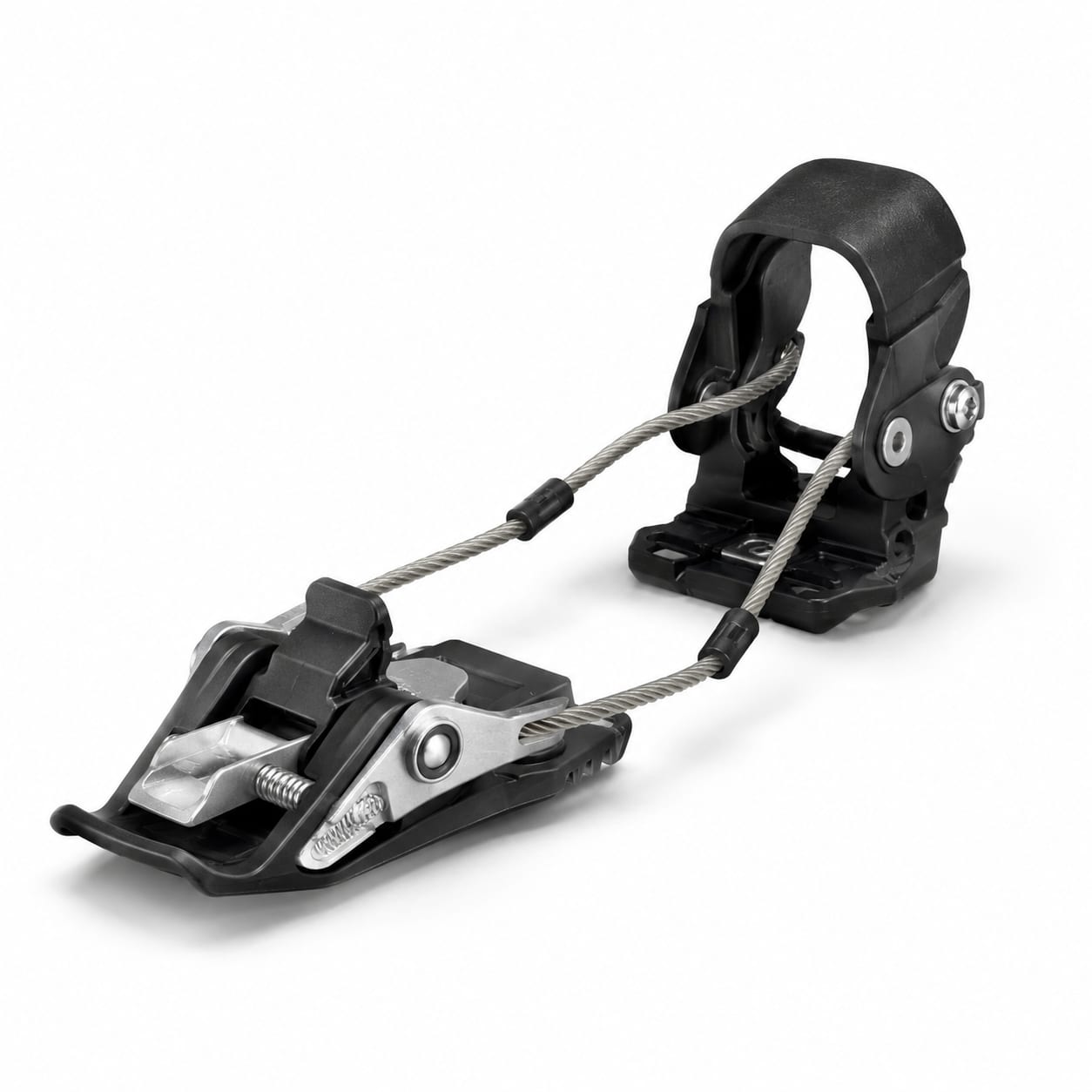
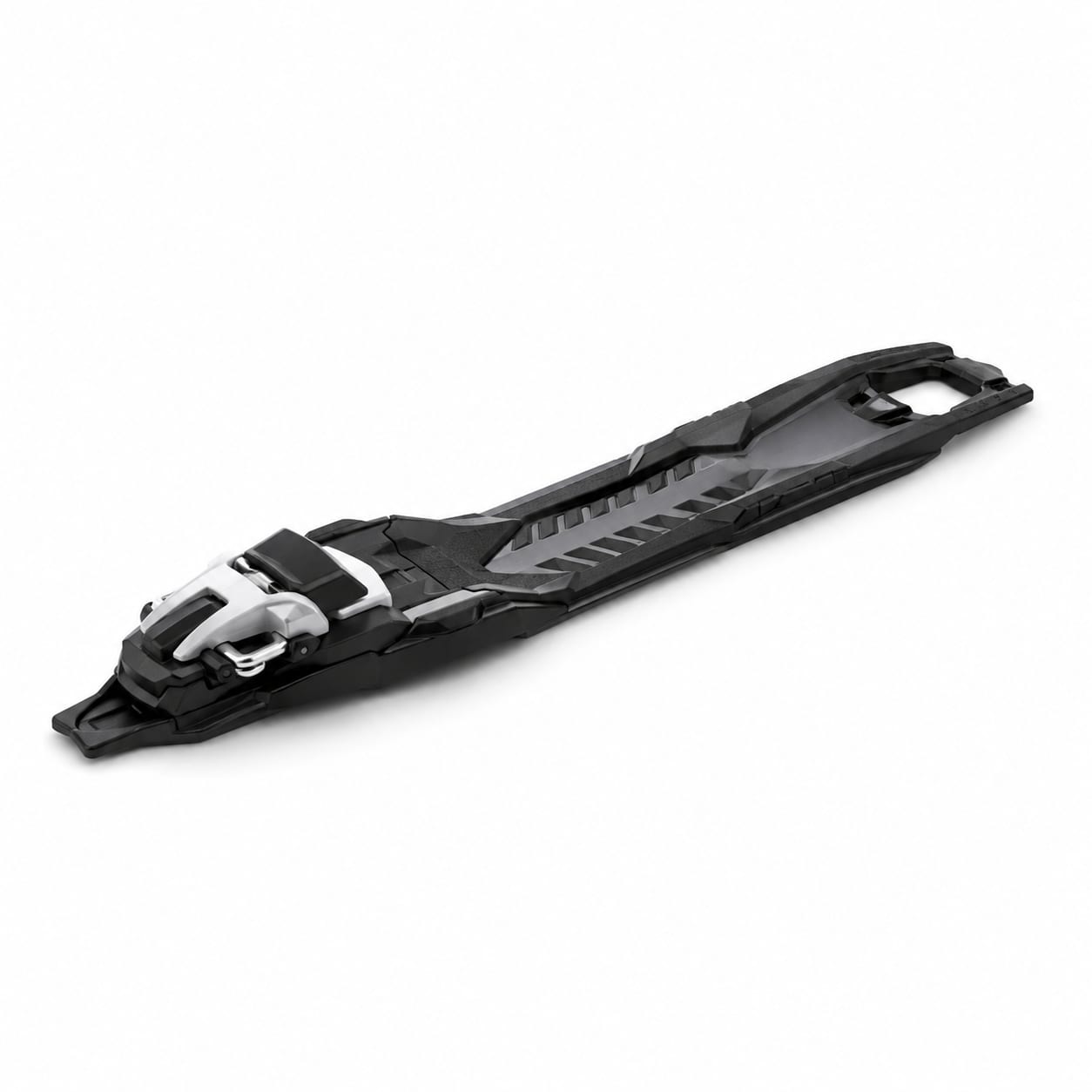
Junior/Youth bindings are a safety-critical subcategory of alpine ski bindings designed specifically for children and adolescents weighing roughly 20–50 kg (45–110 lbs). The defining characteristic is a DIN range that starts at 0.75 and typically maxes out between 3.0 and 4.5—far below the 3–10 or 4–12 ranges of adult bindings. This is essential because a binding that cannot be set low enough for a child's weight and ability will not release when it should, dramatically increasing the risk of knee and leg injuries. Youth bindings also feature smaller toe and heel jaws sized for junior boot soles (typically ISO 5355 in sizes 205–275mm), easier step-in actions requiring less force and precision, and overall lighter construction that doesn't overpower a kid's ski flex. Many models incorporate track or slider mounting systems that allow fore-aft adjustment as boot sole length changes—critical for growing feet. Brake widths are typically 75mm or 85mm to match the narrower waists of junior skis. While the engineering is simpler than high-end adult bindings, the safety standards (ISO 9462) are identical, and proper DIN calculation using a child's actual weight, ability, and sole length is just as important.
Choosing the correct binding for a young skier is arguably more consequential than for an adult, because children lack the strength and technique to compensate for equipment that doesn't release properly. A common and dangerous mistake is mounting adult bindings on junior skis and setting the DIN to its minimum. Even at DIN 3—the lowest setting on most adult bindings—the release force may exceed what a 45 lb child generates in a fall, especially in twisting scenarios. Junior bindings with DIN ranges of 0.75–3.0 or 0.75–4.5 solve this by providing release values calibrated to the forces small bodies actually produce.
Growth is the other major factor unique to this subcategory. Children's feet can grow two or three boot sizes in a single season, which changes the boot sole length and therefore the required binding adjustment. Many youth bindings use track or slider mounting systems that allow tool-free fore-aft adjustment, saving parents from costly remounts. Even fixed-drill youth bindings should be checked mid-season to ensure the forward pressure is still correct after a boot swap. Some families buy bindings one DIN range up (e.g., 0.75–4.5 instead of 0.75–3.0) to accommodate a growth spurt, but the child's current calculated DIN should always fall within the middle third of the range for optimal release consistency.
Brake width is straightforward for most junior setups—kids' skis rarely exceed an 80mm waist, so 75mm or 85mm brakes cover nearly everything. However, as tweens and teens move to wider all-mountain junior skis, a 95mm brake may be needed. Always match the brake to the ski waist with 5–15mm of clearance. A brake that's too narrow won't deploy; one that's too wide drags in carves and can catch on snow, which is especially problematic for lighter skiers who generate less centrifugal force to overcome drag.
Durability expectations should be realistic. Youth bindings use more composite and polymer components than adult models to save weight and cost. They hold up fine for the forces children generate, but they're not designed for the abuse a 180 lb adult can dish out. If a teen has outgrown the DIN range of a youth binding, it's time to move to an adult model—there's no shame in that transition, and it's a safety requirement. Inspect youth bindings each season for cracked housings, corroded springs, or brakes that no longer deploy crisply, and replace any binding that shows structural wear.
Finally, never underestimate the importance of professional mounting and DIN setting for junior bindings. A mis-drilled mount or an incorrectly set forward pressure can negate every safety feature the binding offers. Have a certified technician mount the bindings, calculate the DIN using the child's current weight and ability level (not what you hope they'll be by March), and verify the release at the start of each season or whenever boots are changed.